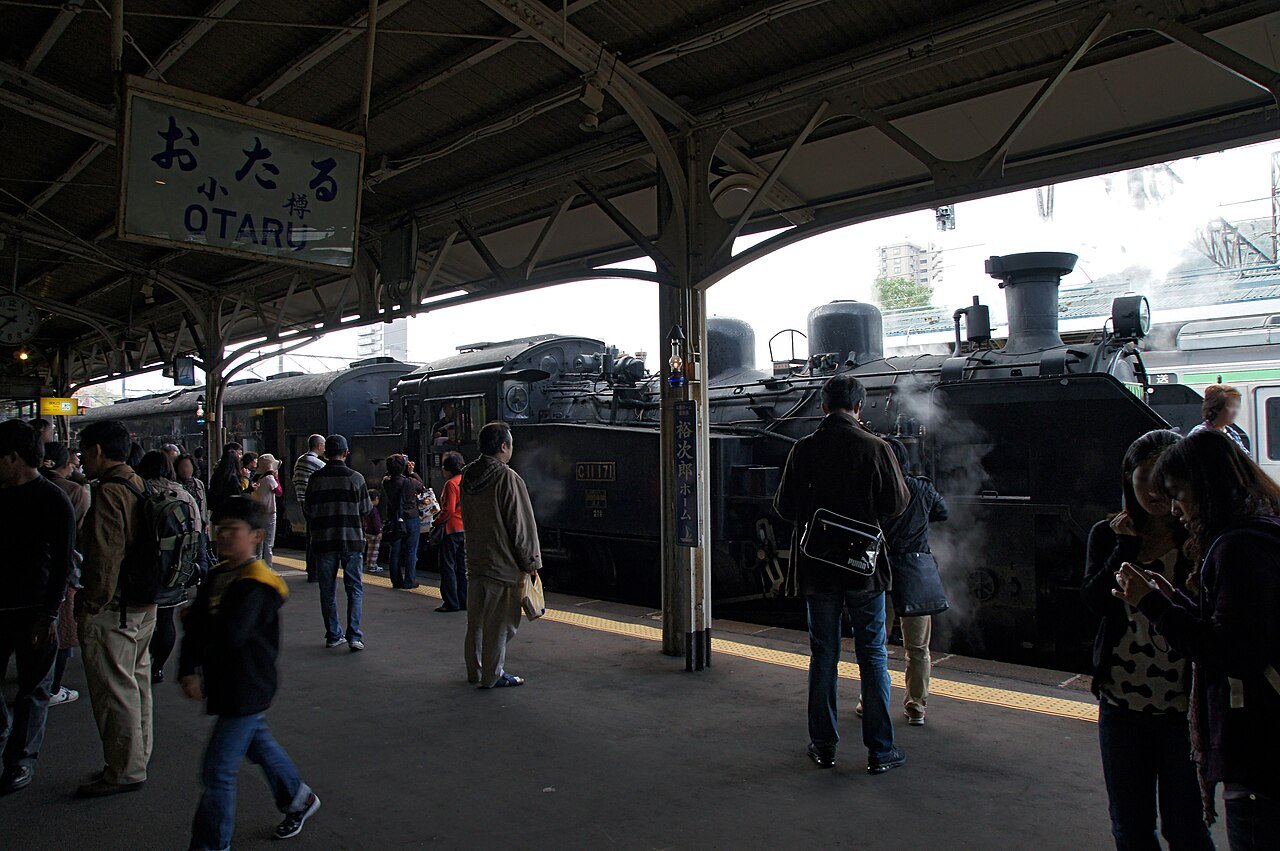
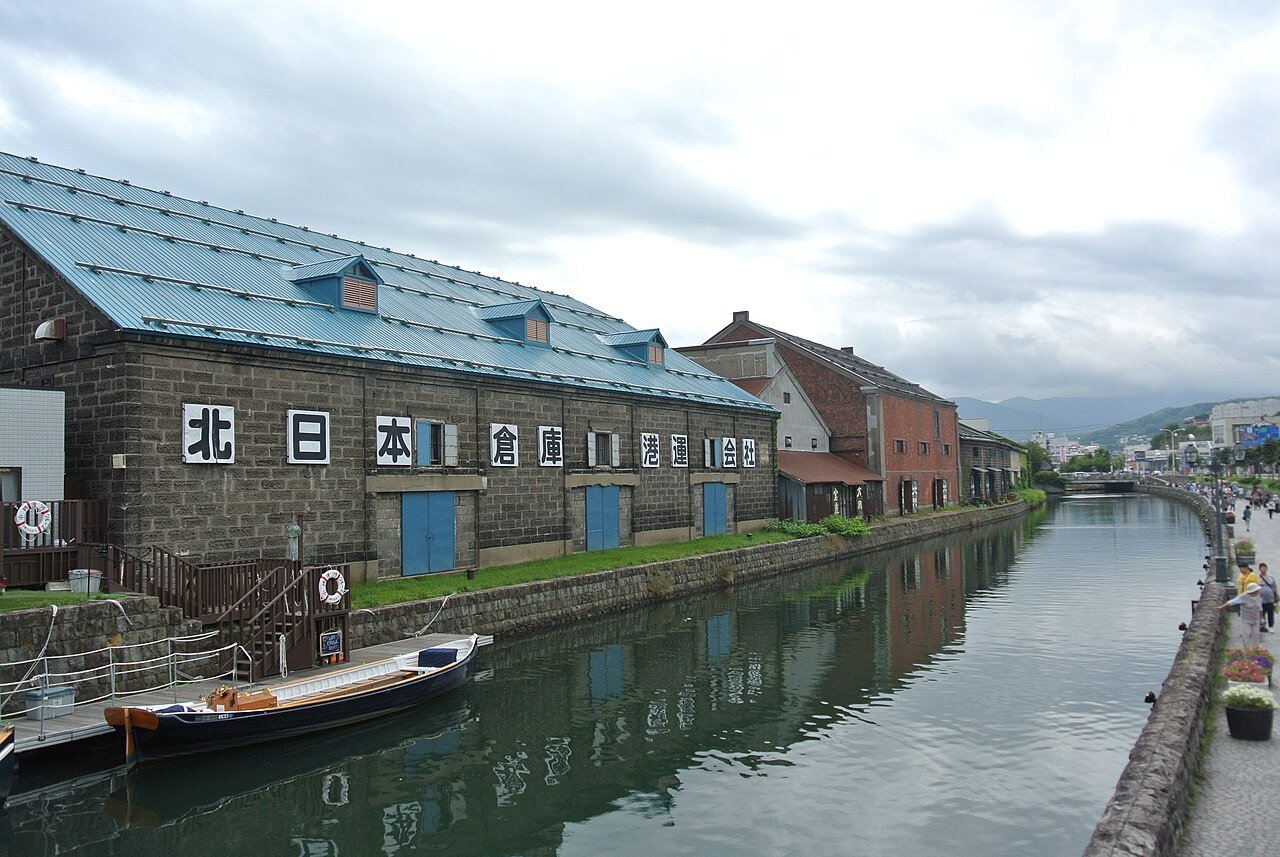
Canal, stone warehouses, glasswork shops, sushi pulled from the morning catch — Otaru looks effortless on Instagram. Getting there is easy. But know your train options, which month to come and what to wear before you freeze on the towpath.
Otaru is in Hokkaido, just 32 km northwest of Sapporo. Trains make it one of the easiest day trips in all of Japan.
Almost everything worth seeing is within 30 minutes on foot from the station — here's how to navigate it.
Something many first-time visitors discover on arrival: Otaru is much smaller than it looks on a map. The canal, the warehouse district, Sakaimachi Street, Kitaichi Glass, and Sankaku Market are all linked in a single walkable loop that takes under an hour. That compactness is precisely what makes Otaru work so well as a day trip — you don't need complicated transport planning. The exception is Mount Tenguyama, which requires a bus or taxi to reach the ropeway.
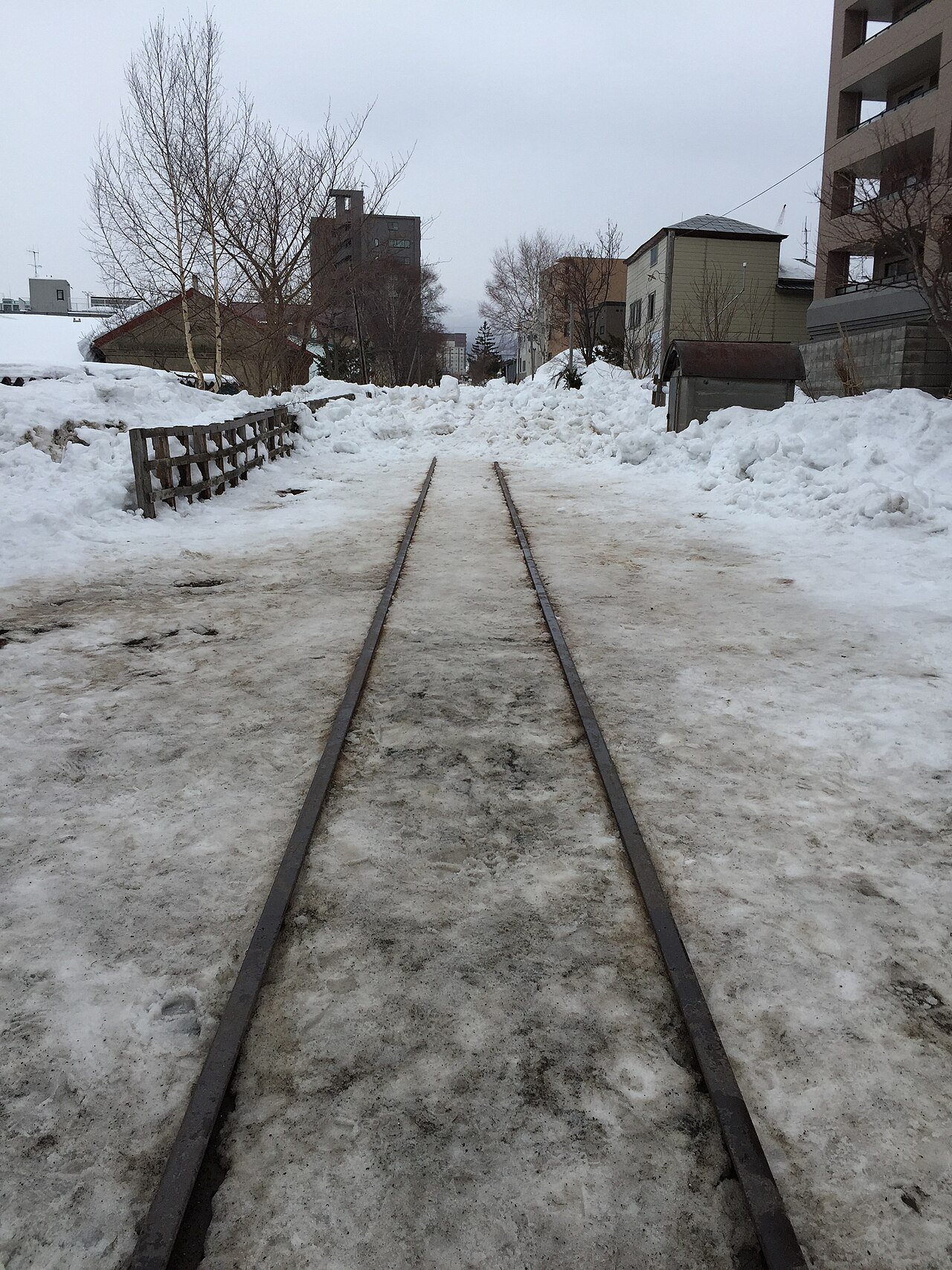
Station to Sankaku Market: 2 minutes. To the canal: 10 minutes. To Sakaimachi Street: 20 minutes. To Kitaichi Glass: 25 minutes. To Denuki-koji lane: 30 minutes. Everything connects naturally on foot. In winter, be aware that pavements and slopes freeze solid — proper footwear is non-negotiable.
A sightseeing loop bus that connects Otaru Station, the canal, Sakaimachi, and the coastal area. Fare is ¥220 per ride or a ¥750 day pass. Useful when your feet give out mid-afternoon or when winter cold makes the idea of walking another kilometre less appealing. Not necessary for most itineraries — the sights are close enough to walk.
Several rental shops operate in front of Otaru Station (Otaru I Love Bike, Blue Leaf and others). Standard bikes run ¥500–1,000 per day; e-bikes are available for tackling the slopes around Funamizaka. Good for exploring the coastal stretch toward Zenibako or the quieter residential streets east of the canal. Not recommended in winter — the roads are icy.
Useful if you want to reach the Tenguyama Ropeway base without waiting for the Stroll Bus, or if you're heading to an Otaru onsen resort further from the centre. Taxis wait in front of the station. Station to Tenguyama Ropeway costs roughly ¥1,200–1,500 depending on traffic.
A working harbour town with real residents — a few things are worth knowing ahead of time.
Each season has a distinct character — here's an honest read on each one.
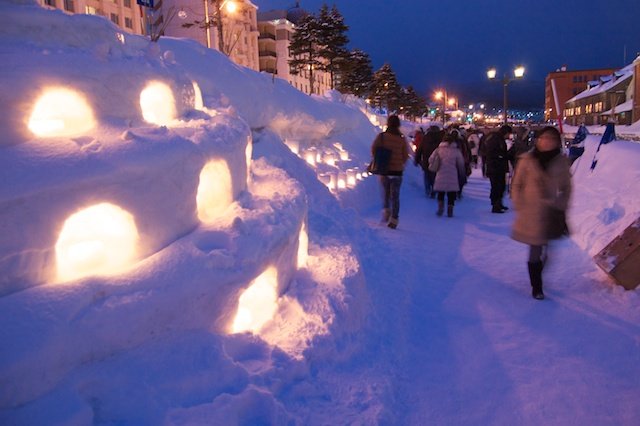
The canal framed by snow and glowing gas lamps is the image most people associate with Otaru. The Snow Light Path Festival (7–14 February) is the centrepiece — hundreds of snow lanterns and floating candles on the water, free admission, running 5–9 pm nightly. Temperatures from -10 to -1°C mean you need serious gear, but that cold is part of what makes the atmosphere so vivid. Book accommodation months in advance.
Otaru's cherry blossoms arrive later than the rest of Japan, typically peaking in late April to early May. Temiya Park is the best spot, with over 700 trees including the Hokkaido-native Ezo Mountain Cherry. The air is still cool (5–15°C), crowds are thinner than in winter, and the city has a calm, unhurried feel. A good option if you want the sights without the festival crush.
Hokkaido is where mainland Japanese come to escape the heat, and for good reason: Otaru in summer runs 17–24°C with no oppressive humidity. The Canal Cruise operates during warm months — 40-minute guided boat tours that give you the warehouse streetscape from the water. Sea urchin and crab are at their freshest. This is peak domestic season, so expect the most visitors of any period.
Crisp air and comfortable temperatures (10–20°C) make autumn one of the most pleasant times for walking. The foliage on Mount Tenguyama turns amber and red, best seen from the ropeway. Autumn also marks the start of Hokkaido king crab season. Fewer visitors than winter or summer, making it the quietest and most comfortable time to explore.
Rough figures to plan by — including transport to and from Sapporo.
| Item | Budget | Mid-range | Comfortable |
|---|---|---|---|
| Accommodation (per person/night) | ¥3,000–5,000 (hostel / guesthouse) | ¥7,000–12,000 (hotel near canal) | ¥15,000+ (onsen ryokan) |
| Food (3 meals) | ¥2,000–3,000 (Sankaku Market / local set meals) | ¥4,000–7,000 (sushi counter / seafood don) | ¥10,000+ (omakase sushi / king crab) |
| Transport to/from Sapporo | ¥1,500 (return train or bus) or free with JR Pass | ||
| Admission / activities | ¥500–800 (one museum or Kitaichi) | ¥1,200–2,000 (Tenguyama ropeway + museum) | ¥2,500+ (canal cruise + all attractions) |
| Souvenirs / shopping | ¥500–1,500 (LeTAO cheesecake / Hokkaido sweets) | ¥3,000–6,000 (handmade glasswork) | ¥10,000+ (large glass pieces / custom orders) |
| Daily total (excl. accommodation) | ~¥4,000–6,500 | ~¥9,000–16,000 | ¥22,000+ |
Slip-resistant, waterproof boots with deep-lugged soles — genuinely non-negotiable. Otaru's pavements freeze completely and visitors without proper footwear take falls. Anti-slip attachments (¥300–500) are sold locally if you get caught out. Beyond footwear: thick hat and gloves, windproof outer shell, fleece mid-layer, moisture-wicking base layer, and disposable pocket warmers from any convenience store. Temperatures: -10 to -1°C.
A windproof jacket is essential — mornings and evenings are still cold even when midday is comfortable. Comfortable walking shoes with a non-slip sole (spring can be muddy in park areas). A light rain layer, since Hokkaido weather turns quickly. One warm mid-layer for evenings. Spring temperatures: 5–15°C. Autumn: 10–20°C.
Light, breathable clothing for daytime. A thin jacket or long-sleeved layer for evenings — temperatures drop noticeably after sunset. Sunscreen (Hokkaido's UV is stronger than it feels). Comfortable walking shoes. Hokkaido summer is notably cooler and drier than Tokyo or Kyoto, so the heavy heat gear you might pack elsewhere stays home here. Temperatures: 17–24°C.
Cash in yen, enough for a full day (ATMs at 7-Eleven and Japan Post Bank accept international cards). Google Maps (works well in Japan). An IC card — Suica or Kitaca — for tap-to-pay on trains and buses. A portable battery bank for a full day out. An eSIM or pocket Wi-Fi booked before departure so you're connected the moment you land.
Otaru sees a large number of international visitors, and signage at the station, main attractions, and most shops on Sakaimachi is in English. Smaller stalls in Sankaku Market may not have English-speaking staff, but Google Translate's camera function handles Japanese menus and signs reliably. Most shopkeepers are patient and helpful with gestures and translation apps.
Smaller cafes, craft studios, and market stalls are frequently cash-only. Larger shops on Sakaimachi may accept Visa, Mastercard, or contactless payment, but assume cash unless you see a card reader. The most reliable ATMs for international cards are at 7-Eleven and Japan Post Bank — both have branches near Otaru Station. Your IC card (Suica/Kitaca) covers trains and buses but not most shops.