9 Experiences Worth Your Time in Otaru
Ordered by what visitors mention most after they leave
 1
1
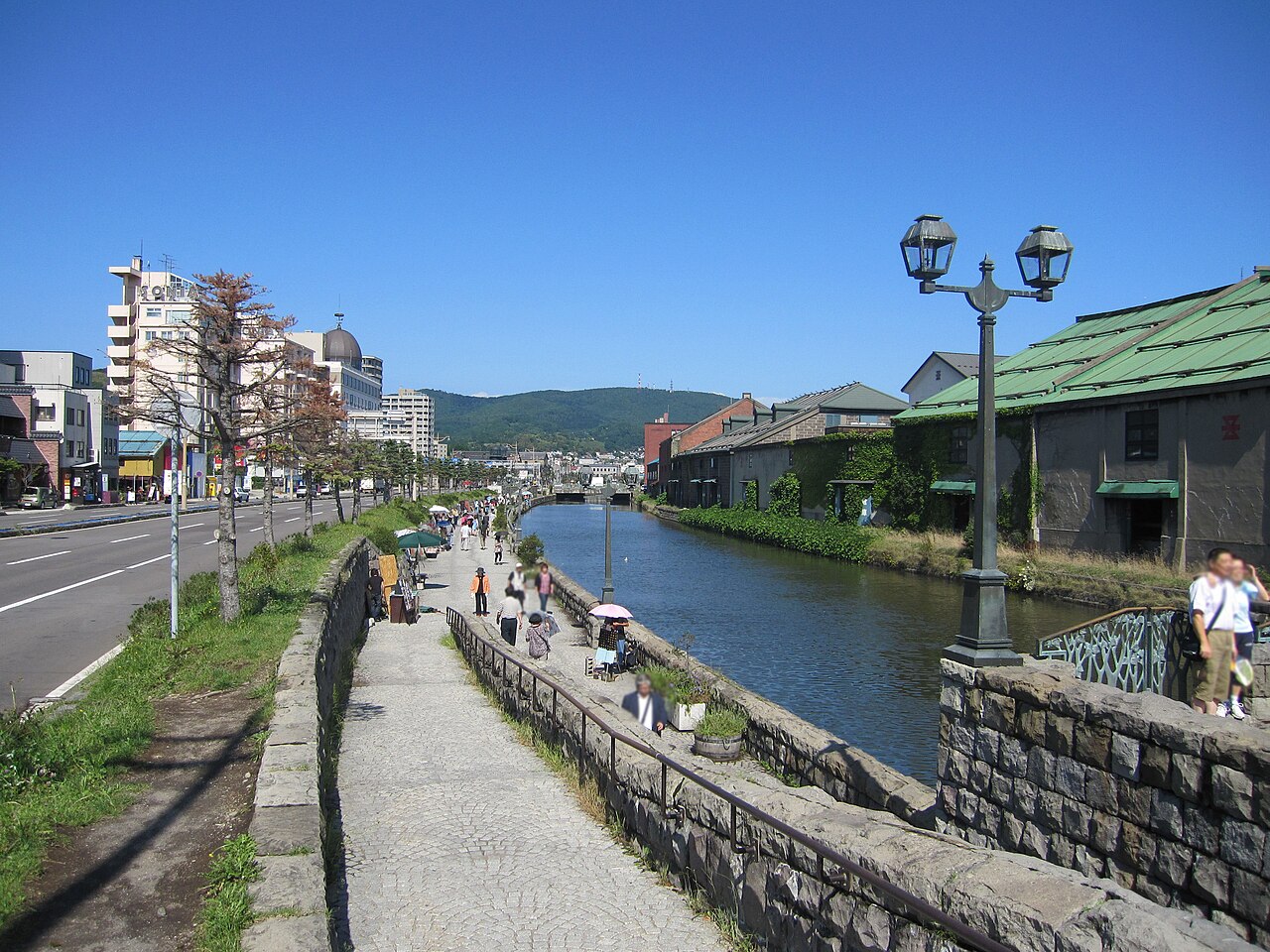
The canal was dug in 1923 when cargo ships anchored offshore and small boats ferried goods in. The stone warehouses that lined both banks — built to hold sugar, rice and herring — never came down. Today they house restaurants, galleries and cafes, but the bones of the buildings are untouched. Sixty-three gas lamps light up along the waterside promenade every evening, casting amber light across the water. This is the image Otaru is known for — and it requires no filter, no post-processing and no planning beyond arriving after dark. The canal runs freely alongside the city: no entrance fee, no gates, no closing time.
 2
2
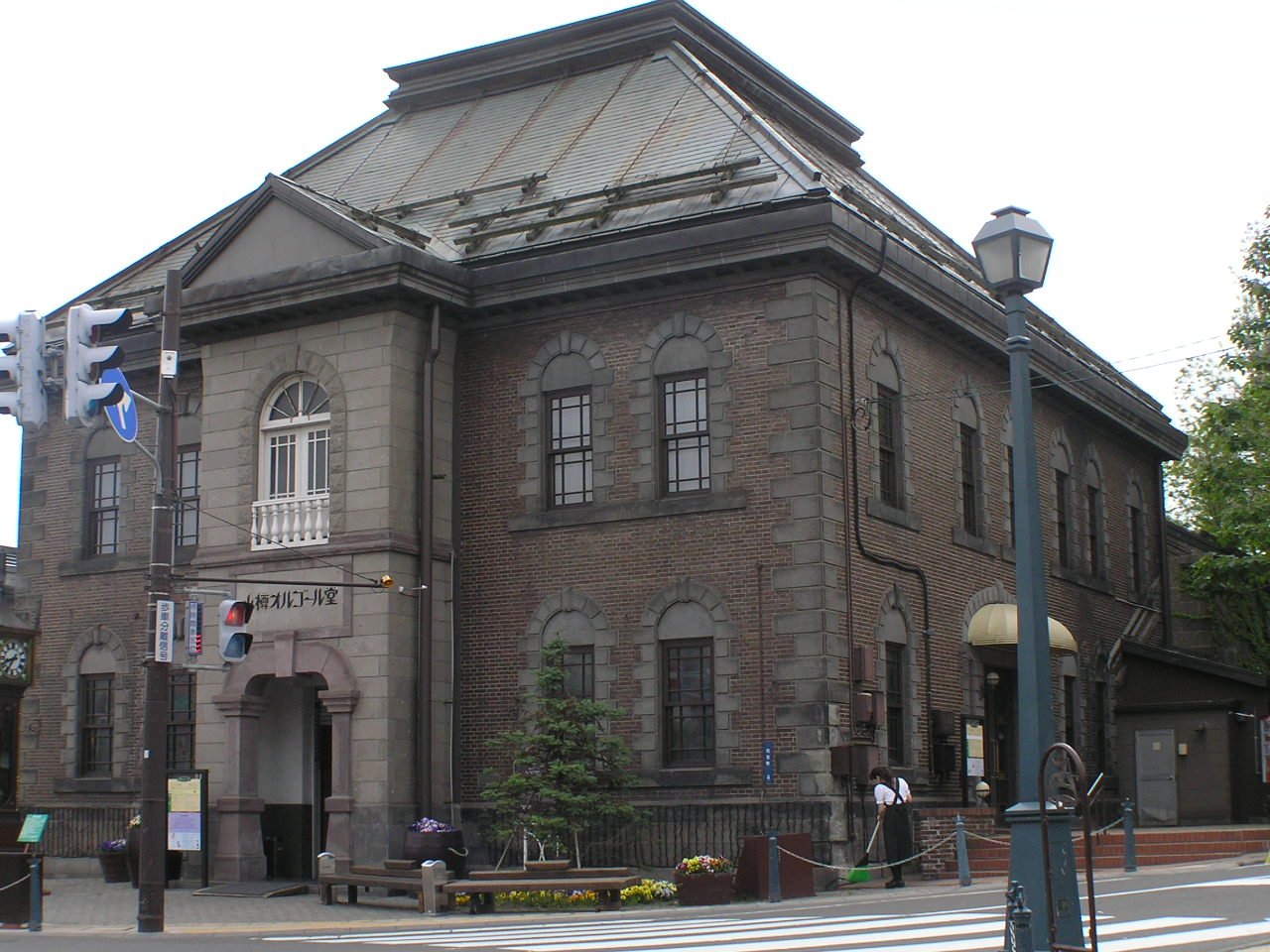
You walk into a century-old stone warehouse and find yourself inside what is probably the largest collection of music boxes in Japan — from palm-sized ones that play six notes to chest-sized mechanisms with rotating cylinders and dozens of moving parts. The main hall holds free concerts on the hour: a staff member selects an instrument, winds it up, and lets it play while the room goes quiet. The Hall No. 2 Antique Museum nearby houses rare Swiss and German pieces from the 1880s onwards; mechanical dolls that play instruments; and an automaton collection that was already old when the 20th century started. Both buildings are free. Photography is permitted throughout.
 3
3
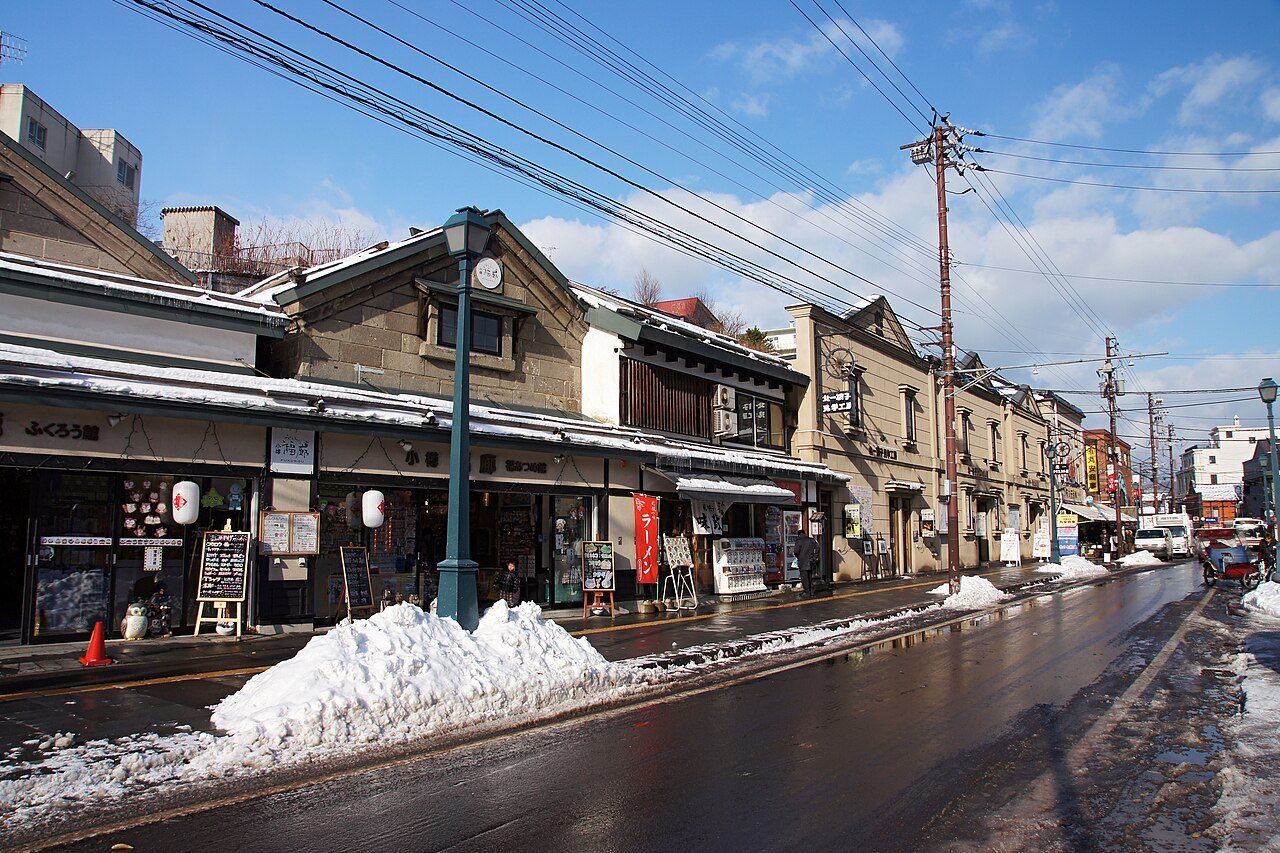
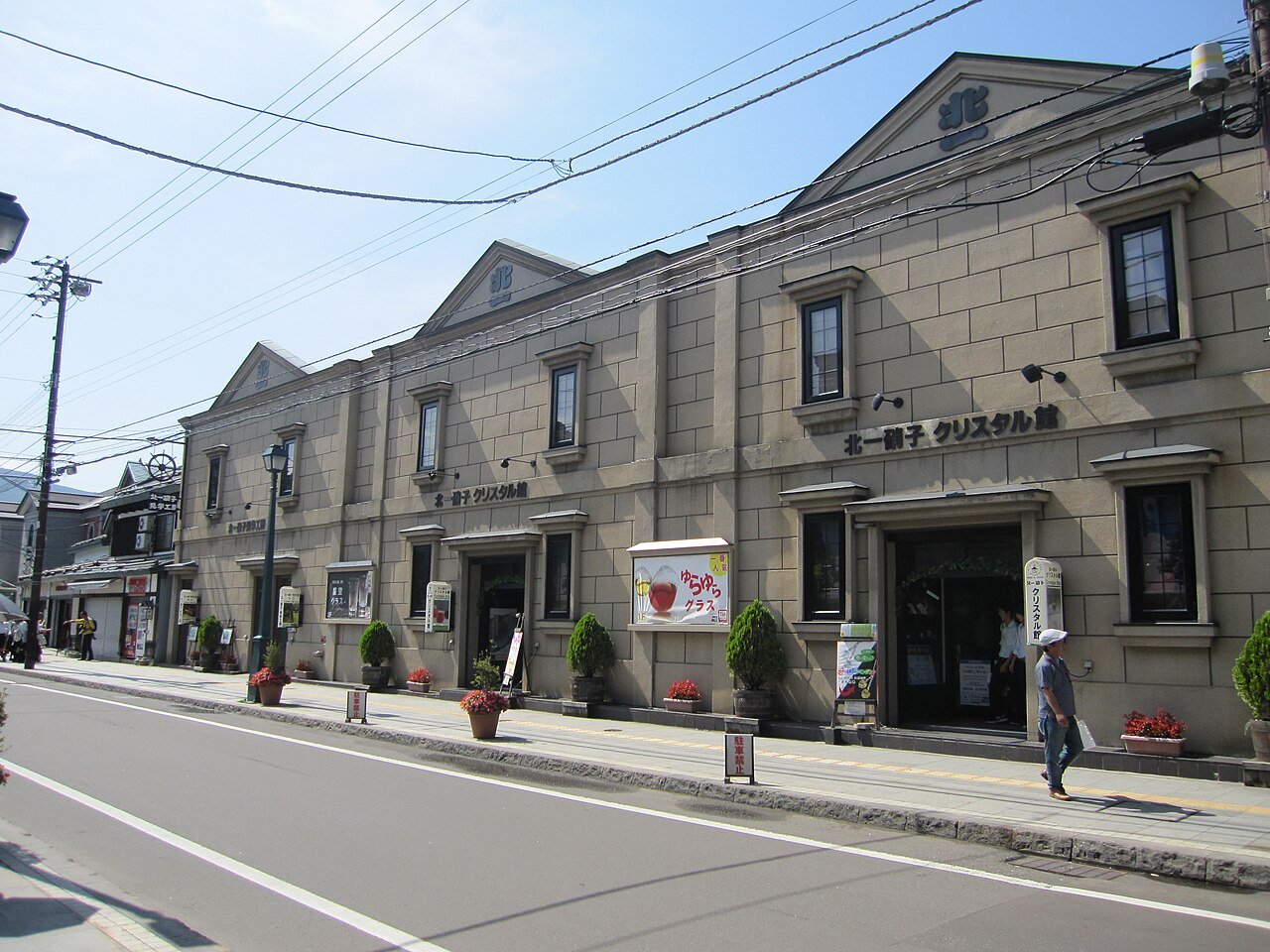
If Otaru has a spine, it is Sakaimachi Street — a 600-metre stretch where the Taisho-era merchant warehouses have been converted without being demolished. Inside you find Kitaichi Glass, the Orgel Doh music boxes, the LeTAO flagship (home of the Double Fromage layered cheesecake that people queue for), small craft workshops, seafood restaurants and coffee shops. Each building has a different character — some still carry their original company signs on the stone facade. Walk slowly. Each doorway reveals something the one before did not. The full street takes anything from 30 minutes to two hours depending on how often you stop.
 4
4
The building was a fishery warehouse in 1891. The oil-lamp era ended well before the 20th century in most of the world. At Kitaichi Glass Building No. 3 it never ended: 167 oil lamps are hand-lit one by one every morning at 08:45, before the shop opens, and they serve as the only light source throughout the entire interior. The amber warmth picks up the colours in every piece of glassware — bowls, carafes, lanterns, vases — in a way that electric light simply cannot replicate. There is also an attached tearoom where you can sit in that same lamp-lit atmosphere and order tea or coffee. No admission fee; you only pay if you buy something or order at the tearoom.
 5
5
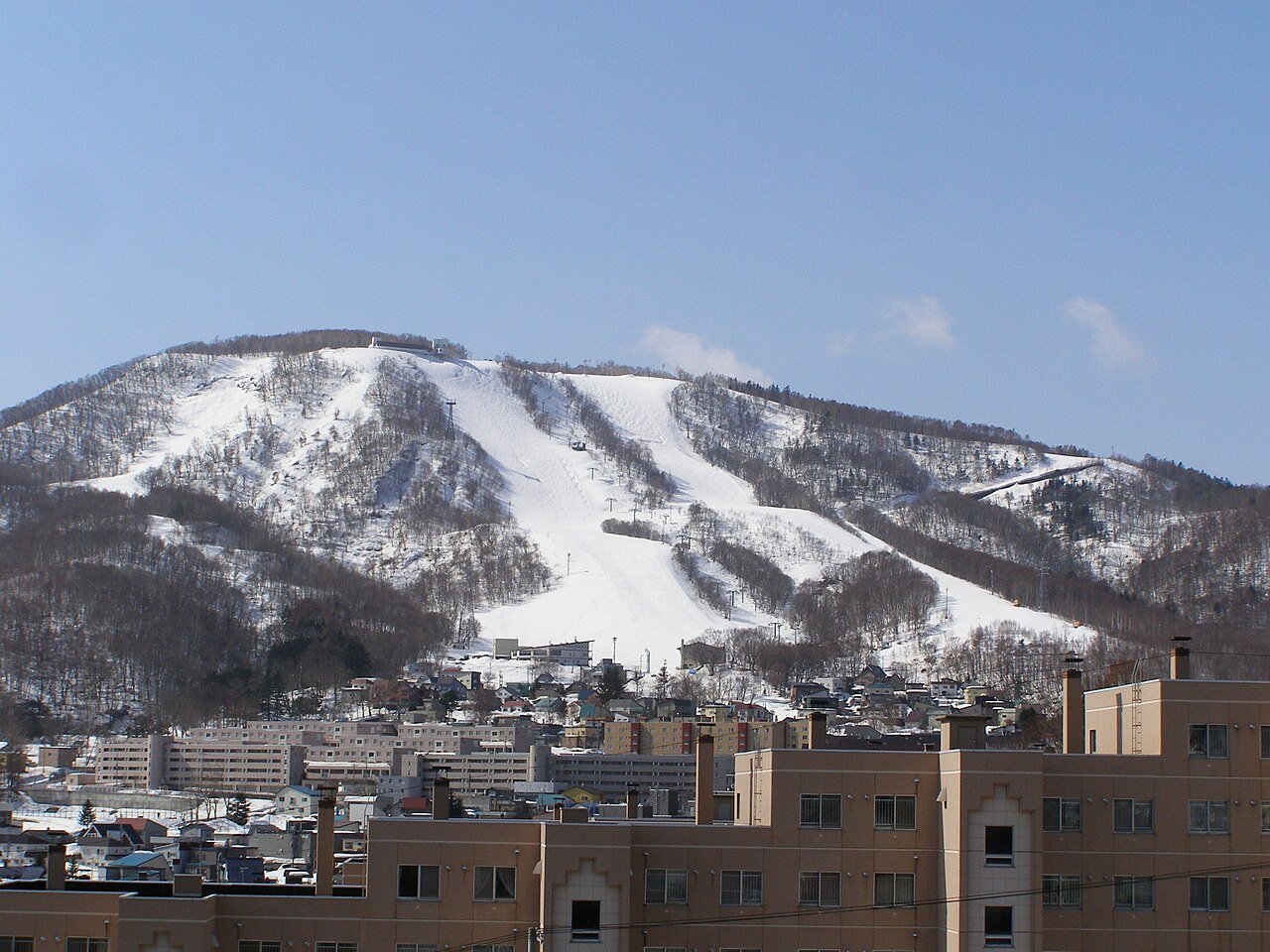
The ride itself takes five minutes. What you get at the top is one of Hokkaido's three most celebrated night views — alongside Mt Moiwa in Sapporo and Mt Hakodate — which is high company for a cable car that most guidebooks mention as an afterthought. From the observation platform at 532 metres you see the city of Otaru fanning down to the bay, the Sea of Japan spreading dark beyond it, and on clear nights the faint outline of the Shakotan Peninsula. In summer the summit has rhododendrons and a small rest house; in winter it becomes a family ski area. The mountain's name refers to the tengu, a long-nosed mountain spirit of Japanese folklore — reputedly the guardian of this particular peak.
 6
6
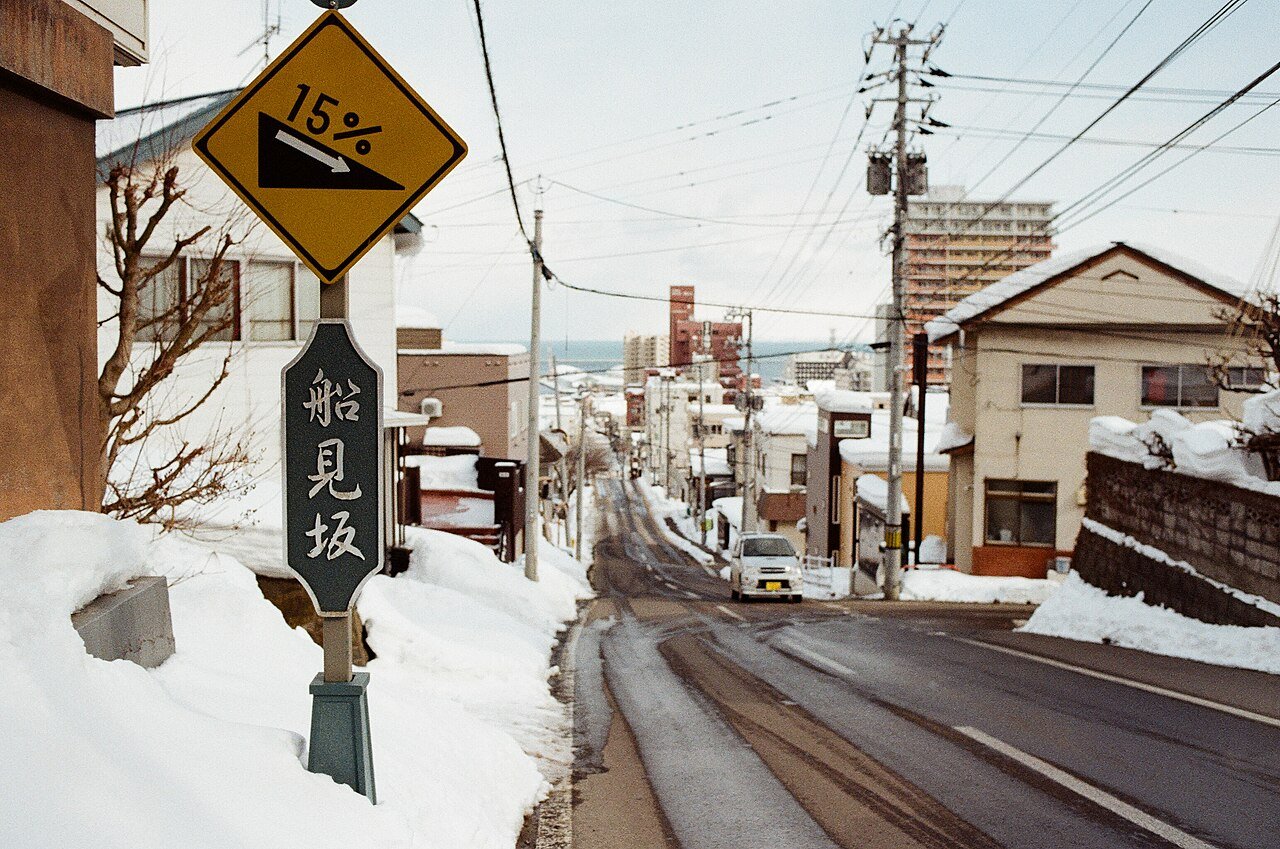
This is the part of Otaru that most visitors miss. Funamizaka is a steep cobblestone street that drops from the historic district down toward the waterfront, with old tram rails still embedded in the stone surface and wooden houses tucked back behind low walls. Small craft shops and quiet cafes sit along the sides; at the bottom the street opens to a view across Otaru Bay. In autumn the trees on either side turn amber and red. It takes under ten minutes to walk, produces some of the most photogenic frames in the city, and is almost always quiet.
 7
7
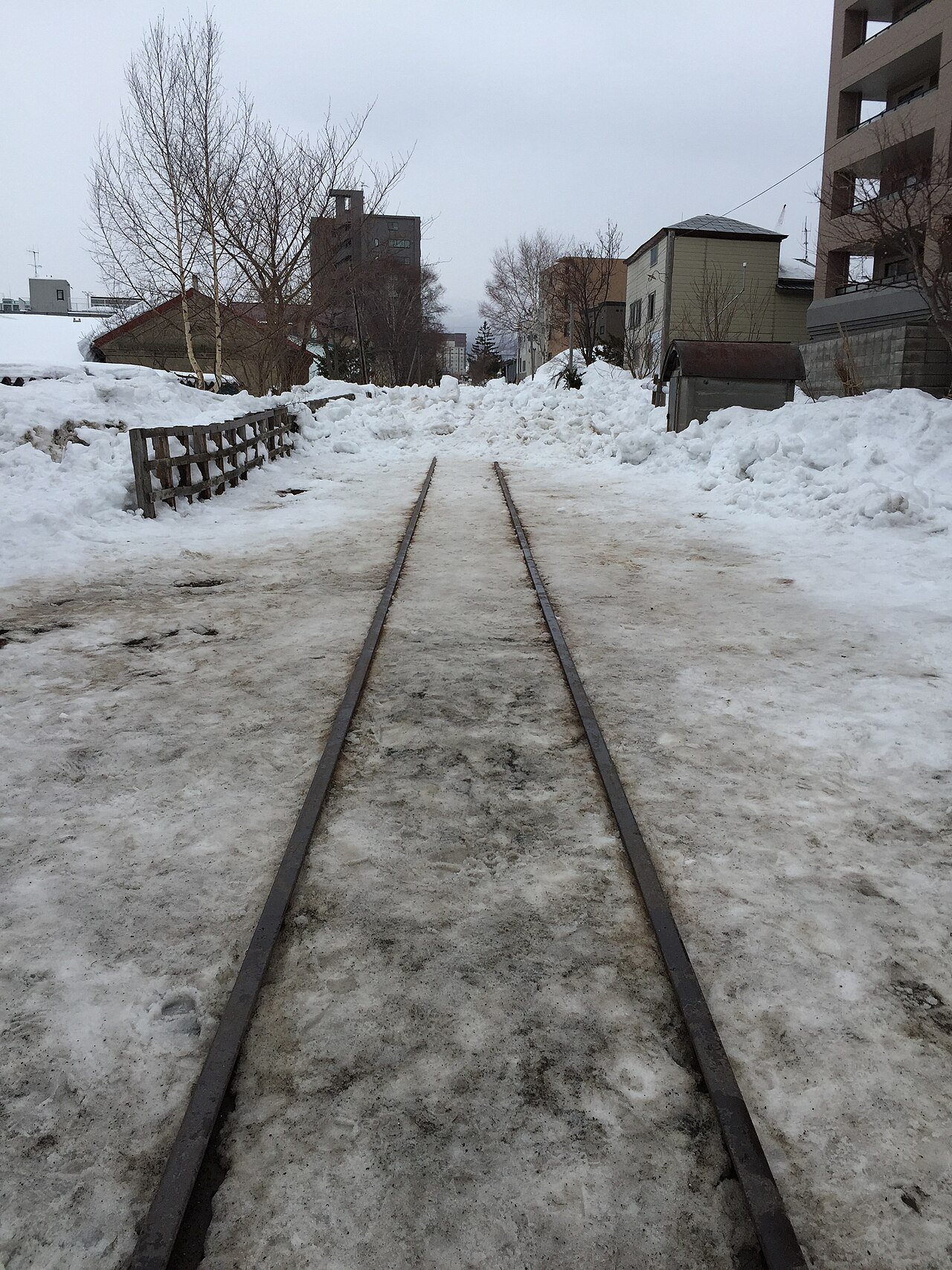
In 1880, a railway line was laid between Otaru's Temiya port and the coal mines at Horonai — the first railway in Hokkaido, built at a time when the island was still being settled. For over a century it carried coal, herring and kelp out to the ships. The line closed in 1985, but the tracks were not removed. Today the 1.6-kilometre route is a heritage promenade with the original rails still set in the stone, level crossing gates intact, and the occasional rusting sign still in place. In February it becomes one of the two main venues for the Snow Light Path Festival, when hundreds of snow lanterns line the old trackway. The full walk takes about 30 minutes.
 8
8
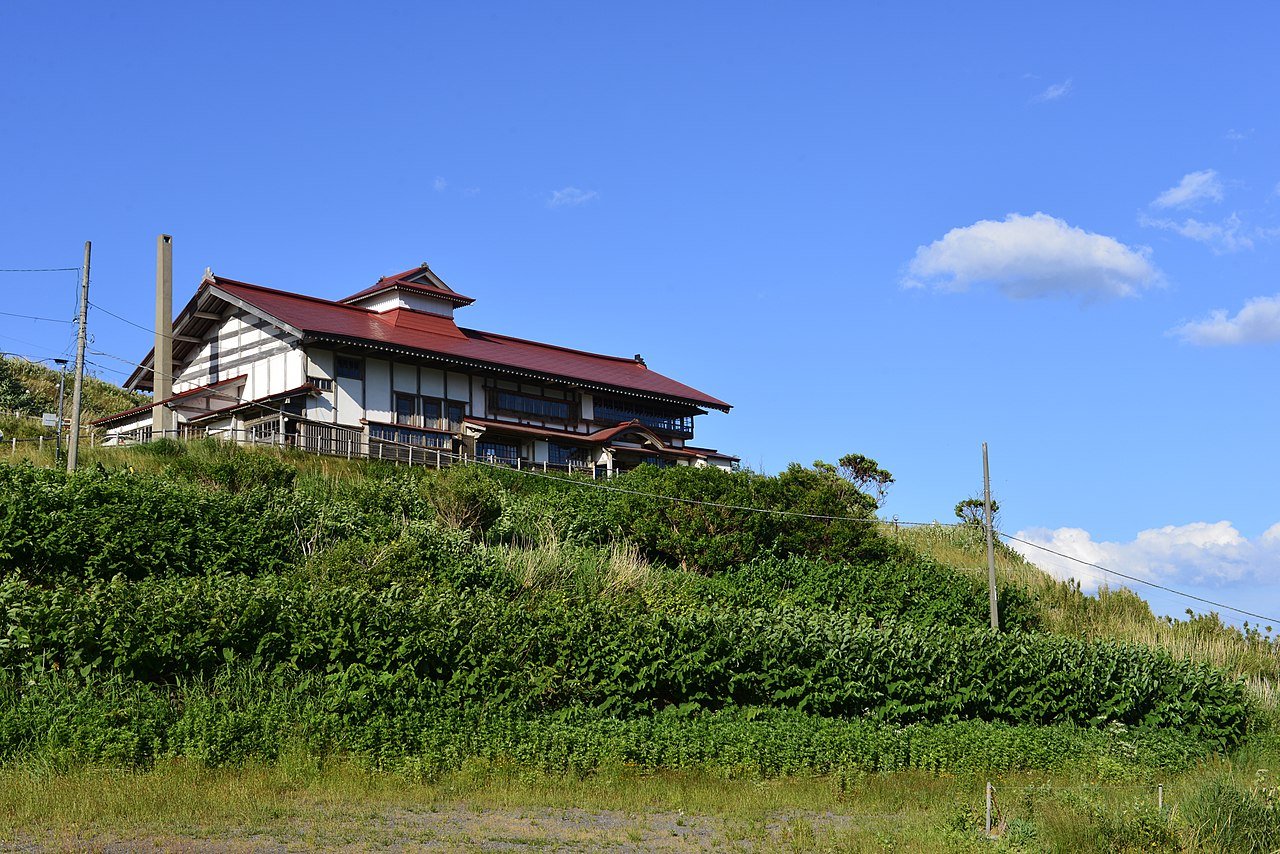
Before the herring stocks collapsed in the 1950s, the fishing industry made certain people in Otaru very wealthy. The Herring Mansion is the best surviving evidence of that wealth: a large, well-preserved wooden estate built in the late Meiji period on a hill above the Shukutsu coast, about five kilometres from central Otaru. The rooms are furnished with original items — fishing implements, household goods, photographs of the fleets — and the position on the hillside gives clear views across the bay. The building was moved to its current location in 1958; the scale of it, for a fishing merchant's house, remains genuinely surprising.
 9
9
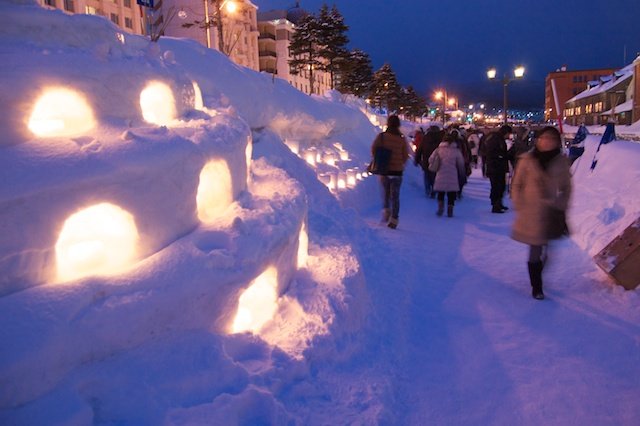
If there is one time when Otaru becomes genuinely difficult to leave, it is February during the Snow Light Path Festival. For about ten evenings each year — 17:00 to 21:00 — hundreds of hand-sculpted snow lanterns holding tealight candles are set along the canal and the Former Temiya Railway Line. The warm amber of the flames against white snow, the gas lamps already lit, the stone warehouses behind — it produces an atmosphere that is almost impossible to describe without sounding like an exaggeration. In 2026 the festival ran February 7–14. International volunteers join local residents to make the lanterns, which gives the event an unusually open and community atmosphere for a tourist attraction in Japan.