A small port where fish comes off the boat every morning, a cheesecake that draws queues from across Japan, and a noodle dish you can only find in this one town — Otaru might be Hokkaido's best-kept food secret.
Picture a port town that built its fortune on herring fishing in the nineteenth century, whose stone warehouses now sit alongside sushi counters where the fish literally came from the bay this morning. That is Otaru — thirty-two minutes by express train from Sapporo, and yet a world away in terms of the seafood on your plate.
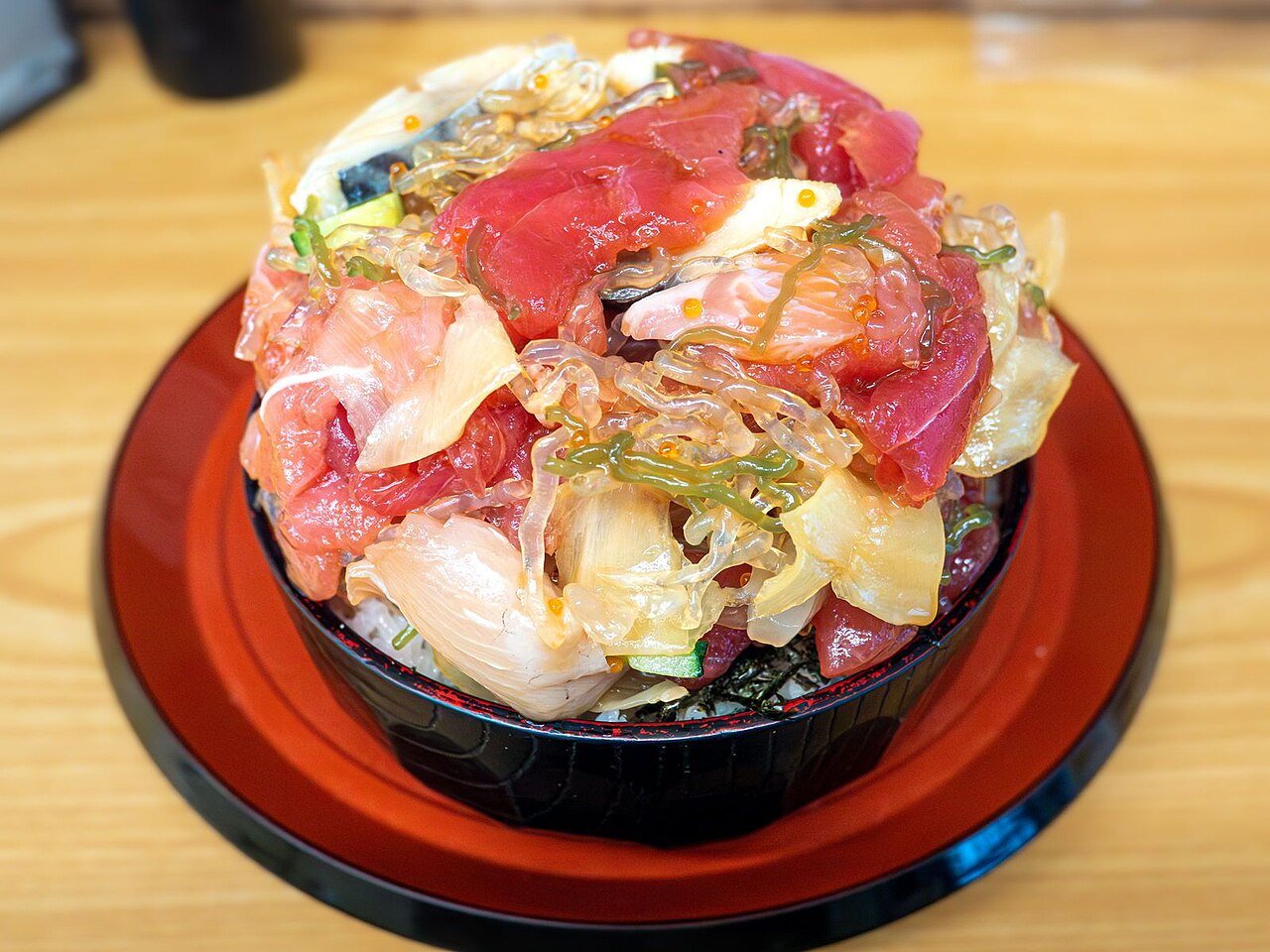
You don't need to take our word for it. Order a kaisendon at Sankaku Market and you'll understand immediately: thick slices of salmon, amber domes of salmon roe, sweet scallops, and — if you're lucky and it's the right season — a scoop of fresh uni (sea urchin) all piled onto warm rice. Under ¥2,000 for all of that. The equivalent bowl in Tokyo would cost twice the price.
Beyond seafood, Otaru has ankake yakisoba — a stir-fried noodle dish with a thick savoury sauce that exists only in this town and nowhere else in Japan. And it has LeTAO, whose double-layer cheesecake using Hokkaido dairy is one of the most copied confections in the country, best eaten at the source. We picked six dishes that together tell the full story of what Otaru tastes like.
Ranked by how distinctively Otaru they are — starting with the things you genuinely cannot eat anywhere else.
1
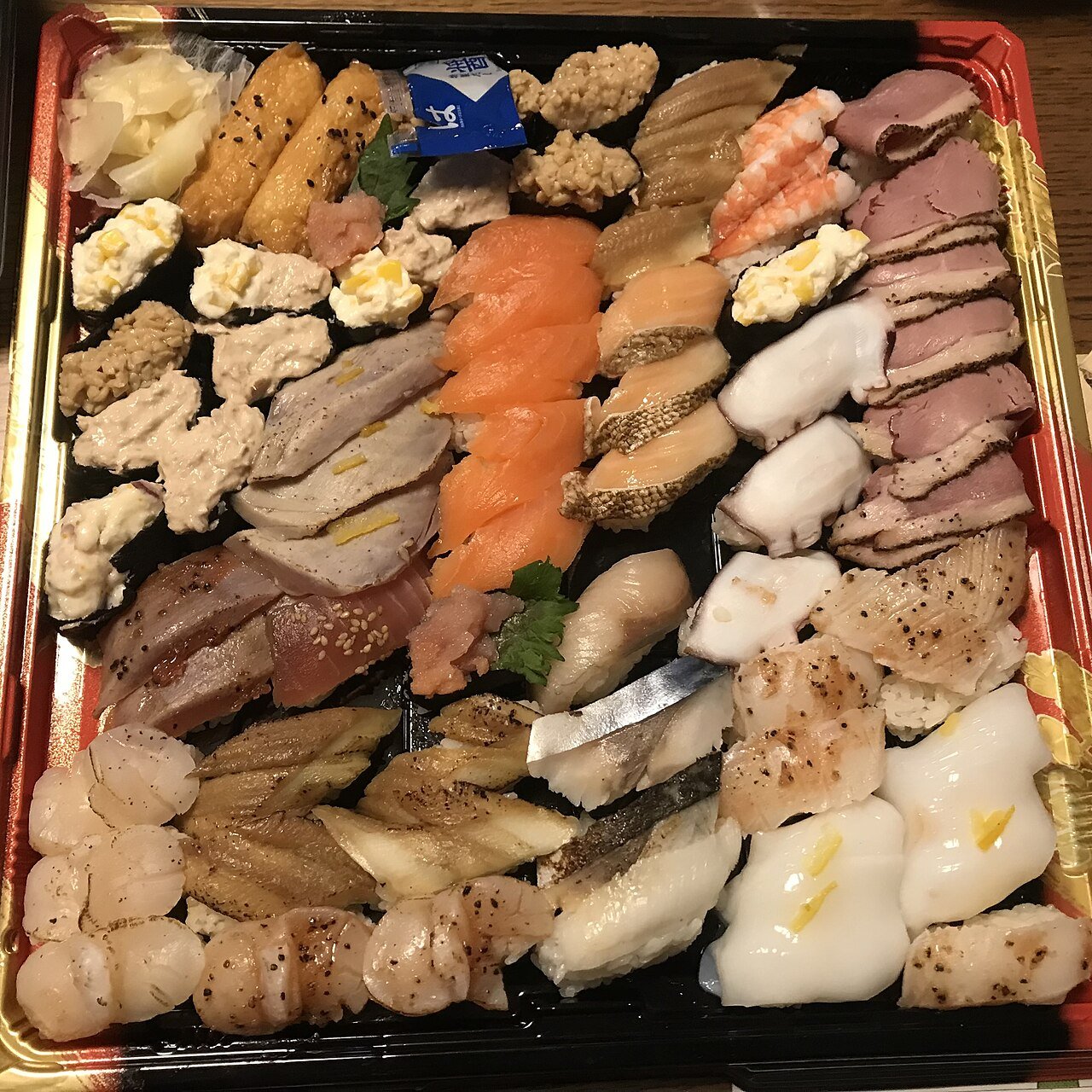
We'll say it plainly: the sushi in Otaru beats a lot of what you'd find in Tokyo — not because the chefs are necessarily more skilled, but because the fish landed within walking distance of the restaurant. Ishikari Bay delivers deep-orange salmon, large sweet shrimp (ama-ebi), fresh scallops, and winter flounder. Sushi Street in the Hanazono district lines up more than twenty quality restaurants, from serious counter seats where the chef selects the fish in front of you to casual conveyor-belt spots. The prices are friendlier than you'd expect for this calibre.
2
Those bowls of seafood-heaped rice you keep seeing in Japan food photos? Many of them are shot at Sankaku Market or near Otaru Station — and they look exactly like that in real life. A classic kaisendon here loads three to five types of raw seafood onto warm rice; you choose your toppings. Want snow crab (zuwai-gani), salmon roe (ikura), sea urchin (uni), or all three? The "special" bowl handles all of it. Prices are honest for the quality, and Sankaku Market sits a literal one-minute walk from the train station.
3
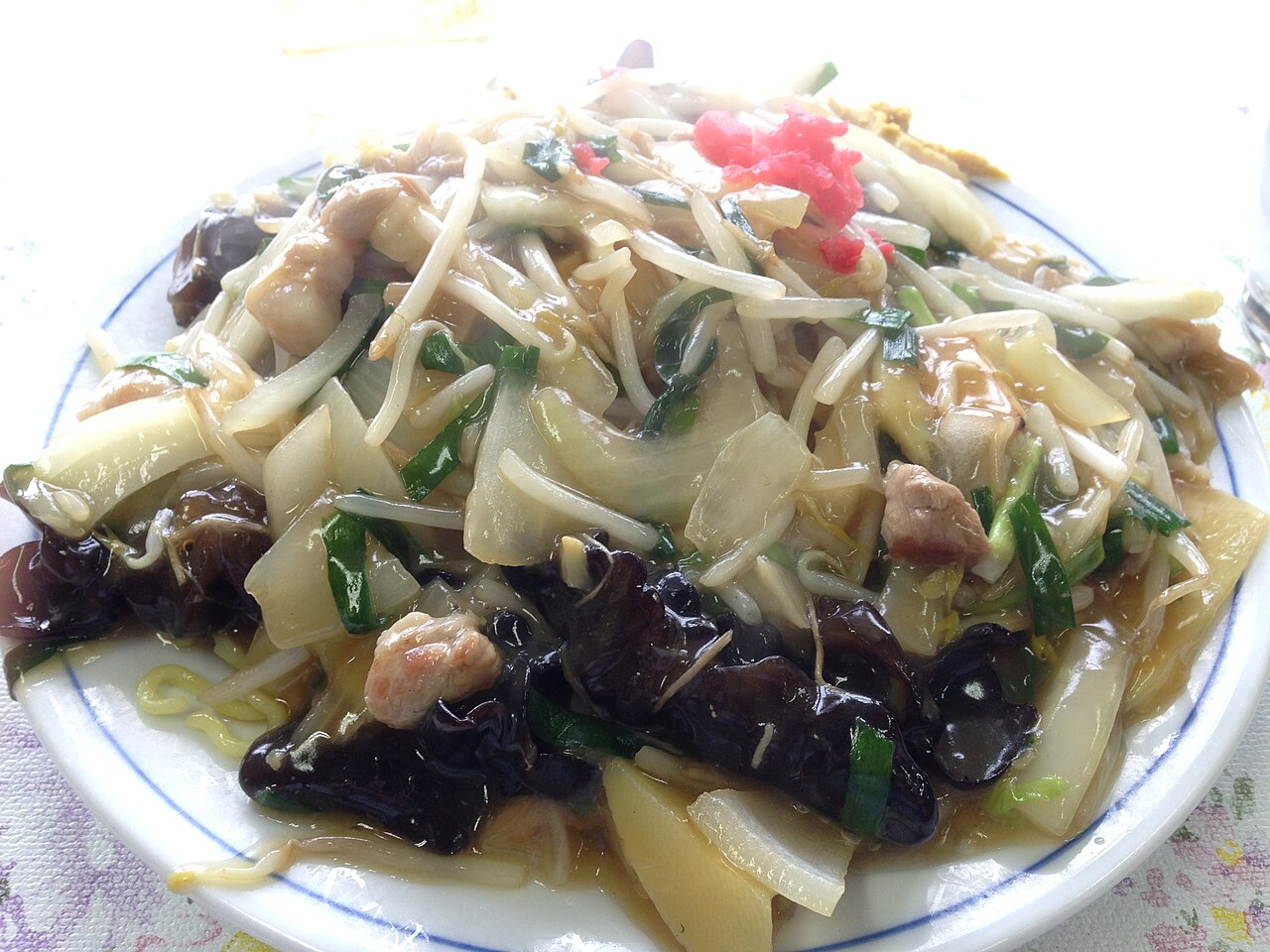
This is the dish you can only eat in one place in all of Japan. Chinese-style noodles are fried until lightly crispy, then covered in ankake — a thick, glossy starchy sauce simmered with vegetables, pork, wood-ear mushrooms and seafood. The noodles soften underneath the sauce while keeping a slight chew at the edges; the sauce coats every strand. Ankake yakisoba has been an Otaru comfort food since the 1950s, and around one hundred restaurants in town serve it. It's also cheap — most plates come in under ¥1,000 — and it makes a perfect lunch between sightseeing.
In the nineteenth century, Otaru grew rich on Pacific herring (nishin). The merchants who made fortunes in those years built the stone warehouses and mansion houses that still define the town's skyline. That era lives on in a bowl — nishin soba is buckwheat noodles in a clear dashi broth topped with simmered dried herring that has soaked up the stock and turned tender and mildly sweet. The herring provides a gentle brininess, a whisper of the sea without overwhelming the clean broth. It's not flashy, but it is honest, and eating it gives the town's history a flavour you can actually taste.
5
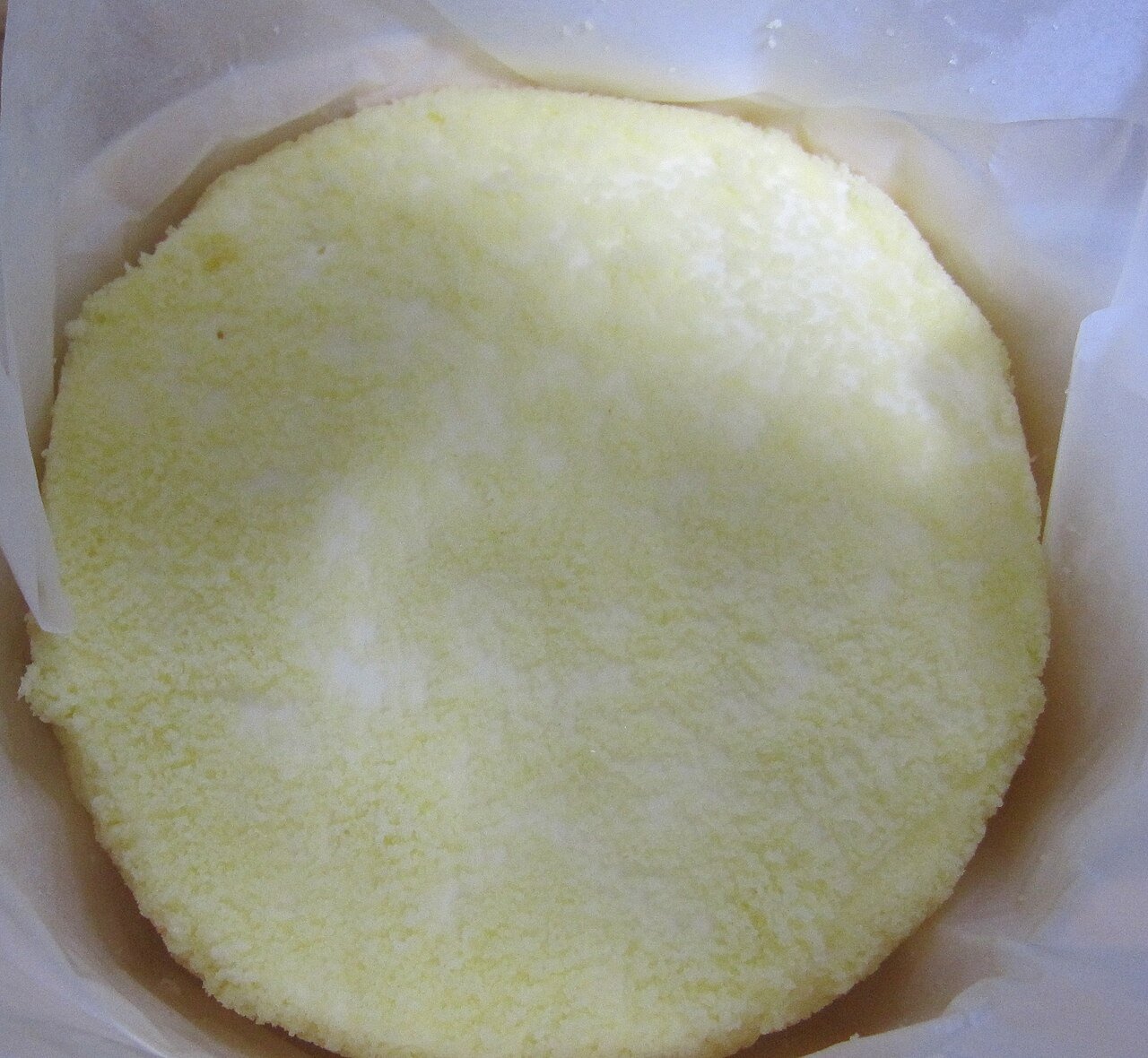
There is one souvenir that more people carry home from Otaru than anything else, and it is this: Double Fromage, a two-layer cheesecake in which the lower half is a cool mascarpone mousse and the upper half is a lightly baked cream-cheese layer. Both use milk from Hokkaido farms and eggs from local producers. The result is barely sweet in the Japanese way — fragrant with dairy, light enough that you finish a slice without feeling heavy, and nothing at all like the dense New York-style cheesecakes most of the world defaults to. LeTAO has been on Sakaimachi Street since 1998 and now has branches in Sapporo and the airport, but eating a slice at the source, in the Pathos annex with the old townscape out the window, is the proper way.
Hokkaido scallops are exported across the world, but there is something about eating them at origin that no supply chain can replicate. The muscle is ivory-white and thick — noticeably so compared with most scallops you encounter abroad — and the sweetness is clean and unambiguous. You have options: eat them raw as sashimi or sushi, which lets that natural sweetness shine without interference; or have them grilled in butter and soy sauce (butter-joyu) in a cast-iron pan until the edges are lightly golden and the inside stays just set. Several vendors outside Sankaku Market grill them on the spot. Stopping for one is not optional.
If you have only one day — this is the sequence that leaves you most satisfied and least rushed.
Otaru is small enough to walk end-to-end. Knowing each zone saves you from backtracking.
Around twenty stalls under a triangular roof, open from first light. Fresh seafood, build-your-own kaisendon, and grilled scallops at the entrance. The best first stop of any morning in Otaru — hit it before 11:00 for the full range of toppings.
A short street with over twenty sushi restaurants, from serious counter seats to lively conveyor belts. Standards are consistently high across the board. Most chefs have basic English for ordering. Lunch is quieter than dinner.
The street where LeTAO's flagship store sits, flanked by Meiji-era stone buildings. Also home to Kitakaro (Hokkaido cream puffs) and several sake breweries. The right zone for afternoon sweets and souvenirs after the morning market rush.
Old stone warehouses converted into seafood restaurants and beer halls. Good for a sit-down dinner with canal atmosphere. Several soba and ramen shops hide in the side streets — this is where to find nishin soba for an evening meal.
The places Otaru locals recommend to visitors — and have done for decades.
Otaru's most celebrated sushi counter, where the chef's signature is a 300 kg Canadian Atlantic bluefin tuna of the highest grade — the fat is so well distributed that each bite seems to melt before you chew it. Sit at the counter, ask for whatever is freshest that day, and let the chef make suggestions. Prices are higher than neighbouring restaurants on the street, but consistently justified. Reserve for evening slots, especially on weekends.
Not a single restaurant but a collection of around twenty vendors under one triangular roof, open from 07:00. Several run kaisendon counters where you pick your toppings from the display — point, nod, and pay. Others sell fresh seafood to take away or grill on a charcoal grate outside. Arrive between 08:00 and 11:00 for the widest choice and freshest produce; afternoon visits are fine but certain premium toppings sell out early.
The cream-coloured building that anchors the Sakaimachi tourist strip. In the morning you catch the smell of baking dairy before you see the sign. The Main Shop sells boxed cakes to take away; LeTAO Pathos directly opposite has table seating for eat-in slices with drinks. Both are worth visiting — buy your boxed cake at the shop (with the insulated carry bag) and eat a slice fresh at Pathos while you're still in town.
If you want to take ankake yakisoba seriously, Ryuho is the name Otaru residents cite most often. Twenty-three different sauce recipes rotate through the menu: seafood, mushroom, spicy, and seasonal variations that are genuinely distinct from each other rather than just relabelled. The room is unpretentious — classic local Chinese diner style — and every dish comes in under ¥1,000. Cash only, so come prepared.
The right choice when you want Hokkaido sushi without the formality or price of a counter restaurant. The belt carries local staples — Hokkaido scallop, sweet shrimp, salmon, white fish in season — and you can order additional pieces directly. No reservation necessary outside peak hours. A reasonable way to sample the range of what the bay offers without committing to a full-price counter experience.
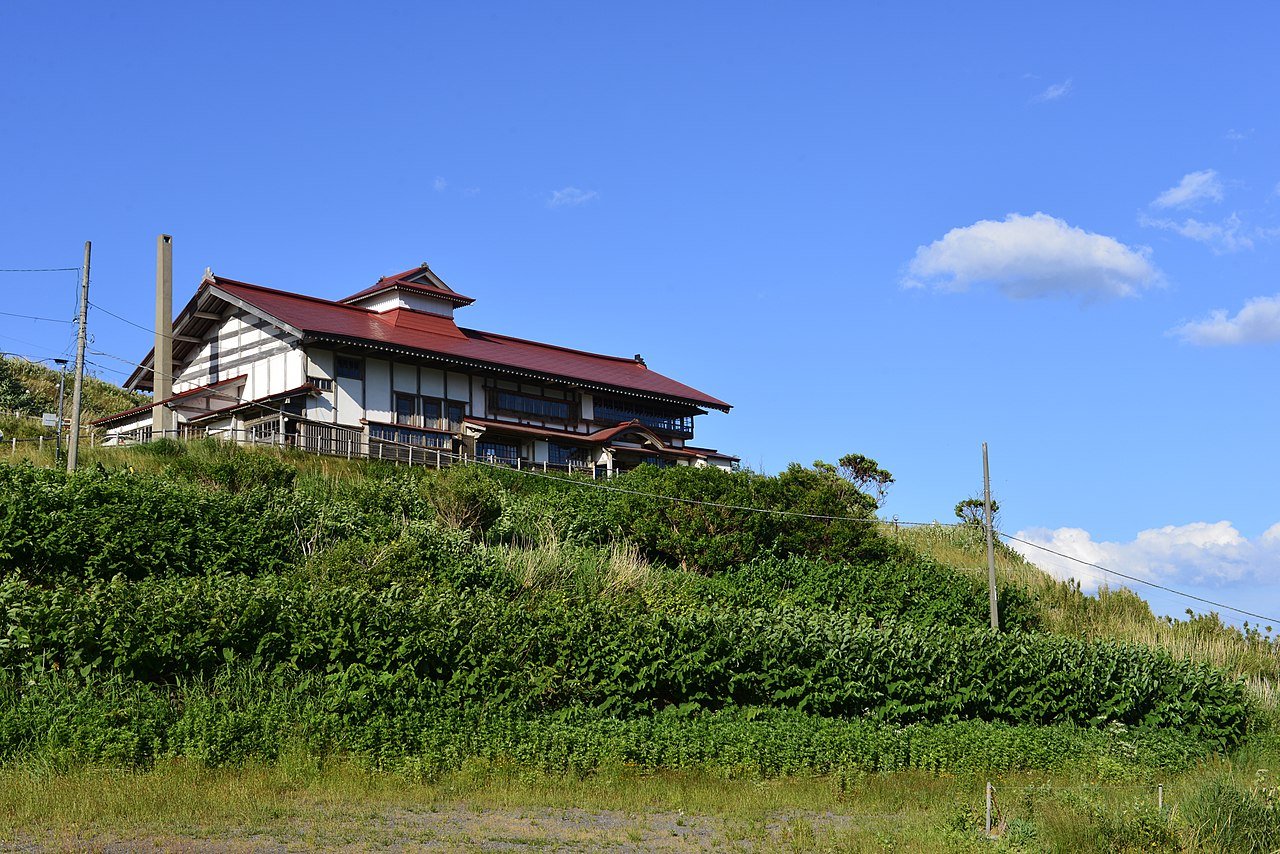
In the nineteenth century, Otaru was Hokkaido's most prosperous port, its wealth flowing almost entirely from Pacific herring that gathered in the bay each spring in quantities that are almost impossible to imagine today. The merchants who grew rich on that harvest built stone mansions on the hillsides above town — some still stand as museums.
The herring industry collapsed in the twentieth century, but the culture it built endured. The town's identity — its pride in fresh seafood, its attachment to the waterfront, its taste for fish that has barely left the sea — threads directly back to those herring years. When you eat a bowl of nishin soba or a kaisendon piled with this morning's catch, you're tasting a continuity that runs deeper than the menu.
The Herring Mansion (鰊御殿) — a wealthy fishing merchant's house from the herring boom years, now a museum