Home Kamakura Kanagawa Japan About
Home  ›  Asia  ›  Japan  ›  Kamakura  ›  Travel Tips
⛩ Before You Go · Kamakura 2026

Kamakura travel tips
for the rules no guidebook prints

A giant bronze Buddha, working Zen temples, hydrangeas spilling over the railway line — Kamakura looks simple, but there are details worth knowing before you set off, so the whole day runs smoothly from the moment you board the train until you are back in Tokyo.

Getting there

From Tokyo, Haneda and Narita — more than one way in

Kamakura sits just 50 km from Tokyo, under an hour away — but the lines and the fares differ enough that it pays to pick the right one before you go.

🚄
From Tokyo Station — JR Yokosuka Line
Tokyo Station → Kamakura · direct, no change

The easiest direct route. Board the JR Yokosuka Line at Tokyo Station and ride straight through to Kamakura Station with no change of train — about 57 minutes for 1,040 yen. The Japan Rail Pass is valid, trains run frequently, and there is no need to reserve a seat. On public holidays and through cherry blossom season, though, give yourself a little extra time at the platform.

~57 min ¥1,040 JR Pass valid
Best if: you are staying around Marunouchi, Yurakucho or central Tokyo · you already hold a JR Pass, in which case the extra cost is zero.
🚃
From Shinjuku or Shibuya — JR Shonan-Shinjuku Line
Shinjuku / Shibuya → Kamakura · direct, no change

If you are based around Shinjuku, Shibuya or Ikebukuro, take the JR Shonan-Shinjuku Line bound for Zushi and you will reach Kamakura without changing trains — about 57 minutes from Shinjuku for 1,040 yen, the same as from Tokyo Station. The JR Pass works here too. One thing to watch: board only a service bound for Zushi. Other trains on the Shonan-Shinjuku Line may require a change at Ofuna.

~52–57 min ¥1,040 JR Pass valid
Best if: you are staying on the Shinjuku, Shibuya or Ikebukuro side · you plan to pair Kamakura with a stop at Enoshima the same day.
🏙️
From Yokohama — JR Yokosuka Line
Yokohama → Kamakura · short hop, ideal if Yokohama is on your list too

Yokohama sits between Tokyo and Kamakura, so if you are folding both cities into one trip, start in Kamakura and double back to Yokohama afterwards — it works out more naturally that way. From Yokohama Station, the JR Yokosuka Line carries on to Kamakura in about 25 minutes for 330 yen. The JR Pass is valid.

~25 min ¥330 JR Pass valid
From Haneda Airport (HND) — via Yokohama
Haneda → Yokohama → Kamakura · one change

From Haneda, ride the Keikyu Line straight to Yokohama Station (about 30 minutes, 370 yen), then switch to the JR Yokosuka Line for Kamakura (about 25 minutes, 330 yen). That is roughly 80 minutes door to door for around 700 yen all in, with a single change. It is far simpler than it sounds.

~80 min total ~¥700 total 1 change at Yokohama
Tip: if you land at Haneda and Kamakura is your first stop, leave your bag in a coin locker at the airport or Yokohama Station and collect it on the way back — far easier than dragging it around the temples.
🛬
From Narita Airport (NRT) — Narita Express + change
Narita → Ofuna → Kamakura · the longer haul

From Narita, take the JR Narita Express (N'EX) toward Ofuna — about 1 hour 40 minutes — then switch to the JR Yokosuka Line for the final 10 minutes into Kamakura. That comes to roughly 1 hour 50 minutes in total for around 4,780 yen. The JR Pass covers the N'EX as well, which saves a lot — especially if you hold a JR Tokyo Wide Pass or JR Kanto Area Pass.
~1 hr 50 min ~¥4,780 JR Pass valid on N'EX
Tip: if you fly into Narita and your hotel is in Tokyo, check in first, drop your bags, and save Kamakura for a day trip the next day — much more comfortable than going straight from the airport.
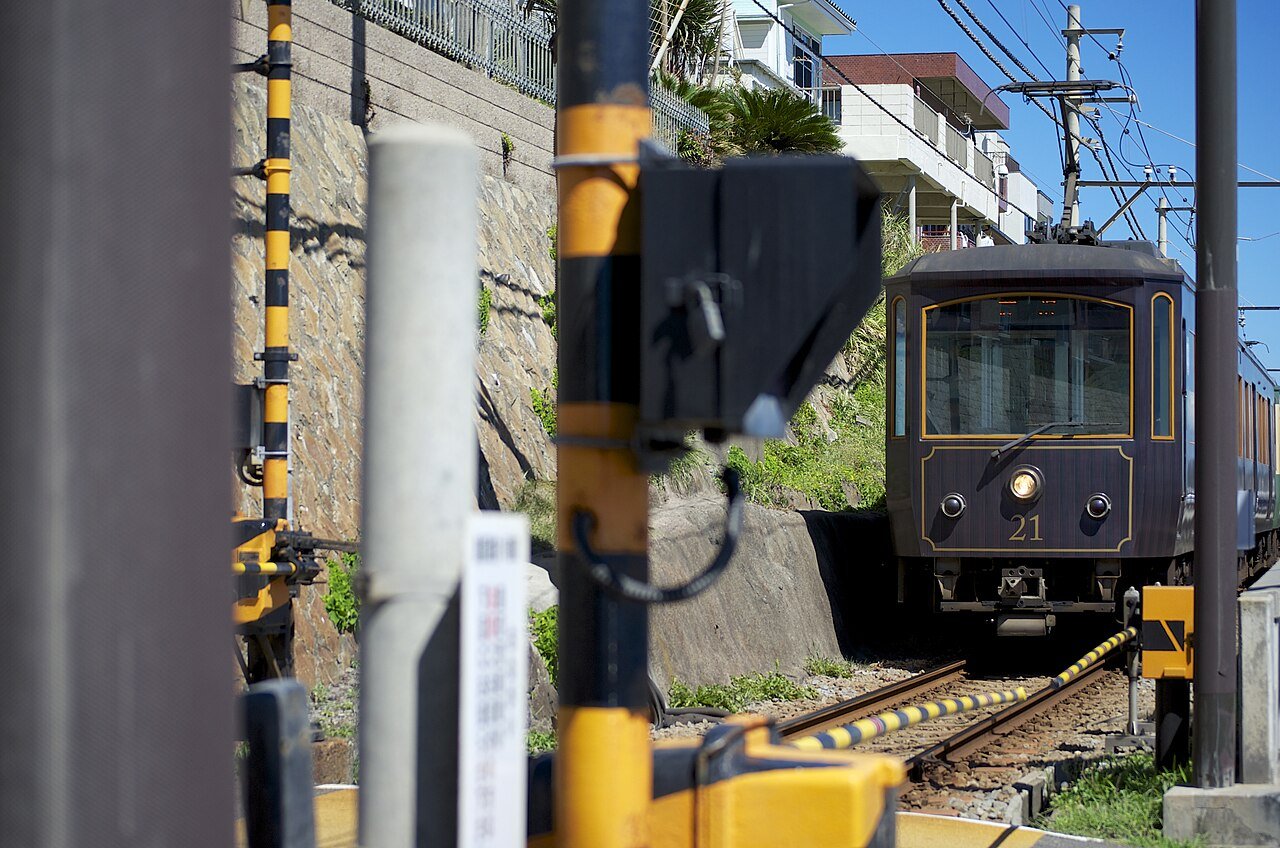
The small Enoden train running past houses and the coastline in Kamakura under a blue sky
The Enoden — Kamakura's beloved little railway, running right along the shore and brushing past residents' front doors.
Getting around Kamakura

Enoden pass, bus, or on foot — match it to your plan

Kamakura is not large, but its sights are spread across several neighbourhoods — work out how you will move before you plan the day.

Here is the honest picture: plenty of Kamakura is walkable, but the main attractions split across two sides of the station. Out of the East Exit you can walk straight to Tsurugaoka Hachimangu Shrine and Komachi-dori. The west side and the coast — Hasedera, Kotoku-in (the Great Buddha) and Enoshima — call for the Enoden or a bus.

One-day Enoden pass — "Noriorikun"

Unlimited rides on the Enoden — Kamakura's little coastal railway — for a full day, running from Kamakura Station all the way to Fujisawa via Hase, Enoshima and Inamuragasaki. Worth it from three rides a day upward.

Price: ¥800 (adult) / ¥400 (child) · Buy at: Kamakura or Fujisawa Station, cash or card only
Enoshima-Kamakura Freepass (Odakyu)

If you are travelling from Shinjuku, this pass bundles the round-trip Odakyu fare between Shinjuku and Fujisawa with unlimited Enoden rides for 1,640 yen — better value than buying separate tickets. Pick it up at Shinjuku Station on the Odakyu Line.

Price: ¥1,640 (Shinjuku round trip + unlimited Enoden) · For: anyone staying near Shinjuku / the Odakyu line
Enoden Bus / Keikyu Bus

Covers the spots the Enoden does not reach, such as the northern temples (Engaku-ji, Kencho-ji), which sit closer to Kita-Kamakura Station. Fares run 180 to 250 yen per ride, and Suica or Pasmo work fine.

Fare: ¥180–250 per ride · Maps: Google Maps handles Kamakura's buses very well
Walking and cycling

The area around Tsurugaoka Hachimangu, Komachi-dori and the Daibutsu hiking trail is comfortable on foot. Rental bikes are available outside Kamakura Station for around 1,000 to 1,500 yen a day — handy for the quieter back roads and lanes that buses rarely cover.

Bike hire: outside Kamakura Station, ~¥1,000–1,500/day · Note: some temple paths do not allow bikes
Planning tip: most visitors start with the northern temples (Kita-Kamakura — Engaku-ji, Kencho-ji) before working south to Hasedera and the Great Buddha, because the northern temples are right beside Kita-Kamakura Station and need no Enoden ride at all. See our full Kamakura guide for the most efficient order to walk it.
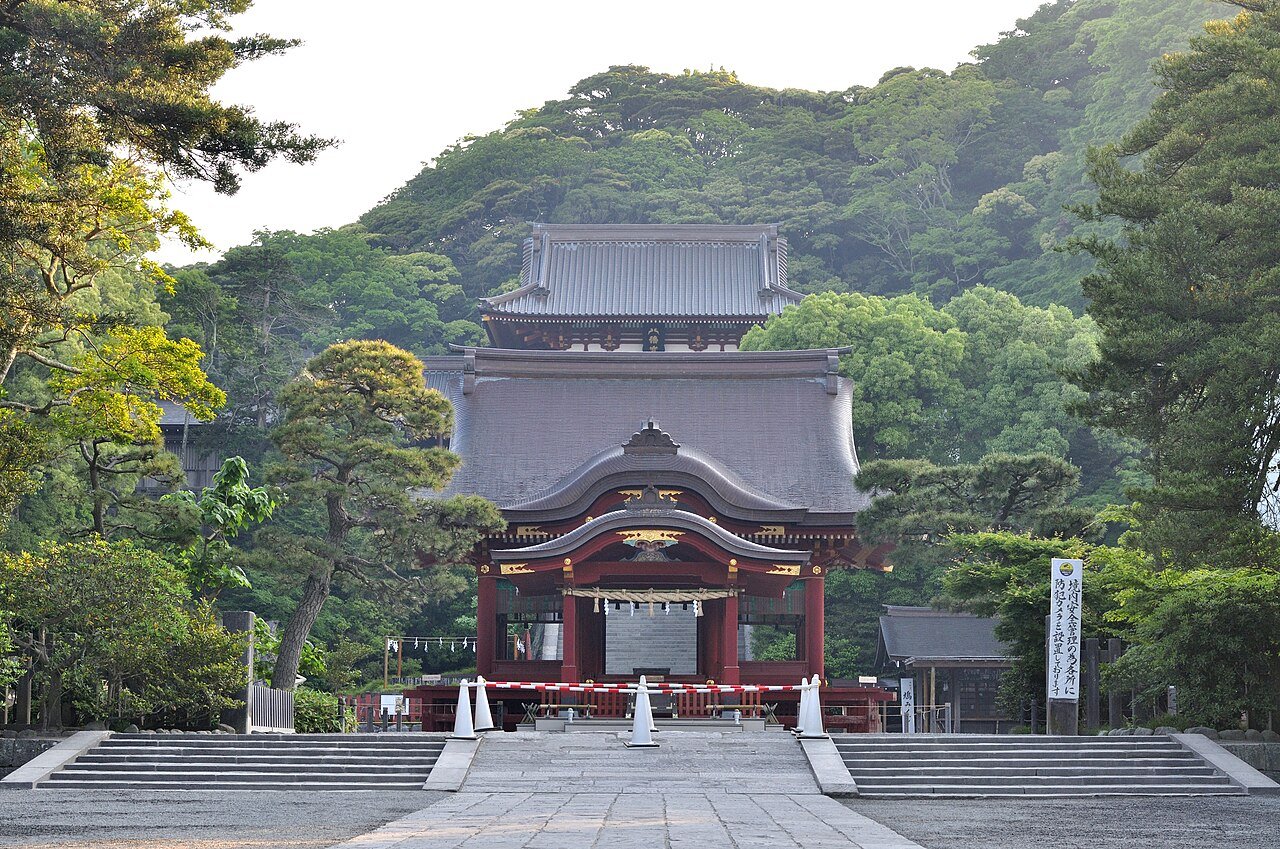
Red steps leading up to Tsurugaoka Hachimangu Shrine in central Kamakura, surrounded by green gardens
Tsurugaoka Hachimangu — Kamakura's main shrine, about a 10-minute walk straight from the station's East Exit.
Etiquette & the things to know

Rules at the temples and shrines — before you step through the gate

Kamakura has more than 65 temples and shrines, and every one of them remains a living place of practice and worship — not an open-air museum.

You have probably seen people stride into a temple in a hurry, snap a photo with a snack in hand, and leave within five minutes. The temples here offer far more than that. Walk in slowly and with respect, and you come away with something altogether different.

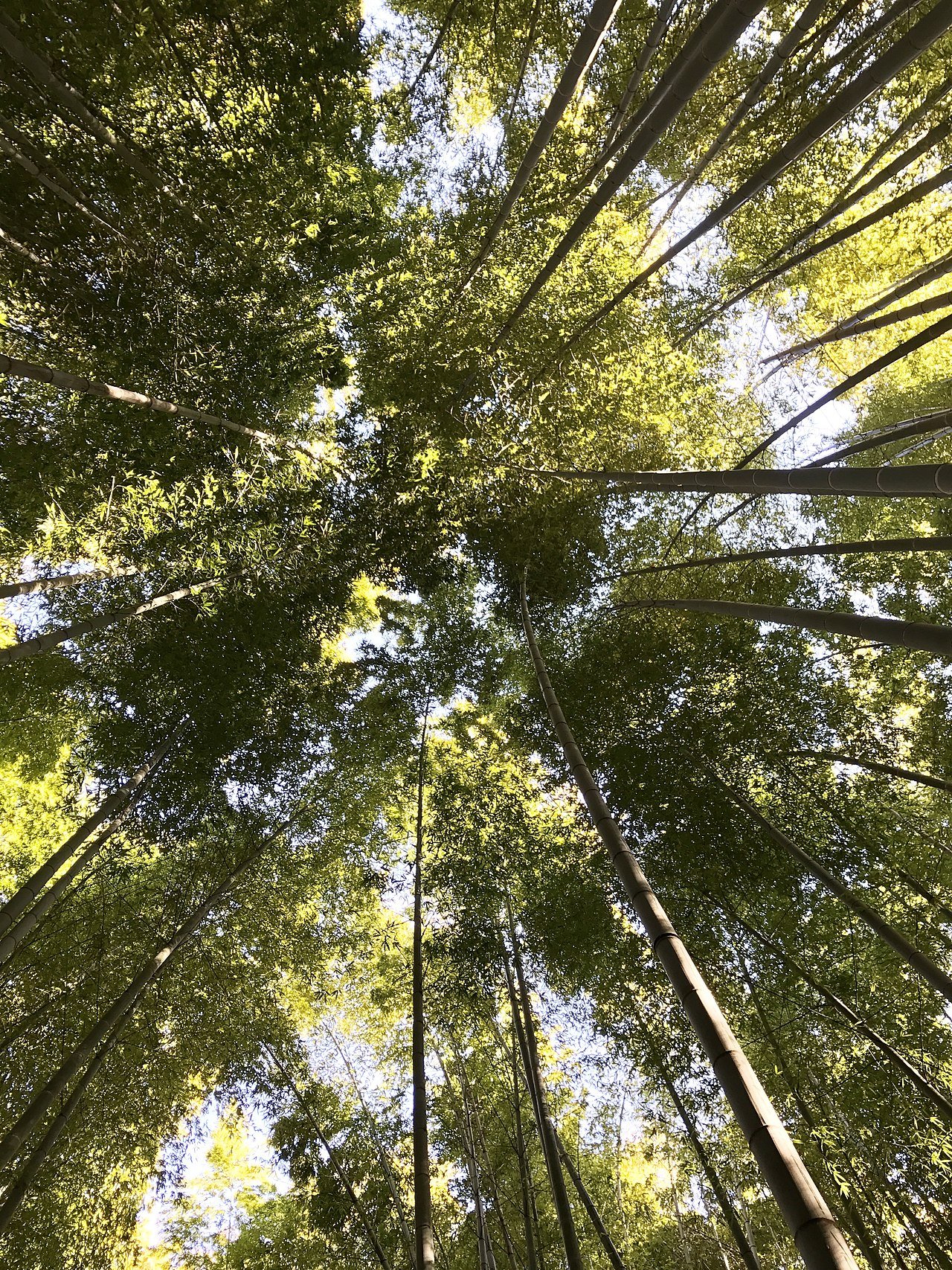
On photography in the Zen gardens: Hokoku-ji is known for its bamboo grove, and the atmosphere there is deeply still. The temple asks visitors to keep quiet and move slowly so that others can use the space in peace. Photography is allowed, but please mute the shutter and respect the calm.
The old wooden gate of Engaku-ji, a Zen temple in Kamakura, framed by lush greenery
Engaku-ji — founded in 1282 and still a working temple with monks in residence to this day.
Best time to visit

Kamakura changes its face through the year

Every season brings something you would not want to miss — and some stretches draw real crowds. Knowing ahead of time makes for a far better plan.

Spring (March–May) — cherry blossom

Cherry blossom peaks from late March to early April at Tsurugaoka Hachimangu and along the raised Dankazura approach. Pink blooms against old temples is a sight worth catching once — but blossom season is the busiest stretch of the year. Aim to reach the station before 9am, and note that weekdays are far quieter than weekends. At 10–18°C, it is comfortable walking weather.

Rainy season into early summer (June) — hydrangeas

June is the month the hydrangeas (ajisai, 紫陽花) bloom. Meigetsu-in is famous as the "hydrangea temple", with some 2,500 plants in deep blue-violet, while Hasedera has a cliffside hydrangea path with lovely sea views. The downside is the weekend crush at peak — the queue for Meigetsu-in can run past 60 minutes if you arrive after 10am. Before 9am is best.

Autumn (October–November) — the sweet spot

Cool, comfortable air at 15–22°C, leaves turning red and gold in the temple gardens, and far thinner crowds than either the cherry blossom or the hydrangea season. Clear skies open up the sea views from the Hasedera cliff. If you want pretty foliage, good weather and manageable crowds all at once, October and November are the most balanced months of the year.

Winter (December–February) — quiet, clear sea views

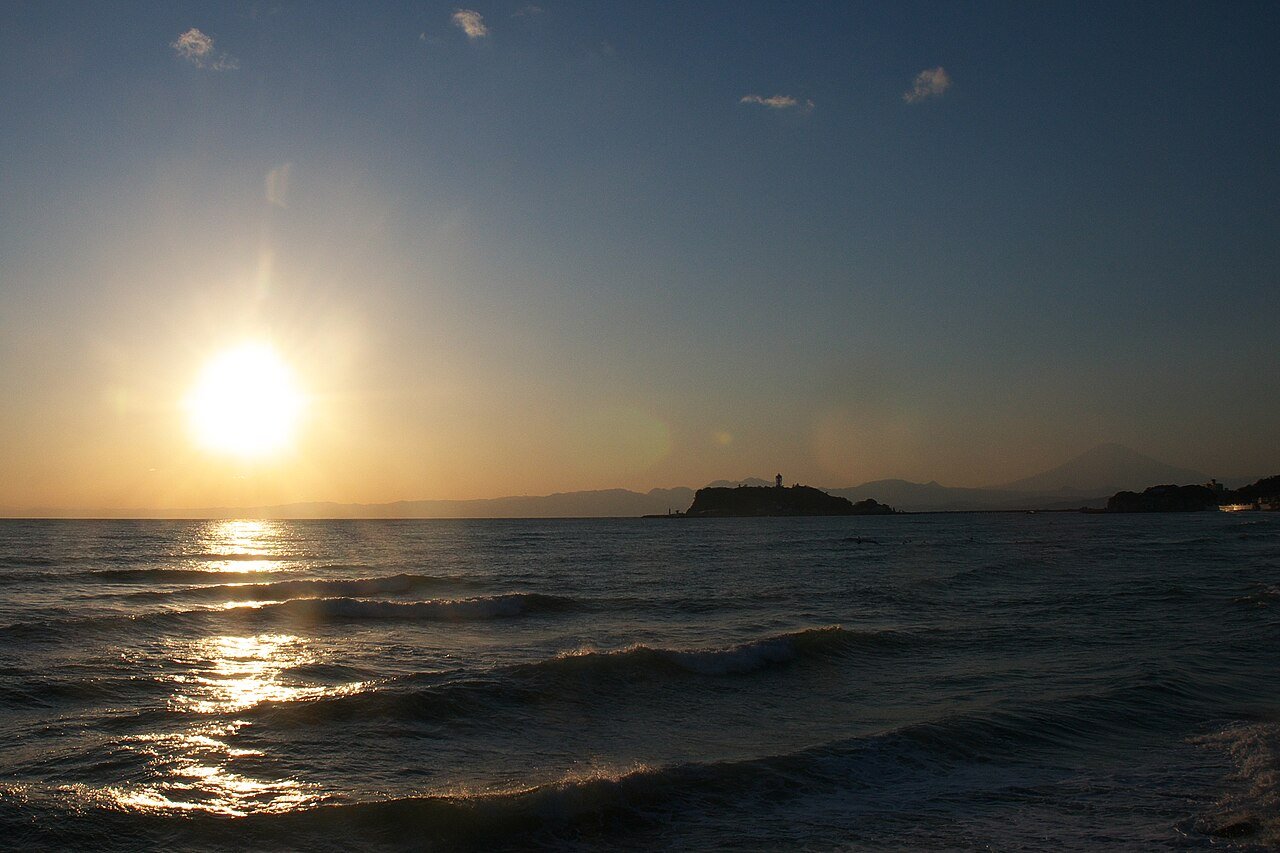
The fewest visitors and especially clear blue skies. The sea behind the Great Buddha looks sharp, and on some days you can spot Mount Fuji from Shichirigahama and Inamuragasaki beaches — almost too good to believe. At 5–12°C you will want a warm coat, but you can walk the temples in peace with no queue at all.

Avoid: Golden Week (29 April–5 May) and Obon (mid-August), when domestic travel peaks. Komachi-dori gets so packed it is hard to walk, and you may have to let two or three trains from Tokyo pass before you can board. If you have no choice, set out from Tokyo before 8am.
Shichirigahama beach in Kamakura with a wide open sea view and distant mountains under a blue sky
Shichirigahama — a wide-open beach where, on a clear winter's day, Mount Fuji rises in the background.
Budget

How much per day in Kamakura

Rough figures for planning — Kamakura as a day trip costs little; an overnight adds the room on top.

Item Budget Mid-range Comfortable
Return train from Tokyo ¥2,080 (round trip) — the same at every level · JR Pass = no extra cost
Temple / shrine entry (3–5 sites) ¥600–1,000 (lean on free sites like Tsurugaoka) ¥1,500–2,500 (3–4 main temples) ¥3,000+ (including Zeniarai, full Hokoku-ji)
Great Buddha (Kotoku-in) ¥300 (grounds) + ¥50 (inside the statue) — the same at every level
Enoden / bus ¥400–600 (single tickets) ¥800 (one-day Noriorikun pass) ¥800–1,640 (Noriorikun or Odakyu pass)
Food (2–3 meals) ¥1,500–2,000 (lane stalls / Komachi) ¥3,000–5,000 (seafood / washoku) ¥7,000+ (fresh seafood by the sea)
Souvenirs / matcha ¥500–1,000 ¥1,500–3,000 ¥5,000+
Rough total per day (room not included) ~¥5,000–7,000 ~¥9,000–13,000 ¥18,000+
Money-saving tip: Tsurugaoka Hachimangu is free (main grounds) · Zeniarai Benzaiten has no entry fee · Hasedera ¥400 · Engaku-ji ¥500 · Kencho-ji ¥500 · Hokoku-ji ¥300 + ¥500 (for the tea ceremony). Pay only for the sites you genuinely want rather than entering them all, and you save a lot without losing the experience. Most do not take cards at the gate, so always carry cash.
Before you go

What to pack, and what you need to know

Shoes and what to wear

Easy-off shoes matter a lot here, because many temple buildings require you to take them off before entering. Slip-ons or laceless trainers are quicker than anything you have to unpick. Wear socks too — those old floors can be cold, especially in winter. Dress tidily; nothing formal, but skip vests and very short shorts inside the temples.

Trails: some routes, such as the Daibutsu hiking trail, have dirt, slopes and tree roots — trainers beat flat sandals.
Cash and payment

Most temples and small restaurants take cash only, and temple entry fees in particular do not accept cards. The most reliable ATMs for foreign cards are at 7-Eleven and Japan Post Bank. Withdrawing before you leave Tokyo is the safest move.

Currency: yen (¥) · Good ATMs: 7-Eleven, Japan Post · Suica/Pasmo work on JR, the Enoden and buses
eSIM and staying connected

Google Maps works very well in Japan for trains, buses and walking, so you will want mobile data to check train times. An eSIM beats a pocket Wi-Fi for most people — no extra device to carry. Buy one before you leave, around 1,000 to 2,000 yen for 5 to 7 days.

Handy apps: Google Maps · Navitime Japan (more accurate for buses) · Google Translate (camera reads Japanese signs)
Goshuin-cho stamp book

If you would like to collect Goshuin (御朱印) — the calligraphic seals inked by temple and shrine staff — a small Goshuin-cho book costs 1,000 to 2,000 yen and can be bought at most Kamakura temples. Each temple has its own distinctive design, and it makes a far more meaningful keepsake than a fridge magnet.

Goshuin price: ¥300–500 per temple (book not included) · Time: written while you wait, ~5–10 minutes
Travelling with family: the Great Buddha, Hasedera and Tsurugaoka Hachimangu suit children well — open grounds, gardens, nothing fiddly. Hasedera has a high sea-view lookout that kids enjoy, plus a small museum on site. And if there is a lot of walking, the Enoden itself is a hit with children — the little railway runs so close to the houses it feels like a scene from a film.
The bamboo grove of Hokoku-ji temple in Kamakura, tall bamboo stalks with light filtering through
Hokoku-ji — the temple many call the "Bamboo Temple". Entry ¥300, plus ¥500 for matcha in the grove.
Frequently asked

FAQ · before you go to Kamakura

Which train do I take from Tokyo to Kamakura?
From Tokyo Station, take the JR Yokosuka Line straight through to Kamakura in 57 minutes for 1,040 yen. From Shinjuku or Shibuya, the JR Shonan-Shinjuku Line bound for Zushi runs direct too, around 52 to 57 minutes. The JR Pass covers both lines and no reservation is needed — though on long weekends or in blossom season, get to the platform early. See our Kamakura guide for train options that combine with Enoshima.
Is the one-day Enoden pass (Noriorikun) worth it?
It is worth it if you ride the Enoden three or more times in a day. The Noriorikun pass costs 800 yen, while a single fare runs roughly 200 to 310 yen — so a day taking in Hase Station, Enoshima and the return easily comes out ahead. Buy it at Kamakura or Fujisawa Station. If you are coming from Shinjuku, Odakyu's Enoshima-Kamakura Freepass at 1,640 yen is better value, since it also includes the round-trip fare from Shinjuku.
When is the best time to visit Kamakura?
For a balance of beauty and bearable crowds, autumn (October to November) is the best — cool air, red leaves, clear skies. If you want cherry blossom, there is late March to early April, but brace for the crowds. If you love hydrangeas, come in June — just arrive before 9am, especially on weekends. Winter (January to February) is the quietest, and on some days Mount Fuji appears on the horizon.
Can I take photos inside Kamakura's temples?
Gardens and open courtyards are usually fine, but main halls and exhibition rooms often carry a no-photography sign. Temples like Kencho-ji and Engaku-ji keep Zen areas where phones are discouraged out of courtesy. At Hokoku-ji, the bamboo grove can be photographed, but please mute the shutter and keep your voice down. The rule is simple: check the sign at the entrance every time, and respect it.
Can I reach Kamakura directly from Narita or Haneda airport?
You can, with one change. From Haneda (HND): take the Keikyu Line to Yokohama, then the JR Yokosuka Line to Kamakura — about 80 minutes for roughly 700 yen. From Narita (NRT): take the JR Narita Express to Ofuna, then the JR Yokosuka Line to Kamakura — about 1 hour 50 minutes for roughly 4,780 yen (the JR Pass is valid on the N'EX). If you fly into Narita and your hotel is in Tokyo, check in first and save Kamakura for a day trip the next day.