Kamakura is compact, but the area you choose still decides whether you walk straight into a temple on your first morning or spend twenty minutes on the Enoden before you even begin. Here is the honest breakdown.
Kamakura is not a large city — but its temples, shrines and beaches are strung out along several kilometres of the Enoden coastal railway. A hotel that looks fine on a map might put you twenty minutes by train from the attractions you came to see. That does not ruin a visit, but it does quietly cost you time every day.
We have split the town into four main areas. Each has a distinct character — the central station district, the quiet northern temple valley, the beach-and-shrine area in the middle, and the calm coastal stretch to the west. Once you know what you want from Kamakura, the right area becomes obvious.
One thing to know regardless of which area you choose: Kamakura has far fewer hotel rooms than most Japanese tourism towns. Cherry blossom season (late March through early April), hydrangea season (June) and autumn foliage (November) all fill completely. Book two to three months ahead for any of those windows.
For the majority of visitors, the Kamakura Station neighbourhood is the most practical base by some margin. Out of the East Exit you have a two-minute walk to Komachi-dori — the main shopping and food street — and a fifteen-minute walk to Tsurugaoka Hachimangu Shrine. The Enoden starts from the West Exit, connecting you in a few stops to Hasedera, the Great Buddha at Kotoku-in, and Enoshima beyond. You do not need to work out a transit route before you have even had breakfast.
The strongest hotel in this area: Hotel Metropolitan Kamakura — a 4-star JR-East property co-designed with MUJI, rated 9.6 out of 10 from 703 reviews, two minutes from the station on foot, with shrine views from the upper corner rooms. Starts from around 20,000 yen per night.
Read the Hotel Metropolitan Kamakura review →Honest vibe, nearest station, and real reviewed hotels in each area.
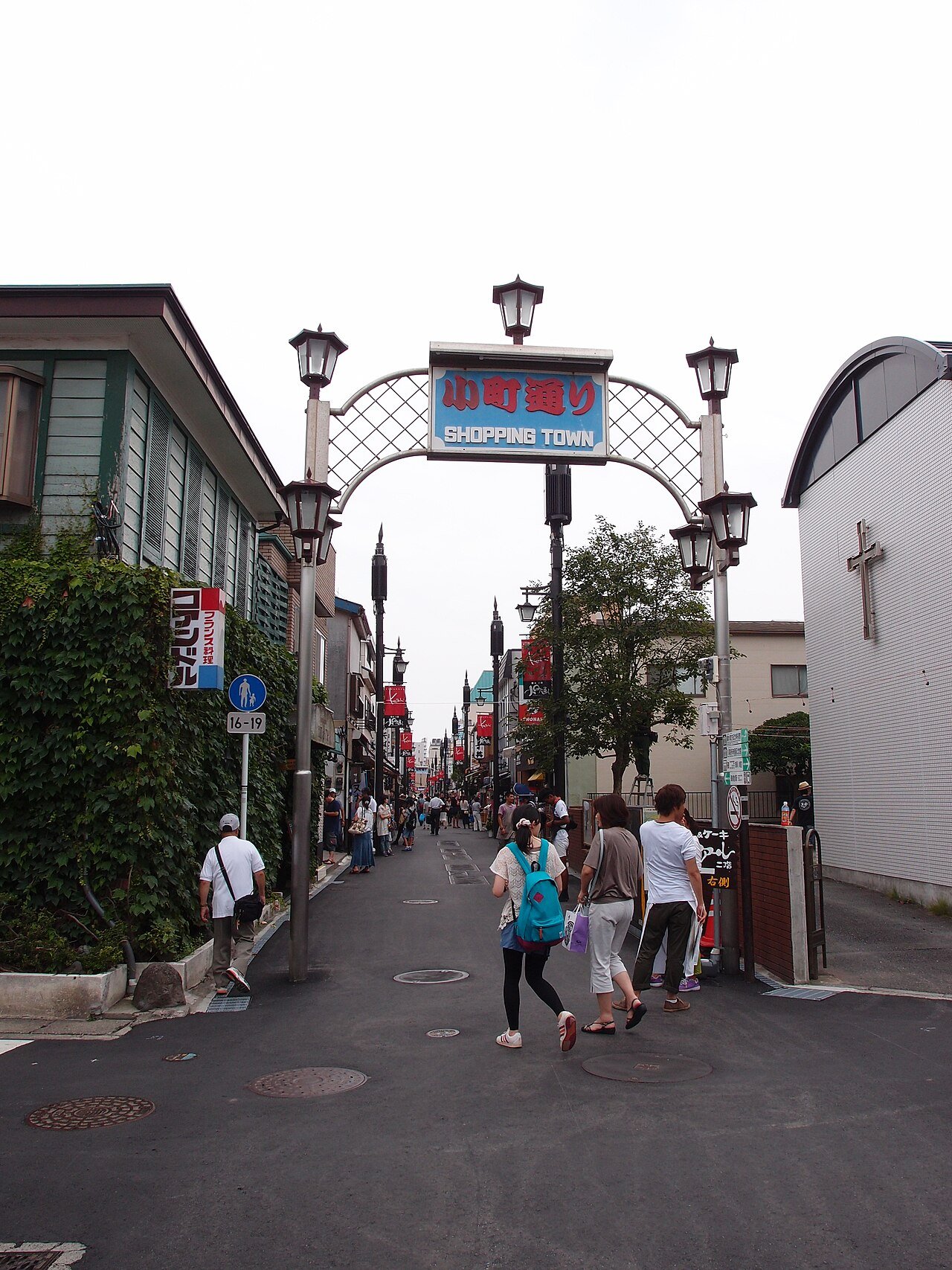
Area 1
Right for: Travellers who want to temple-hop seriously — out the door in the morning, on foot or straight onto the Enoden, back for dinner on Komachi-dori. Tsurugaoka Hachimangu Shrine is a 15-minute walk north. The Enoden connects you west to Hasedera, the Great Buddha and Enoshima. Hotels at every price level are concentrated here, from guesthouses at around 8,000 yen to 4-star options near 30,000 yen. The one trade-off: during Golden Week and Momiji season, the streets around the station are genuinely crowded.
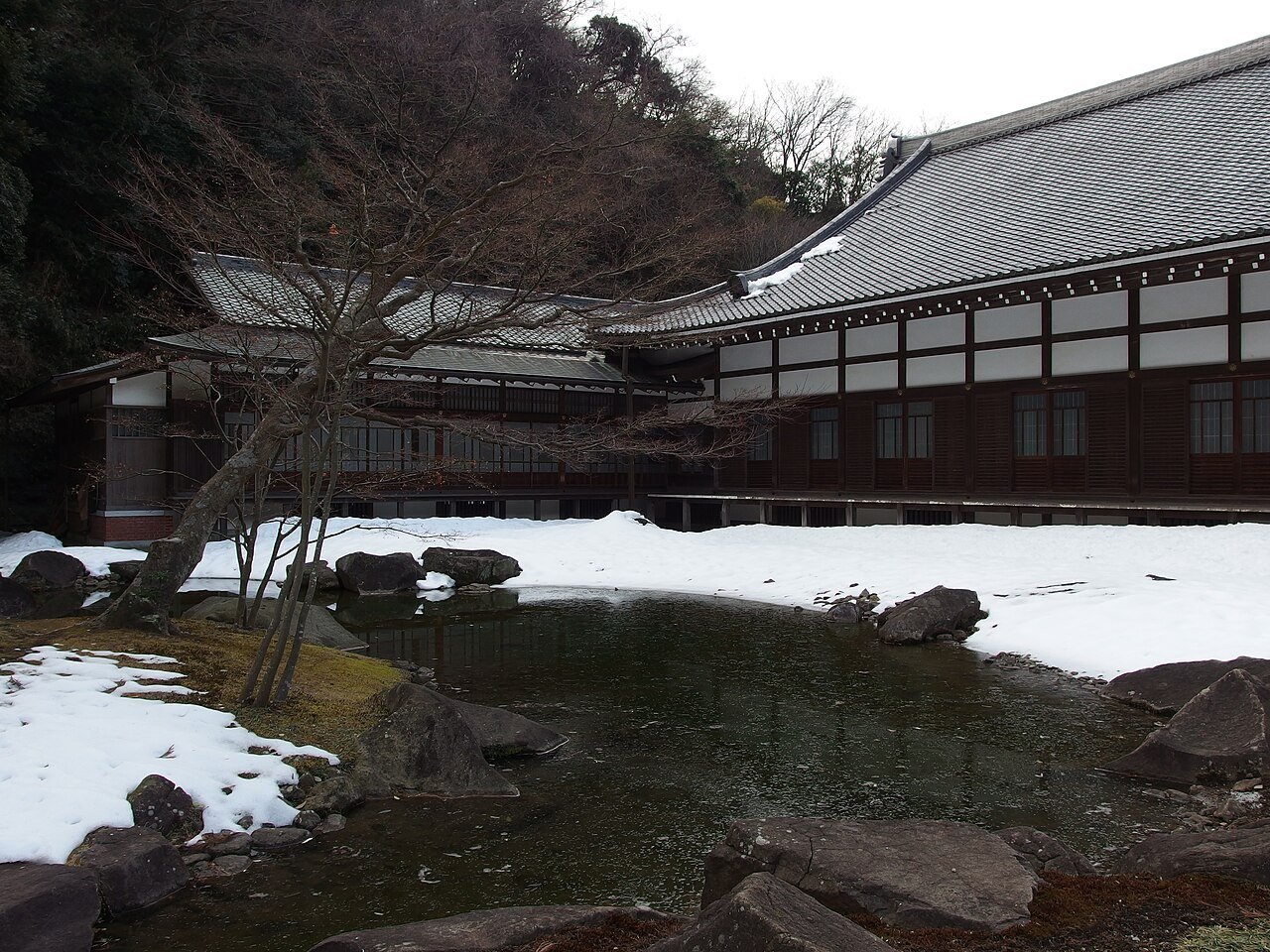
Area 2
Right for: Travellers who came for the Zen temples and nothing else — Engakuji and Kenchoji are both a one-minute walk from the station, and the whole area has the feeling of a forest retreat rather than a tourist town. Accommodation is almost entirely small traditional ryokan at around 10,000 to 20,000 yen per night. The honest limitation: there are no convenience stores or varied restaurants within easy reach. Reaching the beach, the Great Buddha or Enoshima means boarding the train back south for several stops.
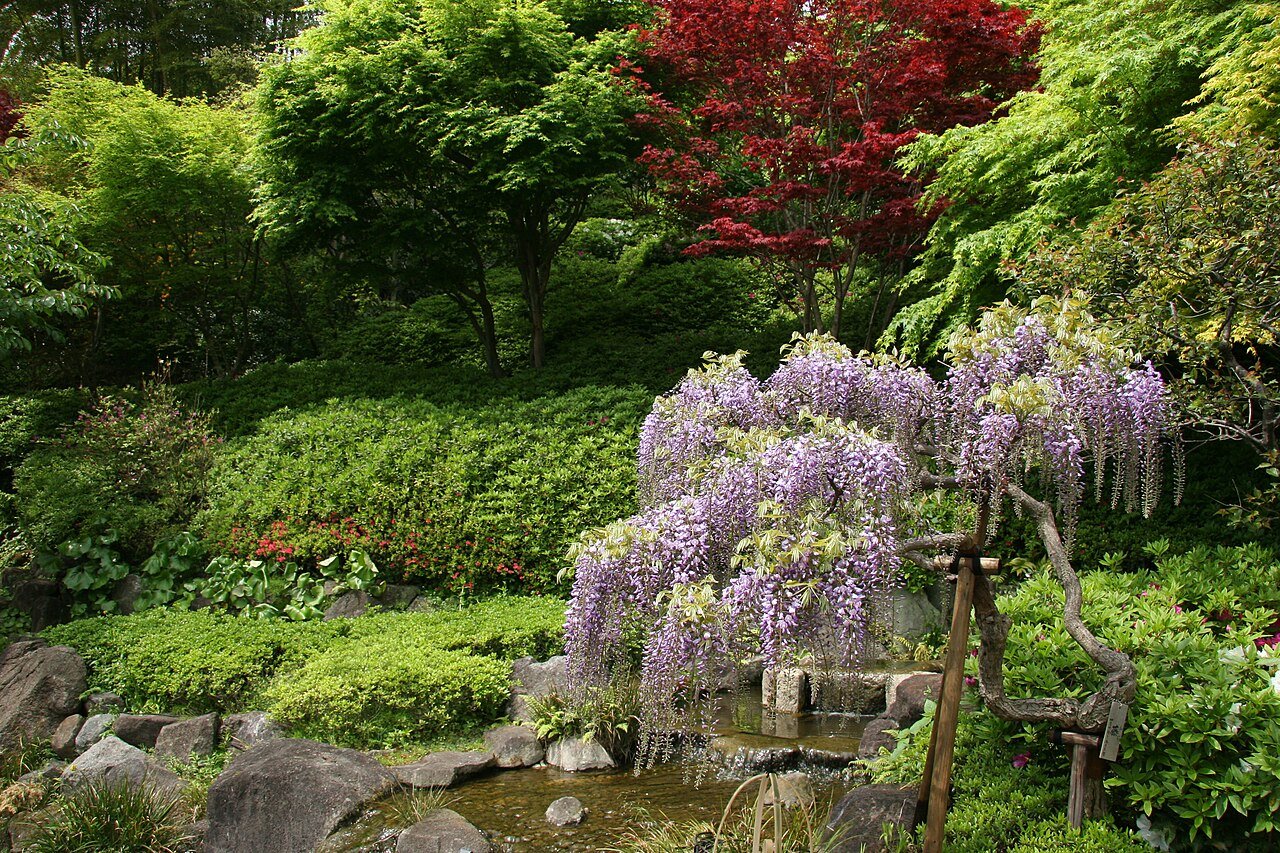
Area 3
Right for: Anyone who wants both temples and the beach without taking a train to reach either. Hasedera and Kotoku-in (the Great Buddha) are walkable from hotels in this area; Yuigahama Beach is a few minutes further. Accommodation ranges from guesthouses and small inns to a design hotel with a cedar sauna. The area is lively without being overwhelming — a good fit for couples and friend groups who want a beach-town atmosphere rather than a purely urban base.
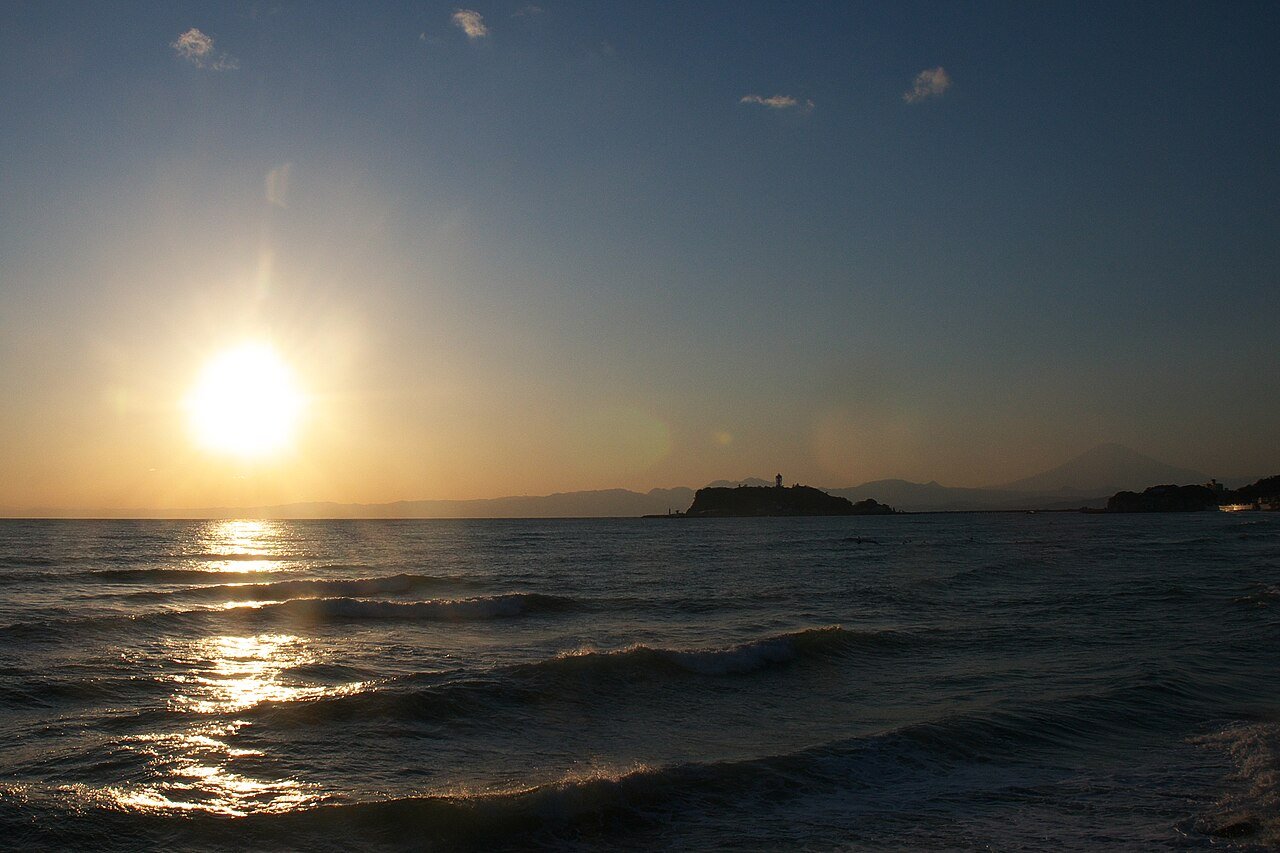
Area 4
Right for: Couples who want an ocean-view room and a quiet atmosphere above all else. Kamakura Prince Hotel sits on the Shichirigahama hillside and every one of its 97 rooms faces Sagami Bay — on clear days, Enoshima Island and Mount Fuji appear in the same frame from the upper floors. The Enoden station is a one-minute walk. The honest trade-off: the main Kamakura temples are about 20 minutes away by train, so this works best if your priority is rest and scenery rather than intensive sightseeing.
Maximising temple visits: Stay near Kamakura Station or Kita-Kamakura. Walk straight to your first site without a train ride first.
Wanting the beach or a beach-town feel: Yuigahama area (WeBase Kamakura, cedar sauna and ocean views) or Shichirigahama (Prince Hotel, Fuji views from the room).
Wanting both temples and sea in one trip: Kamakura Station area is the practical answer — the Enoden reaches the beach in three stops, and the JR reaches Kita-Kamakura temples in one stop north.
Kamakura has fewer budget options than most Japanese cities — decent guesthouses start from around 6,000 to 8,000 yen per night. Mid-range hotels run 15,000 to 25,000 yen. Hotel Metropolitan Kamakura starts at 20,000 yen and Kamakura Prince Hotel at 17,000 yen. Prices increase by up to 50% during peak seasons — Golden Week, cherry blossom and autumn foliage — and rooms disappear months in advance.