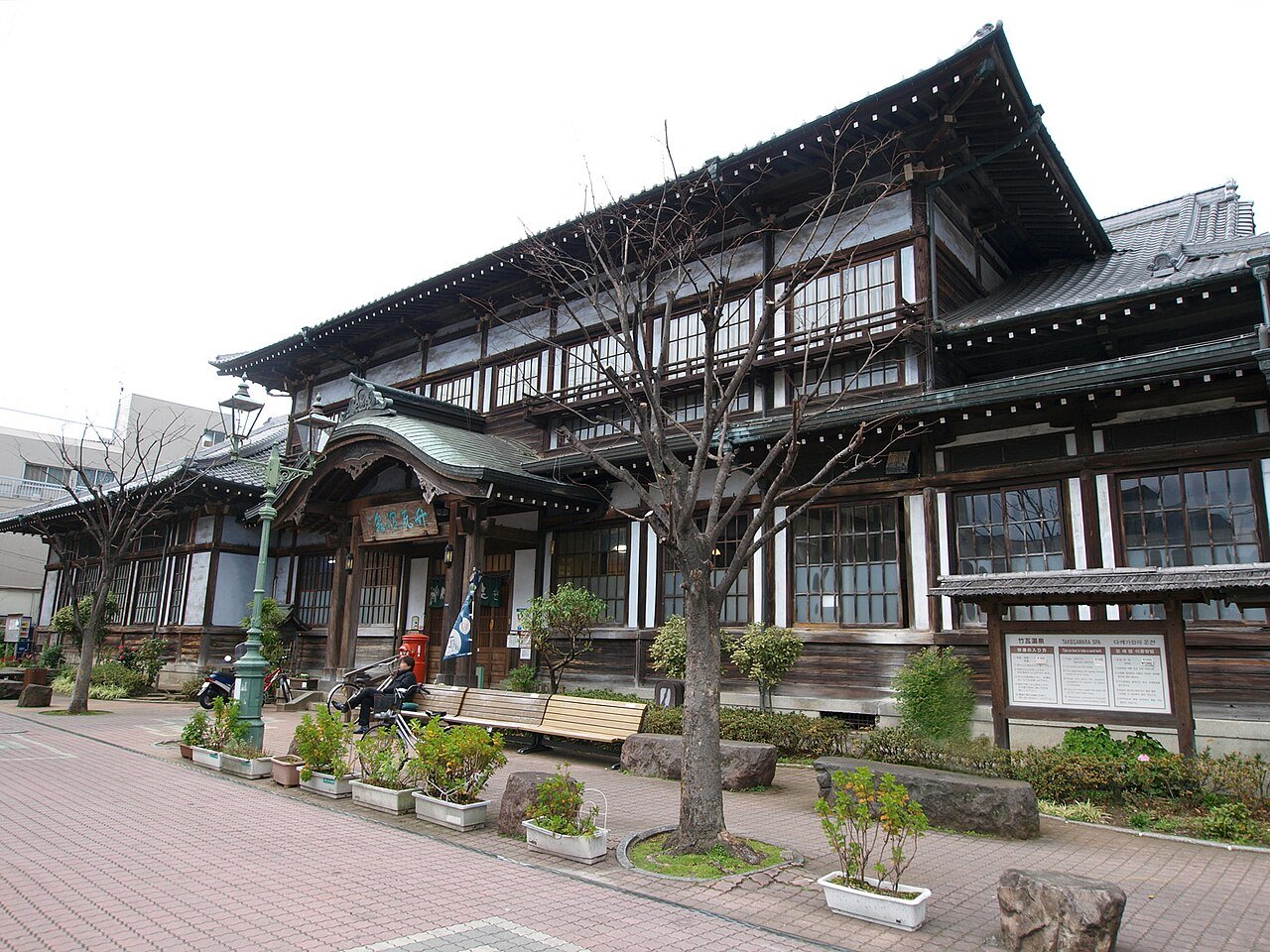
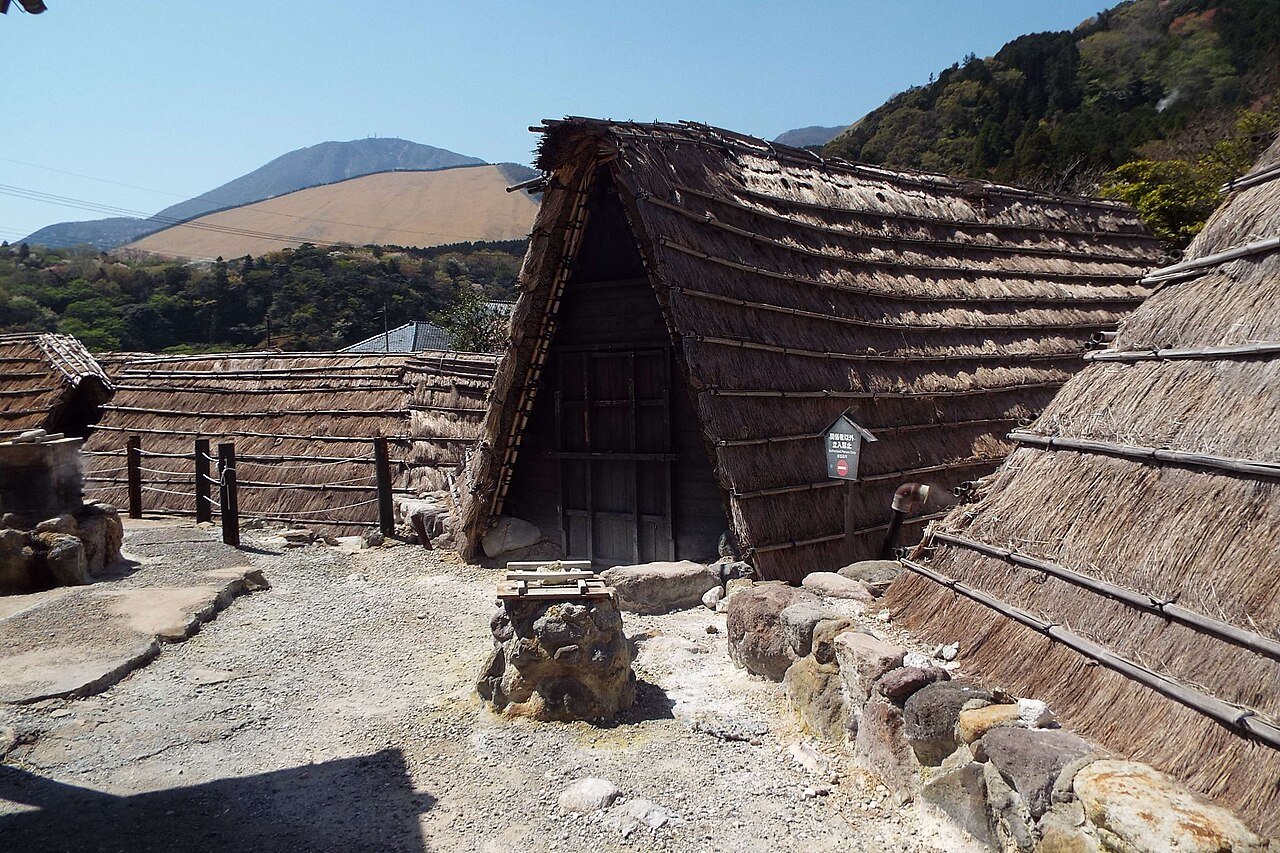
Sand baths, mud pools, billowing yukemuri — Beppu rewards the prepared traveller. Know the bus pass, the onsen rules and the tattoo question before you arrive.
Beppu sits in Oita Prefecture on the east coast of Kyushu, Japan's southernmost main island.
The hell groups are 3–4 km apart — you need a bus to connect them. Here's what to know.
Something many visitors miss before arriving: Beppu's famous Jigoku (hell) ponds split into two separate clusters. The Kannawa group has six hells; the Shibaseki group has two (Oniyama and Shiraike). They're about 3–4 km apart — not walkable. Planning your transport between them saves time and prevents a scramble for a taxi mid-morning.
Covers all Kamenoi Bus routes within the Beppu city area for an entire day, including the Hell Tour Bus that circuits Kannawa. Worth buying if you're visiting both hell clusters on the same day.
Single-journey tickets cost ¥150–300 depending on distance. If you're only heading to one area — say, just Kannawa — individual fares may work out cheaper than the day pass. Pay with Suica/ICOCA IC cards if you have one.
Convenient for groups or anyone who prefers door-to-door travel. A taxi from Beppu Station to the Kannawa area costs around ¥1,500–2,000. Hotels can call one for you; some offer half-day charter arrangements that can be surprisingly good value for families.
Once you're in the Kannawa district, the six hells are easy to walk between — lanes narrow, steam rising from gutters, the smell of sulphur light in the air. Allow 5–15 minutes between hells. Early morning is quietest and the steam most dramatic.
None of this is hard — but getting it wrong makes other bathers uncomfortable.
A sand bath (砂風呂 suna-buro) is one of Beppu's signature experiences — but many visitors arrive unsure of the process. It's simpler than it sounds.
Onsen is a year-round activity, but each season brings a different mood.
Cherry blossoms at Beppu Park peak in late March to early April. Azaleas blaze pink-red across Mount Tsurumi in April. Mild temperatures 15–22°C. Crowds are lighter than the winter season, making it a comfortable time to visit.
Hot and humid. The bay is beautiful for swimming. Beppu has cool-water (reisen) springs that are genuinely refreshing in the heat. Expect afternoon rain. Local families holiday here in August, so popular spots get busy. The least atmospheric for steam — heat equalises the effect.
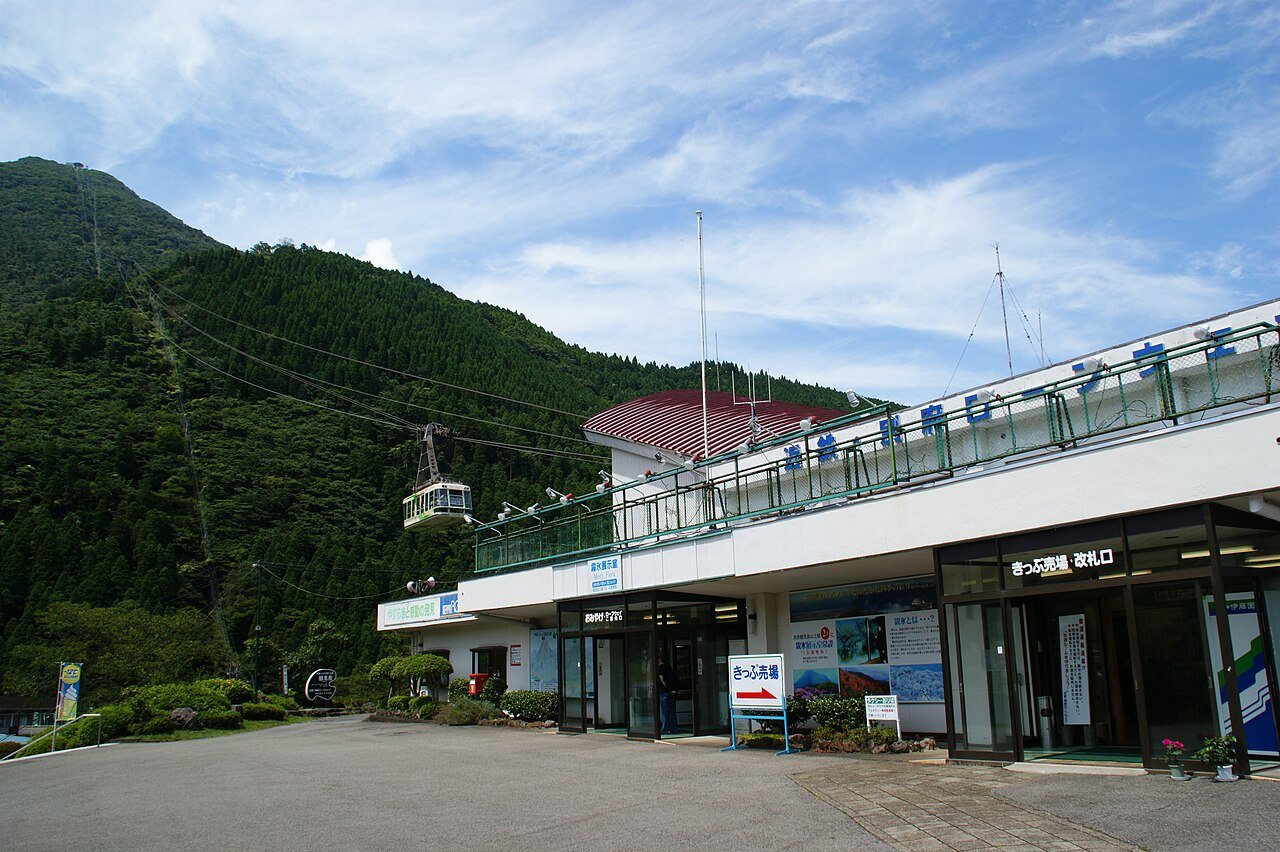
Autumn foliage on Mount Tsurumi — best viewed from the Beppu Ropeway — turns the hillsides orange and red. Temperatures 15–22°C. The steam begins to show well again as the air cools. A strong all-round season; weekends fill up so book accommodation early.
The city's famous yukemuri (geothermal steam) is thickest and most photogenic now — the cold air makes the columns rise high and glow in morning light. Temperatures 5–12°C. Slipping into a hot spring when it's cold outside is exactly what Beppu was designed for. The best season for first-timers.
A rough framework for planning — adjust for your travel style.
| Category | Budget | Mid-range | Comfortable |
|---|---|---|---|
| Accommodation (per night/person) | ¥3,500–5,000 (hostel / guesthouse) | ¥6,000–10,000 (mid-range ryokan) | ¥15,000+ (ryokan with meals included) |
| Food (3 meals) | ¥1,500–2,500 (local diners, convenience store) | ¥3,000–5,000 (sit-down restaurants) | ¥7,000+ (fresh crab, seafood restaurants) |
| Hell Tour Combo Ticket | ¥2,200 (7 hells) / ¥2,750 (8 hells) — same for everyone | ||
| Onsen (2 baths/day) | ¥300–500 (local neighbourhood baths) | ¥800–1,500 (hotel / day spa) | ¥2,000+ (private bath / ryokan) |
| Sand bath (if trying once) | ~¥1,500–1,700 — a one-off treat | ||
| Local transport | ¥300–600 (bus / walk) | ¥1,000–1,500 (My Beppu Free pass) | ¥2,000–3,000 (taxi, door to door) |
| Daily total (rough) | ~¥8,000–12,000 | ~¥15,000–22,000 | ¥30,000+ |
Small towel (some neighbourhood onsen don't lend them) · Hair ties · Crocs or slip-on sandals (for wet bathhouse floors and cobbled hell paths) · A light jacket (stepping from a hot bath into cool air is the gap that matters) · Cash (many local onsen and small restaurants are cash-only)
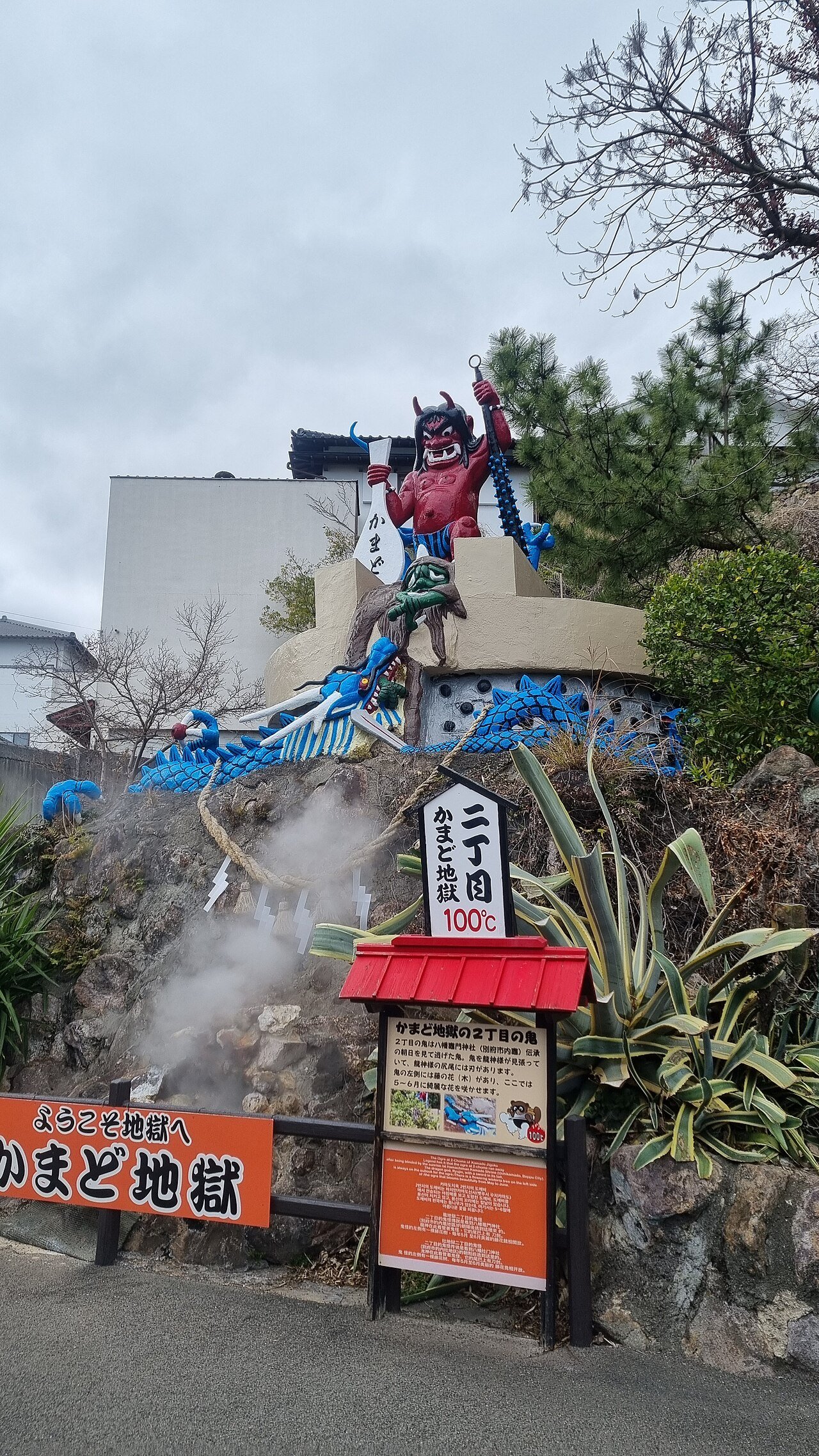
Children love the hells, especially Umi Jigoku (electric-blue water), Kamado Jigoku (a demon-faced cooking hell with a tasting area), and Yama Jigoku (hippos, flamingos and small animals on site). All viewed safely behind railings.
Beppu has been receiving international visitors for decades. Signage at major sights is in English. Google Maps handles bus timetables well here. Staff at neighbourhood onsen often speak no English, but a simple point-and-nod combined with Google Translate camera mode gets you through every door.
Neighbourhood onsen, local izakaya and small ramen shops frequently accept cash only. The best ATMs for foreign cards are at 7-Eleven convenience stores and Japan Post offices. Change money at the airport or a major bank rather than at the hotel for better rates.