6 Experiences Worth Your Time in Beppu
Ordered by what visitors talk about most after they leave
 1
1
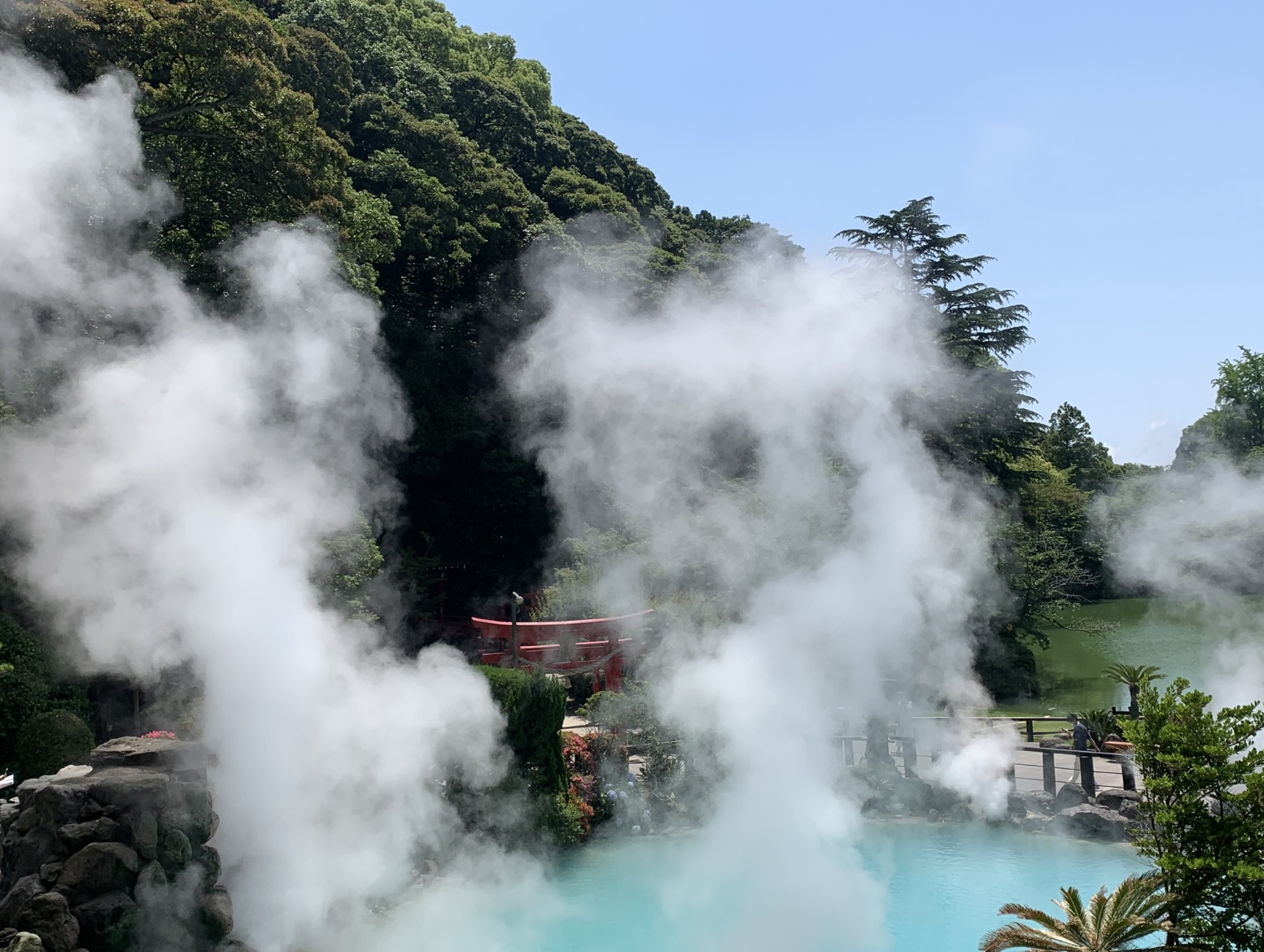
The question everybody asks first: why hells? Because the temperature runs 90–99°C — no human is getting in. What you get instead is something rarer: a circuit of seven naturally coloured geothermal pools that look like the earth is showing off. Umi Jigoku (Sea Hell): cobalt blue, hot spring-blue so vivid it stops conversation. Chinoike Jigoku (Blood Pond Hell): deep red from iron oxide, recorded in texts 1,300 years ago. Shiraike Jigoku (White Pond): milky and opaque, tropical fish somehow surviving inside. Kamado Jigoku (Cooking Pot Hell): demon-themed with Oni statues and steam treatments for your skin. Oniishibozu Jigoku: grey mud bubbles rise and burst like enormous bald heads. Oniyama Jigoku (Devil Mountain): crocodiles living in the geothermal warmth. Tatsumaki Jigoku: a geyser that erupts every 30–40 minutes on schedule.
 1b
1b
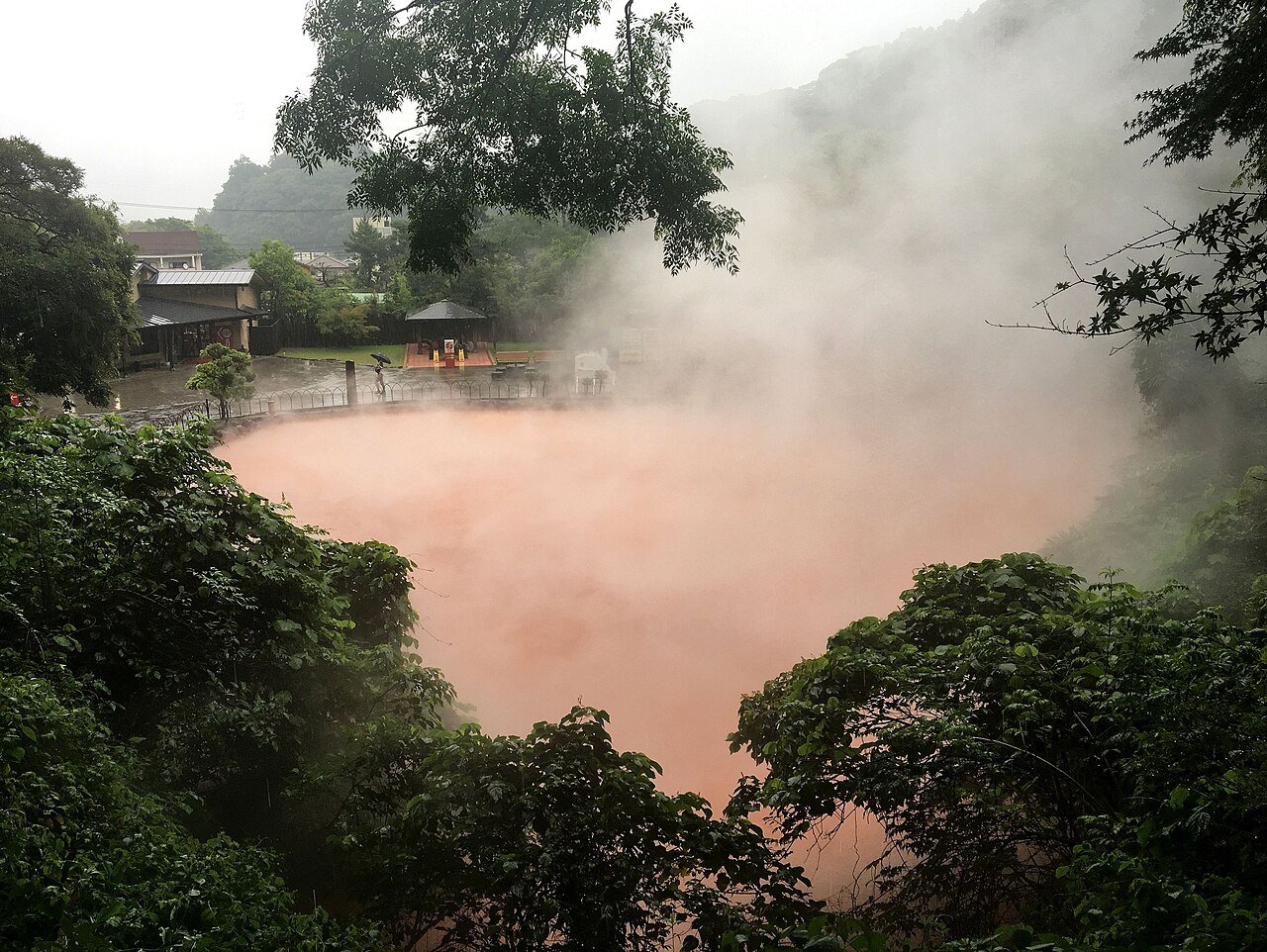
Among the seven, Chinoike Jigoku is the one that lodges itself most stubbornly in memory. The red comes from iron hydroxide and red clay forced up from deep in the earth — the same colour has been here for over 1,300 years, documented in 8th-century Buddhist texts as a manifestation of the actual hell realm. It sits in the Shibaseki cluster alongside Tatsumaki Jigoku (the geyser). If you time your visit to catch the geyser eruption — which staff will indicate with a board — you can see both in under an hour. The site also sells a red "chinoike cream" skin ointment that has been made from the mineral-rich clay here since 1879.
 2
2
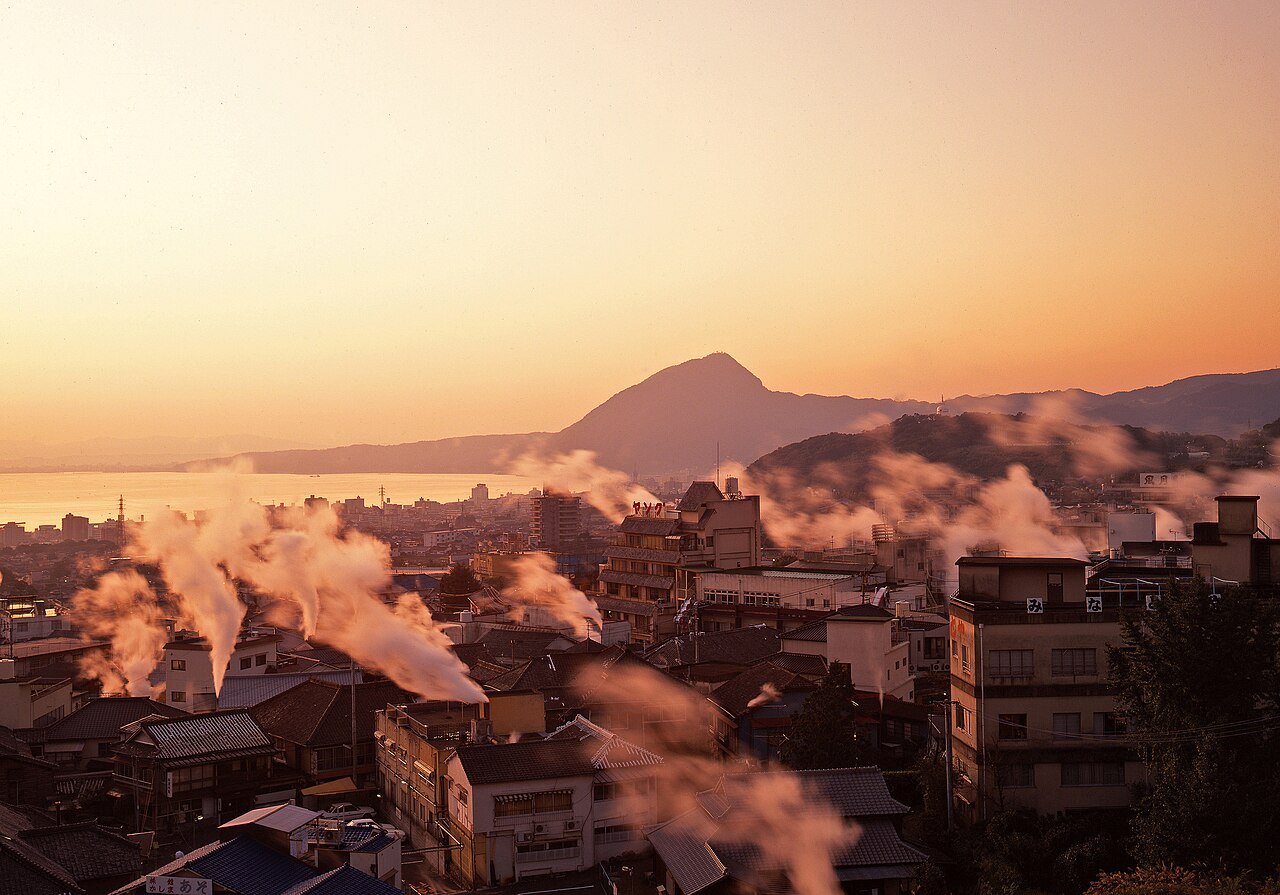
This is the sight most visitors do not plan for and remember longest. Yukemuri — literally "hot-spring steam" — is the panorama of white mist rising simultaneously from hundreds of rooftops, drains, gaps in walls and patches of bare earth across the Kannawa district. On a cold morning before the city wakes, it looks like the whole town is dreaming. The Japan Environment Ministry selected it as one of Japan's "100 Onsen Soundscapes Worth Preserving". There is a raised viewing platform in the Kannawa district that frames the scene across the rooftops perfectly. It costs nothing to stand there.
 3
3
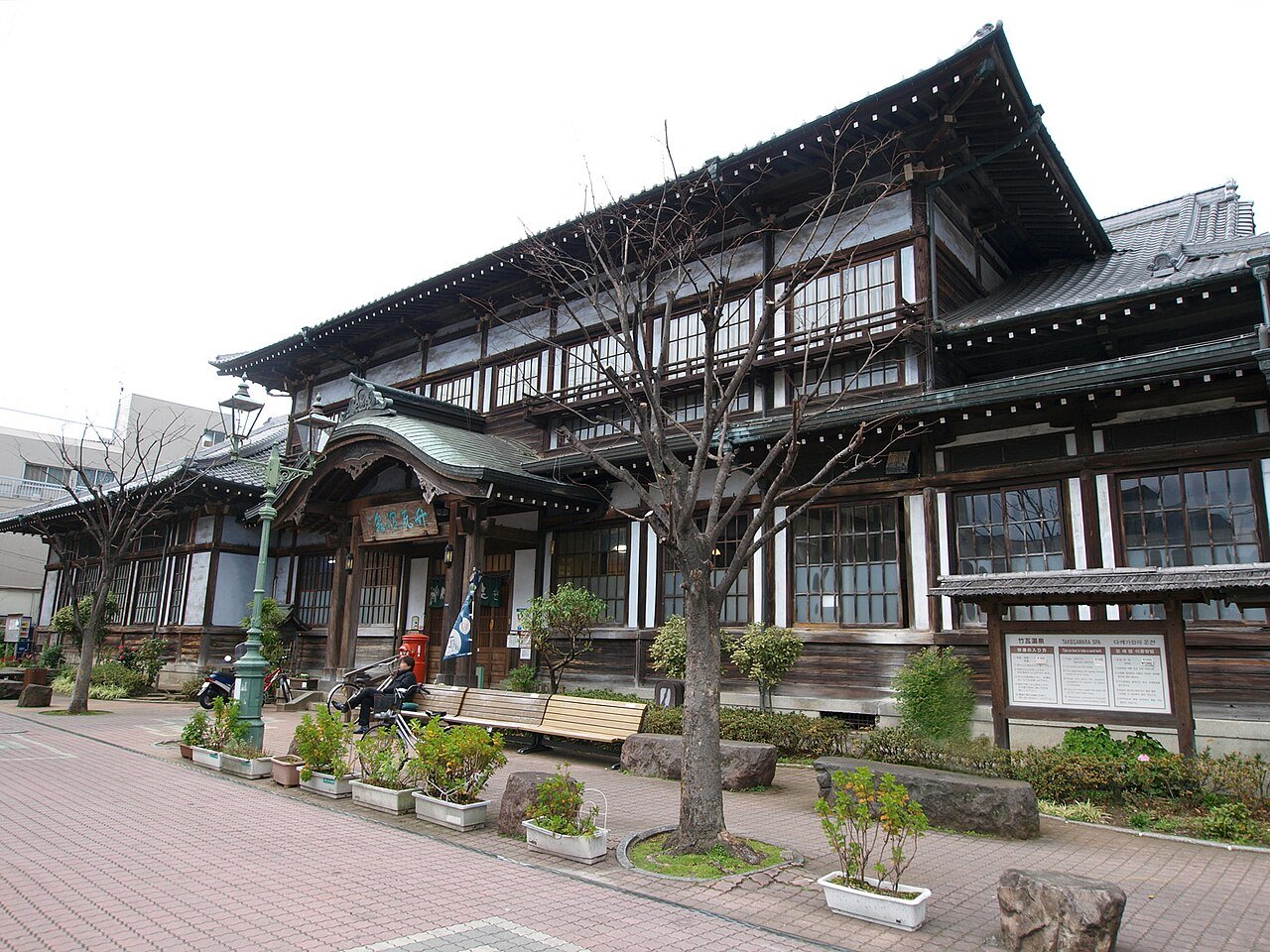
The idea sounds odd until you try it. You change into a provided yukata, lie down on the indoor beach, and staff shovel naturally geothermally heated black sand — held at about 50–55°C — over your body from neck to toes. The weight presses gently, the heat works inward. After 10–15 minutes you rinse off in the adjacent onsen bath. It is somewhere between a massage, a hot spring and being gently buried by a very warm beach. Takegawara Onsen itself is worth visiting for the building alone — wooden ceilings, creaking floorboards, late-Meiji construction that has barely changed in a century.
 4
4
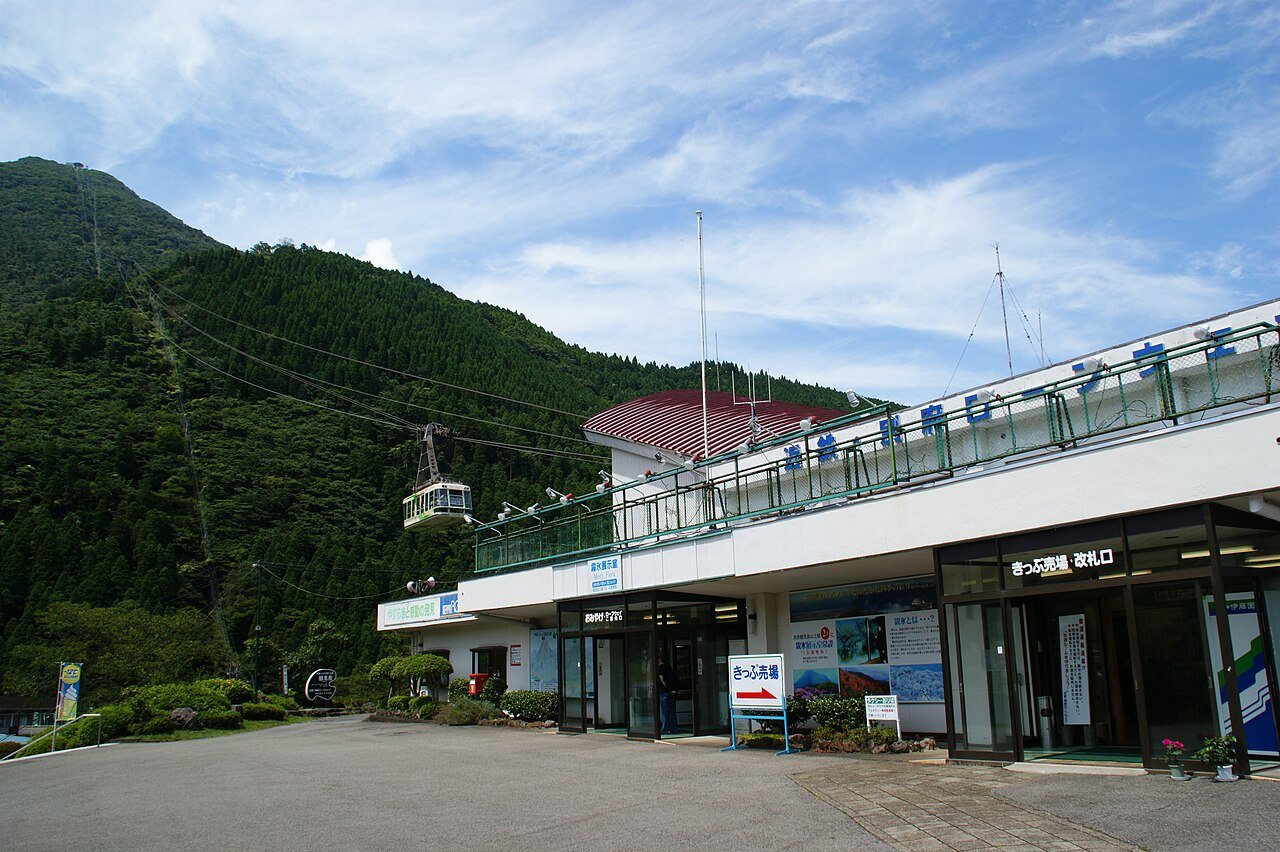
The ropeway ride itself is the experience. In ten minutes of ascent you watch the steam rising from hundreds of points across the city below, Beppu Bay stretching out toward the horizon, and on clear days the distant outline of Shikoku across the Iyo Sea. The summit at 1,375 m has a small shrine, a rest house and a viewing terrace. In spring (April–May) the upper slopes are covered in rhododendrons; in autumn (October–November) the foliage turns the mountain orange-red. If the weather closes in — which happens — the cable stops running, so check conditions before making the trip out.
 5
5
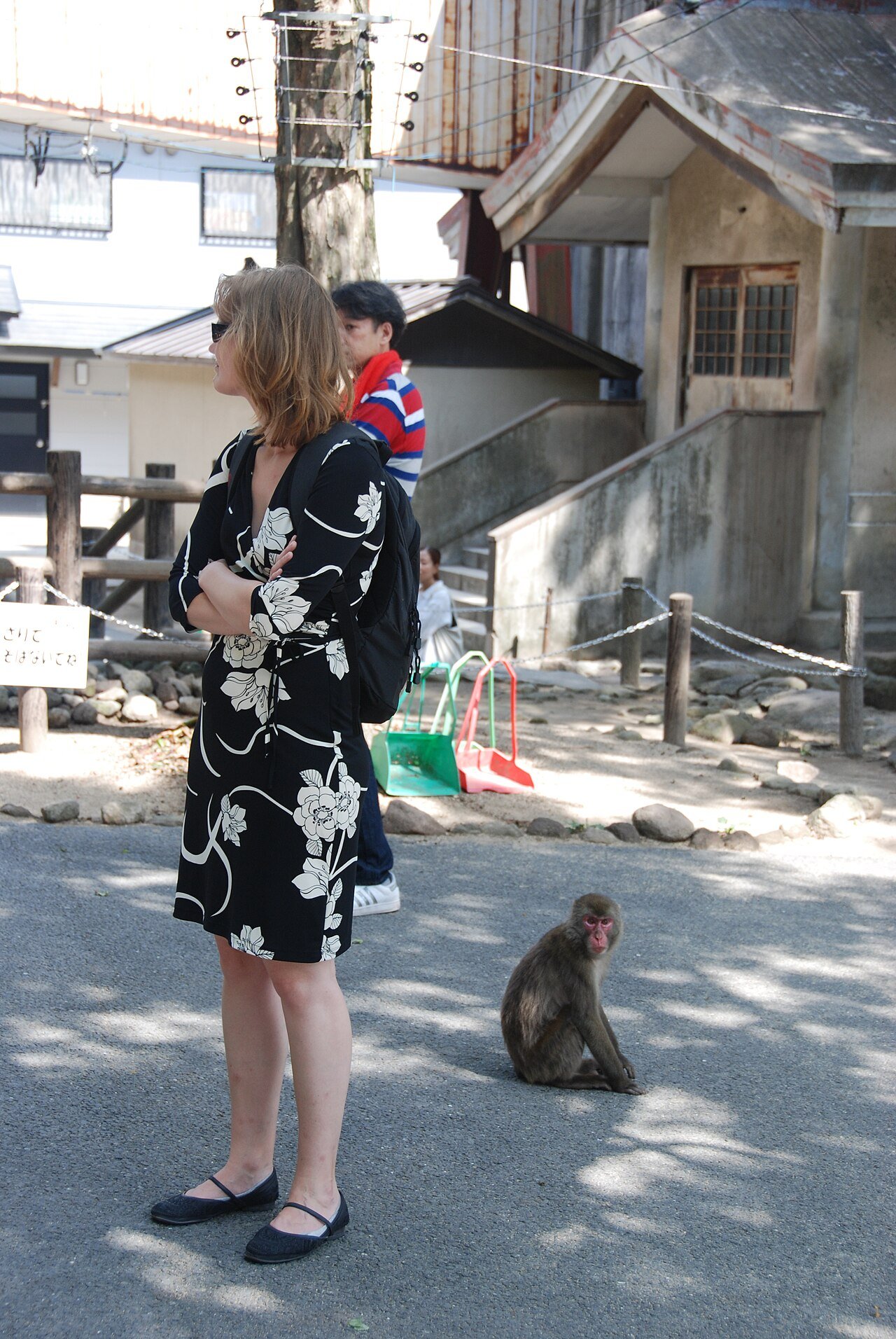
This is not a zoo. Takasakiyama is a forested mountain where roughly 1,000 wild Japanese macaques (snow monkeys) live freely and descend to a feeding area near the base of the trail. You walk in through the trees — no cage, no glass — and the monkeys are simply there. An older male sits on a rock. A mother carries a tiny infant on her back. Three juveniles chase each other past the path at waist height. Staff feed the troops on a schedule, which draws the monkeys down in groups; on busy mornings you may see over a hundred at once. It is particularly good with children — approachable, naturalistic and genuinely unpredictable.
 6
6
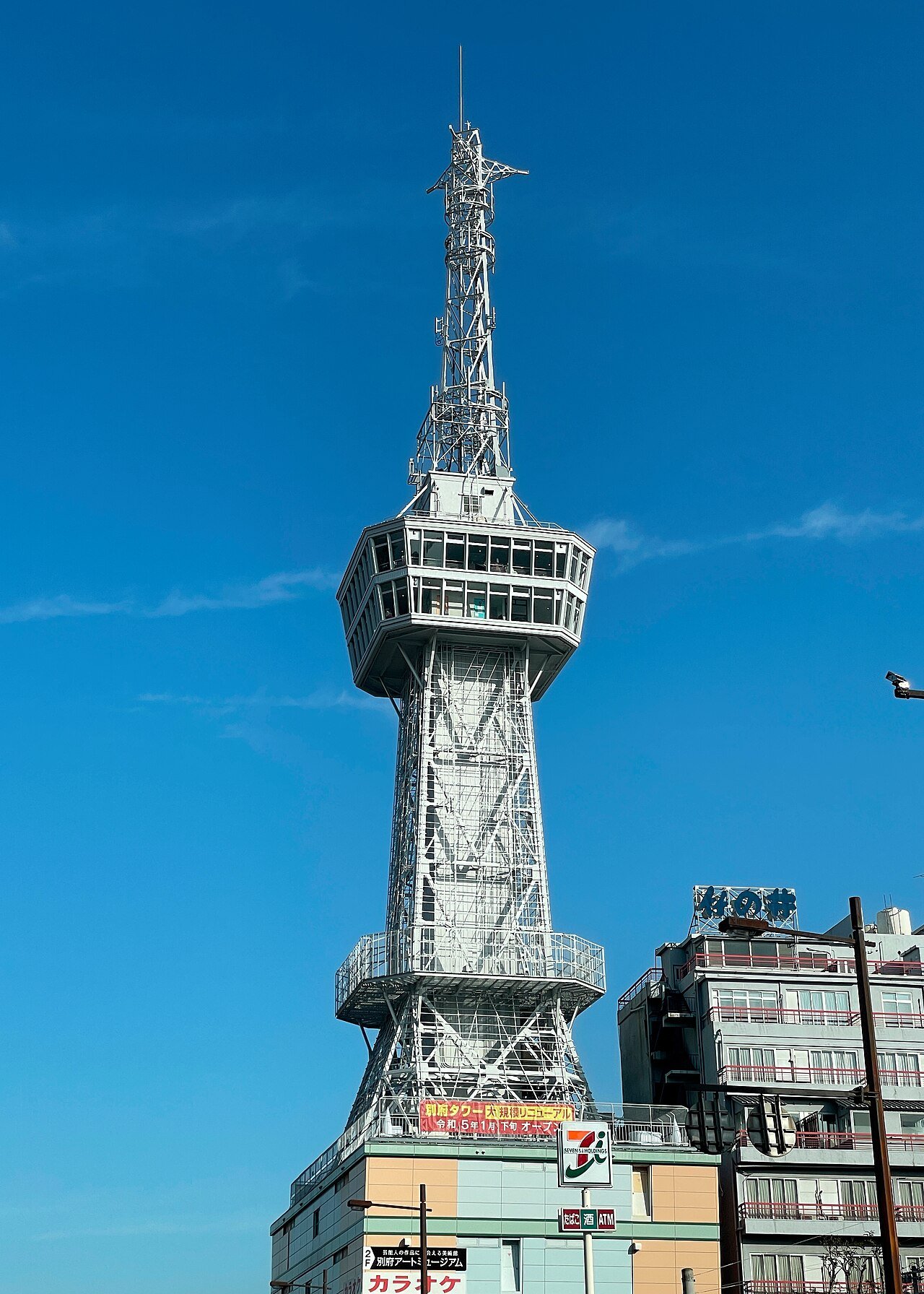
Beppu Tower was built in 1957 by the same architect who designed Tokyo Tower, making it the oldest tower of its type still standing in Asia. It is not tall by modern standards, but the view from the observation floor captures what the ropeway cannot: the relationship between the city — steaming, low-rise, half-hidden in mist — and the bay behind it. At dusk, the water turns silver-grey and the city lights come on through the haze. The tower sits in the middle of Beppu's main shopping arcade, so combining it with an evening walk and dinner requires no planning at all.
 1c
1c
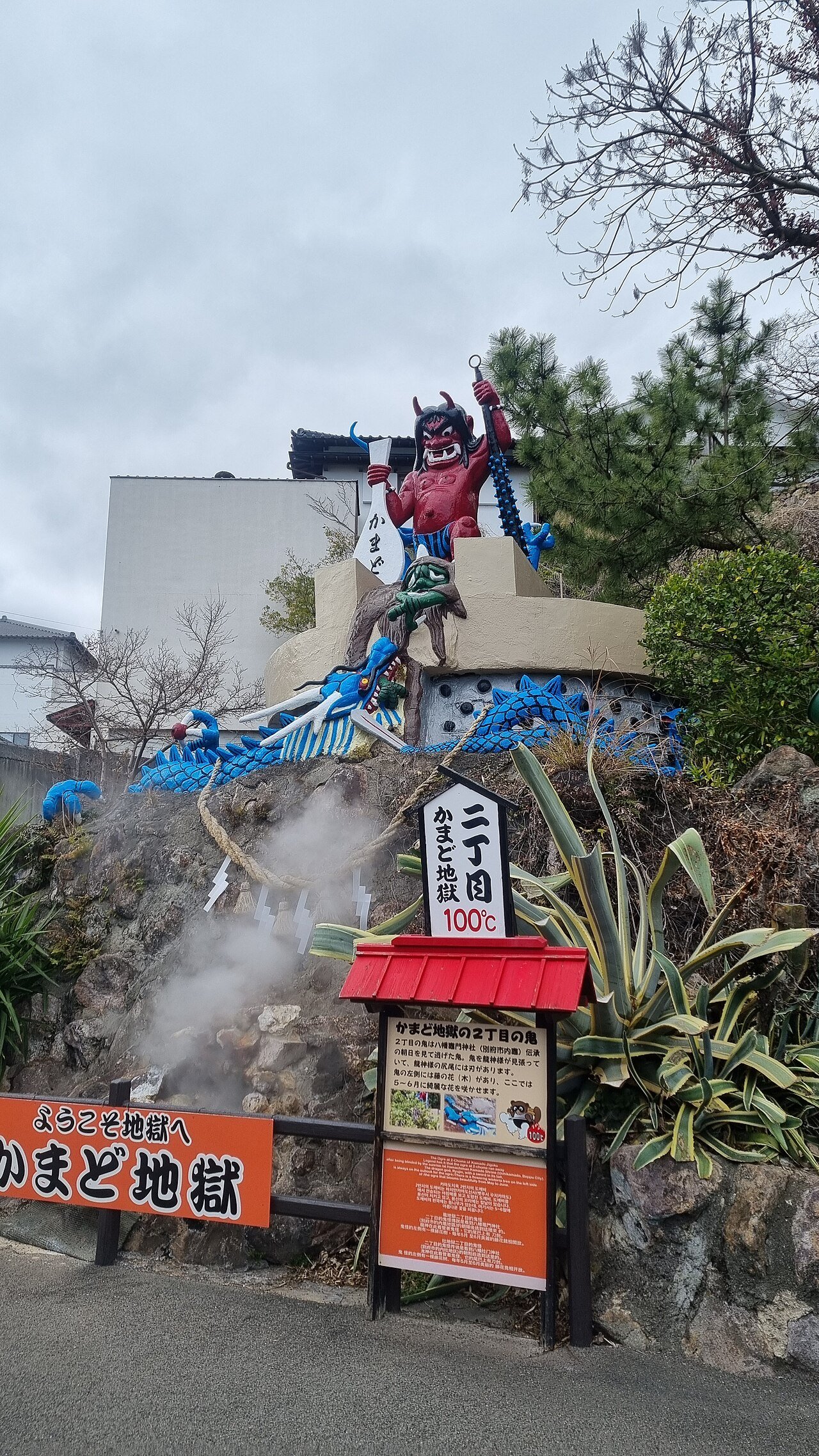
Two Kannawa hells that visitors sometimes rush through are worth slowing down for. Kamado Jigoku (Cooking Pot Hell) is built around the theme of the Buddhist hell kitchen — a large red Oni statue stands at the gate, and the site has half a dozen small pools of different temperatures with a steam booth where you can hold your face over gently vented steam for skin benefits (around 45–50°C, genuinely tolerable). Shiraike Jigoku (White Pond Hell) is quieter than the others: pale milky water coloured by silica and calcium, shallower than the other ponds, and — remarkably — home to tropical fish that survive in the warm, mineral-rich water. Both are inside the Kannawa cluster and walkable from Umi Jigoku.