6 things to eat before you leave Beppu
Ranked by how irreplaceably local they are — dishes you won't find done quite like this anywhere else.
 1
1
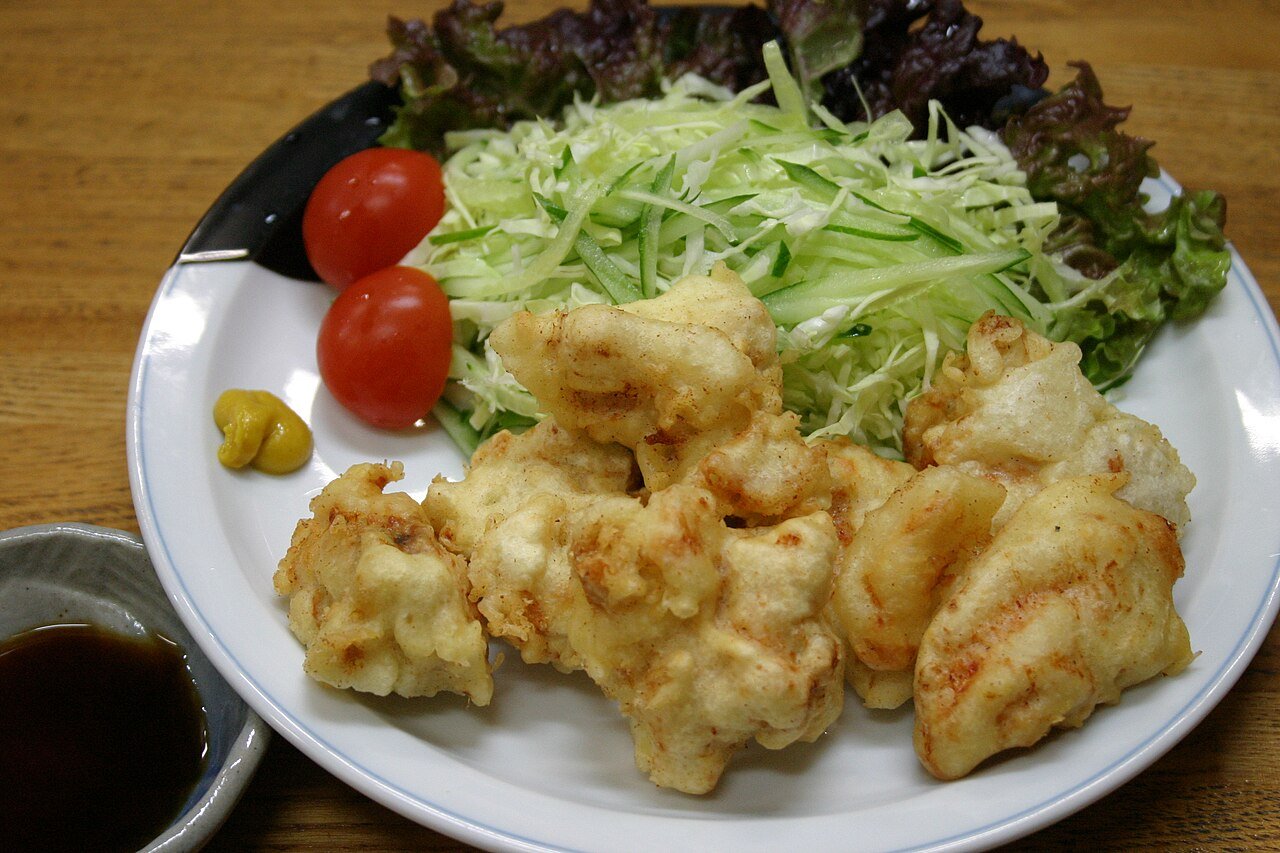
Think of the lightest chicken tempura you can imagine — and then make it a little lighter. Toriten starts with chicken marinated in soy, ginger and garlic, then coated in a thin, whipped tempura batter and fried fast until the coating puffs and shatters. The inside stays juicy. You eat it dipped in ponzu (citrus soy) and a streak of hot karashi mustard. Oita has been arguing about who invented it for decades; the restaurant Toyoken on Kitahama Street puts in the most credible claim. Try it once and you will wonder why the rest of Japan isn't doing it this way.
 2
2
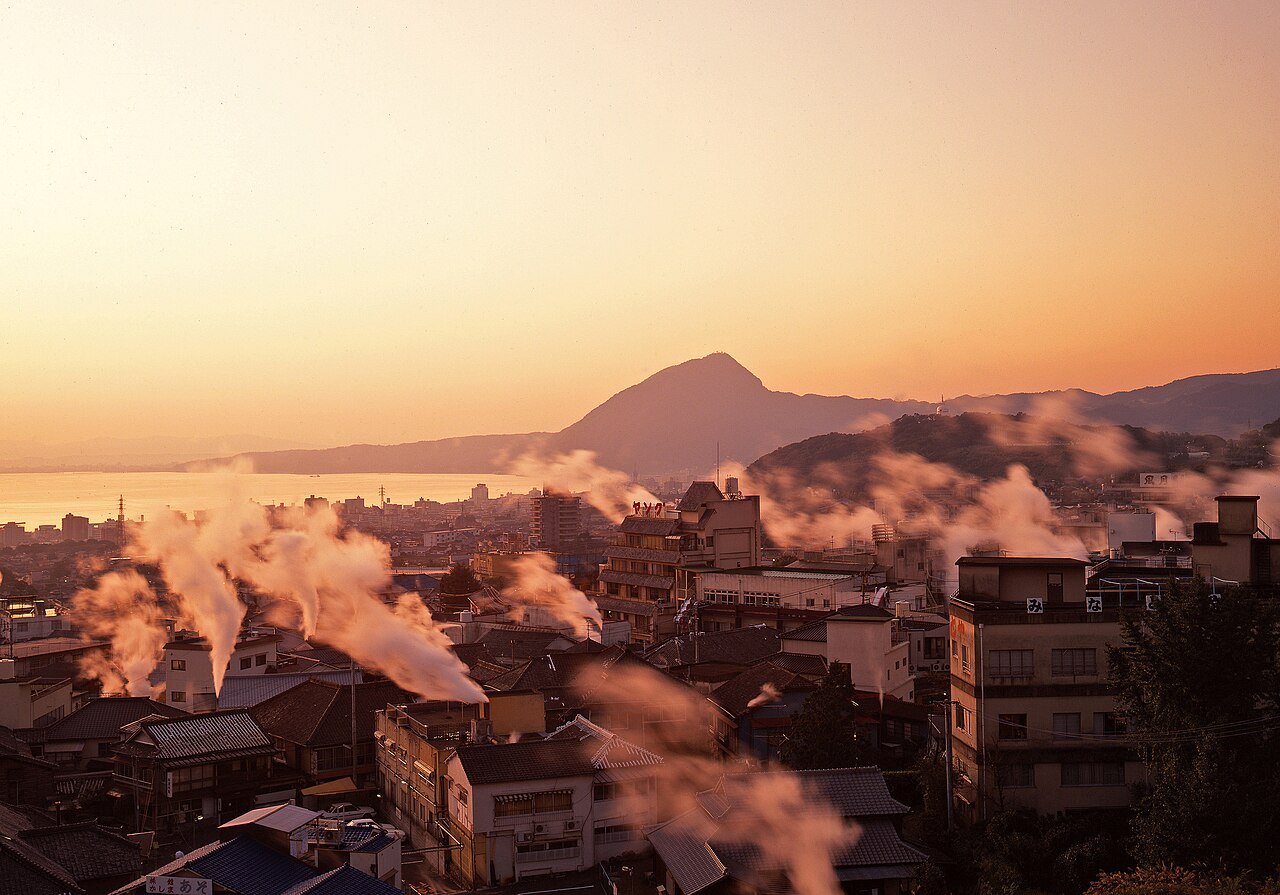
In the Kannawa district, steam erupts from cracks in the ground around the clock. Residents have been placing bamboo baskets of food over these vents since the 1600s — chicken, oysters, prawns, eggs, sweet potato, corn, and a rich caramel custard pudding called jigoku-mushi purin. Everything cooks in 5 to 15 minutes at around 100°C, with no oil added and nothing standing between the ingredient and the steam. The flavours are intensely clean and sweet. Corn tastes like the best corn you have ever eaten. The custard pudding is dense, almost smoky, and it costs ¥300–400 per pot.
 3
3
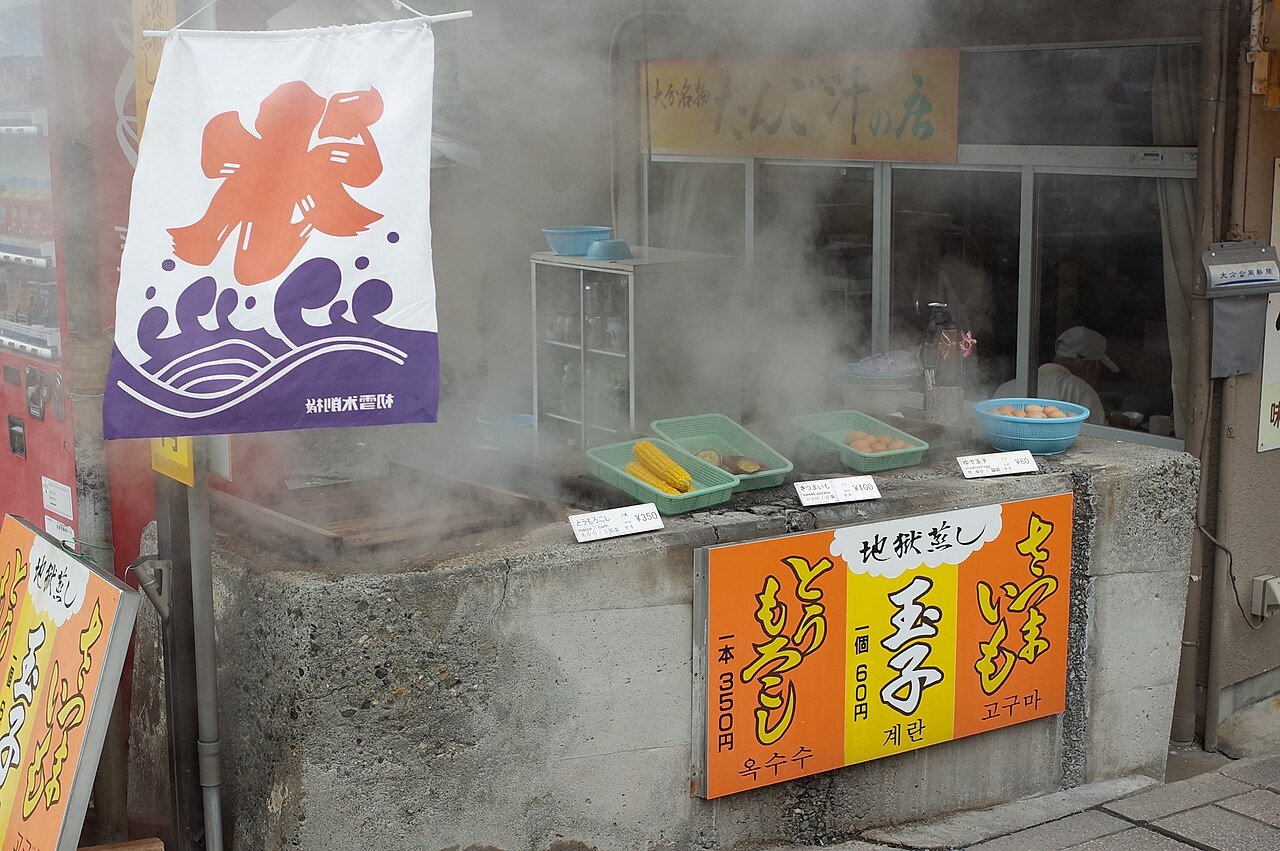
This is the experience that most visitors come to Kannawa for — and it delivers. You choose your ingredients from the shop next door: prawns, clams, chicken, tofu, vegetables, sweet potato. Pay the steaming fee. A staff member shows you how to place the wooden basket over the actual volcanic vent. Ten to fifteen minutes later, you lift the lid onto perfectly cooked, clean-tasting food that no other method quite replicates. The shop has large Korean-language signage because Korean visitors discovered this place early and word spread fast. The queues on weekends are real.
 4
4
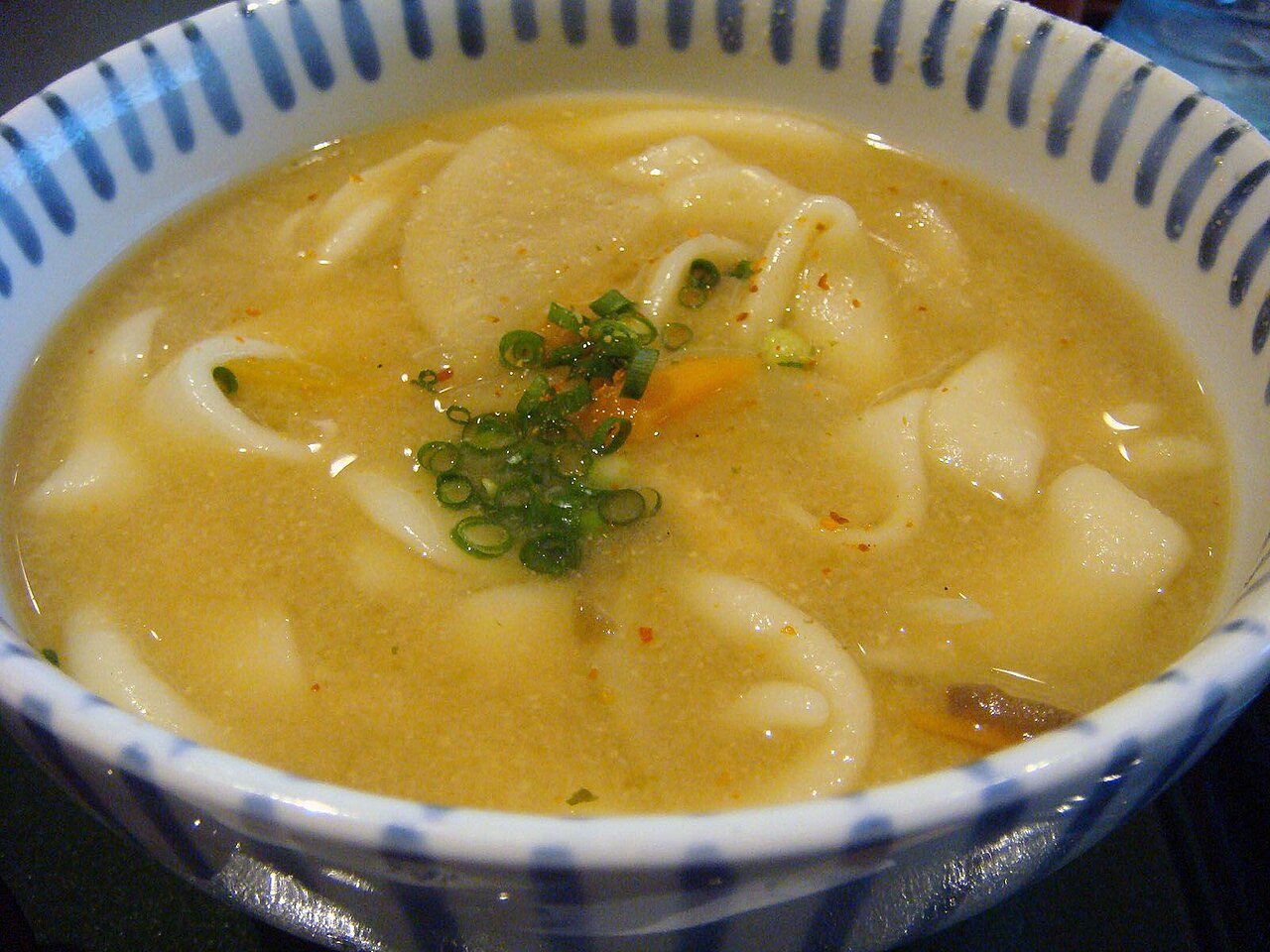
Someone once described dango-jiru to me as "the dish that Oita families eat when someone comes home after a long journey." It earns that description. A rich miso broth, darker and more robust than the clear soups you find elsewhere, holds flat wide wheat noodles — wider and more yielding than udon — along with daikon, sweet potato, burdock root, mushrooms and sometimes chicken or pork. The noodles have a pleasant resistance, the broth coats every strand. One bowl is filling. It costs ¥600–900 and warms you from the inside in a way that feels particularly right after a soak in one of Beppu's outdoor baths on a cool evening.
 5
5
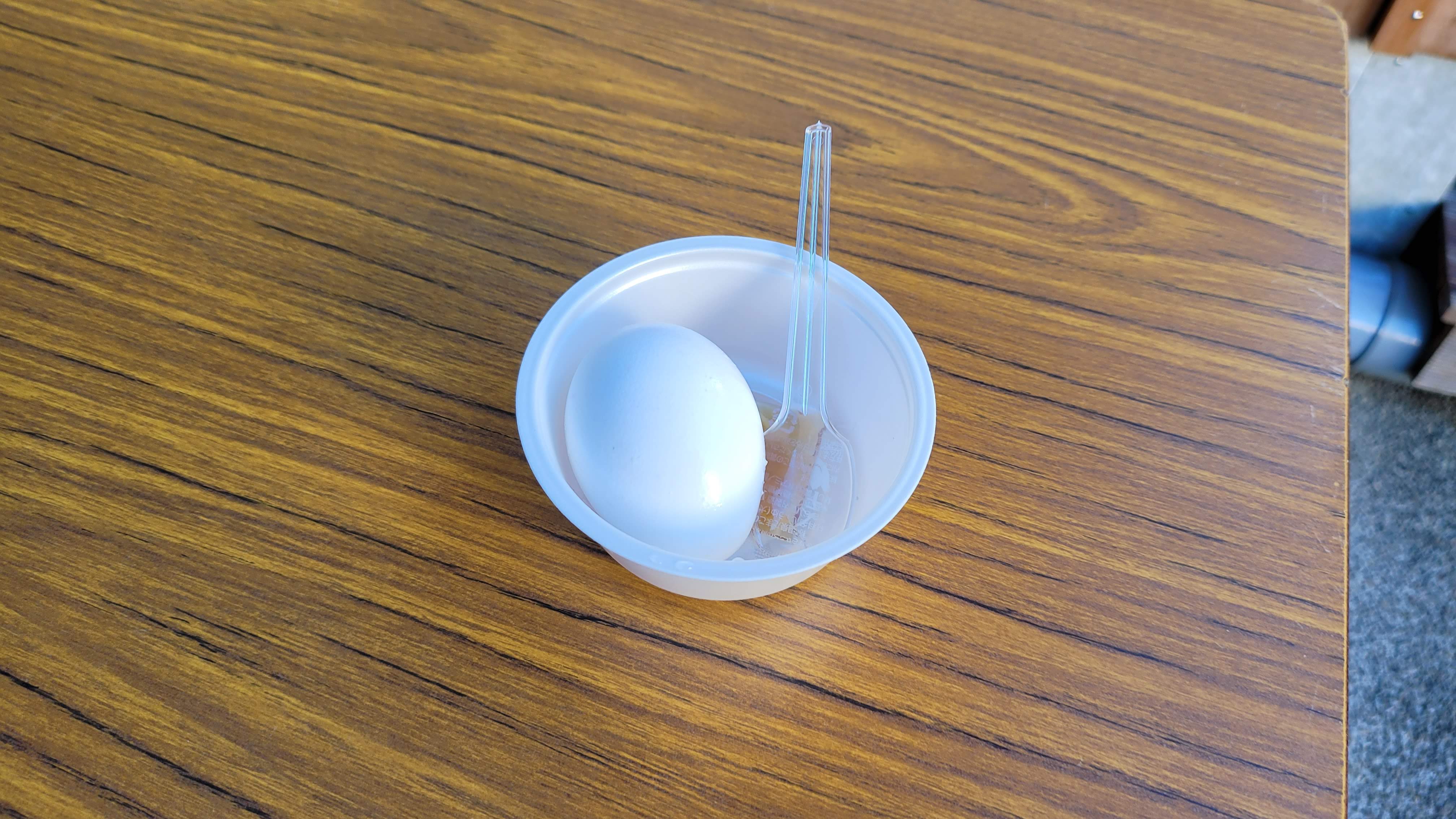
Before or between main meals, the Kannawa street stalls sell two things worth stopping for. Onsen tamago (温泉卵) are eggs cooked slowly at 68–70°C in the hot spring water itself — the white sets to a silky, trembling custard while the yolk stays bright orange and creamy rather than chalky. One egg costs ¥150–200 and tastes clean and faintly mineral, nothing like a boiled egg. Steam-cooked corn emerges from the volcanic vents sweeter and more concentrated than water-boiled corn because the steam penetrates the kernels without washing flavour out. ¥350–400 per cob, eaten standing on the pavement. Worth every moment.
 6
6
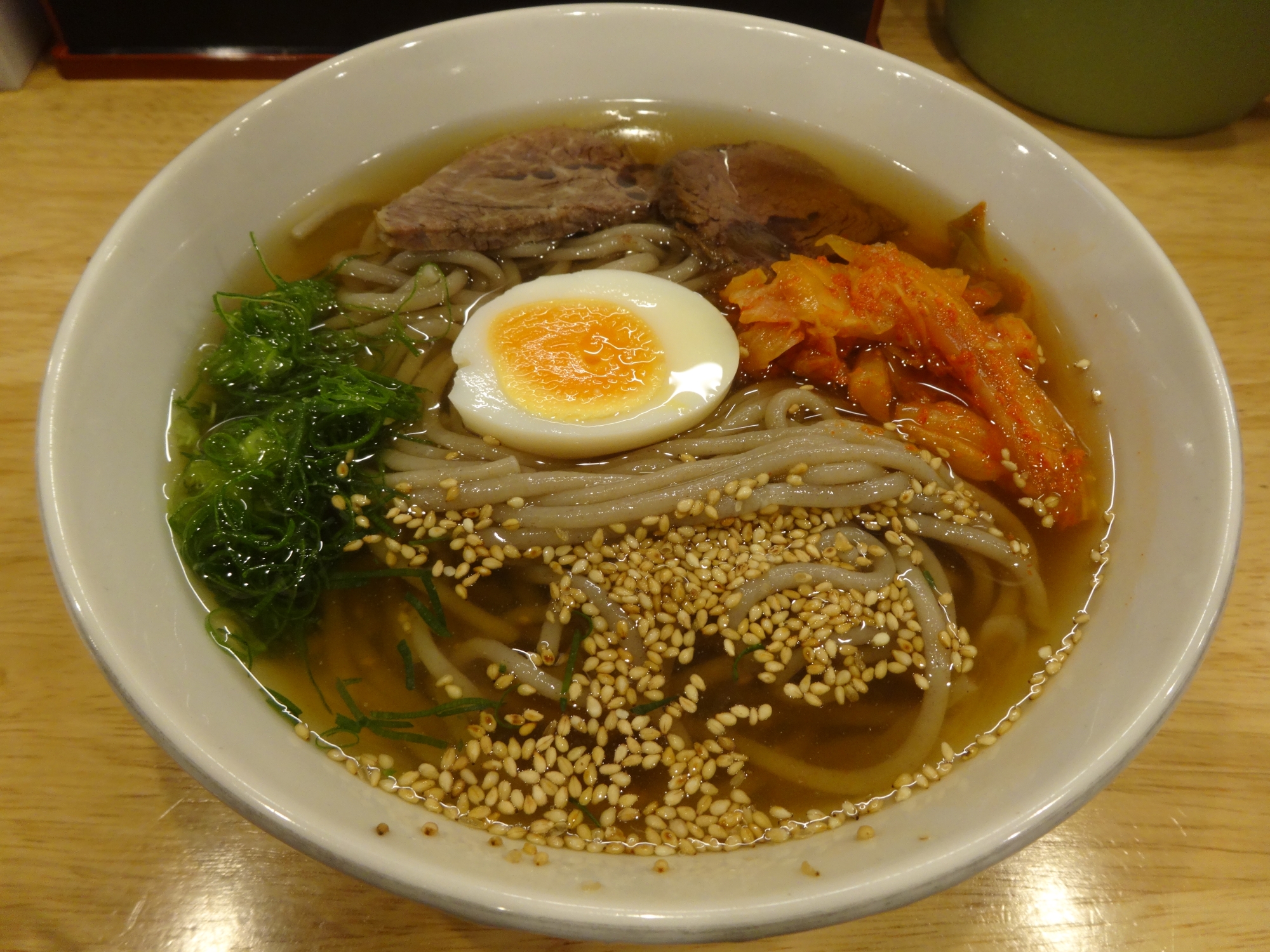
Beppu reimen began around 1950 when a chef who had lived in Manchuria opened a noodle shop and adapted Korean naengmyeon to local tastes. The noodles — buckwheat flour blended with potato starch — are chewier and denser than ramen noodles. They are served cold in a clear, subtly complex broth alongside braised beef, kimchi, a half-boiled egg and sesame. The combination of cool broth, chew, mild heat and umami is exactly right after a long afternoon in the onsen. Separately, Bungo Channel seafood — flounder, sea bream, snow crab — lands daily at Kitahama market and appears on izakaya menus from the evening.