Home Shanghai China Shanghai Hotels About
Home  ›  China  ›  Shanghai  ›  3-Day Itinerary
🗓️ Shanghai Itinerary · 3 Days · 2026

3 Days in Shanghai —
Every world this city holds

A Ming-dynasty garden in the morning, the Bund lit up at dusk, coffee down a French Concession lane, a gilded temple among skyscrapers — three days is exactly enough to feel all of it.

Why 3 days

Shanghai rewards the slower look

Two days in Shanghai often leaves people feeling they saw postcards rather than a city. That is because the best parts — the tree-canopied back streets of the French Concession, the smell of roasting coffee drifting out of a Tianzifang doorway, that specific moment on the Bund when the Pudong towers flip on their lights — require you to slow down enough to notice them.

This plan is built for a first visit to central Shanghai. It deliberately excludes Disneyland (a full day of its own) and out-of-city day trips (see our day-trips guide for those). What it does include is every distinct "world" the city contains: Ming-dynasty China, European colonial architecture, creative contemporary neighbourhoods, and the future-forward skyline of Pudong. Every leg is on the metro — no taxis needed, no navigation stress.

Want more time? See the 5-day plan, which adds Disneyland and a day trip to Suzhou or Zhujiajiao water town.

Day One

The Bund & the Pudong Sky

A 460-year-old garden at opening hour, dumplings from the oldest shop in town, a colonial waterfront at golden hour, then the world's second-tallest building looking down on it all.
01
Day 1
The Bund & Pudong Skyline
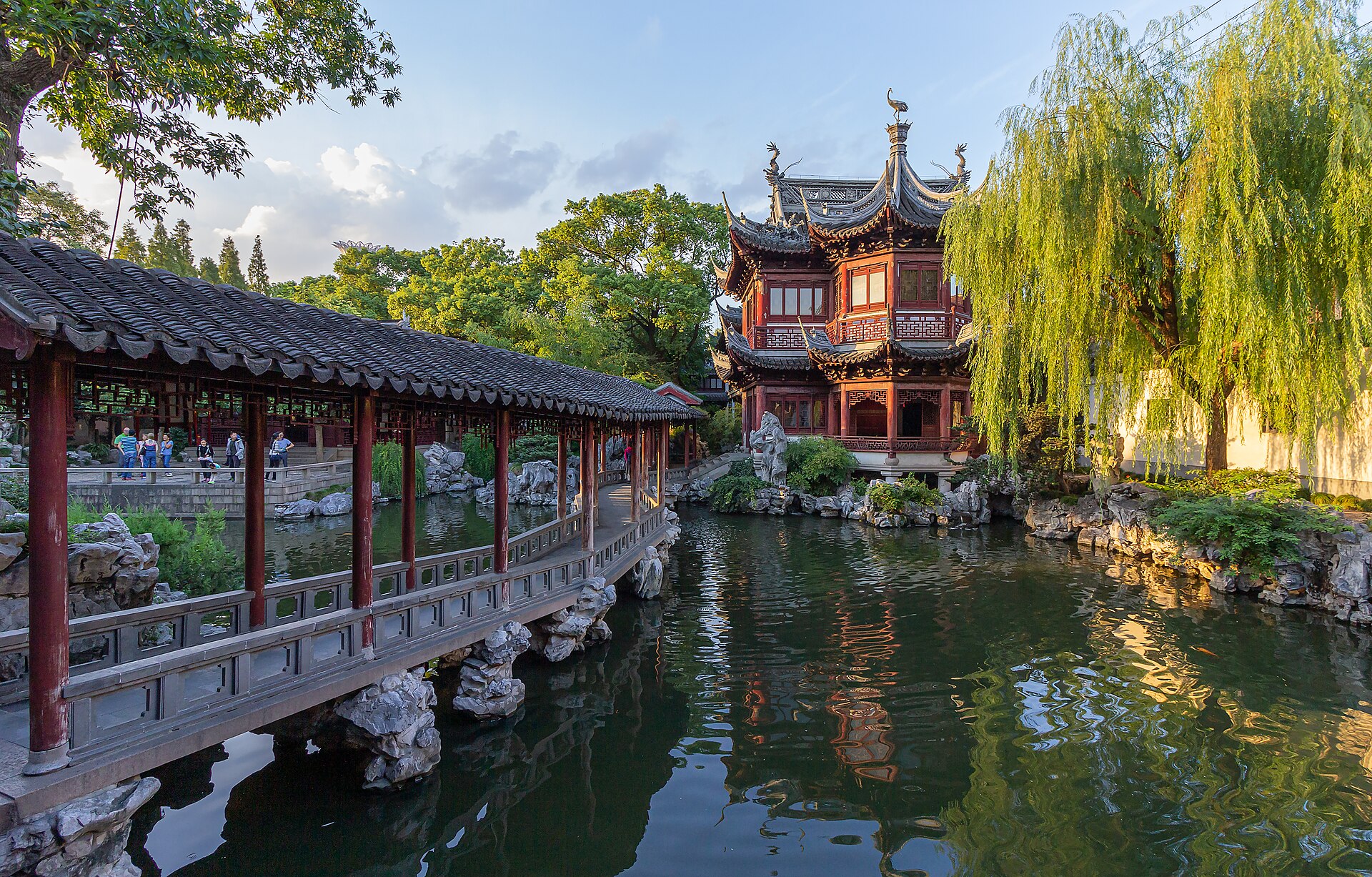
Yu Garden Shanghai — red pavilion reflected in a carp pond, dragon-head ceramic wall, Ming-dynasty classical garden
Morning · ~3 hours
Yu Garden (豫园) + City God Temple Bazaar

Arrive at Yu Garden close to opening time — roughly 9 am — before the tour groups arrive in force. The Ming-dynasty garden (built 1559) is a world unto itself: dragon-head ceramic walls, red-lacquered pavilions over carp ponds, zigzag bridges, and walking paths that turn so many corners you lose all sense of direction. Allow 90 minutes to wander properly.

When you leave the garden, the surrounding City God Temple Bazaar (Yuyuan Bazaar) is free to enter — a maze of tea shops, souvenir stalls and street food. The priority stop is Nanxiang Xiaolongbao (南翔馒头店), a dumpling house open since 1900. Queue for a bamboo basket of soup dumplings and eat them at a street-side table. This is not tourist food — locals queue here too.

Metro: Line 10, Yu Garden station, 8-minute walk to the garden entrance
Yu Garden ticket: ¥40 (~$5.50 USD) · Open 09:00–17:00 · Bazaar: free entry
Xiaolongbao: ¥30–50 per bamboo steamer (8 pieces) · Ground floor has the shortest wait
Afternoon · ~3 hours
The Bund (外滩) + Cross to Lujiazui for the sky view

After lunch in the bazaar, make your way to The Bund. The afternoon light is kinder to the colonial facades than midday glare — walk the 1.5-kilometre riverside promenade slowly, reading the plaques on HSBC Building, the Customs House bell tower, and the Peace Hotel. The Bund is free and open around the clock.

From East Nanjing Road station, take Metro Line 2 to Lujiazui — the ride takes four minutes and exits you directly beneath Oriental Pearl Tower. Choose one observation deck: Shanghai Tower Sky Walk on floor 118 (546 m, ¥180) for the highest view, or SWFC on floor 100 (¥180) for the angle that puts Oriental Pearl Tower in the foreground. Either will rearrange your sense of scale. Allow 1 to 1.5 hours.

Metro (Bund): Line 2 or 10, East Nanjing Road station, 8-minute walk to the promenade
Metro (Lujiazui): Line 2, Lujiazui station — exit straight into the tower plaza
Shanghai Tower: ¥180 (~$25 USD) · Open 10:00–22:00 · Book online to avoid the queue
Tip: Want Oriental Pearl in the frame? Go up SWFC — the two towers face each other across the plaza, giving you a classic Shanghai shot that Shanghai Tower itself cannot.
Evening · ~2 hours
The Bund at night

Come back across the river to The Bund for 6 to 8 pm. This is the window most photographers plan their whole trip around: the colonial buildings glow amber on one side while Pudong's towers turn blue-white across the water. The scene at dusk looks nothing like the afternoon version. Walk it again slowly, find a riverside bench, and let the city do its thing. Dinner is easy along East Nanjing Road or a short metro hop to Xintiandi.
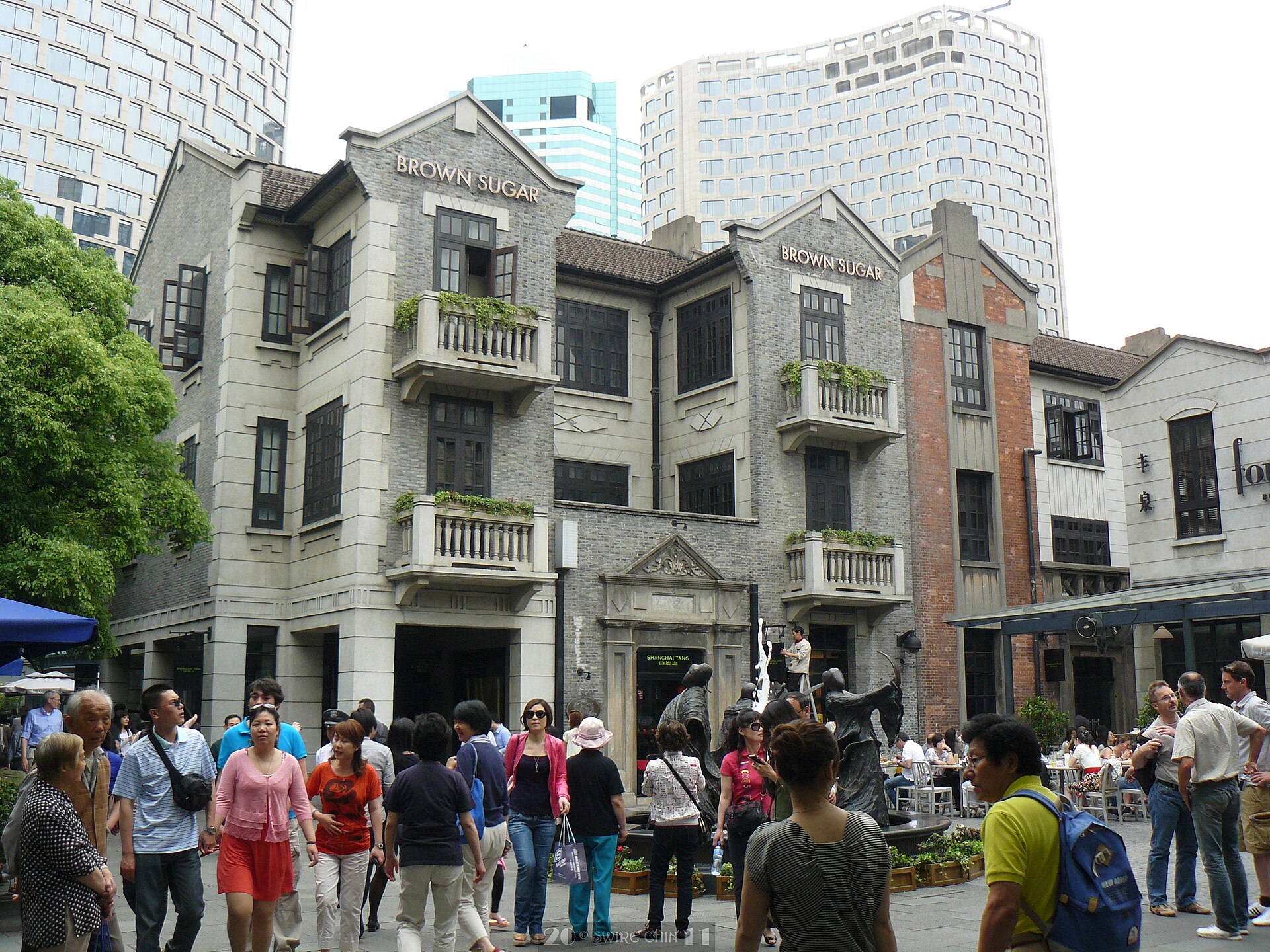
Dinner options: East Nanjing Road restaurants · Xintiandi (Line 10/13, Xintiandi station) · ¥100–300 per person
Metro home: Lines 2 and 10 both run until after midnight
Day Two

Old Lanes & the French Concession

The streets Shanghai residents actually walk on, coffee in a lane where plane trees close off the sky, and a neighbourhood that makes you forget you are in a city of 24 million people.

02
Day 2
Nanjing Road · Tianzifang · French Concession
Tianzifang Shanghai — narrow brick-grey alley, hanging pot-plants, coffee shop signage, French Concession shikumen lanes
Morning · ~2 hours
Nanjing Road Pedestrian Street + People's Square

Nanjing Road is at its most walkable before 10 am, when the crowd is still thin enough to actually look at the architecture rather than the backs of strangers' heads. The 5.5-kilometre pedestrian street runs from People's Square west-to-east all the way to The Bund, lined with red neon Chinese signage, department stores, and a background hum that feels unmistakably Shanghai. Walk the eastern section and turn into People's Square at the western end.

If you have any interest in Chinese history, Shanghai Museum on the south side of People's Square is not to be skipped — free entry, world-class collection of Song-dynasty ceramics, 5,000-year-old bronzes, Tang-dynasty paintings. Book the free timed ticket online the night before.

Metro: Line 1, 2 or 8 to People's Square · Nanjing Road is the exit heading east
Shanghai Museum: Free · Book online · Open 09:00–17:00 (closed Mondays)
Afternoon · ~3.5 hours
Tianzifang (田子坊) + Xintiandi

After lunch, head south to Tianzifang — a cluster of 1930s shikumen worker alleys that the city kept instead of demolishing, repopulated over the years by independent designers, gallery owners and coffee roasters. The brickwork is still grey, the ceilings are low, and you can follow the smell of fresh-roasted coffee through three turns and still not find the end of the maze. Spend one to two hours here. Shanghai has more coffee shops than any city on earth — and Tianzifang is the neighbourhood that explains how that happened.

A short walk or metro ride away is Xintiandi — a different interpretation of shikumen: the grey-brick facades are the same, but the interior has been completely redesigned as an open-air dining and bar precinct. It works well as a mid-afternoon coffee stop or an early dinner anchor before heading into the French Concession for the evening.

Metro (Tianzifang): Line 9, Dapuqiao station · or Line 1, Shaanxi South Road, 10-minute walk
Metro (Xintiandi): Line 10 or 13, Xintiandi station · or Line 1, Huangpi South Road
Tianzifang: Free to enter · Shops open roughly 11:00–22:00
Evening · ~2 hours
Wukang Road & the French Concession at dusk

Late afternoon into early evening — roughly 4 to 6 pm — is the best time to walk Wukang Road (武康路). The plane trees that line both sides of the street are enormous; their branches close overhead like a canopy, and the low-angle light filters through gold. Art Deco and Spanish Mission villas in faded pastels line the pavement, some still housing consulates, others converted into single-floor cafés with tables spilling onto the footpath. Every side street in the neighbourhood is worth wandering into. Getting lost here is not a problem — it is the point.

Metro: Line 10 or 11, Jiao Tong University station · or Line 1, Hengshan Road
Coffee in the Concession: ¥35–65 per cup · Most cafés open until 21:00–22:00
Dinner: French and Chinese restaurants throughout the neighbourhood · ¥150–400 per person
Day Three

Temple, Park & Your Own Pace

A gilded temple wedged between glass towers, a sculpture park where locals come to breathe, and the afternoon to shop, wander or sit still — the unhurried final day.

03
Day 3
Jing'an Temple · Park · Shopping until satisfied
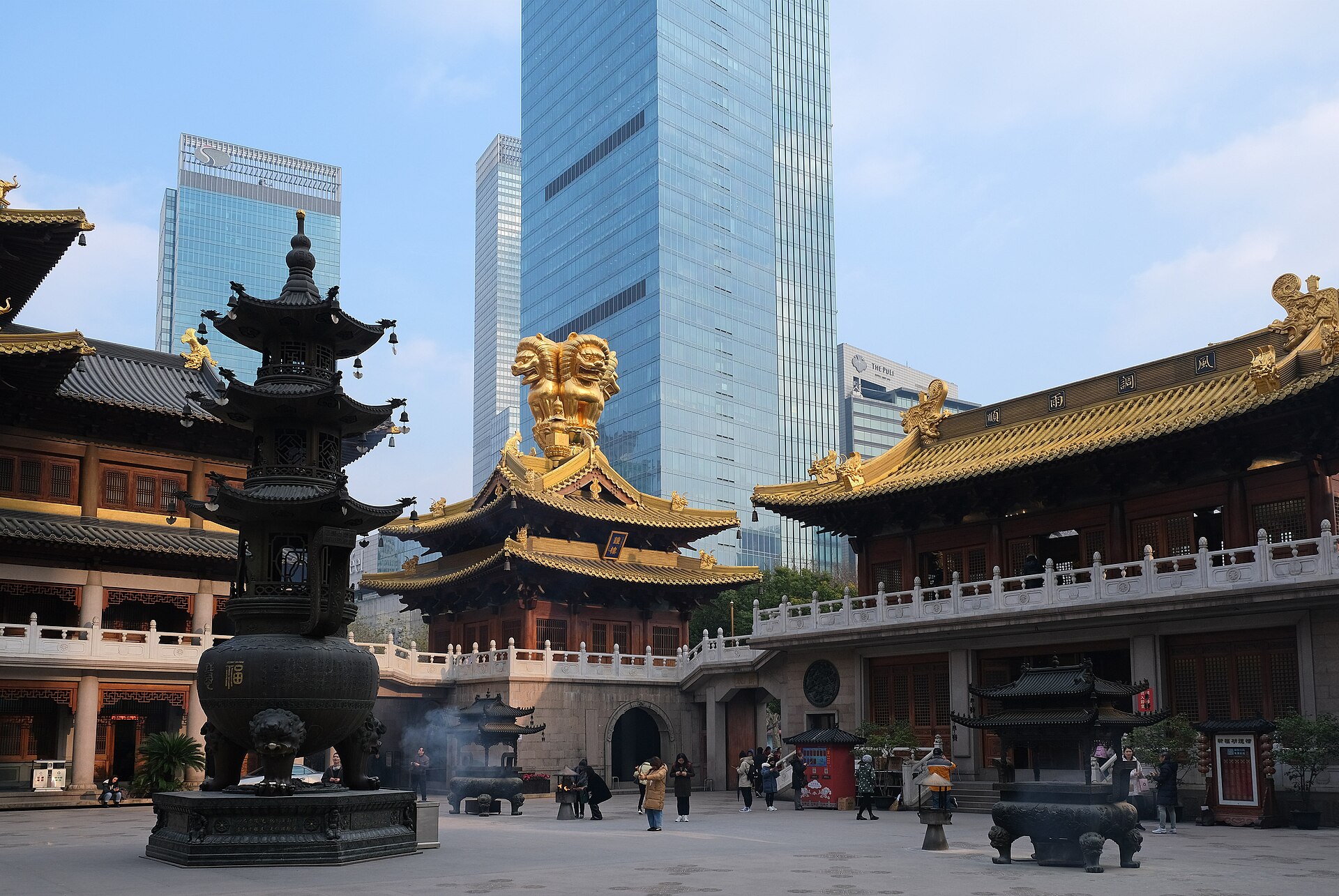
Jing'an Temple Shanghai — gold-tiled Buddhist temple roof gleaming between glass skyscrapers
Morning · ~2 hours
Jing'an Temple (静安寺) + Jing'an Sculpture Park

Step out of Jing'an Temple metro station and the contrast hits immediately: glass-curtain office towers on both sides, and straight ahead a pair of golden temple roofs glowing in the morning light. Jing'an Temple has been on this spot for 1,700 years — the current building is a modern reconstruction, but the incense smoke, the bell ringing on the quarter hour, and the quiet of the inner courtyard feel completely genuine. Allow about 45 minutes.

Walk next door to Jing'an Sculpture Park — free entry, open all day. Local residents come here every morning for tai chi, ballroom dancing and slow walks. It is a good place to sit with a coffee and watch Shanghai at its most unhurried before the day's last push.

Metro: Lines 2 and 7, Jing'an Temple station — the temple is directly at the exit
Jing'an Temple ticket: ¥50 (~$7 USD) · Open 07:30–17:00
Sculpture Park: Free · Open all day
Afternoon · ~3 hours
Jing'an District Shopping + People's Park (if not yet visited)

The Jing'an district packs serious retail into a walkable radius: CITIC Square, Jing'an Kerry Centre and iApm are all within ten minutes of the temple, covering everything from international brands to local designers and food halls. No pressure to buy — these malls are also comfortable air-conditioned spaces to recover from three days of walking.

If you missed People's Park on Day 2, this is a good afternoon detour: the park is central, free, and on weekend afternoons hosts the famous Marriage Market — a spontaneous gathering where parents pin paper advertisements to their umbrellas seeking partners for their children. It is entirely open to the public and unlike anything else in the city.

Alternatively, find a café you liked earlier this trip and sit with it. Shanghai's coffee culture rewards a long, slow afternoon.

Metro: Lines 2/7 for Jing'an · Lines 1/2/8 for People's Square
Malls open: Mostly 10:00–22:00
Extending the trip? A 5-day plan adds a full Disneyland day plus a day trip to Suzhou's classical gardens or Zhujiajiao water town. See the 5-day itinerary.
Evening · Last night
A proper Shanghai dinner

Save one meal for genuinely local Shanghai food: red-braised pork belly (红烧肉 hongshao rou), sweet-and-sour whole fish, or shengjianbao — pan-fried dumplings with pork and a crispy base, a breakfast food that Shanghai eats all day. Mid-range restaurants in Jing'an or the French Concession serve these without ceremony for ¥100–250 per person. For dish-by-dish recommendations, check our Shanghai food guide.

Dinner budget: ¥100–250 per person · Jing'an or French Concession
Airport next morning — Pudong PVG: Maglev (8 min) or Metro Line 2 (~60 min) · Hongqiao SHA: Metro Lines 2 or 10 (~35 min)
✈️
Want more time?
The 5-day plan adds Disneyland + a Suzhou or water-town day trip
See the 5-day itinerary →
Practical info

Where to Stay · Getting Around · Budget

🏨
Where to Stay

For this itinerary, Jing'an or West Nanjing Road is the most practical base — central to all three days' routes, direct metro access on Lines 2 and 7. Mid-range hotels run ¥300–500 per night. Bund-area hotels are beautiful but cost significantly more. See the full neighbourhood guide or browse top-rated hotels.

🚇
Getting Around

The metro handles everything on this plan. Twenty lines, all bilingual, fares ¥3–8 per trip. Pay with Alipay or WeChat Pay (scan QR at the gate) or buy a Shanghai Public Transport Card at any station machine. Google Maps routes work well — you will need a VPN active on your phone for Google Maps to load inside China.

💳
Paying for Things

Set up Alipay with a foreign Visa or Mastercard before you leave home (use the international version of the app). Most Shanghai shops, restaurants and metro gates accept Alipay or WeChat Pay only — some do not take cash at all. See the Alipay & WeChat Pay setup guide for step-by-step instructions.

Budget breakdown

Estimated cost per person per day

Category Budget Mid-range Comfortable
Hotel (per night) ¥100–200
(hostel / guesthouse)
¥300–500
(3–4 star)
¥600–1,200+
(4–5 star)
Food (3 meals) ¥80–120
(local canteens)
¥150–250
(mix of local & casual)
¥300–600
(restaurants + cafés)
Metro + transport ¥15–25 ¥20–40 ¥40–80
(+ occasional taxi)
Admission tickets ¥40–60
(Yu Garden + Jing'an only)
¥220–280
(+ sky deck ¥180)
¥220–400
(premium tickets)
Total per day (est.) ¥235–405
(~$32–56 USD)
¥690–1,070
(~$95–148 USD)
¥1,160–2,280+
(~$160–315+ USD)

Exchange rate used: ¥1 ≈ $0.14 USD · Prices are estimates and may vary by season.

Frequently asked questions

FAQ · 3-Day Shanghai Itinerary

Is 3 days enough for Shanghai?
Three days comfortably covers all the main highlights: The Bund, Yu Garden, the Pudong skyline, Nanjing Road, Tianzifang, the French Concession, Jing'an Temple and People's Square. What you have to skip is a full day at Shanghai Disneyland and any day trip out of the city. If you want those, extend to five days — see the 5-day Shanghai itinerary.
What is the best time of year to visit Shanghai?
March to May (spring) and September to November (autumn) offer the most comfortable walking weather, with temperatures between 15 and 25 degrees Celsius. Summer (June to August) is hot and humid, often hitting 38 degrees in July and August. Avoid China's Golden Week holiday (1–7 October) and Chinese New Year, when domestic tourist numbers spike sharply at every major site.
How do you get around Shanghai — is the metro easy?
Shanghai's metro is one of the most foreigner-friendly systems in China: all station signs are bilingual (Chinese and English), Google Maps works well for routing (you'll need a VPN on your phone in China), and you pay by scanning a QR code in Alipay or WeChat Pay at the turnstile. Fares are ¥3–8 per trip depending on distance. Alternatively, buy a Shanghai Public Transport Card at any station machine.
What is a realistic budget for 3 days in Shanghai?
A mid-range budget runs roughly ¥700–1,100 per person per day, covering a 3-star or 4-star hotel (¥300–500 per night), three meals (¥150–250), metro fares (¥20–40) and entry tickets — Yu Garden ¥40, Jing'an Temple ¥50, one observation deck ¥180. Budget travellers staying in hostels and eating at local canteens can get by on ¥300–450 per day.
Which neighbourhood should a first-time visitor stay in?
The Jing'an district (around West Nanjing Road) is the most practical base for this three-day itinerary: it sits centrally between The Bund and the French Concession, with direct metro access on Lines 2 and 7 to every stop in the plan. The Bund area offers dramatic river views but at a noticeable price premium. For a full neighbourhood comparison, see the Shanghai where-to-stay guide.
Do I need a VPN in Shanghai?
Yes, if you want to use Google Maps, Instagram, WhatsApp, Facebook or Gmail. Download and activate your VPN before you leave home — most VPN websites are themselves blocked inside China. Apps that work without a VPN include Alipay (payments), WeChat, DiDi (taxis) and Baidu Maps. A working Alipay account linked to a foreign Visa or Mastercard is the single most useful thing you can set up before arrival.