🌏 Destinations · All 🇯🇵 Japan · Full guide Tokyo Kyoto Osaka ⭐ Michelin Dining in Japan 🍜 Japan Food Guide About Contact 🇹🇭 ไทย🇬🇧 English🇨🇳 中文🇪🇸 Español🇫🇷 Français
Michelin & Fine Dining

Michelin Dining in Japan — The Most Stars in the World, and How to Book

Tokyo has more Michelin-starred restaurants than any city on earth, for almost 20 years straight — we'll walk you through kaiseki and sushi omakase, how the different restaurant types compare, how to book ahead without speaking a word of Japanese, the table manners that matter, and the prices to brace for, all on one page.

Start Here

The One City With the Most Michelin-Starred Restaurantsin the World Is Tokyo

Picture a city with nearly 170 Michelin-starred restaurants packed into one place. That's Tokyo — and it has held the crown for the world's most starred city for almost 20 years running, well clear of second-place Paris. Add in Kyoto and Osaka, which have their own Michelin guides and hundreds more restaurants between them, and Japan becomes one of the deepest, most varied fine-dining destinations on earth.

But here's the honest truth: a lot of people hear the word "Michelin" and back away — too expensive, too hard to book, too easy to get the manners wrong. This page takes those fears apart one by one. We'll introduce you to kaiseki and sushi omakase, the two hearts of Japanese fine dining, explain how the different restaurant tiers compare, show you how to book ahead without speaking Japanese, and share the budget-friendly shortcuts most people never hear about.

Straight up, before anything else: the star counts and restaurants on this page are based on the 2025 Michelin Guide (Tokyo has around 170 starred restaurants · 12 of them three-star). These figures are re-released every year, and menu prices may shift. They make a great framework, but before you actually book, always re-check the official Michelin Guide and the restaurant's latest menu.
Tokyo = World Champion
The most starred restaurants on earth for nearly 20 years — around 170 in the 2025 guide.
🍱
Kaiseki = the Heart
Multi-course seasonal cuisine, on a par with Western haute cuisine.
🍣
Omakase = Chef Decides
Sit at the counter as the chef shapes and serves sushi one piece at a time.
💴
It Needn't Be Pricey
Lunch sets and Bib Gourmand spots put it all within an easy budget.
How Many Types

Japan's Michelin Restaurants —How Many Tiers, Roughly What Price

"Michelin" doesn't always mean expensive and impossible to book. There's everything from three-star rooms you plan months around, to Bib Gourmand spots that fill you up for a few hundred yen. Get the overview first, then pick what fits your trip.

Tier / typeWhat it meansWhat you getLunch price*Dinner price*
Three Michelin StarsThree StarsHighest tierExceptional cuisine "worth a special journey" · few seats, hardest to book¥10,000+¥30,000+
Two Michelin StarsTwo StarsExcellentExcellent cooking "worth a detour"¥8,000+¥20,000+
One Michelin StarOne StarVery goodA high-quality restaurant in its category · easier to get into than 2–3 stars¥5,000+¥15,000+
Bib GourmandBib GourmandGreat valueGood food at an accessible price, not starred but Michelin-vouched · often ramen/soba/regional~¥1,000–3,000~¥1,000–3,000
Starred lunch courseLunch courseShortcutA starred restaurant's lunch course — the same chef's craft for a fraction of the dinner price~¥2,500–6,000
💴 *Prices are rough per-person ranges, excluding drinks, tax, and service charge, and vary widely by restaurant — treat these as a ballpark only. Prices may shift in 2026, so check the latest menu before booking. · The budget shortcut most people miss: many starred restaurants open a lunch course at a far lower price than dinner, a way to try a famous kitchen without paying full price.
Know Before You Go

The Forms Japanese Fine DiningTakes

Before you book a starred restaurant, get to know the 6 forms you'll meet most often in Japan — from multi-course seasonal kaiseki to the omakase counter and budget-friendly Bib Gourmand. Once you know what each one is, choosing gets a lot easier.
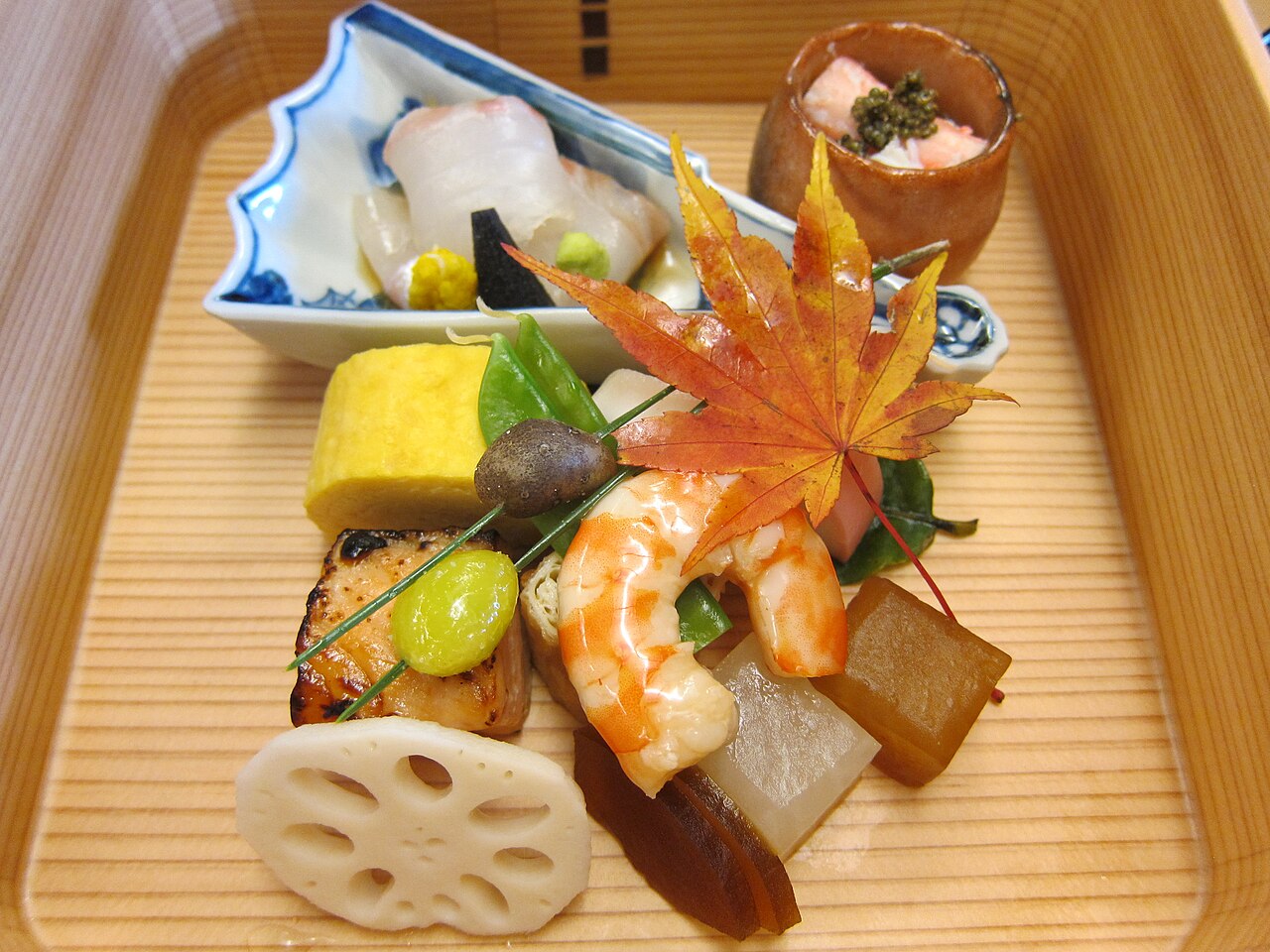
A Japanese kaiseki spread on a wooden tray with sashimi, grilled dishes, lotus root, and prawn 🍱 The Heart of Fine Dining1
Kaiseki
Kaiseki · Multi-course Haute Cuisine

A multi-course style of Japanese cuisine on a par with Western haute cuisine. Its heart is the idea of "shun" — using each ingredient at the very peak of its season. It moves from small appetisers through sashimi, grilled and simmered dishes, and closes with rice, miso soup, and dessert. Every course tells the story of the season through flavour and plating.

🍽️How many courses: roughly 6–14, depending on the season and the chef · no fixed rule
💴Price: dinner around ¥15,000–40,000+ · lunch can start as low as ~¥2,500 (check the latest)
🏮Where to eat it: a dedicated kaiseki restaurant, or as dinner at a ryokan
💡Tip: For an easy first time, start with the kaiseki included in a ryokan stay.
Ryokan + Kaiseki Guide →
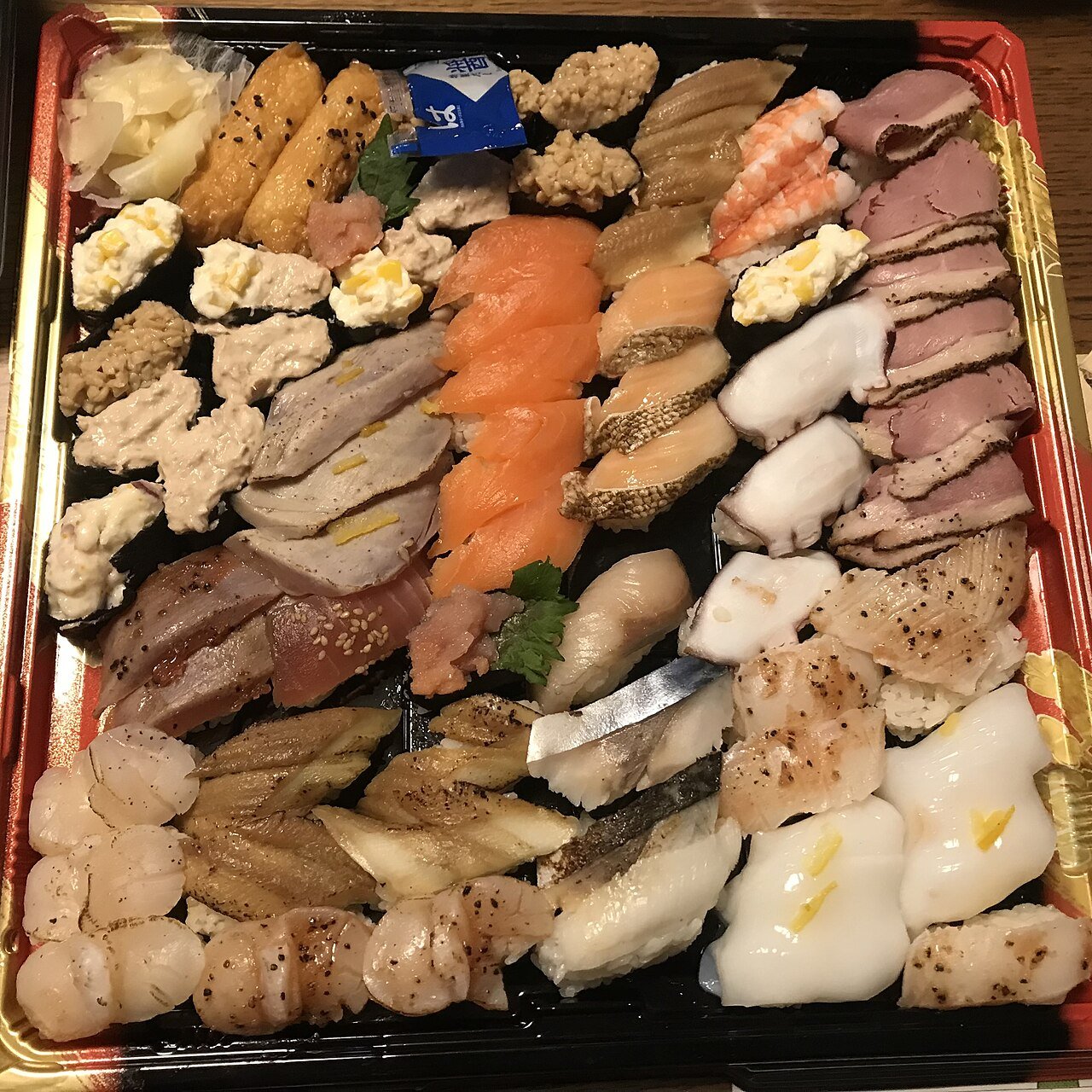
An assortment of nigiri sushi on a tray — salmon, white fish, and prawn roe — served omakase-style 🍣 The Counter2
Sushi Omakase
Sushi Omakase · Chef's Choice

"Omakase" literally means "I'll leave it to you, chef" — you sit at the counter and the chef shapes and serves sushi one piece at a time, built around the best ingredients of that day. You don't order anything; you watch the chef's hands work right in front of you. It's the pinnacle of the Japanese sushi experience and one of the most heavily starred categories in the Michelin guide.

🍣How it's served: the chef shapes each piece; eat it straight away while the rice is still warm
💴Price: dinner at top counters around ¥15,000–40,000+ · lunch is much cheaper (check the latest)
🪑Seats: just a handful at the counter — reserve ahead at almost every restaurant
💡Tip: Skip strong fragrance, eat at the chef's pace, and mention any allergies in advance.
Japan Sushi Guide →
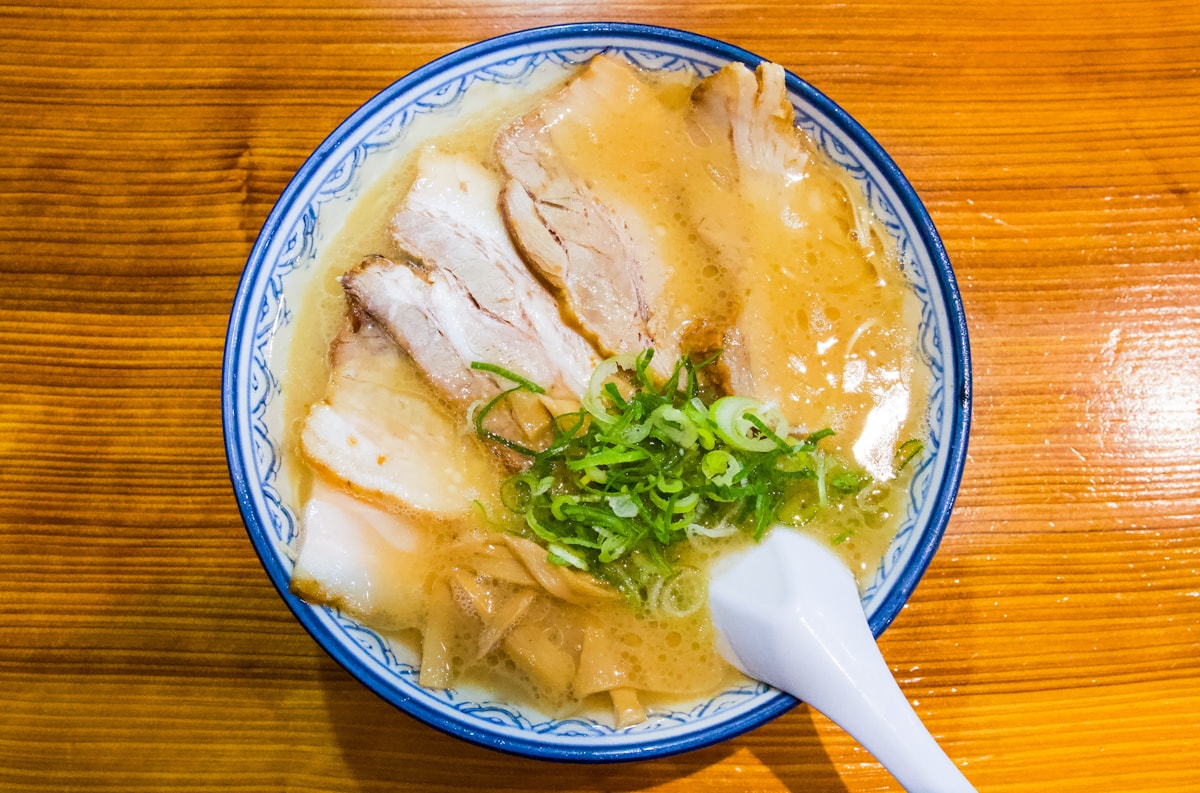
A bowl of tonkotsu ramen with rich white broth, sliced chashu pork, and spring onion in a blue-patterned bowl 💴 Great Value3
Bib Gourmand
Bib Gourmand · Great Food, Fair Price

If you want to taste Michelin-level food without paying a lot, this is the way in. Bib Gourmand is the symbol Michelin gives to restaurants with good food at an accessible price — not a star, but a genuine guarantee of value. Many are ramen, soba, or regional spots that locals queue for, and some leave you full for under a thousand yen.

🍜What they usually are: ramen, soba, tempura, casual regional restaurants
💴Price: many under ¥1,000–1,500 a meal (check the latest)
🚶Hard to book? Many are walk-in, but famous ones have a queue
💡Tip: A great starting point for first-timers — Michelin-level taste with no booking months ahead.
Japan Ramen Guide →
🍤 🗼 The Counter4
Tempura & Kappo
Tempura & Kappo · Counter Dining

Japanese fine dining isn't only kaiseki and sushi — high-end tempura restaurants fry each piece in front of you and serve it the instant it's hot and crisp, while "kappo" restaurants are counter spots where the chef cooks seasonal Japanese dishes right before your eyes. Kappo is more relaxed than full-blown kaiseki but no less skilled, and plenty of these places hold Michelin stars too.

🍤What makes it special: the chef cooks in front of you, serving each dish fresh
💴Price: hugely varied, from a few thousand to tens of thousands of yen (check the latest)
🪑Atmosphere: counter seating close to the chef — ideal if you like watching the process
💡Tip: Kappo is a more relaxed gateway into fine dining than formal kaiseki.
Full Japan Food Guide →
🍱 💴 The Budget Shortcut5
Starred Lunch Course
Michelin Lunch Course

Here's the tip people are glad to learn — many Michelin-starred restaurants open a lunch course at a fraction of the dinner price. Some start at just two or three thousand yen when dinner runs into the tens of thousands. You get the same chef, the same level of ingredients, just fewer courses and a far lighter bill.

💴Price: starred lunch courses are often around ¥2,500–6,000 (check the latest menu)
When: at lunch service only · usually needs booking just like dinner
🎯Best for: anyone on a budget who wants to try a famous restaurant once
💡Tip: Look for "lunch course" on the booking site — many open only on weekdays.
Full Japan Food Guide →
⛩️ 🍶 Kansai6
Kyoto–Osaka Michelin
Kyoto & Osaka Michelin

Japanese Michelin isn't only Tokyo — the Kyoto-Osaka guide lists hundreds of starred restaurants between them. Kyoto is the capital of traditional kaiseki (kyo-ryori), while Osaka is famous for "kuidaore," eating yourself broke, with both starred restaurants and seriously good street food. If your trip lands in Kansai, this is a fine-dining scene every bit as deep as Tokyo's.

⛩️Kyoto: traditional kyo-ryori kaiseki in an old-capital setting
🍢Osaka: starred restaurants plus quality street food — the city built on eating
📖Note: there's a dedicated Michelin Guide for Kyoto-Osaka
💡Tip: Base yourself in one and visit both — the two cities are about 15 minutes apart by train.
Kyoto Travel Guide →
How to Book

3 Steps toLanding a Table at a Starred Restaurant

The number-one fear of anyone wanting to try Michelin is "I don't know how to book and I don't speak Japanese." Honestly, it's far easier than you think now. Follow these 3 steps and your odds of a table go way up.

STEP 1
Pick an English-Friendly App or Site

Foreign visitors no longer have to phone the restaurant in Japanese. Use a booking platform that works in English, such as Pocket Concierge, OMAKASE, TableCheck, or byFood — done in a few clicks. Some let you join a waiting list if the restaurant is full.

STEP 2
Book Early, Leave Plenty of Lead Time

Popular restaurants often fill up weeks to months ahead, and some top places open reservations at midnight. Be ready to book the second the slot opens. A luxury-hotel concierge can help, but it's not guaranteed — small restaurants prioritise their regulars.

STEP 3
Read the Restaurant's Rules First

Many have conditions: a deposit at booking, a free-cancellation cutoff, no photography, or no young children. Read them all when you book, and flag allergies, vegetarian, or halal needs in advance — the courses are set, and changes on the day are hard.

Table Manners

Eating at a Japanese Fine-Dining RestaurantPolitely, Without the Nerves

Honestly, the etiquette at a Japanese starred restaurant isn't scary — all it really takes is respect for the chef and the ingredients. Remember these 6 things and you'll sit down at ease, with no worry about getting something wrong.

🙏
Say Itadakimasu Before Eating
Say "itadakimasu" before you start and "gochisousama" when you finish — a way of thanking the chef and the ingredients.
🥢
Rest Chopsticks on the Holder
When you pause, set your chopsticks on the hashioki. Never stand them upright in rice, and never pass food chopstick-to-chopstick.
🍣
Eat the Moment the Chef Serves
At an omakase counter, sushi is best while the rice is still warm. Eat it straight away rather than lingering on photos — the chef timed it for you.
🧴
The Oshibori Is for Your Hands Only
The cool or warm towel you get at the start is for wiping your hands before eating — not your face or the table.
👃
Avoid Strong Fragrance
Heavy perfume interferes with the aromas of the food and with the people beside you, especially at a sushi counter — skip it or keep it very light.
💴
No Tipping
Japan has no tipping culture — just pay the bill. Some restaurants ask you to remove your shoes, so wearing socks is more polite.
Map

Japan's Fine-Dining Citieson One Map

Japanese Michelin clusters in a few main cities — Tokyo has the most, followed by Kyoto and Osaka with their own guides, while Fukuoka is the city of yatai street food that's every bit as good. Plan your eating around these cities.

Tips to Eat Michelin for Less

6 Tricks That Make MichelinEasier and Cheaper

🍱
Choose Lunch Over Dinner
Many starred restaurants open a lunch course at a fraction of the dinner price — the same chef's craft for far less.
💴
Start With Bib Gourmand
Want Michelin-level taste for a few hundred yen? Start at Bib Gourmand — guaranteed good, easy to book, no planning months ahead.
📅
Book Several Weeks Ahead
Top restaurants fill up fast. Book the moment the slot opens (some open at midnight) — the earlier you plan, the better the table you get.
🍶
Try Kansai If Tokyo's Full
Kyoto and Osaka have hundreds of starred restaurants between them — sometimes easier to book than Tokyo, and friendlier on the wallet.
📶
Keep an eSIM On for Confirmations
Many restaurants send confirmations and queue reminders by email or app, so stay online — and use it to navigate to places tucked down small lanes.
👔
Check the Dress Code First
Some starred restaurants have a dress code (smart casual or above), and some ban photos or don't take children. Read the rules when you book.
Related Guides

Go Deeper Into Japanese Food — Sushi, Ramen, Ryokan, and Plenty More

🍜

Full Japan Food Guide

An overview of every kind of Japanese food, from must-try dishes and street food to laid-back sit-down restaurants.

Japan Food Guide →
🍣

Japan Sushi Guide

Sushi, sashimi, and omakase — the types, how to eat them, counter etiquette, and how the different restaurants compare.

Sushi Guide →
🍥

Japan Ramen Guide

Tonkotsu, shoyu, miso, shio — the regional styles, the standout areas, and the Bib Gourmand spots people queue for.

Ramen Guide →
🍱

Ryokan + Kaiseki Guide

Get your first ryokan night right — kaiseki included in the room rate, onsen, yukata, and the basic etiquette.

Ryokan Guide →
🍢

Izakaya Guide

Japanese pub culture — the dishes to order, the otoshi system, how to pay, and the relaxed etiquette.

Izakaya Guide →
ℹ️

Japan Travel Prep

Visa · eSIM · IC Card · JR Pass · yen · power plugs · etiquette — everything before you fly.

Travel Prep →
Frequently Asked Questions

Questions AboutMichelin in Japan

Why does Tokyo have more Michelin-starred restaurants than any other city in the world?
Tokyo has held the title of the world's most Michelin-starred city for almost 20 years running. The 2025 Michelin Guide Tokyo lists around 170 starred restaurants (including 12 with three stars), more than second-place Paris. The reason is the sheer number of hyper-specialised restaurants here, with chefs devoted to seasonal ingredients and an extremely high level of craft. The figures change every year with each new edition — check the latest official Michelin Guide before you plan.
What is kaiseki, and how is it different from regular Japanese food?
Kaiseki (kaiseki-ryori) is a multi-course style of Japanese cuisine comparable to Western haute cuisine. Its heart is shun — using each ingredient at the peak of its season. It's served as a set of roughly 6–14 courses, moving from small appetisers through sashimi, grilled and simmered dishes, and finishing with rice, miso soup, and dessert. Unlike a single-plate meal, the focus is on sequence, seasonal flavour, and the art of plating.
How do you book a Michelin-starred restaurant or sushi omakase in Japan?
The easiest route for foreign visitors is to book through an English-language app or website such as Pocket Concierge, OMAKASE, TableCheck, or byFood. Some restaurants can also be booked through a hotel concierge. Popular places often fill up weeks to months ahead, so book the moment reservations open. A few keep same-day seats, but for top restaurants it pays to plan well in advance.
Is Michelin dining in Japan expensive, and are there cheaper options?
Not necessarily. A kaiseki or omakase dinner at a top restaurant can run from around 15,000 to 40,000 yen per person or more, but there are two far lighter routes: (1) the lunch menu at a Michelin-starred restaurant, which is often a fraction of the dinner price — some start around 2,500 to 6,000 yen; and (2) Bib Gourmand restaurants, which Michelin vouches for as great value. Some leave you full for under 1,000 to 1,500 yen. Prices may change in 2026, so check the restaurant's latest menu.
What is Bib Gourmand?
Bib Gourmand is the symbol Michelin gives to restaurants serving good food at an accessible price. It's not a star, but it guarantees genuine value and quality. Many are ramen, soba, or regional restaurants that locals queue for. It's a great starting point if you want to try Michelin-level food without paying a lot or booking far ahead.
What are the basic table manners at a Japanese fine-dining restaurant?
Say itadakimasu before you start to thank the chef, and rest your chopsticks on the holder (hashioki) when you pause. Don't spear or cut food with your chopsticks. Use the oshibori towel only for your hands. At a sushi omakase counter, eat each piece as soon as the chef serves it and avoid strong fragrance. Some restaurants ask you to remove your shoes, so wearing socks is more polite — and in Japan there is no tipping.
Ready to Book That Special Meal?

Pick the City You'll Eat In
and Line Up Your Stay

Now that you know whether you want to try kaiseki, omakase, or start with a budget-friendly Bib Gourmand, the next step is choosing a city. Open the city guide for the standout restaurants, food districts, and well-placed hotels, then book a stay near the dining quarter early.

🔴 Search Hotels in Tokyo Japan Food Guide