Ramen isn't one single dish — every city has its own style, from Hakata's milky-white tonkotsu to Sapporo's butter-topped miso. We decode all 6 broth styles, take you on a tasting tour of the regional bowls across the country, and show you how to order at the ticket machine without the panic — all on one page.
Ever ordered a bowl of ramen and wondered why the one in Fukuoka was milky-white like cream, while the one in Hokkaido was deep brown and topped with a fat knob of butter? It's because Japanese ramen isn't a single nationwide dish — it's regional food, and each city has spent decades developing its own recipe, differing in broth base, noodles, and toppings. Japanese people will even travel across prefectures to eat at a legendary shop, like a little culinary pilgrimage.
This page is here to help you order ramen with confidence — we start by decoding all 6 broth styles so you know which bowl tastes like what, take you on a tour of the most famous regional ramen in each region, then walk you step by step through ordering at the ticket machine (the part beginners fear most) until you can slurp away with total ease.
Ramen splits broadly into 4 main broth bases (shoyu · shio · miso · tonkotsu) plus 2 popular eating styles (tsukemen · tantanmen). Get these 6 down and you can guess the flavour of any shop's menu.
| Style | Base | Character / flavour | Home / signature |
|---|---|---|---|
| ShoyuShoyu · soy sauce | clear | A clear golden-brown broth seasoned with soy sauce, rounded and fragrant. The classic style found all over the country. | Tokyo · nationwide |
| ShioShio · salt | light clear | The clearest and palest of all, seasoned mainly with salt. Light and clean, with the bone/seafood flavour coming through clearly. | Hakodate (Hokkaido) |
| MisoMiso · fermented soybean | rich | A thick, sweet-umami broth from miso (fermented soybean paste), the richest in the group. Thick wavy noodles, often topped with corn and butter. | Sapporo (Hokkaido) |
| TonkotsuTonkotsu · pork bone | milky-white | Pork bones simmered for hours until the broth turns milky-white, rich and rounded. Paired with thin, straight noodles. | Fukuoka · Kyushu |
| TsukemenTsukemen · dipping noodles | concentrated broth | Noodles served in a separate bowl, dipped into a concentrated, cooler-than-usual broth before eating. Thick chewy noodles, with a punchier broth than regular ramen. | Tokyo · nationwide |
| TantanmenTantanmen · sesame-chilli | sesame-chilli | A spicy, rich sesame (or chilli-oil) broth, adapted from Sichuan dan dan noodles into a Japanese style, with stir-fried spicy minced pork. | adapted from China · nationwide |
From the far north down to Kyushu — each bowl is the style its city developed into a signature. Wherever you go, try the local bowl at a local shop first.
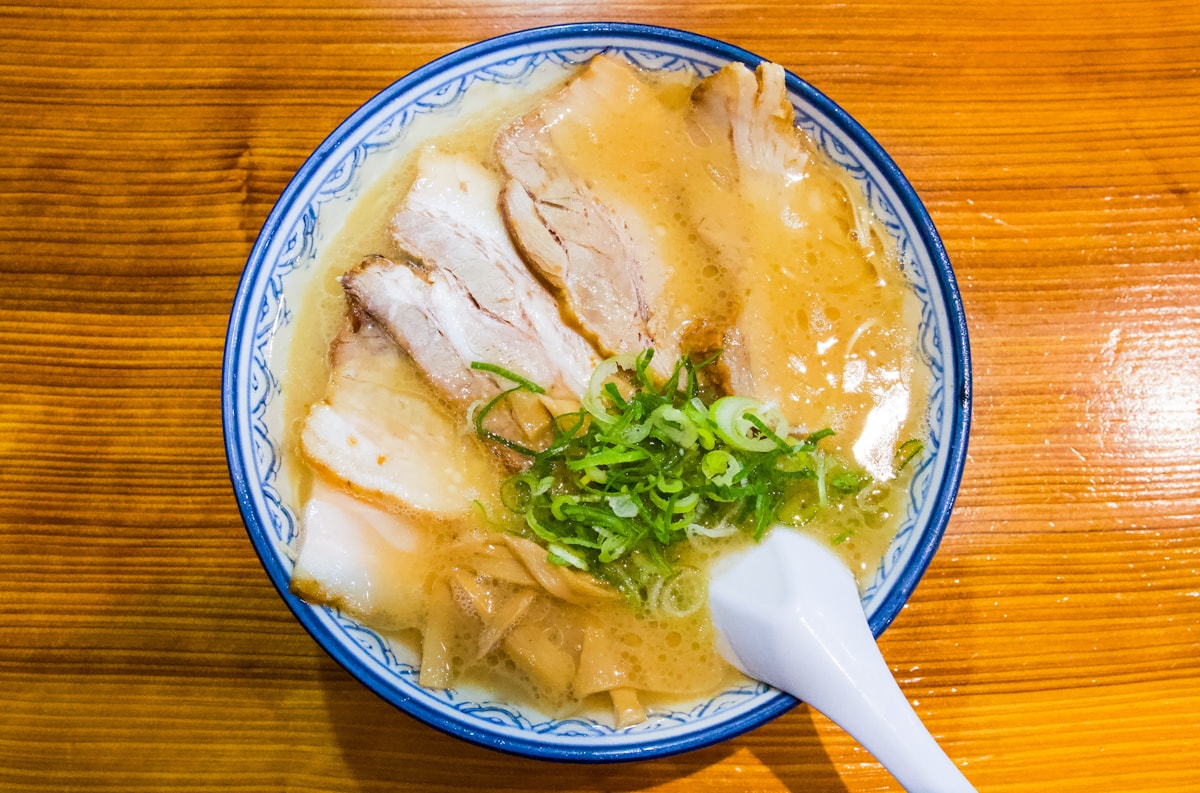
🍜 Fukuoka · Kyushu1
This is probably the ramen most people picture first — a pork-bone broth simmered until it's milky-white, rich and rounded, paired with very thin, straight noodles that soften quickly. That's why people order fewer noodles first and top up with a kaedama later. You can choose your noodle firmness, from barikata (very firm) to yawa (soft).
Fukuoka Food Guide →Miso ramen was born in Sapporo and was the first style to go nationwide back in the 1960s — a thick, sweet-umami broth from red miso, the richest in the group, paired with thick wavy yellow noodles. The classic Hokkaido toppings are sweet corn and a fat knob of butter; some shops add bean sprouts, minced pork, and local seafood. It warms you right through, perfect for winter.
Sapporo Food Guide →
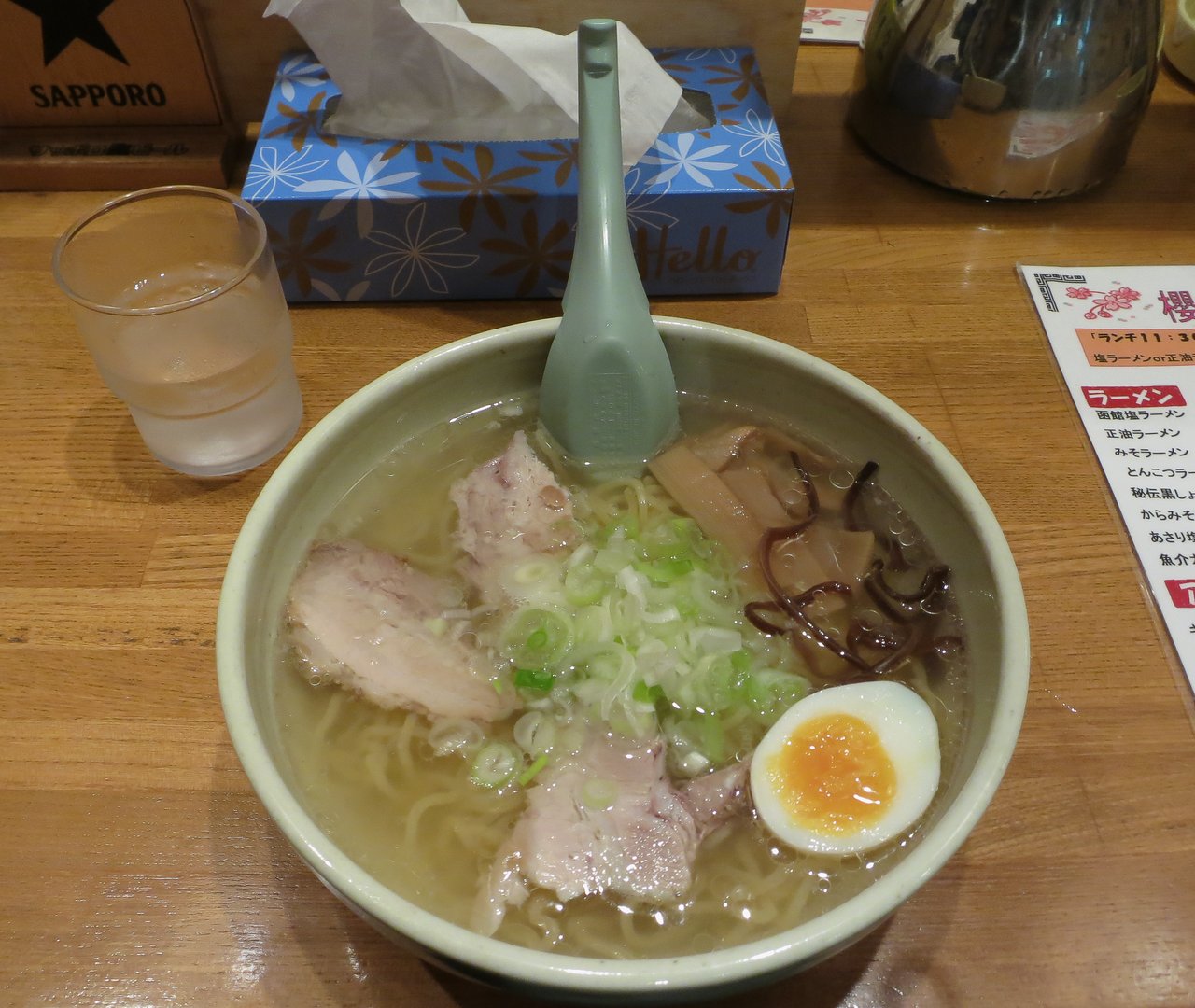
🧂 Hakodate · Hokkaido3
If Sapporo is rich miso, Hakodate in southern Hokkaido is the opposite pole — the clearest and lightest salt broth of any Japanese ramen. Made from pork and chicken bones seasoned mainly with salt, it gives a clean bone-stock flavour, paired with thin straight noodles. The toppings are simple — chashu, spring onion, menma — a clear bowl that's delicious without any tinkering.
Hokkaido Food Guide →
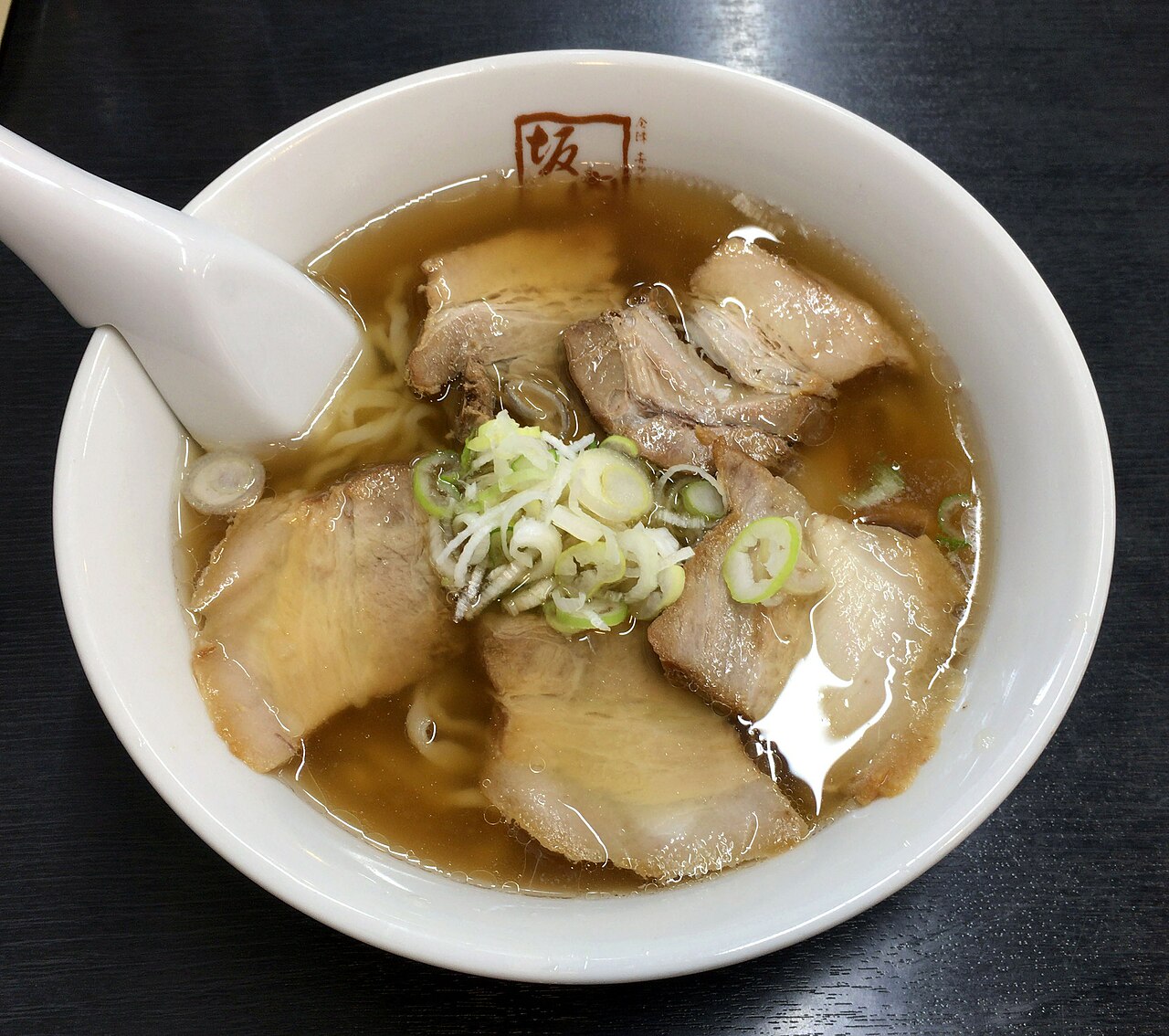
🍜 Kitakata · Fukushima4
A small town in Fukushima said to have the densest concentration of ramen shops per head in Japan. The signature is its wide, flat, wavy noodles — thicker and broader than anywhere else in the country — sitting in a clean, clear soy-sauce-and-pork-bone broth. It's topped with several slices of chashu, menma, and spring onion. Locals here even eat ramen for breakfast (asa-ra).
Japanese Food Encyclopedia →
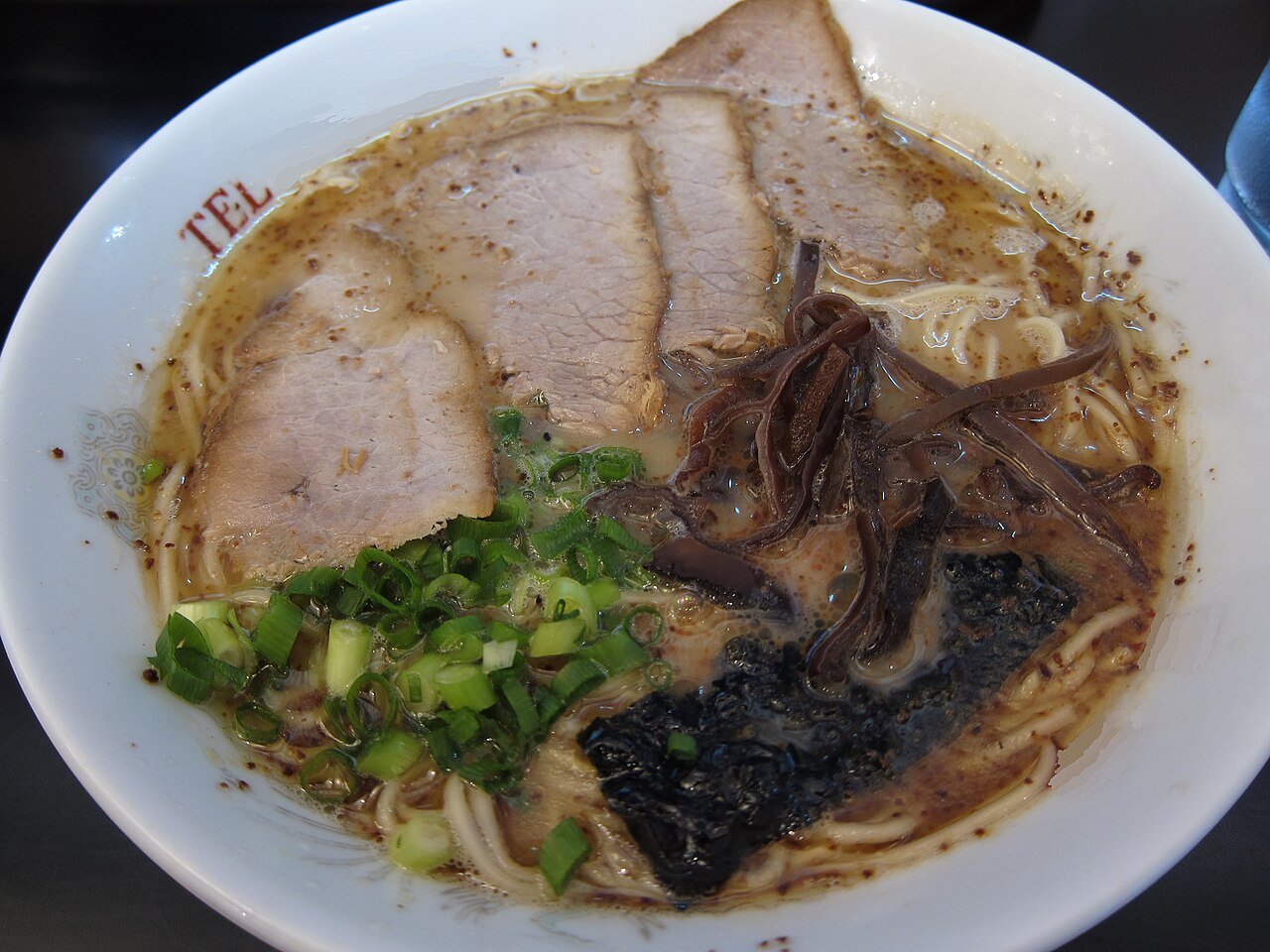
🧄 Kumamoto · Kyushu5
A cousin of Hakata with its own character — a tonkotsu broth blended with chicken bones, making it thick yet more rounded. The thing you'll remember it by is mayu, the dark fried-garlic oil drizzled over the top, lending a toasty garlic aroma and a deeper flavour. The noodles here are a touch thicker than Hakata's, so the bowl is more filling.
Kyushu Food Guide →
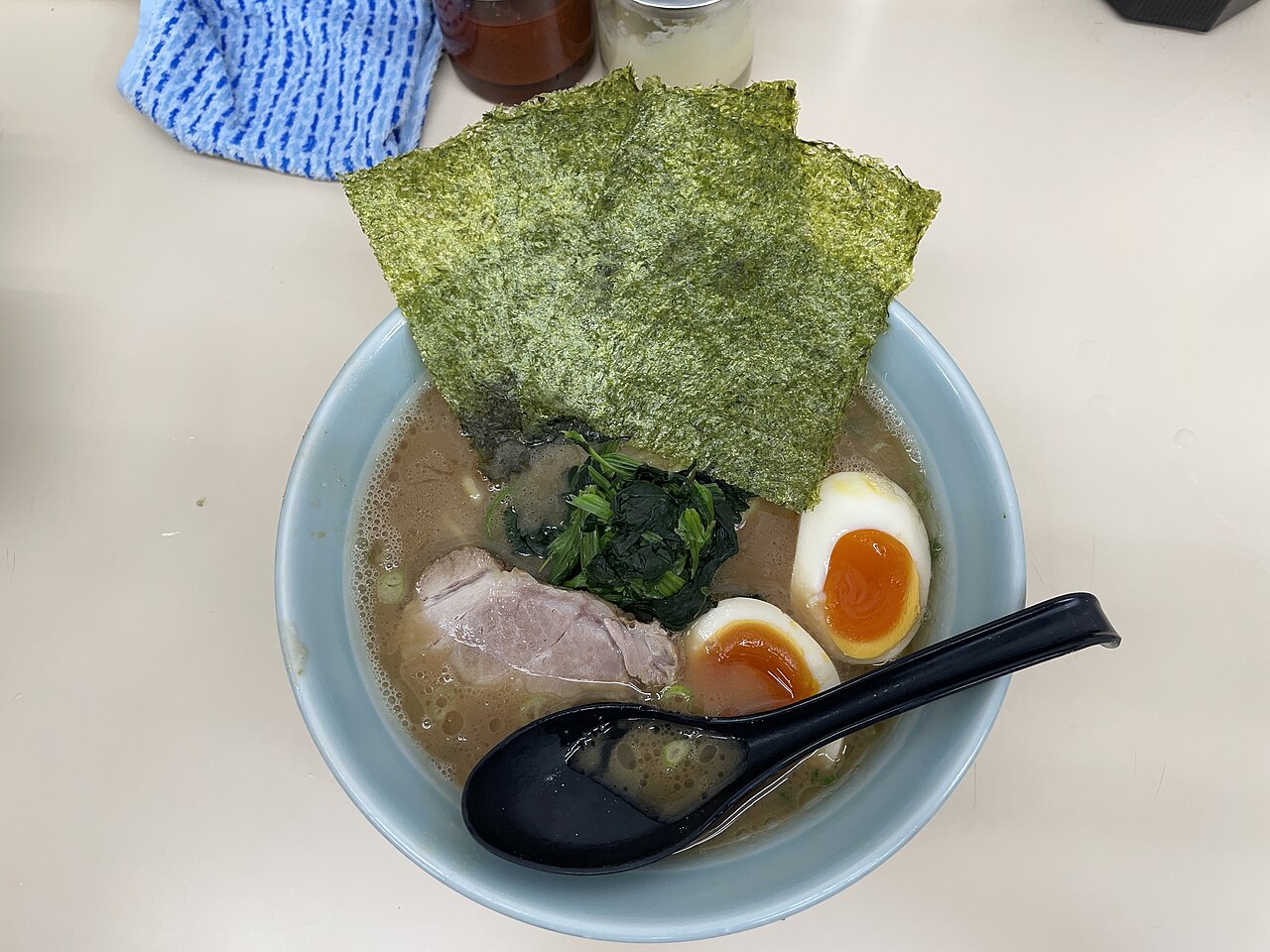
🌊 Yokohama · Kanto6
A style born in Yokohama and hugely popular with the younger crowd right now — a cross between tonkotsu and shoyu, a thick pork-bone broth blended with bold soy sauce, paired with thick straight noodles. The classic toppings are big sheets of nori, spinach, and chashu, eaten with a side of steamed rice for dipping in the broth. Many shops let you dial in the broth strength, the oil richness, and the noodle firmness.
Japanese Food Encyclopedia →
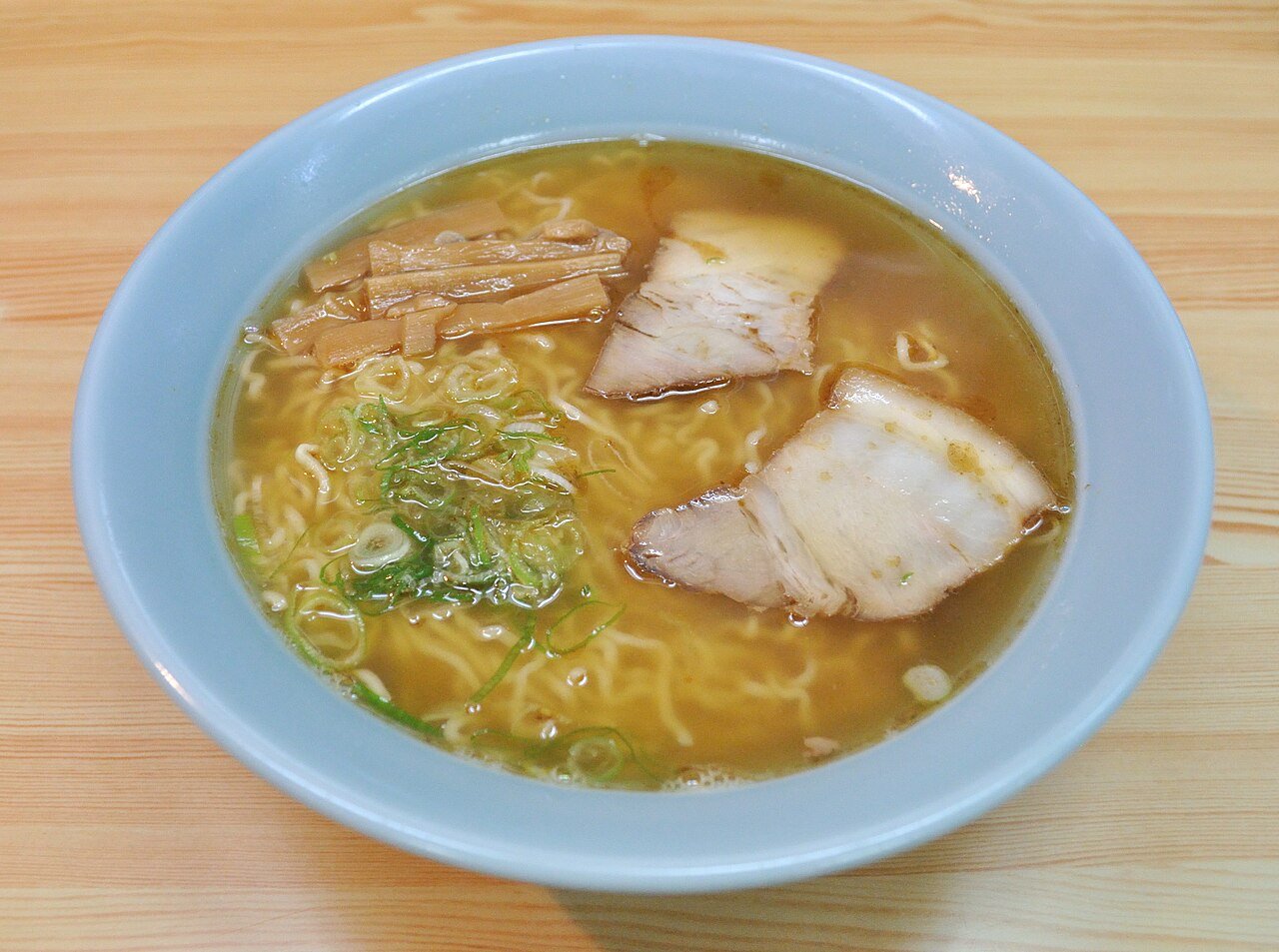
🏔️ Takayama · Gifu7
The ramen of the old town in the Hida valley, which locals call "chuka soba" — a clear soy-sauce broth that's light yet fragrant and rounded. What sets it apart is that the broth and the soy seasoning are often simmered together in one pot (no separate tare), paired with thin wavy noodles. The toppings are simple — spring onion, menma, chashu — a tidy bowl that's easy to eat while strolling the old town.
Japanese Food Encyclopedia →
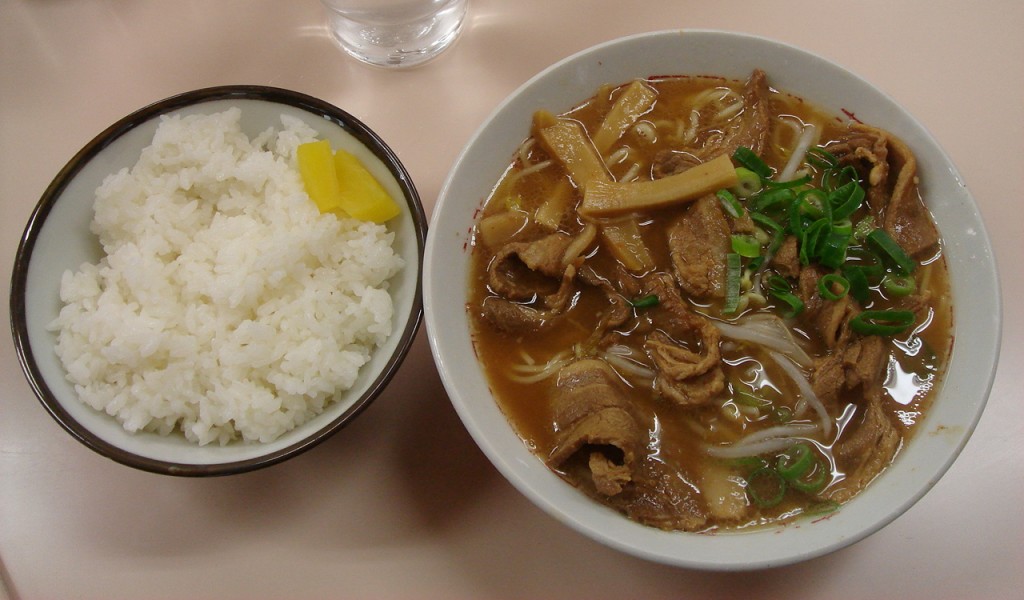
🍚 Tokushima · Shikoku8
The ramen of Shikoku island that eats like a dish to go with rice — the most famous version is the "brown" one, a pork-bone broth seasoned with dark soy sauce until it turns sweet-savoury, topped with richly stewed pork belly, spring onion, and bean sprouts. Many people crack a raw egg in to mix through, and what makes it distinctive is that you eat it alongside a small bowl of steamed rice, treating the ramen as the side. Bold and satisfying.
Japanese Food Encyclopedia →Most ramen shops use a ticket machine (券売機 / shokkenki) right at the entrance — it sounds intimidating but it's actually very easy. Follow these 6 steps and you'll order as smoothly as a local.
Drop in your coins or notes at the ticket machine first. The top-left button is usually the shop's main / most popular bowl — press to choose the one you want, then add any extra toppings. The machine spits out a ticket and your change. Many machines have photos, and some have an English-language button.
Walk in and sit down (often single counter seats), then place the ticket on the counter where the staff can see it, or hand it over when they come round. You don't have to say much. Some shops have self-serve water sitting right there.
Tonkotsu shops (Hakata especially) often ask how firm you want your noodles. You can answer futsu (normal), kata (firm), barikata (very firm), or yawa (soft). For beginners, futsu or kata is a safe first choice.
If you bought a topping ticket, hand it over together. Popular ones are ajitama (soft-boiled egg), nori (seaweed), negi (extra spring onion), and chashu (extra pork). On the table there's usually free grated garlic, pickled ginger, chilli, and sesame to add yourself.
Hakata-style tonkotsu shops only — when your noodles are nearly gone but you still have broth, say "kaedama" and a fresh portion of noodles arrives. It usually costs about 100–200 yen. Some shops have you pay at the machine first, or use a buzzer. If you're out of broth, no need to refill.
Slurp the noodles loudly all you like (it's completely normal). Since you mostly paid at the machine, you can just get up and leave — no tipping. Some shops ask you to take your bowl/tray back to the counter. Leave your seat tidy, because the queue moves fast.
Ramen is easy to eat and there's not much ceremony to it, but knowing these 6 things makes it more fun and keeps you from accidentally breaking shop etiquette.
See clearly which city each style comes from — from Hokkaido (miso/shio) in the far north, down through Kanto (iekei), to Kyushu (tonkotsu) in the south. Wherever you go, order the local bowl right there.
What to eat in Japan — the must-try dishes, how to order, and table manners, all gathered on one page.
Food Encyclopedia →The types of sushi, how to eat it the proper way, and how to choose between conveyor-belt, counter, and takeaway.
Sushi Guide →A beginner's tour of the Japanese pub — otoshi, how to order, nomihodai, and drinking etiquette.
Izakaya Guide →The tonkotsu capital — Hakata ramen, riverside yatai stalls, and the Kyushu food you can't miss.
Fukuoka Food Guide →Miso ramen, soup curry, Genghis Khan lamb, and Hokkaido seafood — the full winter foodie city.
Sapporo Food Guide →Hiroshima-style okonomiyaki, oysters, and the local dishes you have to try when you visit.
Hiroshima Food Guide →If you want to trace Hakata ramen back to the source, open the Fukuoka food guide for the famous shops and Kyushu eats, then lock in a hotel near the nightlife district early — it makes the whole trip far easier.