6 things to eat before you leave Ise
Ordered by distinctiveness — dishes you simply cannot replicate anywhere else.
 1
1
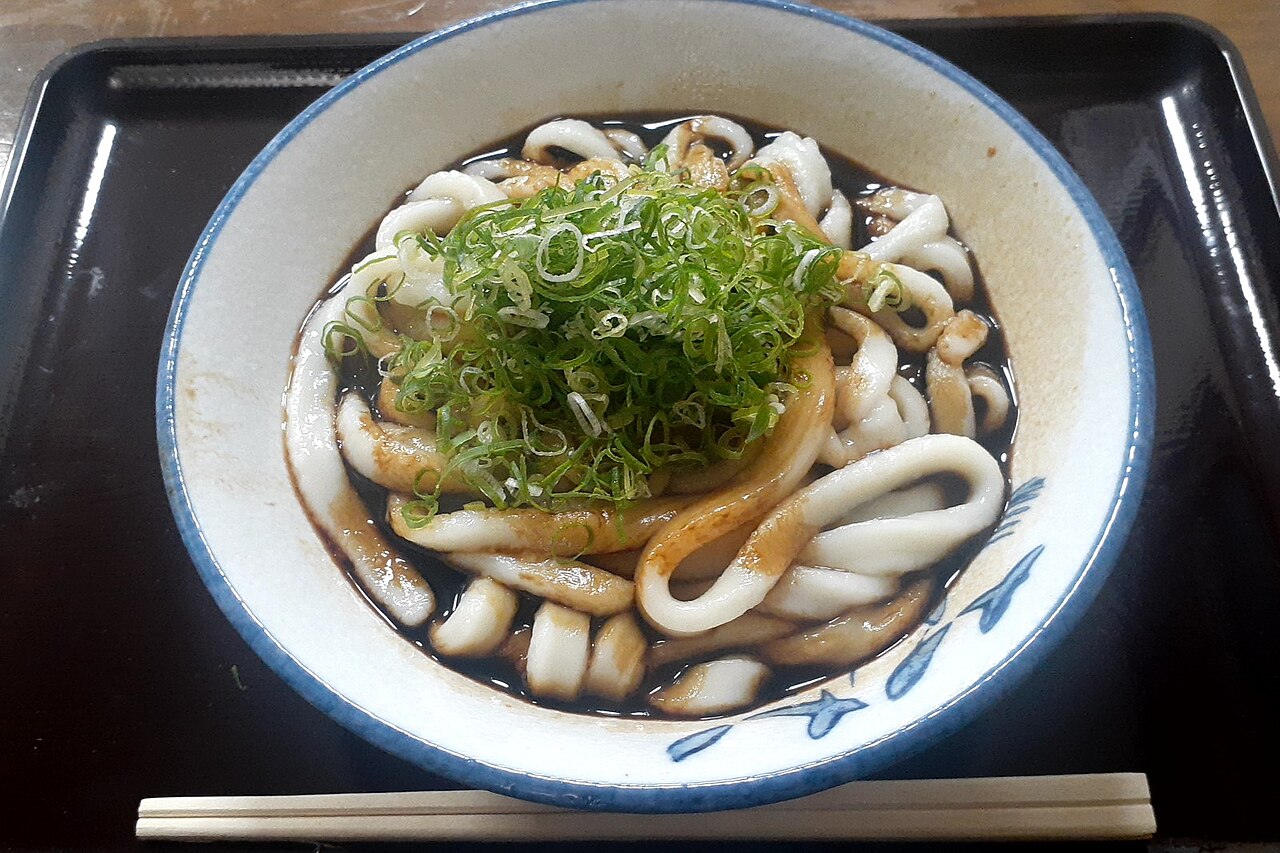
If everything you know about udon is firm and springy, Ise udon will surprise you. The noodles here are cooked long and deliberately soft — yielding rather than chewy, so that even a tired pilgrim who has walked for hours can digest them without effort. The sauce is the thing: tamari, a centuries-old wheat-free soy sauce blended with mirin, served as a dark concentrated pool in the centre of the bowl rather than a large broth. Stir from the bottom, lift a noodle, taste: it is rich, slightly sweet, deeply savoury and entirely its own thing. The most recommended address is Fukusuke on Oharaimachi Street, which opens early and moves quickly.
 2
2
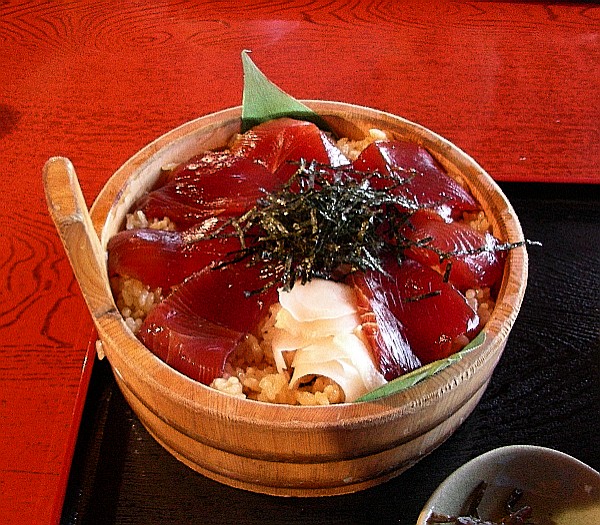
Picture a bonito fisherman off the Shima Peninsula, hungry at midday. He fillets a fish on deck, dunks the slices in sweetened soy sauce, then kneads them — te-ko-ne, "hand-knead" — into a bowl of warm vinegared rice. That improvised meal became a dish. Today the restaurants of Ise-Shima have refined it: bonito or tuna is marinated in a light sweet-soy until the flesh turns a deep mahogany, then arranged over seasoned rice in a lacquered wooden tub, with shiso leaf and toasted nori for brightness. It tastes clean and direct, nothing hidden — the fish leads, the rice carries it.
 3
3
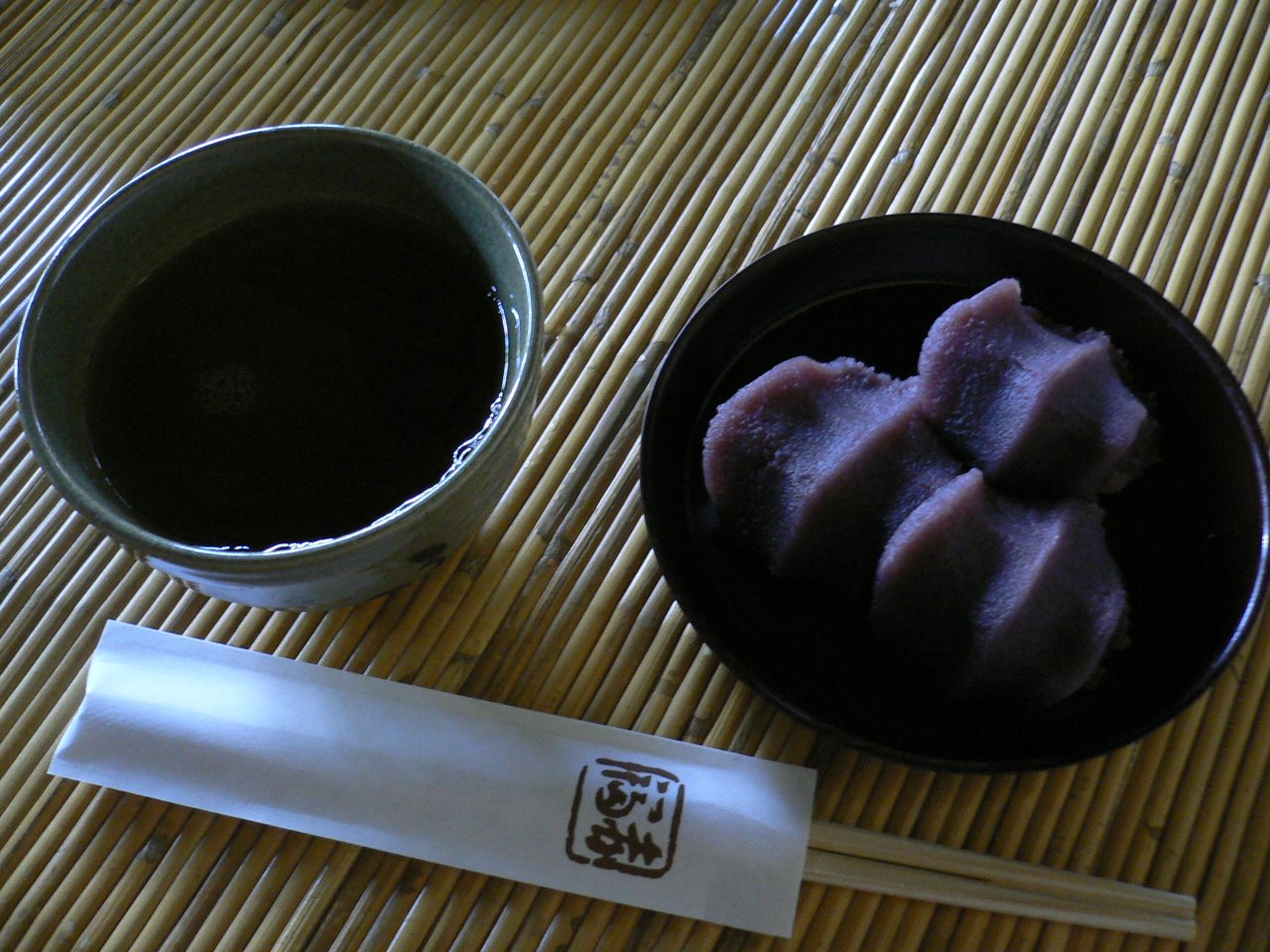
If Ise has one non-negotiable sweet, it is this. Akafuku mochi is a small pillow of white mochi wrapped in smooth sweet red-bean paste (anko) pressed into the form of flowing water — the three ridges on each piece represent the current of the Isuzu River, the white mochi below represents the smooth pebbles of the riverbed. The design and recipe have not changed since the shop opened in 1707. Eat inside Akafuku Honten with a cup of roasted hojicha: the bitterness of the tea and the gentle sweetness of the bean paste are a studied contrast. Try a piece plain first, then dip a corner into the small dish of fine salt — the flavour shifts in a way that is difficult to describe without tasting it.
 4
4
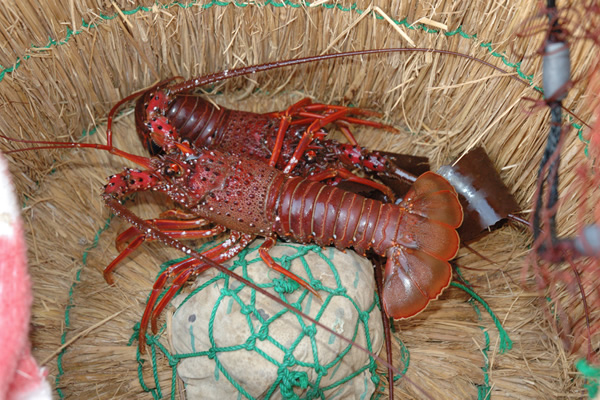
The name Ise-ebi means "Ise lobster" — and it is the one seafood that most completely belongs to this coastline. Unlike the Atlantic lobster with its large claws, Ise-ebi is a spiny lobster (Panulirus japonicus): all shell and antennae, no big pincers, with flesh that is sweeter and more delicate than its briny cousins elsewhere. It can be eaten as sashimi — translucent slices on ice, clean and cool — grilled with butter until the shell turns brilliant red, or as miso soup made from the roasted shell, a deep amber broth that tastes like concentrated sea. The fishing season runs October to April; from May to September the catch is banned and fresh lobster becomes scarce.
 5
5
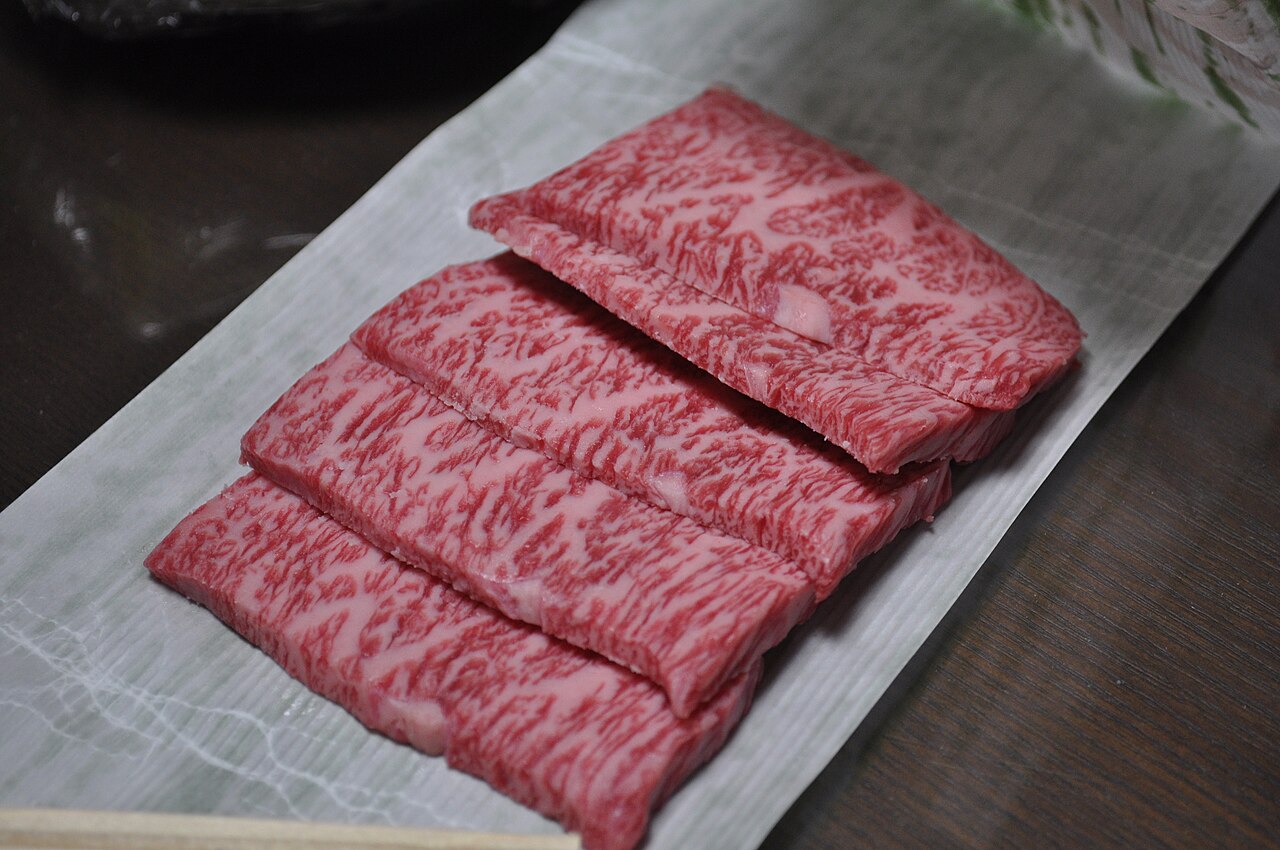
Some things need to be stated plainly: if you are in Mie and you care about beef, eating Matsusaka wagyu here costs considerably less than eating it in Tokyo, Osaka or anywhere that has to ship it in. The cattle are raised in the prefecture that surrounds you, and the ranchers can tell you the name of the animal. Matsusaka wagyu is distinguished by fat that marbles into the muscle fibres with unusual fineness and uniformity, giving the cooked beef a sweet, creamy flavour and a texture that melts rather than chews. In Ise itself, the most accessible address is Butasute inside Okage Yokocho — a butcher since 1909, selling charcoal-grilled beef skewers from a street-front counter for ~¥800 each, with a sit-down room for sukiyaki or steak sets at lunch.
 6
6
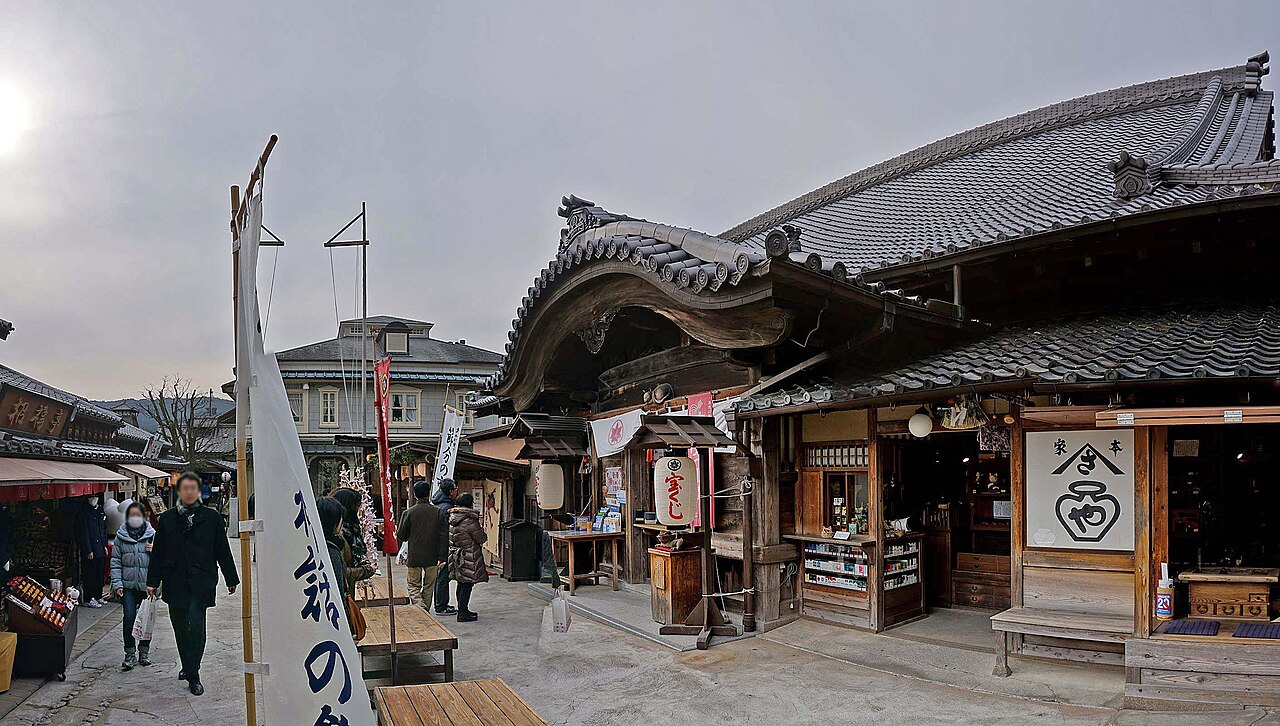
If there is one place where all the flavours of Ise converge in an afternoon, it is Okage Yokocho — a re-creation of an Edo-to-Meiji-era shrine town laneway built into the middle of Oharaimachi Street, about 5 minutes' walk from the Naiku torii gate. Around 50 shops are packed into the roughly 4,000-tsubo site. The stops worth making: Butasute's croquette (¥100, warm, potato-and-beef, eaten standing) · Matsusaka beef skewers charcoal-grilled at the counter (~¥800) · mitarashi dango rice skewers in soy-sweet glaze (¥180–250) · and a half-cup of fresh-pressed nama-genshu sake from Iseman Naiku-mae Shuzojo (¥300), brewed from Isuzu River water and only pourable at the source.