How the Romancecar works, whether the Free Pass really pays off, a cable car drifting over a steaming valley, Lake Ashi mirroring Mount Fuji — all of it is easier when you sort the basics first. Read this before you leave.
Hakone sits about 85 km from Tokyo in Kanagawa Prefecture. You can reach it from Shinjuku or Tokyo Station, and the right choice mostly comes down to which rail pass (if any) you're carrying.
Hakone is built around a "Hakone loop" that most visitors complete in a single day — worth understanding before you plan anything else.
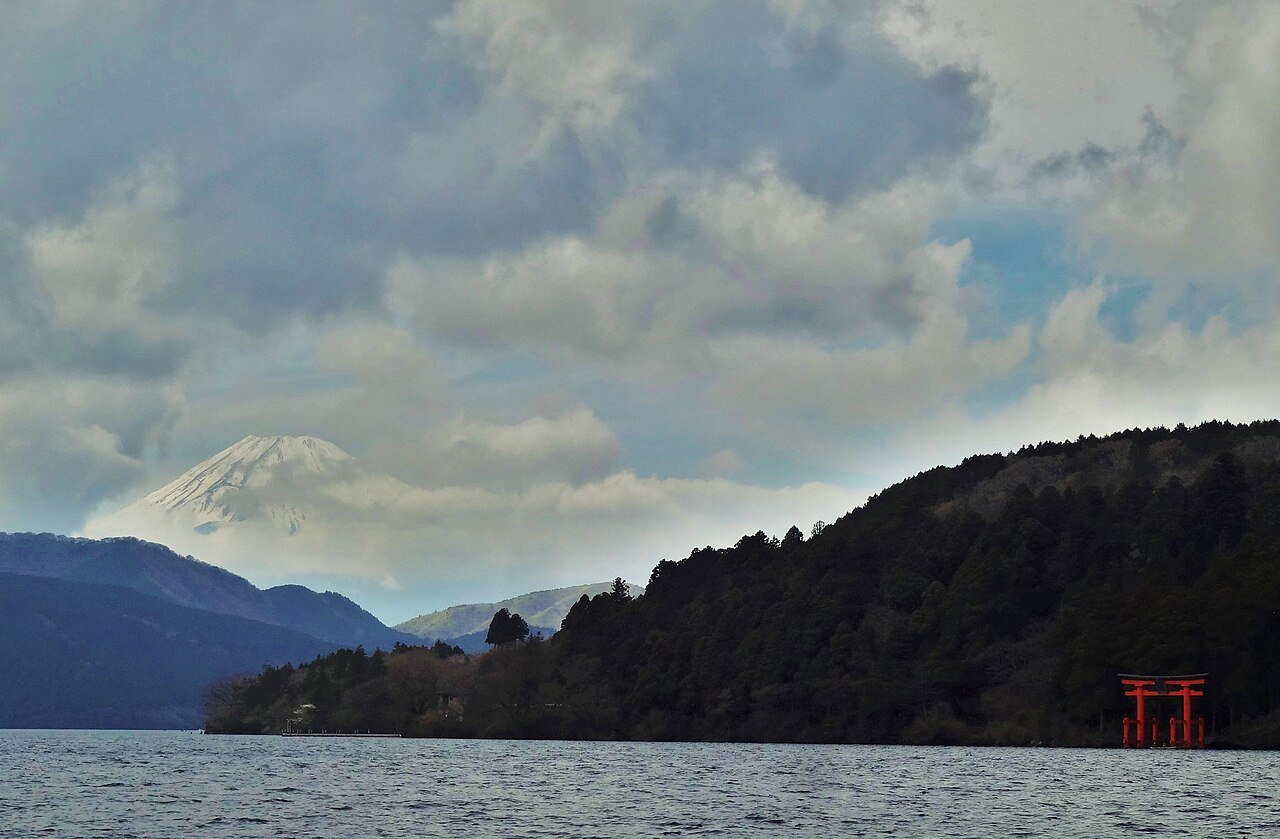
What makes Hakone special is that getting around is part of the experience. The popular loop goes: the Tozan train (up the mountain) → the cable car (to Sounzan) → the ropeway over Owakudani (to Togendai) → a boat across Lake Ashi (to Moto-Hakone) → a bus back to Hakone-Yumoto. Every leg of that is covered by the Hakone Free Pass.
Covers eight transport lines: the round-trip Odakyu Line, the Hakone Tozan Railway, the Cable Car, the Ropeway, the Lake Ashi pirate ship, the Hakone Tozan Bus (selected routes), the Tokai Bus (selected routes) and the Odakyu Highway Bus (selected routes). It also gives discounts at more than 50 museums and attractions.
If you've ridden the Shinkansen to Odawara on a JR Pass, buy the Free Pass here instead — it's cheaper because it doesn't include the round-trip Odakyu fare from Shinjuku. The coverage within the Hakone area is identical.
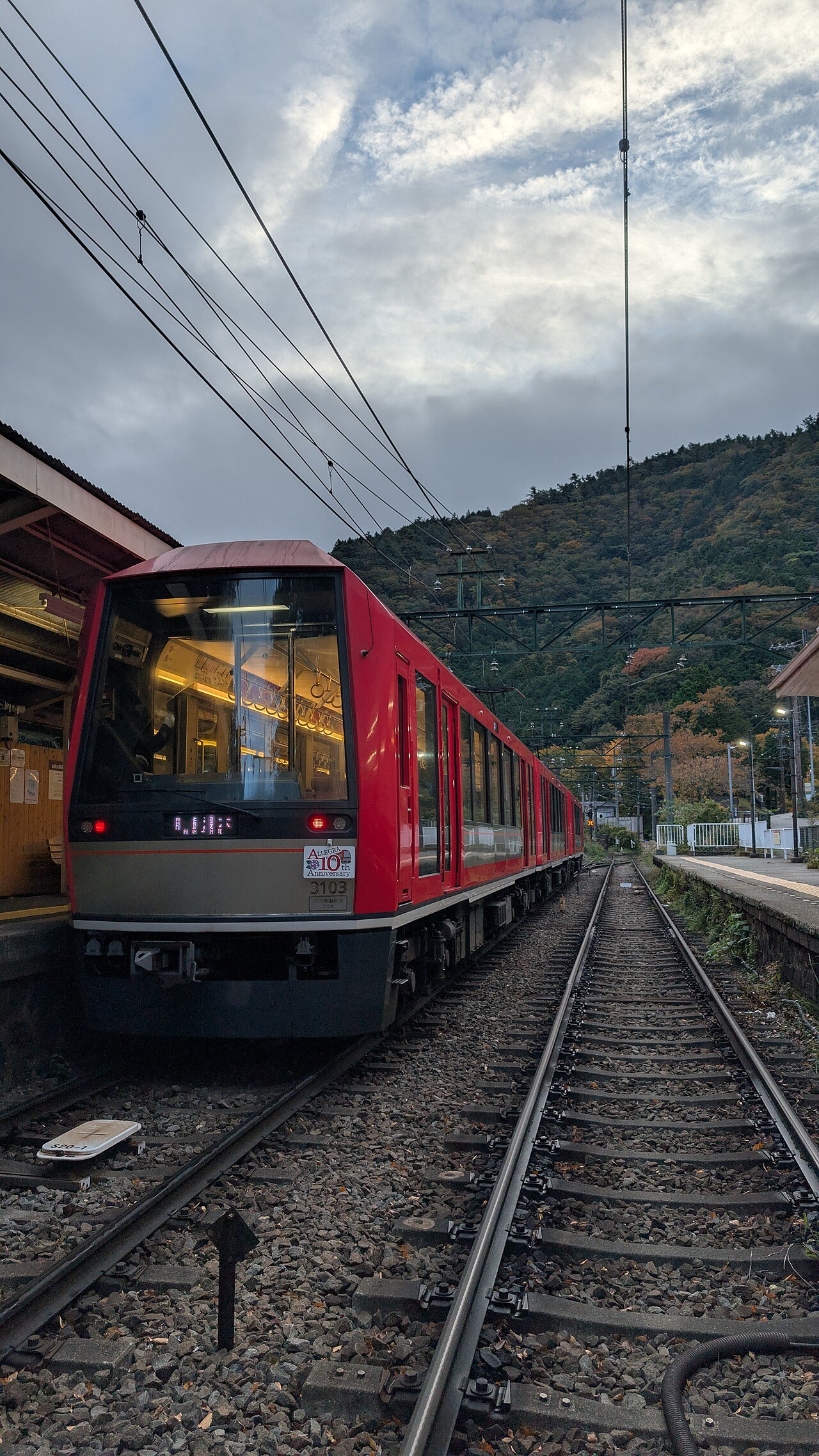
A vintage cog railway that climbs from Odawara through Hakone-Yumoto up to Gora, using switchbacks (the train reverses direction back and forth) to claw its way up the steep grade. In the rainy season around June, the trackside fills with blue, purple and pink hydrangeas.
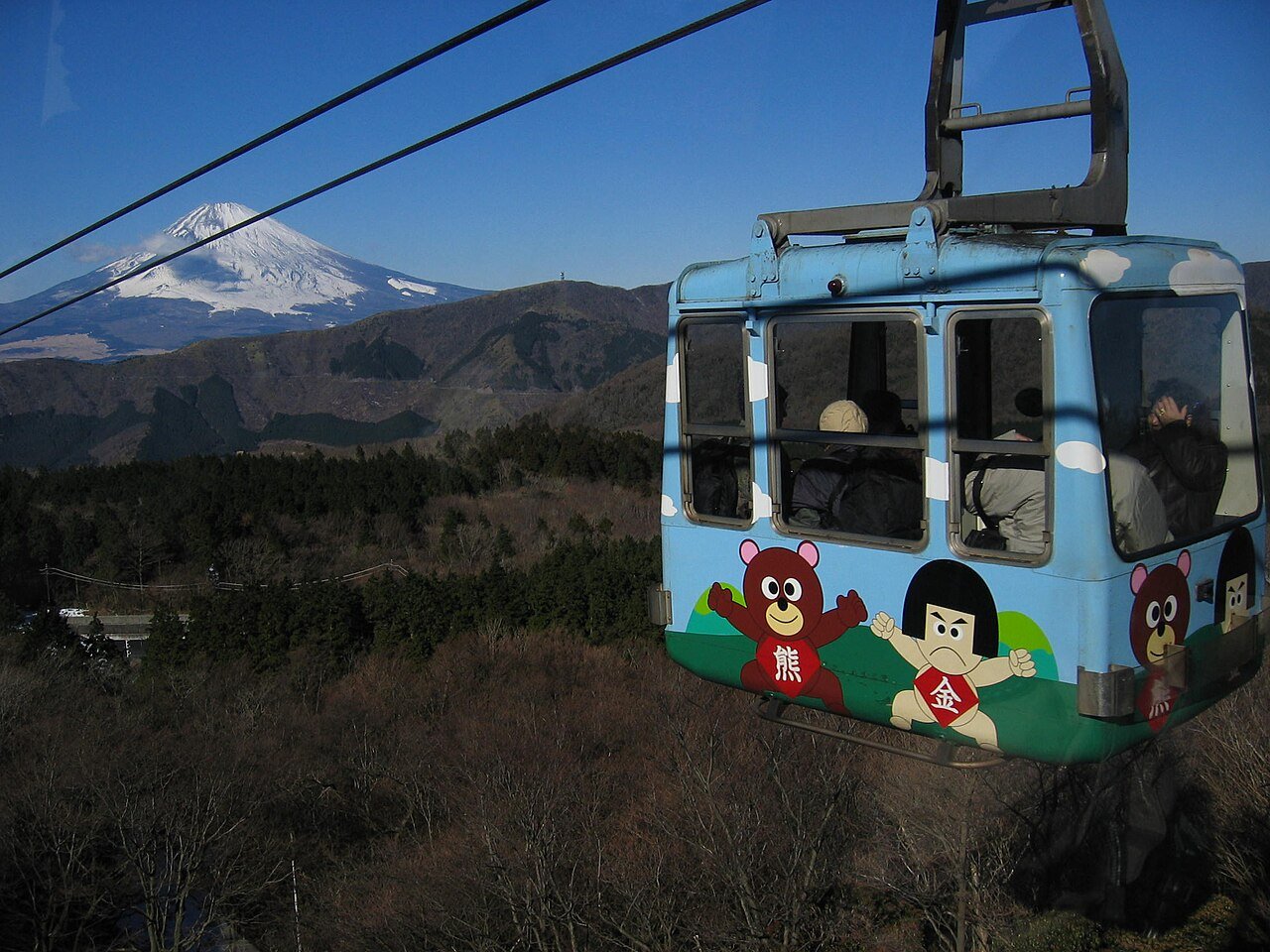
A cable car from Sounzan over Owakudani — a valley venting sulphurous steam — to Togendai on the shore of Lake Ashi. The full run takes about 30 minutes, and on a clear day you can see Fuji from the cabin. ⚠️ It does pause for occasional maintenance, so check the latest status on odakyu-global.com before you go.
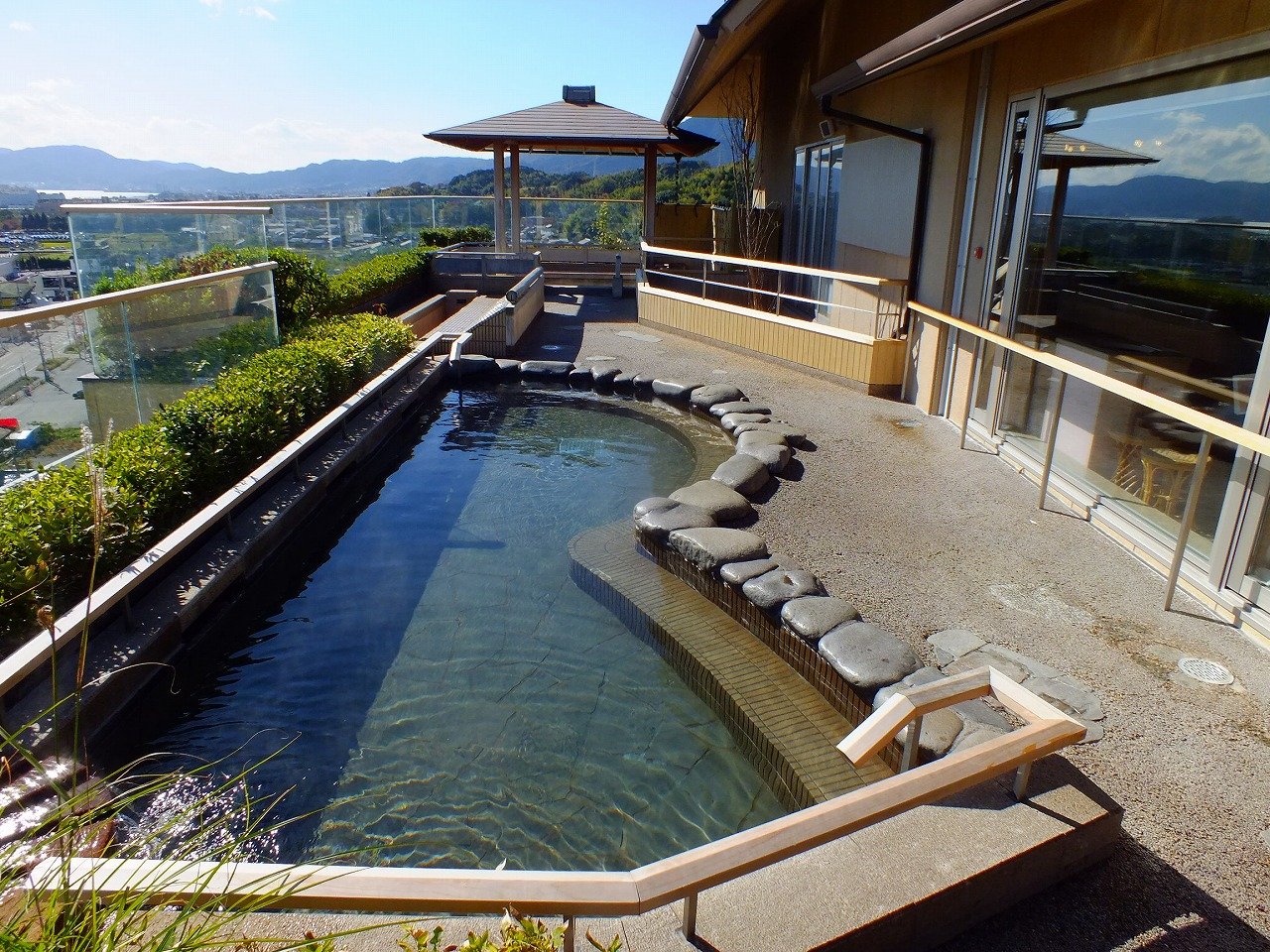
The onsen is the heart of Hakone — natural hot springs rich in sulphur, sodium bicarbonate and other minerals. But there are rules, and they matter.
The onsen and the scenery are there all year, but each season gives the place a distinct mood and a different set of views.
Cherry blossom peaks from late March into early April, lovely around Lake Ashi and Hakone-Yumoto. From late April into May, fuji-zutsuji (Fuji azaleas) bloom around the mountainsides in a way you don't see elsewhere. The air is mild at 10–18°C. Golden Week (late April to early May) is the busiest stretch of all, when crowds peak and room rates spike.
June is the month of the hydrangea (ajisai) along the Hakone Tozan Railway, and it's genuinely beautiful — with fewer crowds than cherry-blossom season, though it rains often. July and August turn hot and humid, and the sky is usually cloudy, so Fuji tends to stay hidden. Even so, Hakone wrapped in deep green forest is gorgeous in its own way.
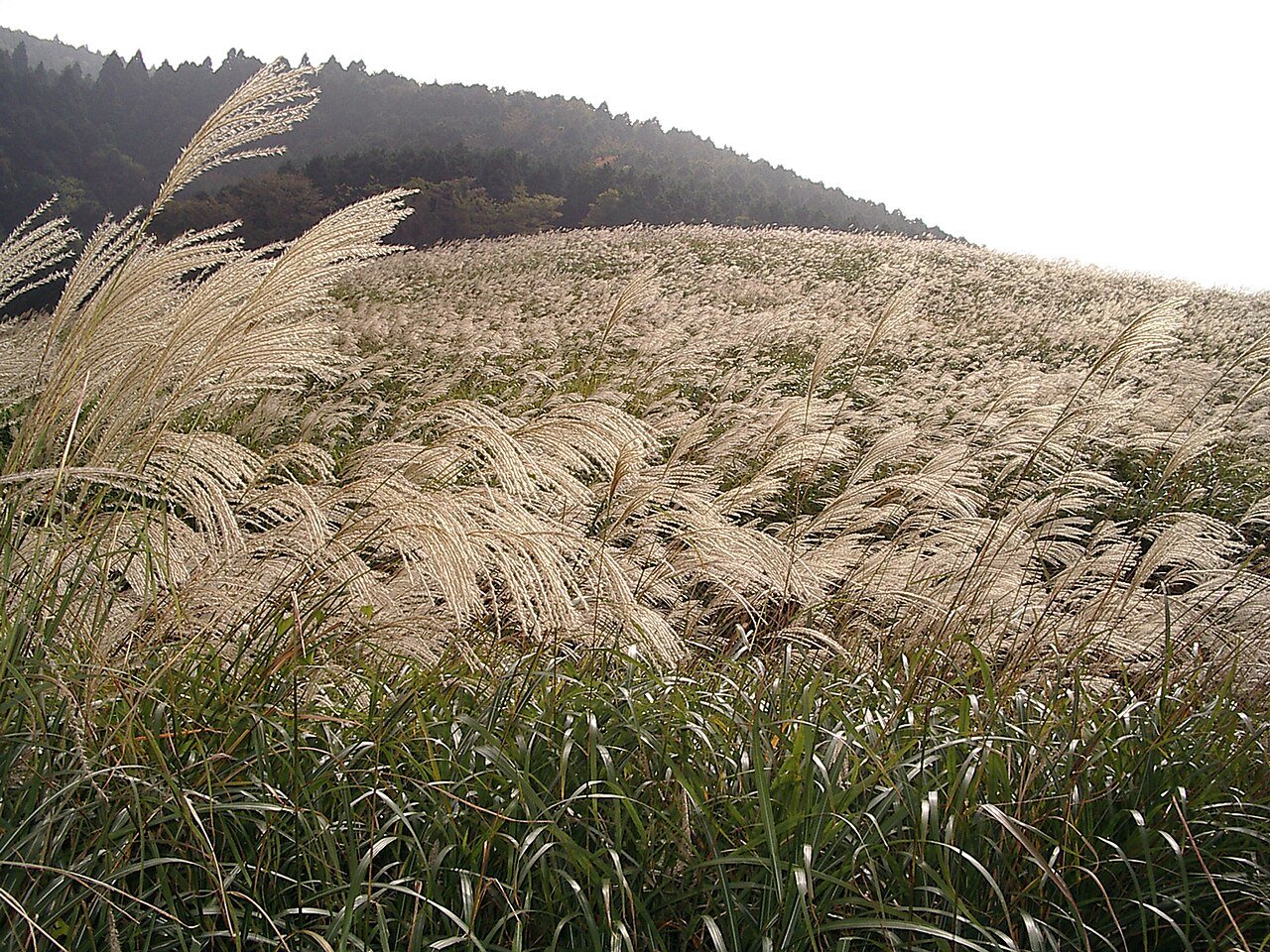
The leaves turn red and orange from late October, at their best around Sengokuhara, from the ropeway over Owakudani, and around the Hakone Open-Air Museum. The air is cool and comfortable at 10–18°C, the sky is clearer than in summer, and your chances of seeing Fuji are far better. Weekends and holidays get crowded, so book accommodation ahead.
Cold at 0–10°C, but the sky is the clearest of the year, which means the best Fuji views from Lake Ashi and the ropeway. An open-air bath in the cold air is the very definition of a good time in Hakone. Some years bring snow at the higher elevations, though not often, and room rates run lower than in peak season.
Rough numbers for planning — not including the fare from Tokyo.
| Item | Budget | Mid-range | Comfortable |
|---|---|---|---|
| Accommodation (per night / person) | ¥3,000–5,000 (hostel / guesthouse) | ¥8,000–15,000 (mid-priced ryokan) | ¥20,000+ (ryokan with two meals) |
| Food (3 meals) | ¥1,500–2,500 (soba / ramen / convenience store) | ¥3,000–5,000 (sit-down restaurants) | ¥8,000+ (kaiseki, or hotel half-board) |
| Hakone Free Pass (2-day) | ¥7,100 from Shinjuku / ¥6,000 from Odawara — the same at every level (worth it if you ride the full loop) | ||
| Admissions (Owakudani, museums) | ¥500–800 (Free Pass gives discounts) | ¥1,500–2,500 (Hakone Open-Air Museum ¥1,800) | ¥3,000+ (several museums) |
| Onsen (if not included in your hotel) | ¥500–800 (public onsen) | ¥1,200–2,500 (day-use spa) | ¥3,000+ (private bath) |
| Owakudani black eggs (if you fancy) | ¥700 a bag of five — the same at every level | ||
| Rough daily total | ~¥8,000–12,000 | ~¥18,000–28,000 | ¥35,000+ |
A small towel (some onsen don't lend them, or charge for it) · a hair tie if your hair is long · a warm layer or windproof jacket (the Hakone mountains run 3–5°C cooler than Tokyo) · comfortable walking shoes (some routes have stairs) · a face mask if you're sensitive to sulphur (the smell at Owakudani is strong).
The ropeway and the Lake Ashi boat are a huge hit with children. The Hakone Open-Air Museum has outdoor sculpture areas they can roam freely, and the Owakudani black eggs (boiled in the hot springs, with shells turned black) are a thrill. Public onsen often have a warmer, shallow children's pool.
Signage on the Free Pass routes and at the main stations is fully in English. Google Maps works very well in Japan, including the Hakone Tozan Bus timetables. Staff at some local onsen don't speak English, but a bit of body language plus the Google Translate camera on the signs will get you through.
A Suica or PASMO card works on the Hakone Tozan Railway (but it isn't a substitute for the Free Pass). Hakone has 7-Eleven and FamilyMart stores whose ATMs handle foreign cards well. Some public onsen and small shops in Yumoto take cash only.