Home Hakone Kanagawa Japan About Read in Thai
Home  ›  Asia  ›  Japan  ›  Hakone  ›  Itinerary
🗓️ Hakone Itinerary · 1–3 Days · 2026

Hakone in 1, 2 or 3 Days —
built around the time you have

Whether you are coming for a single day trip or staying a full onsen night, this plan sequences the day for you — where to start, what comes next, and how not to miss anything Hakone should show you.

How many days for Hakone

One day works — but two days is where Hakone opens up

Here is the honest version. If you only have a day, you can still do the Hakone Loop — the Tozan mountain railway, the ropeway over Owakudani, the pirate ship across Lake Ashi, the Hakone Shrine — all of it. But you will need to leave early and keep moving the whole day, with no time to sit with a cup of tea by the lake and no time for an onsen soak before dinner.

Give yourself two days and Hakone turns from a "highlights checklist" into a place you want to come back to. Day one does the Loop at a relaxed pace; day two walks Sengokuhara in the early morning, while the pampas-grass plateau still has mist on it, then leaves time for a long soak before you head back to Tokyo in the afternoon.

Three days suits anyone who wants to genuinely rest — not just see the views and rush back — or who plans to continue onward to Nikko, Kamakura or Yufuin.

🎫 Hakone Free Pass — buy it before you set off
2 days · ¥6,100 (from Shinjuku) Includes the Odakyu train both ways + Tozan railway + ropeway + pirate ship + every bus line + discounts at many museums and onsen.
3 days · ¥7,000 (from Shinjuku) Same coverage, valid for three consecutive days — worth it if you stay two nights and explore the minor lines too.
Romancecar + ¥1,200–1,400 Add the Romancecar express from Shinjuku to Hakone-Yumoto (~80 minutes) on top of the Free Pass, or buy it separately at ¥2,420 each way.
Where to buy Shinjuku station · Odakyu ticket machines · EMot Online Tickets (the phone app — digital fares run about ¥50 cheaper each way).
Day One

The Hakone Loop — the whole circuit in one day

Cog railway · sulphur steam · a pirate ship · a torii standing in the lake — this is the Hakone everyone talks about.
01
Day 1
The Loop — Tozan · Owakudani · Lake Ashi · Hakone Shrine
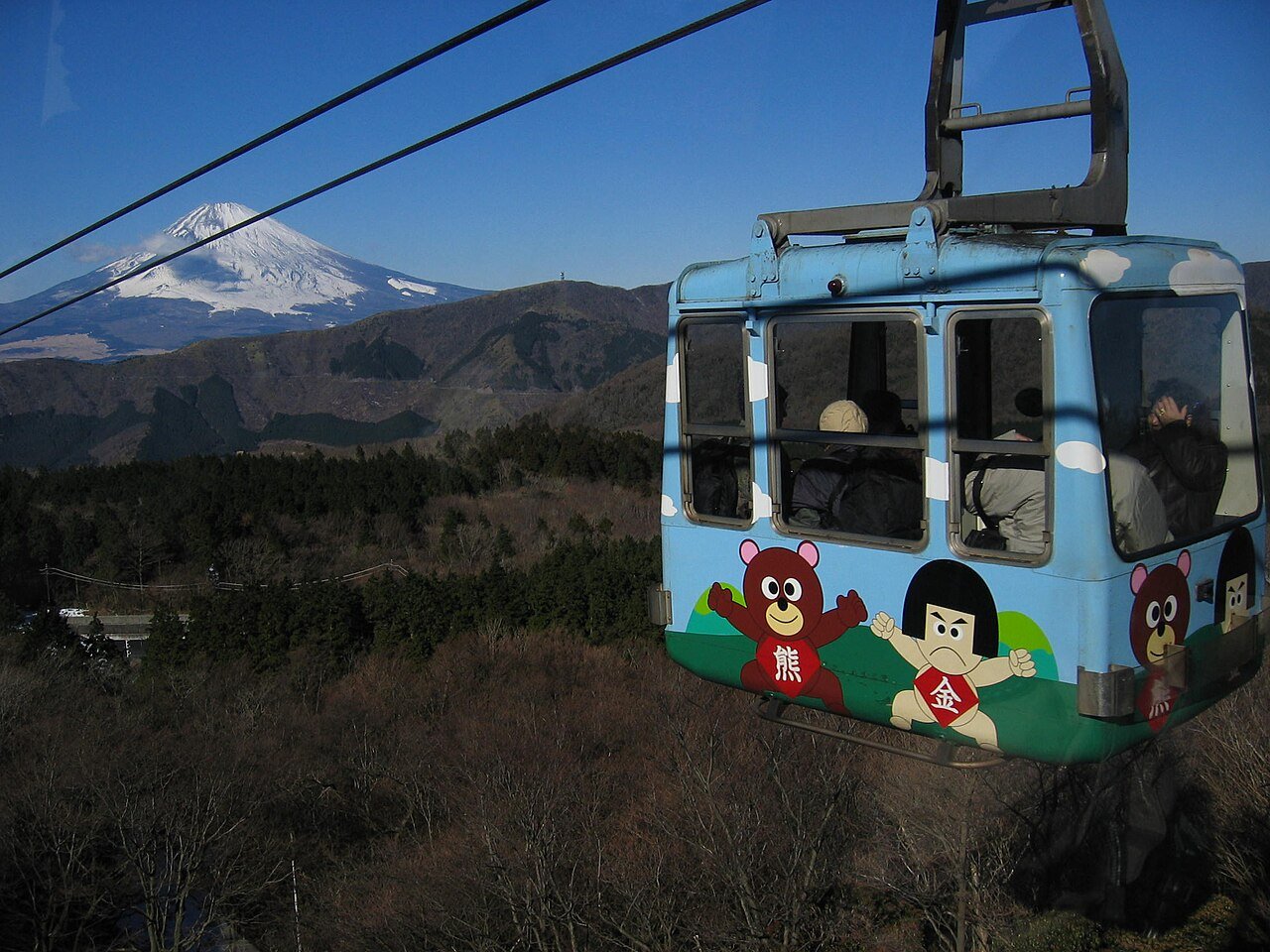
Hakone Ropeway gondola floating over the mountains with snow-capped Mt Fuji rising in the distance
Morning · 07:30 — leave Tokyo
Shinjuku → Hakone-Yumoto → Gora

Leave Shinjuku station on the Romancecar (or an Odakyu express) before 8 am — any later and the Loop gets uncomfortably tight by mid-afternoon. The Romancecar reaches Hakone-Yumoto around 9:20 am. Change straight onto the Hakone Tozan Railway, the little cog train that climbs the mountain. It runs slowly, zigzagging up the slope and switching sides as it goes; in June and July hydrangeas line both sides of the track the whole way. It is about 35 minutes up to Chokoku-no-Mori.

Romancecar: Shinjuku → Hakone-Yumoto ~80 min · ¥2,420 (digital), or add ¥1,200 on top of the Free Pass
Tozan Railway: Yumoto → Chokoku-no-Mori ~35 min · free with the Free Pass
Tip: sit on the A/B side going up for mountain views; the C/D side gives Fuji views on a clear day
Late morning · 09:55 — ~2.5 hours
Hakone Open Air Museum (箱根彫刻の森美術館)

Get off at Chokoku-no-Mori and it is a 5-minute walk to the Hakone Open Air Museum — an open-air gallery that sets 120 sculptures across a hillside, with works by Henry Moore, Rodin and Picasso sharing the same garden and the mountains as a backdrop. Allow 1.5 to 2 hours to wander before catching the train on up to Gora.

Ticket: ¥1,600 adult (20% off with the Free Pass → ¥1,280) · Open 09:00–17:00
Getting there: ~5-minute walk from Chokoku-no-Mori station
Short on time? Skip the museum and ride the train straight from Yumoto up to Gora — that saves roughly two hours.
Afternoon · 12:00–14:30
Gora → Sounzan cable car → Owakudani (大涌谷)

From Gora, take the cable car up to Sounzan, then board the long ropeway that crosses the ridge over Owakudani — a still-active volcanic valley where white sulphur steam pours constantly out of fissures in the ground. Above all that steam, on a clear day, you will see the summit of Mt Fuji floating behind. This stretch of ropeway is one of the most photogenic rides in Japan.

At the Owakudani station, try a kuro-tamago (black egg) — an egg boiled in the sulphur pools until its shell turns jet black. It tastes like an ordinary boiled egg, but the setting is like nowhere else; local lore says each one adds seven years to your life. A pack of five costs ¥500.

Ropeway: Gora → Togendai via the ropeway · free with the Free Pass
Owakudani: Open 10:00–17:30 · ⚠️ can close at short notice — check hakonenavi.jp on the morning you travel
Black eggs: ¥500 for five · sold at the Owakudani Kurotamago-kan
Afternoon · 14:30–16:30
Lake Ashi (芦ノ湖) — pirate ship + Hakone Shrine

The ropeway drops you at Togendai on the shore of Lake Ashi. From there, the Hakone Sightseeing Cruise pirate ship crosses the lake to Moto-Hakone in about 30 minutes. On a good day you will see Mt Fuji mirrored clearly in the water; some days it is misty, some days sharp — that uncertainty is part of the charm.

Step off at Moto-Hakone and walk to Hakone Shrine (箱根神社), whose vermilion torii gate stands in the water of Lake Ashi. The path from the pier leads through a forest of towering cedar trees, lined with stone lanterns, before reaching the lake torii — the symbol of Hakone you see on every postcard. The shrine grounds are a place of quiet reverence, so move gently and keep noise down; entry to the grounds is free. Allow 45–60 minutes to walk and photograph it.

Pirate ship: Togendai → Moto-Hakone ~30 min · ¥1,200, or free with the Free Pass
Hakone Shrine: grounds open and free at all hours · Treasure House ¥500 (open 09:00–16:30)
Tip: the lake torii photographs best before 9 am, but it still looks beautiful in the afternoon light
Evening · from 17:00
An evening soak + back to Tokyo (if it is a day trip)

If you are here on a day trip and heading back to Tokyo, take a bus from Moto-Hakone back to Hakone-Yumoto, then the Romancecar to Shinjuku, arriving around 8–9 pm. If you still have the energy, stop at a Yumoto onsen for half an hour before your train — see the day-use onsen options around Hakone-Yumoto.

If you are staying the night, head back to your hotel or ryokan, sink into a private onsen, then enjoy dinner at your lodging. The day trip ends here — but the real Hakone is only just beginning.
Bus back to Yumoto: Tozan Bus Line H · ¥1,180, or free with the Free Pass
Romancecar back to Shinjuku: ¥2,420 (digital) · departs roughly every 30 minutes into the evening
Day-use onsen in Yumoto: most open until 20:00–21:00 · ¥800–1,500
🌿
Stay a night?
Hakone's second day is quieter and more beautiful — and the Tokyo day-trip crowds never reach it
See the Day 2 plan →
Day Two

Sengokuhara + time that is yours

A pampas-grass plateau at dawn · the Open Air Museum with no tour groups around · a daytime onsen you can slip into whenever you feel like it.

02
Day 2
Sengokuhara · Gora Park · a long afternoon onsen
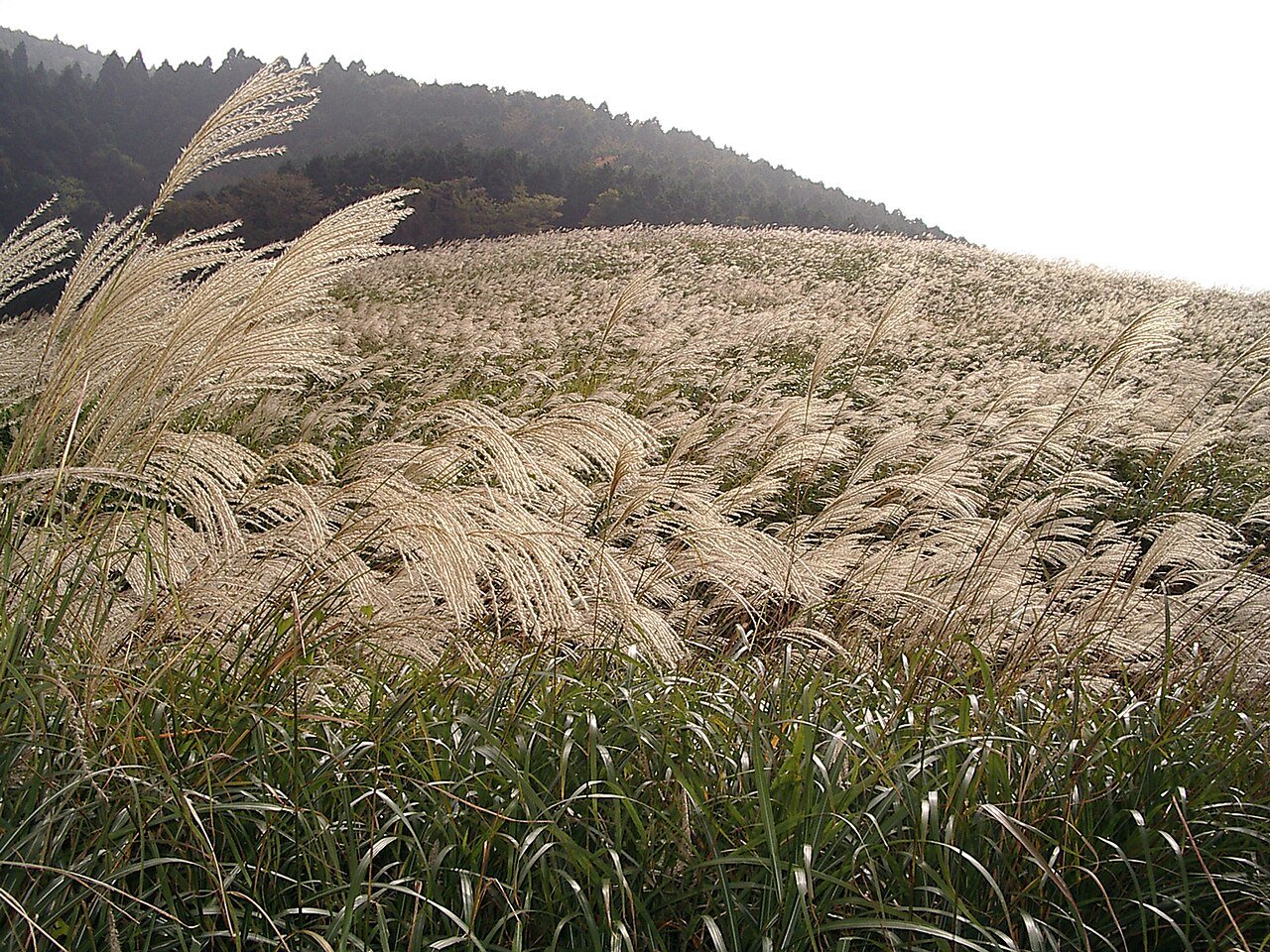
Sengokuhara pampas grass field in Hakone — silvery-gold plumes rippling in soft morning light with a forested hillside behind
Morning · 07:00–09:30
Sengokuhara Pampas Grass Field (仙石原すすき草原)

Start day two at Sengokuhara before the main crowds arrive — a bus from your lodging or Hakone-Yumoto station takes about 30 minutes. Get off at the Sengokuhara stop and walk five minutes to a wide pampas-grass field spread across a plateau. A light breeze bends the plumes in slow waves. It is at its most striking in October and November, when the grass turns a deep gold, but every season has its own appeal.

Entry is free all day. Spend 45–60 minutes walking the signposted trail through the field, photograph it in the soft early light, then catch a bus onward to Gora.

Bus: Tozan Bus Line S from Hakone-Yumoto ~30 min · free with the Free Pass
Admission: free · open at all hours
Best season: Oct–Nov golden plumes | Mar–Apr fresh green
Late morning · 09:30–11:30
Gora Park (強羅公園) + a Gora onsen

From Sengokuhara, take a bus to Gora, get off at the station and walk five minutes uphill to Gora Park — a French-style terraced garden on the mountainside with seasonal flowers, a tea house and a footbath fed by hot-spring water. Admission is ¥550, open 09:00–17:00, with a discount for Free Pass holders.

After the garden, drop into one of the day-use onsen around Gora — there are several in this area, starting from ¥800–1,200, and it is a perfect way to spend the time before lunch.

Gora Park: ¥550 (Free Pass discount) · 09:00–17:00
Getting there: bus Sengokuhara → Gora ~20 min · free with the Free Pass
Afternoon · 12:00–15:00
Lunch + Hakone-Yumoto again

Gora has plenty of Japanese restaurants for lunch — go for soba or a local katsu set, around ¥900–1,500. After eating, ride the Tozan railway back down to Hakone-Yumoto, the old hot-spring town that is easy to explore on foot.

Hakone-Yumoto has a small shopping street called Yumoto Shotengai, lined with shops selling Yumoto-mochi (rice cakes steamed in spring water), fresh wasabi, Japanese herbal goods and souvenirs. Plenty of shops offer free samples to try.

Soba in Gora: ¥900–1,500 · most open 11:00–14:30
Train Gora → Yumoto: ~35 min · free with the Free Pass
Worth taking home: real Hakone wasabi · Yumoto onsen creams · yokan (Japanese red-bean sweet) in unusual flavours · black-sesame mochi from Chojiya.
Evening · from 15:00
A long soak + kaiseki dinner at your ryokan

Honestly, that early-evening soak before a ryokan dinner is the single best reason to stay the night in Hakone — an open-air bath (rotenburo) at sunset, the smell of the forest after rain, and complete quiet, before you slip on a yukata and walk to a multi-course kaiseki dinner. Ryokan in Hakone run anywhere from ¥12,000 to ¥50,000+ per person per night, dinner and breakfast included.

If you are not staying in a ryokan, a good day-use onsen in Yumoto such as Hakone Yuryo (¥1,500–2,500) stays open until 20:00–21:00 — ideal for a soak before the train back to Tokyo.

Ryokan in Hakone-Yumoto: ¥12,000–50,000 per person per night (dinner + breakfast included)
Day-use onsen, Hakone Yuryo: ¥1,500–2,500 · open 10:00–21:00
Romancecar back to Tokyo (if returning tonight): departs roughly every 30 min, last train around 21:00
Day Three (optional)

A slow Yumoto morning — or onward to somewhere else

A last morning before you leave — or the launch point for the next leg of your trip.

03
Day 3 · optional
Slow Yumoto morning → back to Tokyo, or onward to Nikko / Kamakura
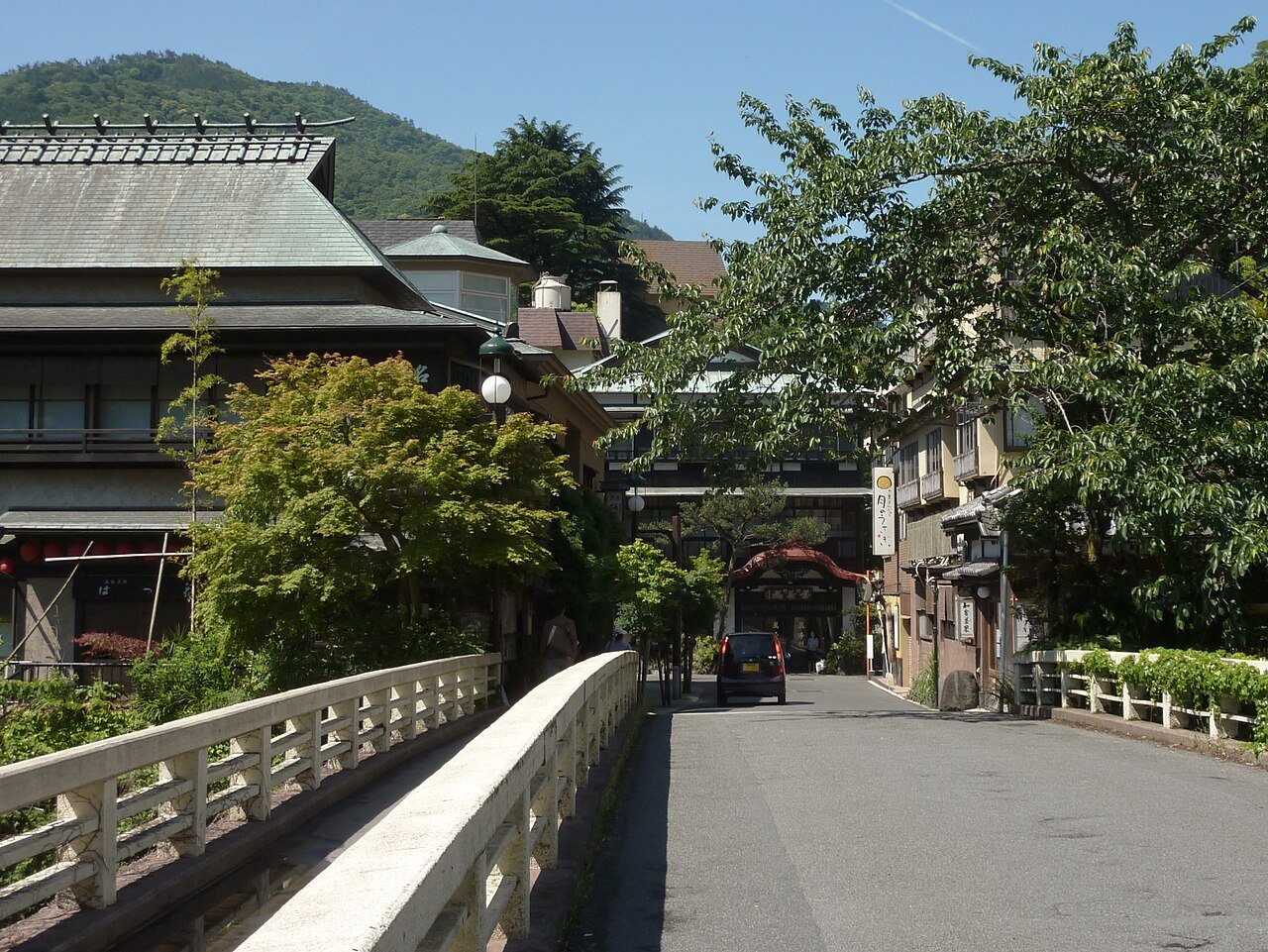
Hakone-Yumoto town — an onsen-village street with old wooden buildings on both sides and a clear river running past a stone bridge
Morning · 07:00–10:00
Ryokan breakfast + an early Yumoto stroll

There is no schedule on your third Hakone morning — have a Japanese ryokan breakfast (rice porridge, grilled fish, pickles, tofu), then wander around Hakone-Yumoto, which before 9 am is wonderfully quiet, the day-trippers not yet arrived.

If you want one more thing to see, stop by Yumoto Fudo — a small temple beside the Hayakawa River, whose water runs clear year round, with the Kanto Ichitaki waterfall in its grounds. It is peaceful, about a 10-minute walk from the station, and free to enter.

Yumoto Fudo: ~10-minute walk from Hakone-Yumoto station · open all hours · free
Ryokan breakfast: usually 07:00–09:00 · included in the room rate
Late morning · from 10:00
Leaving Hakone — pick your destination

From Hakone-Yumoto there are several ways out:

Back to Tokyo (Shinjuku): the Romancecar runs direct in ~80 minutes for ¥2,420 (digital), reaching Shinjuku around 11:30 am. With the Free Pass the train fare is already included.

On to Kamakura: take a JR train from Odawara → Ofuna → Kamakura, about 50 minutes for ¥680 — perfect if you want to go and see the Great Buddha (Daibutsu).

On to Nikko: Odakyu from Odawara → Shinjuku → Tobu-Nikko, around 4 hours — plan it well and you can reach Nikko in time for lunch.

Odawara: ~15 minutes by train from Yumoto, and a junction for the Shinkansen and JR lines in every direction
Tip: if you are on a 3-day Free Pass that expires today, use the Odakyu-area trains to get your money's worth before you leave
🗻
Where to next?
Kamakura's Great Buddha and Nikko's shrines both sit within reach of Hakone
Explore Kanagawa →
Practical info

Where to Stay · Getting Around · Budget

🏨
Where to Stay

Hakone-Yumoto is the easiest base for a first visit — close to the main station, simple to get around, with mid-range ryokan at ¥12,000–20,000 per person per night (two meals included) and budget hotels at ¥6,000–10,000. Gora is quieter and more atmospheric but needs a train transfer to reach. See the options in the Hakone where-to-stay guide.

🚃
Getting Around

With a Hakone Free Pass you never buy a separate ticket — the Tozan railway, the ropeway, the pirate ship and every bus line are all covered, reaching every point on the Loop and Sengokuhara. Buy it at Shinjuku station or on the EMot app before you set off.

☁️
Mt Fuji — the real odds

Hakone is often misty, especially in the rainy season (Jun–Sep) and summer — do not set your heart on seeing Fuji. If the day is clear, count yourself lucky. The clearest Fuji views statistically fall in October to January, and the morning ropeway (08:00–10:00) is usually sharper than the afternoon.

Budget breakdown

Estimated cost per person per day

Category Budget Mid-range Full ryokan night
Lodging (per person/night) ¥5,000–8,000
(plain hotel)
¥12,000–18,000
(mid-range ryokan)
¥25,000–50,000+
(premium ryokan, meals included)
Hakone Free Pass (2-day) ¥6,100 (from Shinjuku) · ¥4,600 if starting from Odawara
Admission tickets ¥0–500
(shrine free · Gora Park ¥550)
¥1,280–2,800
(Open Air Museum + Owakudani)
¥3,000+
(everything + a day onsen)
Food (3 meals) ¥1,500–2,500
(local shops + convenience stores)
¥2,500–4,000
(good local restaurants)
See ryokan
(usually in the package)
Total (excl. ryokan, first day) ¥8,000–12,000
(~$55–82 USD)
¥16,000–25,000
(~$110–172 USD)
¥30,000–60,000+
(~$207–414+ USD)

Exchange rate used: ¥1 ≈ $0.0069 USD · Prices are estimates and may vary by season.

Frequently asked questions

FAQ · Hakone Itinerary

Is one day enough for Hakone?
If you start early enough, one full day covers the main Hakone Loop — the Tozan railway, the ropeway over Owakudani, the pirate ship across Lake Ashi and the Hakone Shrine. But you need to leave Shinjuku by 8 am and you cannot linger long over photos. With two days you get a proper onsen soak and time at Sengokuhara, which is far more beautiful in autumn and which day-trippers from Tokyo never reach.
Is the Hakone Free Pass worth it, and where do I buy it?
It is well worth it if you do the Loop. The 2-day pass costs ¥6,100 from Shinjuku (including the Odakyu train both ways) and covers the Tozan railway, the Sounzan ropeway, the pirate ship, every bus line, and discounts at attractions. Compared with paying for each leg separately (roughly ¥3,000–4,000 for the Loop alone) plus the museum and onsen discounts, it pays for itself. Buy it at Shinjuku station, an Odakyu ticket machine, or on the EMot Online Tickets app on your phone.
Does Owakudani close often?
It closes temporarily when volcanic gas levels exceed safe limits, which can happen without warning. Check the official site hakonenavi.jp on the morning you travel. In a normal year it is open more than 80% of days. If it is closed on your visit, part of the ropeway often still runs across the valley without stopping at the Owakudani station.
When is the best time to visit Hakone?
Spring (March–May) brings cherry blossom along the lake and on the Tozan railway. Autumn (October–November) is when the Sengokuhara grass field is at its golden best and clear air gives the sharpest Mt Fuji views. Winter (December–February) has the clearest Fuji and the most rewarding hot-spring soaks, though nights are very cold. Avoid Golden Week in early May and the Obon period in mid-August, when crowds are heaviest.
How do I get from Tokyo to Hakone?
The main way is the Odakyu line from Shinjuku — take the Romancecar limited express to Hakone-Yumoto in about 80 minutes for ¥2,420 (digital fare), seat reservation included. Alternatively, take an ordinary Odakyu express from Shinjuku and change at Odawara, totalling about 90–100 minutes for roughly ¥1,560. If you buy the Hakone Free Pass, the round-trip train fare is already included. See more in the Hakone city guide.