Which train from Tokyo costs the least, how the Minatomirai Line actually works, when Chinatown is walkable — real answers to the questions most visitors only ask after getting off the train.
Yokohama is just 25–30 minutes from central Tokyo, but coming from the airports there are smarter options than going through the city centre first.
All the main sights cluster in three connected districts — getting between them is simpler than it looks once you know the line to use.
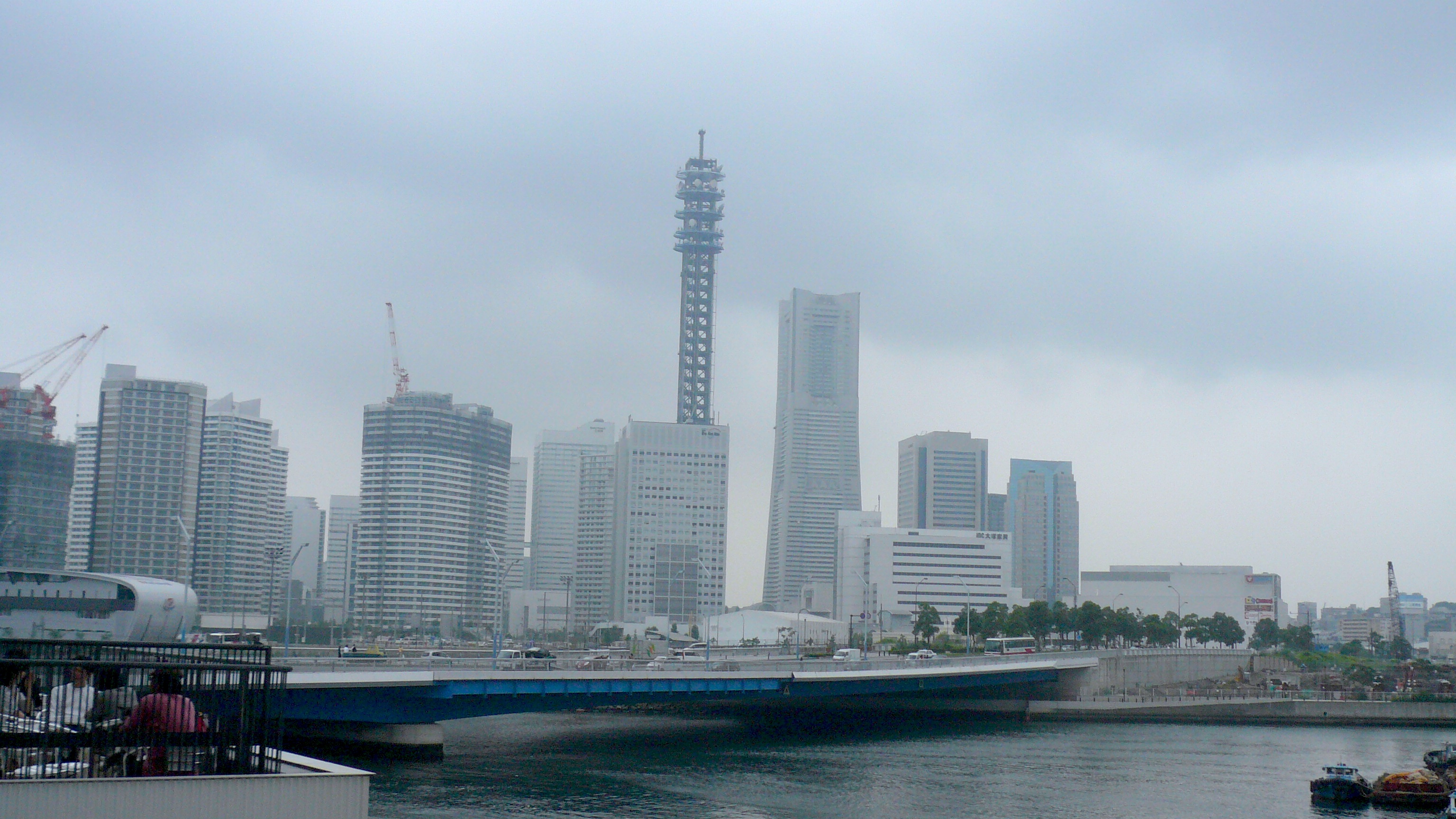
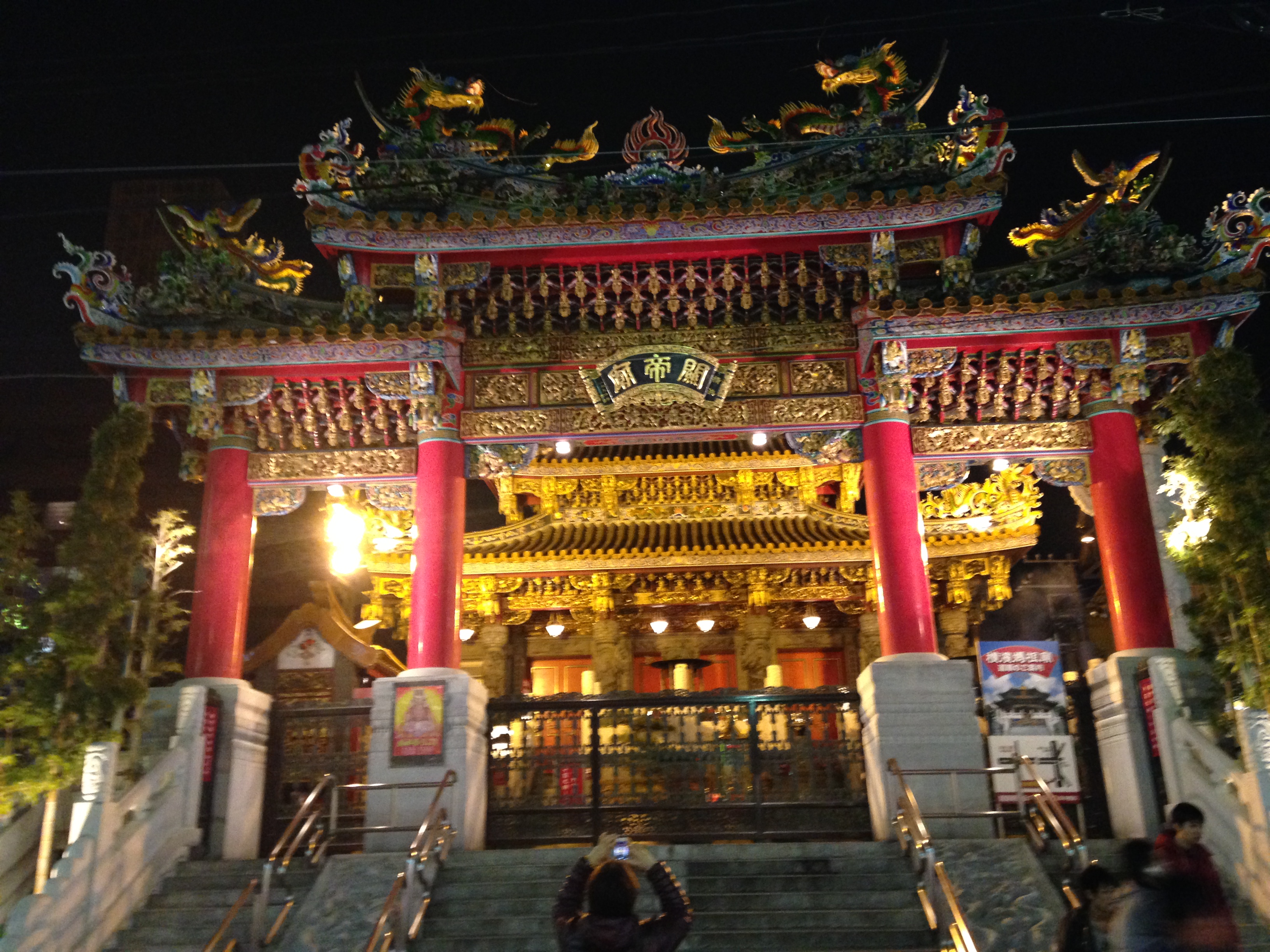
One thing worth knowing before you arrive: Yokohama's highlights sit in three adjoining zones — the Minatomirai waterfront (Cosmo World, Landmark Tower, Red Brick Warehouse), Chinatown and Yamashita Park, and the Motomachi & Yamate neighbourhood (boutique shopping street, French hilltop gardens). The single railway that threads all three together is the Minatomirai Line, a compact six-station loop running from Yokohama Station to Motomachi-Chukagai in twelve minutes.
Six architecturally distinctive stations connect every major highlight: Yokohama → Shin-Takashima → Minatomirai (Landmark Tower, Cosmo World) → Bashamichi (Red Brick Warehouse) → Nippon-odori (Yamashita Park) → Motomachi-Chukagai (Chinatown, Motomachi). Trains run every 5–10 minutes; end-to-end takes 12 minutes.
A prepaid IC card works on every line in Yokohama — JR, Tokyu, Keikyu, the Minatomirai Line and municipal buses — with a single tap. No need to buy separate tickets for each operator. If you do not have one yet, pick up a Suica at a JR vending machine at the airport (or load it on Apple Pay or Google Pay before you travel).
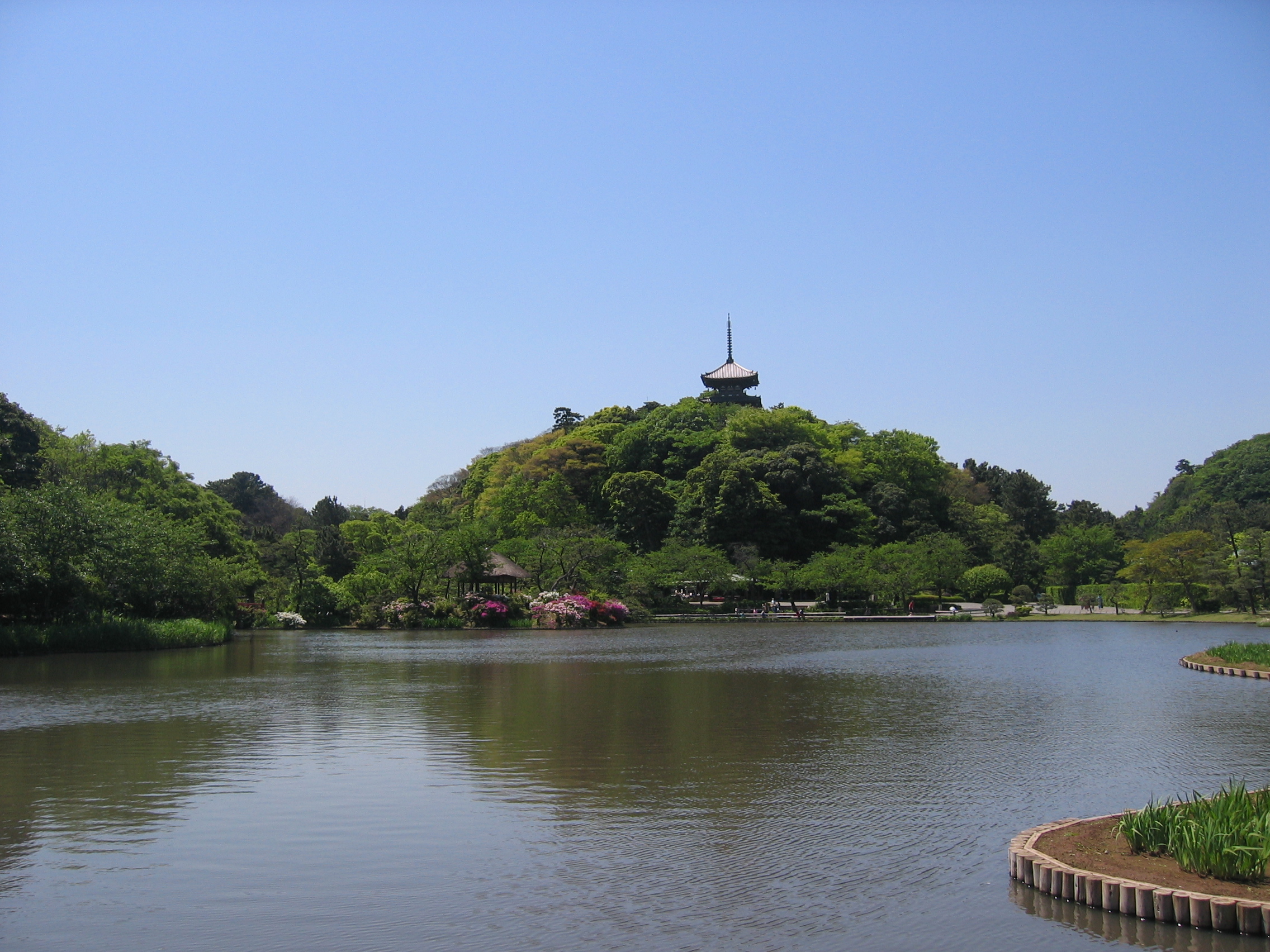
Useful for areas the train does not reach directly — Sankeien Garden to the south, and some hillside streets in Yamate. A flat fare of ¥220 per journey applies; Suica and Pasmo are accepted on every bus. Google Maps reliably suggests the right bus route and platform number.
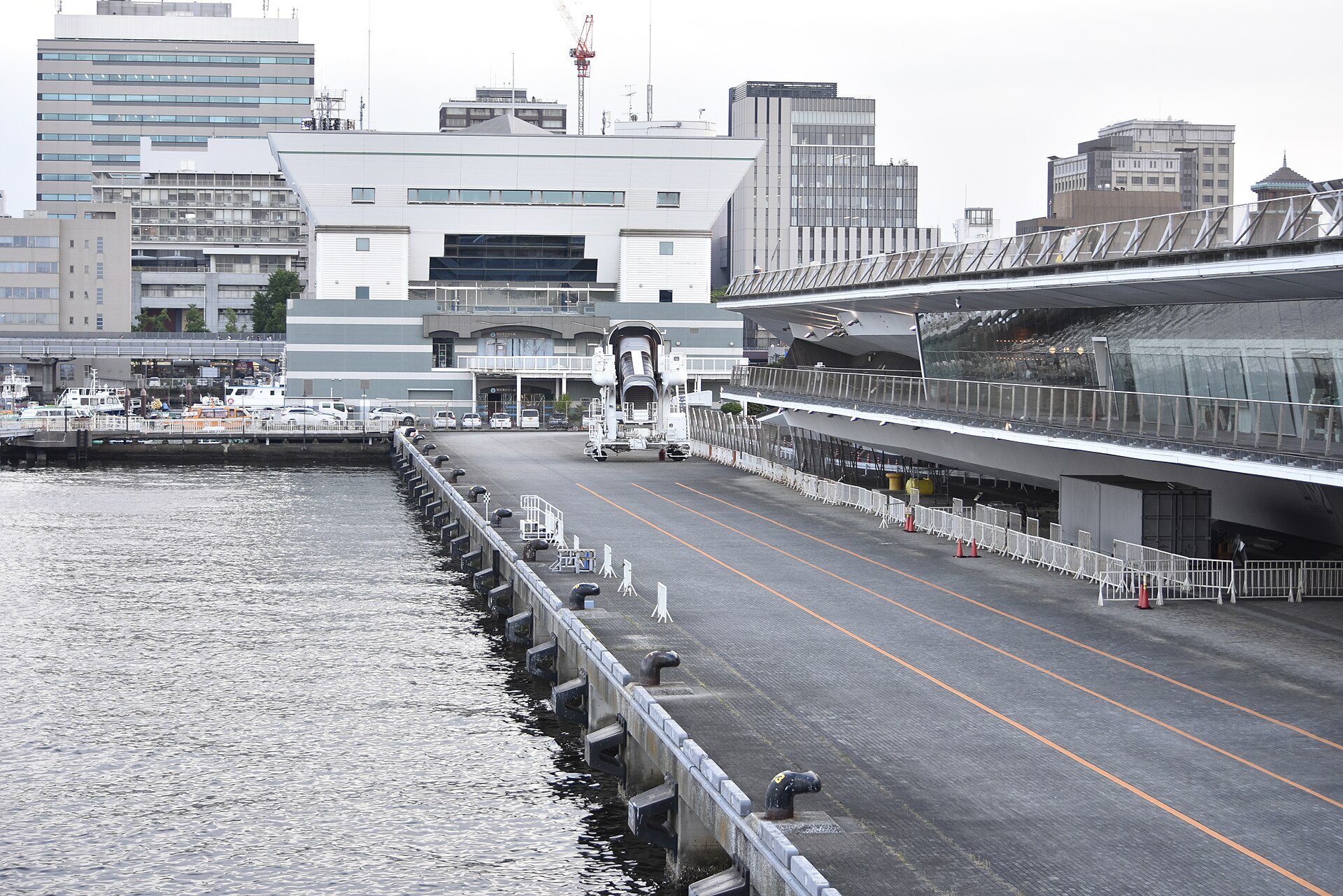
A small passenger ferry runs between the pier at Yokohama Station East Exit, Minatomirai Pier and Yamashita Park. The harbour views looking back at the Minatomirai skyline are worth the ride. Travel time is about 20 minutes and Suica is accepted. Think of it as a scenic alternative to the train rather than a commute.
Yokohama has been a cosmopolitan port since 1859, but Japanese customs are very much alive in the city's day-to-day rhythm.
The city is open year-round, but the harbour views and the feel of each neighbourhood change meaningfully with the season.
Cherry blossoms in Yamashita Park and Sankeien Garden typically peak in the first week of April — the combination of pink blossoms and harbour backdrop is genuinely striking. Temperatures range 10–22 °C; May is often the most pleasant month. Watch out for Golden Week (April 29 – May 6): the city fills with day-trippers from Tokyo.
Hot and humid, 28–34 °C, with a rainy season through mid-July. From late July the skies clear and the waterfront comes alive at night. The Yokohama Sparkling Twilight fireworks in August draw large crowds. The harbour and Chinatown are best enjoyed at dusk when the heat eases slightly.
Clear skies, crisp air and temperatures of 15–25 °C make this the most photogenic season. The views of Landmark Tower from the Minatomirai waterfront are sharpest, and Sankeien Garden's maples turn a vivid orange-red. Weekends fill up, but not to spring-level density.
Cool but not severe, 5–12 °C. Minatomirai is decorated for Christmas throughout December with illuminations along the waterfront — a well-executed display that draws visitors from Tokyo. Weekday hotel rates are lower than other seasons. New Year's Day (January 1–3) is busy; weekdays in January and February are quiet.
Yokohama prices broadly match Tokyo. If you are staying in Tokyo and visiting on a day trip, your main costs are transport, food and optional entry fees.
| Category | Budget | Mid-range | Comfortable |
|---|---|---|---|
| Accommodation (per night, per person) | ¥3,500–5,000 (hostel dorm) | ¥8,000–15,000 (3–4 star hotel) | ¥20,000+ (harbour view room) |
| Food (3 meals) | ¥1,500–2,500 (ramen, rice bowls, convenience store) | ¥3,000–5,500 (Chinatown lunch set + casual dinner) | ¥8,000+ (fresh seafood, harbour-view restaurant) |
| Train from Tokyo (round trip) | ¥620 (Tokyu from Shibuya) | ¥1,140 (JR from Shinjuku) | Free (with JR Pass) |
| Transport within Yokohama | ¥0–460 (walking + Day Pass) | ¥460–900 (Day Pass + Sea Bass ferry) | ¥1,500+ (including taxis) |
| Attractions (Landmark Tower Sky Garden, Cosmo World, Cup Noodles Museum) | ¥0 (parks and waterfront are free) | ¥1,000–2,500 | ¥3,500+ (all three attractions) |
| Total per day (excl. accommodation) | ~¥4,000–6,000 | ~¥8,000–13,000 | ¥20,000+ |
A loaded Suica or Pasmo card · Comfortable walking shoes (a full Motomachi to Yamate loop covers 8–12 km) · At least ¥3,000–5,000 in cash · A portable charger · A light jacket from October through March · An umbrella or compact rain poncho if visiting June–July.
Google Maps — excellent in Japan for walking directions, trains and buses · Navitime Japan — more accurate for local buses specifically · Google Translate — point-your-camera mode reads Japanese menus instantly · Suica app (iPhone) — charge your IC card directly from your phone without a vending machine.
Yokohama's international heritage means English signage is reliable in tourist areas. Chinatown staff are often multilingual. Restaurant menus frequently have English or picture options; where they don't, Google Translate's camera feature bridges the gap in seconds. Learning a handful of phrases makes interactions smoother and is always well-received.
Credit cards are widely accepted at mid-size to large establishments, but small Chinatown restaurants and market stalls are often cash-only. The most reliable ATMs for international cards are at 7-Eleven and Japan Post branches — both operate 24 hours and are found throughout Yokohama. Withdraw before heading into Chinatown to avoid hunting for an ATM.