Home Takayama Japan Gifu Prefecture About
Home  ›  Asia  ›  Japan  ›  Takayama  ›  Takayama Food Guide
🇯🇵 Takayama Food Guide · 2026

What to Eat in Takayama
7 Essential Hida Foods

An Edo-era old town where time barely moves — but the food is anything but stagnant. Hida beef grilled right in front of you, mitarashi dango with soy and zero sugar, hoba miso on magnolia leaf, and sake brewed in centuries-old townhouses.

Why eat in Takayama

Mountain Food Unlike Anywhere Else

Takayama might be the most rewarding food town in the Chubu region — not because it's full of Michelin stars, but because everything here has an honest origin. Hida beef (飛騨牛) cattle graze on highland pastures in the Japan Alps their whole lives; each animal comes with a numbered certificate tracing its lineage. The rice used for dango is grown in Hida valleys where cool air lingers year-round. The sake produced at six surviving breweries in Sanmachi-suji draws minerals from springs filtering through the Hida Mountains.

Takayama's food isn't luxurious in a Tokyo sense — it's specific in a way nothing else is. Hoba miso cooked on a dried magnolia leaf is a technique Hida people used long before gas hobs existed. Mitarashi dango here carries no sweetness whatsoever — just soy sauce and charcoal heat. If you've eaten the sweet dango of Kyoto and found it cloying, Takayama's version will recalibrate everything. We chose 7 dishes that tell the town's story most vividly, with a one-day eating plan you can follow without a map.

The Essential Dishes

7 Things to Eat Before You Leave Takayama

Ordered roughly by the day — from morning market snacks to an unhurried dinner.
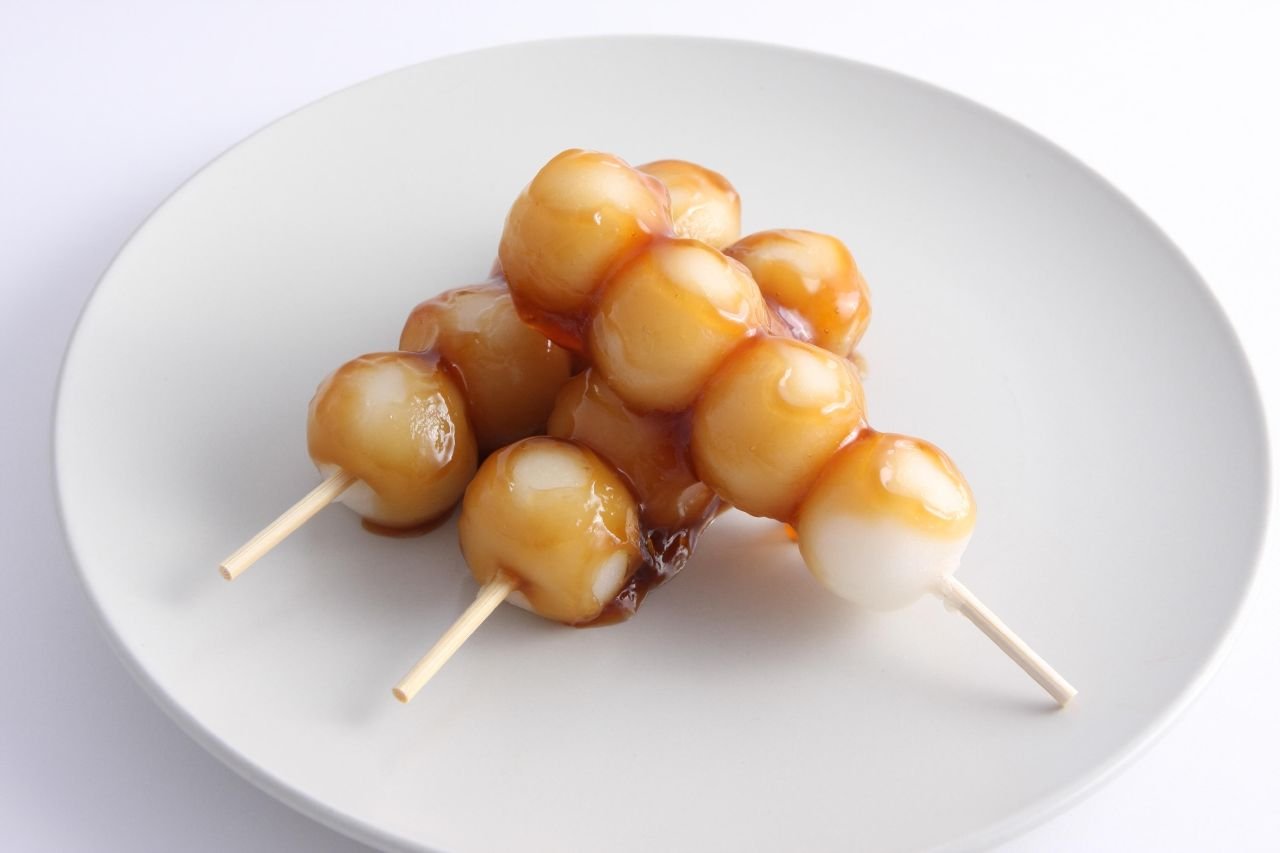
Takayama-style mitarashi dango — round rice dumplings on two skewers, coated in dark soy glaze, resting on a white plate 1
Mitarashi Dango — Takayama Style
みたらし団子 · Pure soy glaze, no sugar at all

Think of every mitarashi dango you've eaten before — most come drenched in a thick, sweet brown sauce. Takayama's version uses nothing but good soy sauce brushed on and grilled over charcoal. The result is savory, lightly smoky, and deeply simple. The outer skin of each dumpling is barely caramelized; inside, the rice is soft and chewy. Eat one fresh off the skewer while the vendor is still fanning the coals — that's when it's perfect. At ¥100–200 per stick, it's the best-value bite in the old town.
Where to find: Vendors throughout Sanmachi-suji · Yasugawa Street (Suzuran) · Miyagawa Morning Market
Price: ¥100–200 per skewer (3–5 dumplings)
Tip: Eat immediately — once they cool down the texture changes
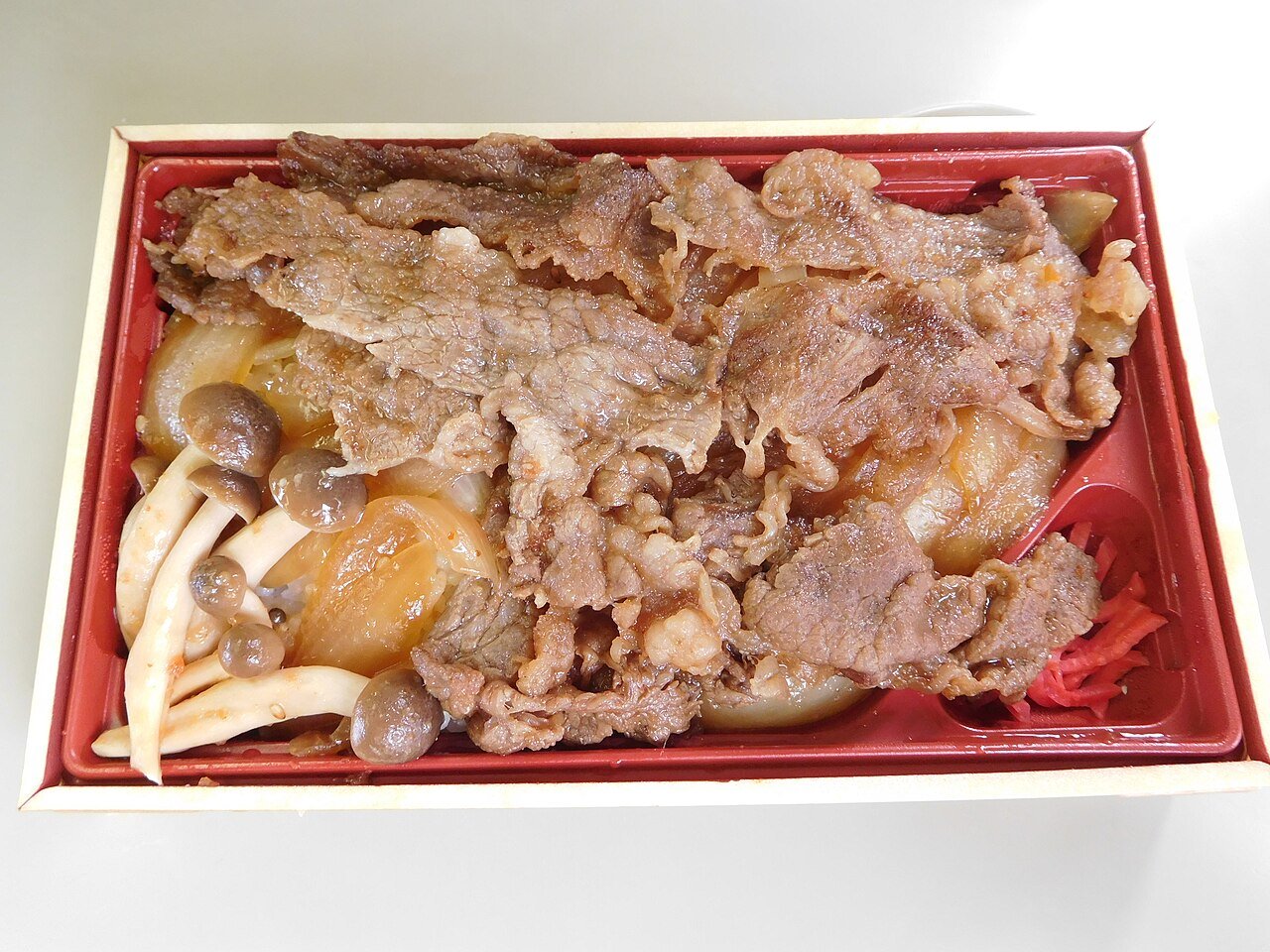
Hida wagyu beef thinly sliced and grilled with mushrooms and vegetables in a red lacquered bento box, showing prominent white marbling 2
Hida Beef (Hidagyu)
飛騨牛 · A5 wagyu from the Japan Alps highlands

Hida beef isn't the cheapest wagyu in Japan, but eating it in Takayama — where the cattle are raised and the product is certified — is a different experience from buying it at a department store in Tokyo. The intramuscular fat in Hida beef melts below 37°C, meaning it dissolves in the mouth before you've even chewed. Look for the official golden Hidagyu cattle seal on the stall sign before ordering. The easiest entry points are beef skewers grilled in front of you (¥600–800), Hida beef croquettes (¥200–350), or a small piece of Hida beef sushi (¥200–400). A full sit-down meal with rice and soup runs ¥1,500–4,000.
Where to find: Stalls throughout Sanmachi-suji · Jinya-mae Morning Market · Miyagawa Asaichi
Price: Skewer ¥600–800 · Croquette ¥200–350 · Set meal ¥1,500–4,000
Watch out: Imitation "Hida-style" beef exists — check for the certified golden cattle seal
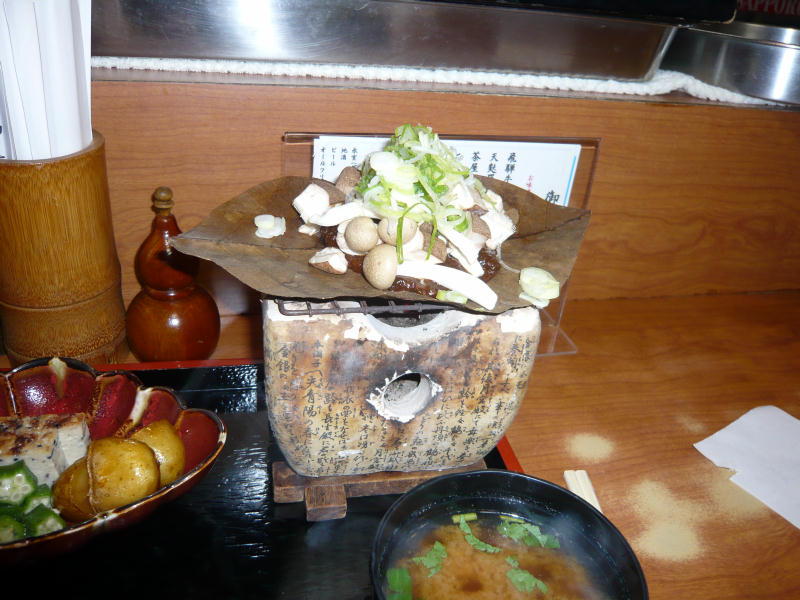
Hoba miso — miso paste with mushrooms, tofu, and spring onions cooking on a large dried magnolia leaf set over a small ceramic charcoal brazier at a restaurant table 3
Hoba Miso (Magnolia Leaf Miso)
朴葉味噌 · Miso grilled on a dried magnolia leaf

A hoba (朴葉) is a large dried magnolia leaf that Hida people have used as a natural cooking vessel for centuries — long before cast-iron pans were common in mountain villages. The leaf is soaked, laid over a small charcoal brazier, and miso is spread across it along with mushrooms, spring onions, and seasonal mountain vegetables. As the miso heats, the leaf imparts a faint woody fragrance that lifts the whole dish. Many restaurants add thin slices of Hida beef to cook in the miso — the fat renders and mingles with the fermented soy paste in a way that's impossible to replicate at home. This is a dish worth sitting with slowly.
Where to find: Suzuya (near Takayama Jinya · dinner) · Kajibashi Shokudo (near Kajibashi bridge · more casual)
Price: Vegetable set ¥1,200–1,800 · With Hida beef ¥2,500–3,500
Note: Don't eat all the way to the base of the leaf — the charred underside can taste bitter
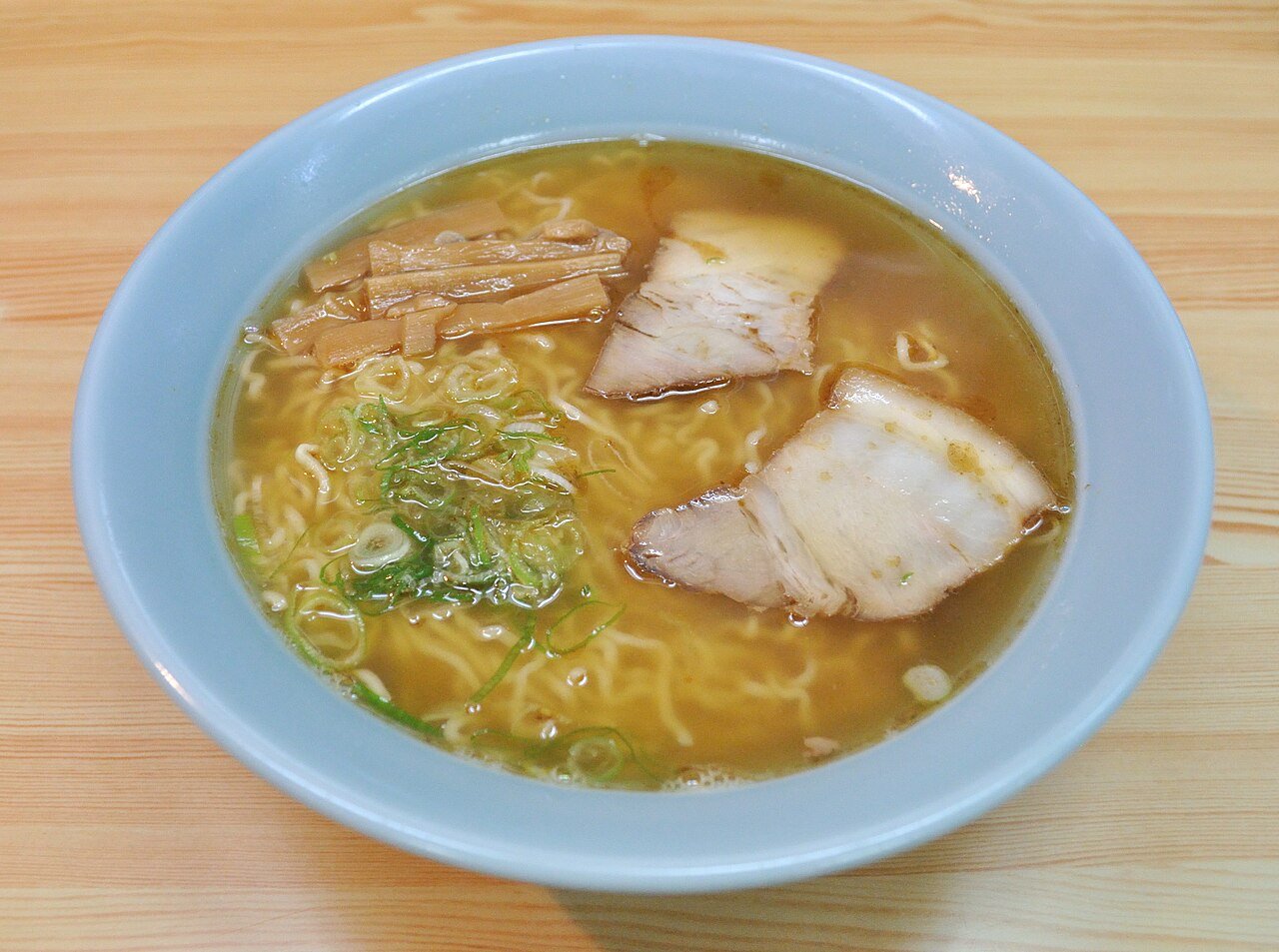
Takayama chuuka soba ramen — a bowl of clear amber soy-based broth with thin wavy noodles, two slices of chashu pork, menma bamboo shoots, and chopped spring onion 4
Takayama Ramen (Chuuka Soba)
高山ラーメン · Clear light soy broth, thin wavy noodles

Locals call it chuuka soba (中華そば) — a name that predates the word "ramen" in this part of Japan. The broth is a clear amber made from pork or chicken bones simmered with kombu seaweed and a careful hand of soy sauce, light enough to drink as soup without feeling heavy. Thin noodles, two pieces of chashu pork, menma bamboo shoots, and spring onion: that's the whole picture. No gimmicks. What makes it worth seeking out is the water — Hida mountain spring water gives the broth a clarity and cleanliness that you notice immediately if you've been eating heavier ramen styles elsewhere in Japan.

Where to find: Ebisu Soba (100+ years old, in Sanmachi) · Masutaya · Yamatake
Price: ¥800–1,200 per bowl
Time: Lunch only, 11:00–14:00 — some shops sell out early during peak season
🍡5
Gohei Mochi
五平餅 · Grilled rice skewer with walnut-miso sauce

Gohei mochi is one of Hida's oldest street foods — coarsely pounded rice formed into a flat oval, pressed onto a skewer, grilled over charcoal until the outside crisps slightly, then coated in a sweet-savory sauce made from walnut paste and miso. The smell of the sauce caramelizing on the grill drifts down Sanmachi-suji from some distance away. The rice is slightly chewy, the outer layer has a gentle crunch, and the walnut miso sauce is rich without being cloying. It's a perfect mid-afternoon snack between sake breweries. At Suzuran on Yasugawa Street, a piece costs ¥400.
Where to find: Suzuran on Yasugawa Street (¥400) · street stalls in Sanmachi-suji · morning markets
Price: ¥200–400 per piece
Note: Hida's walnut-miso version differs from the sesame-paste style common around Nagoya — try both if you can
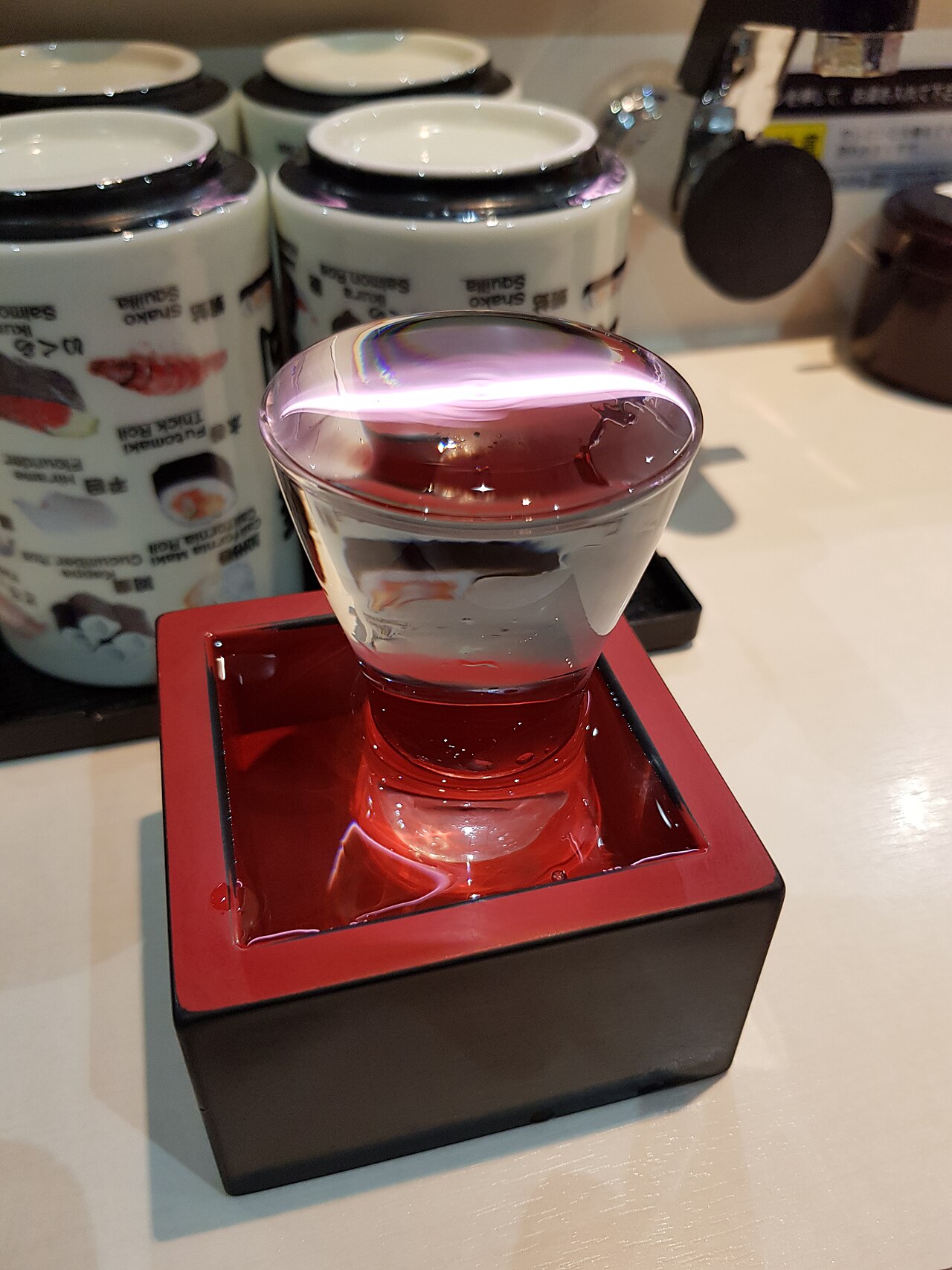
Japanese sake in a clear glass set inside a red lacquered masu wooden box, sake overflowing into the box — a traditional Japanese sake service style 6
Hida Sake
飛騨の酒 · Six surviving Edo-era breweries in Sanmachi

Takayama once had over 60 sake breweries. Six remain — and all six are still in the historic Sanmachi-suji district, some in buildings that are 200–400 years old. Hida sake tends toward the light, fragrant end of the spectrum. The cold mountain climate means fermentation is slow and deliberate, producing more ginjo ester (the fruity, floral compound) than warmer-region sake. None of the six breweries requires a reservation — just walk in, look for the tasting sign, and start from the driest style and work toward the sweeter. Buy a small 180ml bottle (¥600–1,200) to take home if you find one you like.
Recommended breweries: Funasaka Shuzo (船坂酒造所) · Harada Sake Brewery (原田酒造場) · Hirase Shuzo (平瀬酒造店)
Price: Some free tastings · ¥500 for 3-pour flight at Funasaka · ¥500 / 30-min self-pour at Hirase (~30 bottles)
Hours: Most open 09:00–17:00 · check individual closing days
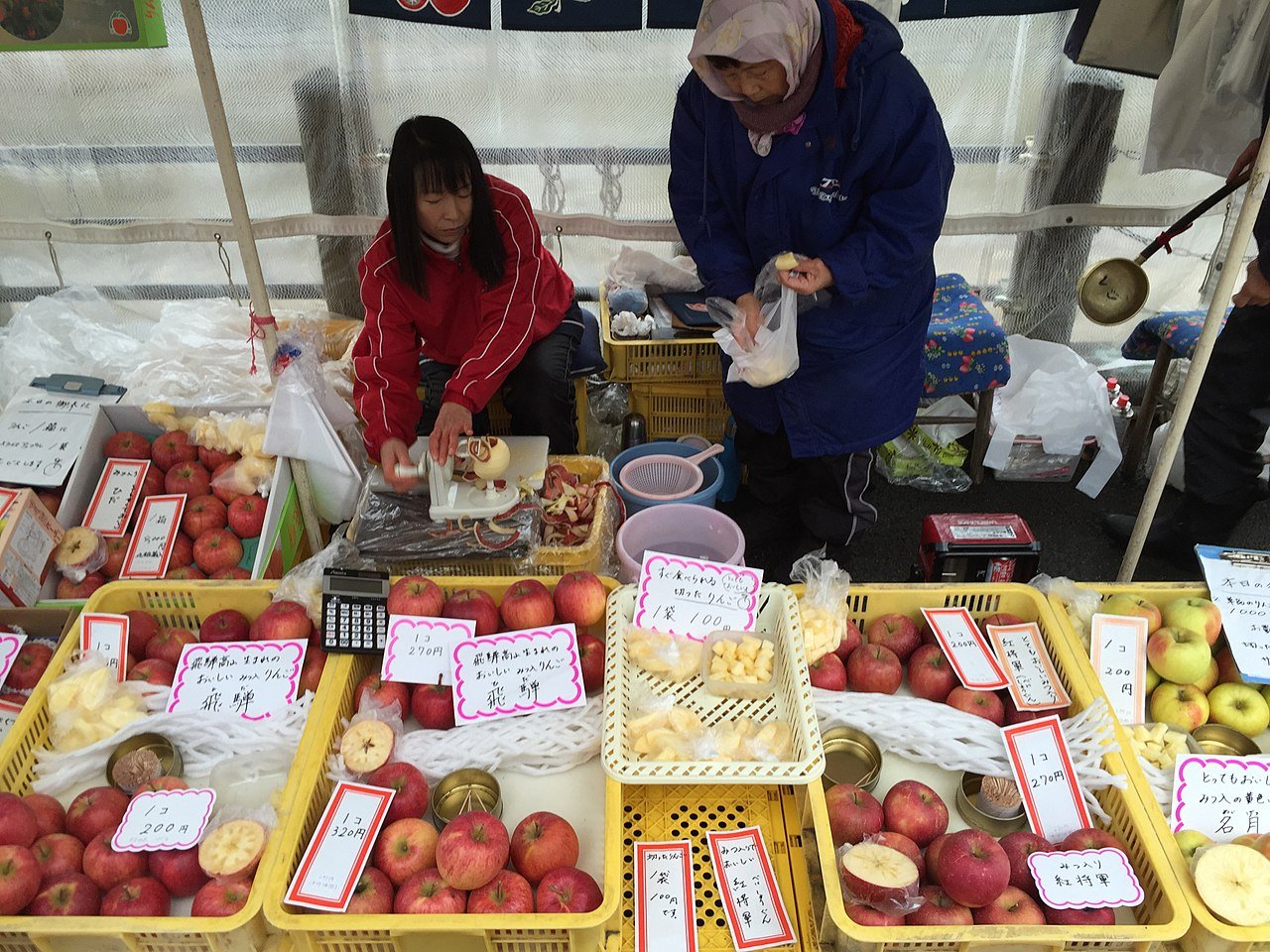
Miyagawa Morning Market — two women vendors selling fresh apples and fruit from yellow baskets under a white tent, price tags in Japanese 7
Miyagawa Morning Market (Asaichi)
宮川朝市 · Riverside farmers market, open every morning

This market has run for over 300 years, and only actual farmers — not wholesale merchants — are permitted to set up stalls. What that means in practice: the older woman selling pickled turnips made them at home. The apples in the yellow crate came off a tree two days ago. About 60 stalls stretch along 350 metres of the Miyagawa River, selling fresh vegetables, Hida apples, homemade miso and pickles, mountain honey, local crafts, and street snacks like dango and Hida beef croquettes. The morning light on the river and the cool mountain air make this one of the most pleasant ways to start any day in Japan.

Location: Along the Miyagawa River · approx. 10-minute walk east of Takayama Station
Hours: 07:00–12:00 daily (08:00 Dec–Mar)
Tip: Arrive before 09:00 for the freshest produce and fewest visitors
One-Day Eating Plan

Follow This Route — Morning to Evening

Everything on this list is walkable from Takayama old town. No car, no bus required.

07:00–09:00
Miyagawa Market + Jinya-mae Market

Start at Miyagawa, the larger of the two morning markets — pick up a hot mitarashi dango skewer and a cup of warm green tea or mountain honey lemon from a nearby stall. Walk the 350-metre length at a slow pace, stopping to look at the pickles and Hida apples. Then cross the river to the Jinya-mae market for a smaller, more intimate atmosphere — and a Hida beef croquette from a farmer who made the filling themselves. Budget: ¥300–600

09:00–11:00
Sanmachi-suji Walk — Gohei Mochi + Hida Beef Skewers + Sake Brewery

Enter Sanmachi-suji while the crowds are still thin. Find gohei mochi from a charcoal-grill vendor for breakfast — one piece is enough to carry you. If you're hungrier, add a Hida beef skewer grilled fresh while you watch. Pop into Funasaka Shuzo or Harada Sake Brewery for a morning tasting; the staff there tend to be relaxed and informative at this hour. Budget: ¥1,000–2,000

11:30–13:00
Lunch — Takayama Ramen

Chuuka soba is the perfect Takayama lunch: light enough not to slow you down for the afternoon, satisfying enough to keep you walking until dinner. Ebisu Soba in Sanmachi has been making this recipe for over a century. Masutaya is a good alternative with shorter queues on weekdays. Eat at the counter if seats are available — you can watch the kitchen. Budget: ¥800–1,200

14:00–16:00
Afternoon Snack — Dango + More Sake Tasting

The afternoon is a good time for a second sake brewery — Hirase Shuzo's 30-minute self-pour at ¥500 is worth stopping for if you want to compare many styles at once. Follow it with one more mitarashi dango skewer from a street vendor to end the savory-sweet palate contrast. Walk at a slower pace through the back streets of Sanmachi, where the timber lattice facades are quieter and photogenic. Budget: ¥700–1,200

18:00–20:00
Dinner — Hoba Miso at Suzuya

End the day at Suzuya with hoba miso — the restaurant lights a small charcoal brazier at your table and sets a dried magnolia leaf on top with miso, mushrooms, and spring onion already arranged. Order the version with Hida beef if the budget allows: the thin slices of A5 wagyu cook in the miso paste in about two minutes. Eat with Hida white rice, miso soup, and pickles on the side. This is the meal you'll describe to people when you get home. Budget: ¥1,800–3,500

Food Neighbourhoods

Where to Go for Each Style

Takayama is small enough to walk entirely — but knowing what each area specialises in helps you plan.

Sanmachi-suji (三町筋)
THE OLD TOWN · Three Edo-period streets

The heart of eating-while-walking Takayama. Dango vendors, gohei mochi grills, and Hida beef stalls line the three main streets. Funasaka and Harada sake breweries are within a five-minute walk of each other. Most stalls close by 16:00–17:00, so do this stretch before late afternoon.

Best for: Street food · sake · souvenirs · Hours: 09:00–16:00
Miyagawa Morning Market
宮川朝市 · Along the Miyagawa River

The more lively of the two morning markets, stretching 350 metres along the riverbank. Sells fresh produce, pickles, homemade miso, Hida apples, mountain honey, crafts, and morning snacks. Closes at noon every day — arrive before 09:00 for best selection.

Best for: Fresh vegetables · pickles · morning snacks · Hours: 07:00–12:00
Jinya-mae Market
陣屋前 · In front of Takayama Jinya

Smaller and more intimate than Miyagawa — this is where the actual farmers come directly from their plots. The atmosphere is quieter and the conversations more personal. Good for buying homemade pickles and seasonal mountain vegetables to eat on the spot.

Best for: Authentic farmer stalls · raw vegetables · Hours: 07:00–12:00
Yasugawa Street (安川通り)
Near Yasugawa Bridge

A shopping street between Sanmachi and the station with local shops including Suzuran, which sells both mitarashi dango and gohei mochi under one roof. Good for finishing with food souvenirs before catching your train back to Nagoya.

Best for: Dango · gohei mochi · food souvenirs · Hours: 09:00–18:00
Where to Eat

Restaurants Worth Seeking Out

Places that repeat visitors and local residents recommend without hesitation.

1
Suzuya (すずや)
Traditional Hida restaurant · near Takayama Jinya

If you can only eat one sit-down meal in Takayama, most experienced visitors point here. Suzuya lights a charcoal brazier at every table and sets hoba miso with seasonal vegetables on top — the whole process of cooking unfolds in front of you as you eat. The Hida beef version adds thin A5 slices to cook in the miso paste. Rice is local Hida grain, pickles are made in-house, and the pacing is unhurried. Book ahead during the April or October festival weeks.

Address: Near Takayama Jinya (Government House), Sanmachi area
Hours: 11:00–14:00 / 17:00–21:00 · Price: ¥1,800–3,500 per person · cash and most cards
2
Funasaka Shuzo (船坂酒造所)
Nearly 200-year-old sake brewery · Sanmachi-suji

Funasaka sits on the corner of an old-town lane with a stream running alongside the building — the two-storey timber structure has barely changed in two centuries. The tasting room is open to walk-ins; some styles are free to try, and a tasting flight of 3 pours runs ¥500. The brewery's sake tends toward light and floral, well suited to pair with the richer flavors of Hida food. Small 180ml bottles (¥600–1,200) make thoughtful souvenirs.

Address: Sanmachi-suji, along the stream
Hours: 09:00–17:00 · Price: Some free tastings · ¥500 / 3-pour flight
3
Hirase Shuzo (平瀬酒造店)
Oldest sake brewery in Takayama, approx. 400 years · Sake: Kusudama

The oldest operating brewery in Takayama and arguably the best value for a serious sake tasting experience: ¥500 buys 30 minutes of self-pour access to around 30 different bottles. The signature sake Kusudama is brewed from local Hida rice and mountain spring water, producing a clean, gently fragrant daiginjo style. Staff are knowledgeable and patient even with visitors new to sake — a good first stop if you've never done a tasting before.

Address: Sanmachi-suji (inner lane)
Hours: 09:00–17:00 · Price: ¥500 for 30-minute self-pour (~30 bottles)
4
Teuchisoba Ebisu (えびす)
Over 100 years old · Sanmachi-suji · Takayama ramen and soba

One of the oldest shops still serving chuuka soba (Takayama-style ramen) in the city, in a dark-timbered building inside the historic preservation district. The recipe is unchanged: clear amber broth, thin wavy noodles, two slices of chashu, menma, and spring onion. A set with tempura and soba noodles runs ¥1,700 — good value for a meal that anchors you to what Takayama was eating a century ago. Lunch only; arrive before 13:00 during high season or you may find it full.

Address: Sanmachi-suji (dark timber building)
Hours: 11:00–14:00 (lunch only) · Price: ¥800–1,700 depending on set
Frequently Asked Questions

FAQ · Before You Eat Your Way Through Takayama

How much does Hida beef cost in Takayama?
Street-food Hida beef in Sanmachi-suji runs ¥600–800 per grilled skewer, ¥200–350 for a croquette, and ¥200–400 per piece of Hida beef sushi. A proper sit-down set meal with rice and miso soup costs ¥1,500–4,000 per person. Always look for the official golden Hidagyu cattle seal — imitations exist in the tourist strip.
How is Takayama's mitarashi dango different from elsewhere in Japan?
Takayama's mitarashi dango uses pure soy sauce with no sugar added — a savory-only glaze quite unlike the sweet thick sauce found on most mitarashi dango across Japan. Vendors brush soy sauce on the skewered rice dumplings and grill over charcoal, producing a faint smoky aroma. Price is ¥100–200 per skewer (3–5 dumplings). Eat immediately while hot.
Where can I eat hoba miso in Takayama?
Suzuya, near Takayama Jinya, is the most recommended spot — sets from ¥1,800, Hida beef version at ¥2,500–3,500. Kajibashi Shokudo by the bridge is more casual at ¥1,200–1,800. Most traditional ryokan in Takayama also serve hoba miso as part of their kaiseki evening meal, which is worth experiencing if you're staying the night.
What time does Miyagawa Morning Market open, and what is sold?
Miyagawa Asaichi is open 07:00–12:00 every day (08:00 from December to March). About 60 stalls line 350 metres along the Miyagawa River, selling fresh vegetables and fruit from local farmers, homemade pickles, miso, mountain honey, craft goods, and morning snacks like dango and Hida beef croquettes. Arrive before 09:00 for the best selection and fewest crowds.
Which sake brewery in Takayama is best for tasting on a budget?
Harada Sake Brewery in Sanmachi lets you buy a cup and sample multiple types at minimal cost. Funasaka Shuzo offers a tasting flight of 3 pours for ¥500. Hirase Shuzo charges ¥500 for a 30-minute self-pour session from around 30 bottles — the best deal if you want to compare many styles of Hida sake in one visit.
Klook · Takayama Tours

Takayama + Shirakawa-go — Day Trip from Nagoya

Guided coach day trips take you through Takayama's Sanmachi old town and on to the UNESCO-listed thatched village of Shirakawa-go — all within one day from Nagoya. Includes local lunch and a guide who explains the history behind what you're eating.

Find Takayama Tours on Klook →
Wherebest is an affiliate partner of Klook — we may earn a commission if you book through this link, at no extra cost to you.