Home Takayama Japan Gifu Prefecture About
Home  ›  Asia  ›  Japan  ›  Takayama  ›  Attractions
🇯🇵 Takayama Attractions · 2026

What to Do in Takayama:
Old Town, Morning Markets, Mountain Views

A mountain town that held onto its Edo-era soul while the rest of Japan raced into modernity — dark timber merchant streets, sake breweries where cedar balls still mark the new vintage, and the Northern Alps right on the doorstep.

Why come here

The town where the Edo era never ended

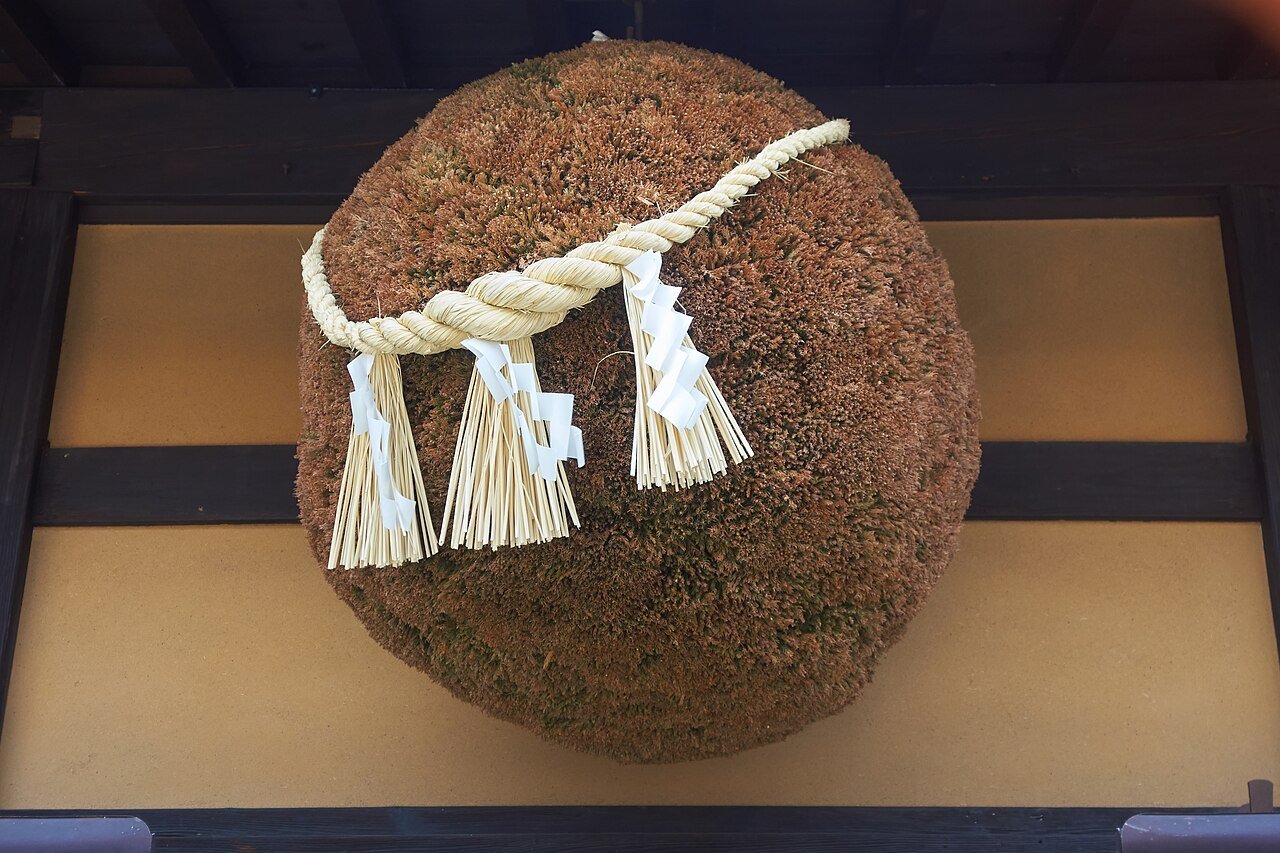
Here is what catches most visitors off guard: Sanmachi Suji looks too good to be real. Rows of dark timber townhouses, latticed windows, narrow water channels running alongside the pavement — the streets that Takayama's carpenters built for feudal lords four centuries ago have barely changed. The sake breweries hang cedar balls (sugidama) outside their doors, bright green when the new batch is fresh and slowly turning brown as the sake matures, a living calendar no digital sign could replicate.

The town sits at 573 m above sea level, wrapped by the Northern Alps. That altitude gives it cherry blossoms two weeks later than Tokyo, the heaviest snowfall in central Japan, and autumn colours that local photographers drive hours to catch. We have chosen 10 sights that together tell the full Takayama story — from the preserved old quarter to the gondola that lifts you above the treeline at 2,156 m.

Top sights

10 Takayama attractions worth your time

Ordered to match a natural one-to-two-day walking flow
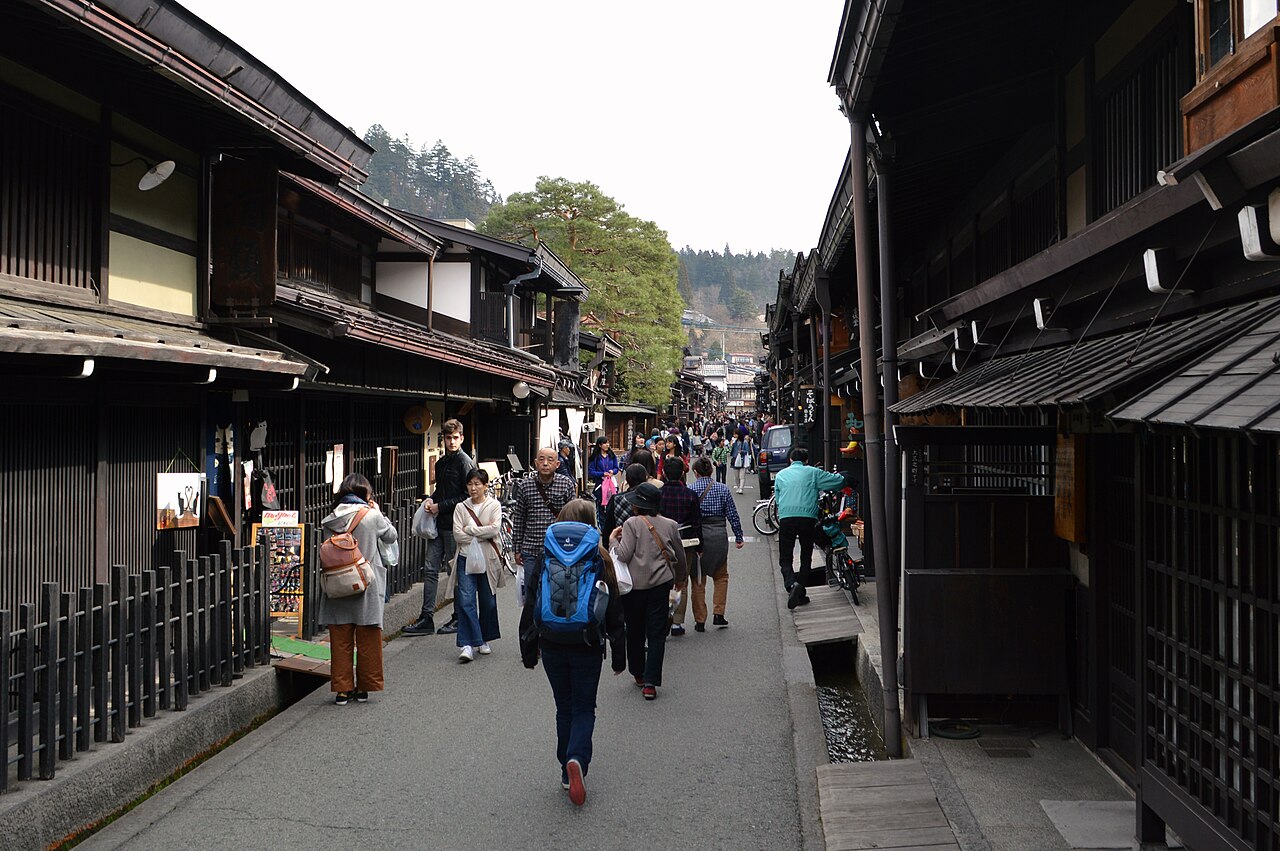
Sanmachi Suji old town, Takayama — visitors strolling between preserved Edo-era timber merchant buildings on a cloudy spring day 1
Sanmachi Suji (三之町筋)
EDO OLD TOWN · THE HEART OF TAKAYAMA

Three interconnected streets — Kamiichino-machi, Kaminino-machi and Kamisanno-machi — make up the district that locals call "Little Kyoto of the Hida region." Dark timber facades, lattice windows, shallow drainage channels and sake breweries with hanging cedar balls: this is the Edo period in working order, not a theme park. The streets are a public thoroughfare with no admission charge; individual shops, breweries and small museums open around 09:00 and close by 17:00.
Best time: Early morning 08:00–10:00 before tour groups arrive, or late afternoon around 16:00 for warm low light
Getting there: 10-minute walk from JR Takayama Station
Cost: Free to walk · shops open roughly 09:00–17:00
Honest caveat: Festival weekends (April 14–15 and October 9–10) pack these streets shoulder-to-shoulder. If atmosphere matters more than spectacle, pick a weekday.
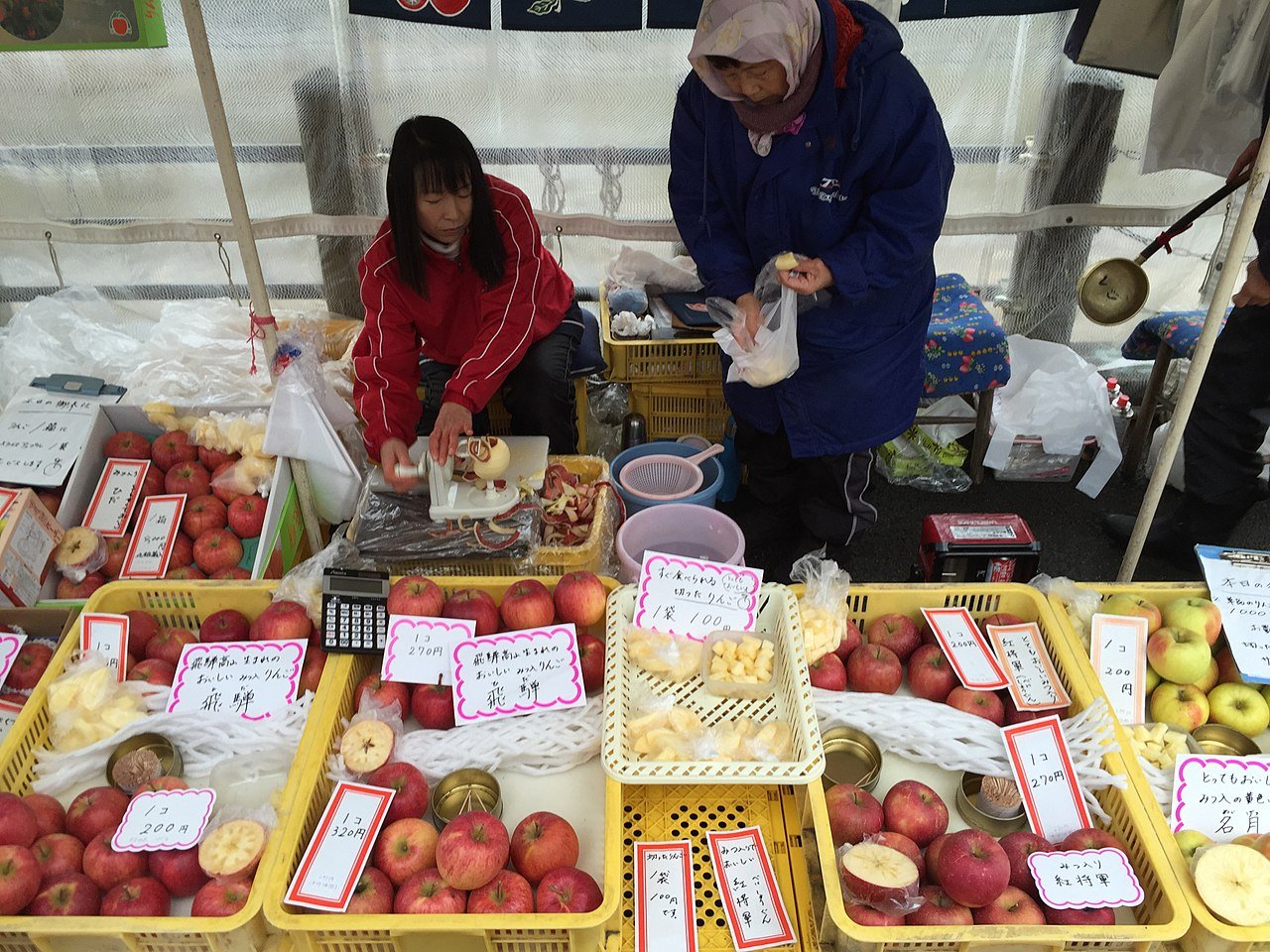
Miyagawa Morning Market, Takayama — local vendors selling fresh apples and produce at a riverside farmers market stall 2
Miyagawa Morning Market (宮川朝市)
RIVERSIDE FARMERS MARKET · DAILY FROM 07:00

Every morning along a 300-metre stretch of the Miyagawa River, 30 to 40 stalls sell freshly harvested apples, mountain vegetables, pickled miso, hand-sewn crafts and cedar-wood trinkets. The sellers are mostly local farmers and artisans — the elderly women in aprons behind the apple stalls have likely been here for decades. Come by 07:30 if you want to see the market at its freshest and least crowded.
Hours: Daily 07:00–12:00 (Apr–Oct) · 08:00–12:00 (Nov–Mar) · Closed Dec 29 – Jan 3
Getting there: 12-minute walk from Takayama Station · 5 minutes from Sanmachi Suji
Note: Most stalls are cash only — bring yen
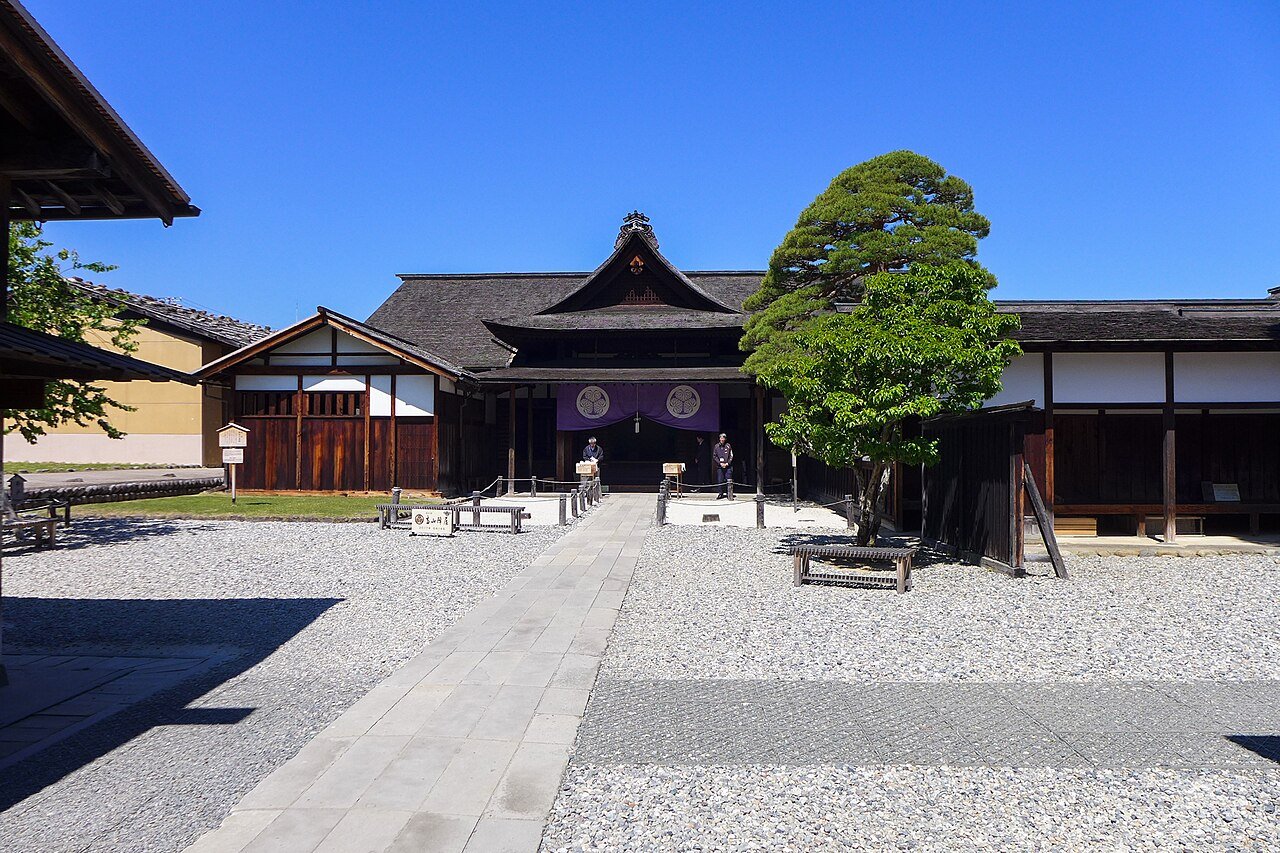
Takayama Jinya government office — dark timber main hall with white-circle crest, raked gravel courtyard, large pine tree against a clear blue sky 3
Takayama Jinya (高山陣屋)
JAPAN'S ONLY INTACT EDO GOVERNMENT OFFICE · BUILT 1615

This is genuinely unique: Takayama Jinya is the only Edo-era government office building that survives intact anywhere in Japan. From 1615 to the Meiji Restoration in 1868, it served as the residence of the Tokugawa shogunate's regional governor — handling tax collection, judicial hearings and rice-warehouse records for the Hida region. Walk through rooms where the floorboards are worn smooth by two centuries of wooden sandals, past the interrogation chamber with its bamboo floor-mats and wooden clamps, and into the governor's private quarters overlooking a raked gravel garden.
Hours: 08:45–17:00 (Mar–Oct) · 08:45–16:30 (Nov–Feb)
Admission: ¥500 adults (~US$3.40) · Free for under-18s (from April 2024)
Getting there: 8-minute walk from Takayama Station · adjacent to Jinya-mae Morning Market
Good to know: Jinya-mae Morning Market runs directly in front of the building, same hours as Miyagawa. Combine both in one morning loop.
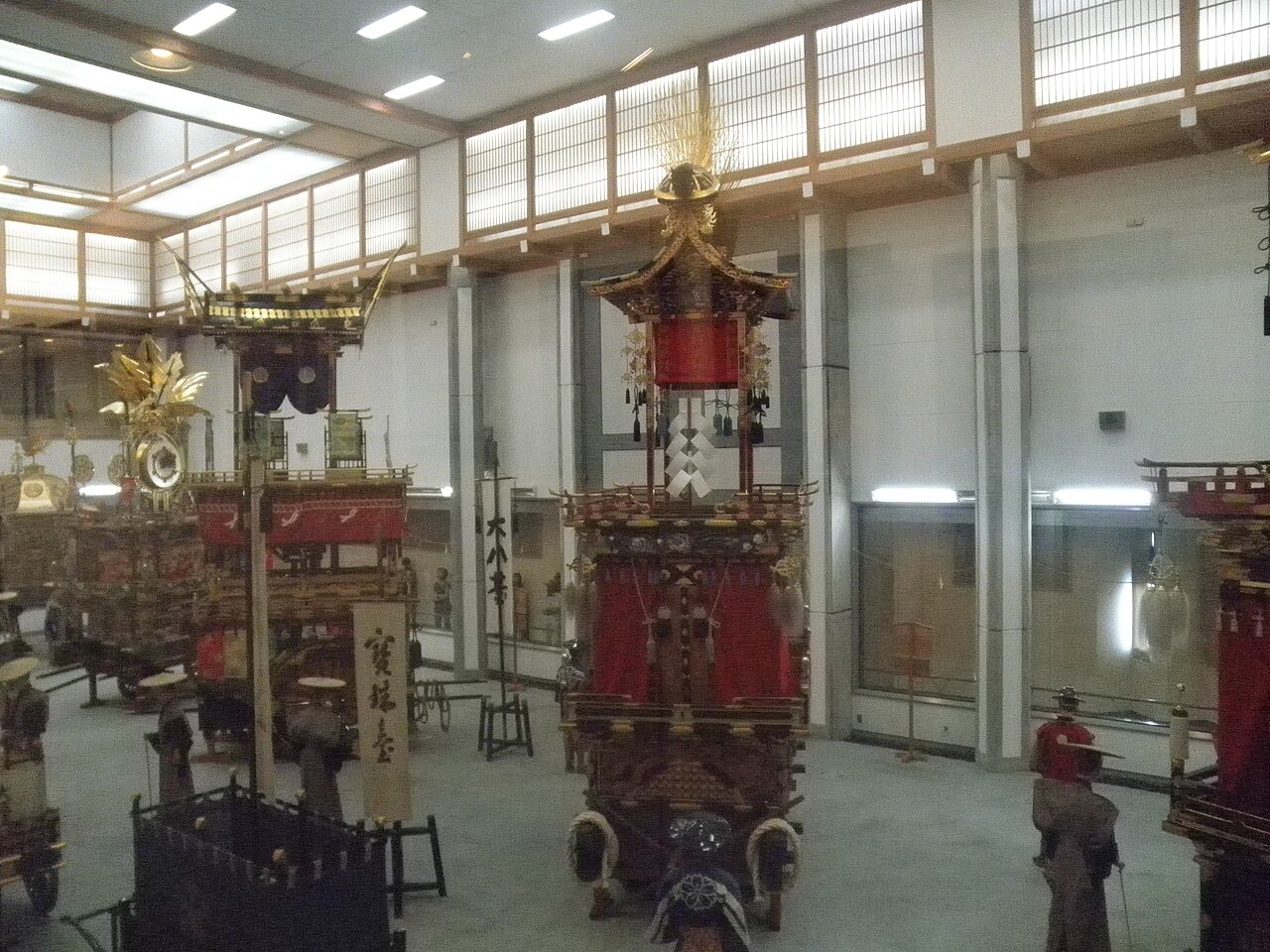
Takayama Festival float (yatai) — towering gold and red lacquered float used in the Takayama Matsuri, one of Japan's three most beautiful festivals 4
Yatai Kaikan Festival Float Hall (屋台会館)
FESTIVAL FLOATS ON YEAR-ROUND DISPLAY · KARAKURI PUPPET SHOWS

The Takayama Matsuri runs just two weekends a year (April 14–15 and October 9–10), but the Yatai Kaikan lets you see the festival floats — two- to three-storey gilded yatai lacquered in red and black, adorned with intricate carvings and silk tapestries — year-round. Four floats rotate on display from a total of 11 spring floats and 23 autumn floats. Four times daily (10:00, 11:00, 14:00, 15:00) there are 10-minute karakuri puppet shows in which mechanical figures on the floats perform scenes from Japanese mythology, operated entirely by silk strings and wooden cams.
Hours: 09:00–17:00 (Mar–Nov) · 09:00–16:30 (Dec–Feb)
Admission: ¥1,000 adults · ¥600 high school · ¥500 children (~US$7/4/3.40)
Getting there: 8-minute walk from Takayama Station · near Sakurayama Hachimangu Shrine
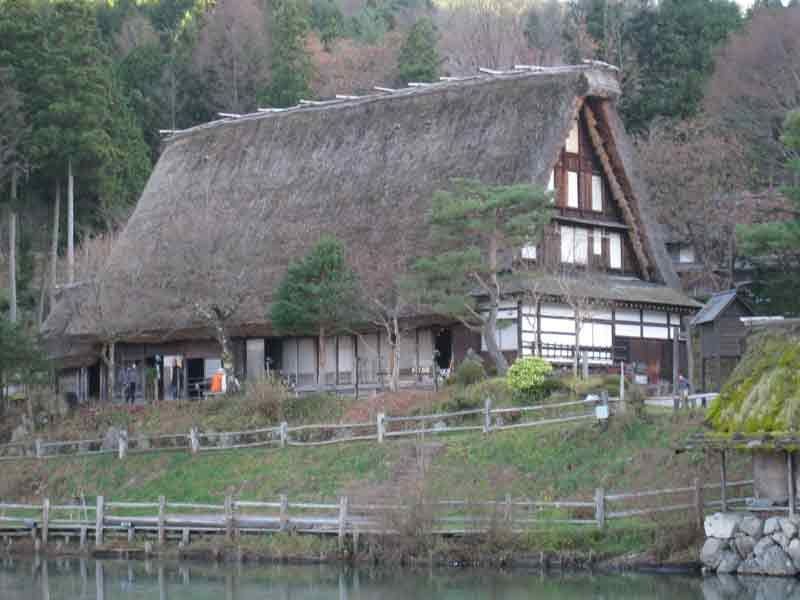
Hida Folk Village (Hida no Sato) — a gassho-zukuri thatched farmhouse reflected in a pond, surrounded by forested hills, Gifu Prefecture 5
Hida Folk Village — Hida no Sato (飛騨の里)
OPEN-AIR MUSEUM · 30+ GASSHO FARMHOUSES

Shirakawa-go is not the only place to see gassho-zukuri farmhouses — the steep-pitched, thatch-roofed structures built without a single nail, designed to shed heavy snow loads. Hida Folk Village has reassembled more than 30 traditional buildings from across the Hida region on a hillside site surrounding a peaceful pond. Several farmhouses are open inside, revealing the multi-storey structural timber that was also used for silkworm cultivation. The setting changes completely with each season: cherry blossoms in April, deep green in summer, red maples in October, snow-covered roofs in January.
Hours: 08:30–17:00 daily (some closures in December — check ahead)
Admission: ¥700 adults (~US$4.80) · Free under 6
Getting there: Sarubobo Community Bus from Takayama Station ~10 min (¥210) or taxi ~10 min
Winter tip: January and February bring the most dramatic snow-covered roofs, but temperatures can drop below -10°C. Dress very warmly.
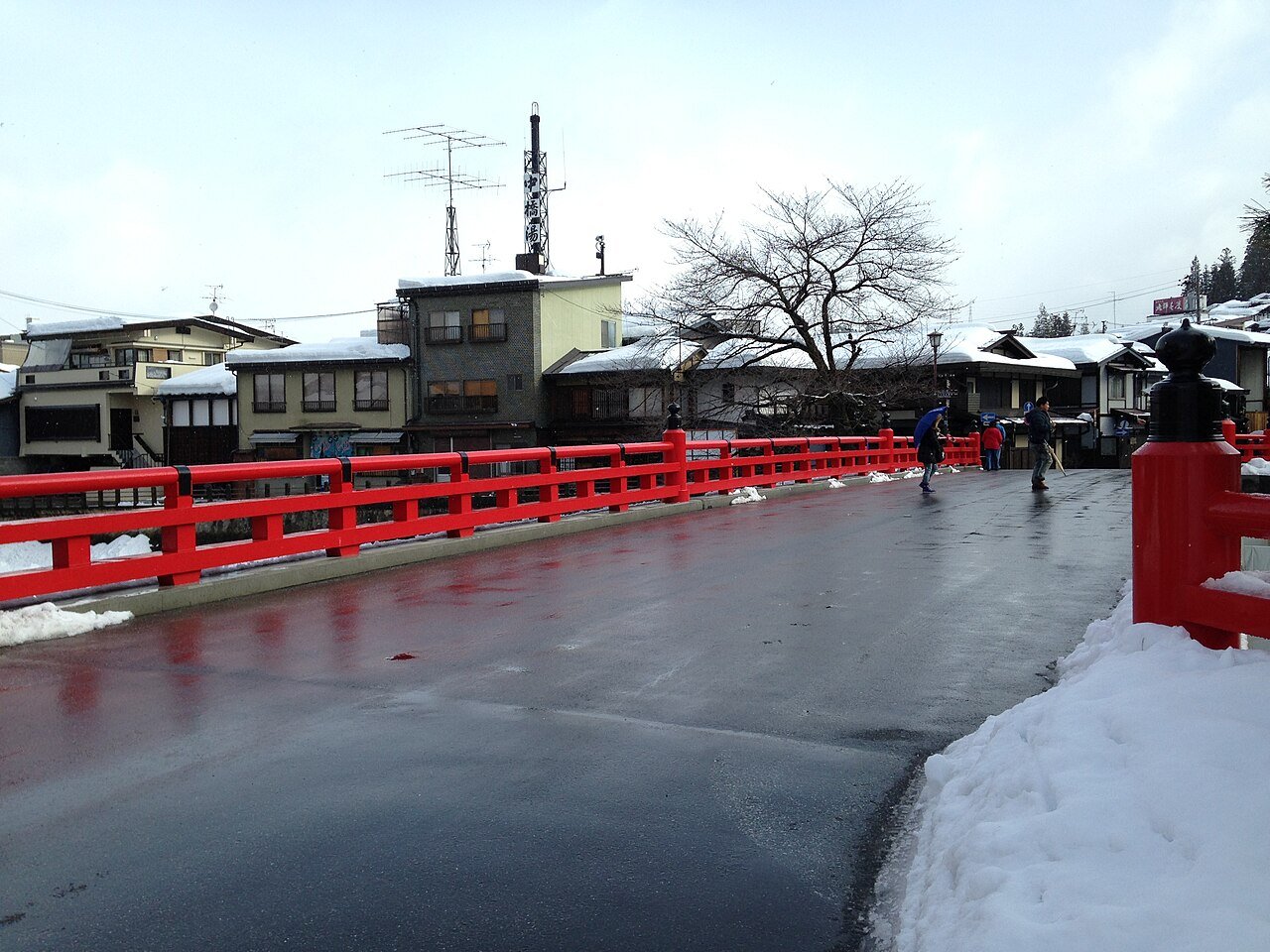
Nakabashi Bridge, Takayama — bright red guardrails over the Miyagawa River in winter, snow covering the banks and rooftops 6
Nakabashi Bridge (中橋)
TAKAYAMA'S ICONIC RED BRIDGE · FREE, OPEN ALL HOURS

Ask someone to picture Takayama and this is probably what they see: a vermillion-painted bridge with the Miyagawa River below. The contrast changes beautifully with every season — pale pink cherry blossoms framing the red bridge in April, golden maple leaves in October, and pure white snow in January. It costs nothing to cross and it is never closed. One bank leads directly to the Miyagawa Morning Market; the other connects to the old town. It takes about three minutes to walk across and is worth stopping on for a few minutes regardless of season.
Best time: Early morning for mist on the river, or dusk for warm amber light
Getting there: 8-minute walk from Takayama Station · Miyagawa Morning Market is immediately to the south
Cost: Free · open 24 hours
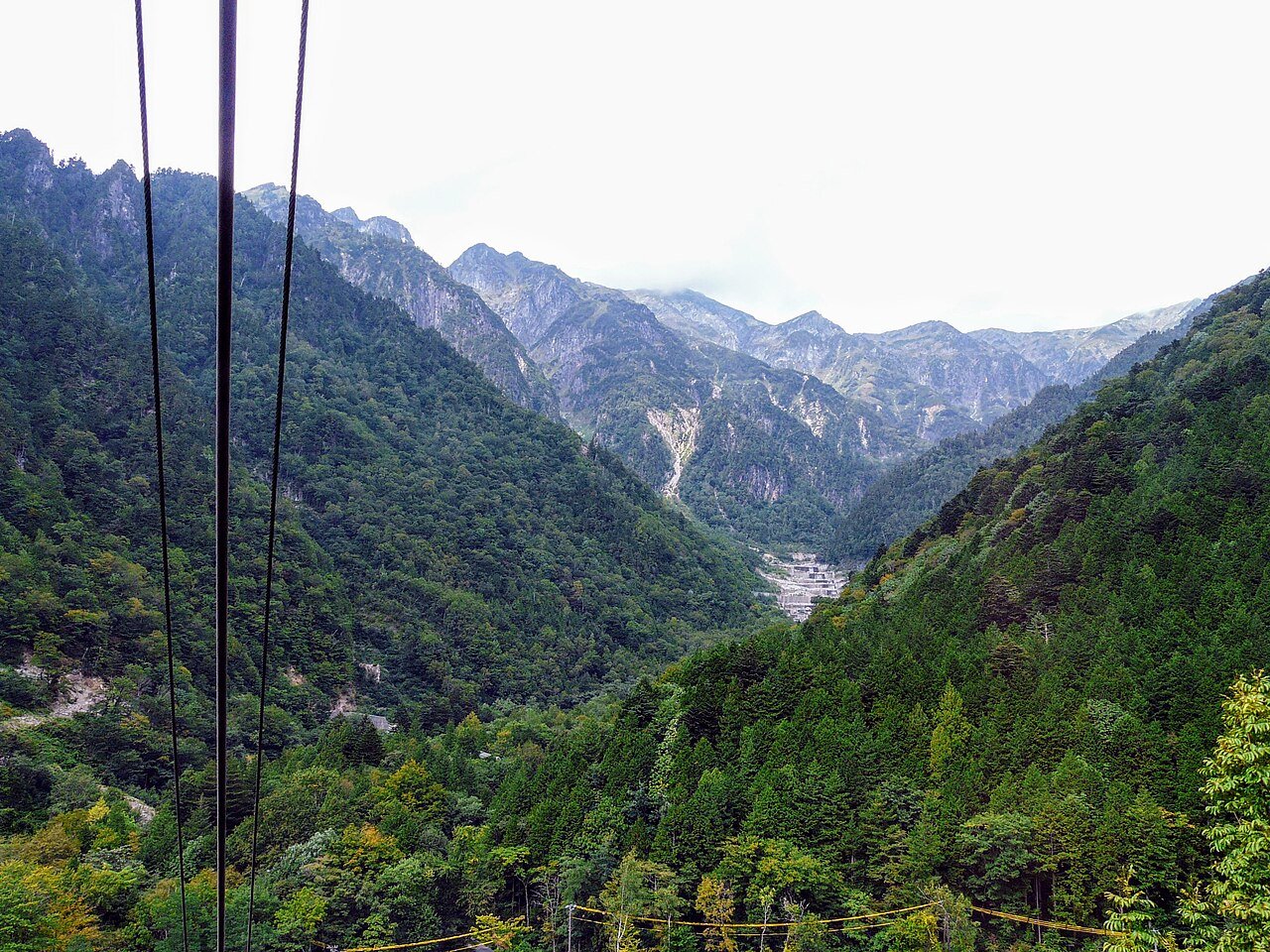
Shinhotaka Ropeway, Takayama — view from the cable car looking out over forested Northern Alps valleys with mountain peaks disappearing into clouds 7
Shinhotaka Ropeway (新穂高ロープウェイ)
JAPAN'S FIRST DOUBLE-DECKER GONDOLA · 2,156 M SUMMIT

Japan's first double-decker cable car opened in 1970 and still draws visitors who want to stand at eye level with the Northern Japan Alps. The ropeway runs in two sections: Shin-Hotaka Onsen up to Nabedaira Kogen, then a second gondola lifting you to Nishihotaka-guchi at 2,156 m. On a clear day the panorama takes in peaks over 3,000 m — Yariga-take, Hotaka-dake and the ridgeline of the Hida Mountains. There is a short nature walk at the top and a mountain restaurant if you want to stay a while before heading back down.
Hours: 08:30–16:45 (Apr–Nov) · 09:00–16:15 (Dec–Mar) · check for maintenance closures
Tickets: ¥3,800 round trip (~US$26) · ¥2,400 one way · book ahead on Klook
Getting there: Nohi Bus from Takayama Station ~90 min (¥2,100 one way) to Shin-Hotaka
Packing note: Even in midsummer the summit is 10–15°C cooler than Takayama town. Bring a light jacket regardless of the season.
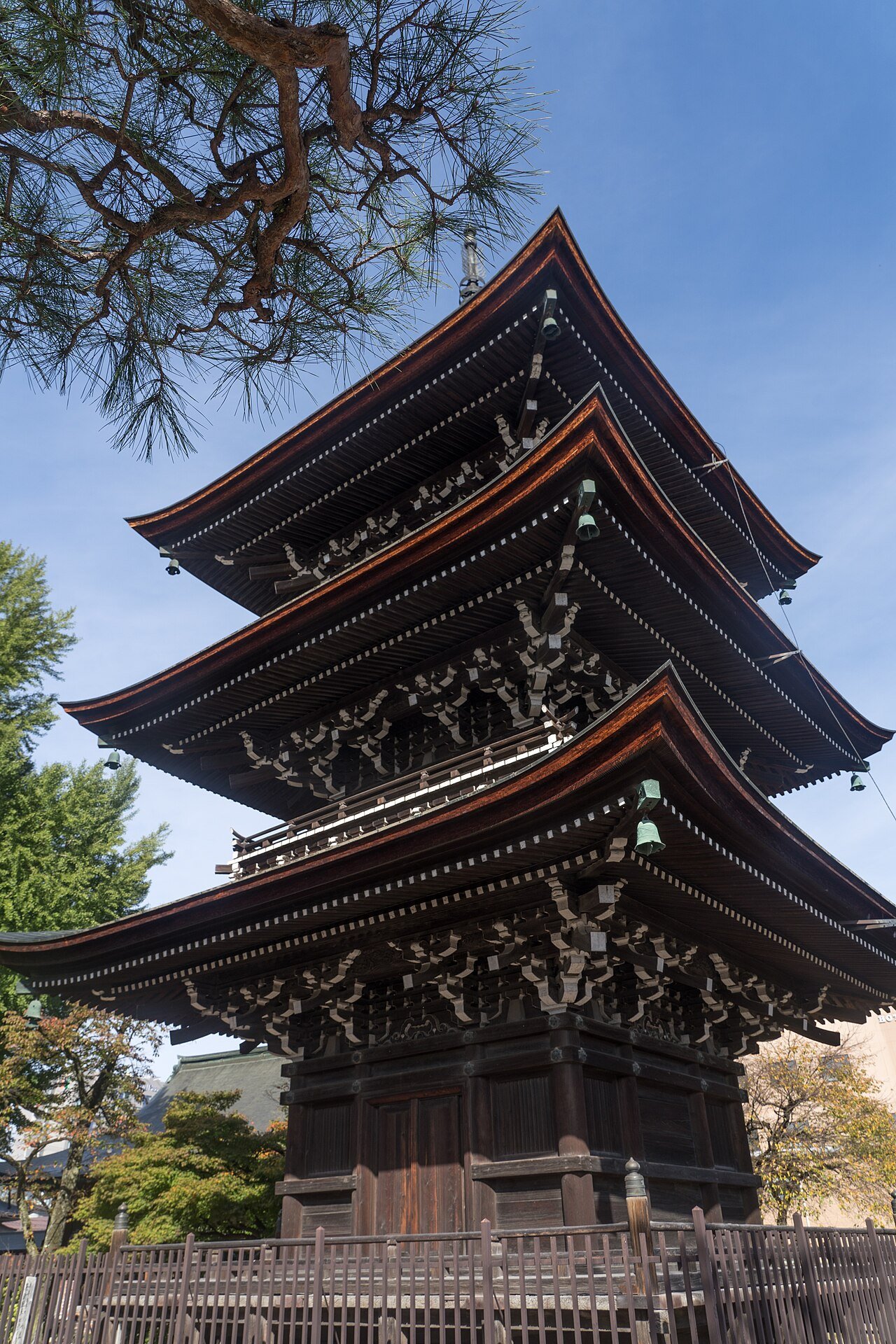
Hida Kokubunji Temple, Takayama — three-storey dark timber pagoda rising above pine branches against a clear blue sky 8
Hida Kokubunji Temple (飛騨国分寺)
THREE-STOREY PAGODA · 1,200-YEAR-OLD TEMPLE

Walking distance from Takayama Station and often overlooked in favour of the old town, Hida Kokubunji was founded in 746 on the orders of Emperor Shomu, who commanded that a state temple be built in every province of Japan. The three-storey pagoda standing in the courtyard dates from the 15th century and is a nationally designated Important Cultural Property. In the same courtyard stands a ginkgo tree that is more than 1,200 years old — a living thread connecting today's visitors to the temple's founding. In autumn the tree turns a brilliant shade of gold.
Hours: 09:00–16:00 daily
Admission: ¥300 for the museum (~US$2) · temple grounds free
Getting there: 5-minute walk from Takayama Station — the closest major sight to the station
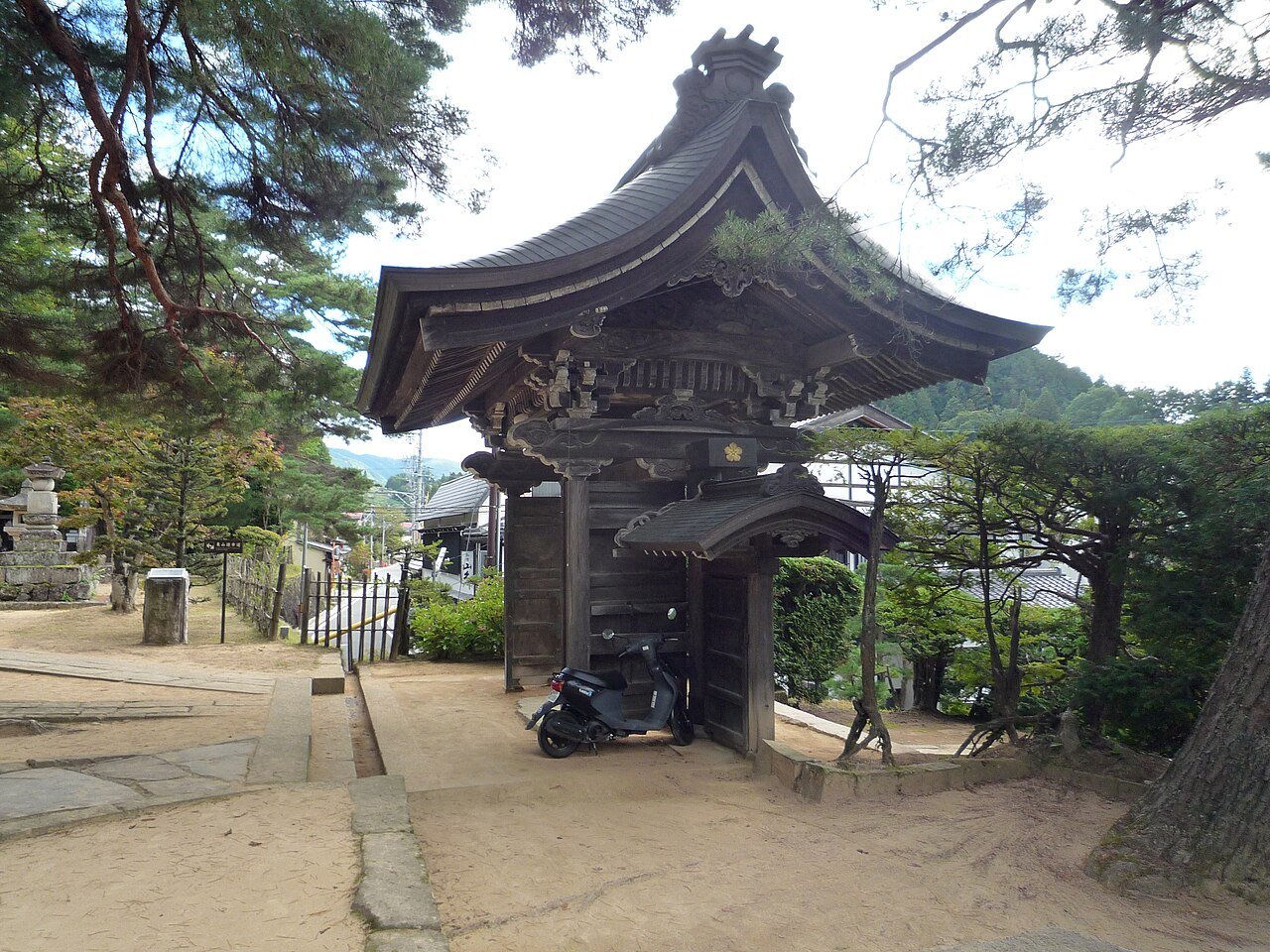
Higashiyama walking trail, Takayama — a carved wooden temple gate under large pine trees on a quiet path through the temple district 9
Higashiyama Walking Trail (東山遊歩道)
3.5 KM FOREST LOOP PAST 13 TEMPLES AND SHRINES

The path that Takayama locals use to introduce visitors to the town's quieter side starts at the back edge of Sanmachi Suji and winds for 3.5 km through cedar and ginkgo forest, past 13 temples and shrines on the Higashiyama hillside — Sohoji, Daishoji, the Shirasan Shrine — before looping back to town. There are no admission fees anywhere along the route. The trail is wide enough for comfortable walking and well-signposted. In cherry blossom season pink petals cover the path; in autumn the maples overhead turn crimson and orange.
Best time: Early morning 07:00–09:00 or late afternoon 16:00–17:30 for quiet and soft light
Distance: ~3.5 km loop · 1–1.5 hours at a comfortable pace
Cost: Free · public trail, no admission anywhere on route
Takayama sake brewery — a sugidama (round cedar ball) hanging above the brewery doorway, the traditional sign that a new batch of sake is ready 10
Sake Brewery Walk in Sanmachi
SUGIDAMA CEDAR BALLS · FREE TASTINGS AT FUNASAKA AND HIRASE

Takayama's brewing tradition runs through the Sanmachi district in a way you can read just by walking: where you see a green cedar ball (sugidama) hanging above a doorway, a sake brewery is behind it. The ball starts bright green when a new batch is ready and slowly turns brown as the sake ages — a living vintage indicator. Two breweries that welcome visitors and offer free or low-cost tastings are Funasaka Shuzo and Hirase Shuzo, both on Sanmachi Suji. A bottle of local Hida sake costs ¥800–3,000+ and makes one of Takayama's best souvenirs.

Hours: Most shops 09:00–17:00 · some closed Mondays
Tastings: Often free at the counter · bottles from ¥800
Getting there: In Sanmachi Suji, 10-minute walk from Takayama Station
Klook tip: Several local tour operators run walking tours with sake tastings at multiple breweries plus an English-speaking guide — searchable on Klook for Takayama sake tours.
Planning your visit

How to fit it all into your days

The main sights cluster into two zones — walkable old town and outlying half-day trips

Zone A: Old Town — morning half-day
All walkable from the station · start from 07:00

Start at Miyagawa Morning Market 07:00 before tour groups arrive. Cross Nakabashi Bridge into Sanmachi Suji for miso tastings and sake brewery browsing. Head to Takayama Jinya (opens 08:45), then Yatai Kaikan (opens 09:00 — catch the 10:00 puppet show). Finish with Hida Kokubunji Temple. Total: about 4–5 hours.

Time needed: 4–5 hours · Transport: Walking only from station
Zone B: Surroundings — afternoon
Requires the community bus or taxi

After lunch, take the Sarubobo Community Bus to Hida Folk Village (10 min, ¥210). Allow 1.5 hours inside. Return to town and walk the Higashiyama Trail (1.5 hours). End with dinner in Sanmachi Suji — Hida beef (wagyu from this region) at any of the restaurants along the main street.

Time needed: 4–5 hours · Transport: Community bus ¥210 or taxi ~¥1,200
Day Two: Shinhotaka Ropeway
Full-day trip · Nohi Bus from Takayama ~90 min

Leave Takayama by bus at around 08:30 (Nohi Bus, ¥2,100). Arrive Shin-Hotaka ~10:00. Ride the ropeway, walk the summit trail and have lunch at the mountain restaurant. Descend ~14:00 and soak in the Shin-Hotaka onsen (various public baths). Return bus reaches Takayama around 17:30–18:00.

Time needed: Full day · Ropeway: ¥3,800 round trip + bus ¥4,200 return
Side trip: Shirakawa-go
50 minutes by bus · UNESCO World Heritage Site

Shirakawa-go is 50 minutes from Takayama by bus (Nohi or Kaetsu, ¥2,600 return). The UNESCO World Heritage village of gassho farmhouses is a natural extension of a Takayama trip. Many visitors do the old town in the morning and Shirakawa-go in the afternoon as a same-day combination. Staying overnight inside the village gives a much quieter experience after day-trippers leave.

Time needed: Half-day to full day · Bus: ¥2,600 return from Takayama
Frequently asked

FAQ · Before you go

How many days do I need in Takayama?
Two full days cover the highlights comfortably: Day 1 for Sanmachi Suji, Miyagawa Morning Market, Takayama Jinya, Yatai Kaikan and Hida Folk Village; Day 2 for the Shinhotaka Ropeway or a side trip to Shirakawa-go (50 minutes by bus). Add a third day if you want to walk Higashiyama at a slow pace or spend more time in the breweries. See the full itinerary at Takayama city guide →
What time does Miyagawa Morning Market open?
Miyagawa Morning Market opens daily at 07:00 (April–October) and 08:00 (November–March), closing at 12:00 year-round. Closed December 29 – January 3. No admission charge. Most stalls are cash only — withdraw yen before you arrive. The Jinya-mae Morning Market in front of Takayama Jinya keeps the same hours (but closes entirely in winter from December through March).
How much does the Shinhotaka Ropeway cost?
A round-trip ticket from Shin-Hotaka Station costs ¥3,800 (~US$26); one-way is ¥2,400. Operating hours are 08:30–16:45 (April–November) and 09:00–16:15 (December–March). You can book tickets in advance through Klook → The Nohi Bus from Takayama Station to Shin-Hotaka costs ¥2,100 one way and takes about 90 minutes.
When is the Takayama Festival?
The Takayama Matsuri runs twice yearly: the Spring Festival on April 14–15 and the Autumn Festival on October 9–10. It is recognised as one of Japan's three most beautiful festivals alongside Kyoto's Gion Matsuri and Chichibu's Yomatsuri. Hotels and guesthouses fill months in advance around these dates. If you cannot attend the festival itself, the Yatai Kaikan lets you see the floats and puppet shows year-round.
How do I get to Takayama from Nagoya?
Take the JR Wide View Hida limited express from Nagoya Station — about 2 hours 30 minutes, around ¥6,140 in standard class. The route threads through mountain valleys along the Hida River and is one of Japan's most scenic rail journeys. From Tokyo, take the Shinkansen to Nagoya first, then the Hida; total journey 4–4.5 hours. There is no direct Shinkansen to Takayama. See full transport details at the Takayama city guide →
Klook · Takayama Tours

Takayama tours & tickets — guided old town walks, sake tastings, Shirakawa-go bus

Walking tours of Sanmachi Suji, advance tickets for the Shinhotaka Ropeway, day-trip buses to Shirakawa-go — book on Klook and skip the queue at the counter.

See Takayama activities on Klook →
Wherebest is a Klook affiliate partner — we may earn a commission when you book through this link, at no extra cost to you.