Home Shirakawa-go Japan Shirakawa-go Attractions About
Home  ›  Asia  ›  Japan  ›  Shirakawa-go  ›  Where to Stay
Shirakawa-go Accommodation Guide · 2026

Where to stay
in Shirakawa-go

Shirakawa-go isn't a city with neighbourhoods to pick from — there are only a few real choices. But choosing wrong means missing the village at its most magical. Here is how to decide, honestly.

Before you book

The biggest decision is whether to stay the night at all

All day long, Shirakawa-go is full of tour buses and visitors shuffling shoulder to shoulder to photograph the thatched houses. Then, around 4 to 5 pm, the last bus pulls away — and the village falls quiet almost at once, as though it has become somewhere else entirely. All that's left is the sound of the Shogawa River, the lantern lights coming on one by one, and the steep thatched roofs standing still in the valley. That is the Shirakawa-go a day-tripper never sees.

Because this is a living UNESCO World Heritage village — not a theme park — deciding where to sleep isn't about which hotel looks nicest. It's about how deeply you want to experience the place. We've split the options into five choices — from sleeping in a genuine thatched farmhouse to basing in a nearby city and visiting for the day. Each suits a different kind of traveller, and each comes with honest trade-offs worth knowing first.

If you want to know what there is to see before you decide, read the full Shirakawa-go travel guide alongside this one. Otherwise, read on.

Top recommendation

If you can book it — stay in Ogimachi village

🏡
The best choice — if you can get a room
Spend a night in Ogimachi village

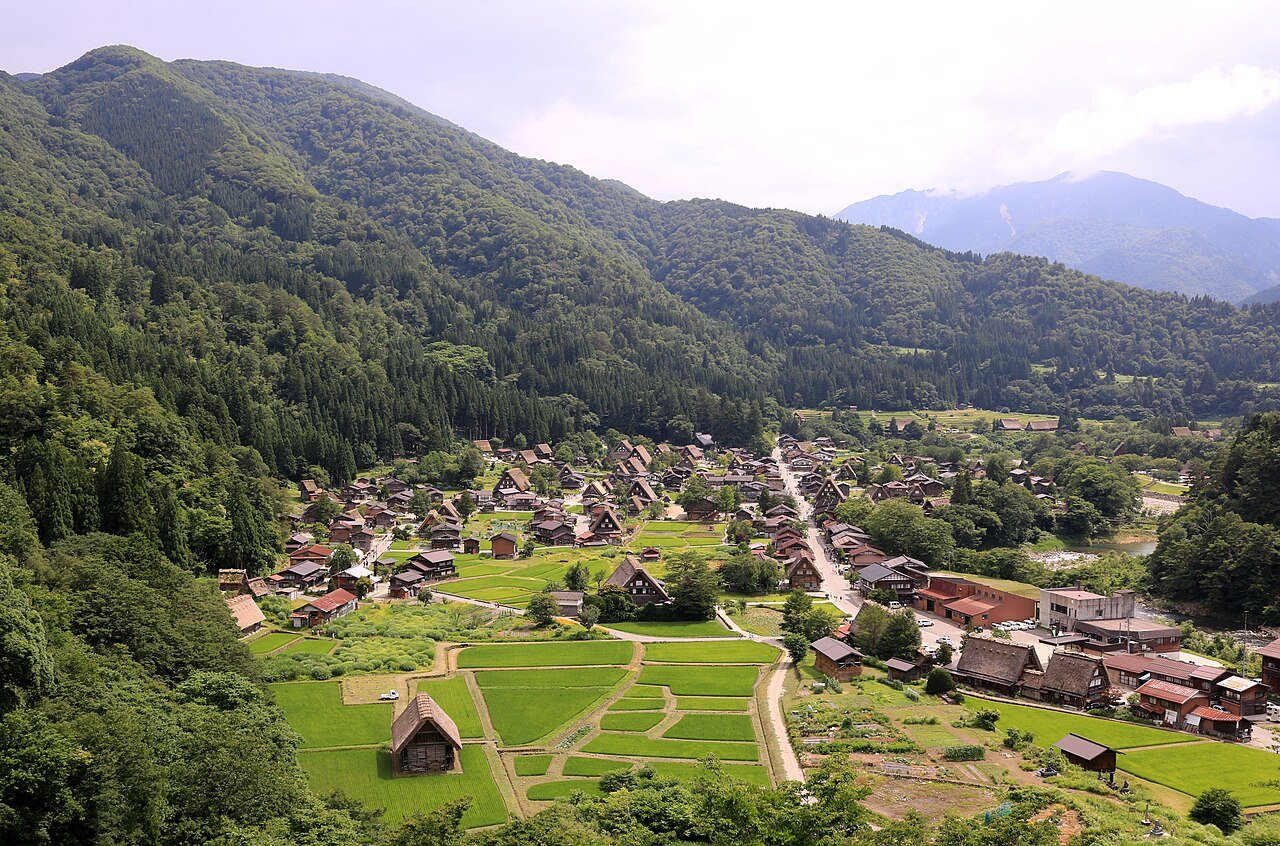
Ogimachi is Shirakawa-go's main village, with around 180 thatched gassho-zukuri houses — and more than a dozen of them now operate as minshuku (family-run farmhouse inns) where you can stay overnight. Staying here means you wake to mist still rising over the rice paddies and walk the lanes before the first tour bus arrives at 9 am. It's an atmosphere worth every bit of the booking effort. If you can secure a room in the village, don't overthink it — this is the one.

There are two styles inside the village: an authentic gassho-zukuri minshuku (deep experience, shared bathrooms) such as Juemon and Yokichi, or the more comfortable onsen hotel, Shirakawago no Yu. Scroll down to see which suits you.

See the Shirakawa-go travel guide →
5 ways to stay

Which one suits you?

Minshuku · onsen hotel · day trip · the Gokayama sister villages — with links to real reviewed stays inside the village.
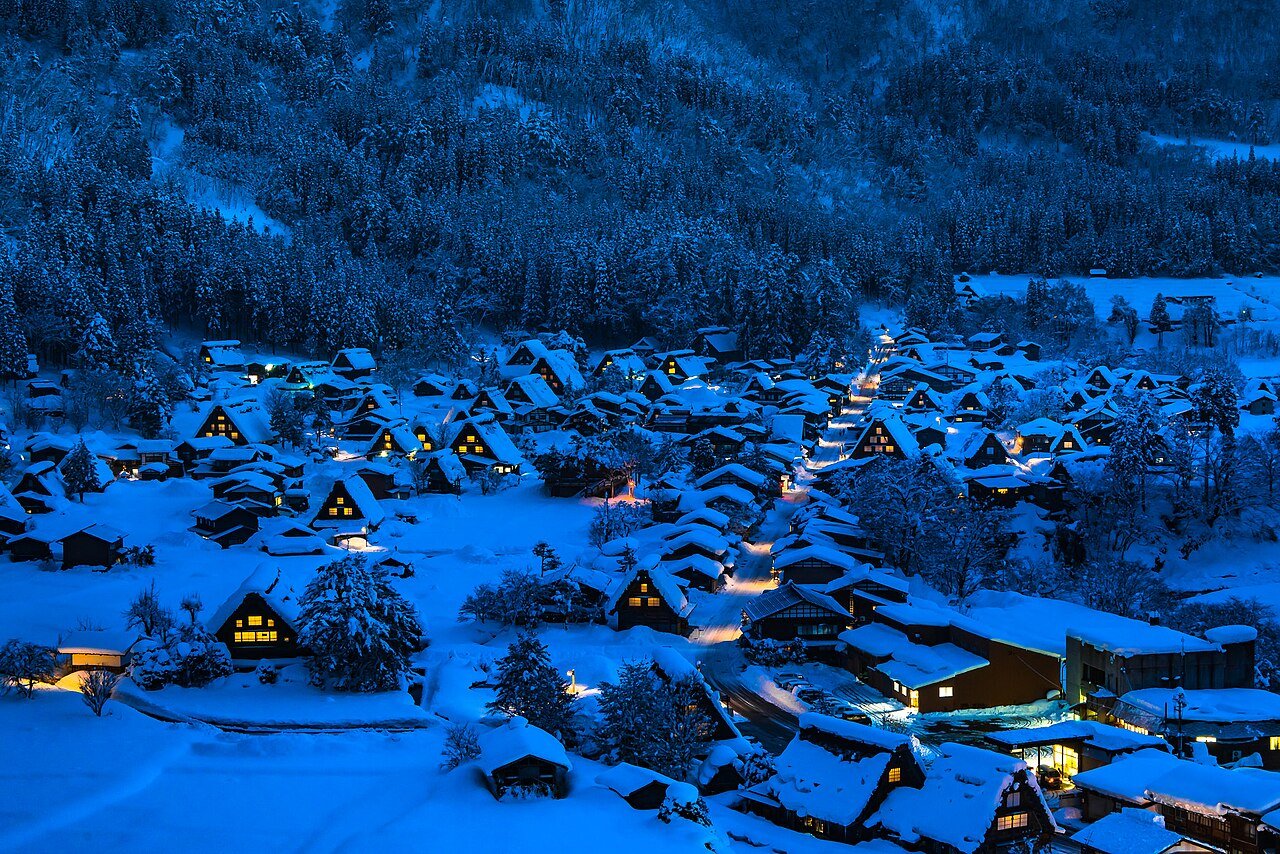
Ogimachi village in Shirakawa-go on a winter evening — snow blanketing the thatched gassho-zukuri roofs, warm light glowing from inside the farmhouses Option 1
Stay overnight in Ogimachi village
荻町 · The heart of Shirakawa-go · Inside the World Heritage site

Right for: Anyone who came to Shirakawa-go to truly experience it, not just photograph it and leave. Staying in Ogimachi means having the village during its two best windows — evening after the buses go, and early morning before they return. The lookout, Wada House and Myozenji Temple are all a few minutes' walk away. The trade-off: rooms are scarce, not cheap, and need booking months ahead.
Getting there: Nohi Bus from Takayama ~50 min / Kanazawa ~75 min · alight at Shirakawa-go Bus Terminal in the village centre
🏡 Juemon — 300-year-old thatched minshuku 9.6
🏡 Yokichi — riverside gassho farmhouse, 110 yrs 9.4
♨️ Shirakawago no Yu — genuine onsen hotel 9.4
See the full Shirakawa-go guide →
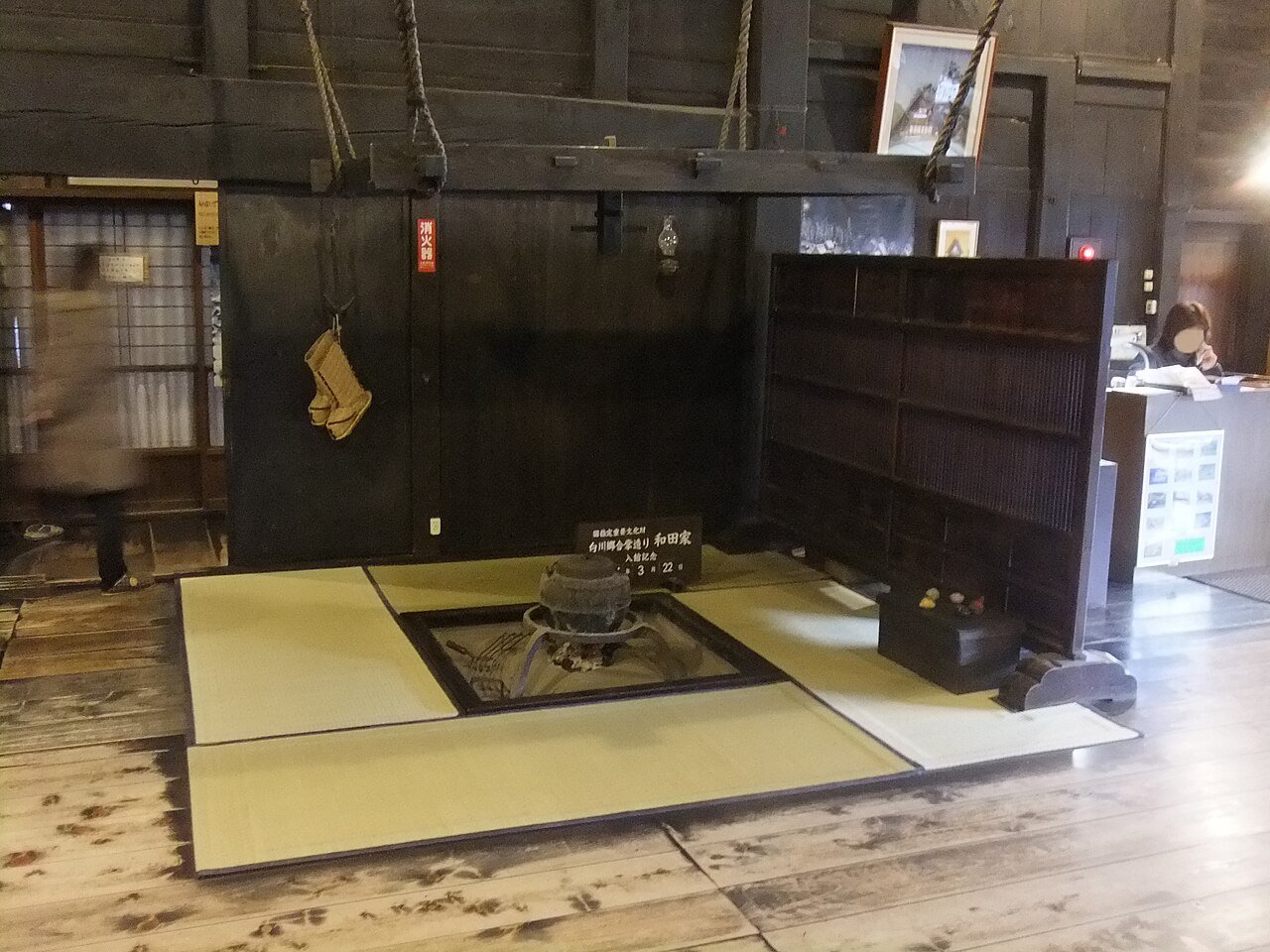
Inside a gassho-zukuri farmhouse in Shirakawa-go — a sunken irori hearth, black soot-darkened timber posts and a tatami-mat floor in traditional style Option 2
A gassho-zukuri minshuku
合掌造り民宿 · Sleep in a real thatched house · The deepest experience

Right for: Travellers who want to sleep inside a genuine World Heritage thatched farmhouse, not a replica — tatami floors, futons, and a Hida beef and grilled-fish dinner cooked by the owners around the irori hearth. At some houses the host even plays the shamisen during dinner. Understand first that this is a real home, not a hotel: shared bathrooms, thin walls, sometimes no Wi-Fi, and cash only. That, though, is exactly the appeal.
Price: from ~¥9,000/person/night incl. dinner + breakfast · book 3–6 months ahead
🏡 Juemon — 300-year-old house · evening shamisen 9.6
🔥 Yokichi — Hida beef dinner by the Shogawa River 9.4
Read a full gassho minshuku review →
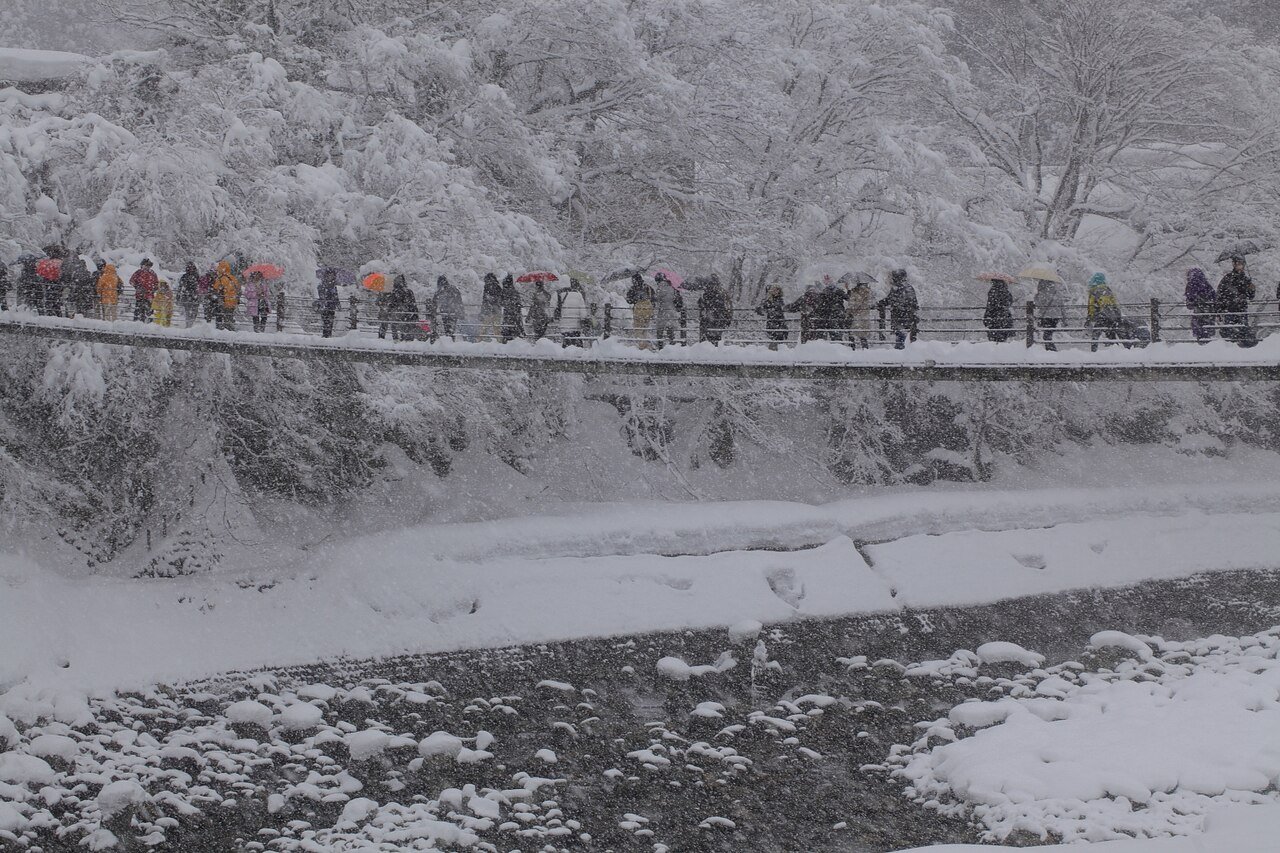
The Deai suspension bridge over the Shogawa River at the entrance to Ogimachi village, Shirakawa-go, with thatched houses and mountains beyond Option 3
An onsen hotel in the village
♨️ 白川郷の湯 · More comfortable than a minshuku · A real hot spring

Right for: Those who want to stay in the village without roughing it like a minshuku — proper beds, a genuine natural hot spring with both indoor and open-air baths overlooking the river, a sauna, and a spot just 2 minutes from the bus terminal. It's the easiest option if you're hauling heavy luggage. The trade-off: bathrooms are still shared, there's no lift, and rates run a little above the minshuku — but you get the only real onsen in the village.
Getting there: 2-minute walk from Shirakawa-go Bus Terminal · 5 minutes into the gassho village
♨️ Shirakawago no Yu — the only true onsen in the village 9.4
Read the full Shirakawago no Yu review →
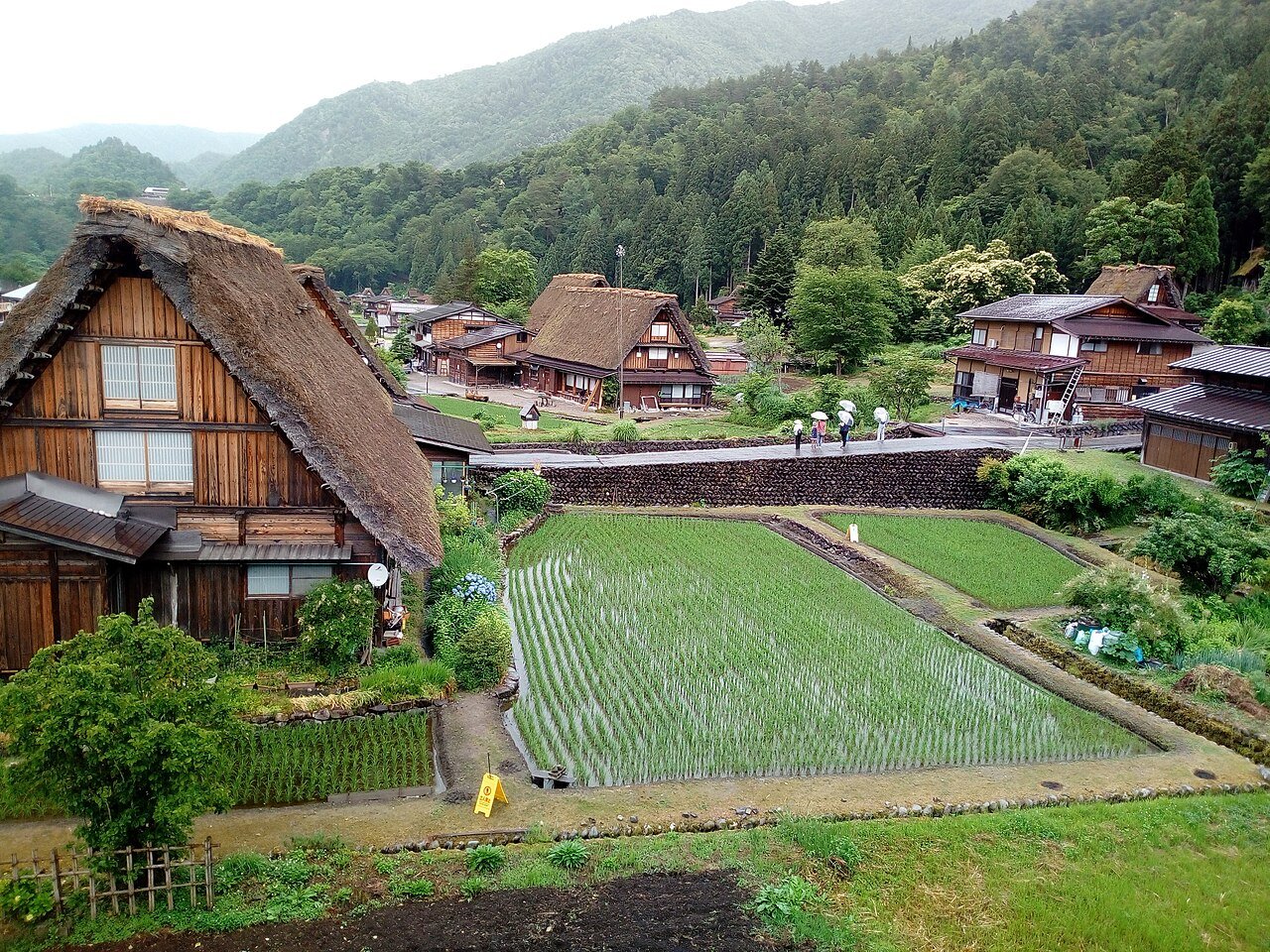
Shirakawa-go in summer — bright green rice paddies in front of thatched gassho-zukuri houses, ringed by forested mountains under a clear sky Option 4
Base in Takayama / Kanazawa and day-trip
🚌 Takayama · Kanazawa · For those who can't get a village booking

Right for: Travellers who couldn't get a room in the village (which happens often) or whose route already runs through these two cities. A 4–6 hour day trip is plenty to walk the village, ride up to the lookout, and tour the open-air museum. Takayama is closer and has the Sanmachi old town to explore in the evening; Kanazawa is a bigger city with Kenrokuen Garden and more accommodation choice. The only thing you give up is the village at dawn and dusk.
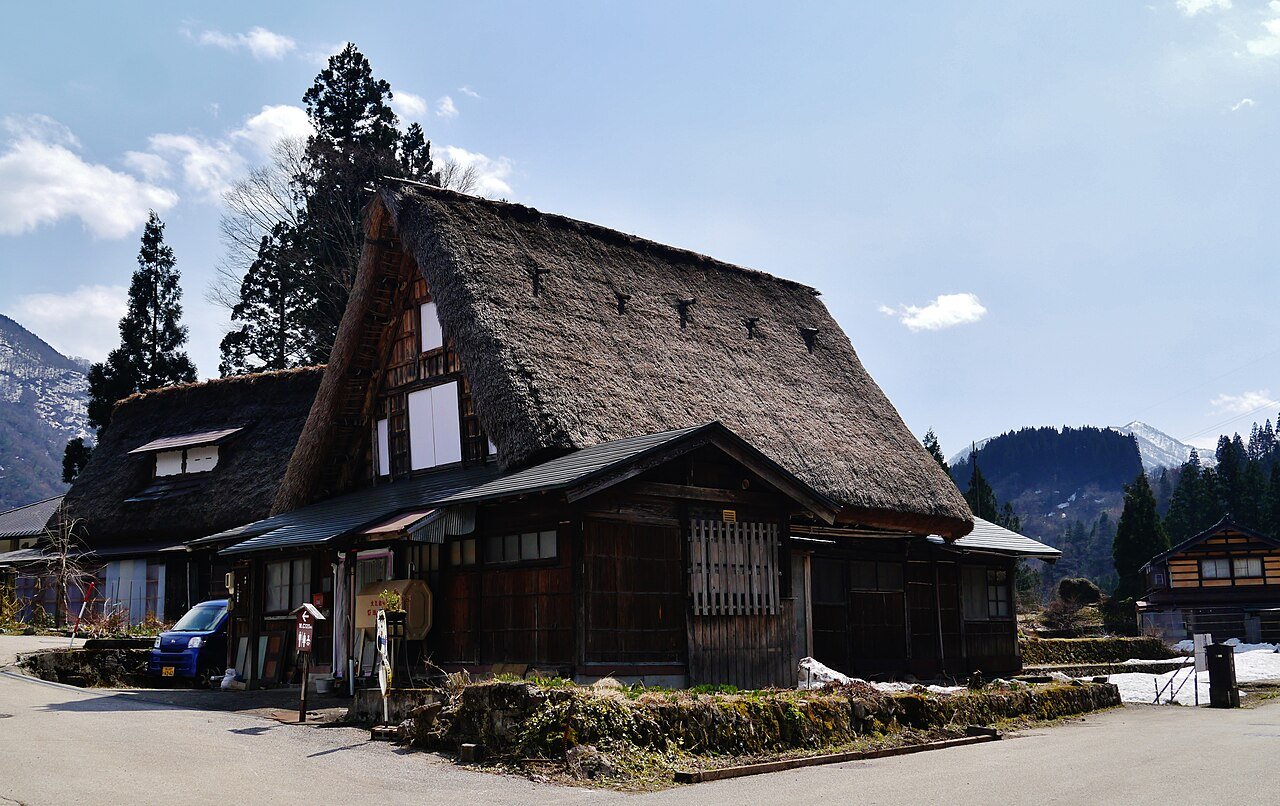
Getting there: Direct Nohi Bus — Takayama ~50 min / Kanazawa ~75 min · book bus tickets ahead in winter
🏯 Takayama travel guide — the closest base
🌸 Explore all of Gifu — Takayama + Shirakawa-go
See the Takayama travel guide →
Ainokura village in Gokayama — thatched gassho-zukuri houses scattered across a quiet valley, far less crowded than Shirakawa-go Option 5
Gokayama (Ainokura / Suganuma)
五箇山 · The sister World Heritage villages · Quieter and cheaper

Right for: Travellers who want a genuinely rural, low-crowd atmosphere and don't need Ogimachi's grand postcard view. Gokayama is the cluster of sister UNESCO villages in Toyama Prefecture — Ainokura has nearly 20 gassho houses, a few of which run as minshuku that are cheaper and far more peaceful than Ogimachi. The trade-off: it's harder to reach, served by fewer buses, has minimal facilities, and lacks the cafés and museums of Shirakawa-go — though that's precisely what many people are after.
Getting there: Nohi / Kaetsuno bus from Shirakawa-go or Kanazawa · fewer services, so check timetables first
See what's around the village →
View from the Shiroyama lookout over Shirakawa-go — the whole of Ogimachi village laid out, thatched gassho houses set across the valley floor In short
So which should you pick?
The quick answer before you book

Honestly, it's simple: if you can get a room in Ogimachi, stay in the village — pick a gassho minshuku for the deep experience, or Shirakawago no Yu for comfort and an onsen. If you can't book in time, base in Takayama or Kanazawa and visit for the day; nothing wrong with that. And if you want to escape the crowds altogether, try Gokayama. The only travellers who should think twice are those who need a private bathroom and high comfort — the village has almost none of that, so head for a bigger city instead.

Tip: Whatever you choose, always bring yen in cash, and book as early as you possibly can.
Start with a village stay review →
More to know

Budget, seasons & what to sort before you arrive

Prices and booking — set your expectations

Village stays in Shirakawa-go are neither cheap nor easy to book — minshuku run around ¥9,000–13,000/person/night and onsen hotels from about ¥13,000 (rates always include dinner and breakfast). Each house has only 3–11 rooms. The reliable booking channels are the Shirakawa-go Tourist Association website (shirakawa-go.gr.jp) and Trip.com for overseas visitors. Book the moment reservations open — in peak season, rooms can sell out within hours.

Read the detailed reviews before you decide: Juemon · Yokichi · Shirakawago no Yu — each with scores and real room pricing.

Which season to come, and what to eat

Snow (Jan–Feb) is a living postcard, especially during the winter light-up held on only a handful of nights — accommodation, entry tickets and tours all need booking far in advance. Autumn foliage (Oct–Nov) is the prettiest and the busiest. Lush green summer (Jul–Aug) brings pleasant weather and friendlier prices. See the details in the Shirakawa-go travel tips.

On food, minshuku and hotels include two meals, but for a local lunch read the Shirakawa-go food guide — Hida soba, gohei-mochi and hoba-miso — and plan the whole trip with the Shirakawa-go itinerary.

Frequently asked

FAQ · Before you book

Should I stay overnight in Shirakawa-go, or is a day trip enough?
If you can get a booking inside Ogimachi village, staying one night is the most rewarding choice by far — once the tour buses leave around 4–5 pm, the village empties out and feels like a completely different place. You can photograph the thatched farmhouses in the soft evening and early-morning light before anyone else arrives. But rooms are extremely limited and book out months ahead, so if you can't secure one, a 4–6 hour day trip from Takayama still lets you see the whole village, the lookout and the open-air museum comfortably.
What's the difference between a gassho-zukuri minshuku and an onsen hotel in the village?
A gassho-zukuri minshuku (such as Juemon or Yokichi) means sleeping inside a genuine UNESCO-listed thatched farmhouse — tatami floors, futons, a Hida beef dinner cooked by the owners around the irori hearth, and shared bathrooms. It's a deep cultural experience you won't find anywhere else, but it isn't a hotel. An onsen hotel like Shirakawago no Yu is more comfortable, with a real natural hot spring and proper beds, though bathrooms are still shared. Choose the minshuku for the experience; choose the onsen hotel for comfort and a hot-spring soak.
How much do village stays in Shirakawa-go cost, and how hard are they to book?
Minshuku start around ¥9,000–13,000 per person per night (dinner and breakfast included); onsen hotels start around ¥13,000 and up. Everything is very hard to book because each house has only 3–11 rooms. During the winter light-up (January–February) and autumn foliage (October–November) rooms sell out months in advance, so book the moment reservations open — and bring cash, as many places accept yen cash only.
If I can't book a room in Ogimachi village, where should I stay?
Base yourself in Takayama or Kanazawa and take a bus in for the day. Takayama is closer (about 50 minutes by direct bus) and has the Sanmachi old town to wander in the evening, plus hotels at every price level. Kanazawa (about 75 minutes) is a larger city with Kenrokuen Garden and far more accommodation choice. Both have direct buses into the village, so choose whichever your route already passes through.
Is there a quieter, less crowded village alternative?
Yes — Gokayama is the cluster of sister UNESCO villages in Toyama Prefecture. Ainokura and Suganuma have fewer gassho houses and far fewer visitors than Ogimachi, and their minshuku are cheaper and more peaceful. They suit travellers who want a truly rural, authentic atmosphere rather than the grand postcard view or extensive facilities — but they are harder to reach and served by fewer buses.
Trip.com · Book Shirakawa-go Stays

Compare Shirakawa-go minshuku and hotels in one place

Gassho-zukuri minshuku · onsen hotels · stays in Takayama and Kanazawa — village rooms are very limited, so book as early as you can.

Search Shirakawa-go Stays on Trip.com →
Wherebest is an affiliate partner of Trip.com — we may earn a commission when you book through our links, at no extra cost to you.