Home Sendai Miyagi Japan About
Home  ›  Asia  ›  Japan  ›  Sendai  ›  Travel Tips
✦ Before You Go · Sendai 2026

Sendai Travel Tips —
The City of Trees, Made Easy

Ninety minutes from Tokyo on a bullet train, a sightseeing bus that loops past samurai shrines, and a Tanabata festival that draws two million people every August. Sendai is straightforward to visit — but knowing these details before you arrive makes a real difference.

Getting There

How to Reach Sendai — Pick the Right Route

Sendai is the main city of Miyagi Prefecture in the Tohoku region, about 350 km north of Tokyo. There are several ways in, but not all are equal for time or cost.

🚄
Tohoku Shinkansen from Tokyo
Tokyo Station → Sendai Station · Fastest and most direct

Board the Hayabusa or Hayate Shinkansen from Tokyo Station. You will be in Sendai in roughly 1 hour 30 to 40 minutes — about the same time it takes to cross Tokyo in rush hour. Cost: approximately ¥10,890 for a reserved seat. Over 80 trains run daily, so missing one is rarely a problem. Both the national JR Pass and the regional JR East Pass (Tohoku Area) cover this route completely.

~1 hr 30–40 min ~¥10,890 (reserved) JR Pass / JR East Pass valid
Best for: Most international visitors · Anyone already holding a JR Pass · Fast, stress-free city-to-city travel without connection changes.
🚄
Shinkansen via Tokyo (from Osaka or Nagoya)
Shin-Osaka → Tokyo → Sendai · Two Shinkansen, one easy transfer

Flying into Kansai (KIX) or Chubu (NGO)? Take the Tokaido Shinkansen to Tokyo Station first, then switch platforms to the Tohoku Shinkansen. Total journey time is roughly 4 hours 10 minutes. One important note for JR Pass holders: the fastest Nozomi and Mizuho trains on the Tokaido section are not covered by the standard JR Pass — use Hikari or Kodama instead, which adds about 20–30 minutes but costs nothing extra with the pass.

~4 hr 10 min total ~¥20,000–22,000 (no pass) JR Pass valid (use Hikari, not Nozomi)
Flying into Sendai Airport (SDJ)
SDJ Airport → Sendai Station · Good option for domestic connections

Sendai Airport (SDJ) sits about 20 kilometres south-east of the city centre. The Sendai Airport Access Line runs directly to Sendai Station; since March 2026, all services are local trains stopping at every station, taking approximately 24–29 minutes and costing ¥650. Trains run every 20–30 minutes. Sendai Airport handles domestic routes from Tokyo (Haneda/Narita), Osaka, Sapporo and a small number of international services — most visitors arriving from abroad will still connect through Tokyo.

~24–29 min (local train) ¥650 to Sendai Station Trains every 20–30 min
Best for: Domestic connections from Hokkaido or Kyushu · Avoiding the Tokyo hub on a longer regional itinerary.
🚌
Highway Bus from Tokyo
Tokyo → Sendai · Budget option, much slower

Overnight highway buses (Willer Express, Yamakei) depart from Shinjuku Bus Terminal and Tokyo Station. Journey time is around 5–6 hours and fares start from ¥2,500–5,000 depending on seat type and timing. If you already have a JR Pass, the Shinkansen is far better value in terms of time. The bus makes sense only if you are travelling without any rail pass and on a very tight budget.
From ¥2,500 ~5–6 hours Multiple overnight departures
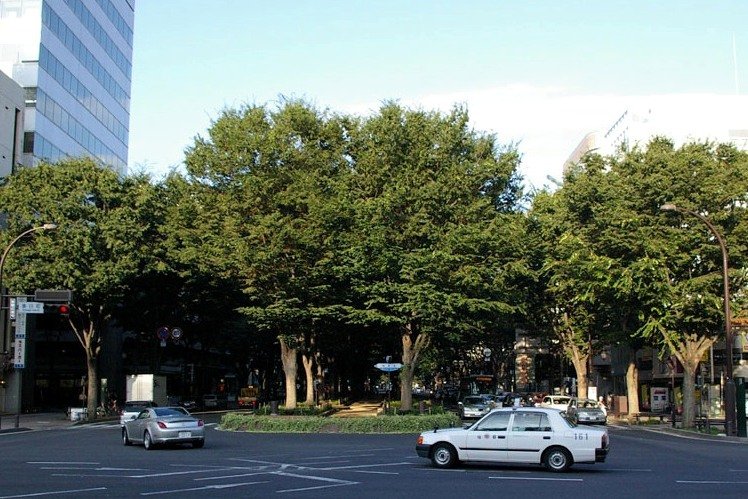
Jozenji-dori boulevard in Sendai, lined with tall zelkova trees forming a green canopy
Jozenji-dori — the tree-lined heart of Sendai. One kilometre of towering zelkova (keyaki) trees that gave the city its nickname, the City of Trees.
Getting Around

Loople Bus, Subway & How the City Connects

Sendai has clean, reliable public transport and most major sightseeing spots are within a short loop of the station — once you know the system, navigating is simple.

The key thing to know upfront: Sendai's main sightseeing spots cluster in a loop around the city centre, and a dedicated sightseeing bus called the Loople connects them. For longer journeys — to your hotel, to Matsushima, or to the university area — the two subway lines take over. Most visitors find they need both in a single day.

Loople Sendai — Sightseeing Loop Bus

A clockwise loop bus that stops at Zuihoden, Sendai Castle ruins, Sendai City Museum, Osaki Hachimangu shrine and several other spots. Departs from Sendai Station East Exit every 20 minutes between 9:00 and 16:00. One full loop takes about one hour.

Single ride: ¥260 · 1-day Loople pass: ¥630 · Loople + subway combo pass: ¥920
Subway — Two Lines

The Namboku Line runs north to south, connecting the station to residential areas and Tohoku University. The Tozai Line runs east to west, useful for Aobayama and eastern districts. Both accept IC cards and single-journey tickets. Fares range from ¥200 to ¥350 depending on distance.

1-day subway pass: ¥840 weekdays / ¥620 weekends & holidays · Children: half price
Suica / Icsca IC Card

Icsca is Sendai's own IC card, usable on all subway lines, city buses and the Loople. Your existing Suica from Tokyo works just as well — no need to buy a new card. Top up at any station vending machine. Tap in and out; no need to buy paper tickets.

Buy at: Any subway station · Deposit: ¥500 (refundable when you return the card)
Taxis & Walking

Taxis queue outside both Sendai Station exits. Flag-fall is around ¥670–730. Within the central area, the Ichibancho shopping arcade and Kokubuncho entertainment district are a comfortable 5–10 minute walk from the station. Sendai is a flat, walkable city on its main streets.

Flag-fall: ~¥670–730 · Apps: S.RIDE or GO for hailing by phone
Pro tip: If your day plan includes Zuihoden + Sendai Castle + Sendai City Museum, the Loople 1-day pass (¥630) pays for itself with just three stops. But if you are heading to Matsushima the next day, skip the Loople — take a regular JR train from Sendai Station (about 40 minutes, covered by JR Pass).
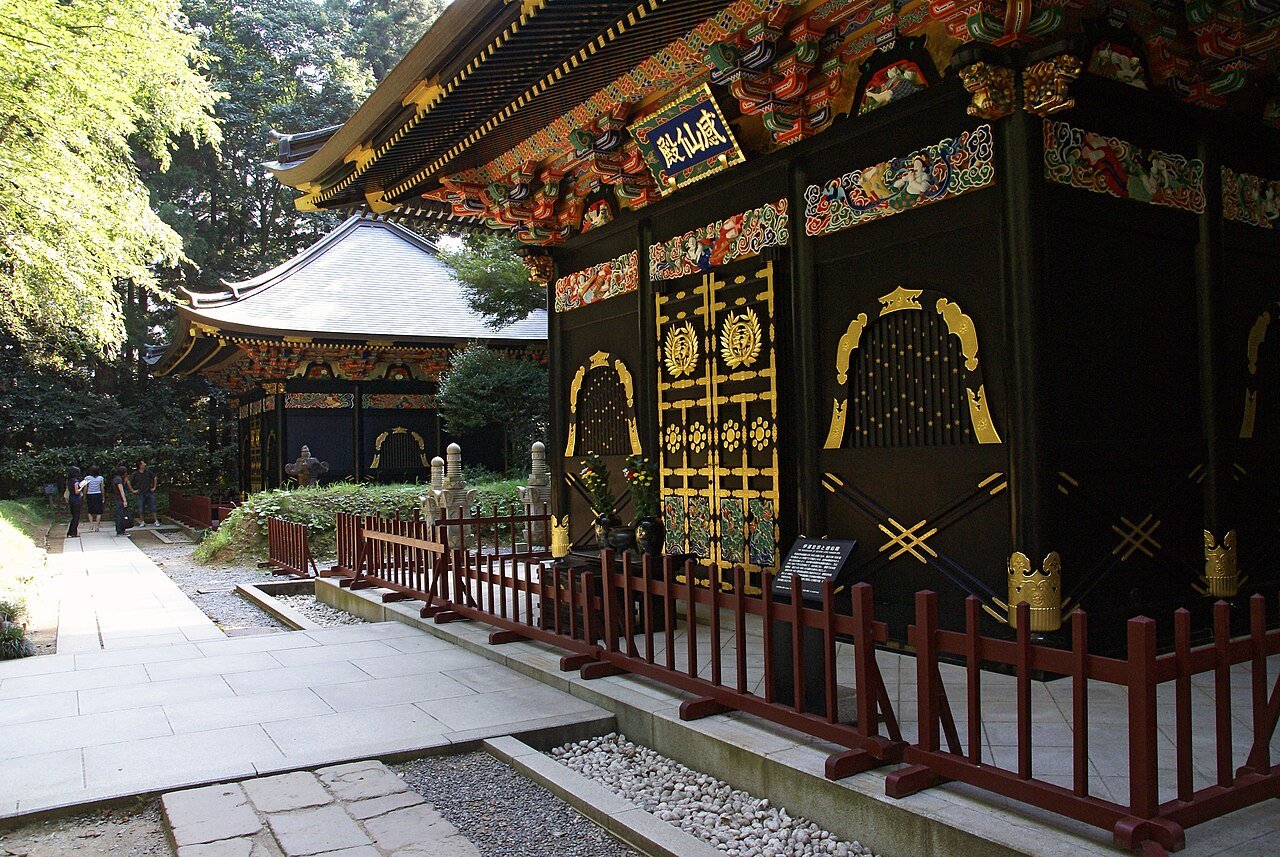
Zuihoden mausoleum in Sendai, ornate Momoyama-style architecture with gold and black lacquer surrounded by cedar trees
Zuihoden — the mausoleum of Date Masamune, the daimyo who built Sendai. The Loople bus stops at the entrance. Walk respectfully; this is a place of genuine historical reverence, not a theme park.
Best Time to Visit

Sendai Across Four Seasons — What Each One Offers

Sendai is a year-round destination, but each season has a genuinely different character. Here is the honest breakdown.

Spring (March – May)

Cherry blossoms arrive in early April, one to two weeks later than Tokyo due to latitude. Nishikouen Park, Tsutsujigaoka Park and Mikamine Park are the popular hanami spots. In mid-May the Aoba Matsuri festival fills the city centre with samurai parades and a spirited Suzume Odori (Sparrow Dance) competition. Temperatures 10–20°C, pleasant and uncrowded.

Summer (June – August) — Festival Season

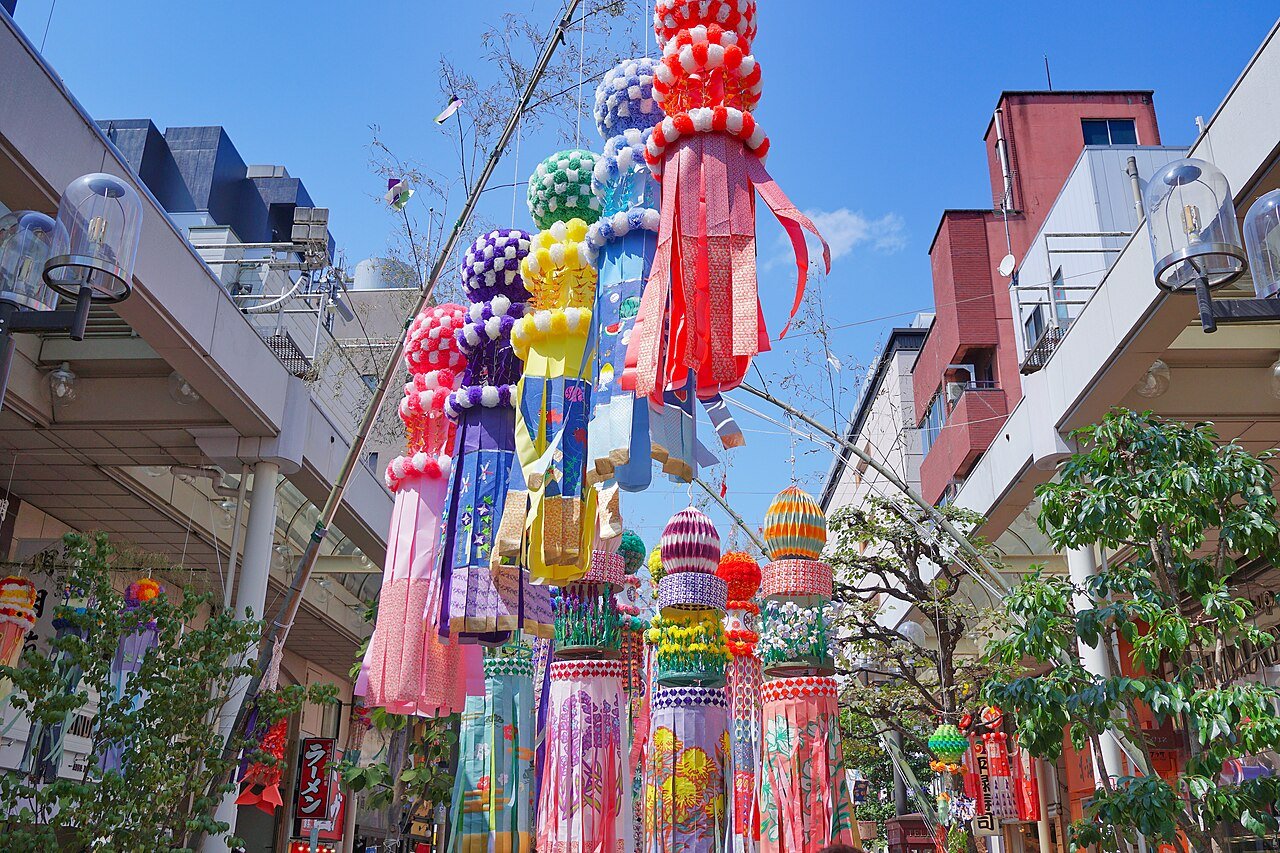
August 6–8 brings the Sendai Tanabata Matsuri, the largest Tanabata festival in Japan with over two million visitors. Thousands of handcrafted washi-paper streamers fill the shopping arcades to ceiling height. The evening of August 5 has a fireworks display at Nishikouen — around 16,000 shells. Hot and humid at 25–30°C. Book accommodation two to three months ahead for the festival period.

Autumn (October – November) — Recommended

The zelkova trees along Jozenji-dori turn amber and gold in late October, creating one of Sendai's most photographed scenes. Temperatures 10–18°C, comfortable for walking. Fewer crowds than cherry blossom or Tanabata season, hotel prices are reasonable, and the Sendai Jazz Festival in late October adds a lively backdrop.

Winter (December – February)

Cold at 0–7°C with occasional snow, though lighter than cities further north. The Sendai Pageant of Starlight (late December through early January) lines the Jozenji-dori zelkovas with thousands of tiny lights — beautiful and quietly magical at night. Hotel prices are the lowest of the year and the city is calm. Bring a warm coat, thermal layers and non-slip footwear.

Sendai Tanabata festival streamers — hand-crafted washi paper decorations hanging from bamboo poles inside a covered shopping arcade
Sendai Tanabata Matsuri (August 6–8) — each cluster of streamers is handmade by local schools, shops and community groups. The shopping arcades become tunnels of colour. Plan months ahead for accommodation.
Tanabata accommodation warning: During August 6–8 hotels in Sendai fill completely and prices can be two to three times the usual rate. If you book late, consider staying in nearby Matsushima or Yamagata and commuting in by train for the day.
Daily Budget

How Much Does Sendai Cost?

Sendai is noticeably cheaper than Tokyo and Osaka, particularly for accommodation and food. These figures are per person per day, excluding the Shinkansen fare to get here.

Category Budget Mid-range Comfortable
Accommodation (per person/night) ¥2,300–4,000 (hostel / capsule) ¥6,000–10,000 (business hotel) ¥15,000+ (4–5 star hotel)
Food (3 meals) ¥1,500–2,500 (teishoku sets, convenience stores) ¥3,000–5,000 (sit-down restaurants) ¥7,000+ (gyutan restaurant, seafood, sushi)
City transport ¥630 (Loople 1-day pass) ¥920 (Loople + subway combo) ¥2,000–3,000 (taxi supplement)
Admission fees ¥500–800 (Zuihoden or castle) ¥1,500–2,500 (2–3 sites) ¥4,000+ (multiple sites + Matsushima day trip)
Matsushima day trip ~¥1,000–1,500 (JR train return + boat cruise) per person — same across all budget levels
Estimated daily total ~¥8,500–10,000 ~¥15,000–22,000 ¥30,000+
Where the value really is: Sendai's gyutan (grilled beef tongue) restaurants in the station area charge around ¥1,500–2,500 per set — consistently cheaper than the same dish in Tokyo. Fresh oysters and seafood at Matsushima are excellent value too, with grilled oysters from around ¥200–350 each at waterfront stalls.
Etiquette & Practical Tips

Visiting a City Steeped in Samurai History

Sendai was built by Date Masamune and carries real historical weight. A few things are worth knowing before you arrive.

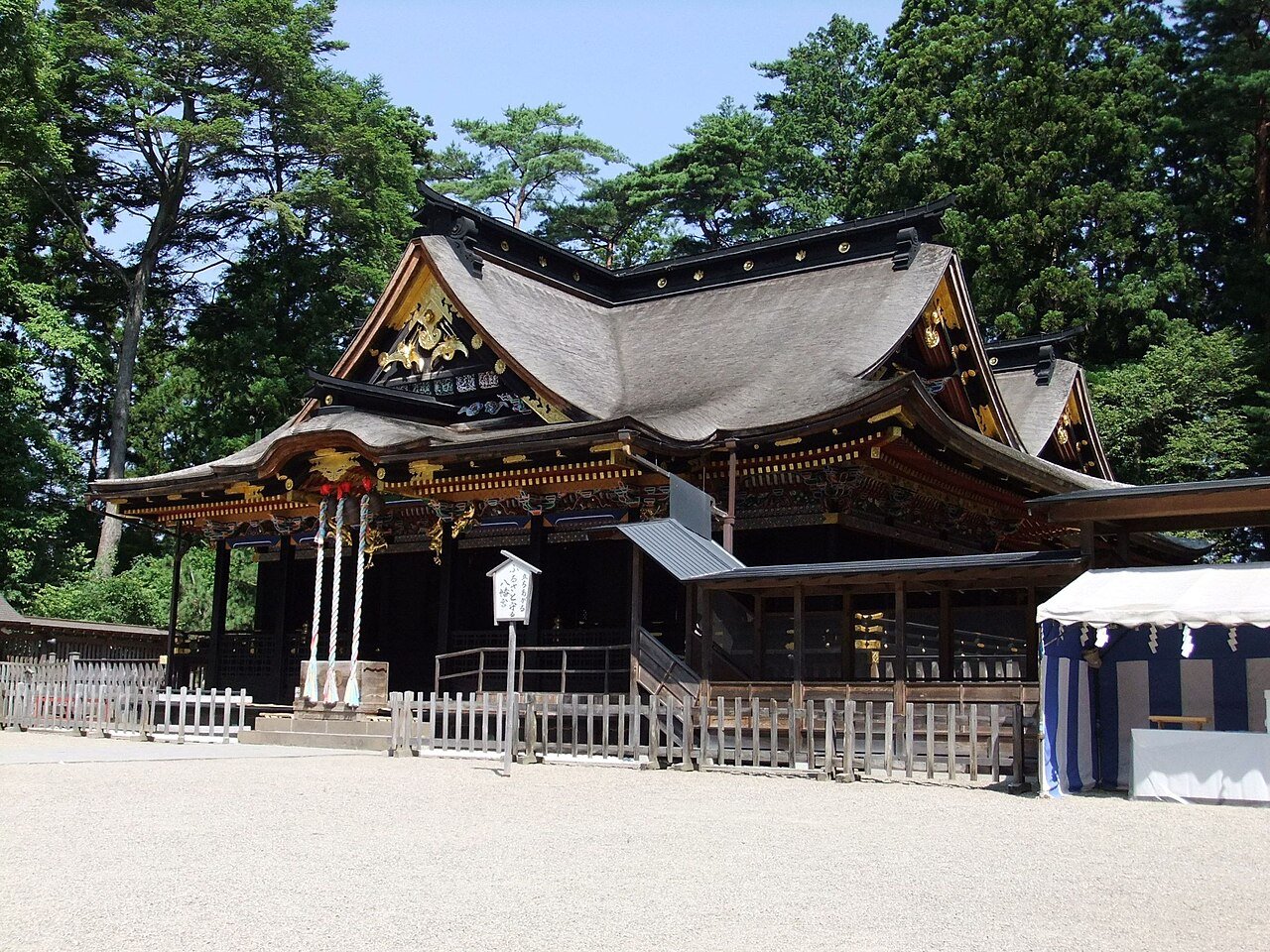
Osaki Hachimangu shrine in Sendai, black and gold lacquered building designated a National Treasure
Osaki Hachimangu — built in 1607 on the orders of Date Masamune, this National Treasure shrine combines Buddhist and Shinto elements in striking black lacquer and gold leaf. Visit with the quiet it deserves.
What to Pack

Pack Smart — Sendai by Season

Sendai has distinct seasons with genuine temperature swings. Packing right makes a bigger difference here than in many Japanese cities.

Winter (Dec – Feb): Layer Up

Heavy down jacket or insulated coat · Thermal base layers (indispensable) · Hat, scarf and gloves · Waterproof shoes with non-slip soles — pavements can ice over in the morning · Lip balm and moisturiser — the air is very dry · Thick socks, two or three pairs · A small umbrella (light snow is common)

Temperature: 0–7°C · Snow: Occasional, not heavy
Summer (Jun – Aug): Beat the Heat

Light breathable clothing · Compact umbrella or rain jacket (rainy season is June–July) · Sunscreen SPF 50+ · A handheld fan — useful during Tanabata · Comfortable walking shoes for full days on pavement · A refillable water bottle · Small daypack to carry layers when indoors (air conditioning is powerful)

Temperature: 25–30°C · Rain: Frequent in June
Essential Apps

Google Maps — excellent public transport data for Sendai, shows Loople stops · Navitime Japan — more detailed bus timetables · Google Translate camera mode — handles menus and signs · PayPay — useful for QR code payments where card is not accepted, particularly at street food stalls during Tanabata

Internet: Buy a Japan eSIM before departure or rent a pocket Wi-Fi at the airport
eSIM & Connectivity

A Japan eSIM purchased before departure is more convenient than a pocket Wi-Fi device — one less gadget to charge and worry about. Sendai Airport (SDJ) sells SIM cards from IIJmio, Softbank and au on arrival. Tokyo's Narita and Haneda airports have a wider selection. Look for plans of at least 3 GB for a week; they typically cost the equivalent of ¥1,000–2,000.

Options: Airalo, Ubigi, or through Klook before you fly
Coin lockers at Sendai Station: Large coin lockers are available at both East and West exits of Sendai Station. Rates are ¥300–800 per day depending on size. Leave your main luggage and explore by Loople with just a daypack. Most accept IC cards and cash.
Frequently Asked Questions

FAQ · Before You Go to Sendai

How do I get to Sendai from Tokyo?
Take the Tohoku Shinkansen — Hayabusa or Hayate services — from Tokyo Station. Journey time is approximately 1 hour 30 to 40 minutes and costs around ¥10,890 for a reserved seat. Over 80 trains run daily. Both the JR Pass and the JR East Pass (Tohoku Area) cover this route with no additional charge. If you have neither pass and want the cheapest option, overnight highway buses run from Shinjuku for ¥2,500–5,000 but take 5–6 hours.
Is the Loople Sendai bus pass worth buying?
Yes, if you are visiting multiple sightseeing spots in one day. The 1-day pass costs ¥630 and is valid all day on the Loople loop. Single rides are ¥260 each, so three stops already justifies the pass. A combined Loople + both subway lines pass costs ¥920 and is worth it if you also need the subway for your accommodation or evening plans. Both passes are available at Sendai Station East Exit bus terminal and at the tourist information centre inside the station.
When is the Sendai Tanabata festival?
The Sendai Tanabata Matsuri takes place on August 6, 7 and 8 every year, without exception. The evening of August 5 features a fireworks display at Nishikouen Park — roughly 16,000 shells — which draws large crowds even before the main event. The festival brings over two million visitors to the city across three days. Hotels sell out months in advance and prices roughly double or triple compared to the rest of August. Book as early as possible, or consider day-tripping from Matsushima or Yamagata if accommodation in Sendai is full.
How cold does Sendai get in winter?
Winter in Sendai (December through February) averages 0–7°C. Snow falls occasionally but is lighter and more manageable than in Hokkaido or the Japan Alps. City streets are generally cleared quickly. Icy patches on pavements can appear in the early morning, so waterproof shoes with non-slip soles are important. The Sendai Pageant of Starlight in late December through early January lights up the zelkova trees on Jozenji-dori beautifully. Hotel prices are the lowest of the year during this season.
Do I need cash in Sendai?
Yes, carry some yen at all times. Small local restaurants, market stalls and some shrine entrance fees still require cash. The most reliable ATMs for non-Japanese cards are at 7-Eleven and Japan Post Bank (look for post office branches), both well distributed across Sendai. The subway and Loople bus accept IC cards such as Suica and the local Icsca, which you can top up at any station machine. Most department stores, hotels and larger restaurants accept Visa and Mastercard.