From a gold-lacquered mausoleum deep in a cedar grove on morning one, to a bay so beautiful a 17th-century poet could not find the words — this plan tells you exactly where to go, how to get there, and what it costs.
Picture stepping off the Loople bus into a grove of tall cedars, following a stone path uphill, and suddenly seeing it: Zuihoden Mausoleum, the resting place of Date Masamune — the one-eyed warlord who built Sendai from nothing in 1601. The building is black lacquer and hammered gold, dragons and cranes carved into every beam, exactly the kind of craftsmanship that makes you stop and stare. People who have been here tend to say the same thing: "I didn't expect it to be this beautiful."
Sendai sits on the Tohoku Shinkansen corridor between Tokyo and Hokkaido, and too many travellers roll straight through. That's understandable — but it means they miss a city with genuine samurai history, a restaurant street famous across Japan for its charcoal-grilled beef tongue, and a jumping-off point for Matsushima Bay, counted alongside Miyajima and Amanohashidate as one of Japan's three great scenic views.
The plan below is built around two clear days: Day 1 stays in the city following the Date Masamune trail; Day 2 makes the easy 40-minute run to Matsushima — a bay that genuinely deserves its reputation. See all Sendai highlights on the Sendai city guide.
Morning in a cedar grove · hilltop castle views at noon · Jozenji-dori tree boulevard in the afternoon · charcoal-grilled beef tongue at dinner — a day that resets the idea of what Sendai is
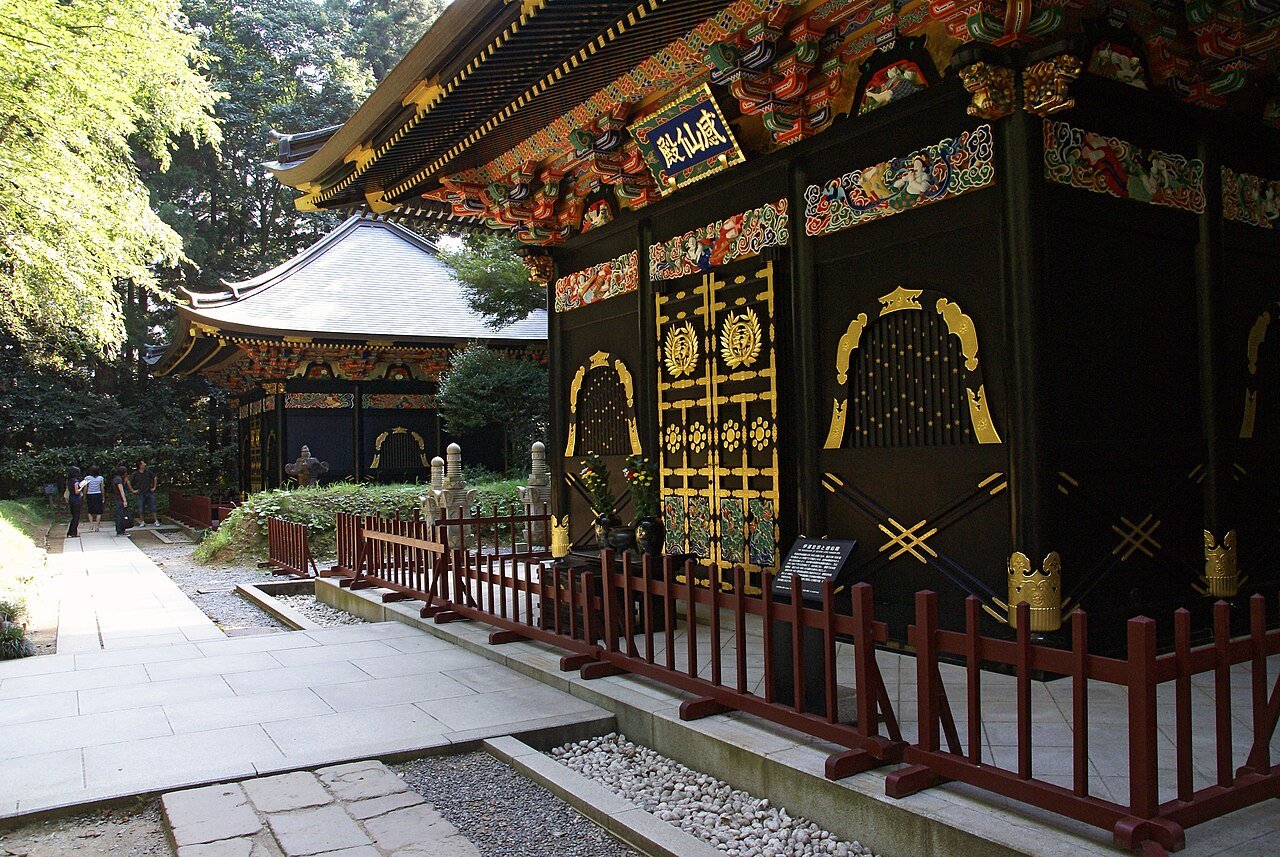
Leave Sendai Station around 09:00 and board the Loople Sendai tourist bus from Bus Stop 15 out front — it departs every 20 minutes. Ride to the "Zuihoden Entryway" stop (about 15 minutes), then follow the stone path uphill through tall cedars for around five minutes.
Zuihoden is the mausoleum of Date Masamune, the one-eyed daimyo who founded Sendai in 1601. The main building is a masterpiece of Momoyama-era craftsmanship: black lacquer exterior inlaid with gold leaf, cranes, turtles and floral motifs carved and painted across every surface. The original was destroyed in World War II bombing; the current structure is a meticulous 1979 reconstruction based on historical drawings. Two smaller adjacent mausoleums honour Date Masamune's son and grandson — walk all three and you will have spent a rewarding 80 minutes without noticing.
From Zuihoden, the next Loople stop is "Sendai City Museum / Aoba-jo" (about 7 minutes). Walk up the hill road to the Aoba Castle site. The castle itself was dismantled during the Meiji era, but the enormous stone walls survive, and the viewpoint at the edge of the cliff offers an unobstructed panorama across Sendai and the Hirose River valley below.
The photograph everyone takes here is the bronze equestrian statue of Date Masamune — full scale, in armour, the crescent-moon crest on his helmet silhouetted against the city. On a clear day you can trace the river all the way to the hills beyond. Allow 45 minutes to walk the grounds and take your photos. Several restaurants on the hilltop serve gyutan lunch sets for ¥900–1,500 if you want to eat with a view.
Back on the Loople, stop at Osaki Hachimangu Shrine (大崎八幡宮) — another of Date Masamune's commissions, built in 1607 and designated a National Treasure. The architecture is Gongen-zukuri (a Shinto–Buddhist hybrid style), finished in black lacquer and gold against a cedar forest backdrop. It is peaceful and unhurried in a way that city-centre shrines rarely manage. Allow 30 minutes, then head back into the city centre by bus or the Tozai subway line.
Spend the late afternoon on Jozenji-dori (定禅寺通) — a wide boulevard whose median strip is a canopy of large zelkova trees. The afternoon light filters through the leaves softly, and the avenue has a pace that the rest of the city does not. Sendai's biggest Tanabata decorations hang along here in August; in spring the trees are bright green; in autumn they turn deep gold. Walk the full kilometre, window-shop or stop for coffee, and stay until dinner time.
Dinner in Sendai means gyutan: beef tongue, sliced thicker than you will find anywhere else in Japan, seasoned with salt and grilled over charcoal until the edges char and the centre stays tender. The standard set arrives with barley rice (麦飯), Tohoku-style pickled vegetables and a clear oxtail soup — a combination that has not really changed since the dish was invented here in the 1970s.
Gyutan restaurants cluster around Sendai Station, especially in the Ichibancho arcade and the Ekimae Chuo area east of the station. Two names that come up most often: Kisuke (founded 1975, credited with spreading gyutan's fame nationally, several branches near the station) and Gyutan Ryori Kaku (founded 1988, steps from the East Exit). Either is a solid choice; the difference is modest. You can also simply walk the arcade and look for the longest queues — the locals know.
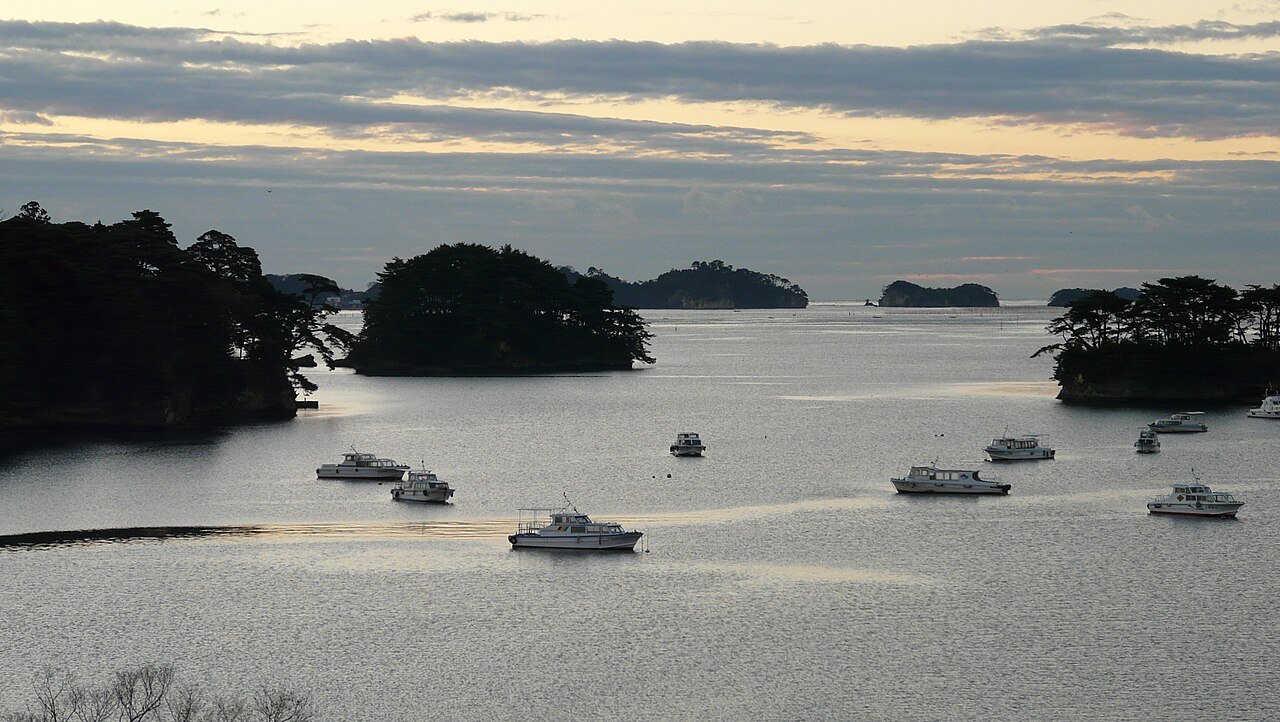
40 minutes by train · 50-minute island cruise · an 800-year-old National Treasure temple · fresh oysters and seafood for lunch — worth every minute of the detour
Leave Sendai Station around 08:30 and take the JR Senseki Line from the lower level to Matsushima-Kaigan Station — about 40 minutes, ¥420 each way. If you are combining this with the Loople bus on the same day, the Sendai Area Pass (¥1,420, for foreign tourists only) covers both JR trains and the Loople; buy it at the JR ticket office inside Sendai Station.
From the station it is a 5-minute walk to the pier. Board the island sightseeing cruise (島巡り観光船) — the standard 50-minute route circles roughly 260 pine-covered islands. Matsushima has been considered one of Japan's most beautiful views since at least the Edo period: the haiku poet Matsuo Basho arrived here in 1689 and wrote that the scenery rendered him speechless. That view has not changed in any meaningful way. The cruise runs roughly every hour from 09:00 to 15:00.
After the cruise returns to the pier, walk to Zuiganji Temple (瑞巌寺) — a Rinzai Zen temple commissioned by Date Masamune in 1609 and designated a National Treasure of Japan. The main hall's interior is covered in gold-leaf painted wall panels and intricately carved transoms depicting birds, flowers and landscape scenes in rich colour. The approach path passes rock-carved caves used by Buddhist monks for meditation across many centuries: quiet, mossy alcoves that predate the temple buildings themselves. Allow about 45–60 minutes.
From Zuiganji, walk five minutes to Godaido (五大堂) — a small red-lacquered chapel on a rocky islet connected to the shore by two short wooden bridges. The chapel itself is modest (its interior is only opened once every 33 years), but the view from the bridges across the bay and back toward the pine-covered islands is one of the most photographed in Tohoku. Then find a table at one of the waterfront seafood restaurants for lunch: Matsushima oysters are farmed in these sheltered waters and are among the best in Japan — grilled or raw, served fresh from the bay.
After lunch, walk the bayfront at a pace that suits you. The souvenir shops sell kamaboko (fish-paste cakes pressed into bamboo-leaf shapes), local sweets and small lacquerware pieces. Afternoon light on the water is gentler than midday and particularly worth photographing from the Godaido bridge or the short path along the Oshima island walkway.
Catch a train back to Sendai around 16:00–16:30 — you will be back at Sendai Station by 17:00–17:30, leaving time for shopping in the Sendai Morning Market (仙台朝市) area or an early second gyutan dinner if the hunger persists.
Staying near Sendai Station is the practical choice — the Loople bus departs from the station, and so does the JR train to Matsushima. Mid-range hotels run ¥6,000–15,000 per night. If you want a different atmosphere, Akiu Onsen has traditional ryokan about 30 minutes away by bus, with overnight rates including dinner and breakfast.
Use Loople Sendai (¥630/day) for city sightseeing and the JR Senseki Line for Matsushima. The Sendai Area Pass (¥1,420/day, foreign tourists only) covers both on the same day — buy it at the JR ticket office in Sendai Station. The Sendai subway (Namboku and Tozai lines) fills the gaps when the Loople is not running.
1 full day covers the city (Zuihoden, Aoba Castle, gyutan). 2 days adds Matsushima comfortably. 3 days allows Yamadera and an Akiu Onsen overnight. Sendai is well-placed as a Tohoku base: Shinkansen to Tokyo takes about 1.5 hours; Hakodate in Hokkaido is about 1.5–2 hours.
| Item | Budget | Mid-range | Comfortable |
|---|---|---|---|
| Hotel (per night) | ¥4,000–6,000 | ¥8,000–12,000 | ¥15,000–30,000+ |
| Meals (3 per day) | ¥1,500–2,000 | ¥2,500–4,000 | ¥5,000–8,000+ |
| Bus + train | ¥630 (Loople only) | ¥1,420 (Area Pass) | ¥1,420–2,500 |
| Admission fees | ¥570 (Zuihoden) | ¥1,270 (Zuihoden + Castle + Zuiganji) | ¥2,000–3,000 (incl. cruise) |
| Total per day | ~¥6,700–8,700 | ~¥11,000–17,000 | ~¥22,000–38,000+ |
One full day is enough to cover the city highlights — Zuihoden Mausoleum, Aoba Castle ruins, Jozenji-dori boulevard and a gyutan dinner. But if you have two days, Matsushima Bay on day two is genuinely worthwhile: it is one of Japan's three most scenic views and takes just 40 minutes by train. See more on the Sendai city guide.
Yes. The JR Senseki Line from Sendai Station to Matsushima-Kaigan Station takes about 40 minutes (¥420 one way). The Sendai Area Pass (¥1,420 per day, for foreign tourists only) covers both the JR trains and the city Loople bus. Leave early enough to fit in the boat cruise, Zuiganji and a seafood lunch, and you will be back in Sendai comfortably by early evening.
The Loople Sendai is a tourist loop bus that runs a clockwise circuit connecting the city's main sightseeing spots. It departs from Sendai Station Bus Stop 15 every 20 minutes between 09:00 and 16:00 and stops at Zuihoden, the City Museum, Aoba Castle and other attractions. A one-day pass costs ¥630 for adults (¥320 children) and includes small discounts at some sites. Buy it at the station information counter or pay onboard.
Gyutan restaurants gather around Sendai Station — particularly in the Ichibancho covered arcade and the Ekimae Chuo area east of the station. Two establishments with strong long-term reputations: Kisuke (founded 1975) and Gyutan Ryori Kaku (founded 1988, very close to the East Exit). Expect ¥1,500–2,500 for a full set: thick-cut charcoal-grilled tongue, barley rice, pickled vegetables and oxtail soup.
Spring (March–May) and autumn (September–November) offer comfortable walking weather. Spring brings cherry blossoms along Jozenji-dori; autumn turns the same zelkova trees gold and red. For the Tanabata Matsuri — one of Japan's largest star festivals, held 6–8 August 2026 — Sendai draws over two million visitors. Book accommodation well in advance and expect higher prices during that window.
Hotels, food, attractions and practical info in one place
Read the guide →Sendai, Matsushima, Yamadera, Akiu Onsen and more
Explore Miyagi →Plan your Japan trip across every region and season
See all Japan →