Home Nara Nara Prefecture Japan About
Home  ›  Asia  ›  Japan  ›  Nara  ›  Travel Tips
🦌 Before You Go · Nara 2026

Nara Travel Tips — Where the Deer Rule the City

Deer park, Todaiji, Kasuga Taisha — Nara is one of Japan's most approachable day trips, but knowing which train to catch, when to arrive, and how the deer actually behave makes the whole day run better.

Getting There

From Kyoto, Osaka or Tokyo — which route is right for you

Nara sits at the heart of the Kansai region, an easy hop from Kyoto and Osaka — or a half-day journey from Tokyo.

🚄
From Kyoto — Kintetsu or JR Nara Line
Kyoto → Kintetsu-Nara or JR Nara · 35–45 minutes

If you're based in Kyoto, the fastest option is the Kintetsu Limited Express from Kintetsu-Kyoto Station to Kintetsu-Nara in about 35 minutes for ¥1,280 (limited express surcharge included). The regular Kintetsu Express takes 45 minutes for ¥760 — no reservation needed and very frequent. JR Pass holders should use the JR Nara Line Miyakoji Rapid from Kyoto Station to JR Nara: 45 minutes, ¥720, fully covered. Keep in mind that Kintetsu-Nara Station drops you right at the edge of the deer park, while JR Nara requires an extra 10–15-minute walk or bus hop.

35–45 min ¥720–1,280 JR Pass OK (JR Line)
Our pick: Kintetsu Express (¥760, no reservation) if you don't have a JR Pass. Fast, frequent, and deposits you closest to the action.
🚃
From Osaka — Kintetsu from Namba
Osaka-Namba → Kintetsu-Nara · 35–40 minutes

The Kintetsu from Osaka-Namba to Kintetsu-Nara takes just 35–40 minutes for ¥680 — probably the best-value train connection to Nara from anywhere. Trains run every 10–15 minutes; no booking required. JR Pass holders can use the JR Yamatoji Rapid from Osaka Station to JR Nara (50 minutes, ¥800). If you don't already have a JR Pass, Kintetsu at ¥680 is significantly cheaper and faster.

35–50 min ¥680–800 JR Pass OK (JR Line)
Best for day trips: Leave Osaka by 8:00 a.m. and you'll reach Kintetsu-Nara before the main crowd arrives from Kyoto.
🚅
From Tokyo — Shinkansen + Transfer
Tokyo → Kyoto (Shinkansen) → JR/Kintetsu to Nara

There is no direct bullet train to Nara. The standard route is the Tokaido Shinkansen from Tokyo to Kyoto (Nozomi: 2h 15min; Hikari: 2h 40min; Kodama: ~3h 20min — note that JR Pass does not cover Nozomi), then connecting to Nara as above. Total journey time is roughly 3–3.5 hours. The full fare without a rail pass is approximately ¥14,000–14,500. JR Pass covers Hikari/Kodama plus the JR Nara Line.
3–3.5 hrs total ~¥14,000+ without pass JR Pass covers Hikari/Kodama
Honest advice: If you're flying into Tokyo and Nara is high on your list, consider routing Kyoto → Nara first, or base yourself in Kyoto for a night — getting to Nara is much quicker from either Kansai city.
Sika deer grazing freely in Nara Park among large trees and visitors
Nara Park — home to over 1,200 wild sika deer, designated as a Natural Monument and national treasure of Japan since 1957.
Getting Around

The central park is walkable — Horyuji needs a plan

The main Nara sites are an easy stroll from Kintetsu-Nara Station. Outlying temples require a bus or train.

One thing many visitors don't realise: Todaiji, Kasuga Taisha and most of Nara Park are all within walking distance of Kintetsu-Nara Station (10–25 minutes on foot). But Horyuji Temple — arguably one of Japan's most significant sites — sits about 12 km southwest, requiring a short JR train ride or a longer bus journey. Worthwhile, but budget an extra hour each way.

Loop Bus (yellow) — designed for tourists

Nara Kotsu runs a distinctively yellow circular bus service connecting JR Nara Station, Kintetsu-Nara Station, Nara Park, Todaiji and Kasuga Taisha. Runs every 10–15 minutes. Route 2 (counter-clockwise, from JR Nara stop 2) takes you out through the sites; Route 1 brings you back.

Fare: ¥150–220 per ride · Schedule: Google Maps or Navitime Japan
1 Day Pass (¥600) — worth it for 3+ rides

Covers unlimited rides on Nara Kotsu buses in the Nara Park and Nishinokyo area (including Yakushiji and Toshodaiji temples). Buy from the bus driver or at the Tourist Information offices at JR Nara or Kintetsu-Nara stations. If Horyuji is on your list, upgrade to the 1 Day Pass Wide (¥1,100).

1 Day Pass: ¥600 · Wide (inc. Horyuji): ¥1,100 · Buy: Driver or Tourist Info
Walking — the best way through the park

From Kintetsu-Nara Station to Todaiji it's a 20–25-minute walk along Noborioji-dori, a broad, sand-coloured street flanked by deer wandering freely. On a good weather day this walk is a highlight in itself. Yoshikien Garden — a beautifully maintained traditional Japanese garden directly opposite Todaiji — is free admission for international visitors (show passport at the gate).

Kintetsu-Nara → Todaiji: ~20–25 min walk · → Kasuga Taisha: ~30 min · → Naramachi: ~15 min
Getting to Horyuji Temple

Horyuji sits about 12 km southwest. The quickest way is the JR Yamato-ji Line from JR Nara Station to Horyuji Station (10–12 minutes, ¥210, covered by JR Pass), then a 15-minute walk to the temple gate. Alternatively, Nara Kotsu bus routes 52/97 from Kintetsu-Nara run to Horyuji in about 40 minutes.

JR train: JR Nara → Horyuji Station ~12 min, ¥210 · Walk to temple: ~15 min
Free admission tip: Yoshikien Garden, directly opposite Todaiji, offers free entry for foreign visitors — simply show your passport at the entrance counter. Japanese visitors pay ¥250. It's a genuinely beautiful traditional garden that most day-trippers walk straight past.
Deer & Temple Etiquette

Feeding the deer — the rules that matter

Nara's sika deer are wild animals and a national treasure. Here's how to interact with them respectfully and safely.

Nara's sika deer have lived alongside the city for over 1,300 years. According to legend, the god Takemikazuchi-no-mikoto arrived in Nara riding a white deer, making the animals sacred. Today they are officially designated a Natural Monument of Japan — free to roam, legally protected, and genuinely wild, despite the centuries of coexistence. Some have learned to bow their heads to request crackers. Many will simply help themselves if you're not paying attention.

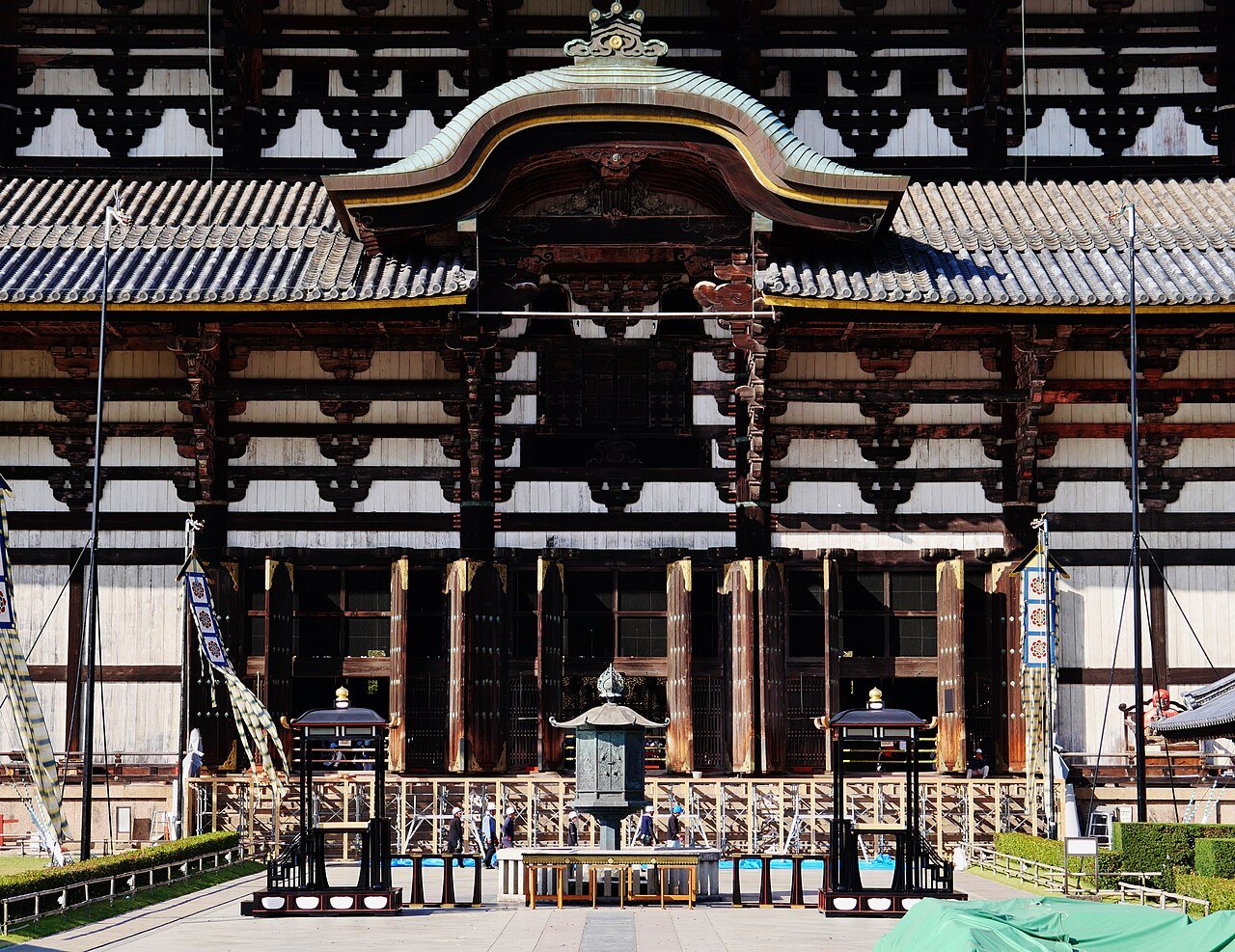
Todaiji temple gate Nandaimon with tall cedar trees lining the approach path
Todaiji Temple — the world's largest wooden building, housing a 15-metre bronze Buddha cast in 752 CE. A UNESCO World Heritage Site.
Temple & Shrine Etiquette

Visiting Todaiji and Kasuga Taisha — with appropriate respect

Nara's temples and shrines are active places of worship that have endured more than twelve centuries. Entering them thoughtfully costs nothing and enriches the experience enormously — both for you and for everyone else who is there.

Crowd warning: During sakura season (late March to early April) and Golden Week (29 April–5 May), Nara Park becomes so packed that moving through it can feel like a queue. If your visit falls in these periods, arrive before 8:00 a.m. and book accommodation at least two to three months in advance.
Best Time to Visit

Nara through the seasons — each one genuinely different

There is no bad time to visit Nara — but each season offers a distinct experience.

Spring (March–May) — most crowded

Cherry blossoms in Nara Park typically peak in early April (2026 forecast: around 2 April). The image of deer among sakura trees is one of Japan's most iconic. Temperatures 15–20°C, but Golden Week in late April–early May brings additional domestic crowds on top of international visitors.

Summer (June–August) — quieter, hot

Hot and humid, often 28–34°C. June is the rainy season and sees noticeably fewer visitors — the park is quiet and green. August brings traditional festivals, including the Nara Tokae lantern festival lighting paths from Kasuga Taisha to Kofukuji. Pack breathable clothing and sun protection.

Autumn (October–November) — arguably the best

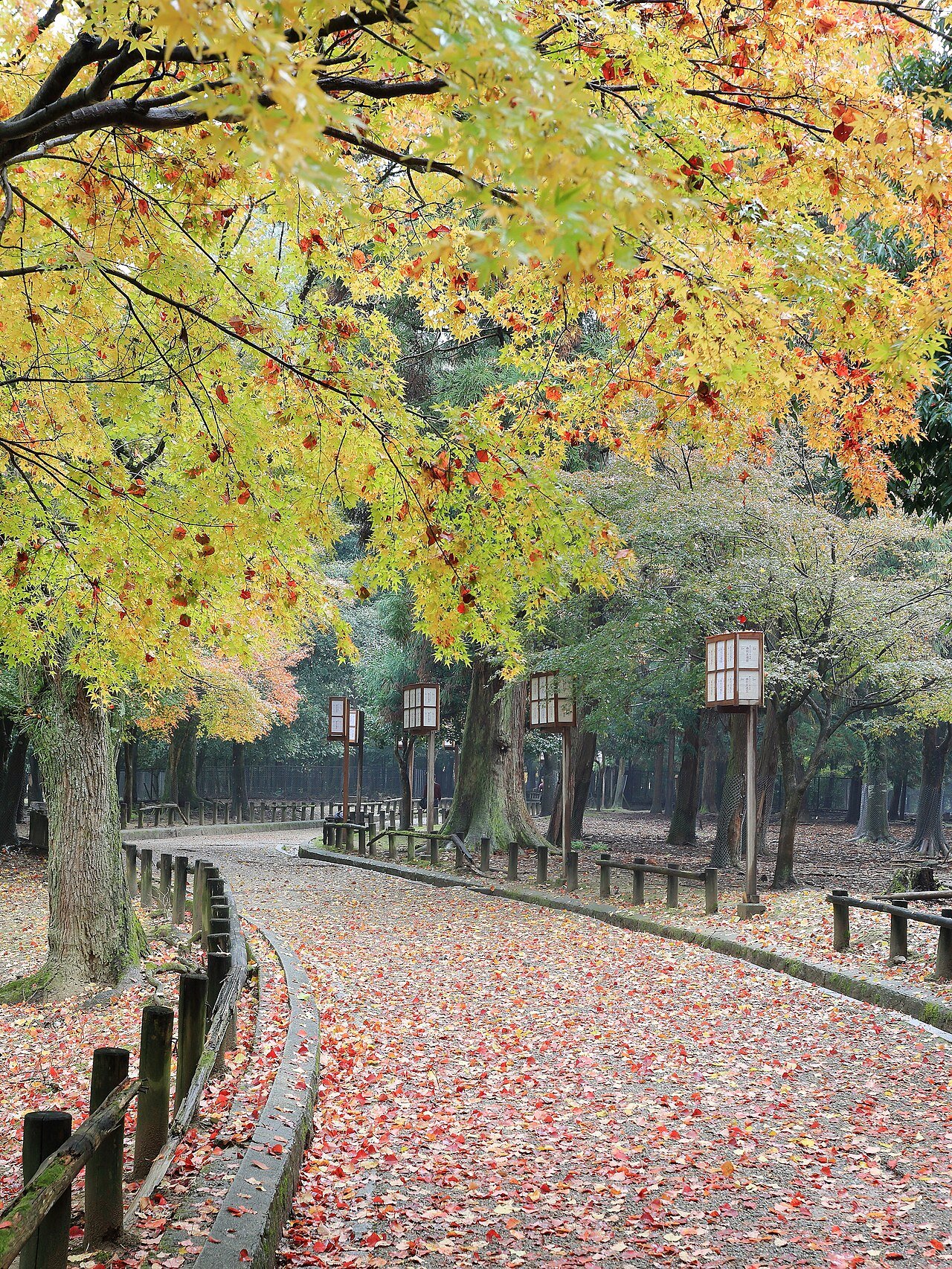
Foliage turns gold and amber across the park and temple grounds. Temperatures settle to a pleasant 15–22°C. Male deer carry their full antlers through rutting season — imposing and photogenic, though slightly more assertive. Kasuga Taisha holds its famous lantern ceremony (Mantoro) in early February and mid-August.

Winter (December–February) — quietest, peaceful

Visitor numbers drop sharply. Temperatures fall to 3–10°C, with occasional snowfall in January transforming the park into a setting of rare stillness. Deer in snow is something most people never see. The Kasuga Wakamiya On-Matsuri festival — one of Japan's oldest court ceremonies — takes place in mid-December. Accommodation prices ease considerably.

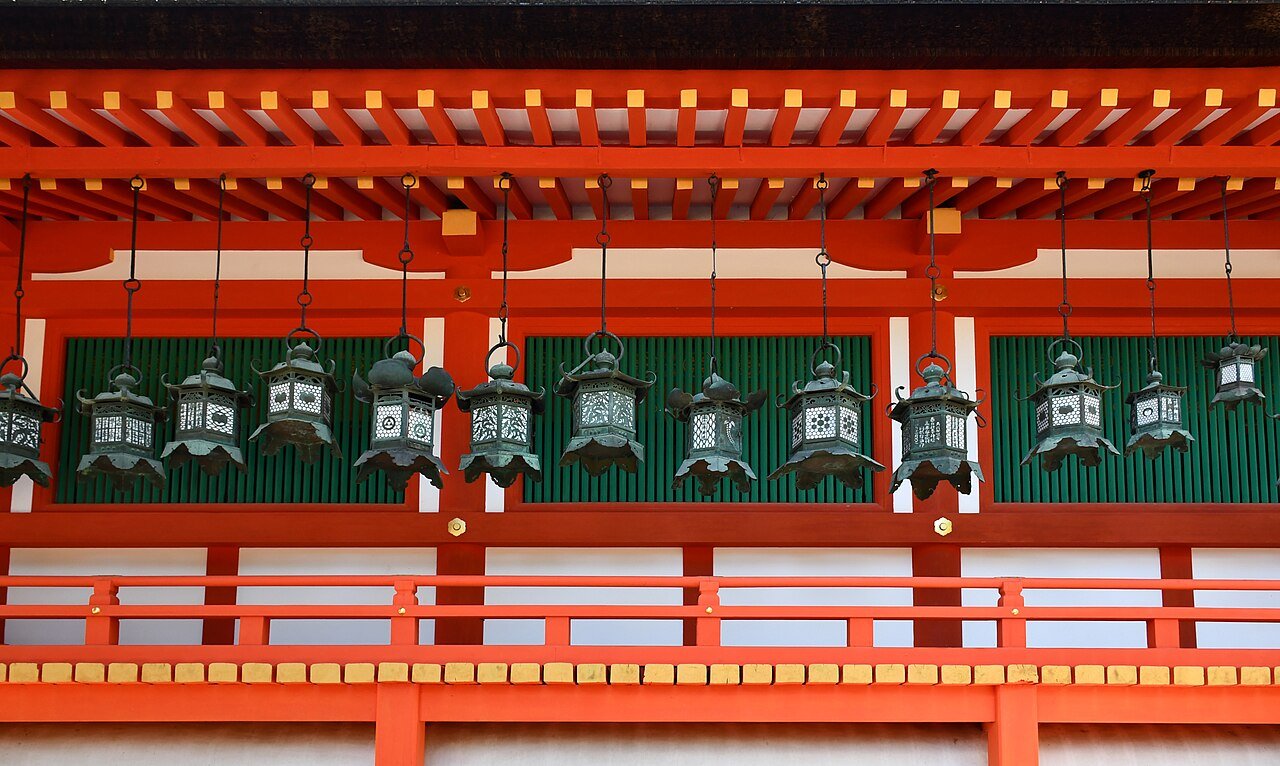
The lantern-lined approach to Kasuga Taisha shrine in Nara, flanked by ancient cedar forest
Kasuga Taisha — over 2,000 stone and bronze lanterns line the forest path to the main shrine, offered by worshippers since 768 CE. A UNESCO World Heritage Site.
The early morning rule: Whatever season you visit, arrive at Nara Park before 8:00 a.m. The deer are calm, the light is soft, and for an hour or two you can feel almost like a solo visitor to one of Japan's most visited cities. By 10 a.m. on a typical day, the park is a different place entirely.
Daily Budget

How much does a day in Nara cost?

A rough guide for planning — Nara is noticeably more affordable than Kyoto for accommodation.

Item Budget Mid-range Comfortable
Accommodation (per night/person) ¥3,000–5,000 (hostel/guesthouse) ¥7,000–12,000 (business hotel) ¥15,000+ (ryokan with meals)
Food (3 meals) ¥1,500–2,500 (local spots/convenience stores) ¥3,000–5,000 (sit-down restaurants) ¥6,000+ (kaiseki/specialty dining)
Todaiji admission ¥800 per person — same for all budgets
Kasuga Taisha (inner sanctuary) ¥500 per person · grounds free
Horyuji (if visiting) ¥1,500 per person
Shika senbei (deer crackers) ¥200 per bundle — as many as you like
Local transport ¥0 (walk everything) ¥600 (1 Day Pass) ¥1,500+ (Wide Pass/taxi)
Day total (excl. accommodation) ~¥4,500–7,000 ~¥8,000–15,000 ¥20,000+
Day-tripper budget: If you're visiting Nara from Kyoto or Osaka, budget roughly ¥5,000–8,000 per person for admission, food and incidentals (not including transport to/from your base city). Most people find one full day covers the main sites comfortably. See the full Nara city guide for a worked day-plan.
Before You Go

What to pack and what to know

What to pack

Comfortable walking shoes — a full day in Nara can cover 10+ km. A light jacket or windbreaker (even in spring the evenings drop). A compact umbrella or rain layer if visiting June–September. High-SPF sunscreen and a hat in summer. A small amount of cash — some shika senbei stalls and small restaurants are cash-only.

Note: No need for slip-on shoes (you won't be removing them at Nara's main sites) or specialist footwear — paths are paved.
eSIM / Pocket Wi-Fi

Google Maps works excellently in Japan and is essential for finding bus stops and navigating the park's unmarked trails between temples. An eSIM purchased before departure is more convenient than a pocket Wi-Fi device — no rental to return, no battery to manage separately.

Recommended apps: Google Maps · Navitime Japan (buses/trains) · Google Translate (camera mode reads Japanese signs)
Language and communication

Nara is well set up for international visitors. Signage at stations, park entrances and temple gates is bilingual. Staff at major sites typically manage basic English. Pointing at maps or showing your phone screen works reliably at ticket windows and bus stops.

Useful Japanese: "Shika senbei wa doko desu ka?" (Where can I buy deer crackers?) · "Ikura desu ka?" (How much?)
Money and payments

Shika senbei stalls and some smaller restaurants near the park are cash-only. 7-Eleven and Japan Post ATMs accept international cards reliably. An IC card (Suica or ICOCA) makes bus and train travel faster — buy one at any JR ticket machine; it can be recharged and used across Japan.

Currency: Japanese yen (¥) · ATMs accepting overseas cards: 7-Eleven, JP Bank · IC Card: works on buses and trains across Kansai
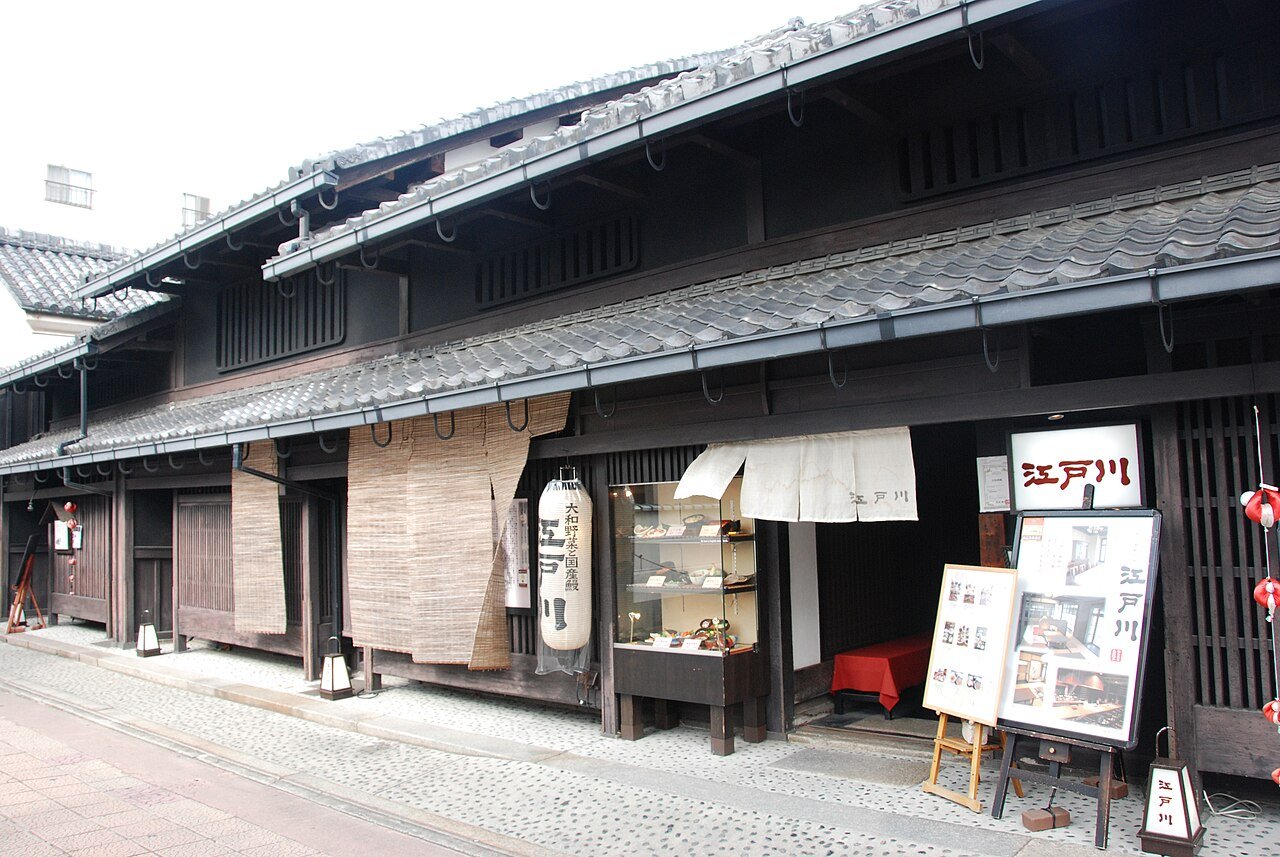
Narrow lanes of Naramachi lined with traditional merchant townhouses in earthy plaster tones
Naramachi — a preserved district of Edo-period merchant houses (machiya) south of Gango-ji Temple, about 15 minutes on foot from Kintetsu-Nara Station.
Frequently Asked Questions

FAQ · Before you visit Nara

How do I get to Nara from Kyoto?
The fastest option is the Kintetsu Limited Express from Kintetsu-Kyoto Station to Kintetsu-Nara in about 35 minutes for ¥1,280 including the limited express surcharge. The regular Kintetsu Express takes 45 minutes for ¥760 — no reservation needed. JR Pass holders should take the JR Nara Line Miyakoji Rapid from Kyoto Station to JR Nara (45 minutes, ¥720, fully covered). Note that Kintetsu-Nara Station is 10–15 minutes closer to the deer park and Todaiji than JR Nara Station.
How do I get to Nara from Osaka?
Take the Kintetsu from Osaka-Namba to Kintetsu-Nara in just 35–40 minutes for ¥680 — trains run every 10–15 minutes and no reservation is needed. This is the route most visitors use, and for good reason. JR Pass holders can use the JR Yamatoji Rapid from Osaka Station to JR Nara (50 minutes, ¥800, covered by pass). If you don't already have a JR Pass, Kintetsu at ¥680 is both cheaper and faster.
Can I feed the deer in Nara? Are there any rules?
Yes — but only with shika senbei (deer crackers, ¥200 per bundle) purchased from vendors around the park. Never feed them anything else; food from your bag or rubbish can seriously harm the animals. Nara's sika deer are a designated Natural Monument and national treasure. Some have learned to bow their heads to request crackers — genuinely endearing, but don't wave the crackers and withhold them, as this can make individual deer aggressive. During autumn (September–November) males carry full antlers and may be more assertive; give them more space than usual.
Is the Nara bus day pass worth buying?
The 1 Day Pass (¥600) is worth it if you plan to take more than three bus rides. It covers the Nara Kotsu Loop Bus and local routes around Nara Park and the Nishinokyo area, including Yakushiji and Toshodaiji temples. Buy from the bus driver or the Tourist Information office at JR Nara or Kintetsu-Nara stations. If you also plan to visit Horyuji Temple, get the 1 Day Pass Wide (¥1,100) instead. If you're spending the day walking within the central park area only, single-ride tickets at ¥150–220 may be enough.
When is Nara least crowded?
January–February and June (rainy season) see the fewest visitors by a significant margin. The deer park is quiet and sites are unhurried. Avoid Golden Week (29 April–5 May), Silver Week (mid-September) and cherry blossom season (late March to early April) — these periods can be overwhelming. Regardless of when you visit, arriving before 8:00 a.m. gives you a calm, crowd-free experience that day-trippers arriving at 10 a.m. will not find.