Home Nagasaki Nagasaki Prefecture Japan About
Home  ›  Asia  ›  Japan  ›  Nagasaki  ›  Travel Tips
🚃 Before You Go · Nagasaki 2026

Nagasaki Travel Tips
The city that opens up once you know how it works

Trams clattering past Dutch-era warehouses, a Chinatown older than any other in Japan, and a ghost island rising from the sea 18 km offshore — Nagasaki rewards visitors who arrive prepared. Here is everything worth knowing before you step off the train.

Getting There

Arriving in Nagasaki — which route suits you

Nagasaki sits on the western tip of Kyushu. The main options are the shinkansen from Fukuoka, an intercity bus, or a flight into Nagasaki Airport followed by a bus transfer.

🚄
Train from Fukuoka — Relay Kamome + Nishi Kyushu Shinkansen
Hakata → Takeo-Onsen → Nagasaki · Fastest option

This is how most visitors arrive. Board the Limited Express Relay Kamome at Hakata Station in Fukuoka, transfer to the Nishi Kyushu Shinkansen (Kamome) at Takeo-Onsen, and step off at Nagasaki Station roughly 1 hour 30 minutes later. The standard reserved-seat fare is around ¥6,000. If you want to save money, the online-only Kamome Net Kippu costs ¥4,500, and the Kamome Net Hayatoku 3 — booked at least three days ahead — drops it to ¥3,850. The JR Pass and Kyushu Rail Pass cover the full journey. Trains run frequently throughout the day, so missing one rarely matters.

~1 hr 30 min ~¥3,850–6,000 (fare type) JR Pass valid
Best for: Visitors flying into Fukuoka (FUK) — the most natural gateway to Nagasaki for a Kyushu trip
Flying into Nagasaki Airport (NGS) + Bus
NGS → Nagasaki Station · Bus only — no rail from the airport

Nagasaki Airport has no direct rail connection to the city. The only public option is the Airport Limousine Bus, which runs two routes: one via Shinchi-Chinatown to Nagasaki Station, another via Urakami to the north of the city. Buses depart every 20–30 minutes, take 45–60 minutes, and cost ¥1,200. Domestic flights arrive from Tokyo (Haneda/Narita), Osaka and Nagoya; some international routes exist but most visitors from outside Japan transit through Fukuoka instead.

~45–60 min (bus) ¥1,200 (Airport Bus) No train from airport
Best for: Flying direct from Tokyo or Osaka without routing through Fukuoka
🚌
Highway Bus — Nishitetsu from Fukuoka Tenjin
Tenjin Bus Centre → Nagasaki Station · Budget-friendly, slower

Nishitetsu runs highway coaches between Fukuoka's Tenjin Bus Centre and Nagasaki Station roughly every 30 minutes throughout the day. The journey takes about 2 hours 30 minutes — nearly double the train — but the one-way fare of around ¥2,500–3,000 is notably cheaper. Seats are comfortable, usually four per row. Overnight coaches from Osaka and Tokyo (¥7,000–12,000, 9–12 hours) are an option for the budget-conscious who want to save a night's accommodation.
~¥2,500–3,000 (from Fukuoka) ~2 hr 30 min Overnight coach from Osaka ~¥7,000+
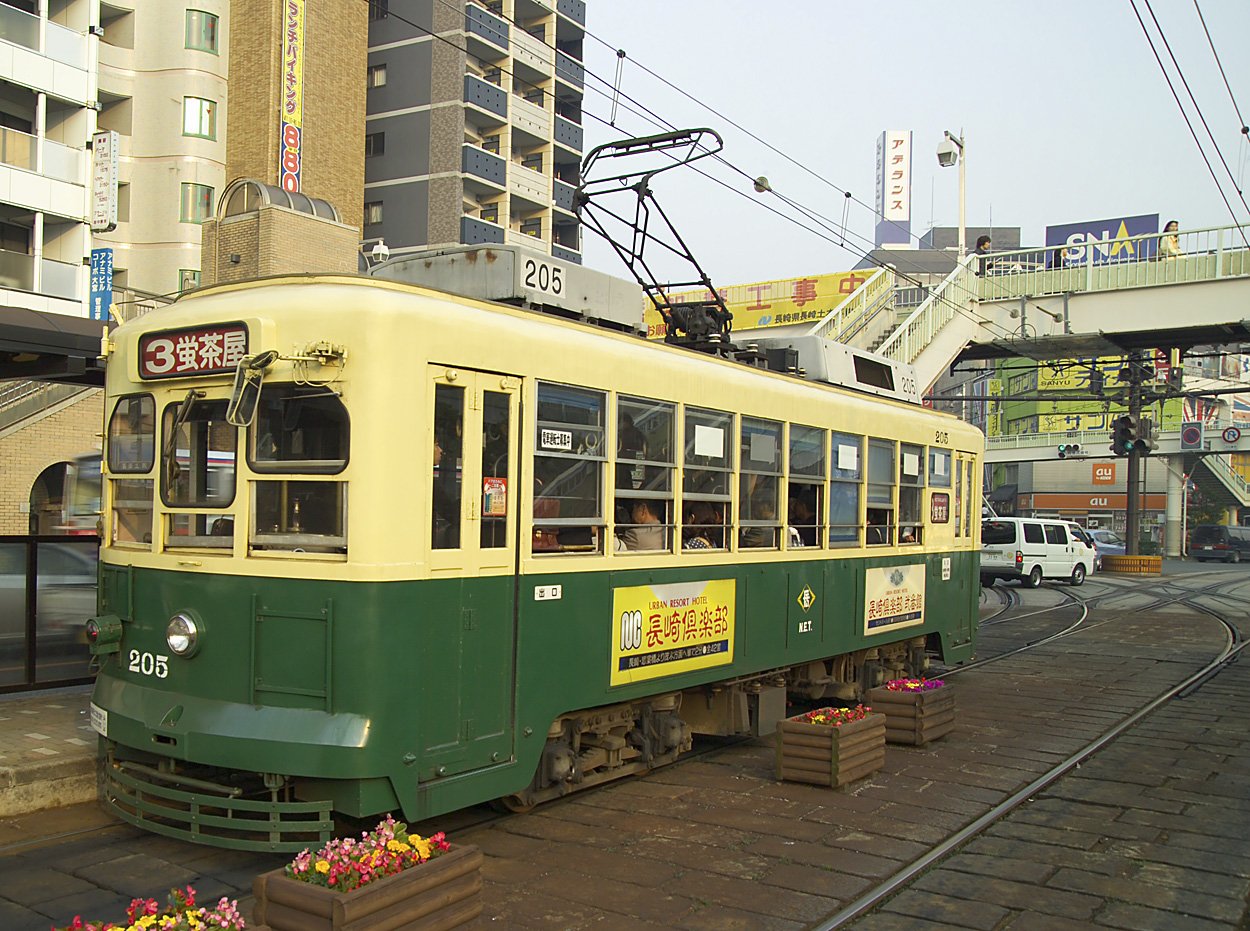
Nagasaki electric tram on a city street flanked by shops and older buildings
The Nagasaki tram — still running daily, linking every major landmark for just ¥140 a ride
Getting Around

The ¥140 tram is all you need in Nagasaki

Nagasaki is one of the few Japanese cities where streetcars still run daily — they connect almost everywhere you want to go.

One of the first things you notice on arrival: Nagasaki has a working electric tram network (路面電車 Romen Densha) that has been running for over a century. Flat fare of ¥140 per ride regardless of distance (children ¥70), running from 6:00 to 23:00 with trams every 5–8 minutes. Stops and in-car announcements are in English. It is genuinely one of the most foreigner-friendly transit systems in Japan.

Tram 1-Day Pass

Unlimited rides for the full day at ¥600 adult / ¥300 child. Pays for itself after 5 rides. On a proper sightseeing day (Glover Garden, Peace Park, Chinatown, Dejima, Oura Cathedral) most visitors take 8–10 tram rides. A 24-hour app-based pass is also available for ¥700.

Price: ¥600 (all day) / ¥700 (24-hr app) · Buy at: Nagasaki Station tourist info desk or from the tram driver on your first boarding
Single-Ride Tram

Board from the rear door, pay ¥140 (cash or IC card) when exiting at the front. If transferring between lines, tap your IC card at Shinchi-Chinatown or Shiminkaikan stops within 30 minutes — you will not be charged the second fare. IC card short-hop rate is ¥100.

Fare: ¥140/ride · IC cards accepted: Suica, PASMO, Nimoca and all 10 national IC cards
City Bus

Covers areas the tram cannot reach, particularly the hillside districts and Inasayama (the mountain overlooking the city). Fares ¥150–300 depending on distance. Google Maps works accurately for Nagasaki bus routes — enter your stop in English and it will return correct results.

Fare: ~¥150–300 · Useful for: Inasayama ropeway · uphill access near Glover Garden
Taxis and Walking

Central Nagasaki is walkable, but the city is built on hills — Glover Garden and Hollander Slope involve steep cobblestone climbs. Taxis start around ¥700. Leave heavy bags in coin lockers at Nagasaki Station (¥300–600 per day) before heading out. Closed-toe shoes with grip are essential; high heels and flip-flops are a bad idea here.

Taxi flag-fall: ~¥700 · Coin lockers: Nagasaki Station, ¥300–600/day
Tram tip: Every tram stop has its name displayed in English both inside the car and on the platform. For Glover Garden, alight at Ouura-Tenshudo-Shita — walk to Oura Cathedral first (downhill), then continue up to Glover Garden. This order avoids backtracking and makes better use of the elevator inside the garden.
Gunkanjima (軍艦島)

Booking Gunkanjima Island — before it sells out

Hashima Island, nicknamed Battleship Island, is a UNESCO World Heritage Site. You cannot visit independently — a licensed boat tour is the only way in.

Picture an entire city abandoned in the middle of the sea: apartment blocks ten or more stories tall slowly crumbling, narrow alleyways of rusting iron that once housed more than 5,000 people. Gunkanjima is not just a photo opportunity — it is history you can actually walk through. Because of the fragility of the ruins, independent landings are absolutely prohibited. You must join a licensed tour. Book early, especially for weekends and holidays.

Yamasa Shipping — recommended for international visitors
Departures 09:00 and 13:00 · Online booking in English

Yamasa operates the most accessible English-language booking system. Boats depart from Nagasaki Port Terminal — about a 15-minute walk from Nagasaki Station, or one stop on the tram. The crossing takes roughly 50 minutes each way; you spend about 45 minutes walking the designated paths on the island, making the full round trip approximately 2 hours 30 minutes. Adult fare is around ¥4,810. Book online 1–2 weeks in advance for weekends during high season (spring and autumn).

~¥4,810 per person ~2.5 hrs round trip English booking available
Important: If wave height exceeds 0.5 m or wind speed exceeds 5 m/s, the island landing is cancelled. The boat will still sail past for views, but you will not disembark. Confirm the refund policy before booking.
🧥
What to Wear and Island Rules
Safety requirements for Gunkanjima

High-heeled shoes, open-toed sandals and flip-flops are not permitted on the island — the uneven concrete and metal debris make them genuinely dangerous. Wear closed-toe shoes with a grippy sole. Alcohol is banned before and during the tour, and smoking is prohibited on the boat. Even in summer, the open sea 18 km offshore can be considerably colder and windier than Nagasaki city — bring a light windproof jacket. Anyone prone to seasickness should consider taking motion-sickness medication before boarding.

No high heels / open sandals Bring a windproof layer Highest landing success July–Sept
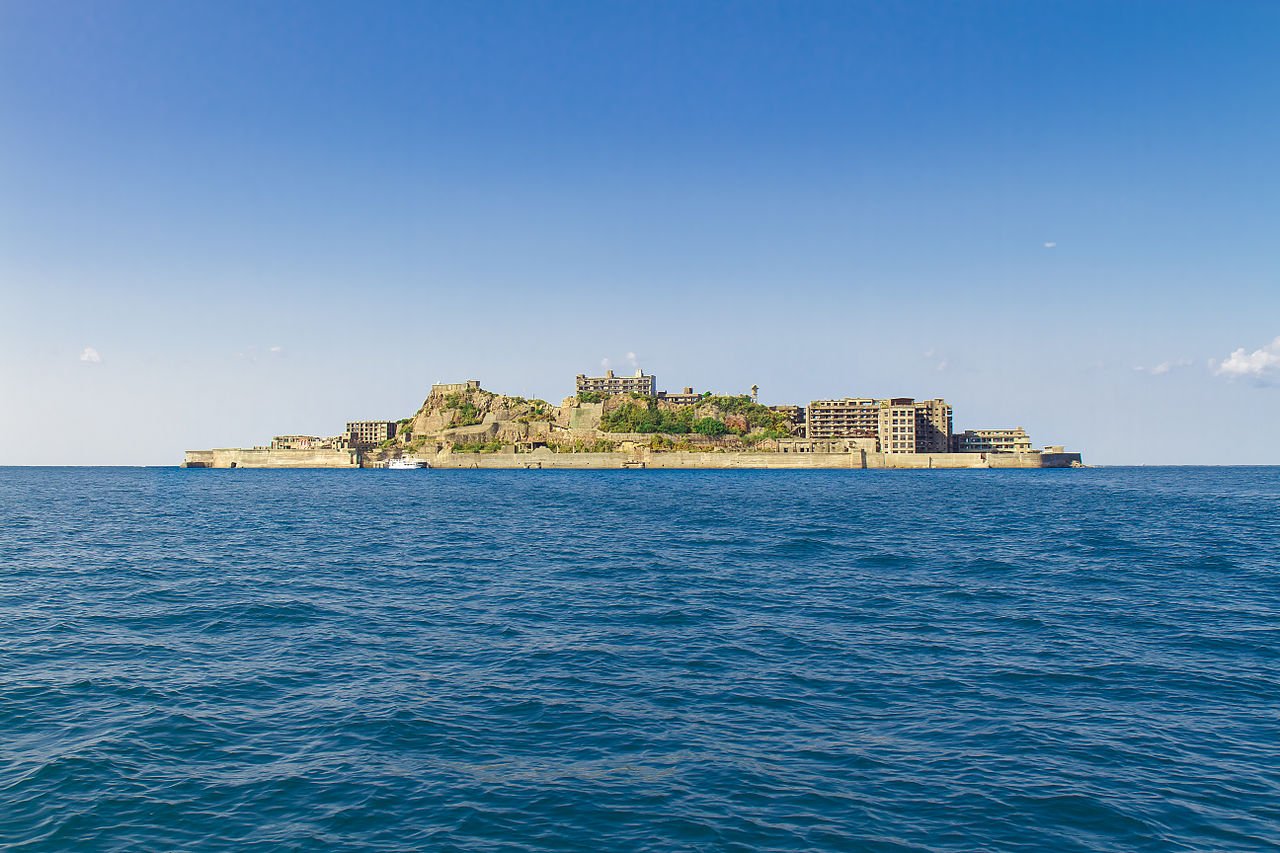
Gunkanjima (Hashima Island) viewed from the sea, abandoned apartment blocks packed across a small rocky island
Gunkanjima (Hashima Island) — a UNESCO World Heritage Site. The dense cluster of crumbling buildings gives the island its battleship silhouette.
Best Time to Visit

Nagasaki is different in every season

The city is open year-round, but each season offers a different atmosphere — and one festival worth planning your whole trip around.

Spring (March–May)

Cherry blossoms in late March around Glover Garden and along the harbour front. Pleasant temperatures of 14–20°C make long walking days comfortable. Crowds are manageable except during Golden Week (29 April – 5 May), when hotels fill fast and prices spike.

Summer (June–August)

June–July brings the rainy season (梅雨 Tsuyu) with heavy, persistent rain — Nagasaki averages some of the highest June–July rainfall in Kyushu. August is hot and humid. That said, this is when wave conditions are calmest, giving Gunkanjima tours the highest landing success rate of any season.

Autumn (October–November) — Top Pick

The best overall window. Temperatures settle at 15–22°C with clear skies, and most importantly the Nagasaki Kunchi Festival runs 7–9 October — a 380-year-old parade at Suwa Shrine mixing Chinese dragon dances, Dutch-style floats and Japanese traditions. Hotels near Suwa Shrine sell out months in advance for festival days.

Winter (December–February)

Mild at 5–12°C — rarely the bitter cold of the Japanese mainland. Highlight: the Nagasaki Lantern Festival during Chinese New Year (late January to mid-February), when Chinatown and the city centre are lit with thousands of red lanterns. Hotel rates are generally lower outside the Lantern Festival period.

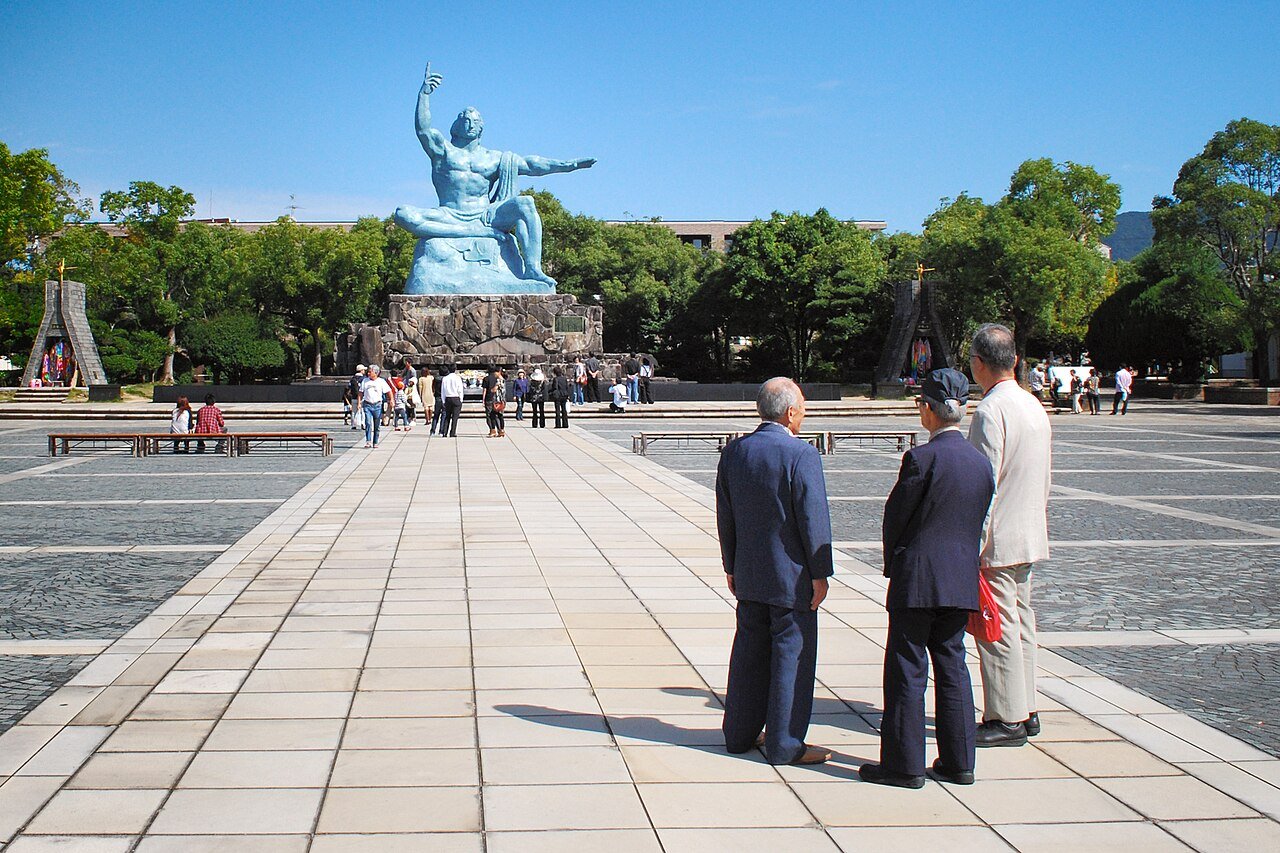
Nagasaki Peace Park statue, a large bronze figure pointing one hand to the sky against a clear blue background
Nagasaki Peace Park — the 9 August 1945 atomic bomb hypocenter is a five-minute walk south. The silence here speaks clearly enough.
Avoid: Golden Week (29 April – 5 May) and mid-August Obon unless you have booked accommodation two to three months in advance. Prices roughly double and popular sites are at their most crowded.
Daily Budget

How much does a day in Nagasaki cost?

Nagasaki is noticeably cheaper than Tokyo and Osaka — a comfortable mid-range day costs around ¥15,000–20,000 all in.

Category Budget Mid-range Comfortable
Accommodation (per person/night) ¥3,000–5,000 (hostel / capsule) ¥6,000–12,000 (business hotel) ¥15,000+ (boutique / harbour view)
Food (3 meals) ¥1,500–2,500 (chanpon shops / convenience) ¥3,000–5,000 (sit-down restaurants) ¥7,000+ (kaiseki / fresh seafood)
Gunkanjima tour ~¥4,810 per person — one-off cost, same for every budget
Sightseeing ¥500–1,000 (Atomic Bomb Museum + Peace Park) ¥2,000–3,500 (+ Glover Garden + Dejima) ¥5,000+ (private guide tours)
City transport ¥300–600 (individual tram rides) ¥600 (tram day pass) ¥1,500–3,000 (taxis / charter)
Estimated daily total ~¥8,000–12,000 ~¥15,000–20,000 ¥28,000+
Money-saving tip: Ask at the Nagasaki Station tourist desk about the Nagasaki World Heritage Ticket, which bundles Glover Garden + Oura Cathedral + Dejima entry with a tram day pass for around ¥2,200 — typically saving ¥700–900 compared to buying each separately.
Before You Go

What to pack and things worth knowing

Footwear and Packing

Nagasaki's hills, cobblestones and staircase-heavy historic districts demand solid footwear. Closed-toe shoes with a rubber grip sole are the right call — flip-flops and heels are genuinely problematic. Pack a fold-up umbrella or light rain jacket for any season. Bring cash: many small restaurants and local shops only accept yen notes.

Key tip: Store large luggage in Nagasaki Station coin lockers (¥300–600/day) before starting your day · eSIM or pocket Wi-Fi recommended
Etiquette at Sensitive Sites

At Peace Park and the Atomic Bomb Museum, speak quietly, keep phone use minimal and approach exhibits thoughtfully. These sites remain deeply meaningful to local families. At Dejima and historic temples, follow posted signs about removing shoes before entering main buildings. Do not touch artefacts in the Dejima museum displays.

Peace Park: Quiet and respectful · Temples and shrines: Remove shoes where indicated
Language and Communication

Nagasaki has been receiving foreign visitors for centuries. Major attraction signage is in English, tram announcements are bilingual, and restaurants in tourist areas commonly have English menus or photo menus. Google Translate's camera mode handles Japanese menus accurately — a worthwhile download before you arrive.

Useful apps: Google Maps (accurate for buses and trams) · Google Translate (camera mode) · Navitime Japan
Money and Payments

Local onsen (hot spring baths) and small neighbourhood restaurants typically accept cash only. The most reliable ATMs for foreign cards are at 7-Eleven and Japan Post Bank branches, both present throughout the city. An IC card (Nimoca is the local variety; Suica works too) is convenient for the tram and city bus.

Currency: Japanese Yen (¥) · ATMs: 7-Eleven, JP Bank accept foreign cards · IC card: Nimoca — charge at station kiosks
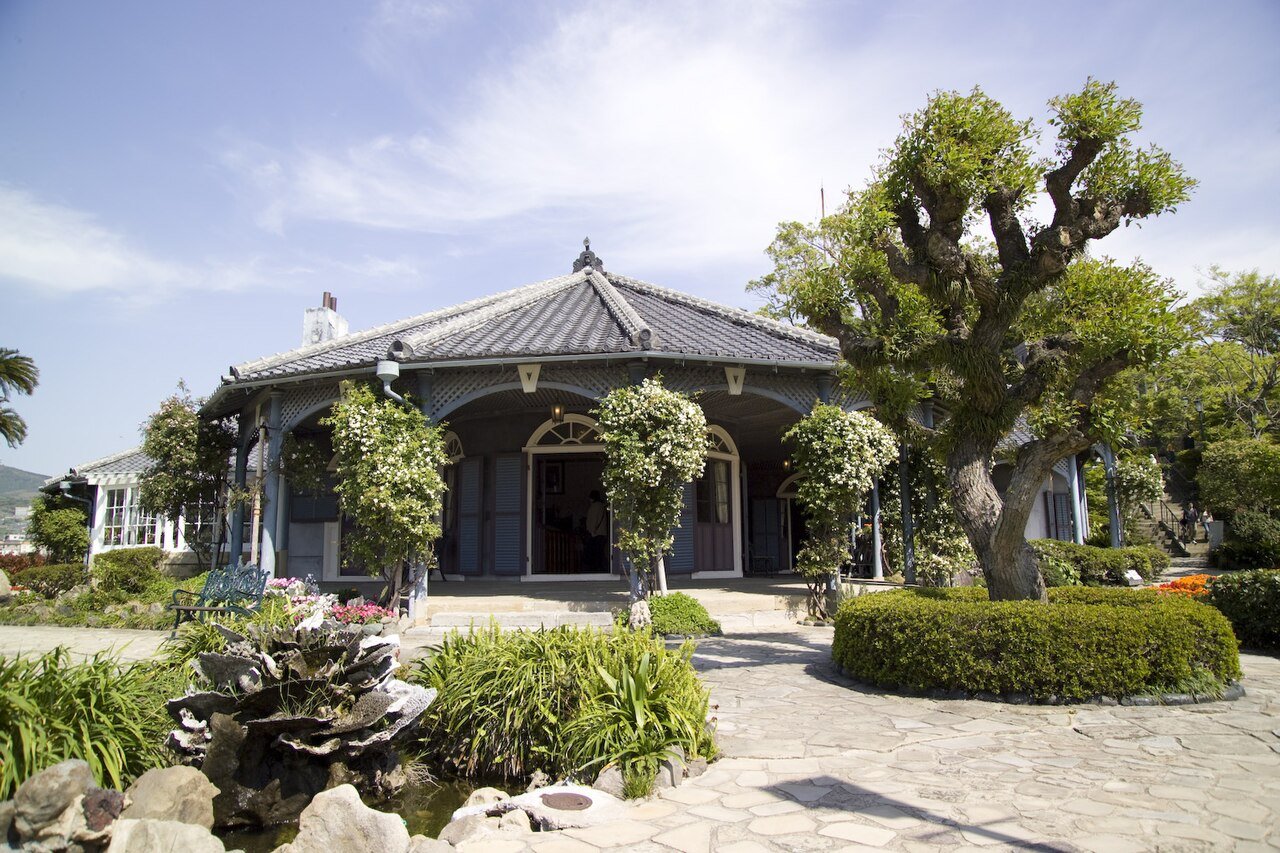
Glover House, a white colonial-style mansion perched on a hill overlooking Nagasaki harbour
Glover House — built by Scottish merchant Thomas Glover during the Meiji era and said to have inspired elements of Puccini's Madama Butterfly
Travel Styles

Nagasaki works well for every kind of traveller

Sea conditions on the Gunkanjima boat: Even when Nagasaki city is warm and calm, the open sea 18 km offshore can be noticeably colder with stronger wind. Pack a windproof jacket even in summer. Anyone prone to motion sickness should take medication before boarding.
FAQ

Common questions before visiting Nagasaki

What is the fastest way to get from Fukuoka to Nagasaki?
Take the Limited Express Relay Kamome from Hakata Station in Fukuoka, transfer to the Nishi Kyushu Shinkansen (Kamome) at Takeo-Onsen, and arrive at Nagasaki Station in approximately 1 hour 30 minutes. Standard reserved-seat fare is around ¥6,000. The online-only Kamome Net Hayatoku 3 discount ticket (booked 3 days ahead) cuts this to ¥3,850. The JR Pass and Kyushu Rail Pass cover the entire route. Nishitetsu highway buses from Tenjin Bus Centre in Fukuoka are cheaper (~¥2,500) but take 2 hours 30 minutes.
Is the Nagasaki tram day pass worth buying?
Almost certainly yes. The single-ride fare is ¥140, and the ¥600 all-day pass pays for itself after just 5 rides. On a typical Nagasaki sightseeing day — going from the station to the Gunkanjima terminal, then Peace Park, Chinatown, Glover Garden and Dejima — most visitors easily take 8–10 tram rides. Buy it at the tourist information desk inside Nagasaki Station, or ask the tram driver when you first board.
How do I book a Gunkanjima tour, and what happens if the weather is bad?
Book online through Yamasa Shipping (yamasa.org) — the booking system is available in English. Boats depart at 09:00 and 13:00 from Nagasaki Port Terminal, a 15-minute walk or one tram stop from the station. Fare is around ¥4,810 per adult. If waves exceed 0.5 m, the island landing is cancelled — the boat still passes the island so you can photograph it from the water, but you will not go ashore. Check the operator's cancellation policy before booking. Your best statistical chance of actually landing is July through September.
When is the best time to visit Nagasaki?
The top choice is autumn (October–November), with comfortable temperatures (15–22°C) and the Nagasaki Kunchi Festival on 7–9 October — a 380-year-old UNESCO-listed festival at Suwa Shrine featuring Chinese dragon dances, Dutch-themed floats and traditional Japanese performances. Hotels near the shrine sell out two to three months ahead for festival dates. Spring (March–May) is the second-best window, with cherry blossoms in late March and no festival crowds. Avoid June–July (heavy rainy season) and Golden Week (late April – early May) if possible.
Is Nagasaki very hilly? Will it be hard to walk around?
Noticeably hillier than most Japanese cities. Nagasaki sits in a valley surrounded by steep hills, and key neighbourhoods like Glover Garden and Hollander Slope involve steep climbs and stone staircases. That said, Glover Garden has a free elevator, and the tram network means you rarely have to walk long stretches between attractions. Wear closed-toe shoes with good grip — not sandals or heels. Leave heavy suitcases in coin lockers at Nagasaki Station (¥300–600/day) before you start exploring.