10 Sights Worth Your Time
Ranked by the experiences visitors keep talking about long after they leave
 1
1
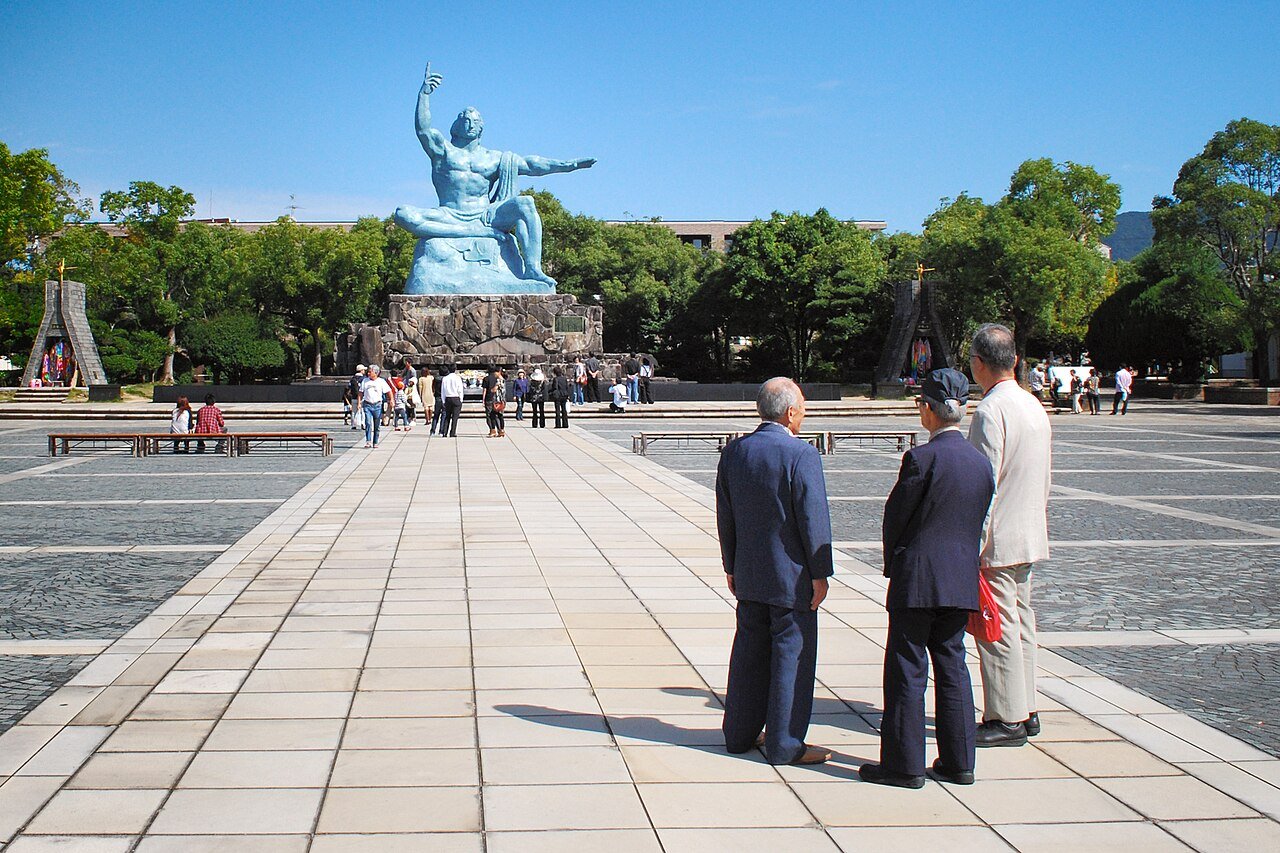
Have you ever stood at the exact spot where a nuclear bomb fell? Nagasaki Peace Park marks the hypocentre of the August 9, 1945 blast — the second atomic bomb ever used in warfare. The 9.7-metre Peace Statue by sculptor Seibo Kitamura is impossible to simply glance at: the right hand points toward the threat of nuclear weapons, the left is outstretched for peace, and the closed eyes are a prayer. The park is free and open around the clock. The Atomic Bomb Museum below is unflinching and profoundly honest. People who have been to both Hiroshima and Nagasaki say the latter feels quieter, more intimate, more personal — worth two hours of your time at minimum.
 2
2
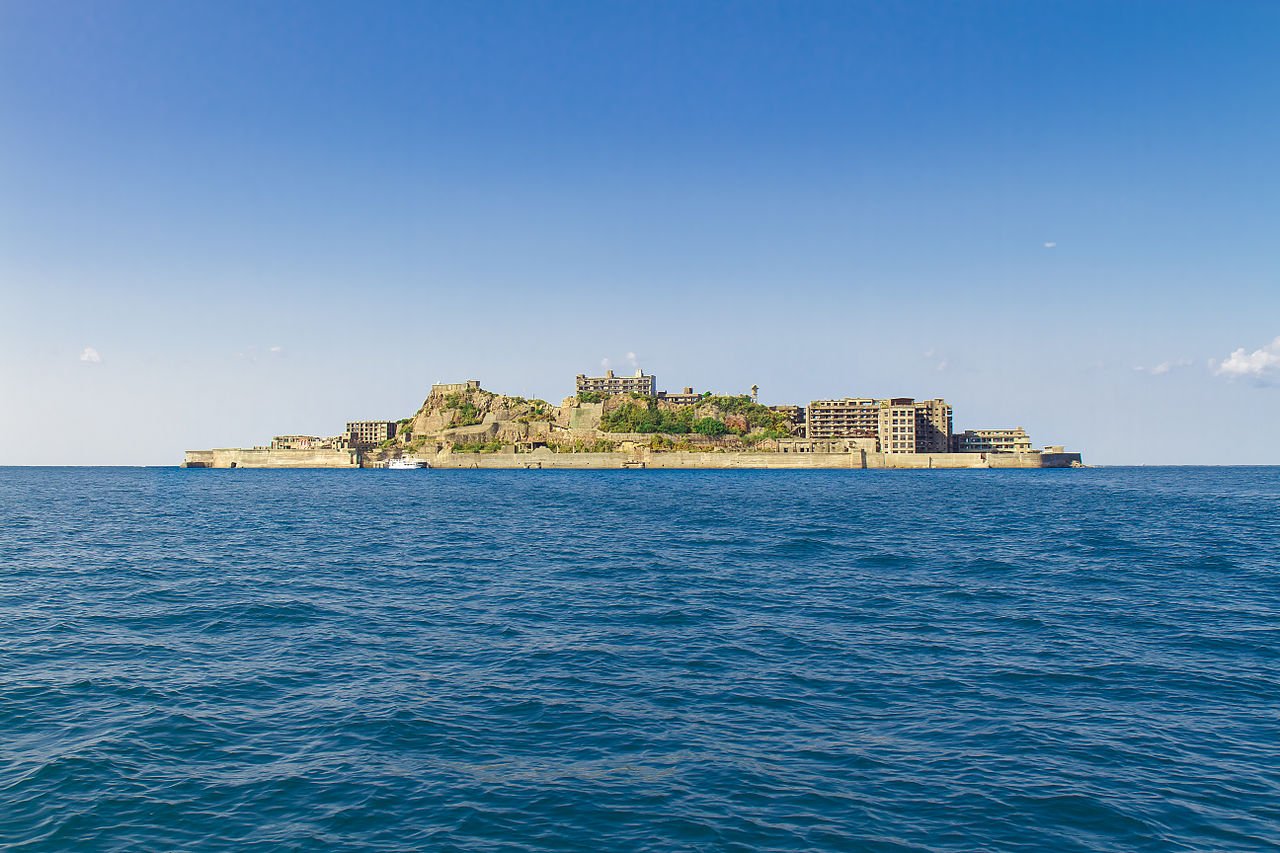
The boat leaves Nagasaki Port and 45 minutes later you see it — a mass of concrete rising out of the sea, shaped like a warship at anchor. Hashima Island was a coal-mining community that held 5,259 people in 1959: nine times denser than Tokyo. It had schools, a hospital, a cinema, a rooftop swimming pool. When the mine closed in 1974, everyone left within three months. The seven-storey concrete apartment blocks are still standing, unseen by anyone, exactly as they were left. No demolition, no renovation — just the sea and the wind working on the walls. It became a UNESCO World Heritage Site in 2015, and it is still the eeriest place most visitors will ever stand.
 3
3
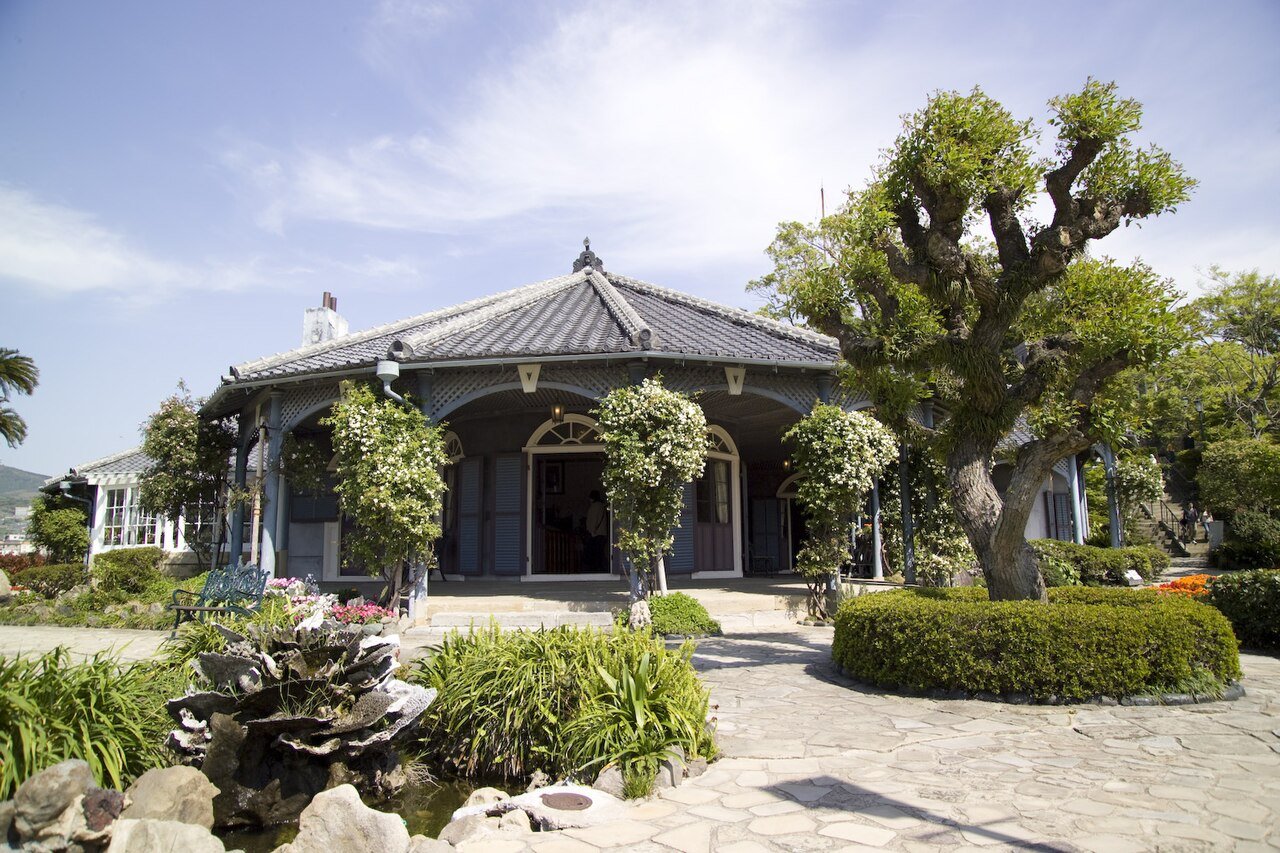
The image most people carry of Nagasaki — a white colonial house on a hillside, harbour spread below — is Glover Garden. Thomas Blake Glover, a Scottish merchant who arrived in 1859, built the house that still stands in 1863. It is the oldest surviving Western-style wooden building in Japan. Today the garden is an open-air museum of nine historic residences, accessed by outdoor escalators that carry you to the hilltop viewing area. The 180-degree panorama of Nagasaki Bay from the top is genuinely unexpected. Glover himself supplied ships and weapons to the Meiji reformers — his story is inseparable from Japan's rapid modernisation.
 4
4
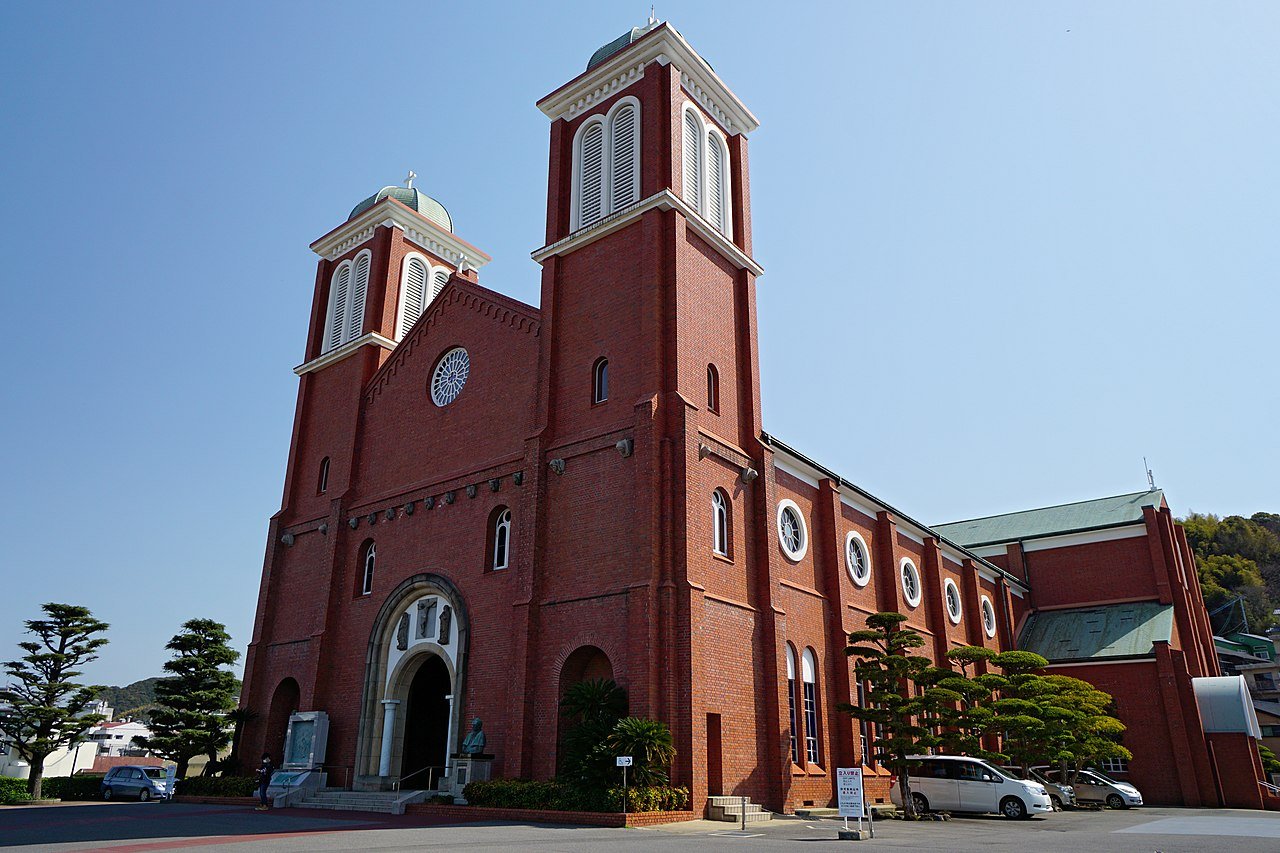
The deeper you know this place's story, the more it stays with you. Urakami Cathedral was completely obliterated on August 9, 1945, and rebuilt in the 1950s by the Urakami Christian community — people who had secretly practised their faith for 250 years while Japan's ban on Christianity was in force. Step inside and you will see the Virgin Mary statue that survived the blast: the face scorched, the head tilted at an angle from the explosion. It was recovered from the rubble and returned to stand outside the rebuilt church. It is damaged and it is beautiful and the two things are inseparable.
 5
5
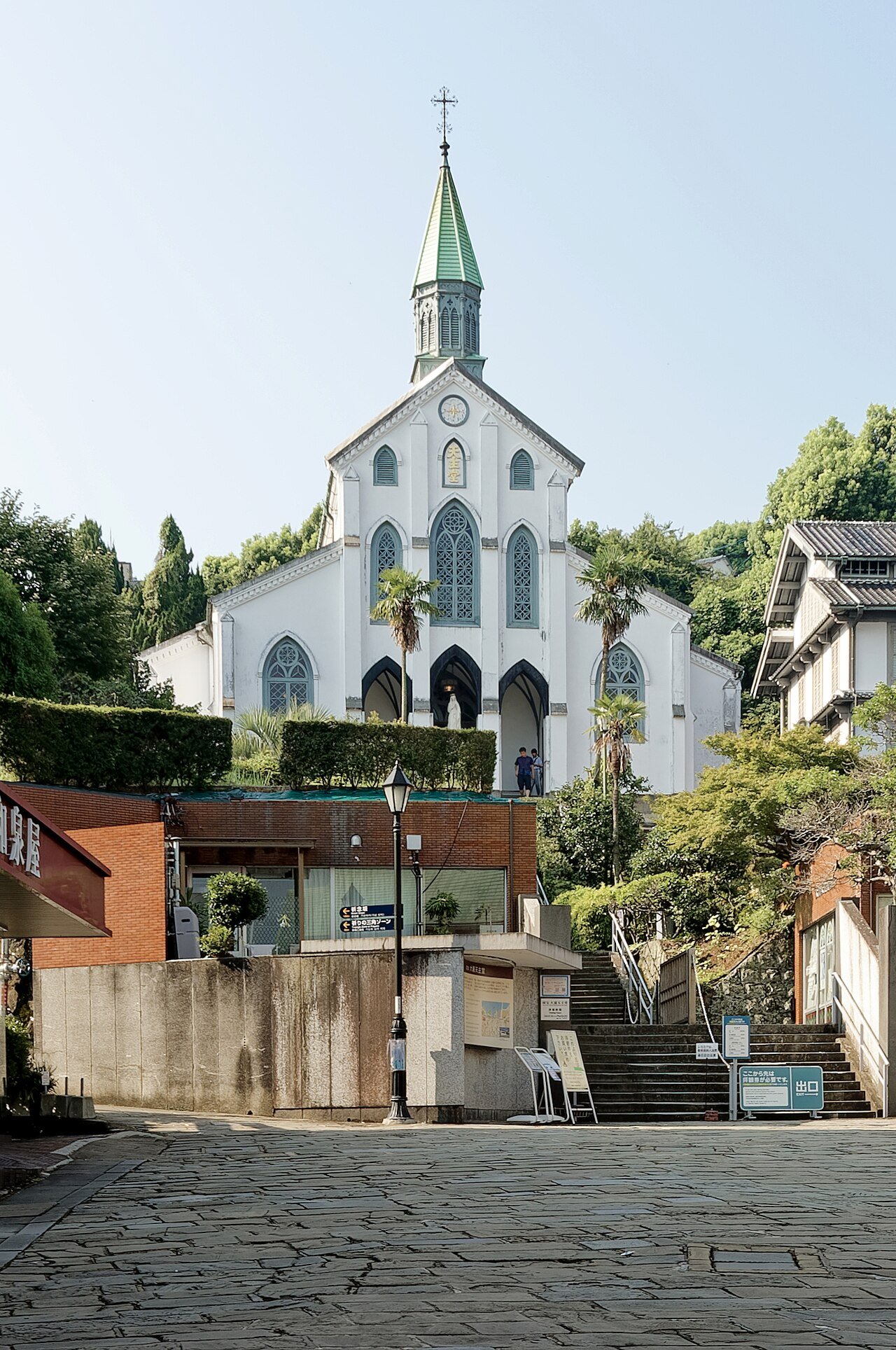
If Nagasaki is the city of hidden Christians, Oura Cathedral is where that story ended well. French missionaries built the church in 1864, dedicating it to the Twenty-Six Martyrs executed in Nagasaki in 1597. Just one year after it opened, villagers from Urakami walked in and quietly revealed to the priest that they had been practising Christianity in secret for 250 years — an event now called the Miracle at Nagasaki. The church is both a National Treasure and a UNESCO World Heritage Site. The Gothic white facade against the hillside is one of Nagasaki's most recognisable images.
 6
6
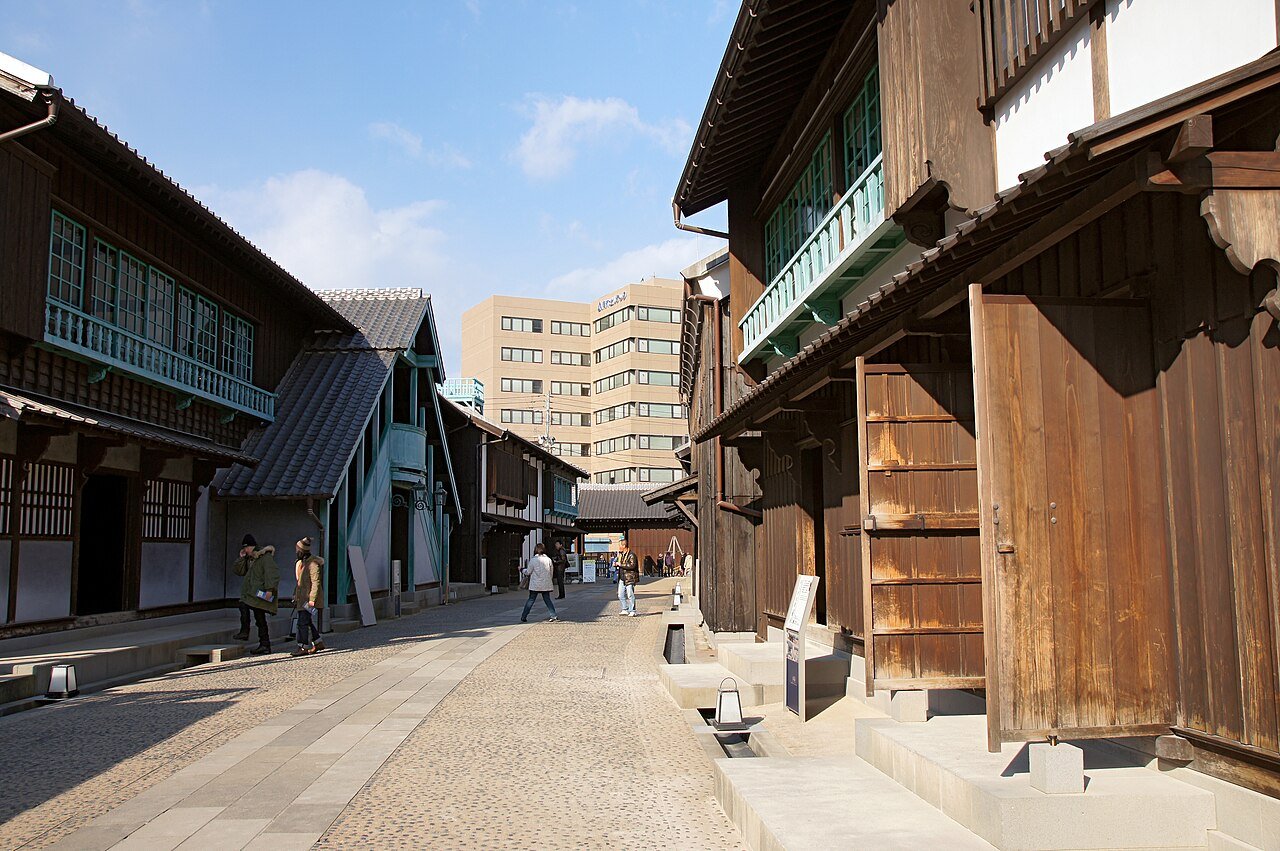
Want to understand why Nagasaki has food, architecture, and ideas that differ from every other Japanese city? Dejima is the answer. The Japanese government built this fan-shaped artificial island specifically to contain Dutch merchants — and then used it as the only channel through which Western science, medicine, astronomy and technology could enter Japan during the 213 years of sakoku. Every piece of knowledge that modernised Japan arrived through this narrow gate. Today Dejima is a meticulously reconstructed open-air museum where you can walk through the warehouse, the chief's residence, the gardens and the gates. Staff in period Dutch costumes add to the atmosphere.
 7
7
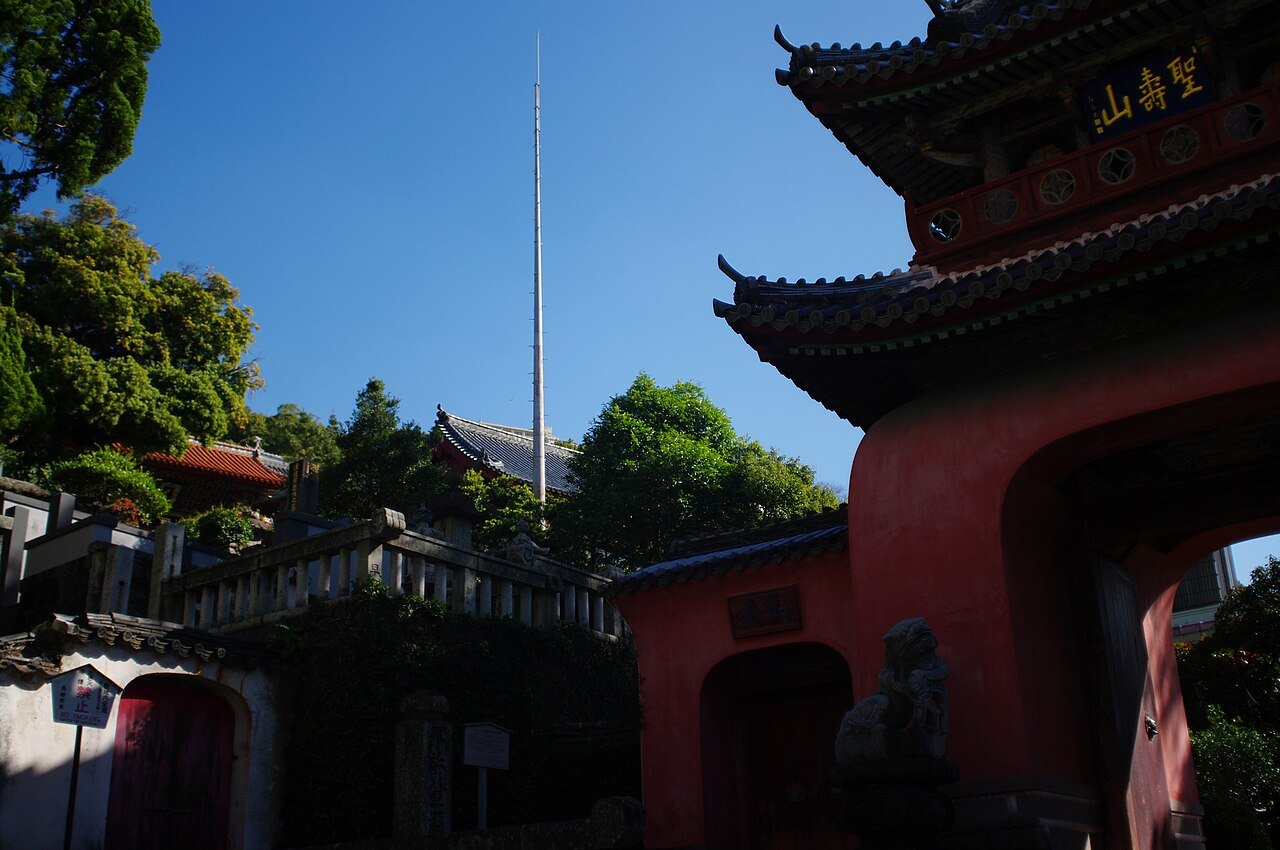
This is the most photogenic spot in Nagasaki that most visitors walk straight past. Sofukuji was founded in 1629 by the Buddhist monk Chaonian, who came from Fujian, China, and brought the architectural style of the Ming dynasty with him. The Sanmon gate (1644), blazing red with intricately carved wooden panels, is a National Treasure. So is the main hall, Daiyuho-den. The Chinese community in Nagasaki has used this temple as its spiritual centre for four centuries. If you are wondering why it looks more elaborate than most Japanese temples, it is because the architect also designed parts of the Forbidden City in Beijing.
 8
8
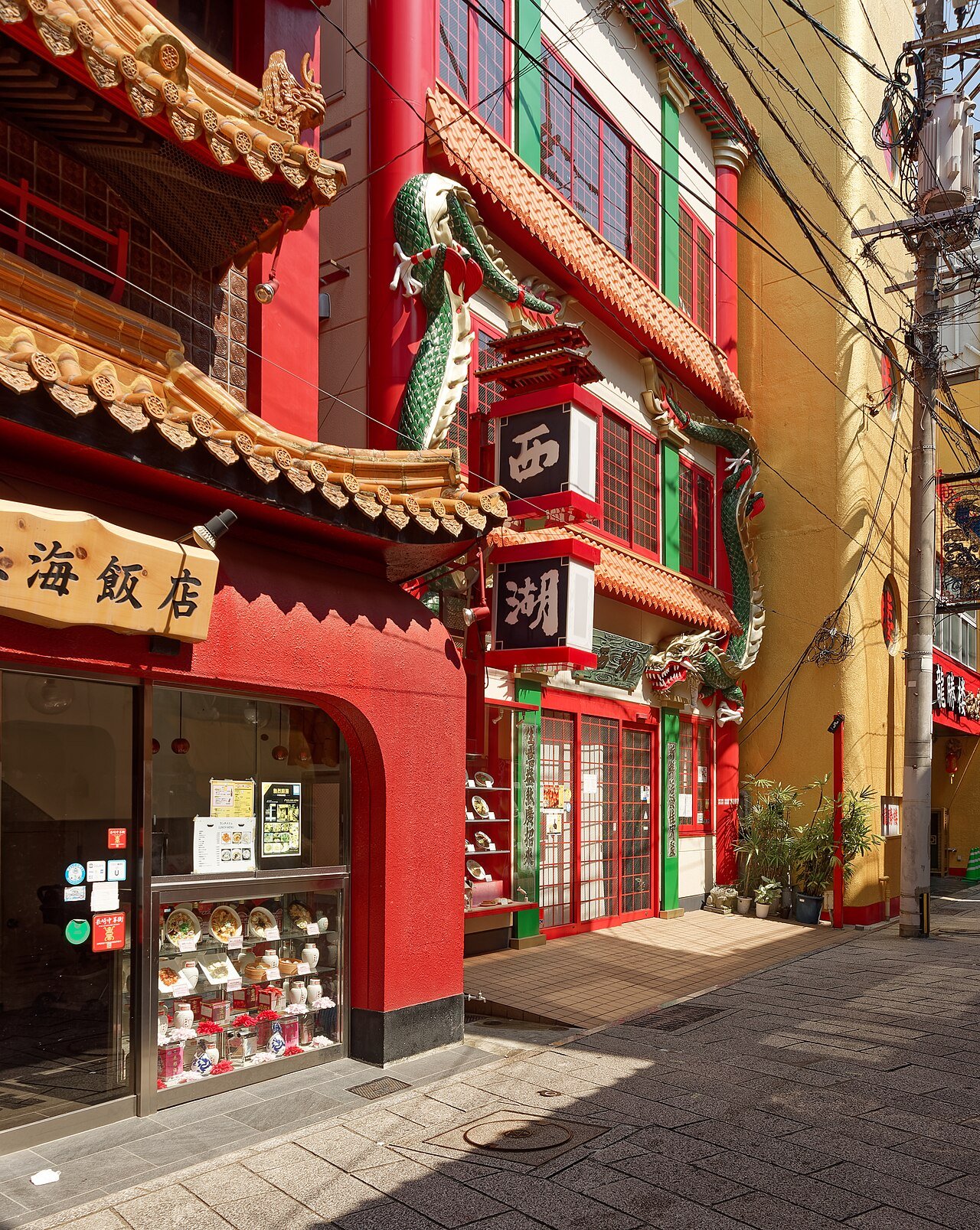
Nagasaki's Chinatown is not a tourist recreation — it grew organically from the late 16th century as Chinese merchants settled here, making it Japan's oldest Chinatown (predating Yokohama and Kobe by two centuries). The main street runs just 250 metres but packs in Chinese restaurants, sellers of Nagasaki Castella (the Portuguese sponge cake adapted by the Chinese community), and souvenir shops. Come at Chinese New Year and the entire street disappears under hundreds of lanterns in one of Japan's biggest celebrations. The food you should try here is champon — the thick soup noodle with pork, vegetables and seafood invented at a Chinese restaurant in Nagasaki in the late 1800s.
 9
9
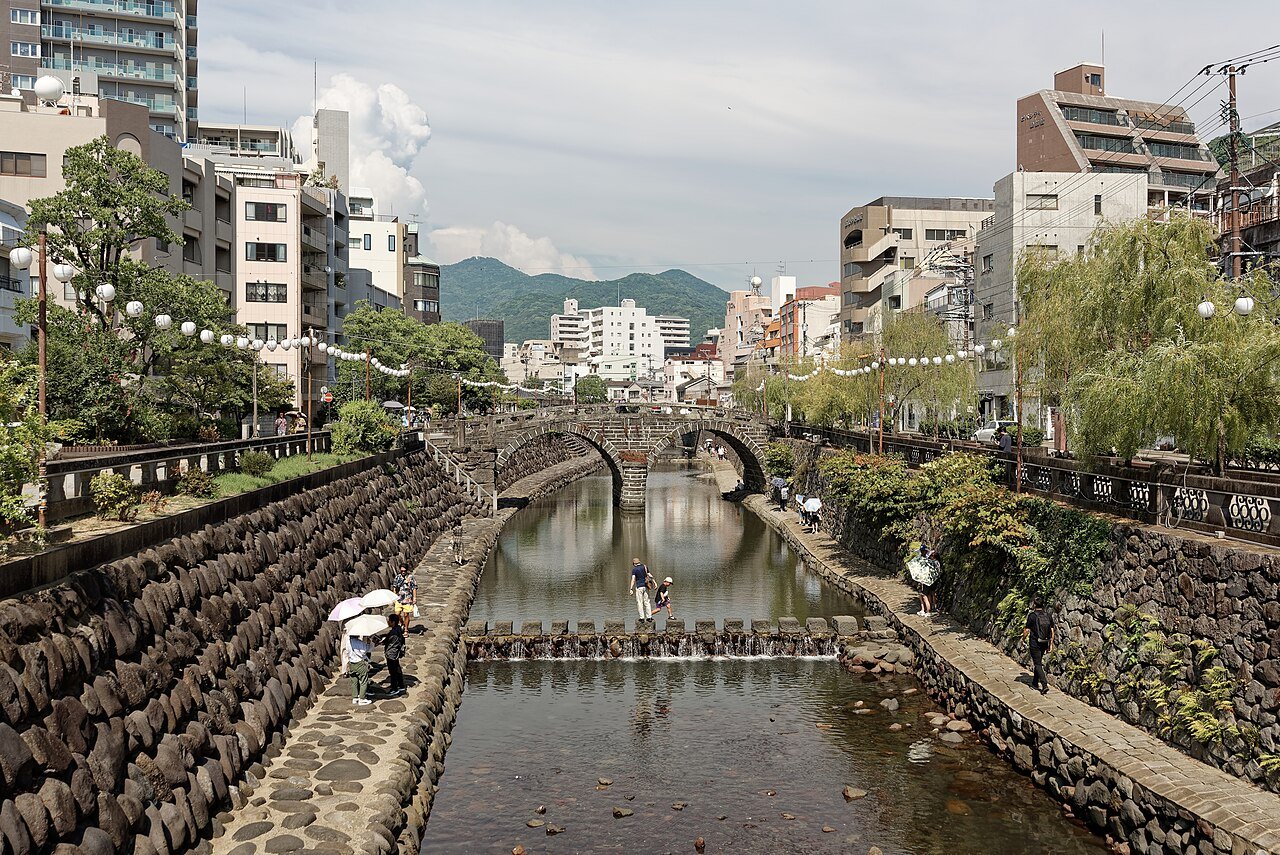
Stand on the bank of the Nakashima River and look down at the water. The two arches of the stone bridge reflect in the surface to create four circles — two above, two below — that look exactly like a pair of spectacles. The monk Mokusunyojo from nearby Kofukuji Temple built the bridge in 1634, and it is Japan's oldest surviving stone arch bridge. Meganebashi is the centrepiece of the Nakashima River walk, a stretch of the river lined with five or six historic stone bridges that you can stroll between in under an hour. Each bridge has its own character; the walk is free and quiet and completely unhurried.
 10
10
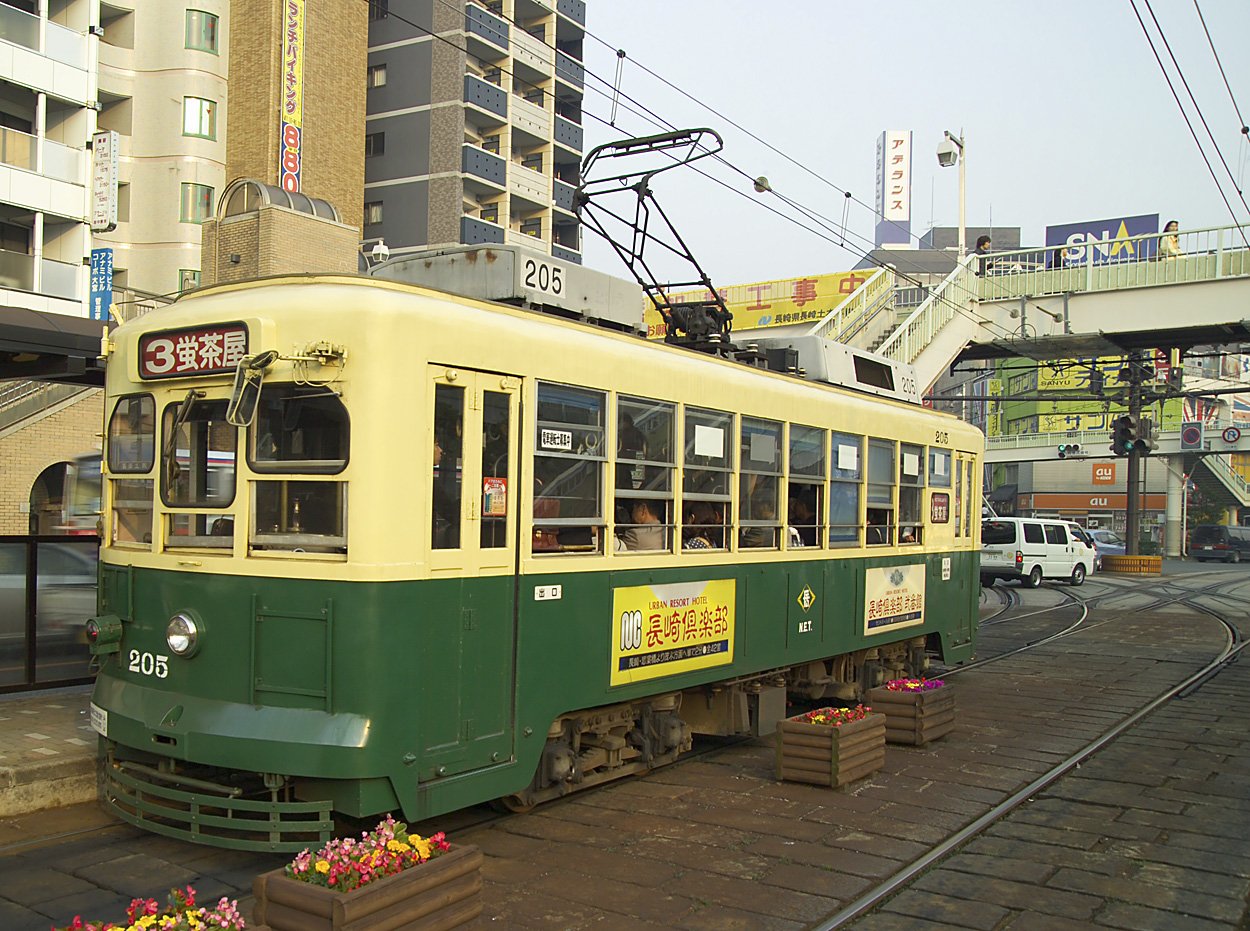
Riding Nagasaki's trams is not just a way of getting around — it is worth doing slowly. Some cars from the 1950s and 1960s are still in daily service. They lean into tight corners on narrow streets, pass the fronts of old houses, ring their bell at intersections, and smell faintly of sea air when you open the window. A single ride is ¥140, paid when you exit. The one-day unlimited pass is ¥600 — it pays off after five rides, and a full day of sightseeing typically means six to eight rides. Buy the pass from the driver on your first ride of the day.