Home Destinations 🇯🇵 Japan Kyoto Guide Kyoto Attractions About 🇹🇭 ไทย🇬🇧 English🇨🇳 中文🇪🇸 Español🇫🇷 Français
⛩️ Attractions Guide · Updated 2026

10 Must-Visit Kyoto Attractions
All Top Picks in One Place

10,000 vermillion torii gates · a gold-leaf pavilion reflected in a still pond · ancient bamboo groves · a geisha district lit by paper lanterns · a 15-stone Zen garden that has no definitive answer — Kyoto's top attractions reviewed and collected on one page, with real photos, locations, and transit directions.

Quick Overview

Ancient Capital,Every Kind of Wonder

Kyoto was Japan's imperial capital for over a thousand years, and it shows — the city contains 17 UNESCO World Heritage Sites, more than 1,600 Buddhist temples and 400 Shinto shrines. Yet Kyoto moves at a pace all its own: a morning hike through Fushimi Inari's torii tunnels feels contemplative rather than rushed, and a stroll along the Philosopher's Path at dusk can feel like stepping into a woodblock print. We've handpicked the 10 most popular spots that visitors consistently rate as "absolutely worth the trip" — each with transit directions, hours, tickets, and tips to keep your day running smoothly.

🚌
Bus + Subway Network
Kyoto City Bus and subway lines connect virtually every major temple and shrine — an IC card (Suica/ICOCA) covers it all.
🍵
Tea Ceremony Capital
Matcha originates here — Uji teas, ryokan kaiseki dining, and tea ceremony experiences at every corner.
⛩️
17 UNESCO Sites
More UNESCO-listed heritage sites than almost any other city on earth — all within easy reach of the city centre.
🌸
Beautiful Every Season
Cherry blossoms in spring, vivid green in summer, crimson maples in autumn, and serene snow-dusted temples in winter.
10 Top Spots

Kyoto AttractionsWorth Every Minute

Ranked by popularity — from globally iconic landmarks to neighbourhood gems beloved by locals. Each listing includes the location, how to get there, opening hours, and tips drawn from real visitor reviews.
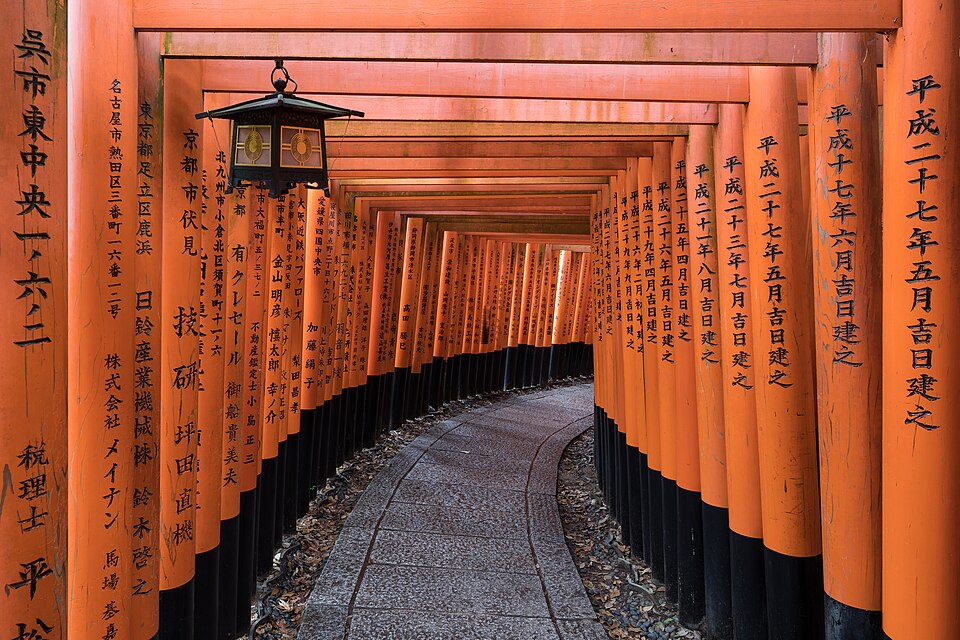
Fushimi Inari Shrine — thousands of vermillion torii gates leading up Mount Inari, Kyoto ⛩️ Shinto Shrine1
Fushimi Inari Shrine
Fushimi Inari Taisha · Fushimi District

Kyoto's single most-photographed sight and one of Japan's most visited attractions. Nearly 10,000 vermillion torii gates wind up the forested slopes of Mount Inari in a series of tunnels that seem to stretch into infinity. The gate trail is free to walk at any hour and takes about 2 hours for the full circuit to the summit and back. The head shrine at the base dates to 711 AD and is dedicated to Inari, the god of rice, sake, and prosperity.

📍Location: Fushimi District, southern Kyoto
Hours: 24/7 · Free entry
🚆Getting there: JR Nara Line to Inari Station (2-min walk) or Keihan Line to Fushimi-Inari Station
💡Tip: Arrive at 6–7 am for atmospheric early light and almost no crowds — the gates glow orange in dawn mist. Midday crowds are heavy; evenings are quiet again.
Kyoto City Guide →
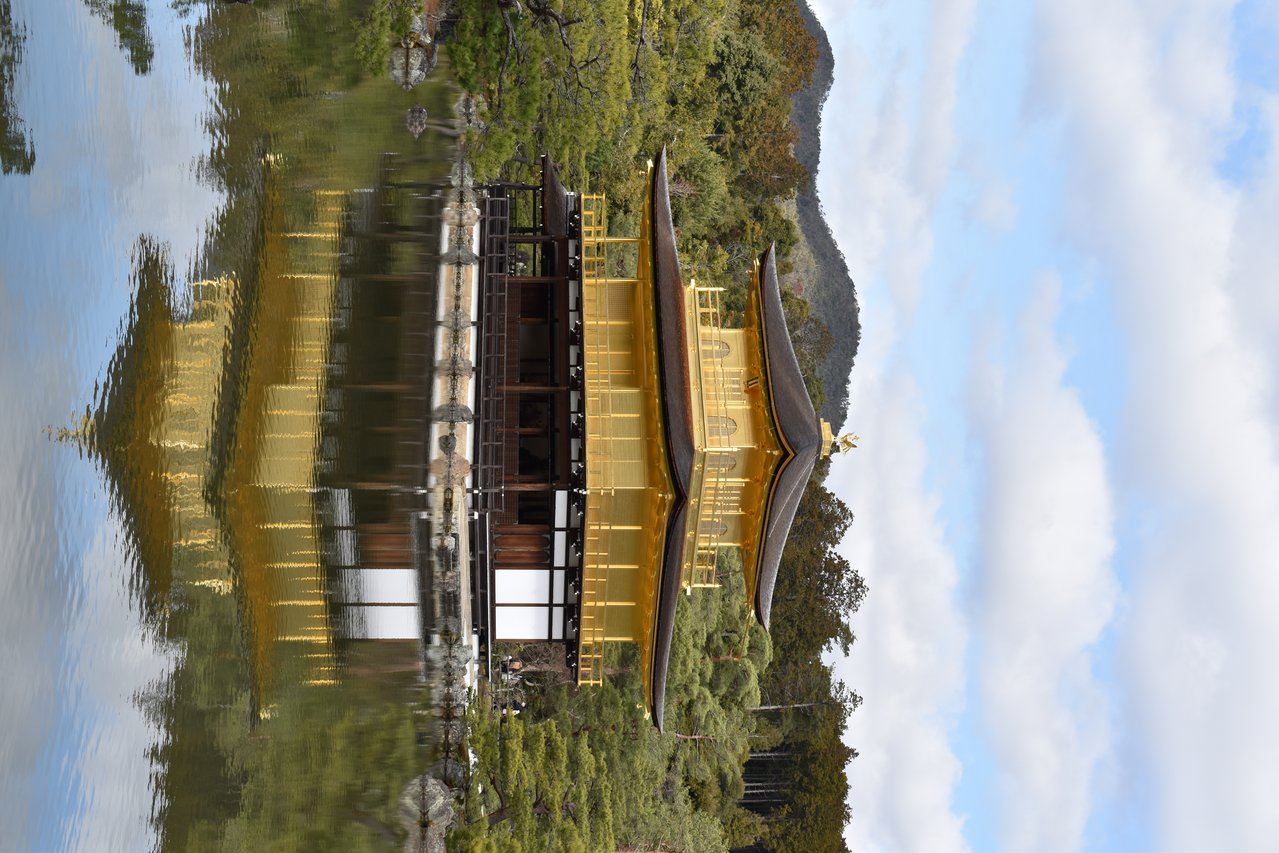
Kinkaku-ji Golden Pavilion reflected in Kyoko-chi pond, Kyoto 🥇 Golden Pavilion2
Kinkaku-ji (Golden Pavilion)
Kinkaku-ji · Kita District

The most iconic image in all of Kyoto — a three-storey Zen Buddhist pavilion whose top two floors are coated entirely in gold leaf, reflected perfectly in the Mirror Pond (Kyoko-chi) below. Originally built as a retirement villa for Shogun Ashikaga Yoshimitsu in 1397, it was converted to a Zen temple after his death. The current structure is a 1955 reconstruction after an arson attack. A UNESCO World Heritage Site and one of Japan's most recognisable landmarks.

📍Location: Kita District, northern Kyoto
Hours: 9:00–17:00 daily · ¥500 (adult)
🚌Getting there: Kyoto City Bus 101 or 205 to Kinkakuji-michi stop
💡Tip: The viewing circuit is one-way and takes about 30 minutes. Morning light (9–10 am) makes the gold shimmer most brilliantly. Combine with Ryoan-ji (a 15-minute bus ride) for a half-day north Kyoto loop.
Kyoto City Guide →
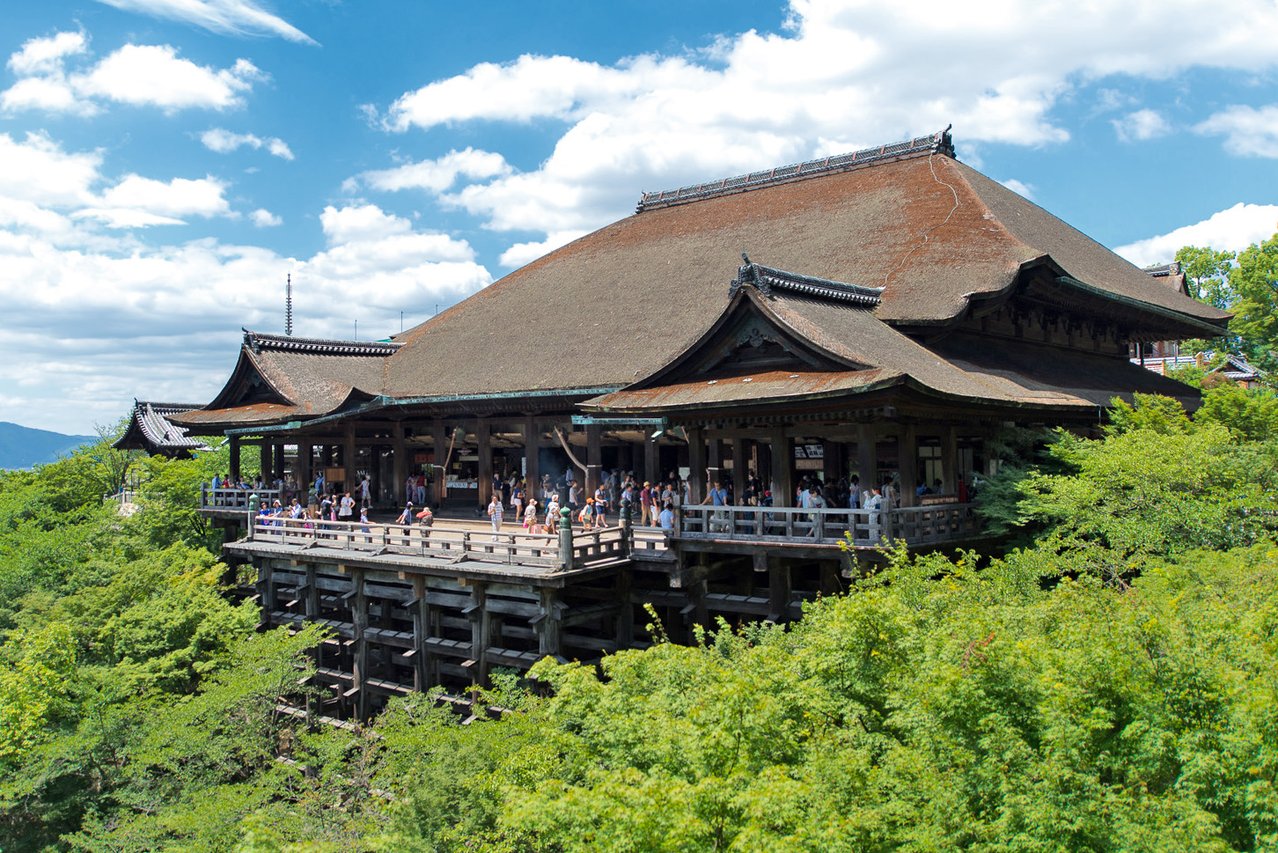
Kiyomizu-dera temple wooden stage jutting out over forested hillside, Kyoto 🏯 UNESCO Temple3
Kiyomizu-dera Temple
Kiyomizu-dera · Higashiyama District

Kyoto's hillside masterpiece — a UNESCO-listed temple whose famous wooden stage projects 13 metres out over a steep wooded cliff, supported by 139 keyaki (zelkova) pillars without a single nail. Built in 778 AD and last reconstructed in 1633, the main hall is dedicated to Kannon, the goddess of mercy. Below, three streams of sacred Otowa waterfall offer wishes for longevity, love, and studies. The cobblestone Sannen-zaka and Ninnen-zaka lanes leading up are lined with tea houses and craft shops.

📍Location: Higashiyama District, eastern Kyoto
Hours: 6:00–18:00 (until 21:30 during illumination seasons) · ¥500 (adult)
🚌Getting there: Kyoto City Bus 100 or 206 to Gojo-zaka or Kiyomizu-michi stop, then 10-min uphill walk
💡Tip: Visit at opening (6 am) for near-empty stone lanes and the best light on the stage — the view of the forested valley is stunning. Evening illuminations in spring and autumn are separately ticketed and spectacular.
Kyoto City Guide →
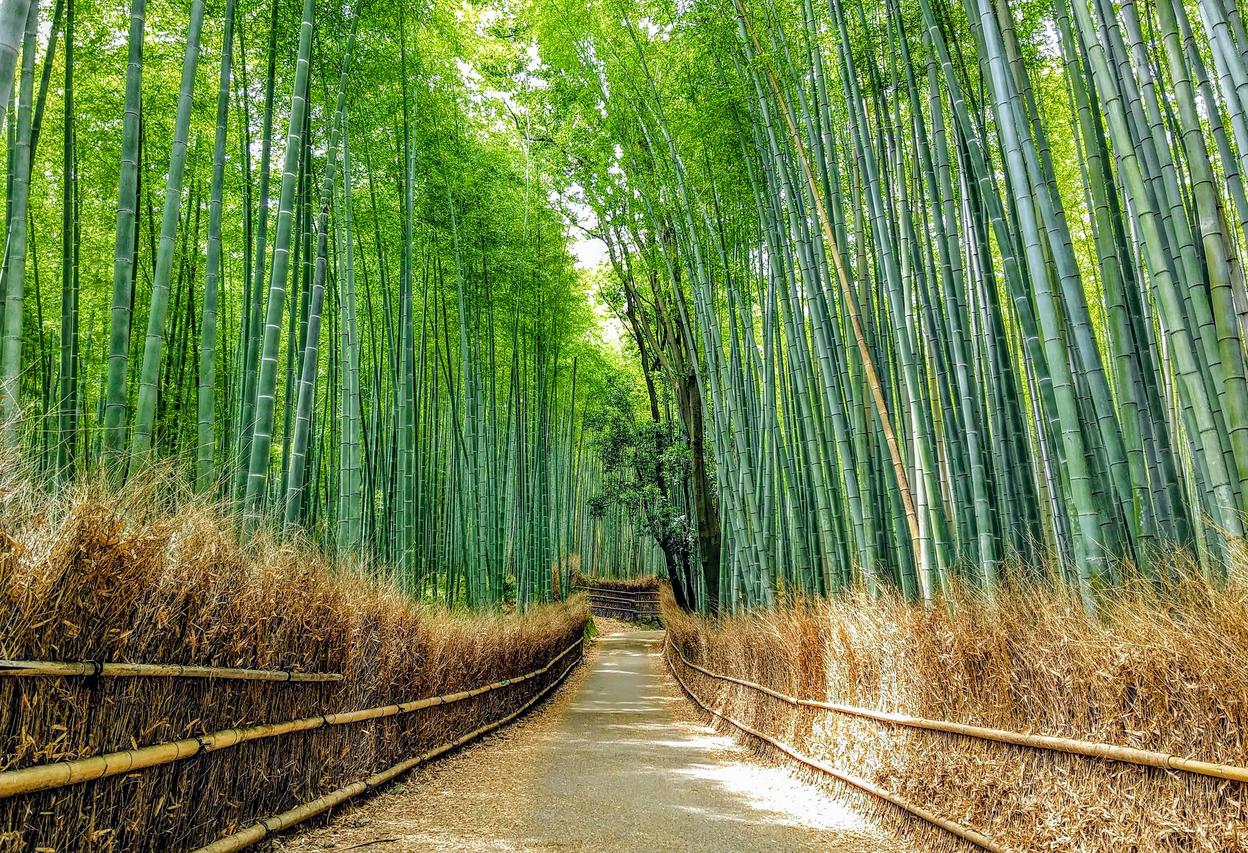
Arashiyama Bamboo Grove — towering bamboo stalks lining a narrow path in Kyoto 🎋 Bamboo Forest4
Arashiyama Bamboo Grove
Arashiyama Bamboo Grove · Arashiyama District

A narrow path cutting through soaring bamboo stalks so tall and dense they block the sky — one of the most photographed natural scenes in Japan. The rustling sound of the canes moving in the wind was even designated an "Intangible Cultural Property" of Japan. The grove is the centrepiece of Arashiyama, a village district along the Oi River that also offers the Tenryu-ji Zen garden (UNESCO), the Togetsukyo Bridge, and the Iwatayama Monkey Park for views over the valley.

📍Location: Arashiyama District, western Kyoto
Hours: 24/7 · Free entry
🚌Getting there: JR San-in Line to Saga-Arashiyama Station; Randen tram to Arashiyama; or Bus 28/11 to Arashiyama
💡Tip: Arrive before 8 am for a genuinely quiet grove — crowds pack in by 9:30 am. The bamboo path takes about 10 minutes end-to-end; continue into Okochi Sanso Villa gardens for a longer peaceful walk.
Kyoto City Guide →
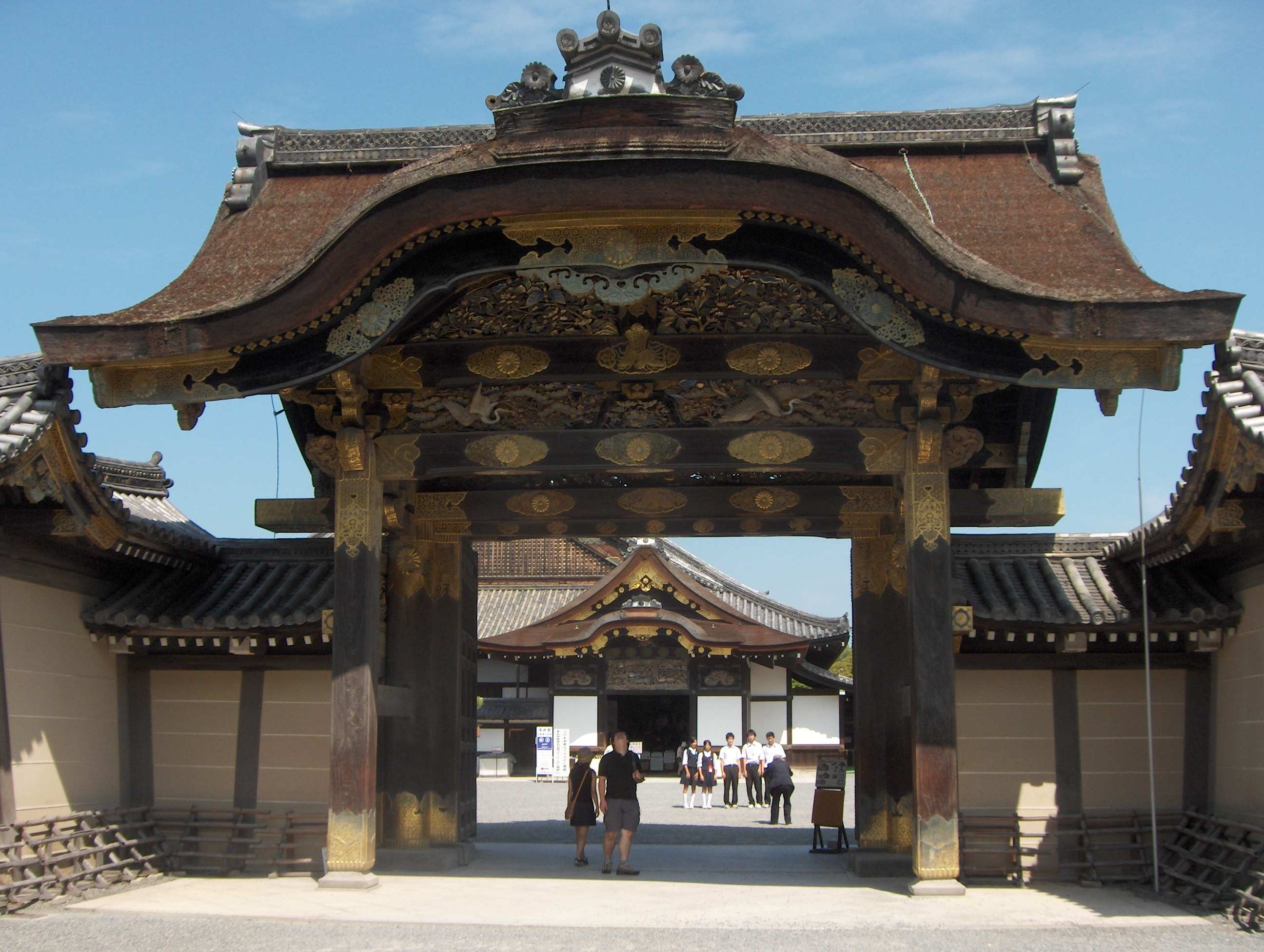
Nijo Castle — ornate Ninomaru Palace gatehouse, Kyoto 🏯 UNESCO Castle5
Nijo Castle
Nijo-jo · Nakagyo District

Built in 1603 as the Kyoto residence of Shogun Tokugawa Ieyasu, Nijo Castle is a UNESCO World Heritage Site famous for its extraordinary "nightingale floors" — the Ninomaru Palace corridors were deliberately engineered to squeak like birds when walked upon, alerting the shogun to any approaching assassin. The interiors are decorated with spectacular Kano-school gilded paintings. The surrounding Ninomaru garden, designed by tea master Kobori Enshu, is one of the finest example of daimyo landscape design.

📍Location: Nakagyo District, central Kyoto
Hours: 8:45–17:00 (closed Tue in Jan, Jul, Aug, Dec) · ¥1,300 (adult, includes Ninomaru Palace)
🚇Getting there: Subway Tozai Line to Nijojo-mae Station (2-min walk)
💡Tip: Walk slowly on the squeaking corridor floors to hear the nightingale effect — move fast and you'll miss it. Weekday mornings are the least crowded. Allow 1.5–2 hours total.
Kyoto City Guide →
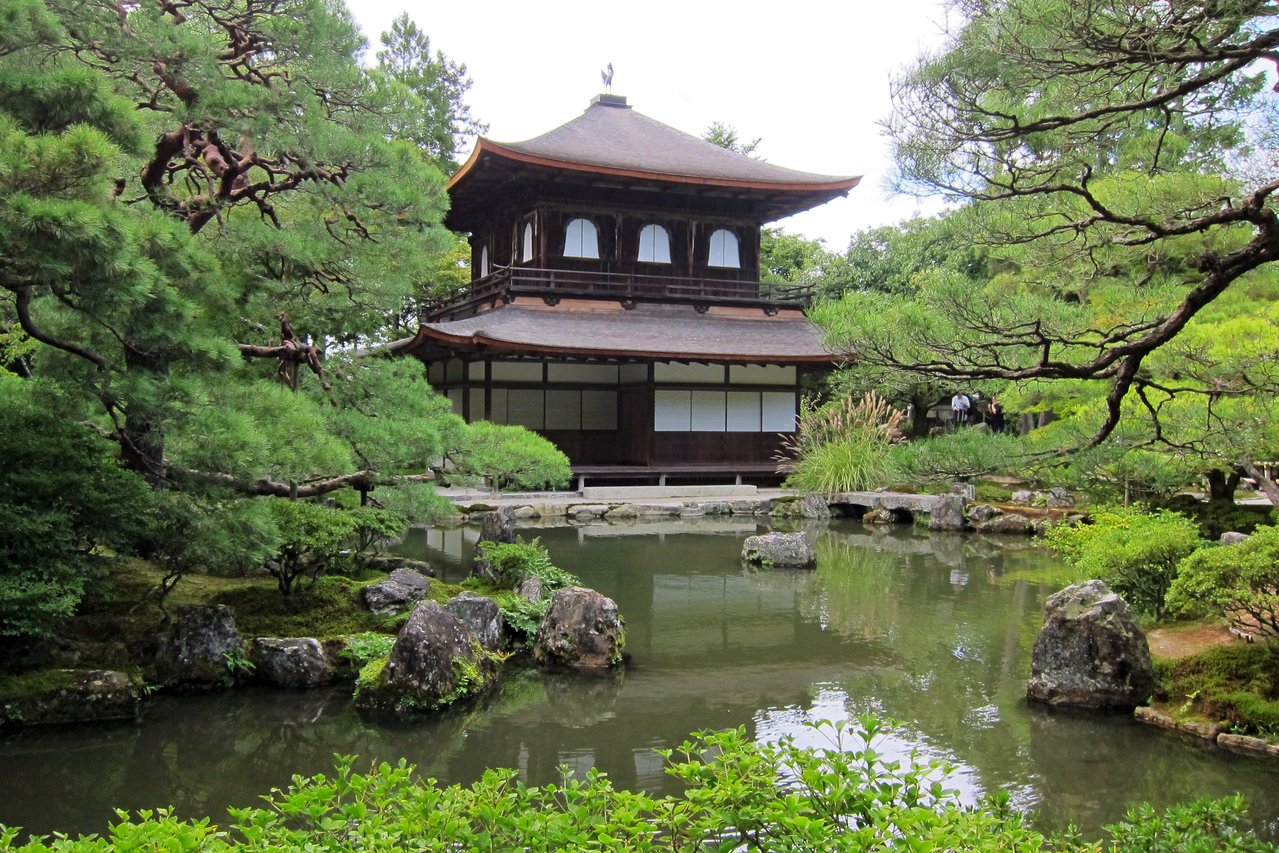
Ginkaku-ji Silver Pavilion surrounded by moss garden and sand cone, Kyoto 🌿 Zen Garden6
Ginkaku-ji (Silver Pavilion)
Ginkaku-ji · Sakyo District

Officially named Jisho-ji, Ginkaku-ji was intended to be covered in silver leaf (in contrast to the Golden Pavilion) but the plan was never realised — the pavilion remains natural dark wood, which many visitors find more elegant and restrained. What makes it unmissable is the surrounding garden: a meticulously raked silver-sand sea called the "Sea of Silver Sand," a precise cone of sand called Kogetsudai, and a moss-carpeted woodland trail to a hilltop viewpoint over the city. The starting point of the famous Philosopher's Path.

📍Location: Sakyo District, northeastern Kyoto
Hours: 8:30–17:00 (Dec–Feb: 9:00–16:30) · ¥500 (adult)
🚌Getting there: Kyoto City Bus 5 or 17 to Ginkakuji-michi stop
💡Tip: Visit early (opening time) before tour groups arrive. Take the hilltop trail for an elevated view — most visitors skip it and miss the best angle of the cone and pavilion below.
Kyoto City Guide →
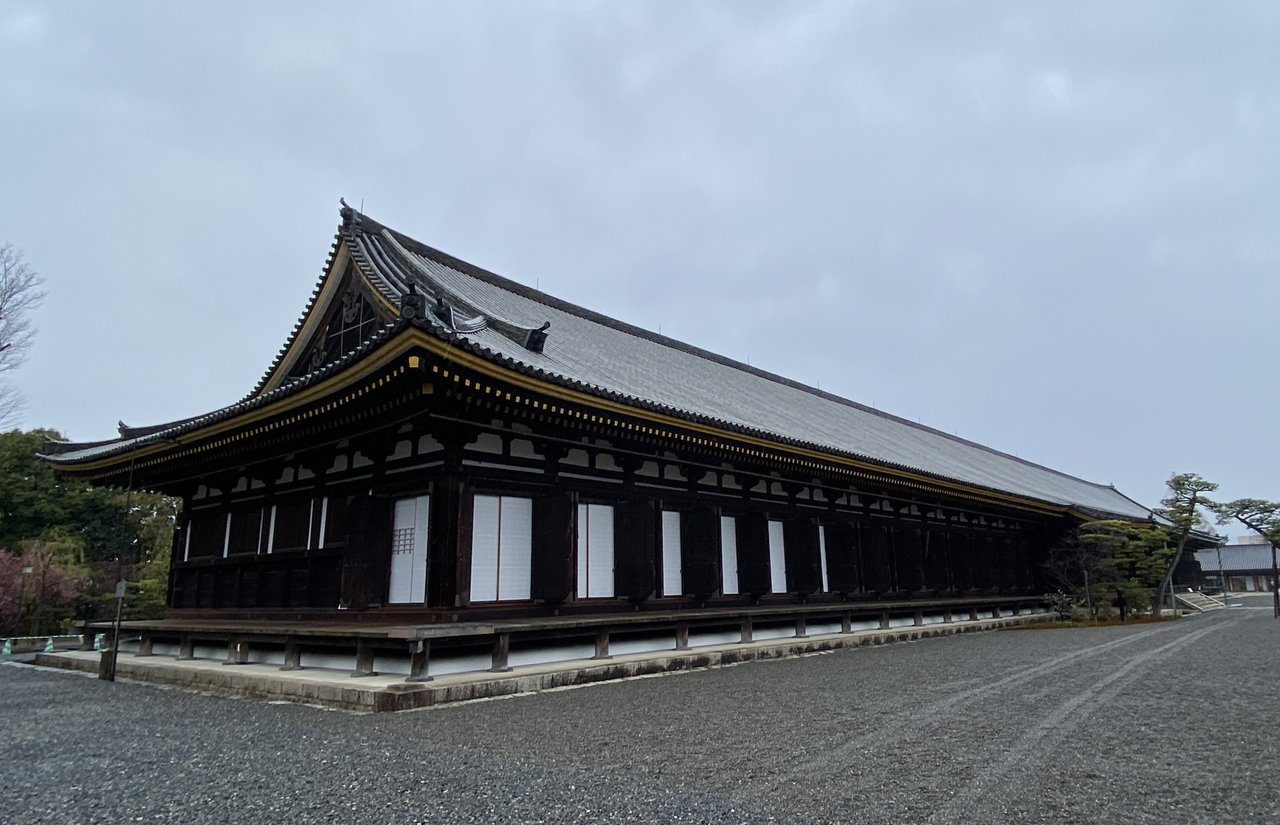
Sanjusangen-do hall with 1001 golden Kannon statues, Kyoto 🛕 Buddhist Hall7
Sanjusangen-do
Sanjusangen-do · Higashiyama District

Japan's longest wooden building — a 120-metre hall housing exactly 1,001 life-sized gilded statues of Kannon (the goddess of mercy) standing in 33 rows, each one subtly different in expression and hand position. The central statue, enthroned 3.3 metres tall, is a National Treasure. Founded in 1164 and rebuilt in 1266, the hall also displays 28 guardian deities and a striking pair of Fūjin (wind god) and Raijin (thunder god) figures at the ends. Profoundly atmospheric and rarely overcrowded.

📍Location: Higashiyama District, eastern Kyoto (near Kyoto Station)
Hours: 8:00–17:00 (Nov–Mar: 9:00–16:00) · ¥600 (adult)
🚌Getting there: Kyoto City Bus 206 or 208 to Sanjusangendo-mae stop
💡Tip: This is the rare Kyoto attraction that is often peaceful even mid-morning. Combine it with Kiyomizu-dera (a 15-min bus ride uphill) for a full Higashiyama morning.
Kyoto City Guide →
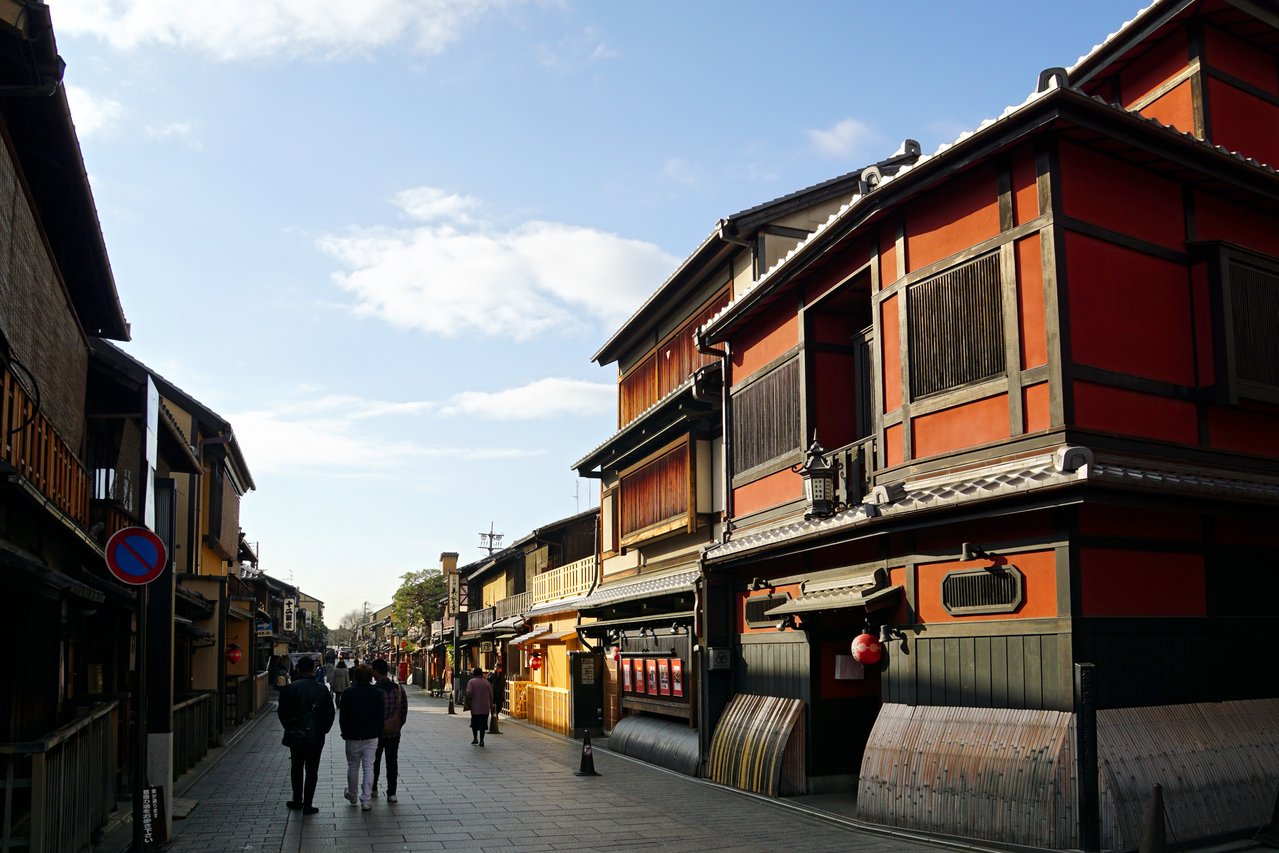
Gion District — lantern-lit Hanamikoji Street, Kyoto's geisha quarter 🏮 Geisha District8
Gion District
Gion · Higashiyama District

Japan's most famous geisha district, where traditional ochaya (teahouses) line the stone-paved Hanamikoji Street and the atmospheric Shimbashi canal alley. Gion has been Kyoto's entertainment quarter for centuries and is still home to geiko (Kyoto geisha) and maiko (apprentices) who appear in the evenings on their way to evening engagements. The preserved machiya wooden townhouses, paper lanterns, and stepping-stone lanes of Ishibei-koji make Gion one of the most photogenic neighbourhoods in Japan.

📍Location: Higashiyama District, central Kyoto
Hours: Always open · Free to explore
🚌Getting there: Kyoto City Bus 100 or 206 to Gion stop; or Keihan Line to Gion-Shijo Station
💡Tip: Evening (18:00–20:00) is best for spotting geiko and maiko. Be respectful — do not block, touch, or follow them. Gion Matsuri (July) is one of Japan's three great festivals and packs the streets with revellers.
Kyoto City Guide →
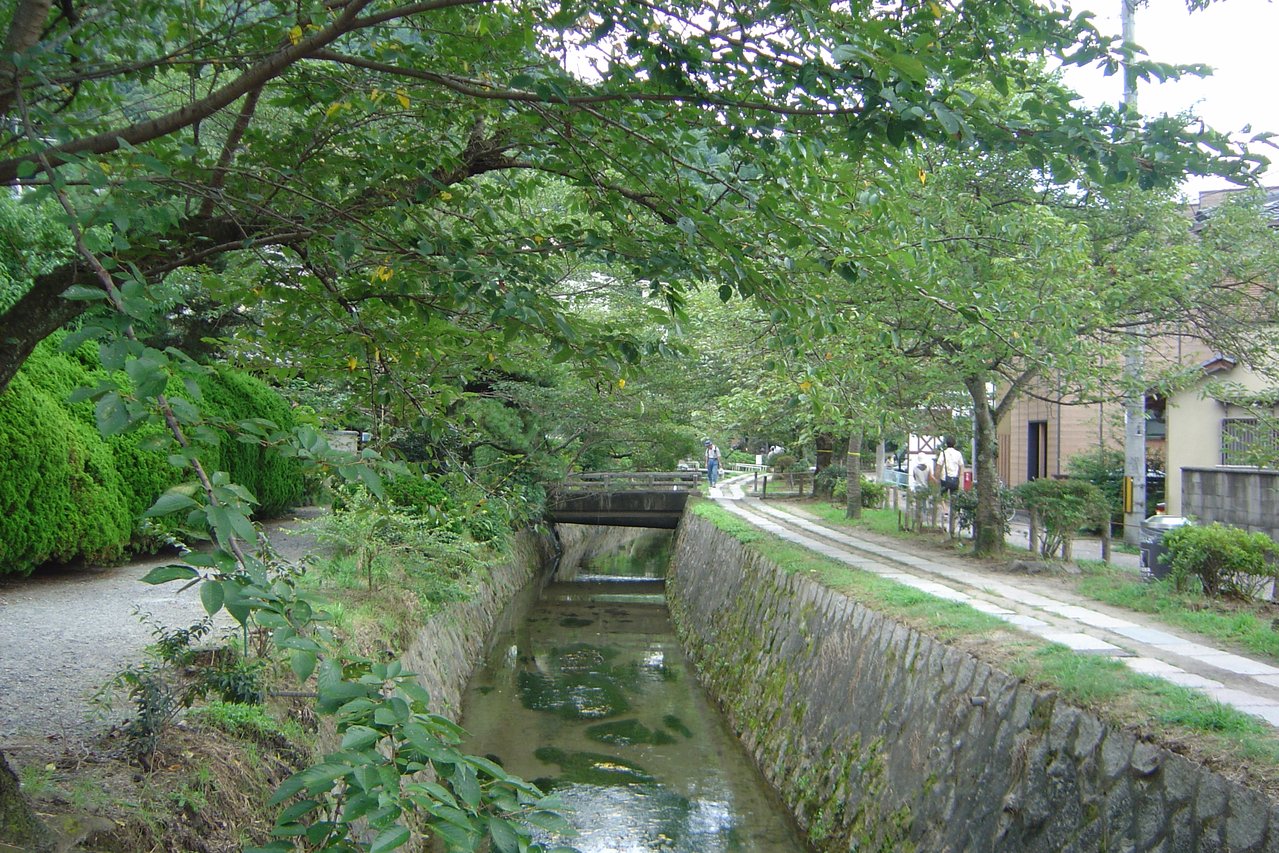
Philosopher's Path canal walk lined with cherry trees, Kyoto 🌸 Canal Walk9
Philosopher's Path
Tetsugaku-no-Michi · Sakyo District

A 2-kilometre stone-paved path following a narrow canal, flanked by hundreds of cherry trees and peppered with small cafés, galleries, and Buddhist temples. Named after philosopher Nishida Kitaro, who reportedly meditated while walking this route daily. In spring the sakura overhanging the canal create a pink tunnel — one of the most celebrated cherry-blossom spots in Japan. In autumn, maples turn the water red and gold. Between Ginkaku-ji at the north end and Nanzen-ji at the south, the path passes the atmospheric Eikan-do and Honen-in temples.

📍Location: Sakyo District, northeastern Kyoto
Hours: 24/7 · Free
🚌Getting there: Bus 5 to Ginkakuji-michi (north end) or Eikan-do-Zenrin-ji (south end)
💡Tip: Walk south-to-north (Nanzen-ji → Ginkaku-ji) to finish at the Silver Pavilion garden — a natural end point. Allow 45–60 minutes for the full walk plus temple diversions.
Kyoto City Guide →
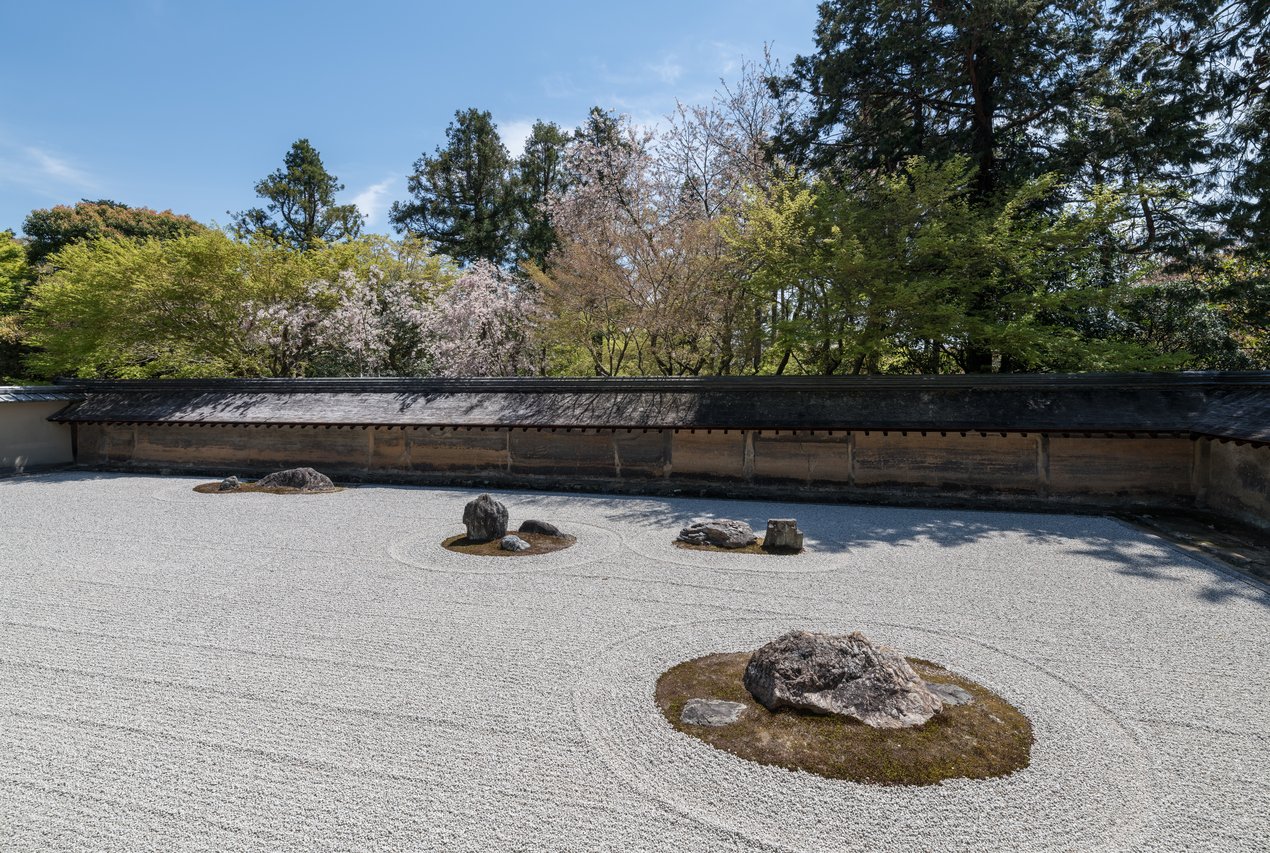
Ryoan-ji dry rock garden — 15 stones arranged in white gravel, Kyoto 🪨 Zen Garden10
Ryoan-ji Zen Garden
Ryoan-ji · Ukyo District

One of the world's most famous and enigmatic gardens — a flat rectangular courtyard of raked white gravel containing exactly 15 moss-covered rocks arranged in five groups. No matter where you stand on the viewing veranda, one rock is always hidden from view. The garden's meaning has never been officially explained, and the deliberate ambiguity has made it the subject of philosophical debate for over 500 years. Beyond the rock garden, Ryoan-ji's large pond and forested grounds offer serene walking paths away from the crowds.

📍Location: Ukyo District, northwestern Kyoto
Hours: 8:00–17:00 (Dec–Feb: 8:30–16:30) · ¥500 (adult)
🚌Getting there: Kyoto City Bus 59 to Ryoanji-mae stop; or Randen Kitano Line to Ryoanji Station
💡Tip: Sit quietly on the veranda for at least 10 minutes — the garden rewards patience. Combine with Kinkaku-ji (10 min by bus) and Ninnaji Temple (walking distance) for a full northwest Kyoto day.
Kyoto City Guide →
Map

All 10 Kyoto Attractionson One Map

See how the sights are distributed across the city — cluster nearby spots into a single day to save travel time.

Kyoto Travel Tips

6 Things That Make Your Kyoto TripSmoother and Better Value

💳
Use a Suica or ICOCA Card
Load an IC card for seamless travel on Kyoto Bus, Subway, JR trains, and even convenience stores — no need to buy individual tickets for every temple hop.
🚌
Kyoto Bus Day Pass (¥600)
Worth it if you ride 3 or more city buses in a day — covers most temple routes. Combine with the subway for northwest and eastern routes.
🌸
Season Changes Everything
Cherry blossom (late March–early April) and autumn foliage (mid-November) are the peak seasons — plan ahead and book accommodation months in advance.
🌅
Arrive Before 8 am
Fushimi Inari, Arashiyama Bamboo Grove, and Kiyomizu-dera are virtually empty at opening time — you'll have the entire place to yourself for 30–60 minutes.
📶
Get an eSIM Before You Fly
Mobile data is essential for real-time bus tracking, navigating temple complexes, and checking crowd conditions before heading to a new site.
🏯
Cluster by District
Kinkaku-ji + Ryoan-ji are both northwest (combine in one morning). Kiyomizu-dera + Gion + Sanjusangen-do are all eastern Higashiyama — a natural full-day loop.
Frequently Asked Questions

FAQ —Kyoto Travel

How many days do I need for Kyoto?
Allow at least 2–3 days to cover the top 10 attractions on this page comfortably. Two days cover the must-sees (Fushimi Inari, Kinkaku-ji, Kiyomizu-dera, Arashiyama, Gion). A third day lets you take the Philosopher's Path at a relaxed pace, visit Ryoan-ji, and explore Nijo Castle without rushing. Four or five days is ideal for adding Nara (deer park) and Osaka day trips.
Is the Kyoto Bus Day Pass worth it?
The Kyoto City Bus 1-Day Pass (¥600) is excellent value if you ride 3 or more buses in a day — most attractions are on the major bus routes. For ¥700 you get a combined subway + bus pass. However, Arashiyama is best reached by the Sagano/Randen tram and Fushimi Inari by JR, so a Suica or ICOCA IC card combined with occasional single bus tickets is often more flexible than the pass alone.
What is the best season to visit Kyoto?
Spring (late March–early April) for cherry blossoms is the most iconic season — expect large crowds, especially at Maruyama Park and the Philosopher's Path. Autumn (mid-November) for crimson maples is equally stunning and many travellers prefer it. Summer (July–August) has vibrant festivals including Gion Matsuri but is hot and humid. Winter offers a quieter Kyoto, and a dusting of snow on Kinkaku-ji or Kiyomizu is magical.
How should I behave when spotting geisha in Gion?
Gion has strict etiquette rules now enforced by the district. Do not touch, grab, or block geiko (geisha) and maiko (apprentices) to take photos. Do not follow them down private alleys. Photography on Hanamikoji Street is allowed from a respectful distance. Several alleys now prohibit photography entirely — watch for signs. Kyoto has introduced fines for reckless tourist behaviour in some areas.
Are Kyoto ryokan worth staying in?
Yes — a one- or two-night stay in a traditional ryokan is one of the defining Japanese travel experiences and Kyoto is the best city for it. Expect tatami mat rooms, futon bedding, a multi-course kaiseki dinner, and an in-house hot spring bath (onsen). Budget around ¥15,000–50,000 per person per night including dinner and breakfast. Book at least 2–3 months in advance, especially for cherry blossom and autumn foliage seasons.
How easy is it to travel between Kyoto and Osaka?
Extremely easy. The Hankyu Line (¥410, ~45 min) or JR Special Rapid (¥580, ~28 min) connect Kyoto Station to Osaka's major stations. The Shinkansen (¥1,420, ~15 min) is the fastest option. If you have a JR Pass, use the Shinkansen or JR Rapid at no extra cost. Many travellers base themselves in Osaka and day-trip to Kyoto, or spend two nights in each city.
Plan Your Trip

Fit These SightsInto Your Kyoto Itinerary

Choose a ready-made itinerary, browse the full city guide, or plan a day trip from Kyoto to nearby destinations.

🦌

Nara Day Trip from Kyoto

45 minutes from Kyoto by express train — 1,200 free-roaming sacred deer, Todai-ji (world's largest wooden building), and Kasuga Shrine in one compact half-day or full-day trip.

Kyoto City Guide →
🍵

Uji — Matcha Origin Village

A short train ride south of Kyoto, Uji is Japan's green tea heartland — Byodoin Temple (on the ¥10 coin), Ujigami Shrine, and endless matcha-flavoured treats along the main street.

Kyoto City Guide →
🏔️

Kibune & Kurama — Mountain Onsen

A 30-minute train ride into the northern hills — soak in Kibune's riverside outdoor hot springs and walk the cedar-lined Kurama-dera temple trail for a quiet escape from the city.

Kyoto City Guide →
🏙️

Osaka — 30 Minutes Away

Japan's food capital is right next door — Dotonbori street food, Osaka Castle, Kuromon Market, and Namba nightlife make it an easy and rewarding full-day trip from Kyoto.

Kyoto City Guide →
🗺️

Kyoto City Guide

Everything in one place — hotels, restaurants, attractions, practical tips, and a complete planning guide for visiting Kyoto in 2026.

Open Kyoto Guide →
🇯🇵

Japan Travel Guide

Visa, eSIM, IC cards, Shinkansen, currency, and everything you need to know before your first trip to Japan — all in one practical guide.

Read Japan Travel Guide →
Ready to Go?

Pick Your Favourite Spots
and Start Planning Your Kyoto Trip

Open the full Kyoto city guide for hotels, restaurants, and a complete itinerary — or start searching for accommodation in the neighbourhood closest to the sights you want to see.

🔴 Search Kyoto Hotels Kyoto Guide