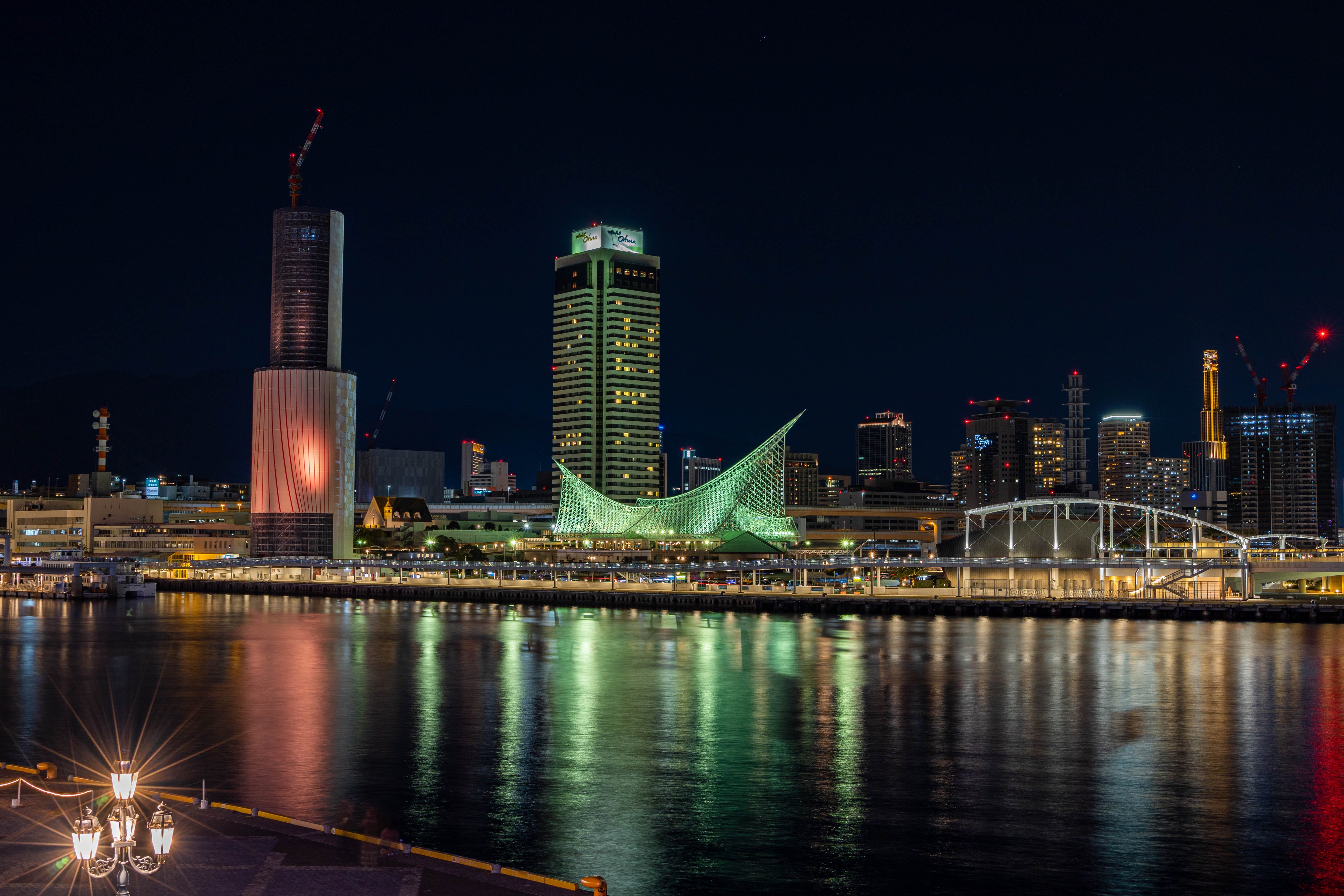
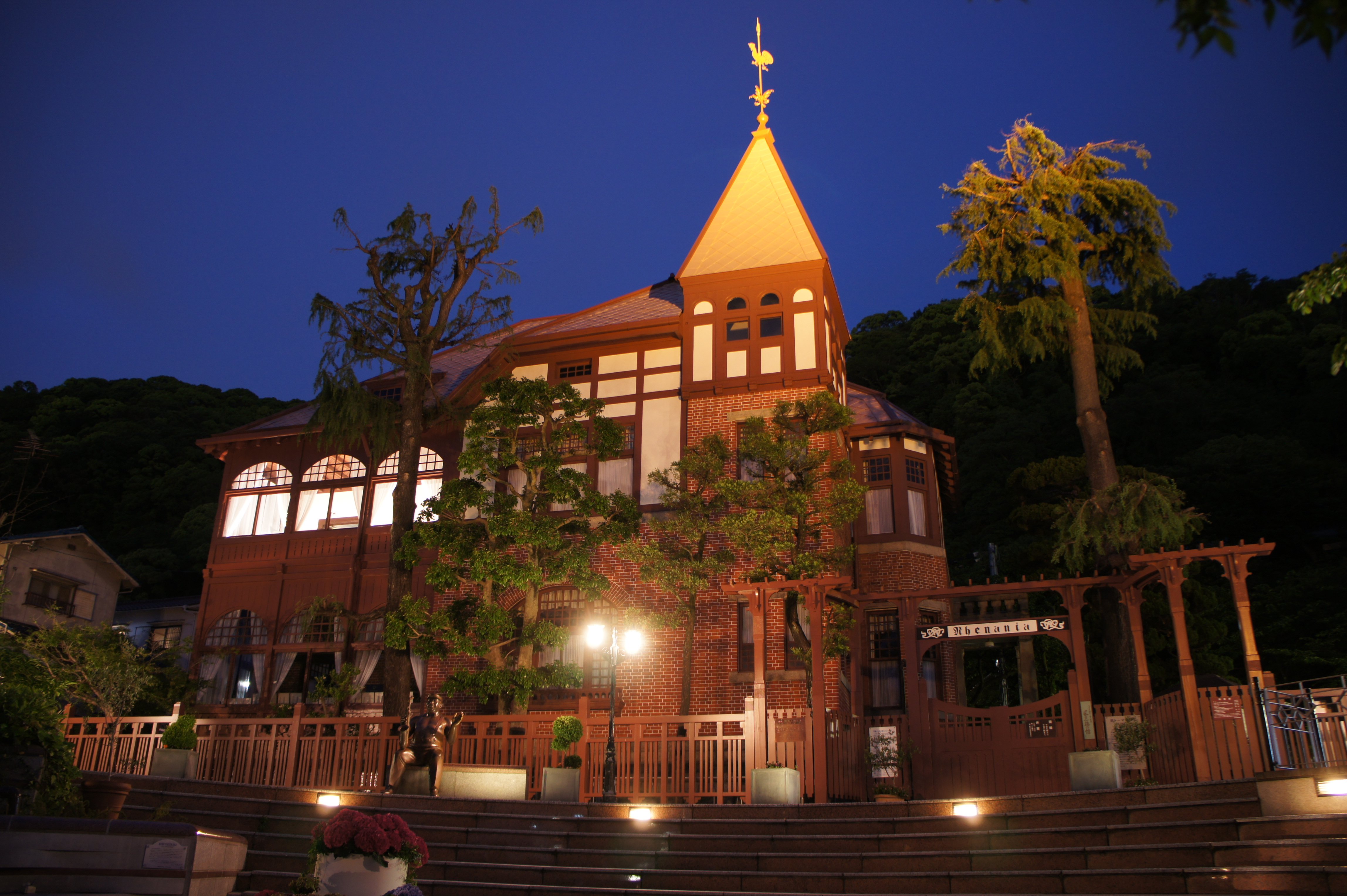
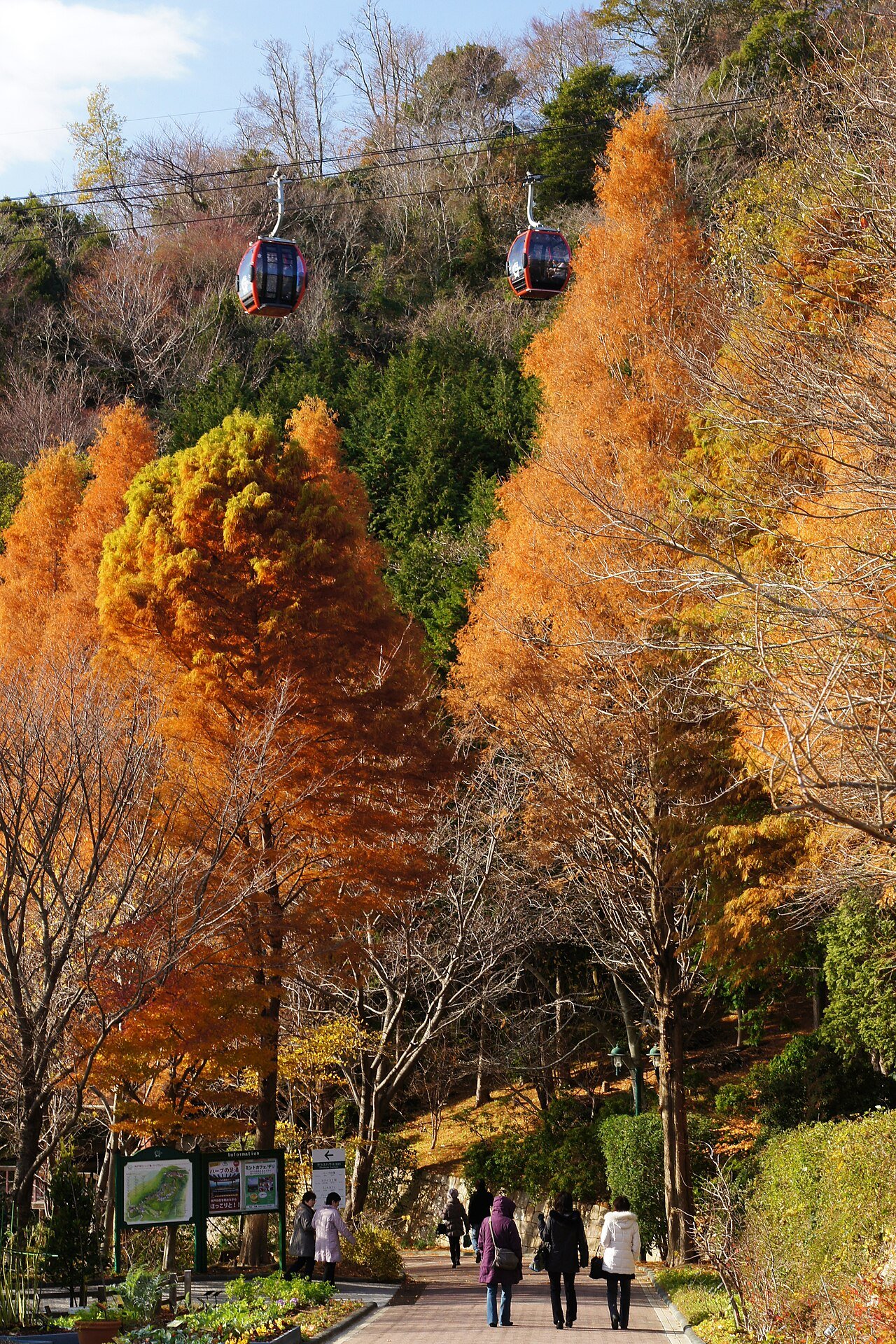
25 minutes from Osaka. Kobe beef, Kitano hillside mansions, Chinatown, a hot spring village and a million-dollar night view — all in one compact city. Read this before you go and you will hit the ground running.
Kobe is one of the best-connected cities in Kansai. Whichever airport you fly into, you will be in Sannomiya in well under two hours.
Kobe is a walkable city if you are staying near Sannomiya. Know the transit options and you can make smart calls on the fly.
One thing worth knowing upfront: Sannomiya is the hub. JR, Hankyu, Hanshin and the city subway all have stations here within a few minutes' walk of each other. From Sannomiya you can walk to Nankinmachi Chinatown in 10 minutes, Meriken Park in 15, and up the gentle slope to Kitano-cho in 15–20. Harborland is a bit further — take the Kaigan subway line or the City Loop Bus.
A hop-on, hop-off tourist bus looping through Kitano-cho, Nankinmachi, Meriken Park, Harborland and other key stops. Unlimited rides all day. Also unlocks discounts at about 29 attractions. Buy on board or at the Tourist Information Centre outside JR Sannomiya East Exit.
Two lines — the Seishin-Yamate Line (east–west through central Kobe) and the Kaigan Line (along the waterfront, connecting Sannomiya to Harborland and Shin-Kobe). Essential for reaching Tanigami station when heading to Arima Onsen. Fares ¥210–370 by IC card.
Run along the coast between Osaka and Kobe. Both have stations within a short walk of JR Sannomiya. IC cards work on all three networks. JR Pass does not cover Hankyu or Hanshin. Useful for side trips to Nishinomiya, Ashiya and Takarazuka.
Taxis start at around ¥680–740. Useful late at night or for groups splitting a fare. For most daytime sightseeing in the Sannomiya–Kitano–Nankinmachi–Meriken Park corridor, walking is genuinely the best option — distances are short and the streets are interesting.
Kobe has been an international port city since the 1860s — it is more cosmopolitan than most Japanese cities. That said, a few specifics will help your visit go smoothly.
Kobe is worth visiting year-round, but some windows are noticeably better than others.
Cherry blossoms at Shukugawa riverside or Oji Zoo Park typically peak late March to early April. Temperatures 10–22°C, comfortable for long walks. Golden Week (29 April–5 May) brings the year's worst crowds and highest prices — avoid it if you can. Outside that window, mid-March to mid-April is lovely.
Hot and humid, but the Harborland area comes alive with outdoor beer gardens and evening events. Spectacular fireworks festivals in the bay area. Plan museums and indoor spots for 12:00–15:00 when it is hottest. Obon (mid-August) means major crowds and higher prices.
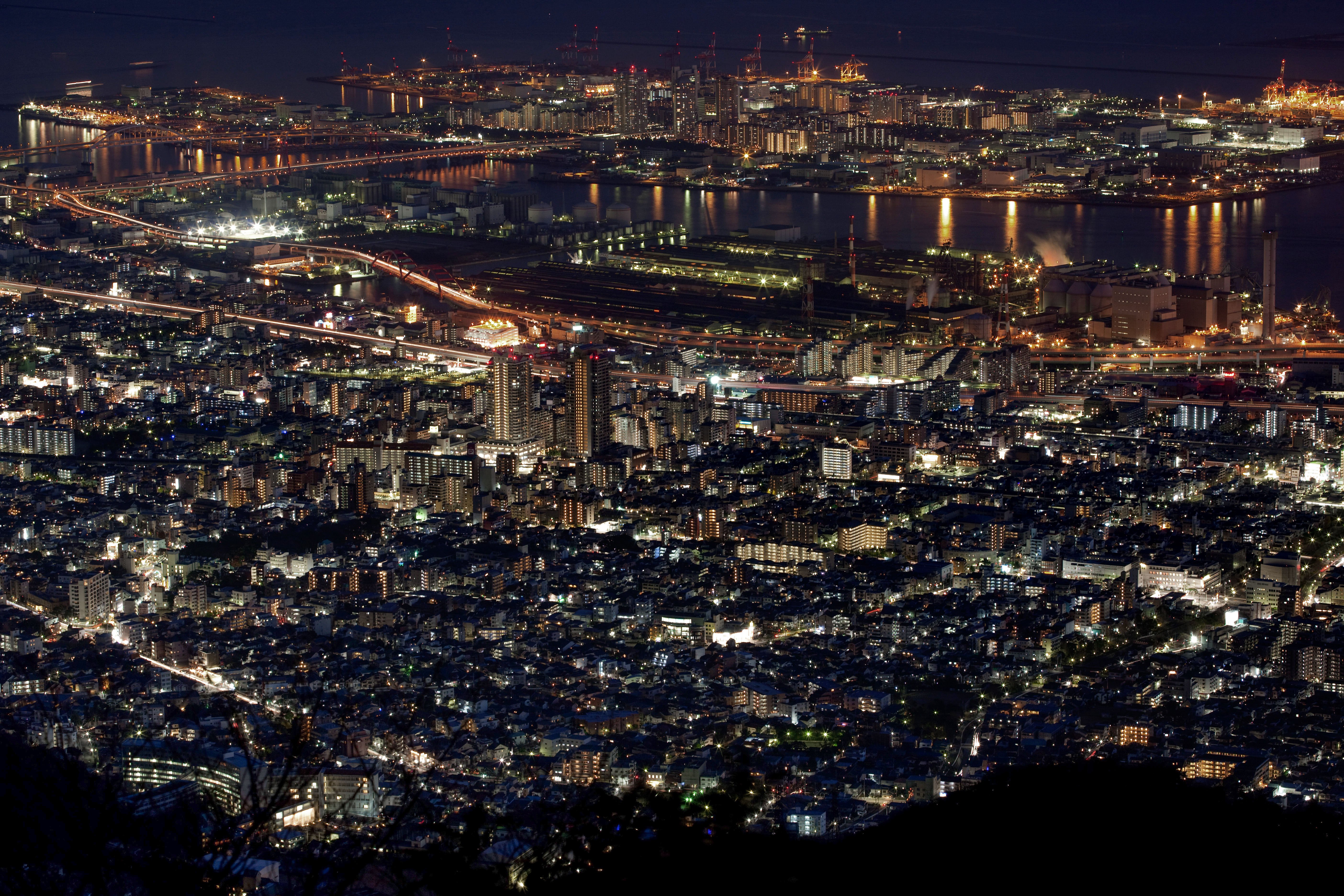
Consistently the most comfortable season — 15–22°C, clear skies, brilliant foliage on Mt Rokko. The night view from Kikuseidai or Maya is sharpest in the dry autumn air. Fewer crowds than spring, more reasonable prices. A full day outdoors feels effortless.
Rarely drops below 5°C in the city; snow is uncommon. Cheapest accommodation prices of the year outside the New Year period. Arima Onsen is magical in cool weather. The Kobe Luminarie light festival in early December — held to remember the 1995 Great Hanshin Earthquake — is free to attend and genuinely moving.
Kobe is slightly cheaper than central Osaka and noticeably cheaper than Tokyo — with one notable exception: Kobe Beef at a sit-down restaurant.
| Item | Budget | Mid-range | Comfortable |
|---|---|---|---|
| Accommodation (per person/night) | ¥3,000–5,000 (hostel/capsule) | ¥8,000–15,000 (business hotel) | ¥20,000+ (design hotel near the harbour) |
| Food (3 meals) | ¥1,500–2,500 (Sannomiya delis / convenience store) | ¥3,000–5,000 (sit-down + Nankinmachi snacks) | ¥8,000+ (includes Kobe Beef dinner) |
| Kobe Beef (if you go) | ¥2,500–4,000 (lunch set, same cut) | ¥5,000–8,000 (teppanyaki dinner) | ¥12,000–20,000+ (omakase teppanyaki) |
| Local transport | ¥0–500 (walk + JR/subway single trips) | ¥800–1,500 (City Loop Day Pass + subway) | ¥2,000–4,000 (includes Arima + cable/ropeway) |
| Sightseeing entry fees | ¥500–1,000 (one Kitano house + park) | ¥1,500–3,000 (Kitano combo + Herb Garden ropeway) | ¥3,000+ (all sites + Arima public onsen) |
| Daily total (rough) | ~¥8,000–12,000 | ~¥15,000–22,000 | ¥30,000+ |
Comfortable walking shoes (Kitano-cho lanes + Herb Garden trails + Mt Rokko) · A light jacket (harbour breeze is cool even in summer) · Loaded IC Card (Suica/Pasmo/ICOCA) · At least ¥5,000 cash for street food, smaller restaurants and onsen entry · A compact umbrella (Kansai rain is quick and heavy)
Kobe has been an international port since 1868 — signs at stations and major tourist sites are in English. Many Sannomiya restaurants display picture menus. Google Translate's camera mode handles Japanese signs well. Staff at smaller family restaurants may not speak English but are used to pointing at menus.
Larger restaurants, convenience stores and most shops accept credit cards and IC cards. Street stalls in Nankinmachi and neighbourhood cafes are often cash-only. The most reliable ATMs for foreign cards in Japan are at 7-Eleven and Japan Post — both are near Sannomiya Station.
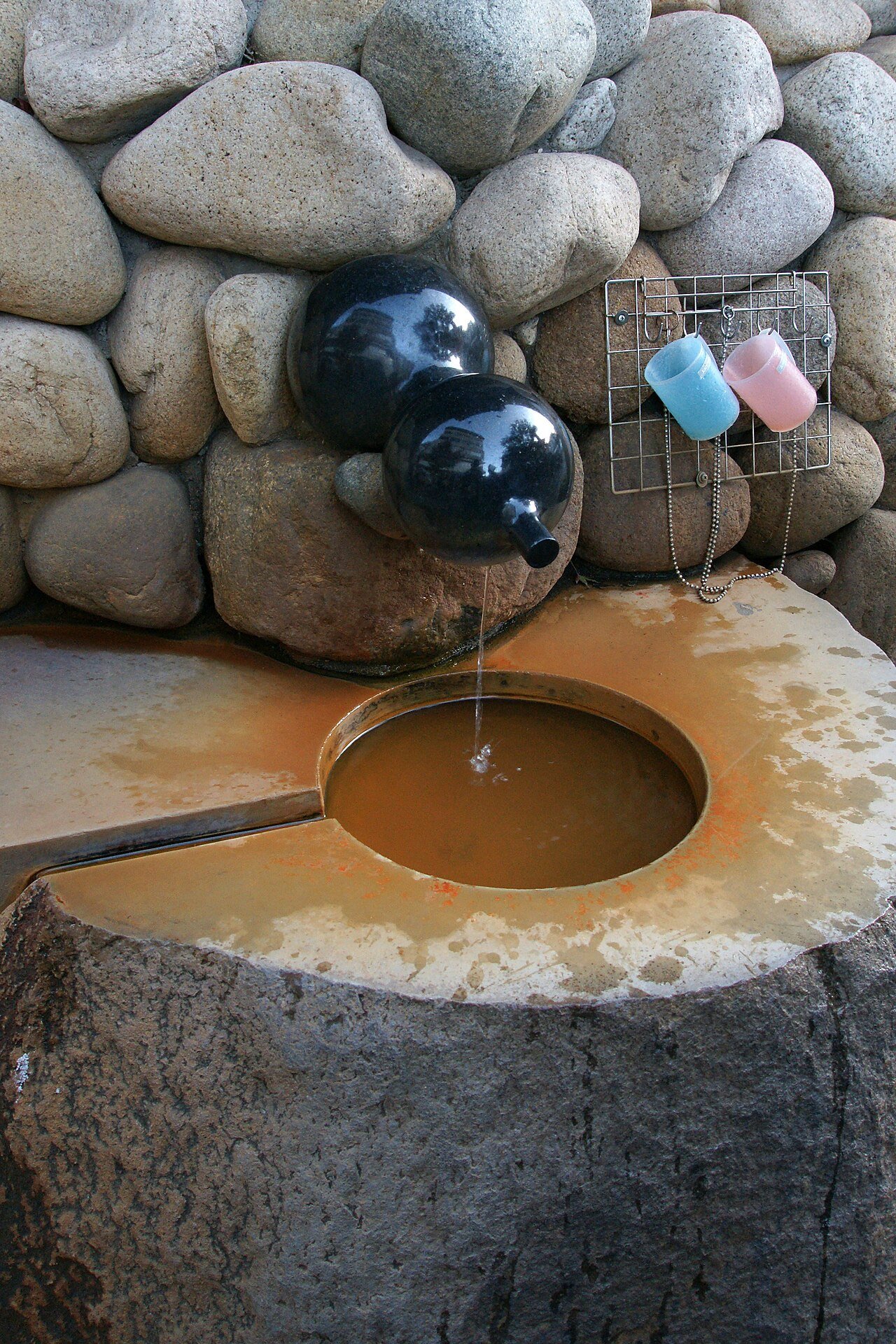
Arima has two distinct spring types in the same village: Kinsen (gold-brown, iron and salt, very concentrated) and Ginsen (clear, colourless, carbon dioxide and radium). Both are genuine mineral springs — the colours are natural. Public baths separate men and women. Entry to the main public baths is ¥650–800 per person. Private rooms (kashikiri-buro) for couples or groups are available at higher cost.