10 places worth your time
Ranked by what visitors who have been there actually talk about most.
 1
1
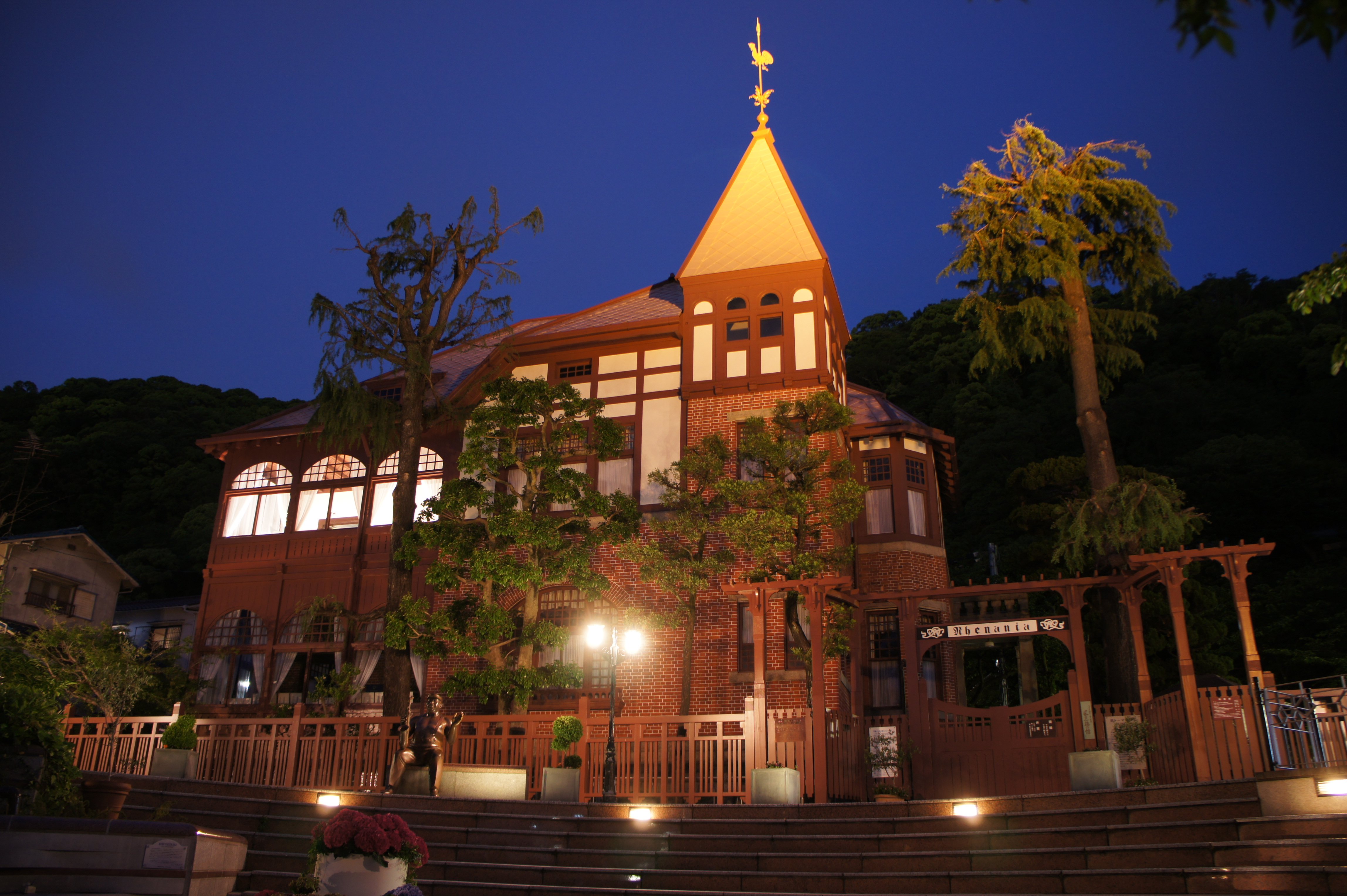
Walk uphill from Sannomiya for ten to fifteen minutes and the city changes shape — concrete office buildings drop away and Victorian, French, Spanish, and German villas appear along both sides of the street. Kitano Ijinkan was Kobe's foreign residential district from the late 1800s: consular staff and traders built European-style homes here because the slope reminded them of home. Several houses are preserved as museums you can step inside; others are still private. The district itself is open around the clock with no entry fee. Individual house admissions run ¥400–700 per building.
 2
2
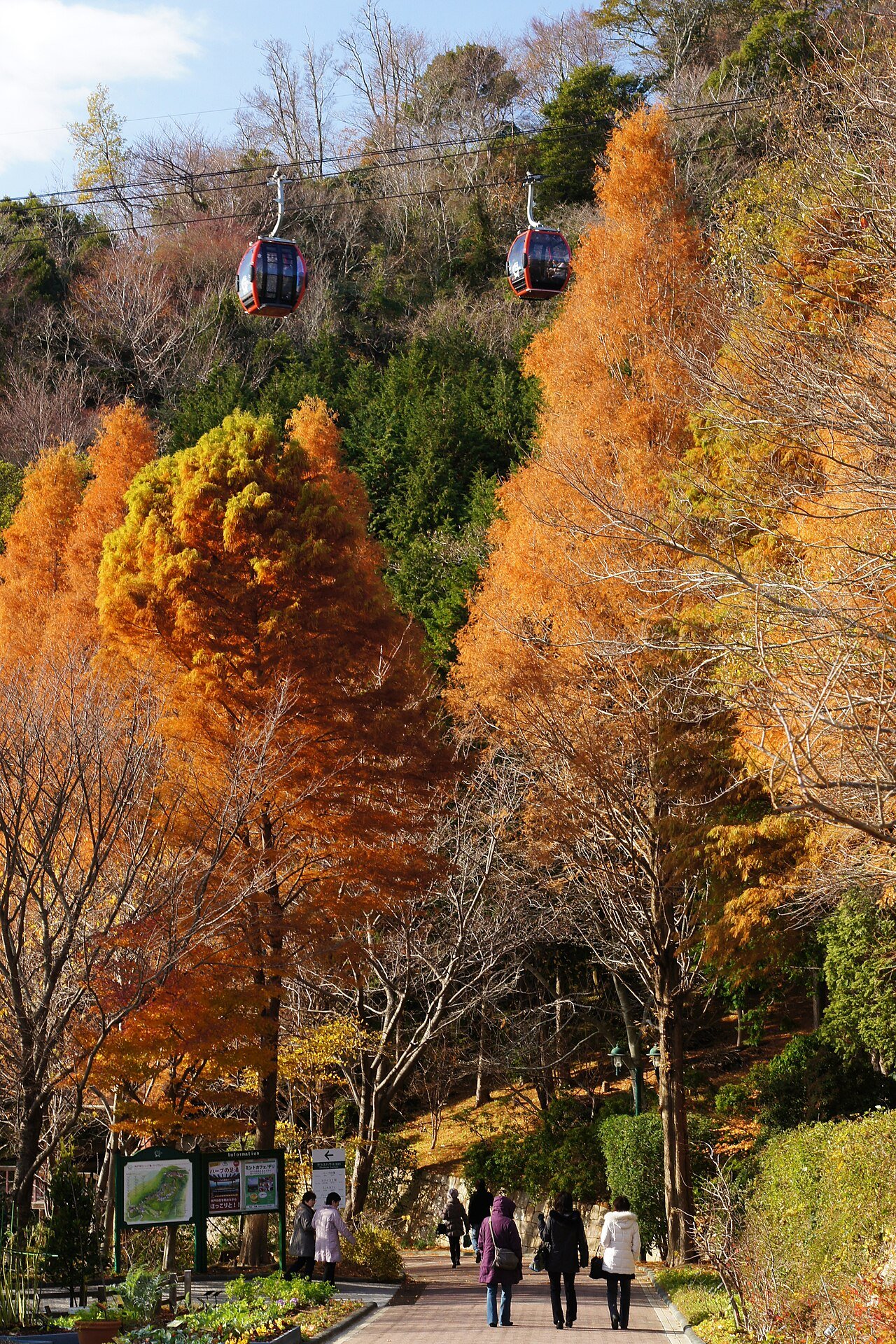
Ten minutes from Shin-Kobe Station by ropeway and you are at 400 metres above sea level, looking down over the harbour while lavender and rosemary billow around you. Japan's largest herb garden spreads across 12 themed zones with over 75,000 plants in 200 varieties. Each season brings a different show: lavender and roses in spring, cosmos and marigolds in autumn, Christmas illuminations in winter. On the way up the gondola passes Nunobiki Waterfall — one of Japan's three great waterfalls — clearly visible from the car.
 3
3
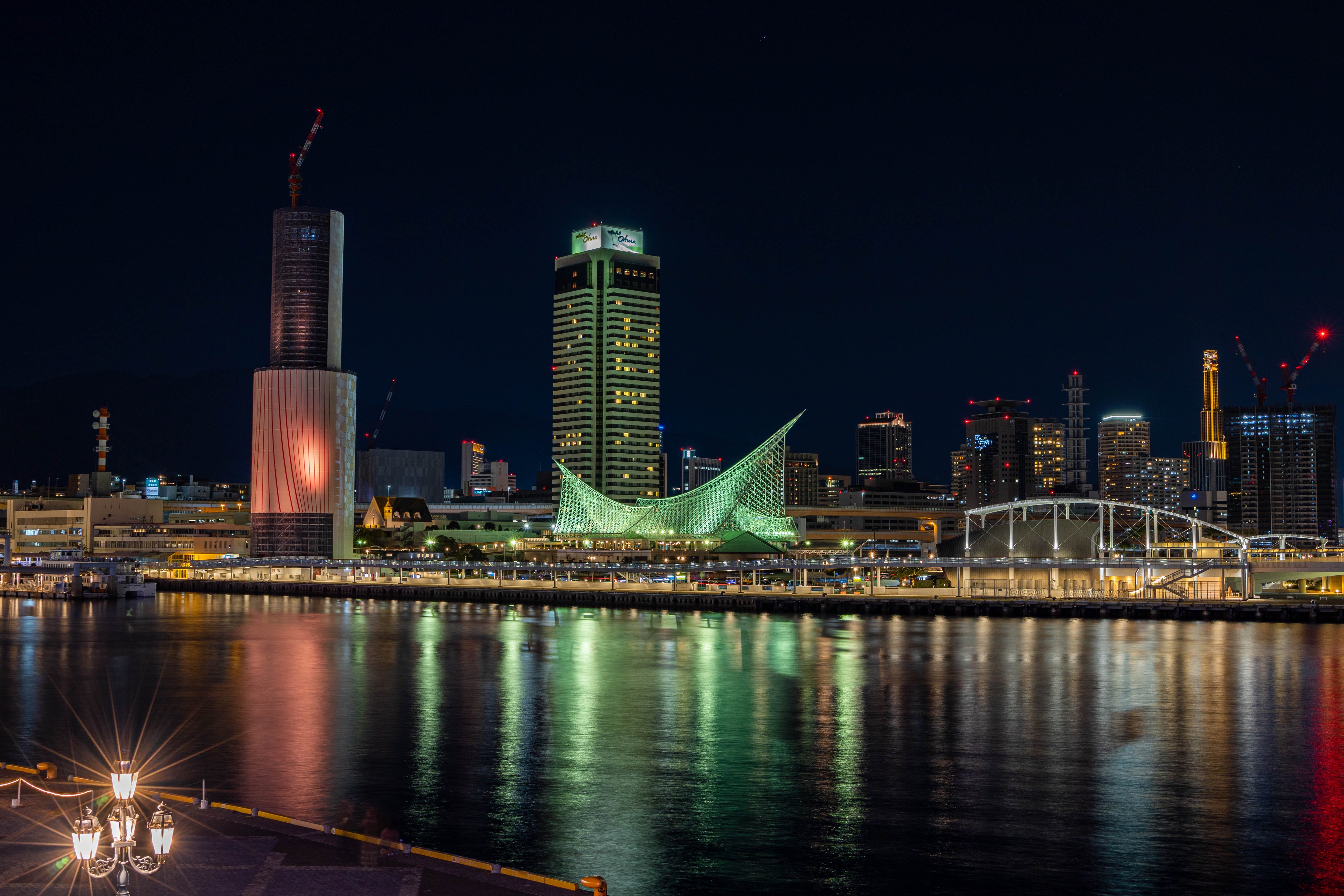
Meriken Park is where Kobe's story is easiest to read. The 108-metre red Port Tower has stood here since 1963 — designed by the same architect who drew the Tokyo Tower — and after a major renovation completed in April 2024, it is better than ever: a glass-walled open-air rooftop deck is now open to visitors for the first time, giving a true 360-degree view of port, city, and mountains. Along the park's seawall, a section of dock was preserved exactly as it buckled in the 1995 Great Hanshin Earthquake. The memorial is frank and moving, and free to visit — a quiet counter-weight to the tower's celebration.
 4
4
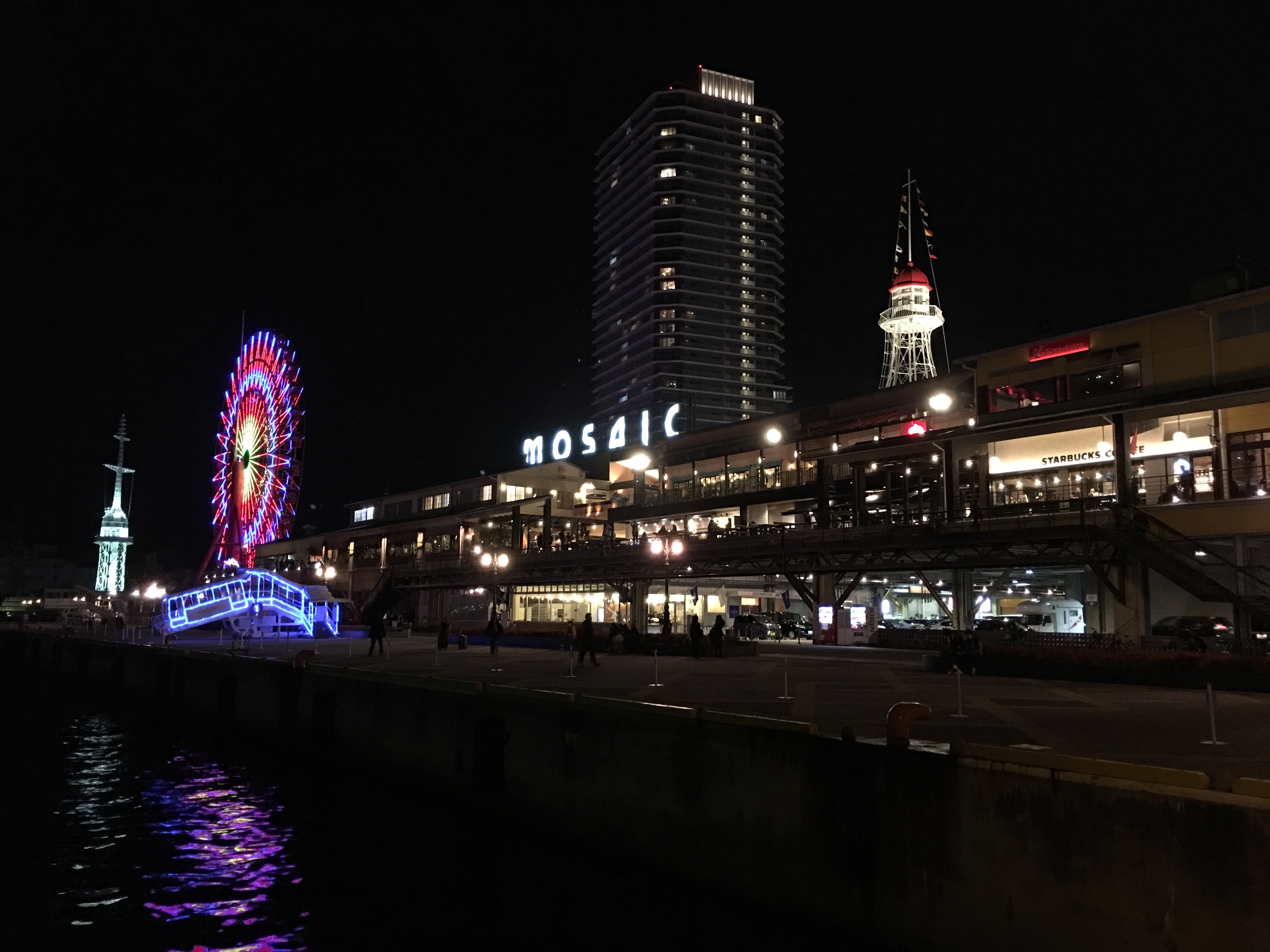
Harborland sits a fifteen-minute stroll west of Meriken Park along the shoreline. Developed in the 1990s on former railway land, it is Kobe's go-to spot for a relaxed evening: restaurants with open decks facing the water, boutiques, a cinema, and the multi-level Mosaic building whose upper terrace gives the most photogenic framing of the red Port Tower from across the harbour. The Kobe Ohashi footbridge connects Harborland directly back to Meriken Park so you can loop between them without retracing steps.
 5
5
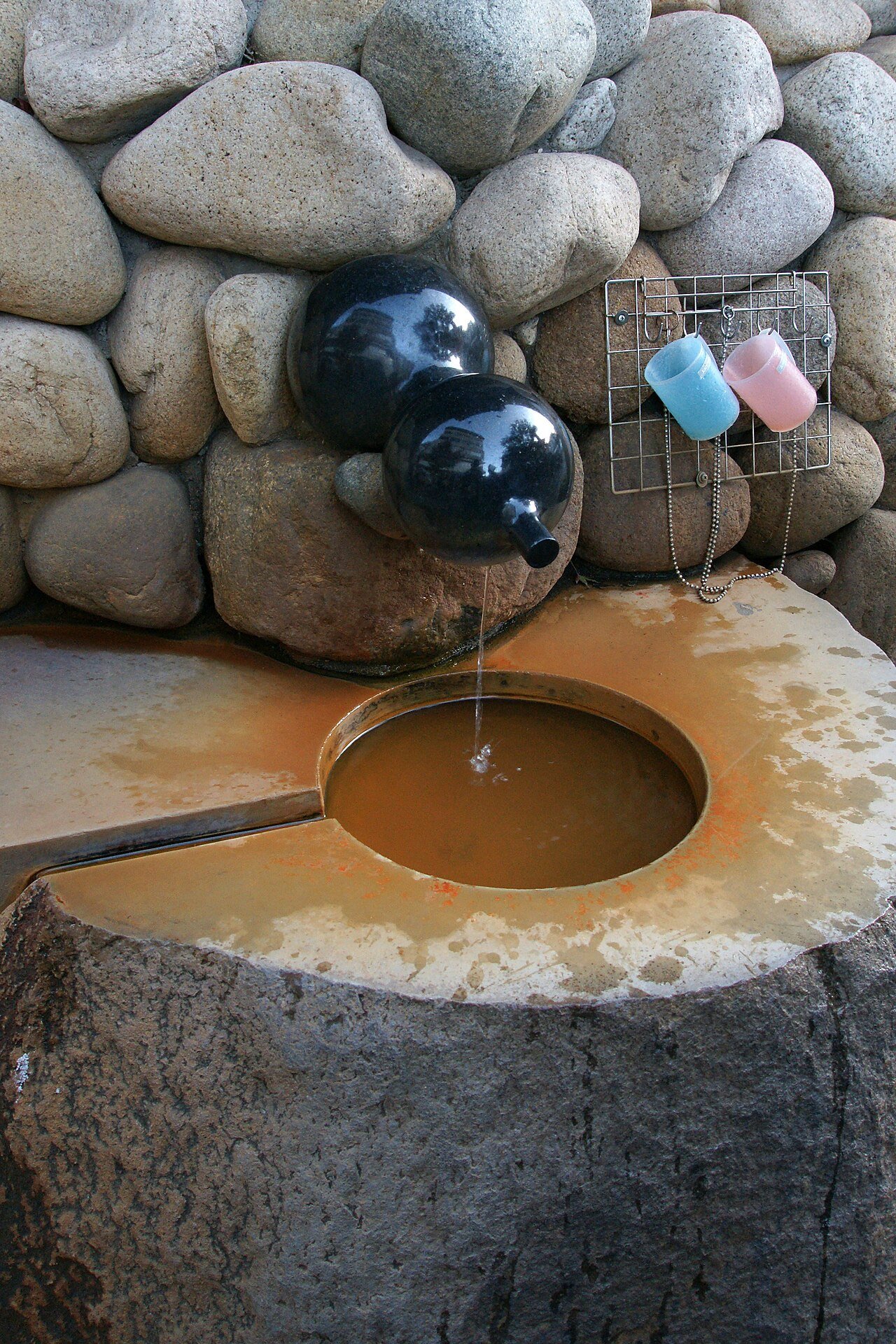
Arima Onsen is thirty to forty minutes from Kobe's city centre and a world away from it. The main street is narrow stone-paved, lined with wooden ryokan and small sweet shops. The hot springs here divide into two types not found together anywhere else in Japan: Kinsen (golden water) — iron-brown and rich in salts, said to ease muscle tension and improve skin; and Ginsen (silver water) — clear, containing carbonate and radon, cooler and softer on the body. The public bath Kin no Yu serves golden water for ¥700 per adult and is one of the easiest ways to try it without an overnight stay.
 6
6
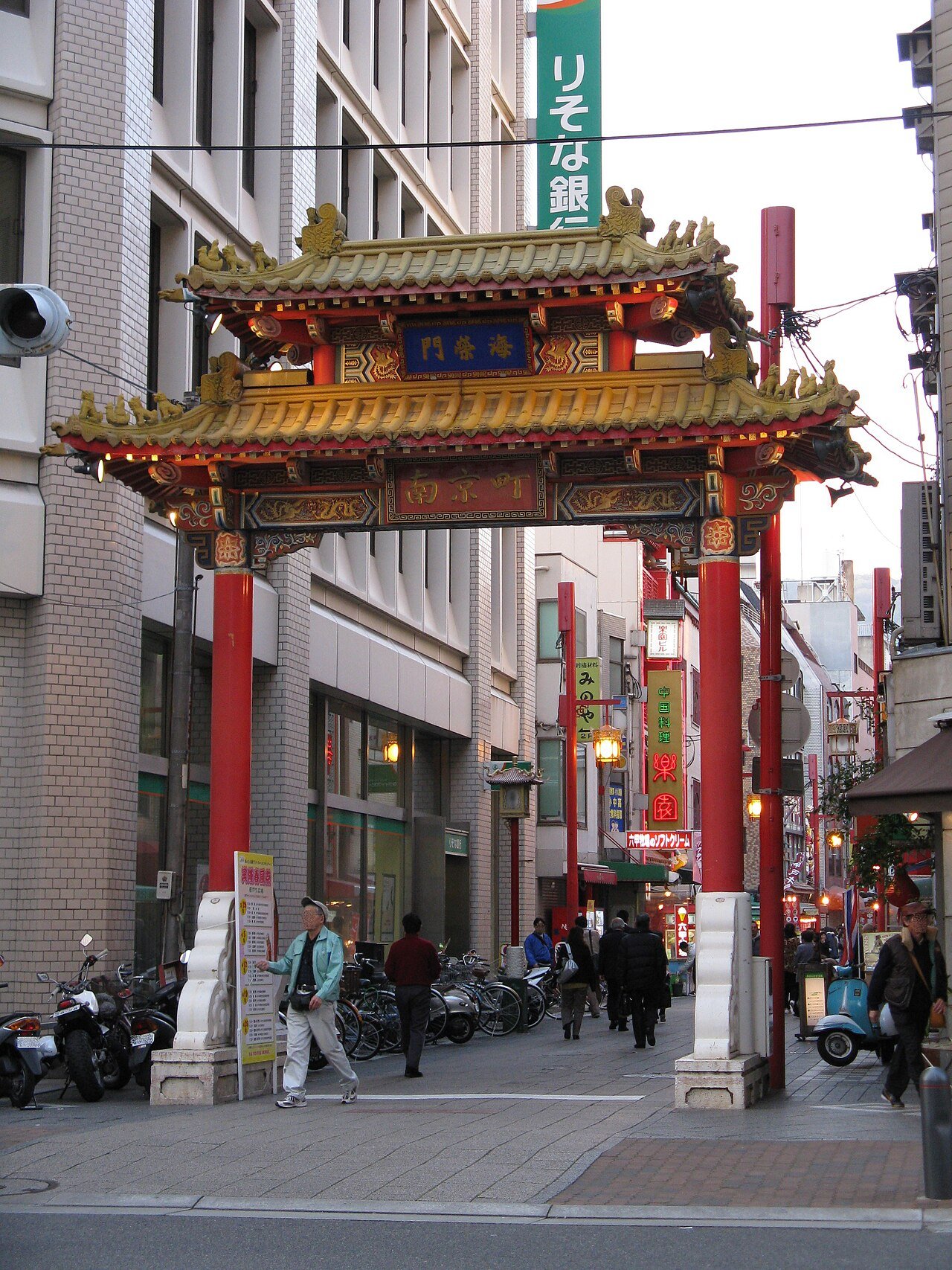
Nankinmachi was established in 1868 the same year Kobe's port opened, making it older than Yokohama's famous Chinatown. It is smaller but intensely atmospheric: two ornate red gates frame a single street, and the smell of Butaman — steamed pork buns from the long-running Roushanji stall at the entrance — greets you before you even step through. Pick one up for ¥200–250 and eat it walking. On weekdays the street is manageable; on weekends it fills with locals who come specifically for street food, not just tourists. During Lunar New Year celebrations (late January to February), over a million people pass through the district over several days.
 7
7
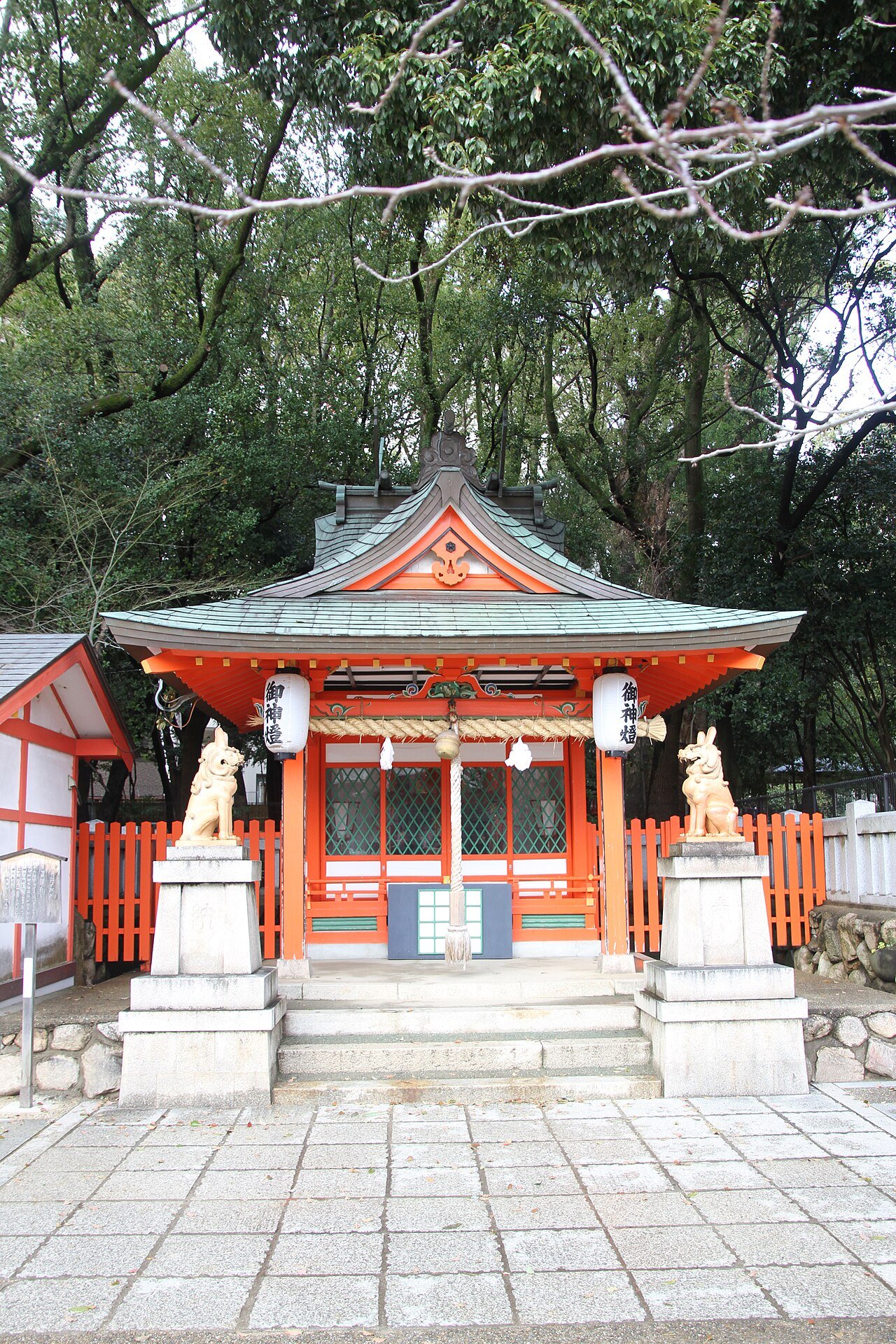
Step off the main shopping street of Sannomiya, walk five minutes north, pass through the torii gate, and the city noise stops. Ikuta Shrine is one of Japan's oldest, with a history stretching back over 1,800 years — said to have been founded during the reign of Empress Jingu as the guardian shrine of the area. The forested precincts (Ikuta Jinja Mori) are officially protected as a natural monument. Coming in the morning before 09:00 gives you the shrine almost to yourself, a rare quality this close to a major rail hub. Entry is free.
 8
8
Eastern Kobe's Nada district produces around 30 percent of all sake made in Japan. The secret is Miyamizu — spring water from Mount Rokko with a mineral balance that yeast loves. Two breweries here run free museums that are genuinely worth an hour of your time. Hakutsuru Sake Brewery Museum, in a 300-year-old brewery, shows the traditional fermentation process with life-size dioramas and ends with a free tasting. Kikumasamune Brewery Museum nearby has more of a warehouse atmosphere with sake barrels stacked high. Both are free, both offer tastings, and both are a short walk from Hanshin Line stations.
 9
9
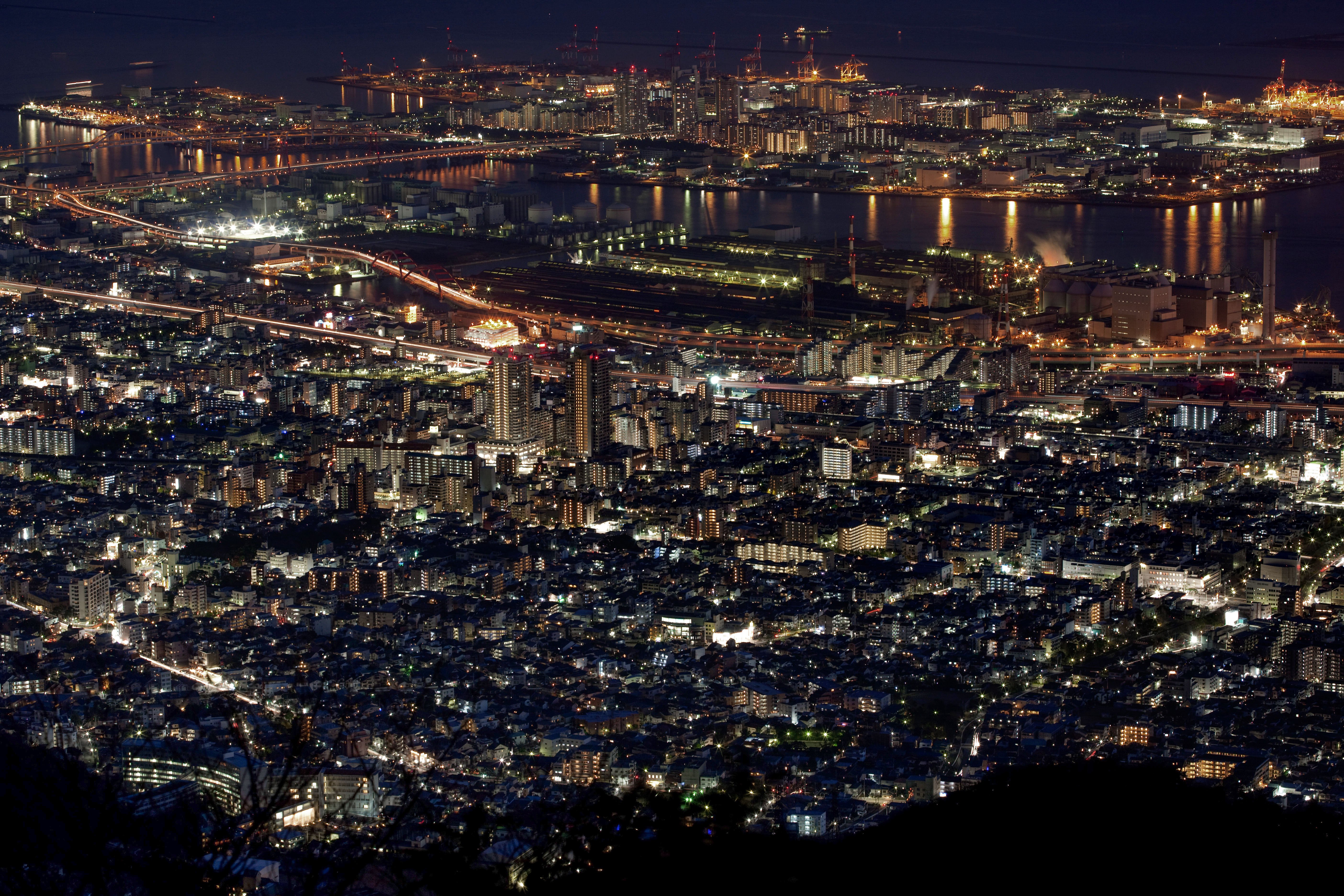
The 931-metre summit of Rokko gives a 180-degree sweep of Osaka Bay: Kobe's harbour directly below, Osaka's skyline to the east, Awaji Island across the strait, and on clear days the Akashi Bridge linking them. The view at night, when the city lights of both Kobe and Osaka fill the arc, has been voted Japan's finest "thousand-light view" (mannen no hikari). Take the Hankyu Kobe Line to Rokko Station, then a bus up to the cable car base, then the Rokko Cable to the summit area — the whole journey from Sannomiya is about 35–40 minutes.
 10
10
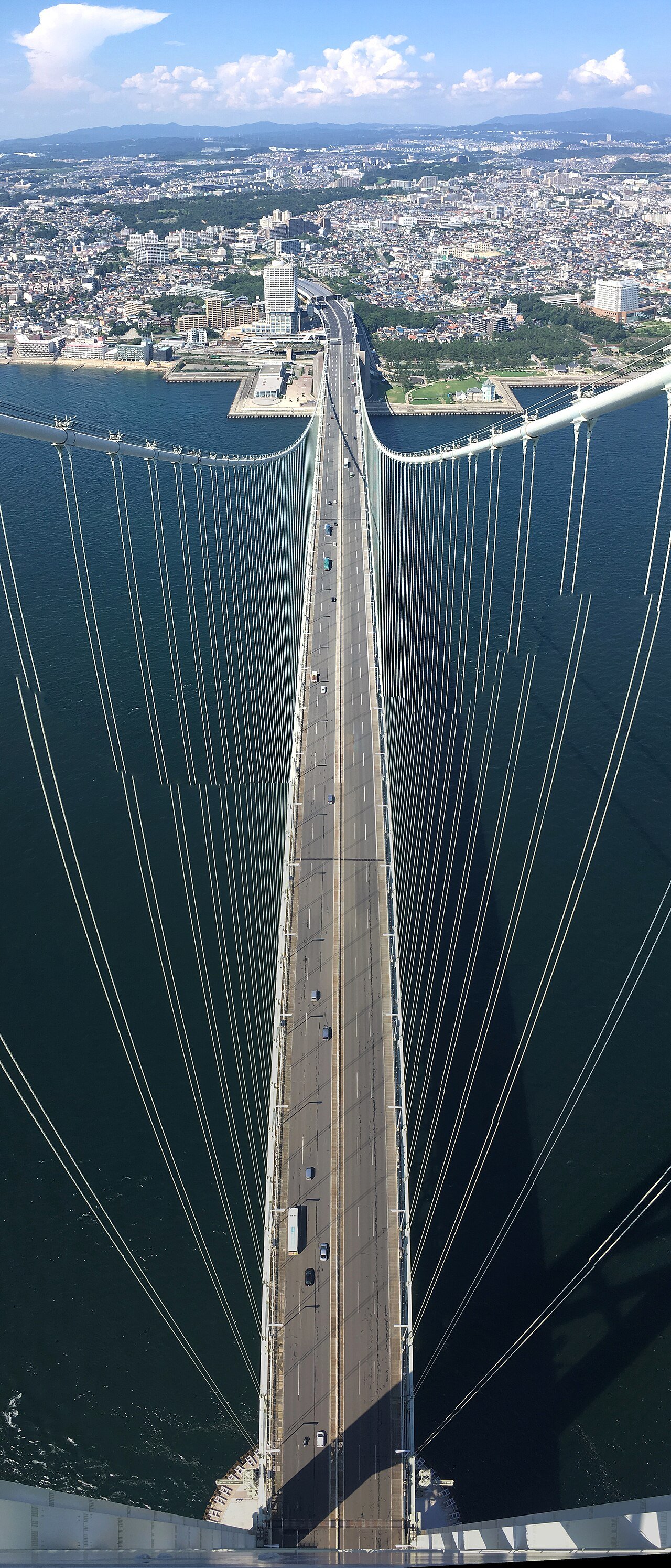
At 3,911 metres, the Akashi Kaikyo Bridge is the longest suspension bridge on earth. Its two towers stand 298 metres above sea level — and a guided tour takes you to an observation platform near the top of one of them, at 297 metres, where the girders hum faintly in the wind and cargo ships below look like toys. Construction completed in 1998, just three years after the Great Hanshin Earthquake showed how badly a fixed link across the strait was needed. The tower tour runs Tuesday to Friday from April through November, costs ¥3,500 per person, and must be booked in advance through the Honshu-Shikoku Bridge Expressway Company website.