🌏 Destinations · All 🇯🇵 Japan · Full guide Tokyo Hakone Sapporo ❄️ Winter Onsen Towns 🧭 Travel Prep Guide About Contact 🇹🇭 ไทย🇬🇧 English🇨🇳 中文🇪🇸 Español🇫🇷 Français
❄️ Winter Trip · 7 Days Dec–Feb

Japan in Winter — 7 Days of Snow, Onsen & Lights

Picture soaking in an open-air onsen while snow drifts onto your head — this is a day-by-day 7-day winter plan, starting with Tokyo's illuminations, on to a Fuji-view onsen, north to the gas-lamp snow town of Ginzan Onsen, and ending in winter Kyoto, with add-on options for the Sapporo Snow Festival and skiing.

Start Here

Winter in Japan Has All Three —Snow, Onsen, and Lights

Honestly, a lot of people assume Japan is only worth visiting for cherry blossoms or autumn leaves. But winter (Dec–Feb) is the one season that gives you three things at once in a way no other season can — fresh white snow, open-air onsen that feel perfect when the air is below freezing, and illuminations that light up entire cities — plus accommodation and flights that are usually quite a bit cheaper than sakura season (the New Year holidays aside).

This page is a 7-day winter plan, laid out day by day, with a route built around the cold — start with Tokyo's illuminations, move on to an open-air Fuji-view onsen at Hakone or Kawaguchiko, then head north to Ginzan Onsen, the legendary gas-lamp snow town, and finish in winter Kyoto before flying home, with add-on options for the Sapporo Snow Festival in February and a ski day. Everything comes with tips on getting around, what to wear, and the winter food you shouldn't miss.

❄️ The 7-day route at a glance: Tokyo (2 days · illuminations) → Hakone/Kawaguchiko (1 day · Fuji-view onsen) → Ginzan Onsen, Yamagata (2 days · snow + ryokan) → Kyoto (1 day · winter temples) → fly home · Got extra time? Fly on to Sapporo for the Snow Festival (2026 = Feb 4–11) or slot in a ski day · 2026 prices may change, so always check the latest schedules before you go.
🎄
Lights = December
Up across cities from mid-Nov to late Dec, some spots into Feb.
♨️
Onsen in the Snow
Snow falling on your head as you soak — the winter highlight.
❄️
Deep Snow = Jan–Feb
The north and Hokkaido get the heaviest snow — best for skiing.
🦀
Winter Food
Hot pot (nabe) · snow crab · steaming ramen · warm sake.
7 Days at a Glance

The Winter Plan —Which Day, What to Do, Where to Sleep

This route works from south to north and loops back — catch the big-city illuminations first, then head up into the deep snow of the north. See the whole trip in one table, then scroll down to read it day by day.

DayRegionWhereWinter highlightStay
Day 1–2Days 1–2KantoTokyoMarunouchi/Roppongi lights · teamLab · shoppingTokyo
Day 3Day 3KantoHakone / KawaguchikoOpen-air Fuji-view onsen · OwakudaniOnsen ryokan
Day 4–5Days 4–5TohokuGinzan Onsen (Yamagata)Gas-lamp snow town · rotenburo in the snowRyokan in the village
Day 6Day 6KansaiKyotoQuiet winter temples · Gion at duskKyoto
Day 7Day 7Kyoto → airportSouvenir shopping · last meal · fly home
+ Add-onAdd-onHokkaidoSapporo (fly from Tokyo ~1.5 hrs)Snow Festival Feb 4–11, 2026 · ski · crabSapporo
📅 Tweak the route: if you're coming in early February and want to catch the Sapporo Snow Festival, trim Ginzan to one night and fly Tokyo→Sapporo (far quicker than the train, ~1.5 hrs versus a multi-transfer ~8-hour rail journey) · if you're coming in December when the illuminations peak, add another night in Tokyo · 2026 prices may change, so always check the latest before you travel.
Day by Day

7 Winter Days —What to Do Each Day

Each card is one stage of the trip — where you go that day, what to do in the cold, how to move on, and the winter-specific tips that keep the day running smoothly.
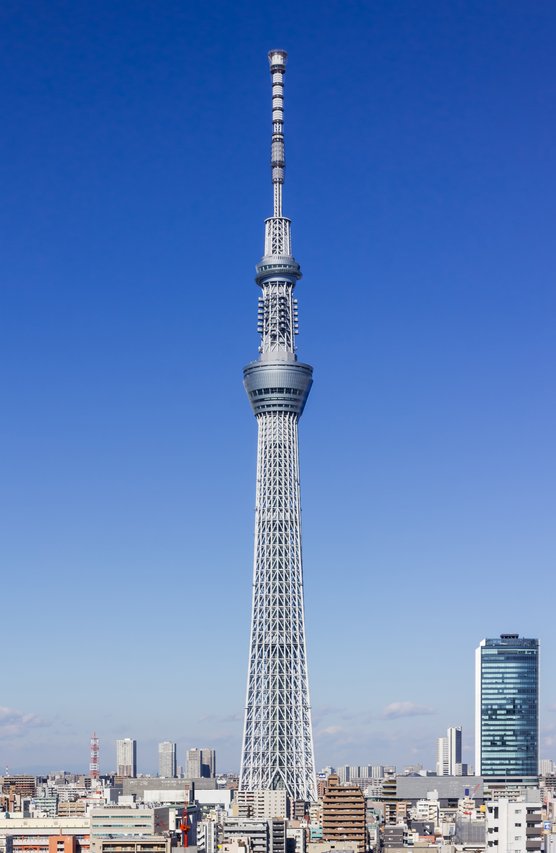
Tokyo Skytree tower rising above the Tokyo skyline 🗼 Tokyo1
Days 1–2 · Tokyo + Illuminations
Day 1–2 · Tokyo Winter Lights

Ease into the trip in the big city before the deep cold up north. By day, shop Shinjuku and Shibuya, visit teamLab, and head up an observation deck — but the real winter star is the evening illuminations. Marunouchi's Nakadori avenue and Roppongi's Keyakizaka glow with hundreds of thousands of LEDs, an atmosphere you only get this season.

🎄Illuminations: Marunouchi roughly mid-Nov to mid-Feb · Roppongi/Midtown roughly early Nov to Dec 25 (check the latest dates)
❄️Weather: ~6–12°C by day, sunny but with a cold wind · the sky darkens early, ~16:30, so you can move straight to the lights
💡Tip: December is peak; by Jan–Feb some displays close but Marunouchi stays lit · bring heat packs for standing around photographing the lights at night
🍜Eat: steaming ramen, izakaya hot pot · see the Japan food guide
Tokyo Guide →
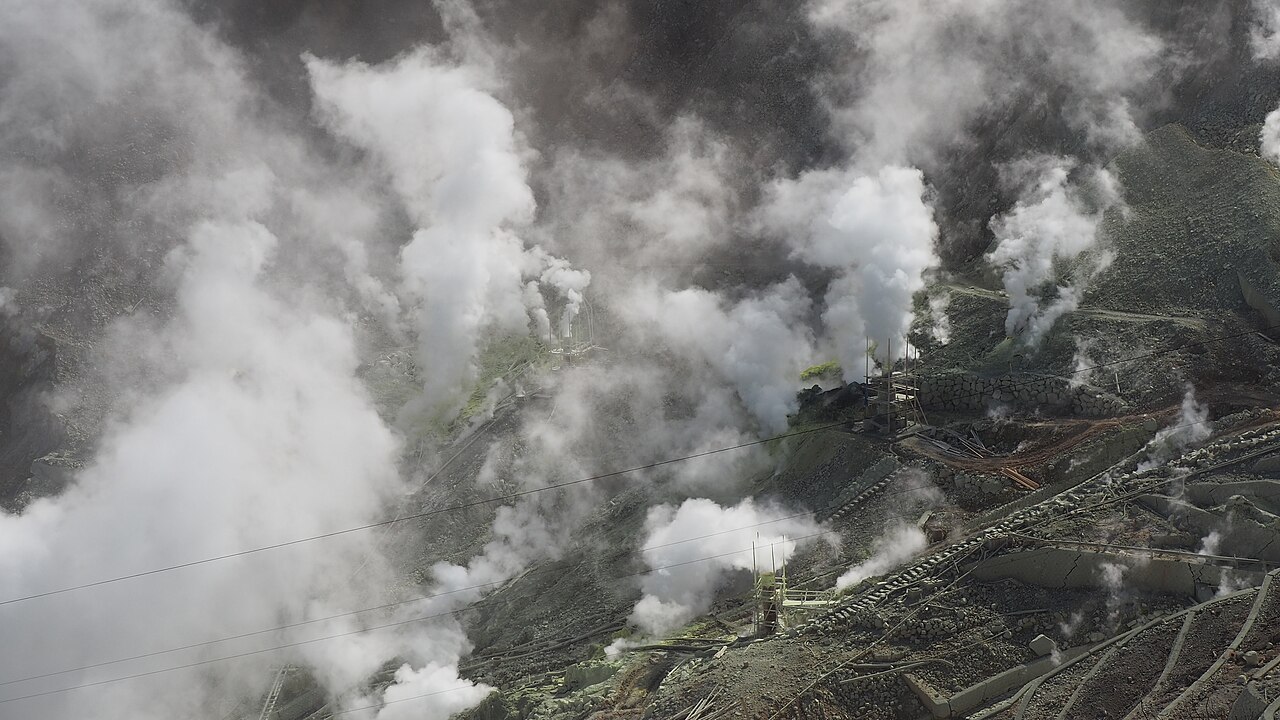
Owakudani valley in Hakone with sulphur steam rising from volcanic vents ♨️ Hakone2
Day 3 · Hakone — Open-Air Onsen
Day 3 · Hakone Open-Air Onsen

Picture soaking in an open-air rotenburo while snow drifts down around you — that's winter Hakone, the onsen town closest to Tokyo. Take the Romancecar from Shinjuku, about 85 minutes to Hakone-Yumoto. By day, ride the ropeway over Owakudani, the sulphur-steam valley, and cruise Lake Ashi; at dusk, check into a ryokan and sink into the hot water.

🚆Getting there: Romancecar Shinjuku→Hakone-Yumoto ~85 min (check 2026 timetables) · the Hakone Free Pass pays off if you tour the area
♨️Onsen: choose a ryokan with an open-air bath, or a private in-room bath (kashikiri) if you'd rather not share
🗻Alternative: want the snowy Fuji view front and centre? Go to Kawaguchiko instead (next card)
💡Tip: on heavy-snow days the Owakudani ropeway may close, so check the day's status · see how to onsen 101
Hakone Guide →
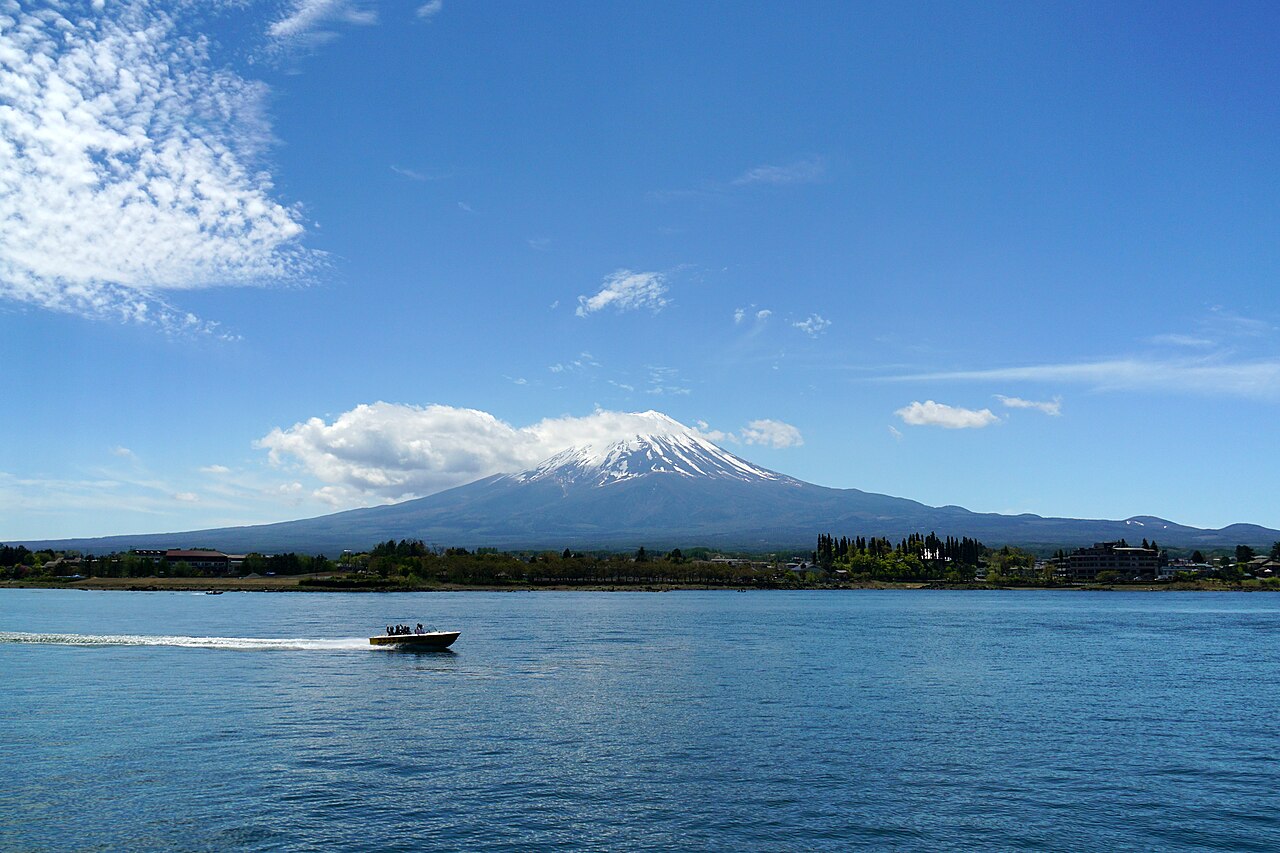
Lake Kawaguchiko with snow-capped Mount Fuji in the background 🗻 Kawaguchiko3
Day 3 (alt) · Kawaguchiko
Day 3 alt · Lake Kawaguchiko + Fuji

If you want Mount Fuji as the star, base yourself at Kawaguchiko instead of Hakone — in winter the air is dry and the sky clear, so the snow-capped peak usually stands out sharply, mirrored on the lake. Stay at a lakeside ryokan with a Fuji-view onsen; waking up to soak in the hot water while gazing at the mountain is an image that stays with you.

🚆Getting there: Fujikyu train or the Fuji Excursion bus from Tokyo ~2 hrs (check 2026 timetables)
🗻Fuji view: clear skies are more common in winter than summer, sharpest at dawn · the Oishi Park side has the best view
❄️Weather: higher than sea level, so colder than Tokyo and below freezing at night — pack a warm coat
💡Tip: pick one of Hakone or Kawaguchiko — you don't need to do both on a 7-day trip
Kawaguchiko Guide →
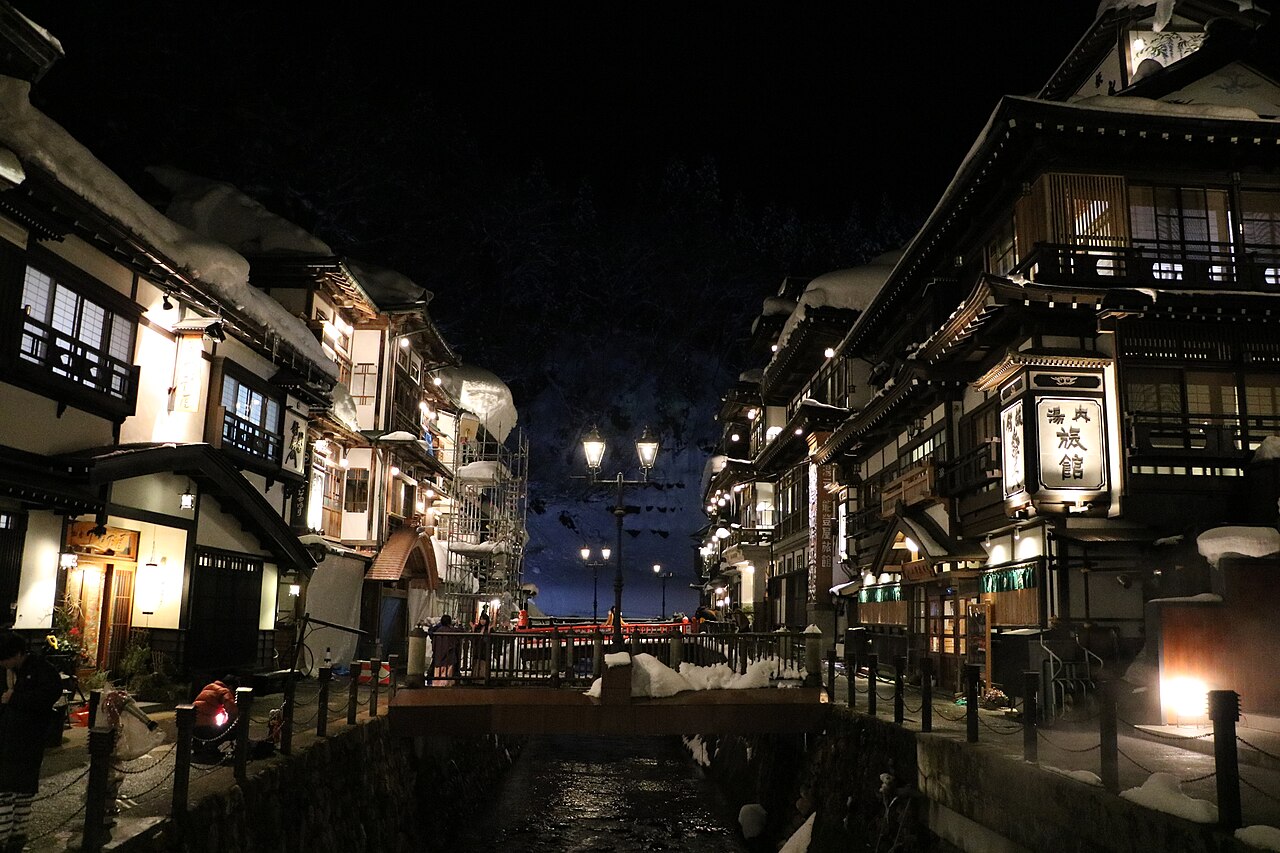
Ginzan Onsen snow town with Taisho-era wooden ryokan and gas lamps along the river at dusk ❄️ Yamagata4
Days 4–5 · Ginzan Onsen
Day 4–5 · Ginzan Onsen Snow Town

This is the heart of the winter trip — an onsen village where three- and four-story wooden ryokan from the Taisho era (the 1920s) line a little stream. Once the snow settles and the gas lamps come on at dusk, travellers who've been there agree it feels like stepping into an animation. Stay one night in the village to catch the night-time atmosphere that a day trip can never give you.

🚆Getting there: Yamagata Shinkansen (Tsubasa) Tokyo→Oishida ~3 hrs 20 (covered by the JR Pass), then a bus ~35–40 min, ~1,000 yen (the bus is not covered by the JR Pass)
♨️Winter: a rotenburo in the snow is the highlight · there are public baths and free foot baths in the village
⚠️Book ahead: in winter the buses are limited and there's a daily visitor cap, so check your ryokan's free shuttle from Oishida
💡Tip: grippy shoes are a must — the village paths are packed snow · see more onsen towns in the onsen towns guide
Yamagata Guide →
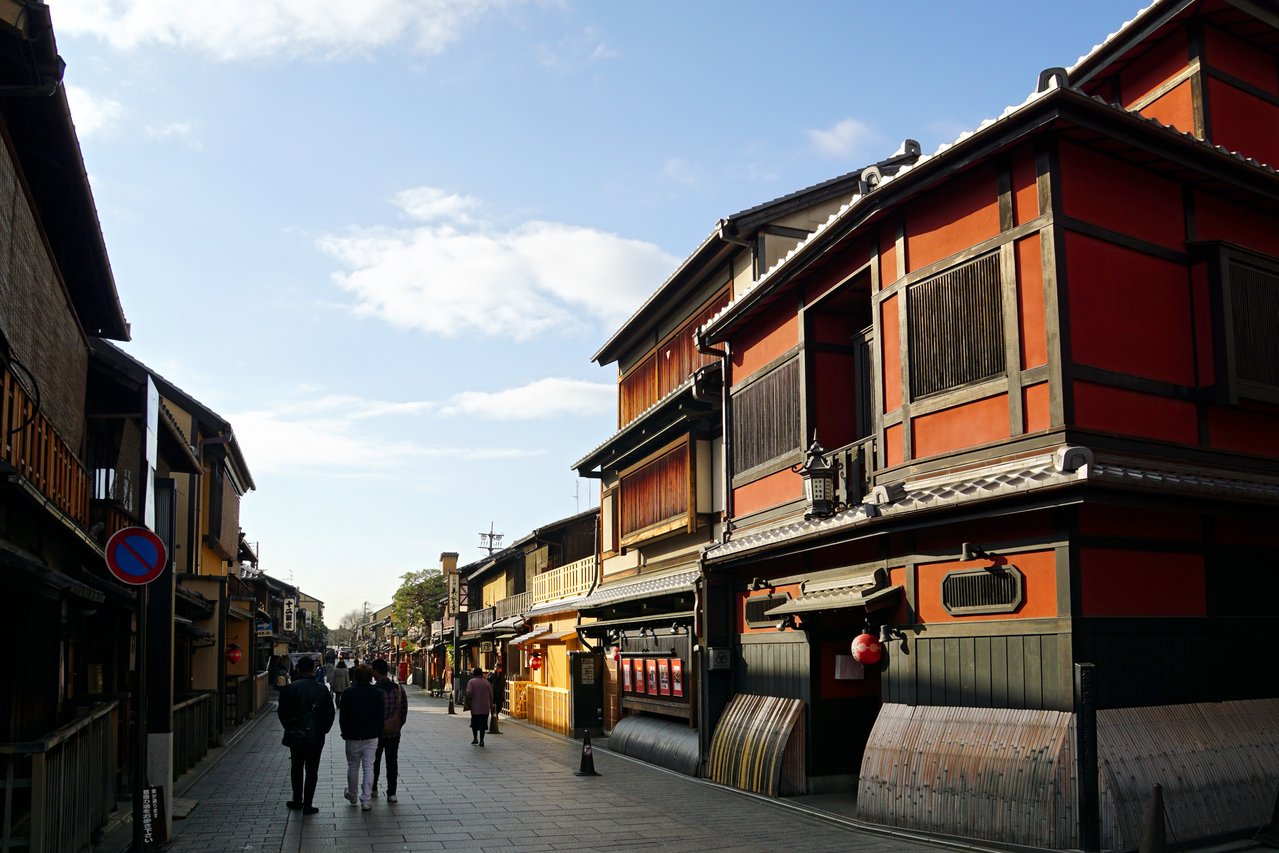
Gion district in Kyoto with traditional old wooden houses and teahouses ⛩️ Kyoto5
Day 6 · Winter Kyoto

Straight up, winter is when Kyoto is at its quietest and emptiest — the golden Kinkaku-ji, the Arashiyama bamboo grove, and Fushimi Inari are free of the crushing crowds you get in autumn. If you're lucky and snow dusts the temple roofs, the scene turns rare and gorgeous. At dusk, wander the old wooden lanes of Gion in the cold air — it's about as classic as Japan gets.

🚆Getting there: Shinkansen Tokyo→Kyoto ~2 hrs 15 (use the Hikari if you hold a JR Pass, since the Nozomi isn't covered)
❄️Weather: ~5–9°C by day; snow is occasional but does happen, which makes for rare temple shots · easy walking thanks to the thin crowds
💡Tip: grab souvenirs at Kyoto Station on the last day · pick just 2–3 temples since the days are short
Kyoto Guide →
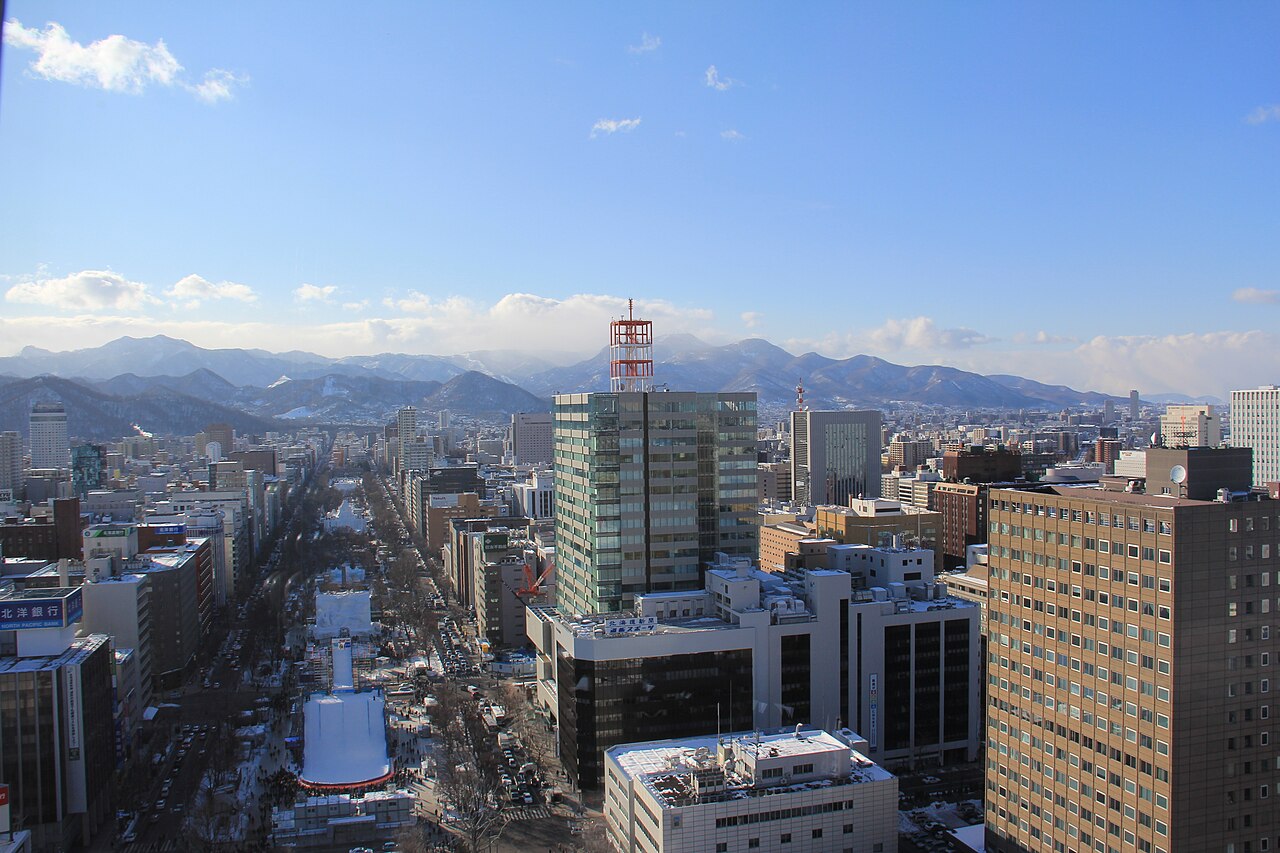
Aerial view of Sapporo showing Odori Park and the TV Tower, home of the Sapporo Snow Festival ❄️ Hokkaido (add-on)6
+ Add-on · Sapporo + Snow Festival
Add-on · Sapporo Snow Festival

Got extra time and coming in early February? Don't skip Sapporo — the Sapporo Snow Festival runs Feb 4–11 in 2026. Giant snow and ice sculptures line Odori Park for about 1.5 km, lit up at night until around 22:00, plus the Susukino district's ice display. Feast on snow crab, miso ramen, and hot soup curry.

✈️Getting there: fly Tokyo→Sapporo (New Chitose) ~1.5 hrs, far quicker than the train (a multi-transfer ~8-hour rail journey)
🎉Festival: Feb 4–11, 2026 at Odori Park · Susukino · Tsudome (double-check the official dates)
⛷️Ski: the ski fields around Sapporo are an easy day trip · see the Japan ski guide
💡Tip: Sapporo accommodation sells out fast during the festival, so book months ahead · see the snow guide
Sapporo Guide →
Getting Around + Rail Tickets

How to Run This TripCheaply and Without Snow Hiccups

This route runs mainly on the shinkansen, plus one flight if you add Sapporo. Get your head around these three things and you'll buy tickets far more wisely (2026 prices/timetables may change, so check the latest before you buy).

STEP 1
Is the JR Pass Worth It?

This trip runs Tokyo–Ginzan–Kyoto by shinkansen, racking up serious distance, so the 7-day JR Pass often pays off if you use it fully — but pass prices jumped sharply from 2023, so compare first with the JR Pass calculator · remember the pass covers the Hikari, not the Nozomi.

STEP 2
Fly the Sapporo Leg

If you add Hokkaido, flying is far quicker than the train — Tokyo→Sapporo is about 1.5 hours versus a multi-transfer rail journey of around 8 hours (there's still no direct shinkansen all the way to Sapporo). Book domestic flights ahead for good fares · an IC card like Suica/ICOCA is the easiest way to tap onto city trains and metros.

STEP 3
Allow for Snow Delays

In the northern winter, heavy snow can delay or cancel buses and local trains, especially on the way into Ginzan Onsen. Leave buffer time between connections, don't pack your schedule too tight, and check the day's service status · send your big luggage ahead with takkyubin (a day in advance) to make walking on snow far easier.

Where to Stay + Winter Onsen

Choose Winter AccommodationThat's Worth It for This Trip

The heart of this trip is spending a night or two in an onsen ryokan — soaking in an open-air bath as the snow falls is something a city hotel simply can't give you. Here's the kind of stay to pick in each town.

🏨 Booking winter accommodation: onsen ryokan in small towns like Ginzan have limited rooms and fill up very fast from Dec–Feb (especially over holidays and New Year) — book months ahead · start comparing prices and availability at search Tokyo stays on Agoda → or dig into ryokan in the ryokan guide
🗼
Tokyo — Near a Station
Pick Shinjuku, Shibuya, or Tokyo Station for easy onward travel · find stays in the Tokyo guide
♨️
Hakone — Open-Air-Bath Ryokan
Choose a ryokan with a rotenburo or a private in-room bath · see Hakone onsen ryokan
❄️
Ginzan — Stay in the Village
Stay overnight to catch the night-time atmosphere, check your ryokan's free shuttle from Oishida Station · book far in advance
⛩️
Kyoto — Central & Walkable
Stay near Kyoto Station or in Gion for easy temple-hopping · see the Kyoto guide
🛁
Have a Tattoo? Pick a Private Bath
Many onsen still ban tattoos, so choose a room with its own bath (kashikiri) · read the onsen guide
💴
Ryokan Rates Are Per Person
They usually include dinner + breakfast (kaiseki), ~¥15,000–50,000+/person/night (check the latest); flag food allergies/halal needs ahead
Map

The 7-Day Winter Routeon One Map

See the whole route at a glance — Tokyo as your base, a stop at Hakone onsen, north to Ginzan Onsen in Yamagata, back to Kyoto, and the add-on flight up to Sapporo in the far north.

Winter Prep

6 Things That Keep a Winter TripWarm and Hiccup-Free

🧥
Dress in Layers
A heat-retaining base layer like Heattech + a warm mid-layer + a windproof, waterproof outer jacket, so you can add or shed layers as you move between the cold and warm indoor spaces.
🥾
Grippy Shoes
Paths get packed with snow and ice, especially in Ginzan and Sapporo. Pick shoes with good traction and walk slowly to avoid slipping.
🔥
Heat Packs (kairo)
Stick them on your back, belly, or inside your gloves — a huge help when you're standing for night photos or waiting for transport. Cheap at any konbini.
🌇
Short Days, Early Dark
In winter the sky goes dark around 16:30–17:00. Schedule outdoor sights for the morning and afternoon, then save illuminations and indoor spots for the evening.
🦀
Winter Food to Try
Hot pot (nabe/shabu), snow crab, steaming ramen, oden, and warm sake · see the food guide
📶
Set Up an eSIM Before You Fly
Check service status on snowy days + navigate to your ryokan · see the eSIM/WiFi guide
Related Guides

Go Deeper on Winter — Lights, Snow, Skiing, and Onsen

🎄

Winter Illuminations Guide

Illumination spots across Japan, opening and closing dates, and the best photo angles from Tokyo to the regions.

Winter Illuminations →
❄️

Japan Snow Guide

Where to find snow, when it's deepest, the snow festivals, and how to gear up for snow safely and have fun.

Snow Guide →
⛷️

Japan Ski Guide

The top ski resorts from Hokkaido to Nagano, difficulty levels, gear rental, and how to hit the slopes as a beginner.

Ski Guide →
♨️

Onsen Towns Across Japan

12 standout onsen towns to help you pick the right one — close to Tokyo, beautiful in snow, great water, and how to get there.

Onsen Towns →
🗓️

Japan 7-Day Itinerary (Golden Route)

The classic Tokyo–Fuji–Kyoto–Osaka 7-day route, in case you want to compare it with this winter plan.

7-Day Plan →
🧭

Japan Trip Planner Tool

Adjust the number of days, choose your cities, and get your own plan with links to city guides and accommodation.

Plan Your Trip →
Frequently Asked Questions

Questions AboutVisiting Japan in Winter

What is the best month to visit Japan in winter?
Japan's winter runs roughly from December to February. December is the season for illuminations, which light up cities from mid-November to late December, while January and February bring the heaviest snow — the best time for snowy onsen and skiing. The Sapporo Snow Festival is held in early February; in 2026 it runs Feb 4–11. If you want both illuminations and snow, late December to early January is the sweet spot that catches both.
Which cities should I visit on a 7-day winter trip?
A recommended winter route is Tokyo for 2 days (illuminations, shopping, teamLab), then Hakone or Kawaguchiko for 1 day (open-air onsen with a snowy Mount Fuji view), then north to Ginzan Onsen, the gas-lamp snow town in Yamagata, for 2 days, and finally winter Kyoto for 1 day before flying home. With extra time and a craving for deep snow, fly on to Sapporo for the Snow Festival in early February.
Is it cold soaking in an open-air onsen in winter, and what is it like?
The walk from the changing room to the bath really is cold, but once you're in the hot water at ~40–42°C with snow falling around you (a rotenburo in the snow), travellers who have done it agree it's the highlight of any winter trip. The trick is to wash thoroughly in the warm indoor area first, walk briskly to the bath, soak no longer than 10–15 minutes per round, and drink water before and after so you don't feel faint.
When is the Sapporo Snow Festival 2026?
The Sapporo Snow Festival (Yuki Matsuri) runs February 4–11, 2026. Giant snow and ice sculptures line Odori Park for about 1.5 kilometres, lit up at night until around 22:00, with an ice zone and food-and-drink areas in the Susukino district and at the Tsudome site. Double-check the official dates before you travel, as the schedule shifts slightly from year to year.
How do I get to Ginzan Onsen from Tokyo in winter?
Take the Yamagata Shinkansen (Tsubasa) from Tokyo to Oishida Station, about 3 hours 20 minutes (covered by the JR Pass), then transfer to a bus into Ginzan Onsen for about 35–40 minutes, costing roughly 1,000 yen (the bus is not covered by the JR Pass). In winter the buses are limited and there's a daily visitor cap, so if you're staying at a ryokan in the village, check whether it offers a free shuttle from Oishida Station and always book ahead. 2026 prices may change, so check the latest before you go.
What clothing should I pack for a winter trip?
The key is layering — a heat-retaining base layer like Heattech, a warm mid-layer, and a windproof, waterproof outer jacket, plus a hat, gloves, a scarf, and thick socks. Shoes should have good grip because paths get snowy and icy. Tokyo and Kyoto sit around 5–12°C by day, while the north (Ginzan, Sapporo) can drop below freezing. Carrying disposable heat packs (kairo) helps a lot, and remember that winter days are short, with the sky going dark around 16:30–17:00.
Ready for Winter?

Pick Your Onsen Town
and Book the Ryokan Before It Fills

Winter onsen ryokan have few rooms and sell out fast, especially snow towns like Ginzan. Choose the onsen town that's right for you and start comparing prices and availability early, before rates climb at year-end.

🔴 Search Winter Stays Onsen Towns