Japan's traditional inn: sleeping on a futon over tatami, soaking in an onsen, eating a seasonal kaiseki dinner — we've put every first-timer question on one page, from why the price is per person and what a night actually looks like, to yukata etiquette and how to book.
Picture this: you open the door to a room floored with tatami mats that smell faintly of fresh straw, a host brings hot tea and a sweet, you change into a yukata robe and walk down to the onsen, and when you return there's a multi-course dinner waiting. Step out for a short stroll after eating, and by the time you're back your futon has been laid out, ready for bed. All of this is a ryokan (旅館), the traditional Japanese inn that so many travellers put on their bucket list. It isn't just somewhere to crash — it's living the Japanese way from dusk till morning.
But the first time you go to book one, the questions pile up fast — why is the price per person, not per room? What time is dinner? How exactly do you wear that robe? And do you really have to bathe naked in a shared pool? This page clears it all up, one item at a time: how a ryokan differs from a hotel, what a night actually looks like, how the pricing works, and the etiquette worth knowing. Read to the end and you'll book without a second thought.
If you can't quite picture which to choose, this table lays it out line by line — the short version is that a ryokan sells you a whole evening, while a hotel sells you a clean, well-located bed.
| Aspect | Ryokan 旅館 | Regular hotel |
|---|---|---|
| SleepingHow you sleep | Futon laid out on tatami; staff set it up in the evening | A normal bed, ready when you arrive |
| PricingHow it's charged | Per person, usually with dinner + breakfast | Per room; meals are separate |
| MealsFood | Kaiseki dinner + Japanese breakfast (usually included) | Not included, or a paid breakfast buffet only |
| OnsenHot spring | Usually an on-site hot-spring bath (shared / private) | Mostly none — just an in-room bathroom |
| In-house dressYukata | A yukata to wear around the inn and the onsen town | None — you wear your own clothes |
| Check-outCheck-out time | Early, ~10–11 am (because breakfast is included) | Often later, ~11 am–noon |
If you've never stayed in one, it's hard to picture what the whole evening involves. Here's the order it actually unfolds in most ryokan — read it through and you'll see there's nothing to worry about.
Check-in usually starts around 2–3 pm. You take your shoes off at the entrance, a host shows you to your room and serves green tea with a welcome sweet, and you sip while they explain the meal times and the onsen — a gentle omotenashi start.
Change into the yukata waiting in your room, then walk down to the onsen before dinner. The pre-dinner stretch is usually quiet, so you can soak in peace and work the aches out from a full day of sightseeing.
The kaiseki dinner is served around 6–8 pm — in your room at some ryokan, in a dining room at others. It's a series of courses arranged by season, built on local ingredients, and plated as beautifully as artwork.
The part that surprises a lot of people — while you're out at dinner or on a stroll, staff come in and lay your futon out on the tatami. You return to a room that's ready to fall straight into. No setting up yourself.
In the morning, take another soak (the water's clear and the bath is quiet early), then sit down to a set Japanese breakfast — grilled fish, rolled omelette, steamed rice, miso soup, pickles — a fresh, complete start to the day.
Check-out is usually around 10–11 am — pack up and hand back the key. Don't fold the futon away yourself; just leave it as it is, so housekeeping can change the bedding easily. That's the correct etiquette.
Ryokan differ in the details, but the things that make people fall for them come down to a handful — understand these six and you'll see why it's worth trying at least once.
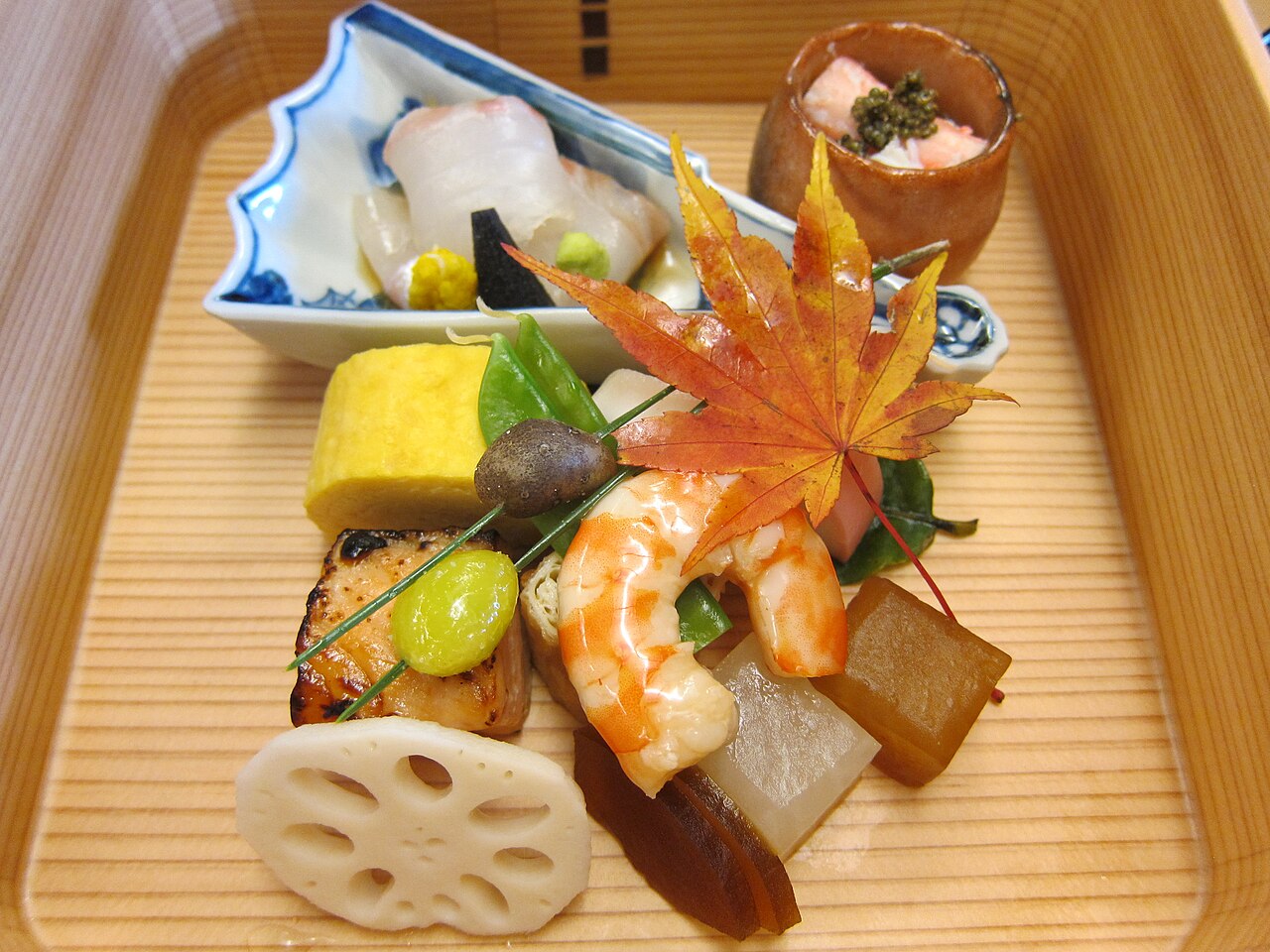
🍱 The highlight of the night1
A multi-course dinner built around the season, served plate by plate like a series of small artworks, using the best local produce of the moment. For many travellers this is the main reason to stay in a ryokan at all — and at some, it's served right in your room.
Onsen towns that eat well →
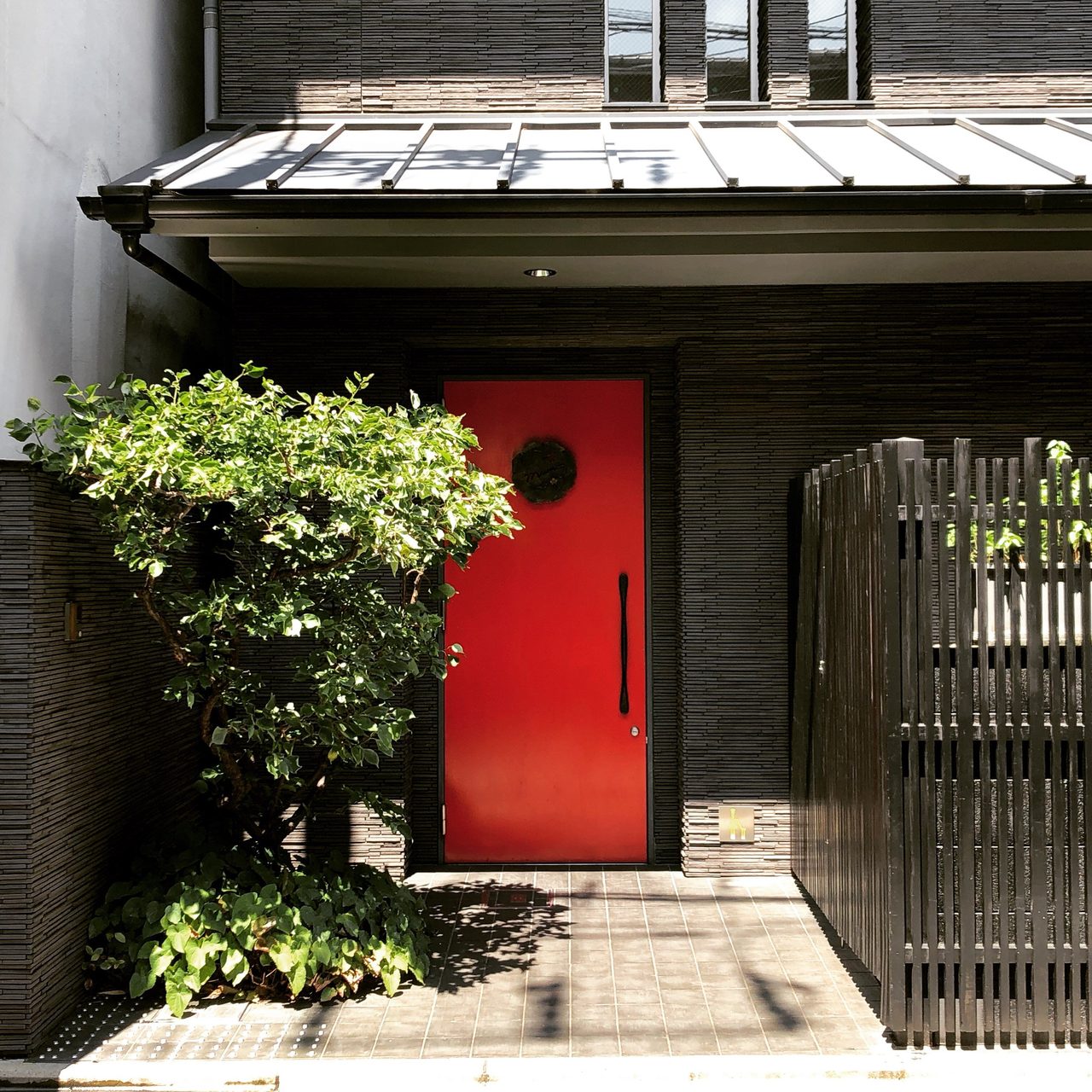
🛏️ The heart of the room2
The floor is laid with tatami mats that smell of fresh straw. By day it's an open sitting room with a low table; come evening, staff lay out the futon as your bed. Sleeping low to the floor like this is a charm a bed-and-mattress hotel simply can't give you.
Onsen 101 Guide →
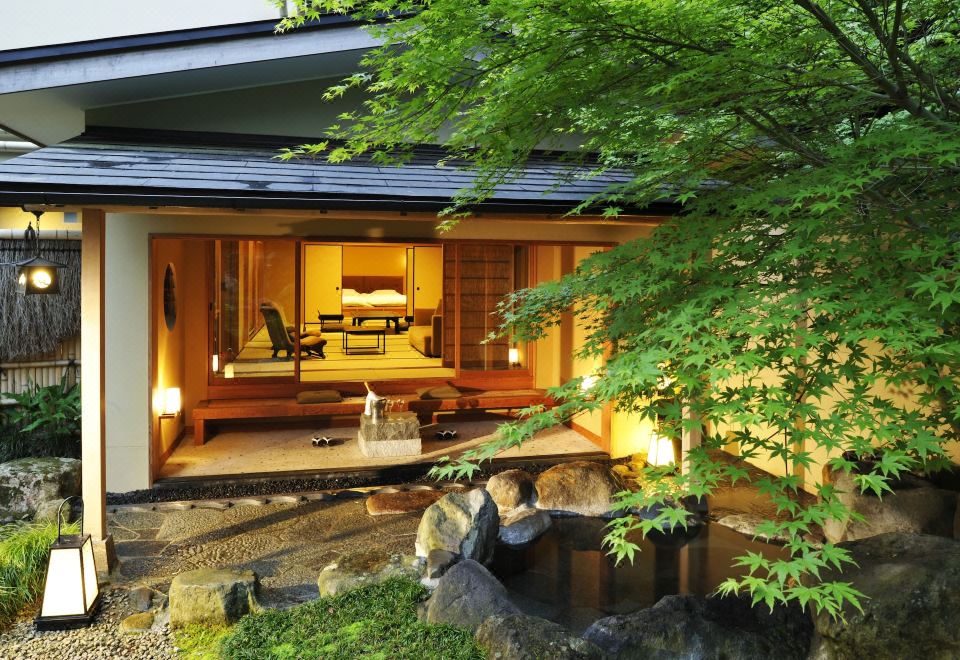
♨️ Private relaxation3
Most ryokan have shared onsen baths split by gender, and some offer a private bath you can reserve for your group (kashikiri) or a room with its own bath on the balcony. If you're shy about the shared pool or have a tattoo, a private option lets you soak with complete peace of mind.
Luxury ryokan in Hakone →
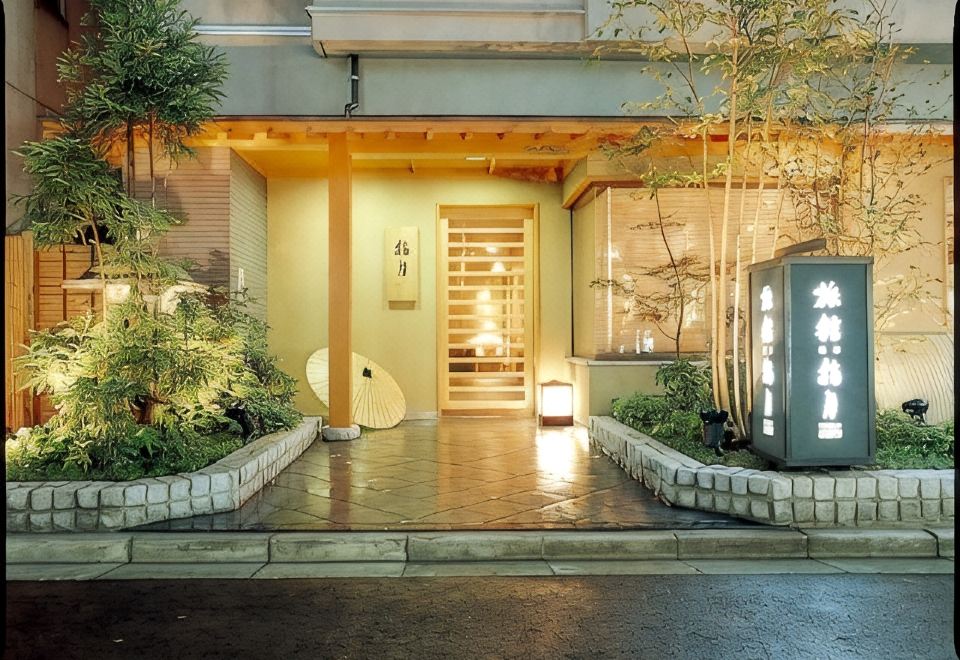
👘 Japanese atmosphere4
Change into a yukata and you can wear it anywhere on the property — to the onsen, to dinner, or out for a wander around the onsen town. Omotenashi, meanwhile, is the attentive Japanese style of hospitality that anticipates what you'll need before you ask — and no tipping required.
Ryokan in Tokyo →
🏔️ Onsen town5
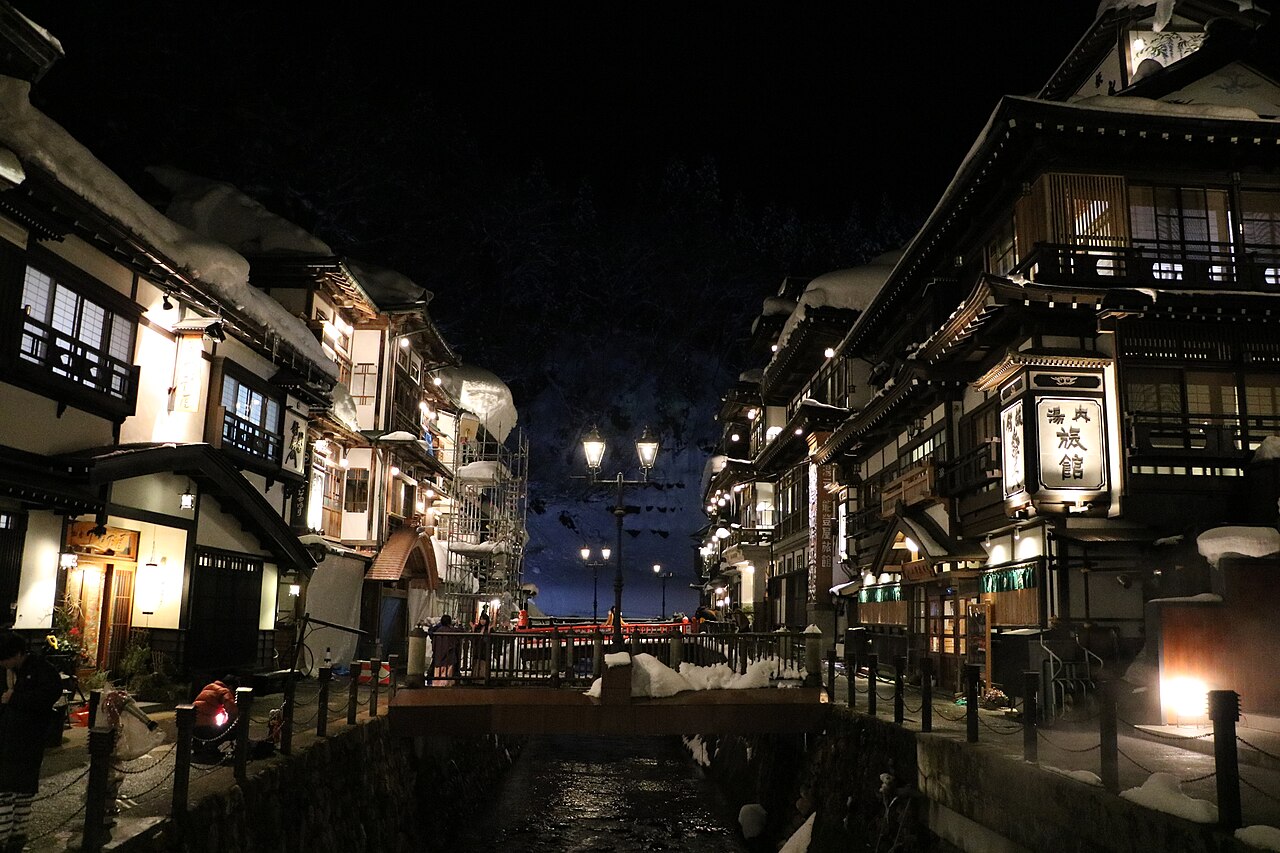
Many ryokan sit in onsen towns where the whole town is a spa — stroll in your yukata, drop into the public bathhouses, try several baths in a single day. The image of old wooden ryokan lined along the river, like Ginzan, is the dream scene of a snowy season.
Onsen towns of Japan →
🏮 Old town6
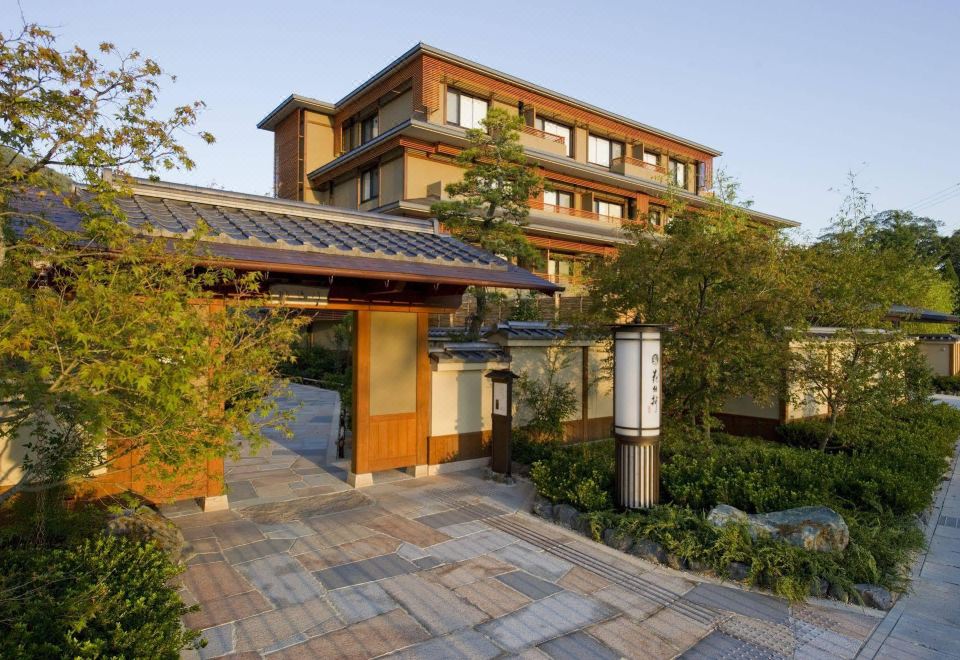
Not every ryokan has an onsen — in cities like Kyoto and Takayama, ryokan set in old wooden townhouses (machiya) trade on the atmosphere of a historic district. Ideal if you want a Japanese-style night but still want to step out and explore the city easily.
Takayama Guide →Price and booking are where first-timers get most confused, so let's clear it up — the rate is per person, meals are included, and there are a few small details worth knowing before you hit "book".
If you want the full ryokan experience, your best bet is a town that's already known for them — these six are spread across the easy-from-Tokyo options, the old towns, and the legendary onsen towns.
None of it is complicated — just knowing it beforehand means you can relax instead of second-guessing. These are the things the Japanese observe, and ryokan staff are happy to help if you're unsure.
Worried you really have to bathe naked at an onsen? How to soak step by step, the etiquette, and what first-timers need to know about tattoos.
Onsen Guide →12 onsen towns spread across every region — pick the one that fits your style and your route for the trip.
Onsen Towns →The luxury ryokan closest to Tokyo — many with an in-room onsen, premium kaiseki, and mountain views.
Luxury Ryokan in Hakone →Ryokan in Takayama's historic old town — genuine old-wood Japanese atmosphere, with the streets easy to explore on foot.
Takayama Ryokan →The popular onsen town near Tokyo — Lake Ashi, Owakudani, the museums, and where to stay for the hot springs.
Hakone Guide →Every region and city, with links into city guides, hotels, and attractions across Japan.
Japan Guide →No more confusion now you've read this through. Start with the ryokan or onsen town that fits your trip — Hakone is the best place for first-timers, since it's the closest to Tokyo and has plenty of ryokan to choose from.