With 14 days you finally have time to step off the main track — this plan takes you from Tokyo past Mount Fuji, through the thatched-roof villages of Shirakawa-go and Takayama, down to Kanazawa, Kyoto-Nara and Osaka, and out to the floating torii of Miyajima, with real train times and a place to stay at every base.
Picture a friend who's been to Japan a dozen times sitting down to plan your trip. Straight up: most 5–7 day trips end up circling the Golden Route (Tokyo–Kyoto–Osaka) — genuinely beautiful, but the path everyone walks. The moment you have 14 days the whole game changes. You can tick off all the big cities and still have time to break away and find a different side of Japan that shorter trips never reach: thatched-roof villages deep in a valley, an old town along a river, one of the country's three finest gardens, and a sacred island with a torii gate that floats in the sea.
This plan runs as one line with no backtracking — land in Tokyo, then work west past Fuji, through the Japanese Alps (Takayama–Shirakawa-go–Kanazawa), into Kansai (Kyoto–Nara–Osaka), and finish at Hiroshima-Miyajima. We've built breathing room into each leg so you're never travelling yourself into the ground, with real train times, how to make each connection, and where to stay at every base.
See the shape of the trip first — where each leg is based, what you cover, and how you move on. It runs as a single line from Tokyo heading west, with no backtracking, so you never waste time riding the same stretch twice.
| Days | Base | Main highlights | On to the next base |
|---|---|---|---|
| Days 1–3Tokyo | Kanto | Asakusa · Shibuya · Meiji-Harajuku · Skytree (+ day trip to Kamakura/Nikko) | Fuji Excursion train ~1h 55 |
| Day 4Fuji-Kawaguchiko | Yamanashi | Chureito Pagoda · lakeside · stay over for Fuji at dawn | Train + bus to Takayama |
| Days 5–6Takayama + Shirakawa-go | Gifu | Sanmachi old town · UNESCO thatched-roof village | Nohi Bus ~50 min |
| Day 7Kanazawa | Ishikawa | Kenrokuen Garden · geisha district · castle | Train ~2 hrs to Kyoto |
| Days 8–10Kyoto (+ Nara) | Kansai | Fushimi Inari · Arashiyama · Gion · day trip to Nara | Train ~15 min to Osaka |
| Day 11Osaka | Kansai | Osaka Castle · Dotonbori · Kuromon | Shinkansen ~1h 25 to Hiroshima |
| Days 12–13Hiroshima + Miyajima | Chugoku | Peace Memorial Park · the floating torii of Miyajima | Shinkansen back to Tokyo ~4 hrs |
| Day 14Return / fly home | Tokyo | Last-minute souvenir shopping · head to the airport | — |
We've grouped this into 7 legs by base rather than a rigid day-by-day list, because a long trip should leave room to adjust — each leg has the highlights you shouldn't miss, how to get around, and tips from people who've actually been. Arrange them to suit yourself.
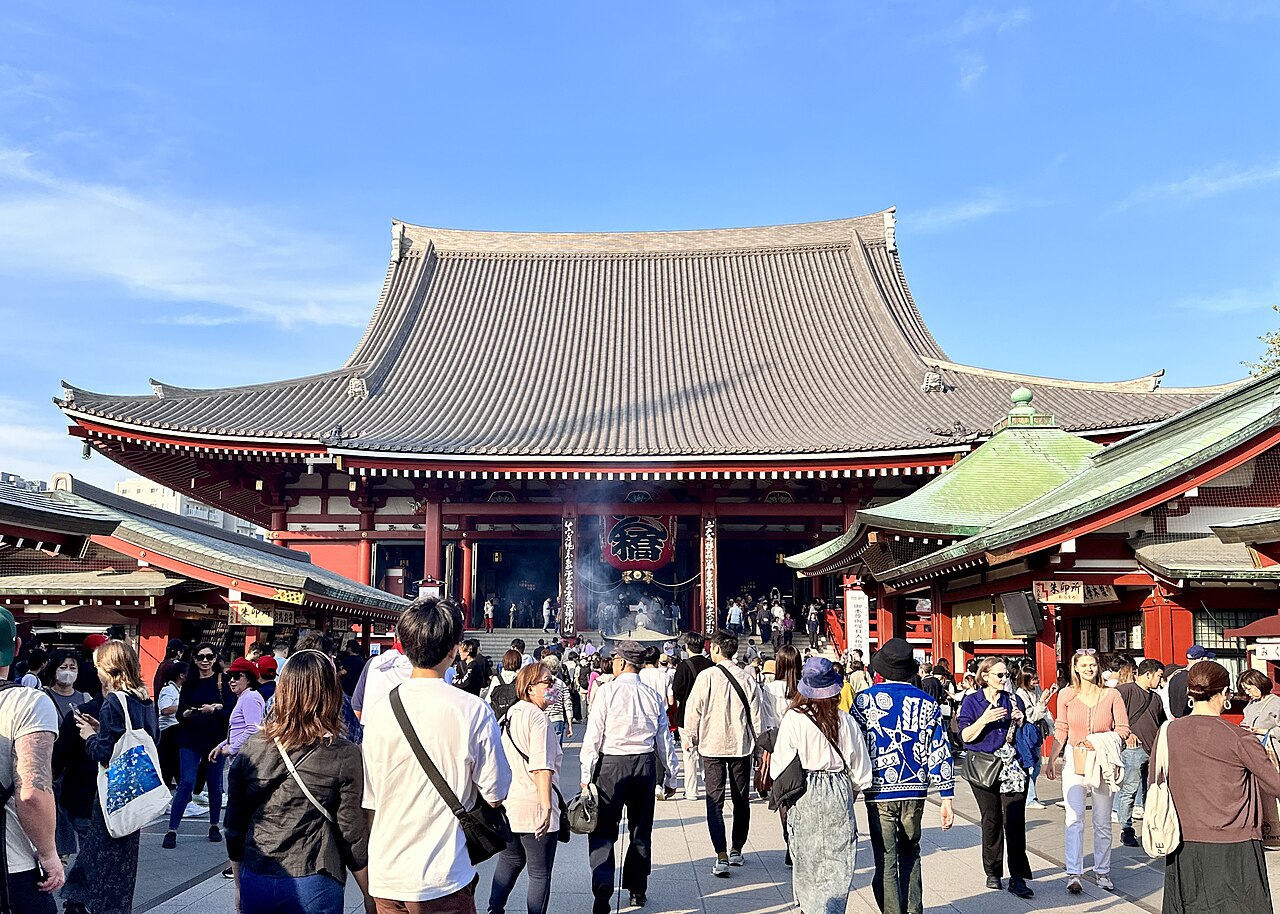
🗼 Tokyo1
Begin at Asakusa and Sensoji Temple, then work through the Shibuya scramble, the Meiji-Harajuku district, and a city view from Skytree or Shibuya Sky. Leave the third day for a day trip — Kamakura (the Great Buddha and the sea, about 1 hour) or Nikko (UNESCO shrines in the forest, about 2 hours), whichever you prefer.
Tokyo Guide →
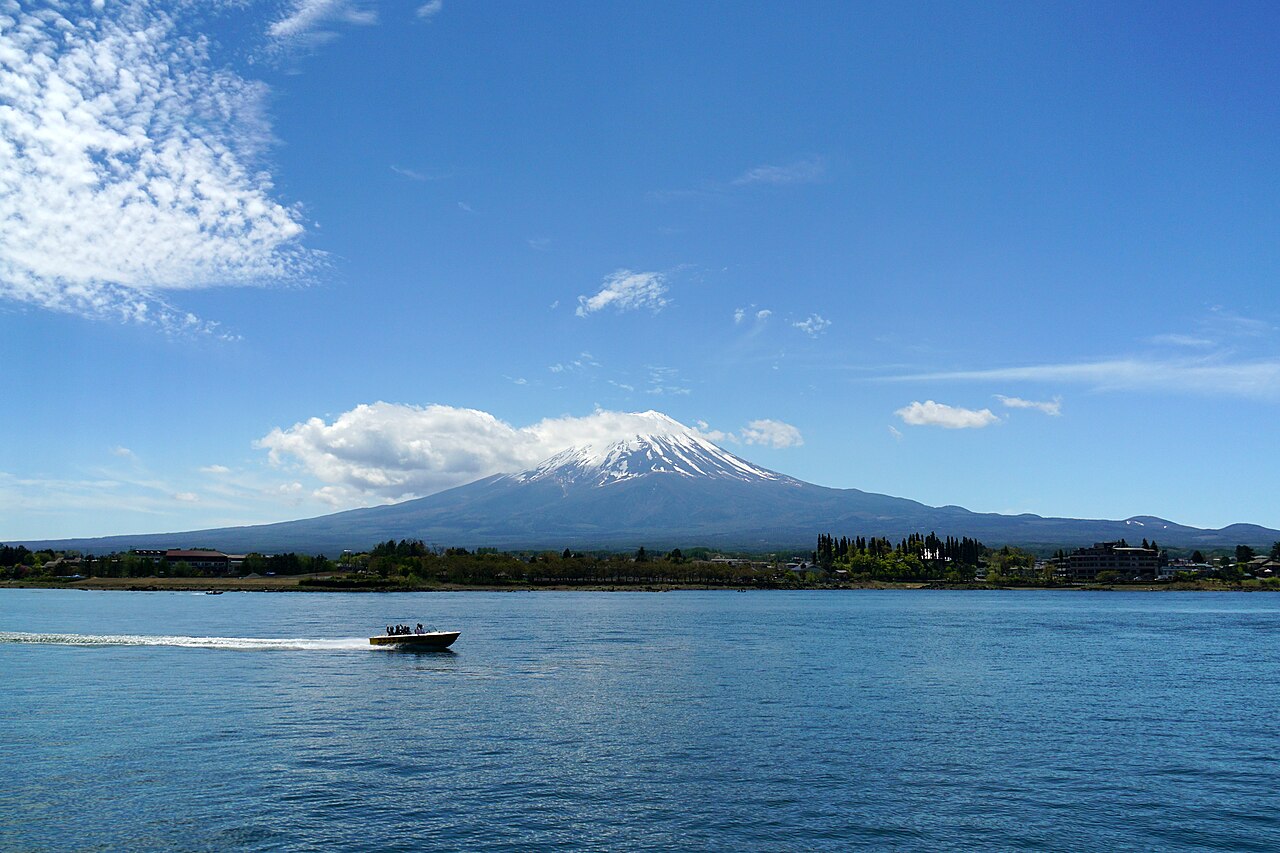
🗻 Fuji-Kawaguchiko2
Leave Tokyo behind and come face to face with Mount Fuji. The highlight is the five-story Chureito Pagoda, which you can frame together with Fuji in a single shot (about 400 steps up), along with the lakeside on the northern shore around Oishi Park. The overnight stay is well worth it, because Fuji usually shows clearest at dawn before the clouds roll in.
Kawaguchiko (Fuji) Guide →
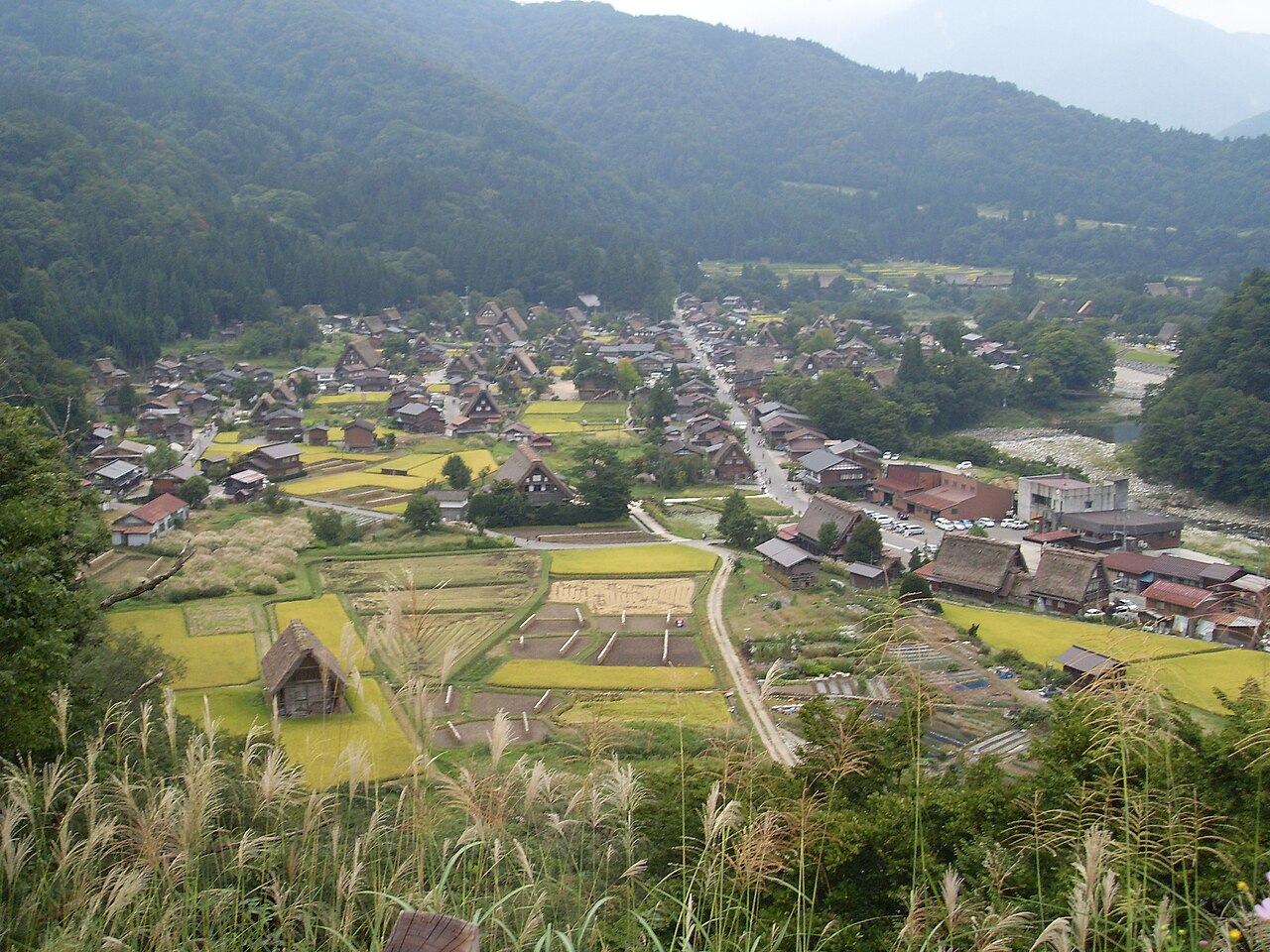
🏔️ Takayama + Shirakawa-go3
This is the leg short trips never reach — Takayama keeps a Sanmachi old town of dark Edo-era timber houses lined along a canal, while Shirakawa-go is a UNESCO village of steep "praying-hands" thatched roofs (gassho-zukuri) deep in a valley. Take a bus over from Takayama in the morning and back in the evening with ease.
Takayama Guide →
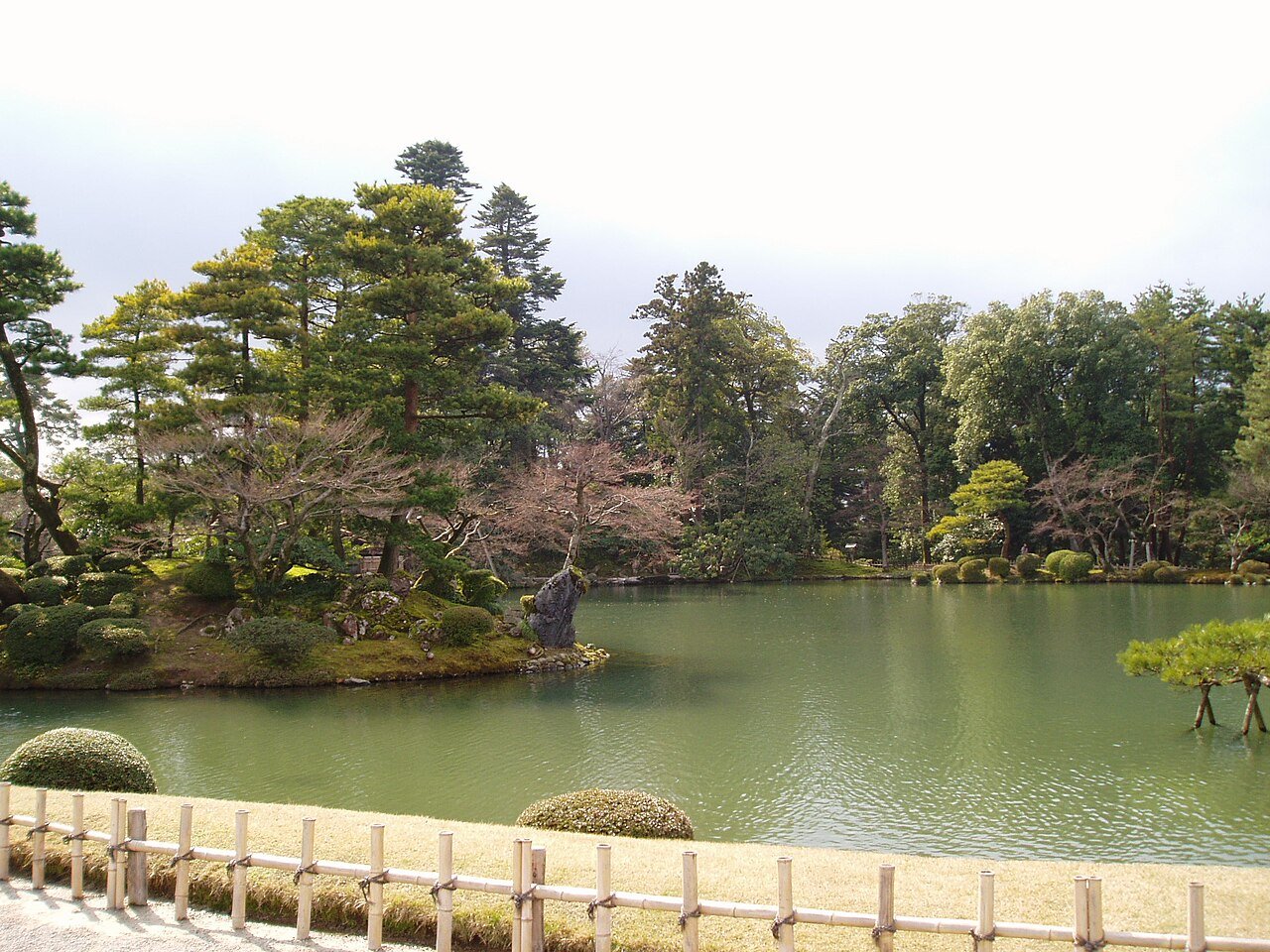
🏯 Kanazawa4
Come down from the mountains to a city people call "little Kyoto." The star is Kenrokuen Garden, one of the three most beautiful gardens in Japan. Walk on into the Higashi Chaya geisha district, still lined with old wooden teahouses, and finish at Omicho Market for seafood fresh from the Sea of Japan.
Kanazawa Guide →
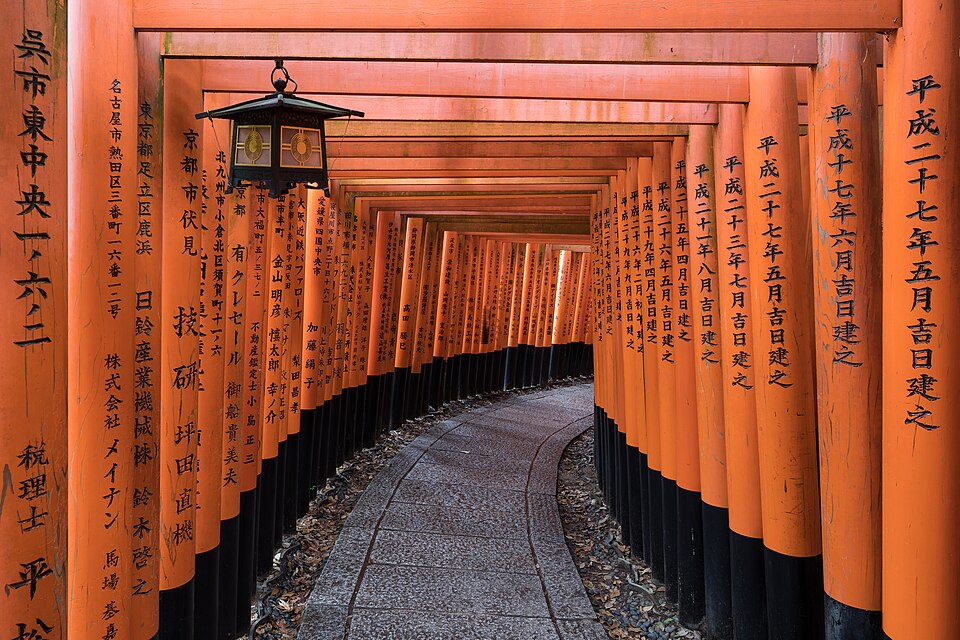
⛩️ Kyoto + Nara5
Give Kyoto a full three days, because the temples are many and spread out — walk the tunnel of ten thousand torii at Fushimi Inari, pass through the Arashiyama bamboo grove, soak up the evening mood in Gion, then set aside one day for the ~45-minute train to Nara, where the deer come begging for crackers and the Great Buddha waits at Todaiji.
Kyoto Guide →
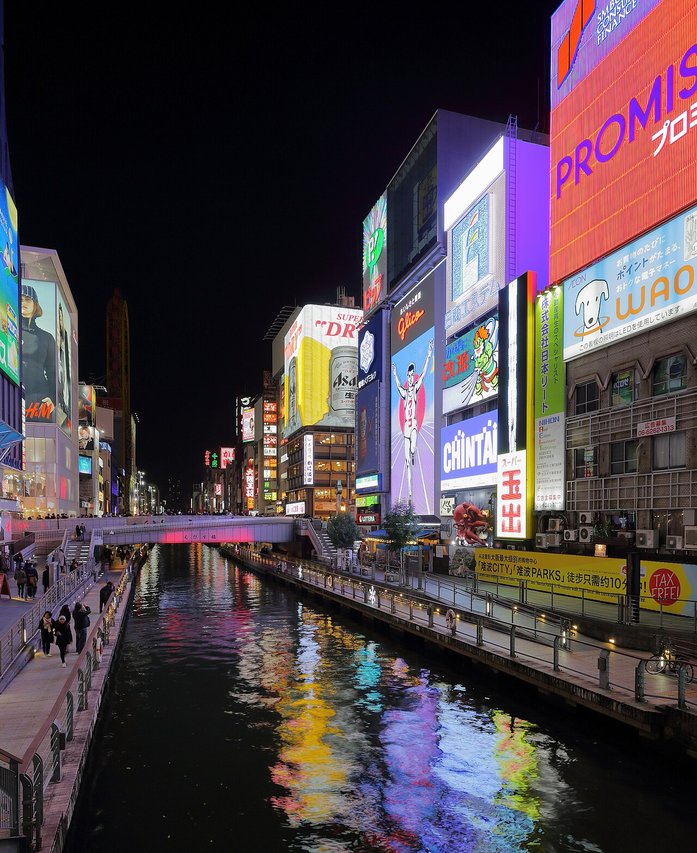
🍜 Osaka6
Move your base to Osaka, the city locals call "Japan's kitchen." By day, head up Osaka Castle and wander Kuromon Market; by night, Dotonbori is all neon signs and the smell of takoyaki and okonomiyaki — a completely different world from the Kyoto you just left.
Osaka Guide →
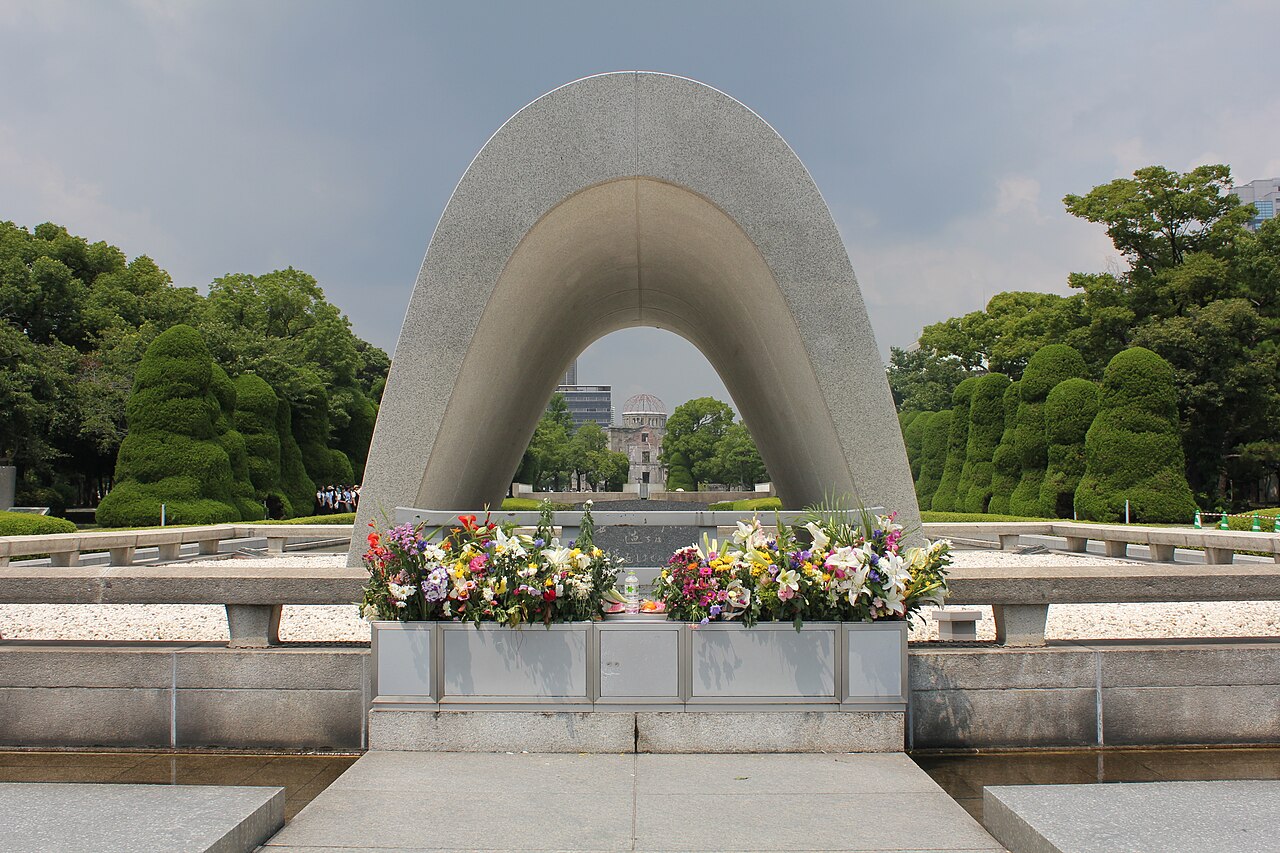
⛩️ Hiroshima + Miyajima7
Give the first day to the Hiroshima Peace Memorial Park — the Atomic Bomb Dome and the museum leave an impression unlike anywhere else on the trip. Spend the other day crossing over to Miyajima, the island where the red torii of Itsukushima Shrine floats out in the sea, with deer wandering about and hot momiji manju cakes to try.
Hiroshima Guide →A long trip means a lot of train rides — set your ticketing up right from the start and you'll save both money and time. These are the three things worth deciding before you fly.
This plan involves several long shinkansen rides (Tokyo–Kanazawa, Osaka–Hiroshima, the return to Tokyo). A 14-day Ordinary JR Pass costs around 80,000 yen (2026 may change). Add up the fares for the legs you'll actually ride and compare with the pass price before buying — the JR Pass doesn't cover Nozomi, so you'll use Hikari/Sakura.
A prepaid card like Suica/ICOCA lets you tap onto city trains and buses without buying tickets one at a time, and works in convenience stores too. On a long trip it cuts the queueing at every station — a useful complement to a JR Pass, which only covers the long-distance lines.
The beauty of 14 days is not having to rush. Leave a free half-day at each base for unplanned wandering or a lie-in. The Alps stretch runs on scheduled buses — check the timetable and reserve seats ahead, especially in winter when they can run late.
A long trip means staying in several cities, and choosing the right neighbourhood saves a lot of travel time — the simple rule is to stay near the main station first, then leave your bags at one base per leg so you're not dragging luggage onto the train every day.
It's easy to see why this plan flows as a single line heading west — start in Tokyo, pass Fuji, swing through the Japanese Alps, drop into Kansai, and finish at Hiroshima-Miyajima, with no backtracking to waste time riding the same stretch twice.
The full Golden Route — Tokyo–Hakone–Kyoto–Osaka — the classic line that's just right for a first trip.
7-Day Plan →The Golden Route plus Hiroshima and Miyajima, with a little time to step off the main track.
10-Day Plan →How many days, which month, which route — the overview page to help you decide before the details.
Planning Page →Enter your real route and see whether a JR Pass pays off or paying per ticket is cheaper for your trip.
Calculate JR Pass →The dishes to try in each city, from Hida beef and takoyaki to Miyajima's momiji manju.
Food Guide →Visa · eSIM · IC cards · JR Pass · yen · power plugs · Japanese etiquette — everything before you fly.
Travel Prep →Start with the full Japan travel guide to piece together each base, where to stay, and how to get around — or go ahead and find rooms near each main city's station early. On a 14-day trip, the further ahead you book, the easier it is.