Who says Japan has to be expensive? Here's the classic 7-day route — Tokyo · Kyoto · Nara · Osaka — done the cheap way: free sights, gyudon and konbini meals, hostel and capsule stays, smart transport choices, and three daily-budget tiers to pick from.
Heard someone grumble that "Japan's just too expensive" and hesitated to book? Honestly, the costs that really eat your budget come down to just a few big items — flights, accommodation, and intercity travel. Everything else you can keep firmly under control, because Japan is a country with an enormous amount of great free stuff. Shrines, temples, public parks, legendary strolling districts like Shibuya and Dotonbori — you can wander them all without spending a single yen, and cheap food like a beef bowl or something from a konbini is so good that locals eat it every day.
This plan is the 7-day Golden Route — the classic itinerary first-timers take more than any other: Tokyo → Kyoto → Nara → Osaka — but done in the cheapest possible version, leaning on free sights, hostel and capsule stays, frugal eating, and the most cost-effective way to get around. It suits backpackers, students, or anyone visiting for the first time on a tight budget. At the end you'll find three daily-budget tiers and a full set of money-saving tricks.
A one-way route, Tokyo → Kyoto → Nara → Osaka: fly into Tokyo (NRT/HND), fly out of Kansai (KIX), no backtracking — saving you both time and money. The budget figures are approximate 2026 per-person amounts covering food, sights and accommodation only (flights and intercity trains not included).
| Day | City | Highlights (free-first) | Stay | Budget/day |
|---|---|---|---|---|
| D1–2 | TokyoTokyo · Kanto | Meiji Shrine · Shibuya · Senso-ji Asakusa · Palace gardens | Hostel/capsule | ¥10,000–14,000 |
| D3 | → KyotoKyoto · Kansai | Hikari shinkansen or night bus · Fushimi Inari · Gion | Kyoto hostel | ¥11,000–15,000 |
| D4 | KyotoKyoto · Kansai | Arashiyama bamboo grove (free) · cheap temple entries · walk + bus | Kyoto hostel | ¥11,000–15,000 |
| D5 | Nara (day trip)Nara · Kansai | Deer Park (free) · Todai-ji · base in Kyoto/Osaka | Hostel | ¥10,000–14,000 |
| D6–7 | OsakaOsaka · Kansai | Dotonbori · Kuromon Market · castle grounds (free) · fly out of KIX | Osaka hostel | ¥11,000–15,000 |
Each day picks out the free or cheap-entry sights and pairs them with budget eats and a place to stay within walking distance of a train station — swap the days around to fit your flights and whatever the weather's doing.
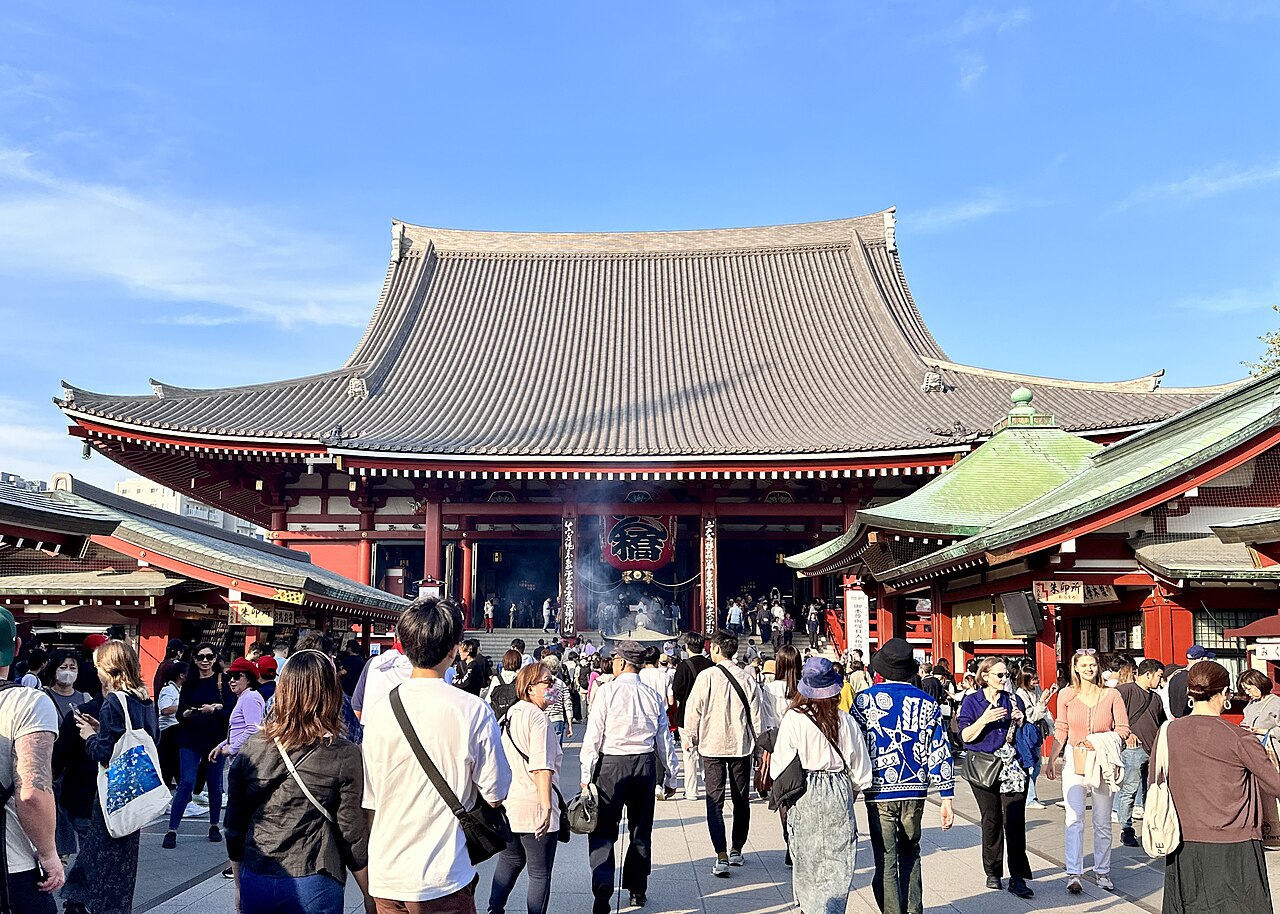
🗼 Tokyo1
Open the trip with two days mopping up Tokyo's free sights — Meiji Shrine in its forest in the heart of the city and Yoyogi Park next door, both free to wander, the legendary Shibuya Scramble crossing with the Hachiko statue, Senso-ji Temple in Asakusa and Nakamise Street (free to enter), and the East Gardens of the Imperial Palace, open for free strolling. Wind the day down around Shinjuku or Ueno.
More Tokyo attractions →
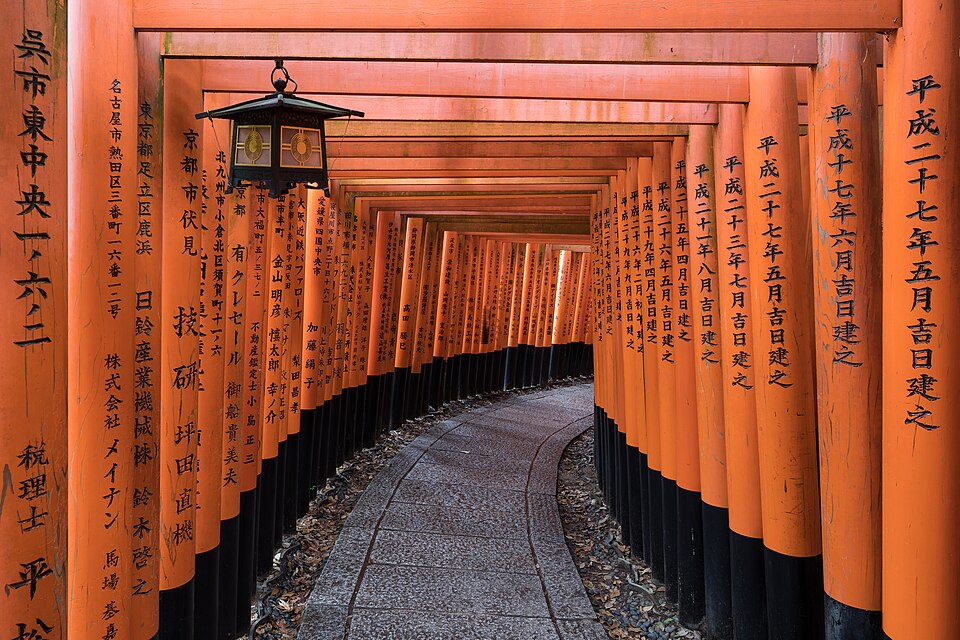
⛩️ Kyoto2
Pack up and leave Tokyo in the morning on the Hikari shinkansen, about 2 hr 15 min (if you're using a JR Pass it must be Hikari, not Nozomi) — or, to save the most, take the night bus the evening before and skip a night's accommodation too. Arrive in Kyoto by afternoon, check into your hostel, then head straight to Fushimi Inari Shrine to walk under its thousand red torii gates (free, open 24 hours). In the evening, wander the Gion district for free.
Is the JR Pass worth it? →
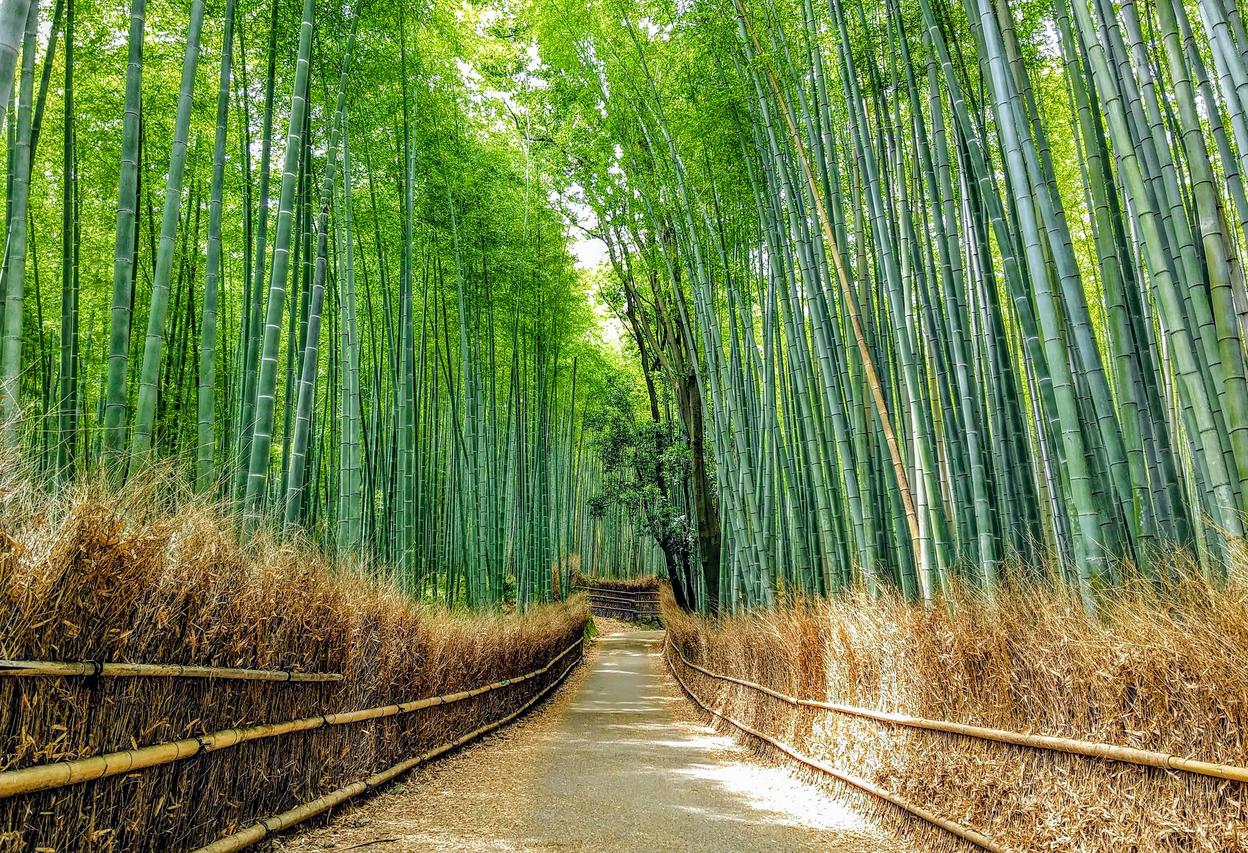
🎋 Kyoto3
Today is all walking and buses — start early at the Arashiyama bamboo grove, free to wander beneath the towering stalks (come before 9 am for fewer people); nearby you can carry on to the Togetsukyo Bridge and the riverside park. In the afternoon pick just one or two temples you genuinely want to enter (most temple entries run about ¥400–600 — Kinkaku-ji, the Golden Pavilion, is ~¥500), then soak up the old-town streets at your own pace.
Kyoto attractions →
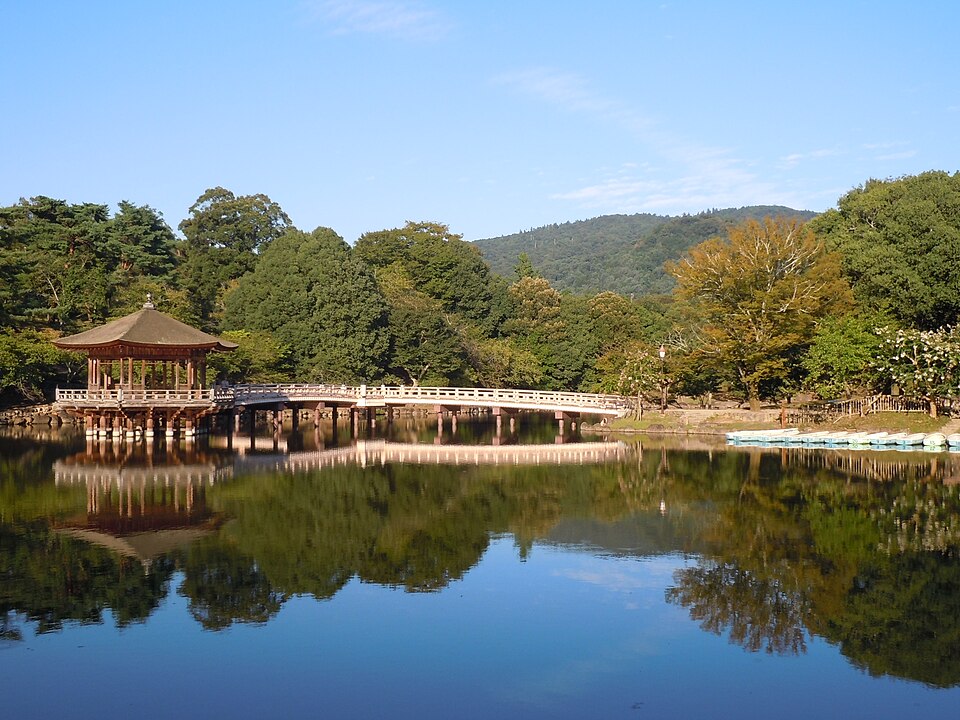
🦌 Nara4
The best-value day of the whole trip — Nara Park is free, and you can stroll among thousands of tame deer that bow their heads for a snack (a packet of "shika senbei" deer crackers is ~¥200). The highlight is Todai-ji Temple, home to a giant bronze Buddha (¥800 to enter the Great Buddha Hall); carry on up the Kasuga hill to see the rows of stone lanterns, then head back to base in the evening.
Japan travel guide →
🏯 Osaka5
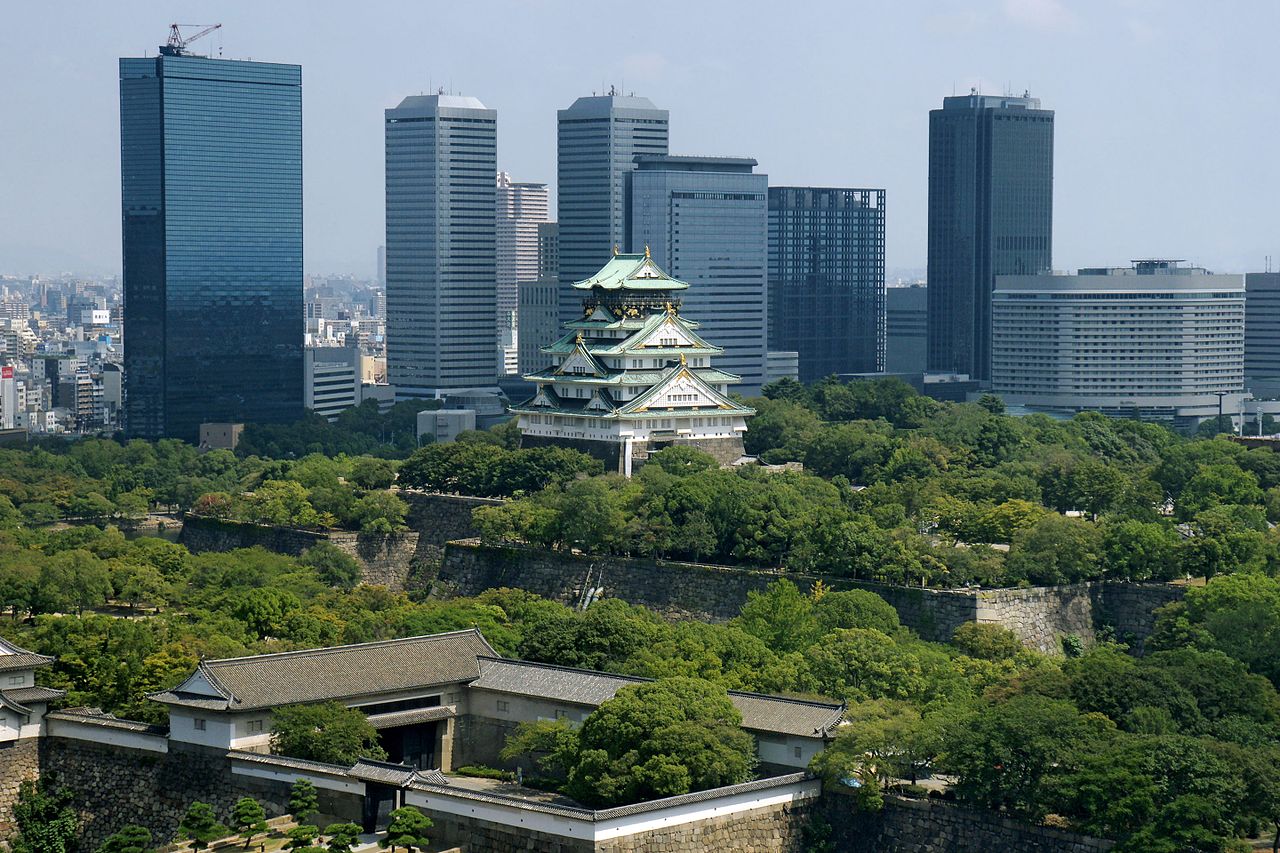
Close the trip in Japan's legendary food city — Dotonbori, free to wander among the neon and the Glico sign (best after dark), Kuromon Market for grazing skewer by skewer, and the free-to-enter park around Osaka Castle (you only pay ~¥600 to go up the tower). Osaka food is where budget eating truly shines — takoyaki, okonomiyaki and kushikatsu are cheap and filling. On the last day, take the train to Kansai Airport (KIX) and fly home.
Osaka attractions →The heart of saving money is "eating" — cheap food in Japan is genuinely good and it's on every corner. Beef bowls at chains like Yoshinoya, Sukiya and Matsuya run ¥400–700 a bowl; konbini (7-Eleven, Lawson, FamilyMart) sell rice balls and bento for ¥500–900, often marked down with a discount sticker in the evening after 7–8 pm; and ticket-machine ramen shops cost ¥800–1,200. Want an in-depth list of cheap-and-tasty spots? Open the guide below.
Budget-food (B-kyu) guide →Travel is the big controllable cost — get these three things right and you'll save thousands of yen. Prices are 2026 estimates and may change, so always check the latest before you buy.
On a one-way Golden Route (Tokyo→Kyoto→Osaka, then fly home) the 7-day JR Pass usually isn't worth it, because a Hikari ticket from Tokyo to Kyoto is about ¥13,970, and even with a few local trains you still don't reach the ¥50,000 pass price (¥53,000 if bought outside Japan from Oct 2026). Remember: the JR Pass can't be used on Nozomi — only Hikari/Kodama.
The night bus (highway bus) from Tokyo to Kyoto or Osaka runs about ¥4,000–6,000, more than half off the shinkansen (~¥13,000–14,000), and sleeping on board also saves a night's accommodation. The trade-off is 7–9 hours on the road and a less restful sleep than a bed. Book ahead for better fares (prices jump around Golden Week).
In the cities use an IC card (Suica/PASMO/ICOCA) — tap on for trains and buses nationwide, no buying tickets one by one. Leave your bags in a station locker (~¥400–700) and sightsee light instead of dragging luggage. There's free Wi-Fi at stations and konbini, but an eSIM is far more convenient.
Per-person, per-day figures covering food, sights and accommodation only (flights and intercity trains not included). Approximate 2026 prices, converted at ¥1 ≈ ฿0.23. Want your own numbers exactly? Open the budget calculator below.
You can see at a glance why this route is so efficient — Tokyo sits in Kanto, while Kyoto, Nara and Osaka cluster together in Kansai. Fly into Tokyo and out of Kansai and there's no backtracking — one clean line from start to finish.
Enter your number of days and travel style to get your own budget in yen and baht, split across stay, food and transport.
Open the budget calculator →Run the numbers on whether the JR Pass beats single tickets for your route — before you spend the big chunk of cash.
Calculate the JR Pass →What to buy in a convenience store for the best value, the standout items, how to heat your food, and the evening-discount trick.
Konbini guide →Cheap and tasty across Japan — beef bowls, ramen, curry, ticket-machine eateries — filling without draining the budget.
B-kyu guide →Want the 7-day Golden Route without a budget cap? See the full version, with every day spelled out in detail.
See the 7-day plan →A planning tool plus a prep guide — visa, yen, IC cards, and everything else to sort before you fly.
Start planning →Work out your trip budget in detail, split across stay, food and transport, then start lining up hostels and capsules near a station early. The sooner you book, the better the price — especially in high season, when rooms fill up fast.