Japan's most sacred shrine city moves at its own pace and has its own rules. Know them before you step through the torii gate — this is the practical guide that turns a pleasant sightseeing stop into something you'll carry with you for years.
Ise sits in Mie Prefecture on the Kii Peninsula. The Kintetsu private railway is the easiest connection from Nagoya, Osaka and Kyoto.
Geku is a short walk from the station. Naiku needs a bus or taxi — knowing this before you plan your day saves real time.
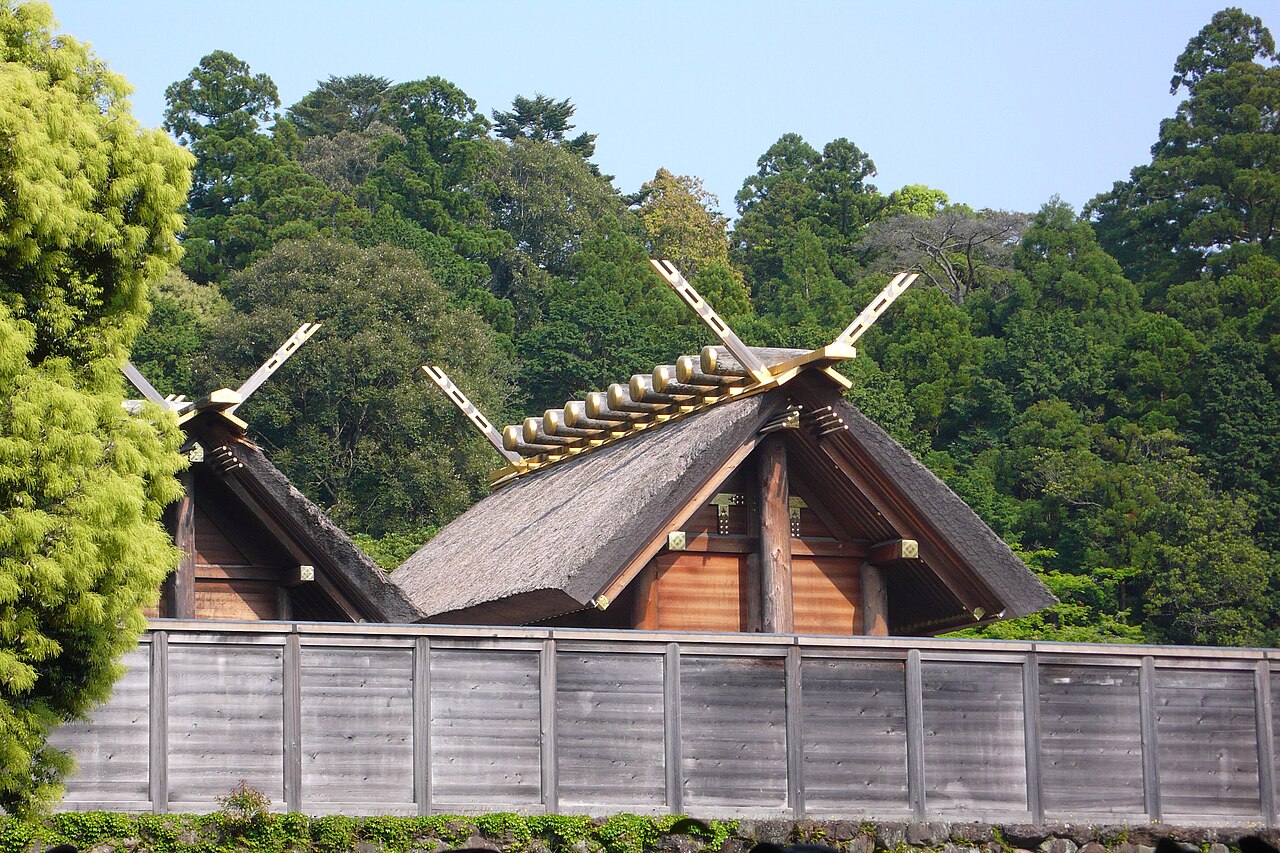
Here is what many first-time visitors miss: Ise Jingu has two main shrines in two separate locations. Geku (Outer Shrine) sits within walking distance of Iseshi or Ujiyamada Station — about 10–15 minutes on foot. Naiku (Inner Shrine), the more sacred of the two, is 6 km further out and requires a bus or taxi. Tradition says visit Geku first, then Naiku. If you only have time for one, choose Naiku.
The CAN Bus is the most convenient tourist option, running between the shrines and Meoto Iwa (Wedded Rocks). Note that as of April 2026 the departure point has moved to Isuzugawa Station rather than Ise-shi Station. Fare is ¥520 one way (cash or IC card). Journey time between Geku and Naiku is approximately 15–20 minutes.
Regular public buses run from Iseshi and Ujiyamada stations to the shrines and Toba port. The Kintetsu Rail Pass 5-Day Plus includes unlimited rides on Mie Kotsu buses within the Ise-Shima area, making it cost-effective compared to paying per ride if you plan more than a couple of trips.
A taxi from either station to Naiku costs around ¥2,500 per vehicle. For three or four people that often beats the bus, and you can set your own pace. Hotels can arrange taxis or a half-day charter covering the shrines, Meoto Iwa and Okage Yokocho — ask at the front desk for an estimate.
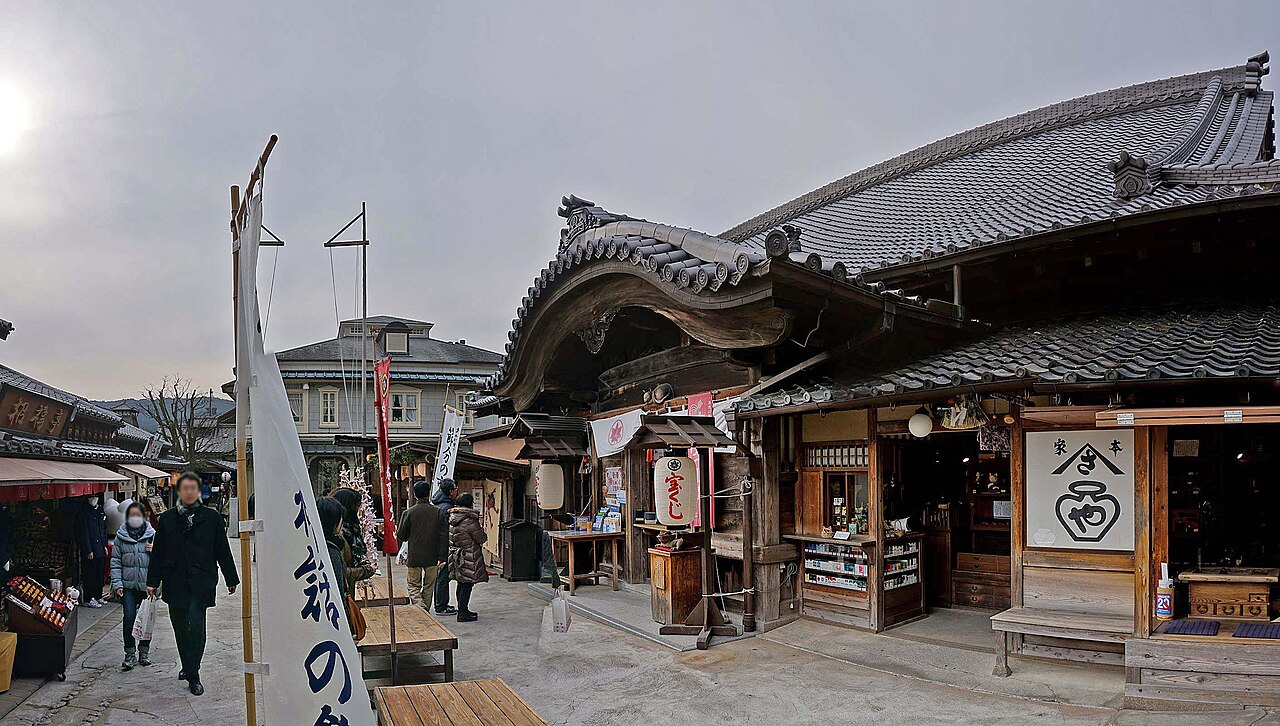
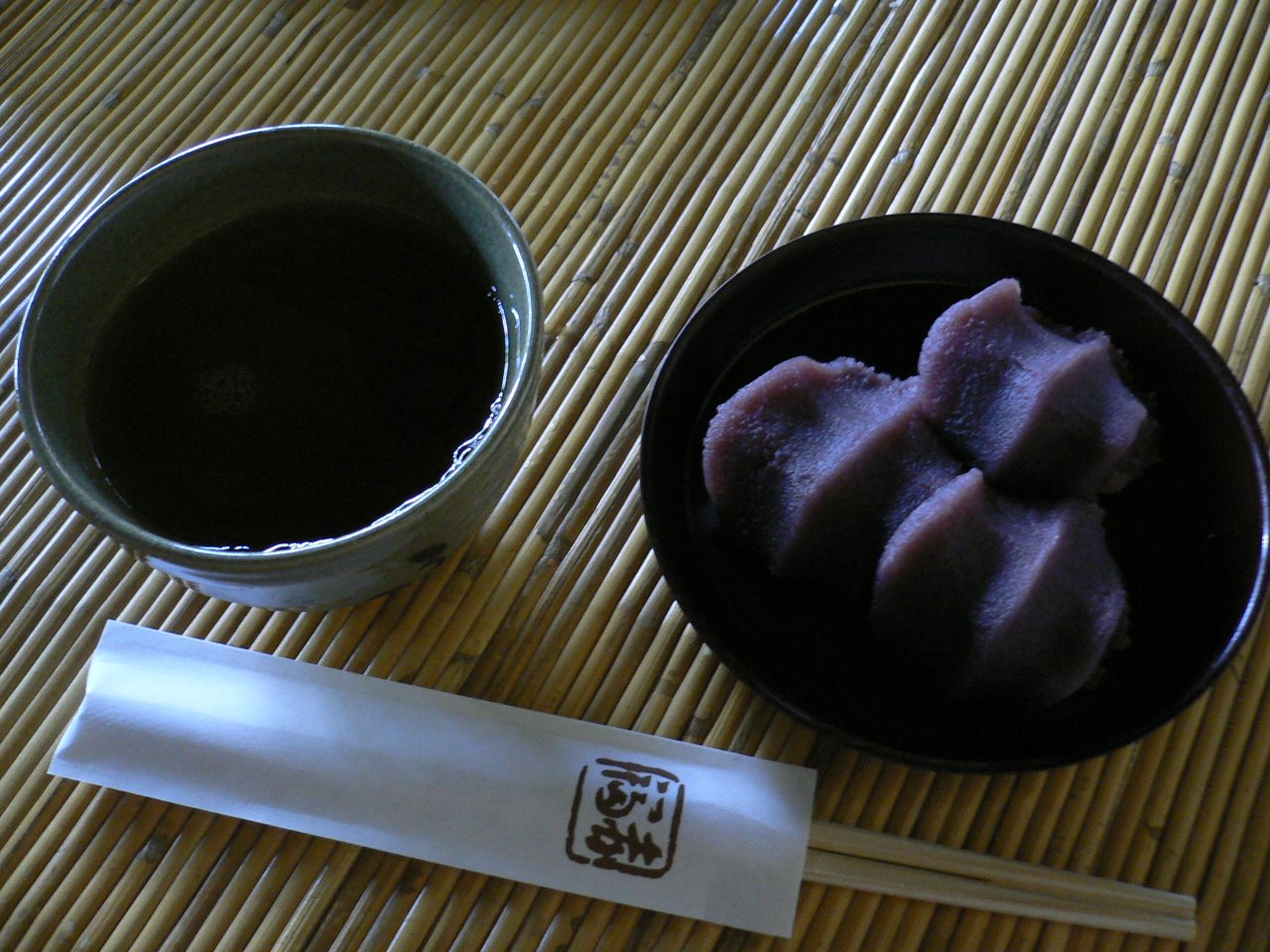
Once you arrive near Naiku, the Okage Yokocho merchant street runs directly from Uji Bridge — 2–3 minutes on foot. The street is about 800 metres long, lined with food stalls, local sweet shops and souvenir stores. This is the right pace for Ise: unhurried, on foot, snacking as you go.
Ise Jingu is not a backdrop for photos. It is a living centre of Shinto faith that has been visited by pilgrims for more than two thousand years. The customs matter.
Each year millions of Japanese people make the journey to Ise Jingu — not as tourists but as pilgrims. Visiting with awareness of the etiquette is not only respectful; it transforms a walk through a forest into something genuinely moving. None of these rules are difficult once you know them.
You can visit any time of year, but the mood — and the crowds — shift dramatically between seasons.
Temperatures 12–22°C. Cherry blossoms frame the shrine precincts in late March and early April. The forest's deep green looks freshest after winter. Crowds are manageable outside Golden Week (late April to early May), when visitor numbers spike sharply.
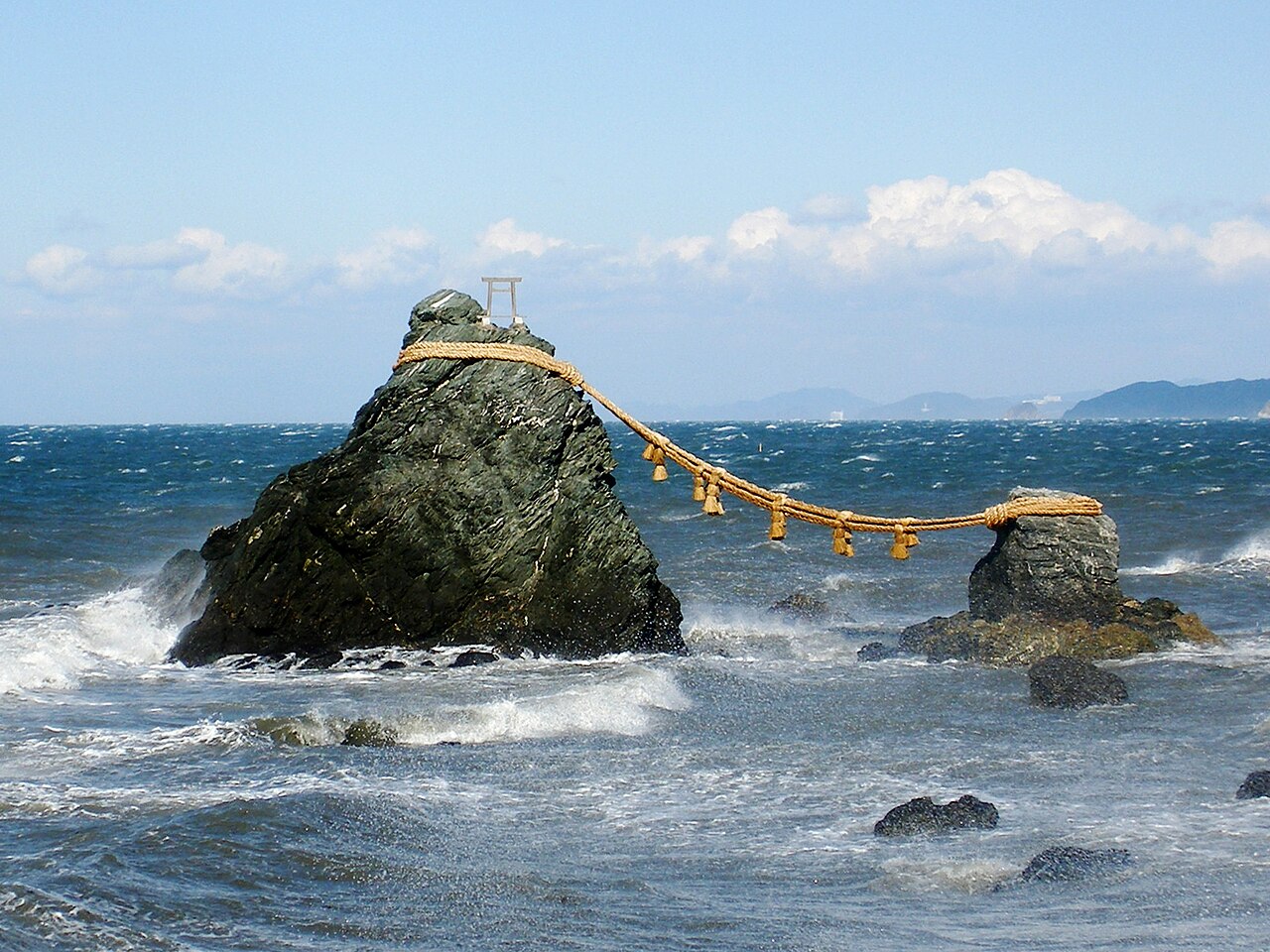
Hot and humid, 28–35°C. June brings the rainy season (tsuyu). May through July is the best window for Meoto Iwa (Wedded Rocks) — the sunrise aligns between the two stones for a striking photograph. Mie's coastal seafood is at its peak in summer. August is the hottest month; aim to be at the shrines before 9 am.
The finest walking weather of the year, 15–22°C. Maple and zelkova trees colour the shrine grounds gold and russet in November. October and November also bring several important shrine festivals. Accommodation books up on weekends; reserve early.
Quiet and cold, 5–12°C. The forest feels solemn and spare — many regular visitors say winter is when Ise's spiritual weight is most palpable. Rates drop noticeably. Avoid 1–3 January absolutely: Hatsumode (the New Year first-visit) draws hundreds of thousands of pilgrims over three days. Hotels sell out months in advance.
Entry to both Naiku and Geku shrines is free. The main costs are accommodation, food and transport.
| Item | Budget | Mid-range | Comfortable |
|---|---|---|---|
| Accommodation (per person/night) | ¥3,500–6,000 (hostel / guesthouse) | ¥8,000–14,000 (3-star hotel / mid-price ryokan) | ¥20,000+ (ryokan with dinner & breakfast) |
| Food (3 meals) | ¥1,500–2,500 (Ise udon set / convenience store / local teishoku) | ¥3,000–5,500 (sit-down restaurant / tekone-zushi) | ¥8,000+ (Ise Ebi lobster / fresh Mie seafood dinner) |
| Main admission | Naiku and Geku shrines — free · Meoto Iwa area — free walk (Futami Okitama Shrine ¥300) | ||
| Local transport | ¥500–900 (CAN bus single fares) | ¥1,500–2,500 (Kintetsu Pass + buses) | ¥3,000–5,000 (taxi charter) |
| Okage Yokocho snacks & souvenirs | ¥500–1,000 | ¥1,000–2,500 | ¥3,000+ |
| Rough daily total | ~¥8,000–12,000 | ~¥15,000–24,000 | ¥35,000+ |
Every path at both Naiku and Geku is covered in deep loose white gravel for hundreds of metres. Comfortable, closed-toe walking shoes or trainers are essential. Sandals with straps are workable but far from ideal. High heels and flip-flops are a genuine problem — you will regret them before you reach the first torii.
Most shops in Okage Yokocho accept IC cards (Suica / Icoca) and major credit cards, but smaller stalls and local restaurants away from the tourist strip often take cash only. Carry ¥5,000–10,000 in notes. The most reliable ATMs for foreign cards are at 7-Eleven stores and Japan Post offices near Iseshi Station.
Mobile signal is reliable throughout Ise. An eSIM (Airalo, IIJmio) bought before departure is more convenient than renting a pocket Wi-Fi device. Google Maps works well here for walking routes. For bus and Kintetsu train times, the Navitime or Japan Transit Planner apps are more accurate. Free Wi-Fi is available at the tourist information centre inside Iseshi Station.
The tourist information centre at Iseshi Station has multilingual staff including English speakers who can help with transport planning and maps. Shops in Okage Yokocho mostly have English menus or photo displays. Shrine staff generally speak limited English, but patient communication and Google Translate handle most situations. A small notebook for writing numbers or pointing helps in smaller restaurants.