From the ancient cedar forest at dawn to a lane that has sold mochi and hand-pulled noodles for three hundred years — this is a place you walk slowly, and every step carries weight. Here is an itinerary that works, with real times, real prices and the etiquette you need before you arrive.
There is a reason Japanese people describe Ise as "a place every person should visit once in their life" — and it has nothing to do with the size of the buildings. The structures at Ise Jingu, Japan's highest-ranking Shinto shrine, are deliberately modest. What stays with you is the forest: eight-hundred-year cedar trees lining white gravel paths, the weight of two millennia of unbroken ritual, and a quiet that is genuinely different from anywhere else in the country.
The itinerary below is built around two options: a single day that covers Geku, Naiku, the Okage Yokocho food lane and the Meoto Iwa Wedded Rocks (a comfortable day trip from Nagoya or Osaka), and an optional second day that extends to Ago Bay and the Shima Peninsula. See the full Ise city guide for accommodation and restaurant details.
Before you visit the shrine: Ise Jingu is the most sacred site in Shinto. Walk quietly in the inner precincts, do not photograph across or through the white wooden fence surrounding the main hall, and purify your hands at the temizuya (ablution trough) before approaching. These are not restrictions imposed on visitors — they are the same practices the shrine's priests have observed for two thousand years, and observing them is simply good manners.
Morning at Geku · midday at Naiku and the food lane · afternoon at the Wedded Rocks in Futami — the day that explains why people speak of Ise differently from anywhere else in Japan

Ise is well connected by Kintetsu Limited Express trains, which run direct without changing at Nagoya, Osaka Namba and Kyoto:
From Kintetsu Nagoya: A Limited Express reaches Iseshi Station in roughly 85–95 minutes, costing around ¥2,060 including the express surcharge. If you want a more memorable journey, the Shimakaze luxury train (one service daily, departs 10:25, arrives Iseshi 11:40) costs roughly ¥2,500 and must be reserved in advance at any major Kintetsu station or through their online booking service.
From Osaka Namba: Limited Express direct to Iseshi in approximately 105 minutes · from Kyoto approximately 115 minutes.
Goal: Arrive at Iseshi Station by 09:30 to have a full day ahead.
Geku (外宮) is a five-minute walk from Iseshi Station — and by long custom you visit Geku before Naiku. This is the home of Toyouke no Omikami, deity of food, clothing and shelter, who according to tradition prepares the offerings that are presented to the sun goddess enshrined at Naiku twice a day without interruption since the sixth century.
Pass through the tall wooden torii gate and walk the white gravel path beneath large cedar trees. Approach the main hall, Shoden, and offer your respects in the Shinto manner: two deep bows, two claps, one final bow. Then take your time walking the inner precinct — Geku is less visited than Naiku and the atmosphere here is noticeably quieter. Allow roughly an hour to an hour and a half.
From Geku, return toward Ujiyamada or Iseshi Station and board the CAN Bus (route 51 or 55) toward Naiku. Journey time is 15–20 minutes, fare ¥430–520 depending on your boarding point. Buses run every 10–15 minutes during the main daytime hours.
Naiku (内宮) is the heart of Ise Jingu — the dwelling place of Amaterasu Omikami, goddess of the sun and mythological ancestor of the imperial family. The site has been continuously maintained for over two thousand years. Every twenty years, in a ceremony called Shikinen Sengu, all the buildings are rebuilt in identical form on adjacent plots — a practice kept alive since the seventh century that ensures both architectural knowledge and ritual precision are passed from one generation to the next.
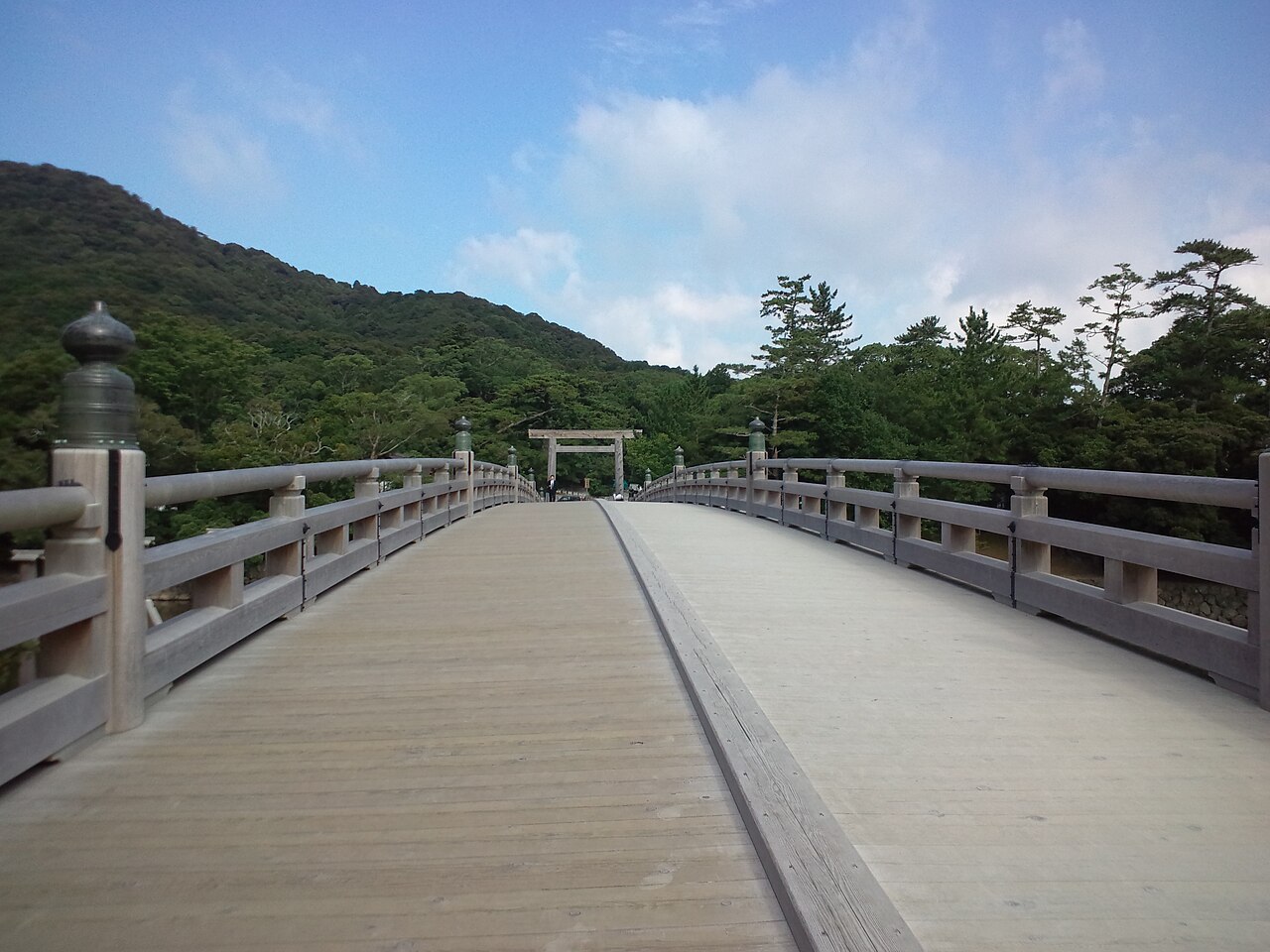
Cross the wooden Ujibashi bridge (also rebuilt every twenty years) into the forested precinct. Follow the white gravel path through towering cedars to the temizuya (hand-purification trough) and then up the stone steps to Shoden, the main hall. Stand before it, offer your respects, and allow yourself a moment of stillness. What most visitors notice later — sometimes only after they have left — is how different the silence felt here.
After the main hall, walk further into the precinct to visit the subsidiary shrines if time allows. The path past the back of Shoden to Aramatsurinomiya and Tsukiyominomiya adds another twenty to thirty minutes and rewards the effort with deeper quiet and fewer visitors.
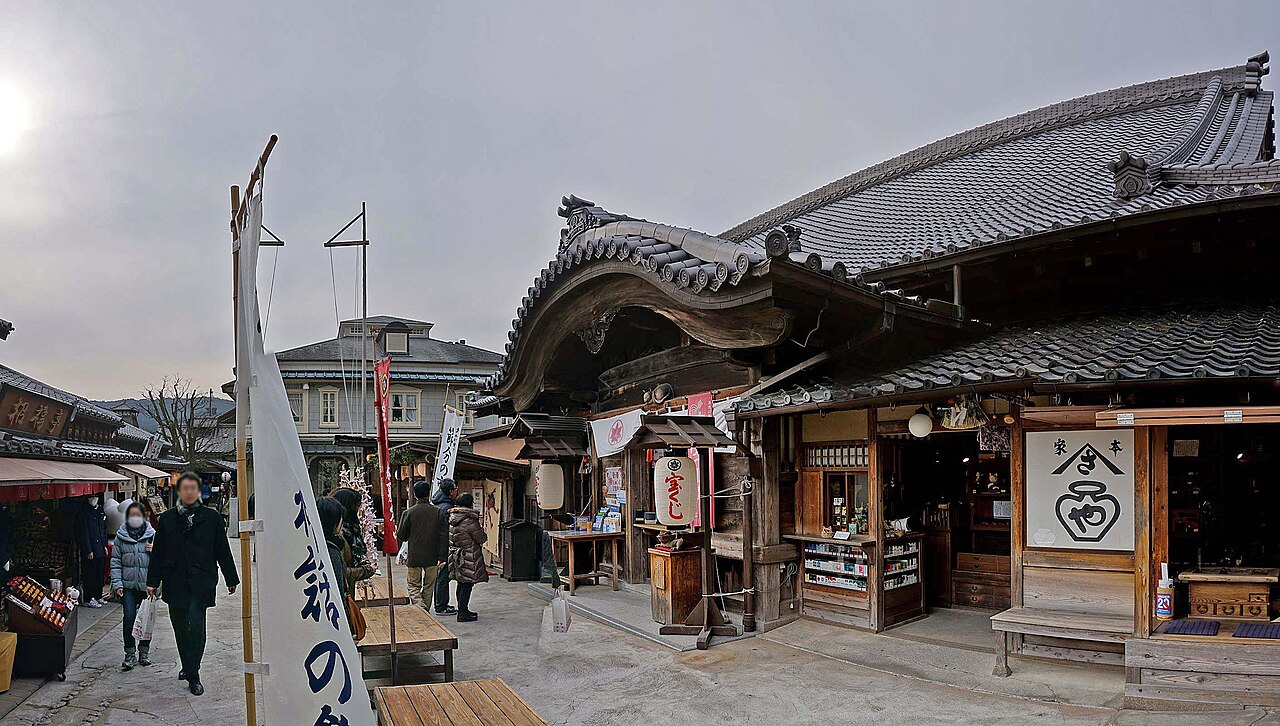
Step out from Naiku through the Ujibashi gate directly into Oharai-machi (おはらい町), an 800-metre stone-paved lane of Edo-period wooden storefronts, food stalls and craft shops that has fed pilgrims making their way to the shrine for centuries. Midway along it, the narrower Okage Yokocho (おかげ横丁) alley branches off — dense with the food that defines the region.
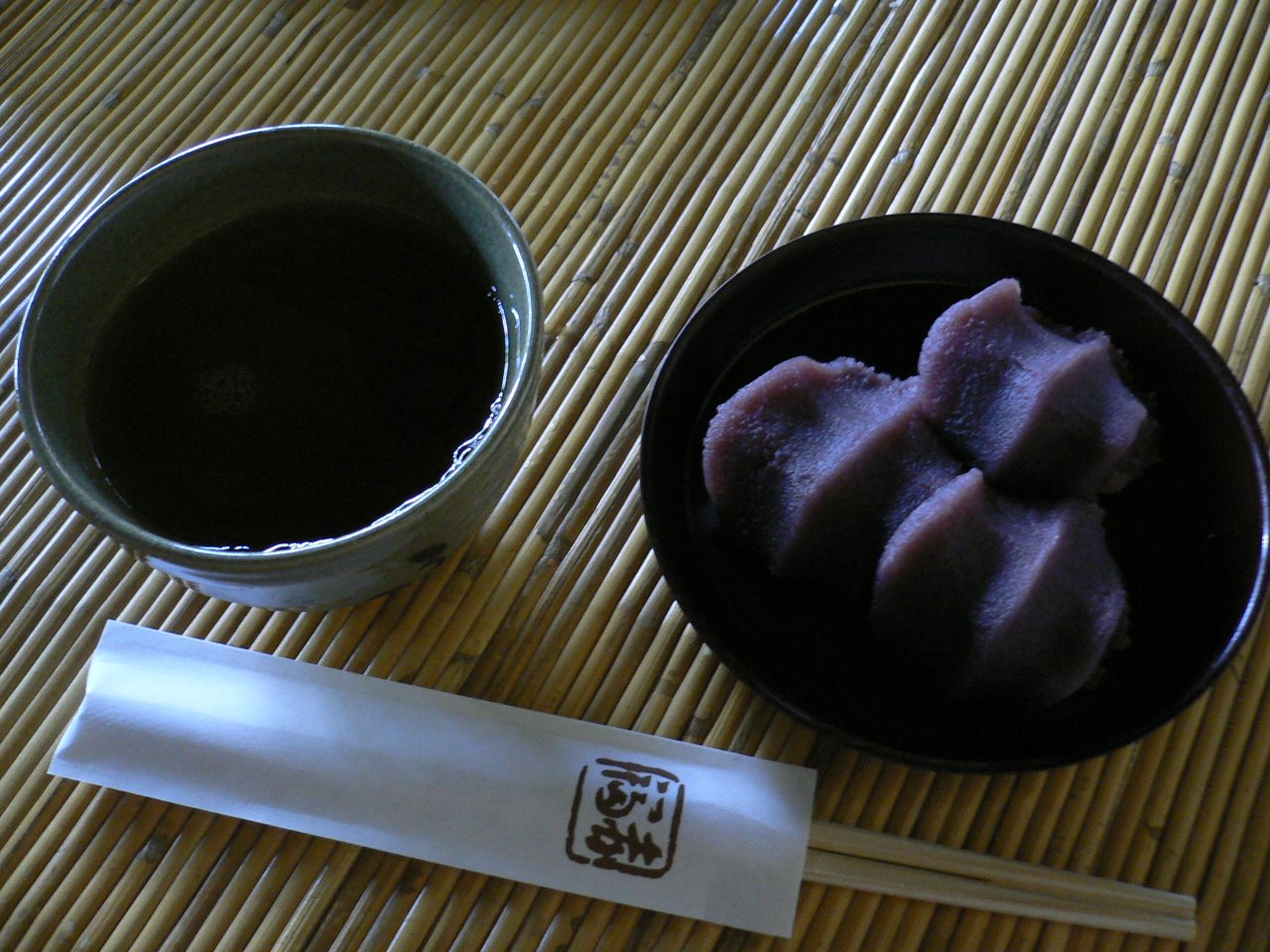
Akafuku mochi (赤福餅): the single food most associated with Ise. A soft rice-cake topped with sweet red-bean paste, shaped to resemble the flow of the Isuzu River beside Naiku. The shop has been selling the same recipe since 1707. Eat it fresh at the counter — it is genuinely different from the packaged version available elsewhere. ¥620 for three pieces with tea.
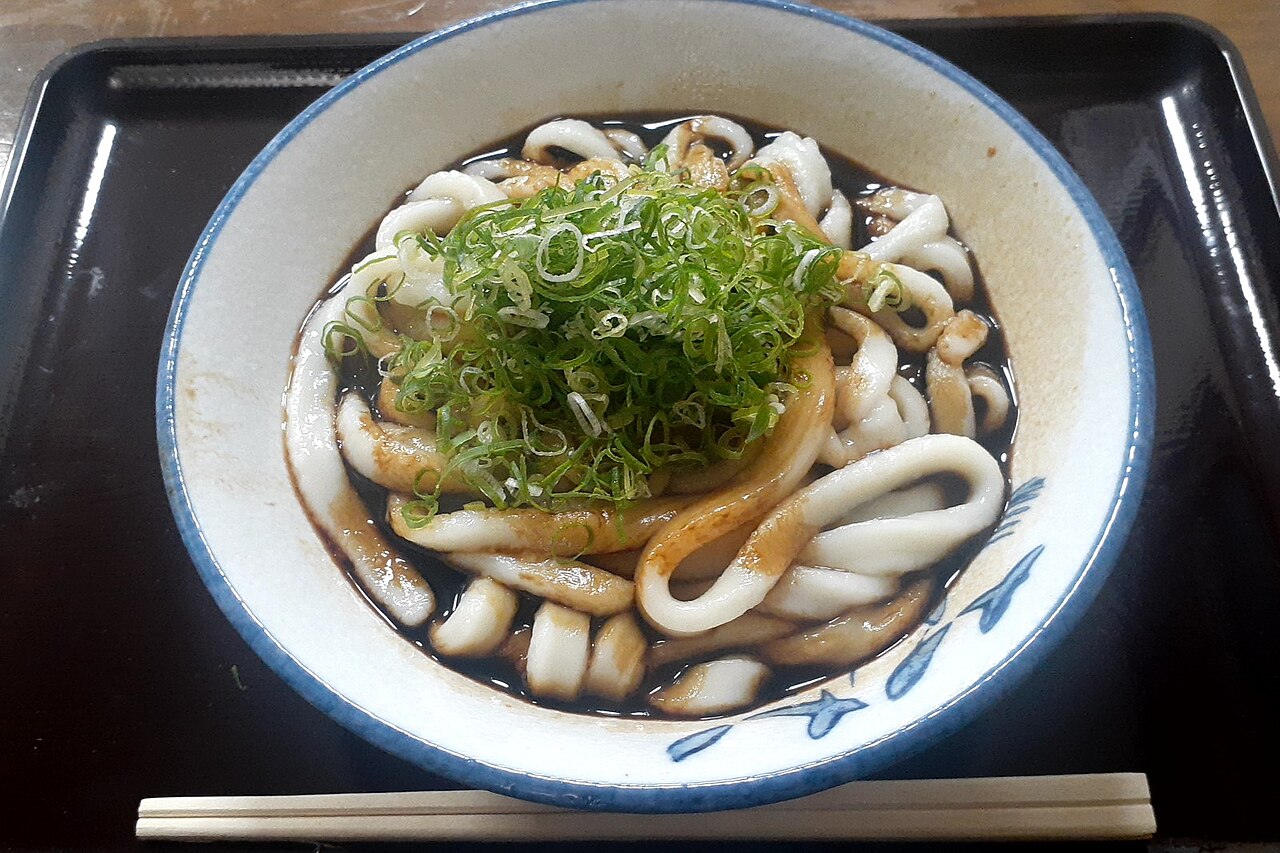
Ise udon (伊勢うどん): thick, unusually soft noodles served without broth, dressed only with a deeply savoury tare sauce made from fermented soy and dashi. The lack of soup is intentional — the flavour is in the sauce, not the liquid. A bowl costs ¥600–900 at most stalls.
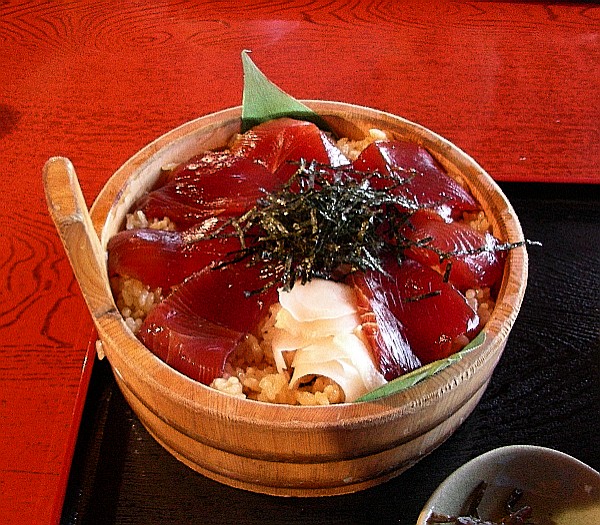
Tekone-zushi (手こね寿司): sushi rice mixed with marinated skipjack tuna (not raw in the conventional sense — the fish is cured in soy). A fisherman's dish from the Shima coast that found its way onto the streets of Ise centuries ago.
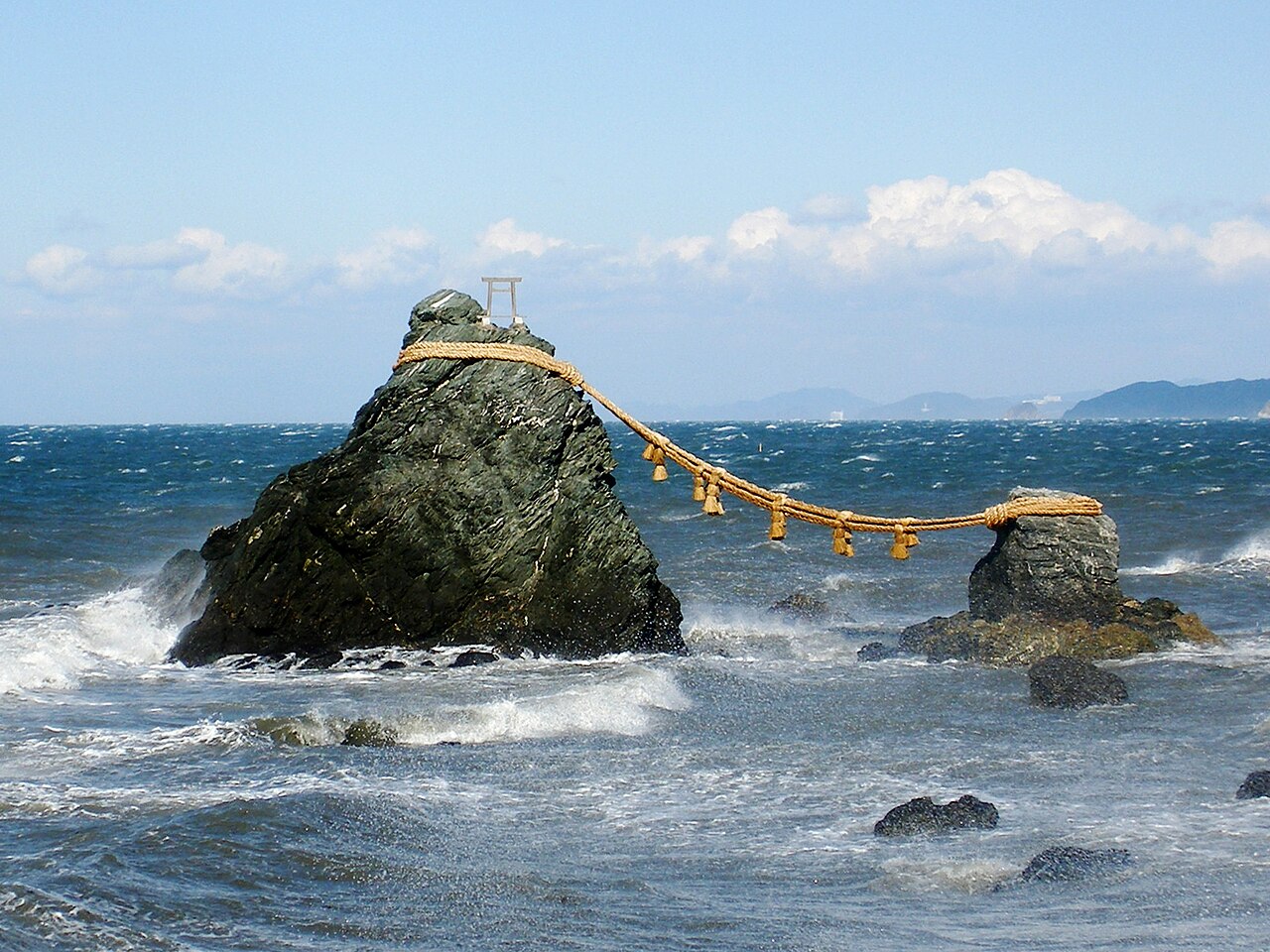
From Naiku, take the CAN Bus toward Futami or ride the JR Sangu Line from Iseshi Station to Futaminoura Station (about 10 minutes, ¥200), then walk fifteen minutes to the shore at Futami Okitama Shrine and its famous Meoto Iwa (夫婦岩).
Two rocks rise from the sea — a larger one at nine metres, a smaller at four — bound together by a thick rice-straw rope called shimenawa. The rope is renewed three times a year in a ceremony carried out by the shrine's priests. In Shinto tradition, the rocks represent Izanagi and Izanami, the paired creator deities who shaped the islands of Japan. During the summer solstice, the rising sun appears precisely between the two rocks, aligned with the distant peak of Mount Fuji on a clear day — a sight that has drawn pilgrims here for centuries.
The shoreline before the rocks is covered with small stone frogs — a pun in Japanese: kaeru (frog) sounds like the verb "to return." People place them here asking for the return of things lost. Take a moment at the small shrine beside the water before heading back.
If this is a day trip from Nagoya: leave Futami around 16:30, return to Iseshi Station and board a Limited Express — you will reach Nagoya around 18:30–19:00, leaving time for dinner in the city.
If you are staying overnight: the area around Iseshi Station has business hotels and traditional ryokan at various price levels. A number of ryokan include dinner featuring Ise ebi (Ise lobster), the most celebrated seafood of Mie Prefecture — the creature is named after this coastline and appears on lacquerware and textiles throughout the region. An evening kaiseki set featuring lobster runs ¥3,000–8,000 per person depending on the establishment and the season.
A boat across the quietest bay in Japan · Mikimoto Pearl Island · an Ise lobster lunch on the water — a day that trades the cedar forest for open blue
From Iseshi Station, board a Kintetsu Limited Express heading for Kashikojima (賢島), the terminus station on the Shima Peninsula. Journey time is approximately 40–45 minutes and costs around ¥1,000 including the express surcharge. As the train moves south, the inland hills give way to glimpses of Ago Bay through the windows.
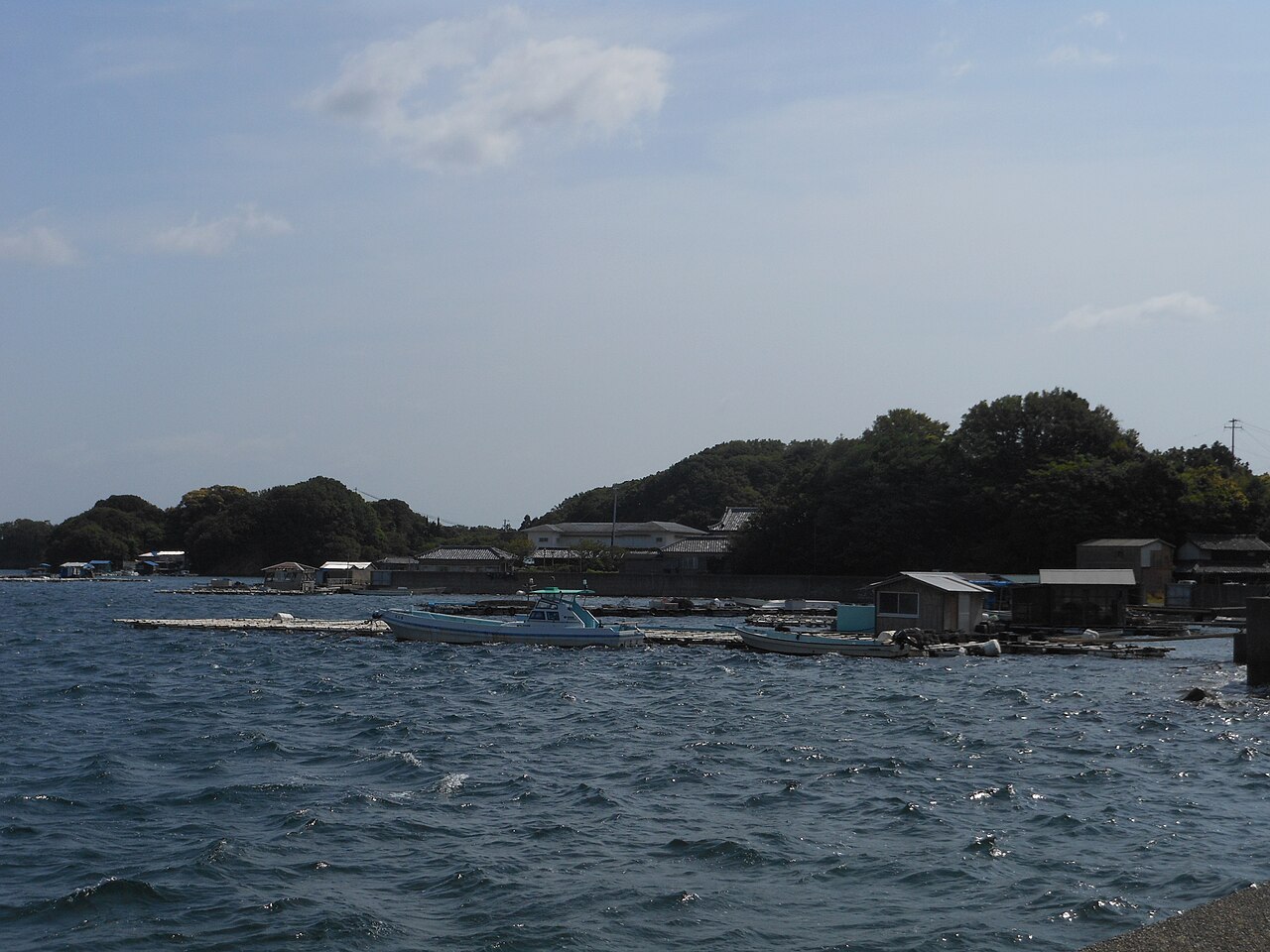
From Kashikojima pier, board one of the sightseeing boats that circle Ago Bay (英虞湾). The bay is a sheltered, deeply indented inlet scattered with small forested islands and the distinctive wooden rafts of Akoya pearl farms — Mie Prefecture produces more cultured pearls than any other region in Japan, and Ago Bay has been central to that industry since Kokichi Mikimoto's first successful pearl cultivation here in 1893.
The cruise follows the bay's inner channels past working farms where the pearl oysters are suspended on ropes below the surface, and the guide (in Japanese, with occasional English summaries) explains the cultivation process that takes three to four years per pearl. The water in the protected bay is noticeably calm — on clear days the colour moves from green to deep blue as the boat moves outward.
Mie Prefecture is the home of Ise ebi (伊勢海老), the spiny lobster that bears the name of the prefecture's most famous shrine and appears on lucky charms and New Year decorations throughout Japan. On the Shima coast the lobster is available fresh year-round, with the main season running October through January when prices are lower and the catch most abundant.
Restaurants around Kashikojima and in Shima town serve set lunches featuring lobster prepared boiled, grilled or in miso soup, starting at roughly ¥2,500–4,000 for a lunch set. Expensive by the standards of an ordinary meal — but for seafood pulled from the bay a short distance away, most people find it worthwhile.
Take the Kintetsu train back from Kashikojima a short distance to Toba Station (about 15 minutes), then walk five minutes to Mikimoto Pearl Island — the small island in Toba harbour where Kokichi Mikimoto produced the world's first cultured pearl in 1893, a discovery that transformed the global gem trade.
The museum on the island traces that history through original equipment, correspondence and archive photographs. Several times a day, ama divers — women who have free-dived for shellfish along this coast for centuries, holding their breath at depths of up to ten metres — demonstrate their technique from the water just below the viewing platform. It is a practice that predates the pearl farms by many generations, and seeing it is one of the more striking things this part of Japan offers.
Kintetsu Limited Express from Toba Station reaches Nagoya in about 100 minutes, Osaka Namba in about 120 minutes. If there is time before your train, a short stop at Iseshi for an early dinner at one of the restaurants near the station rounds off two days in the region well.
The area around Iseshi Station is the most convenient for transport. Futami and Shima have a more coastal feel and many ryokan include dinner service. Business hotels run ¥3,000–5,000 per night; ryokan with dinner start around ¥8,000–30,000 per person. See the full Ise city guide for specific recommendations.
CAN Bus covers all the main sites. The CAN Pass (1 day, ¥1,000) is good value if you take three or more journeys — it includes the run from Ujiyamada to Naiku (15–20 min), and the extension to Futami (25 min). JR Sangu Line serves Futaminoura (for Meoto Iwa) and is useful if you hold a JR Pass.
Kintetsu Limited Express from Nagoya ~85 min · ¥2,060 · from Osaka ~105 min · from Kyoto ~115 min. JR Sangu Line accepts JR Pass but involves a transfer at Taki (~2h 30m total). The Shimakaze luxury express (one daily from each city) must be reserved well in advance.
| Item | Budget | Mid-range | Comfortable |
|---|---|---|---|
| Train (return from Nagoya) | ¥4,120 (partial JR Pass) |
¥4,120–5,000 (Kintetsu LE) |
¥5,000–6,000 (Shimakaze both ways) |
| CAN Bus Pass | ¥1,000 (1 day) |
¥1,000 (1 day) |
¥1,000 (1 day) |
| Food (3 meals) | ¥1,500–2,500 (udon + mochi + small meal) |
¥3,000–6,000 (+ tekone-zushi) |
¥8,000–20,000 (+ Ise lobster dinner) |
| Entry fees | ¥0 (both shrines free) |
¥200–500 (+ Ago Bay boat) |
¥3,500–4,000 (boat + Mikimoto ¥1,650) |
| Total per day (approx) | ¥6,620–7,620 (~£34–40 / US$43–50) |
¥8,120–12,500 (~£42–65 / US$53–83) |
¥17,500–31,000 (~£91–162 / US$116–206) |
Exchange rates approximate · prices subject to change by season · accommodation not included in this table