9 Attractions Worth Your Time
Ordered as a natural itinerary — start in town, finish at the coast.
 1
1
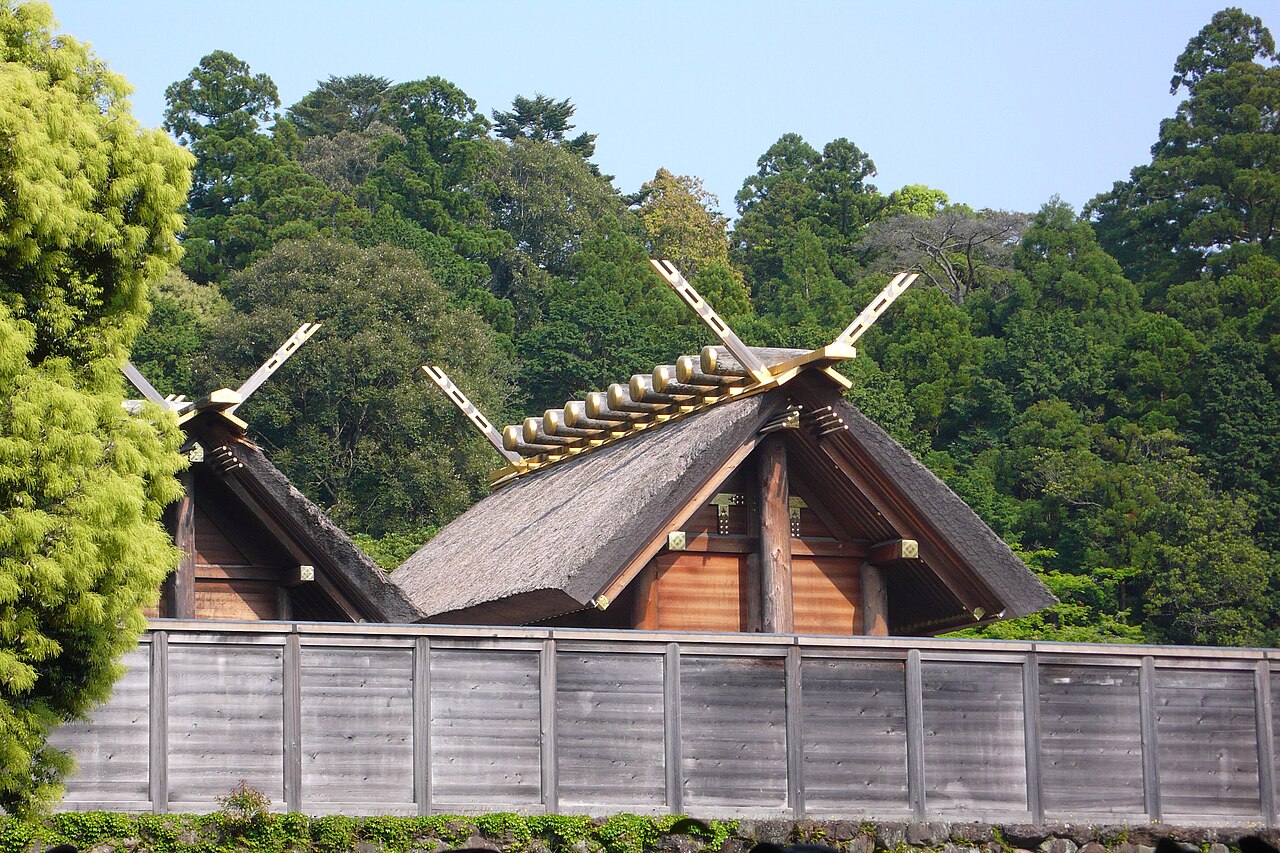
For over a thousand years the unbroken custom has been to enter Geku first, before Naiku. Geku enshrines Toyouke-Omikami, whose role is to prepare sacred food for Amaterasu in Naiku — the protocol of arrival mirrors that divine relationship. The approach leads through a grove of ancient cedars tall enough to make the air noticeably cooler than the street outside. Every nineteen years the shrine buildings are dismantled and rebuilt from scratch in Japanese cypress — a practice of deliberate impermanence that has continued for more than 1,300 years. The current cycle began in 2025 and ends in 2033.
 2
2
Cross Uji Bridge over the Isuzu River and the outside world genuinely recedes. The Isuzu Grove of ancient cedars keeps the air cool and the sound muffled; the gravel underfoot is raked clean every morning. A purification fountain at Mitarashi allows visitors to rinse their hands before continuing deeper. Naiku enshrines Amaterasu-Omikami, the sun goddess who in Shinto cosmology is the ancestor of the imperial family. Her main sanctuary is screened behind four successive white fences; only members of the imperial family and senior priests ever enter the innermost precinct. What you experience standing at that fence — a deep, sustained quiet — is something people describe the same way regardless of where they come from.
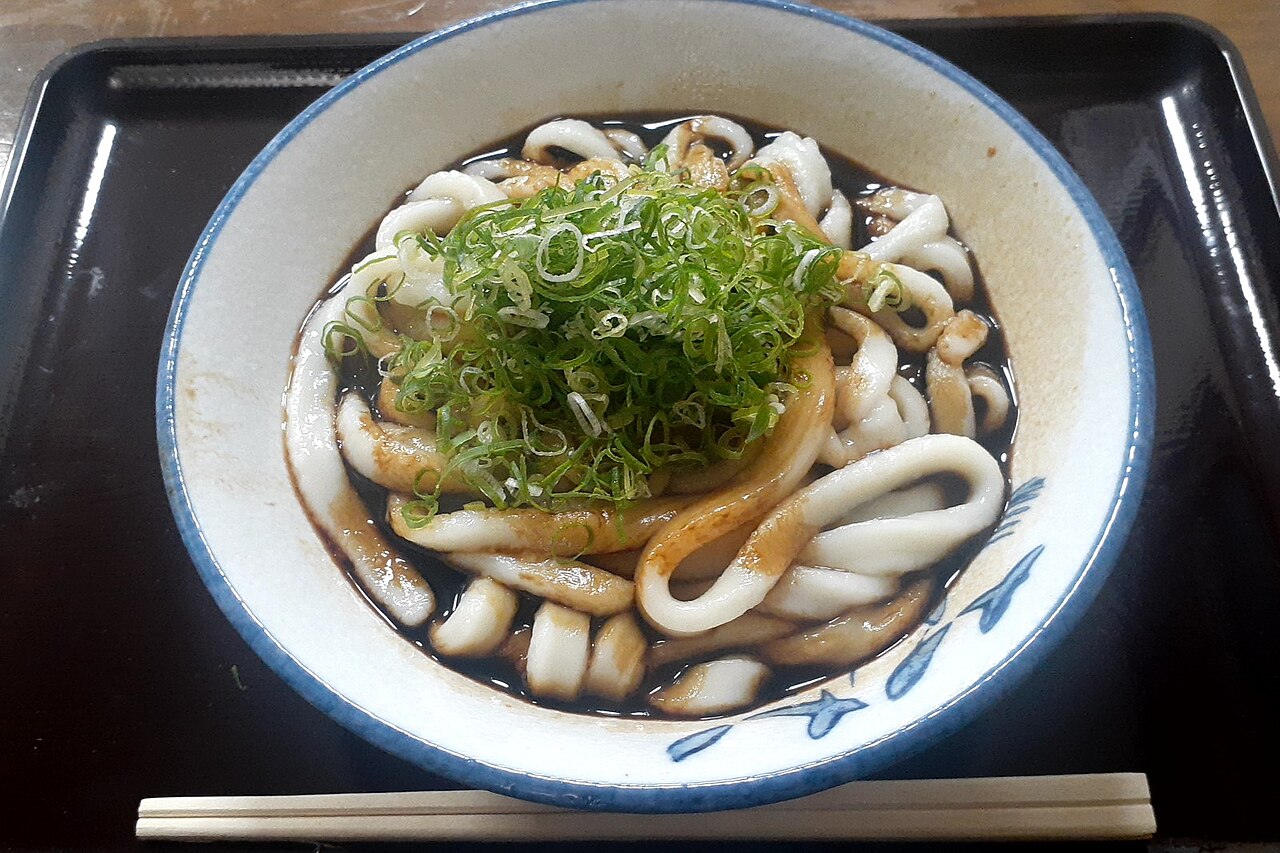
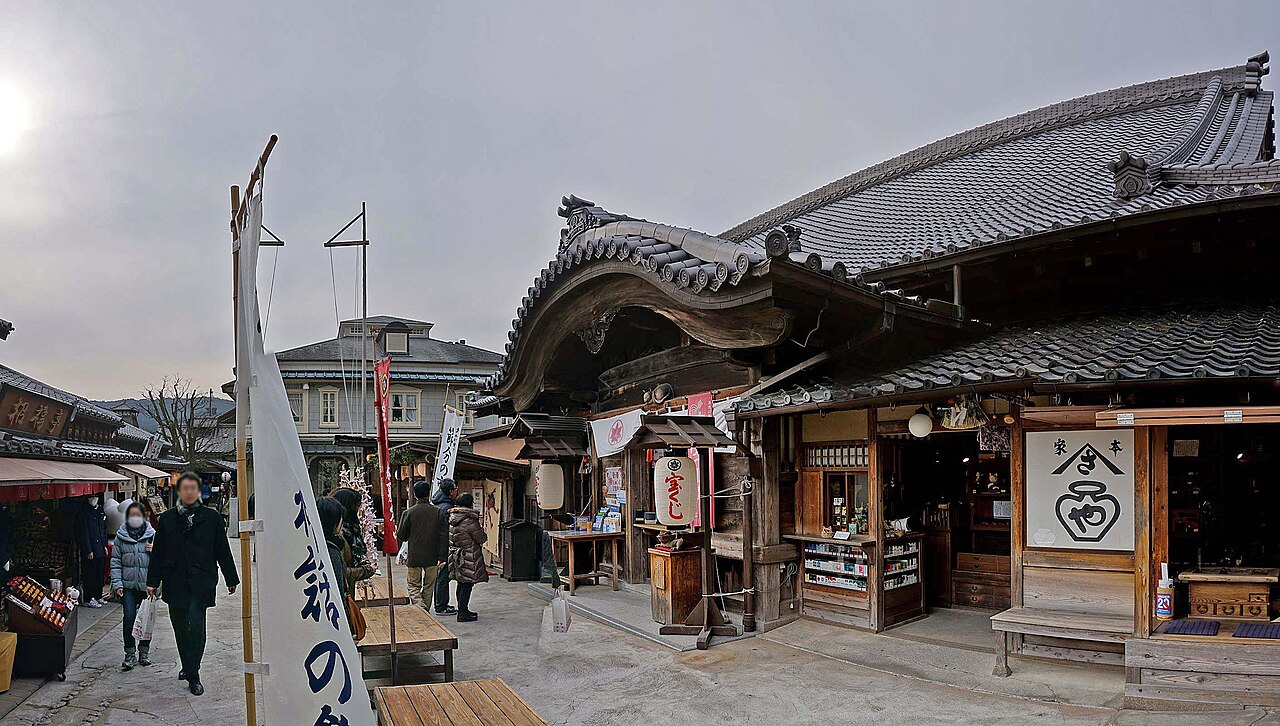
Turn left out of Naiku's entrance and you are immediately on Oharaimachi — an 800-metre paved street of traditional tsuma-iri gabled buildings (the peaked-end style, wooden and characteristically Ise) that has served as the pilgrims' approach for centuries. The current buildings are largely Meiji-era reconstructions, but the commitment to maintaining the architectural character is genuine. Souvenir shops, teahouses, restaurants and confectionery stalls line both sides. Walking it casually takes 30 minutes; lingering at each shop takes twice that. Partway down sits a narrower side lane you should not miss.
 4
4
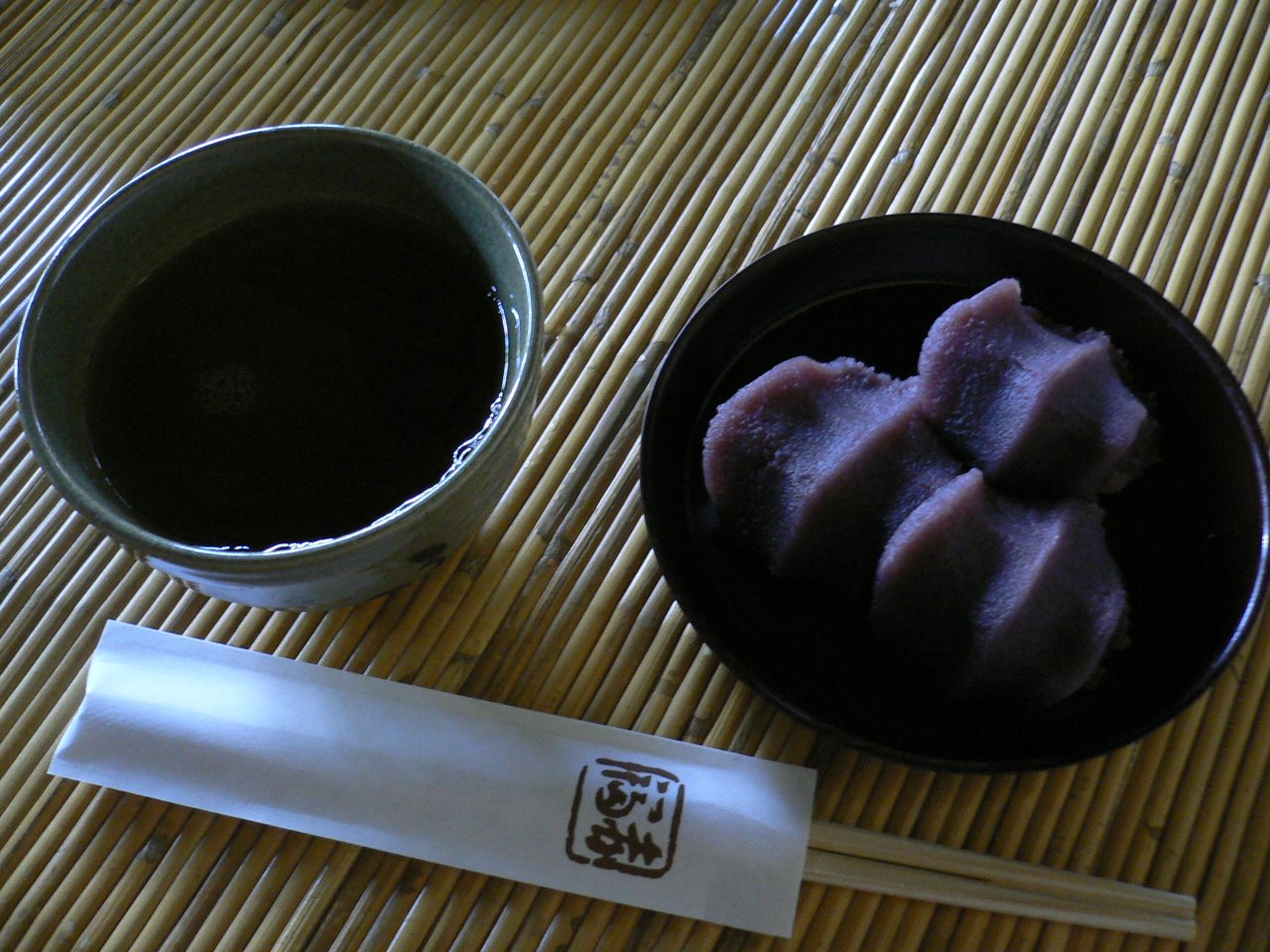
Tucked inside Oharaimachi, Okage Yokocho is an open-air recreation of the market district that thrived here during the Edo and Meiji periods, when millions of pilgrims passed through Ise every year. Opened in 1993, it feels neither theme-park nor museum — the buildings were relocated from across Japan, and the food is entirely real. Staff at many shops wear period clothes without it feeling like a performance. The lane name translates roughly as "thanks to the shrine" — acknowledging that the pilgrimage itself created this commerce. Try Akafuku mochi: a snow-white rice cake wrapped in subtly sweet red bean paste, sold by a family shop that has been on this lane since 1707.
 5
5
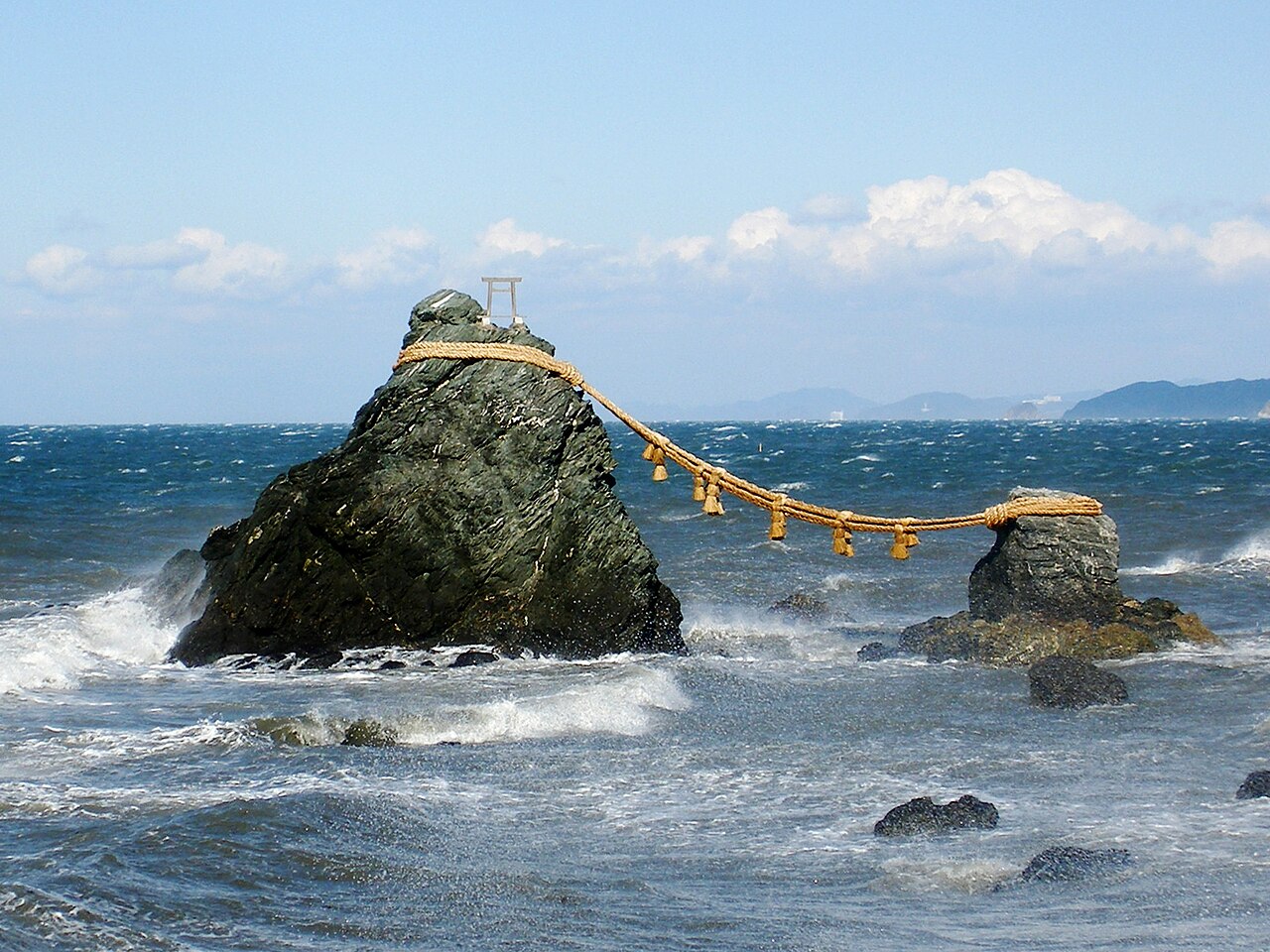
Stand on the beach at Futami at first light and you see two rocks rising from the shallows: the larger husband rock at 9 metres, the smaller wife rock at 4 metres. A thick sacred rope — shimenawa, weighing 40 kilograms — binds them together, renewed in ceremony three times a year with community participation. In Shinto belief the ropes mark the boundary between the earthly and divine realms; these particular rocks are held to enshrine a deity of the sea, and have been objects of pilgrimage for at least a thousand years. Between May and July the sun rises precisely between the two rocks — photographs from this window are among the most recognisable images of sacred Japan.
The small Futami Okitama Shrine shares the rocky shoreline directly in front of Meoto Iwa. You will notice its characteristic immediately: stone frogs of all sizes placed on every ledge, fence and flat surface. In Shinto the frog (kaeru) is a symbol of safe return, good fortune and the turning away of misfortune — the word kaeru also means "to return home", making it particularly appropriate for a pilgrimage site. In earlier centuries, worshippers about to travel to Naiku would first come here to purify themselves in the sea — a practice called Hamairi that some still observe today. The shrine requires five minutes to walk around; the atmosphere is appropriately quiet.
Before 1893 every pearl in the world was found by chance, inside a wild oyster, by a breath-hold diver who might spend a lifetime finding nothing. Then Kokichi Mikimoto, working in the shallow waters of Ago Bay, succeeded in growing a hemispherical cultured pearl intentionally — and then, seven years later, a fully round one. That single achievement reshaped the global jewellery trade permanently. Mikimoto Pearl Island sits on a small island in Toba Bay a short walk from the station. The Pearl Museum tells the full story with clarity; the Ama diver demonstrations happen every hour from 9:30 am to 4:30 pm (except 12:30 pm), showing the technique that made those early pearls possible.
 8
8
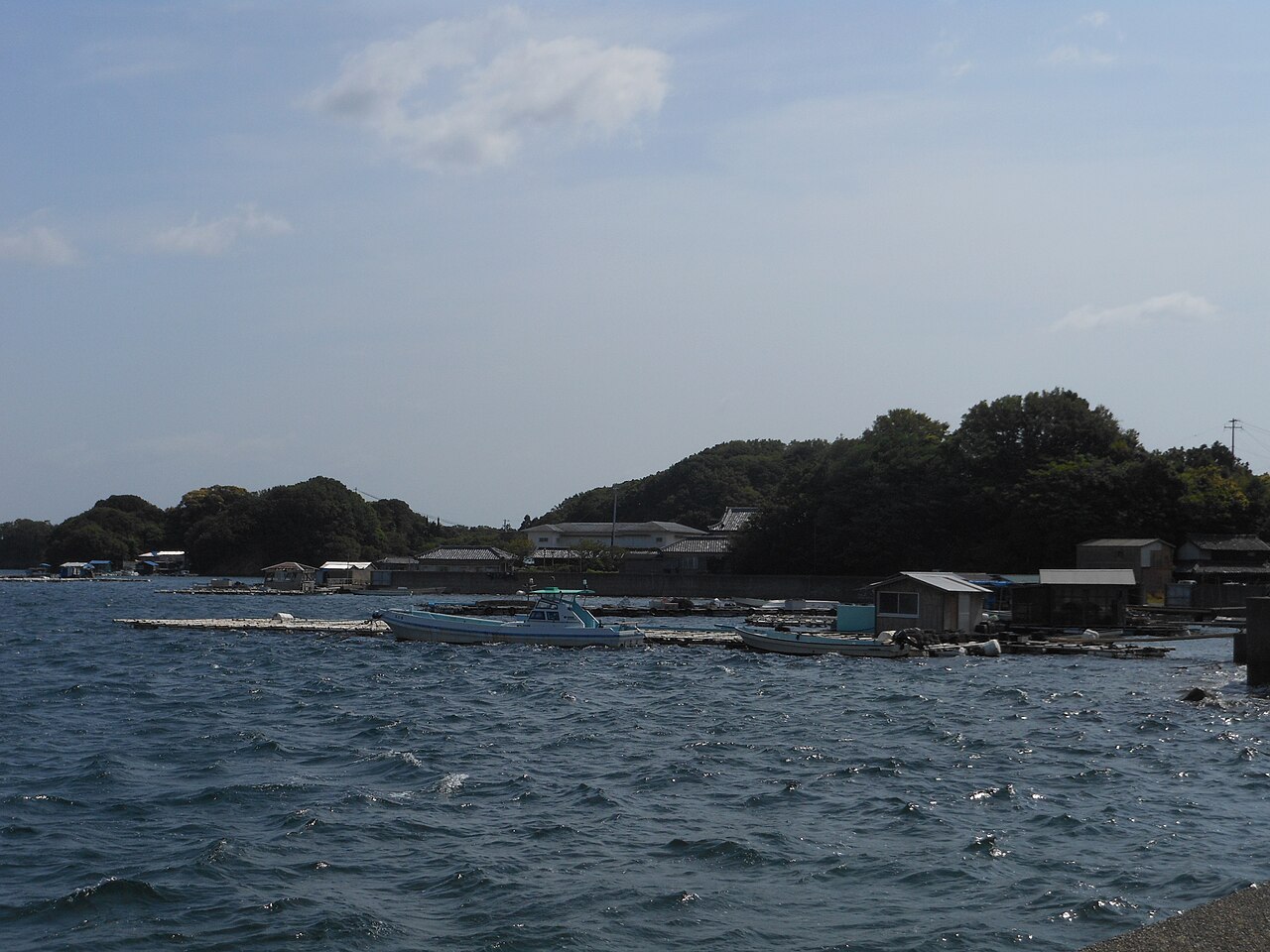
Ago Bay's complex ria coastline — deeply indented, sheltered, warm — has made it the finest environment for Akoya pearl oysters in Japan for over 130 years. The view from any vantage point is a patchwork of floating wooden rafts strung with submerged pearl strings, emerald forested islets, and water that shifts from pale jade to deep teal depending on the light. The Esperanza, a replica of a 16th-century Spanish galleon, runs 50-minute circuits of the bay every hour — a genuinely enjoyable way to get close to the pearl farms and the working boats that service them. Glass-bottomed boat tours also operate for those who want to see the raft structures from below.
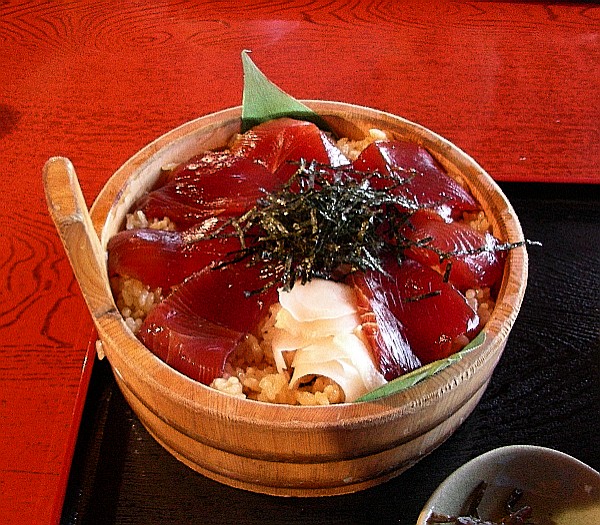
The ama are women — almost always women, for reasons both practical and cultural — who dive without tanks to depths of up to 20 metres to harvest abalone, sea urchin, turban shells and the oysters that made the pearl industry possible. The tradition along the Mie coast is more than two thousand years old and was recognised by UNESCO in 2024 as an element of Intangible Cultural Heritage. Today several hundred active ama still work the waters around Ise-Shima. At Ama Hut "Hachiman Kamado" near Ago Bay you can sit with the divers for a 75-minute meal experience — seafood they caught that morning, grilled over charcoal, with stories from women who have done this their entire lives. Nowhere else does this.