10 dishes you must try
The most-loved dishes — ranked by what locals actually order, not what tourists are pushed toward
 1
1The souvenir everyone carries home from Hualien — soft pillowy rounds of pounded glutinous rice, dusted in crushed peanut, sesame or taro powder with a faintly sweet filling. Tseng Chi has been pressing rice cakes by hand since 1972. Fresh mochi is best eaten cold the same day; vacuum-sealed gift boxes travel well. Buy both: one to eat immediately, one to take home. Seasonal flavours rotate through the year.
 2
2Hualien's own wonton tradition — thin, almost translucent wrappers folded around well-seasoned pork, served in a clear light broth that tastes more of the filling than any heavy stock. Liang Po Po near the old train station is the shop locals cite most. Open from early morning, sells out by early afternoon. No English menu — pointing at the bowl next to you works fine. Order a double portion; a single goes fast.
 3
3Hualien's version of scallion pancake — thinner, crispier, more delicately layered than the thick Taipei style. Pressed on the griddle until the surface blisters, scallion oil seeping through, a fresh egg cracked on top, then folded and cut. Some vendors dust with five-spice. One queue-generating stall closes when it runs out — usually before noon. Worth the early start.
 4
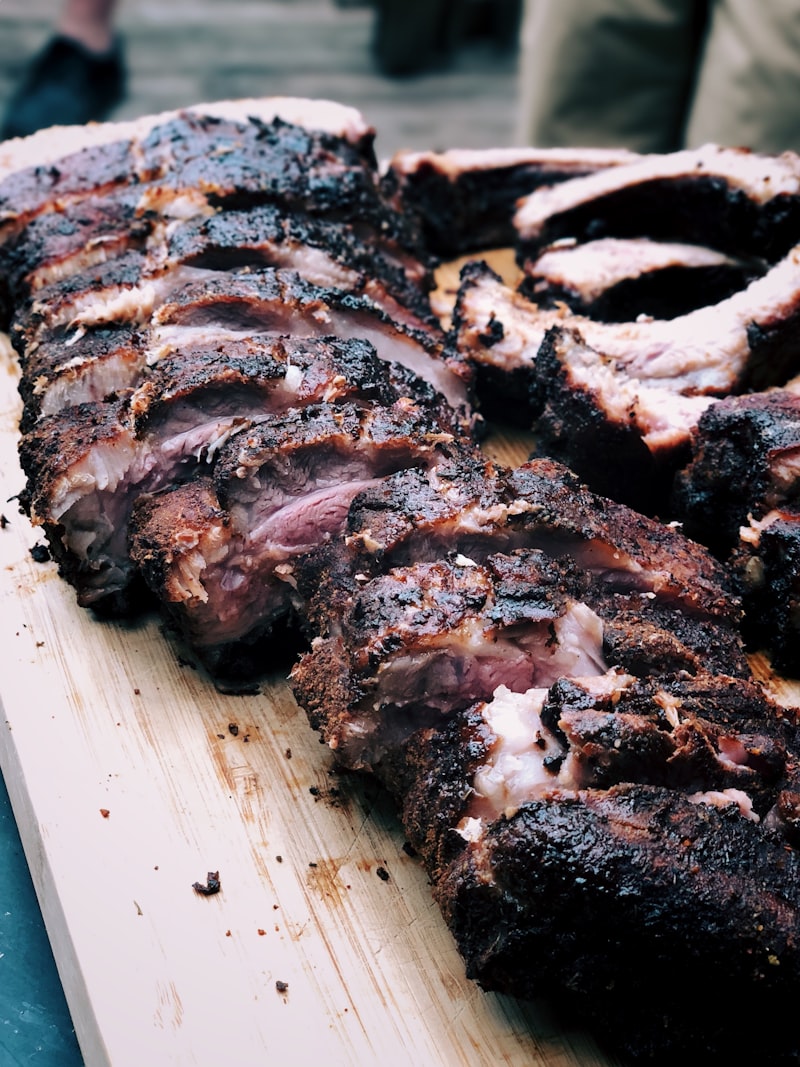
4The most distinctive eating experience in Hualien — one you genuinely cannot replicate in Taipei. Indigenous Amis and Truku vendors at Dongdamen's Aboriginal Food Street grill wild boar, mountain pig and marinated pork over wood coal on flat stone slabs. Beside the grilled meat: bamboo tubes of sticky rice, flying-fish-roe sausages unique to Pacific coastal tribes, and millet wine poured into wooden cups. Eat slowly. Drink the millet wine — light, slightly sour, gently warming. The stories behind each dish are as interesting as the dish itself.
Eastern Taiwan's largest freshwater lake, 25 kilometres south of Hualien city. Carp and tilapia farmed here are eaten the same day. Lakeside restaurants serve whole braised carp in soy and ginger, steamed tilapia, and deep-fried fish with a crust that shatters at the touch of a chopstick. The fish arrives forty minutes after it leaves the water. Combine it with the flat cycling path that circles the lake — one of Taiwan's most scenic rides — for a perfect half-day.
Not ordinary Taipei-style dumplings — Bawang's hand-rolled wrappers are substantially thicker, retaining chew even after boiling, packed with coarsely minced pork and chive. Made fresh every morning in front of customers. Order them pan-fried: golden crisp base, soft steamed top. Ten is a proper meal; most visitors eat two orders.
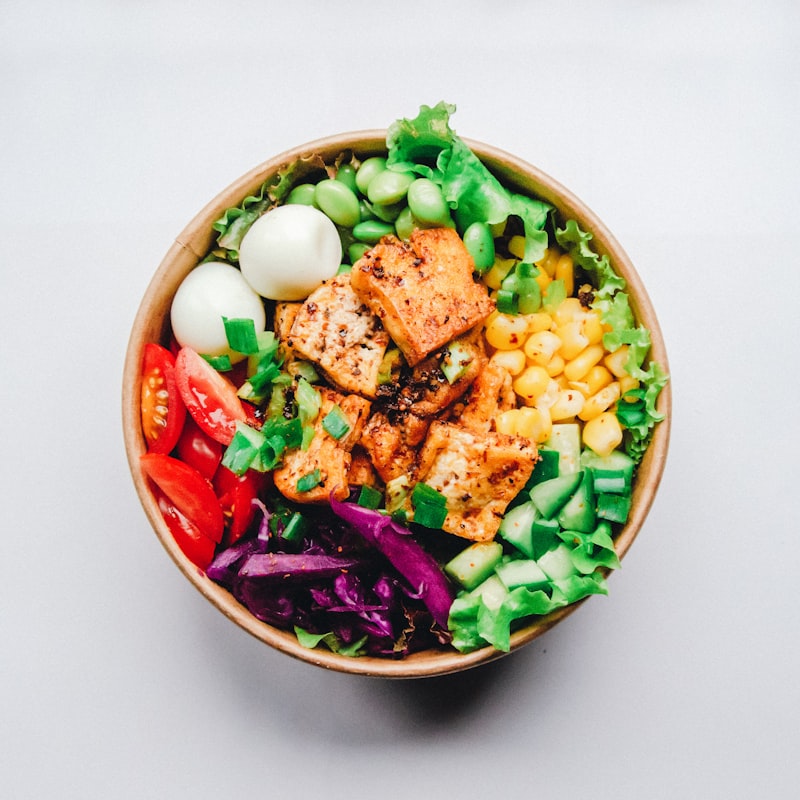 7
7Goose rather than pork or chicken is the protein in Hualien's noodle shops — a reflection of the east coast's agricultural tradition. Sliced braised goose breast, pale and tender with a faint sweetness, laid over springy egg noodles or flat rice noodles in a clear goose-bone stock, finished with scallion and sesame oil. Several shops near the station have been serving the same bowl since the 1980s.
Hualien's own style of shaved ice — a domed mound of fine-shaved frozen milk that melts immediately on the tongue into cold cream, piled like a snow cloud. "Pao pao" means bubble, from the rounded heap shape. Toppings: mango in season, taro, red bean, grass jelly, condensed milk. After a morning at the gorge in summer heat, a bowl of this is as restorative as anything. Best eaten immediately before it deflates.
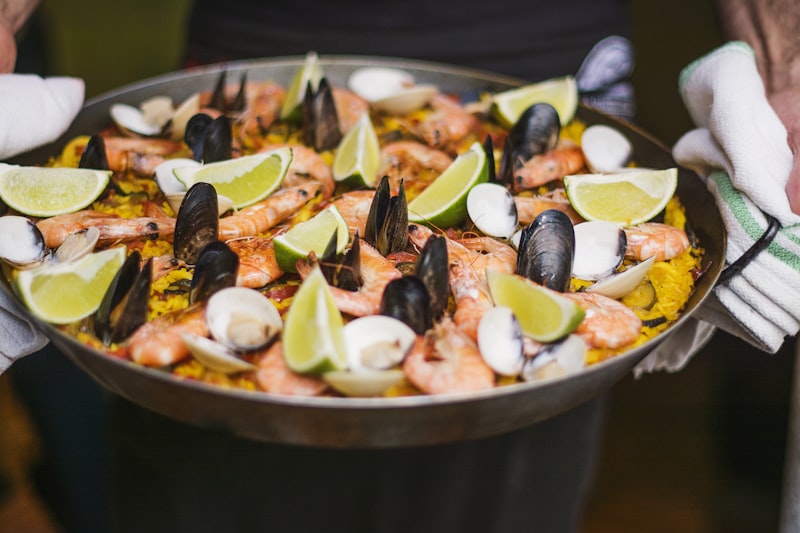 9
9Too simple to mention in a top-ten list, yet the grilled corn at Dongdamen's Fuding Street zone is something visitors remember weeks later. Hualien County grows high-altitude mountain corn — shorter cobs with denser, sweeter kernels — charcoal-grilled in the husk, then brushed with butter, soy sauce and mild chilli paste while still steaming. The kernels caramelise at the edges. You eat it standing on the street, corn juice running down your wrist, and it costs NT$50. It's the best snack in the market.
The Yuli Valley, an hour south of Hualien city, grows sweet potatoes in clean alluvial soil producing a root noticeably denser and sweeter than west-coast supermarket varieties. Roasted whole in a clay drum until the skin blackens and the inside becomes almost fudge-like, or boiled and mashed into desserts. Found in Hualien city markets, on the train south as a vendor snack, and at small unstaffed farm stands in the valley — just leave your coins in the box.