10 dishes you must try
The most-loved dishes — ranked by what locals actually order, not what tourists are pushed toward
 1
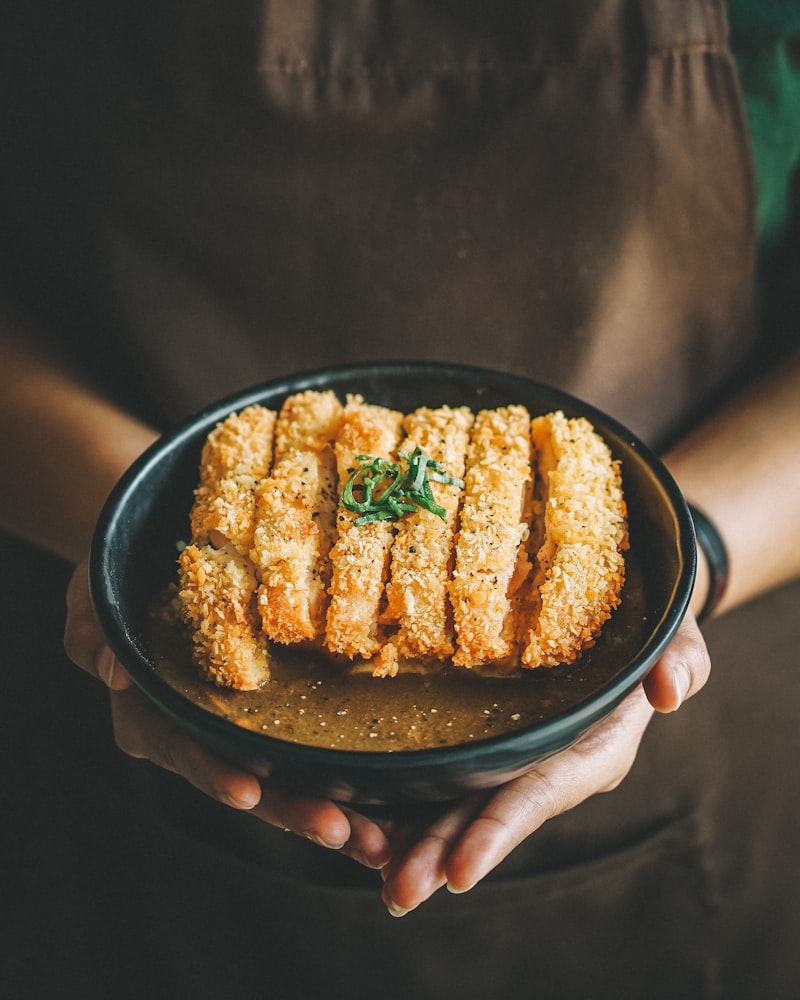
1The dish that defines this city. Impossibly fine pure-rice-flour strands, wind-dried by the northeast monsoon until springy and taut, simmered in clear pork-bone broth with sliced pork, mushrooms and scallion. A bowl at Dongmen Rice Noodle Soup — Michelin Bib Gourmand — costs around NT$70 and will rearrange your expectations of what a simple noodle can be.
 2
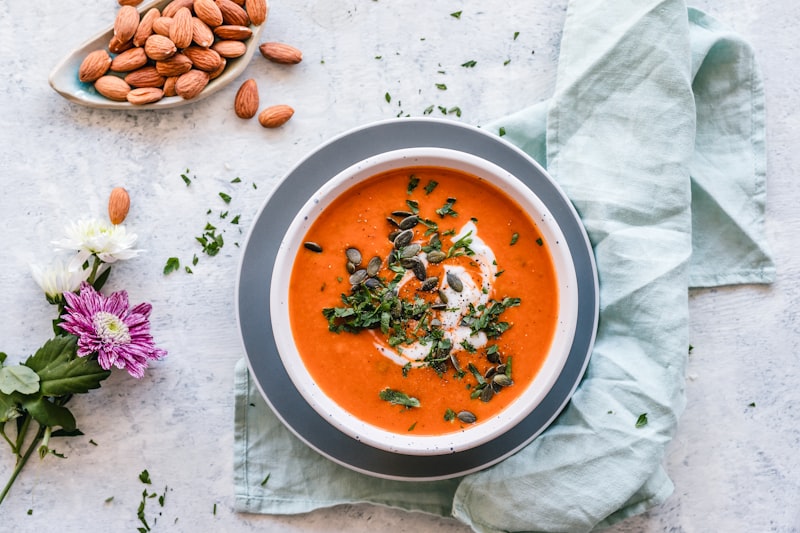
2The other great Hsinchu classic. A large, dense ball of hand-pounded pork — firmer and springier than anything found elsewhere in Taiwan — boiled in clear stock. Hai Jui, operating since the 1940s, is the institution: the fresh soup on-site is in a completely different category from the vacuum-packed version sold nationwide.
Practically mandatory in the City God Temple district. A starch-thickened broth filled with braised dried squid, seasoned with black vinegar, white pepper and coriander. Always add a drizzle of black vinegar at the table. Several stalls have been at it for two or three generations.
 4
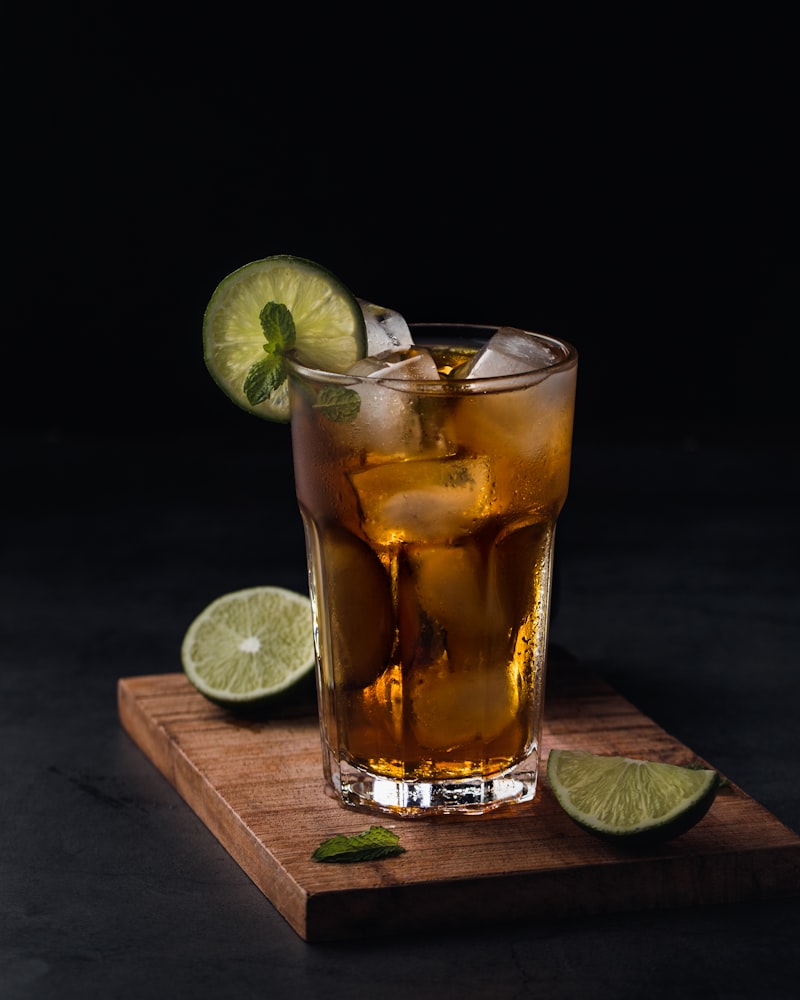
4This is the dish people drive from Taipei to Beipu specifically to make. Dried tea leaves, roasted peanuts, sesame seeds and pumpkin seeds ground in a deep clay mortar with a wooden pestle until smooth, then mixed with hot water. Thick, nutty, lightly bitter — more a meal than a drink. Tea houses all along Beipu's Old Street let you pound your own for around NT$100–150, usually with mochi and sweets included.
 5
5Come in October and see the hills around Xinpu and Beipu transformed: thousands of flame-orange persimmons on bamboo drying racks, cured by the same monsoon wind that dries the rice noodles. The result is soft, intensely honeyed, with natural sugar crystallising on the surface. Hsinchu County produces over 80% of Taiwan's dried persimmons. The fresh harvest version is incomparably better than the vacuum-packed gift-box.
 6
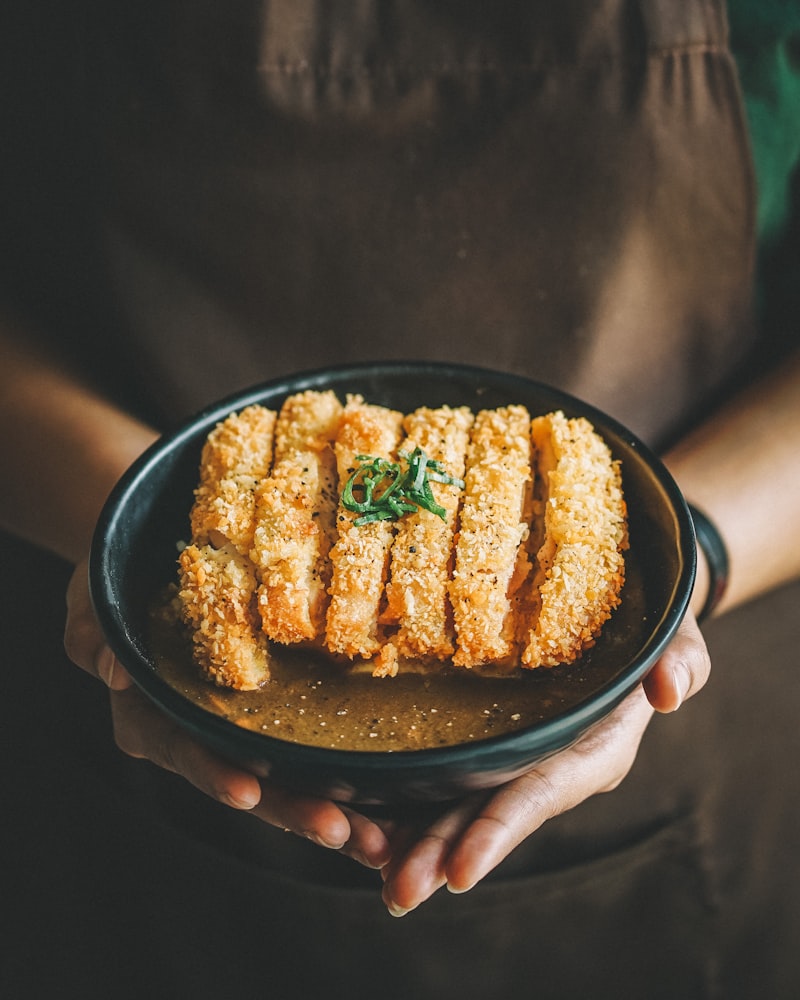
6Every tea house along Beipu Old Street serves lei cha alongside fresh mochi — hand-pounded glutinous rice, still warm, rolled in crushed toasted peanuts and sugar. Hakka mochi here is rougher and chewier than the Japanese-influenced version; you can feel the texture of the pounded rice. Best eaten alongside your bowl of lei cha as one of northern Taiwan's most quietly lovely snacks.
Hakka take on the Taiwanese fresh spring roll — wrapper partly rice-flour, giving it a slightly chewier texture. Inside: shredded cabbage, carrot, pork, dried tofu, bean sprouts and a generous dusting of peanut powder and sugar for gentle sweetness. Entirely un-oiled and refreshingly light. Sold by the roll at City God Temple area vendors.
The iconic Hakka dish — sliced pork belly, dried tofu, salted squid and dried chilli, stir-fried at violent heat with leek and soy sauce until fragrant and slightly charred. Fatty, firm, chewy, crisp — all at once. Rural cooking elevated. Every Hakka restaurant in the Hsinchu area serves it; order it first.
Not a dish — an ecosystem. Over 150,000 engineers need to eat every weekday. The result: dozens of lunch-box kitchens competing ferociously on quality, with daily-changing menus of rice, protein and vegetable sides for NT$80–130. The tip needs no translation: queue wherever you see engineers lining up.
The Hakka preservation art at its finest. Sun-dried salted mustard greens braised long and low with fat pork belly until the greens turn dark and fragrant, the pork yielding and trembling. Intensely umami, faintly sour, the fat cutting the bitterness of the mustard. Pair with plain steamed rice. Many Hakka restaurants in Beipu and Zhudong treat this as their signature dish.