Home Hiroshima Hiroshima Prefecture Japan About
Home  ›  Asia  ›  Japan  ›  Hiroshima  ›  Travel Tips
🕊 Before You Go · Hiroshima 2026

Hiroshima Travel Tips
History, Oysters, and City Trams

Hiroshima is far more than a pilgrimage to a historical site. It is a living city with fresh seafood, the world's longest streetcar network, and one of the most moving museums you will ever visit. Here is what to know before you arrive.

Getting There

Shinkansen is the obvious choice

Hiroshima sits in the Chugoku region of Honshu — well-connected from Tokyo, Osaka, Kyoto, and Hiroshima Airport (HIJ) by bullet train or bus.

🚄
Shinkansen from Tokyo — Nozomi or Hikari
Tokyo Station → Hiroshima Station · Tokaido-Sanyo Shinkansen

The Nozomi shinkansen from Tokyo Station reaches Hiroshima in about 4 hours, with fares around ¥18,380–19,500 depending on seat type (unreserved vs. reserved). Trains depart every 10–20 minutes, so there is no need to stress over missing one. If you hold a Japan Rail Pass, take the Hikari or Sakura instead — around 5 hours with a change at Shin-Osaka, but the JR Pass covers it fully with no supplement. Nozomi charges a ¥6,500 surcharge on top of the pass price, making it uneconomical if you already own one.

Nozomi ~4 hours ~¥18,380–19,500 Hikari/Sakura covered by JR Pass
JR Pass tip: Hikari or Sakura only — Nozomi costs ¥6,500 extra even with the pass, which rarely makes sense unless you are in a genuine rush.
🚅
Shinkansen from Osaka / Kyoto — Sakura or Nozomi
Shin-Osaka / Kyoto → Hiroshima · Fastest from Kansai

From Shin-Osaka, the Nozomi reaches Hiroshima in just 1 hour 25–30 minutes, at around ¥9,720–10,580. The Sakura service (fully covered by JR Pass at no extra cost) takes about 1 hour 35 minutes — barely any difference and free if you have the pass. If you are flying into Kansai International (KIX), Osaka is the natural first stop before continuing west to Hiroshima. From Kyoto add roughly 20 minutes.

Nozomi ~1 hr 25 min ~¥9,720–10,580 from Shin-Osaka Sakura — no JR Pass supplement
Best for: Anyone flying into Kansai (KIX/ITM) or building a Osaka–Kyoto–Hiroshima loop — Hiroshima is close enough to add with minimal effort.
Fly into Hiroshima Airport (HIJ)
HIJ → City Centre · Airport Limousine Bus

Hiroshima Airport sits about 50 km east of the city. The Airport Limousine Bus runs directly to Hiroshima Station and the city bus terminal in 45–55 minutes, costing around ¥1,450. Domestic routes serve Tokyo (Haneda and Narita), Osaka (Itami), Sapporo and Okinawa. International connections are limited — most visitors arriving from outside Japan transit through Tokyo or Osaka first.

~45–55 min (Airport Bus) ~¥1,450 Buses timed to flight arrivals
🚌
Highway Bus — Cheaper but Slower
From Osaka / Kyoto / Fukuoka · Budget option

Highway buses (Willer, Chugoku JR Bus, Hiroshima Bus) run from Osaka and Kyoto in roughly 3–4 hours for around ¥3,500–5,000 — significantly cheaper than the shinkansen. Overnight buses from Tokyo (9–12 hours) exist but are gruelling. From Fukuoka the JR Bullet takes about 1 hour 10 minutes (¥5,720) and is almost always the smarter call. Buses suit budget-conscious travellers whose schedule is flexible.
~¥3,500–5,000 (bus from Osaka) ~3–4 hours Willer Express — easy to book online
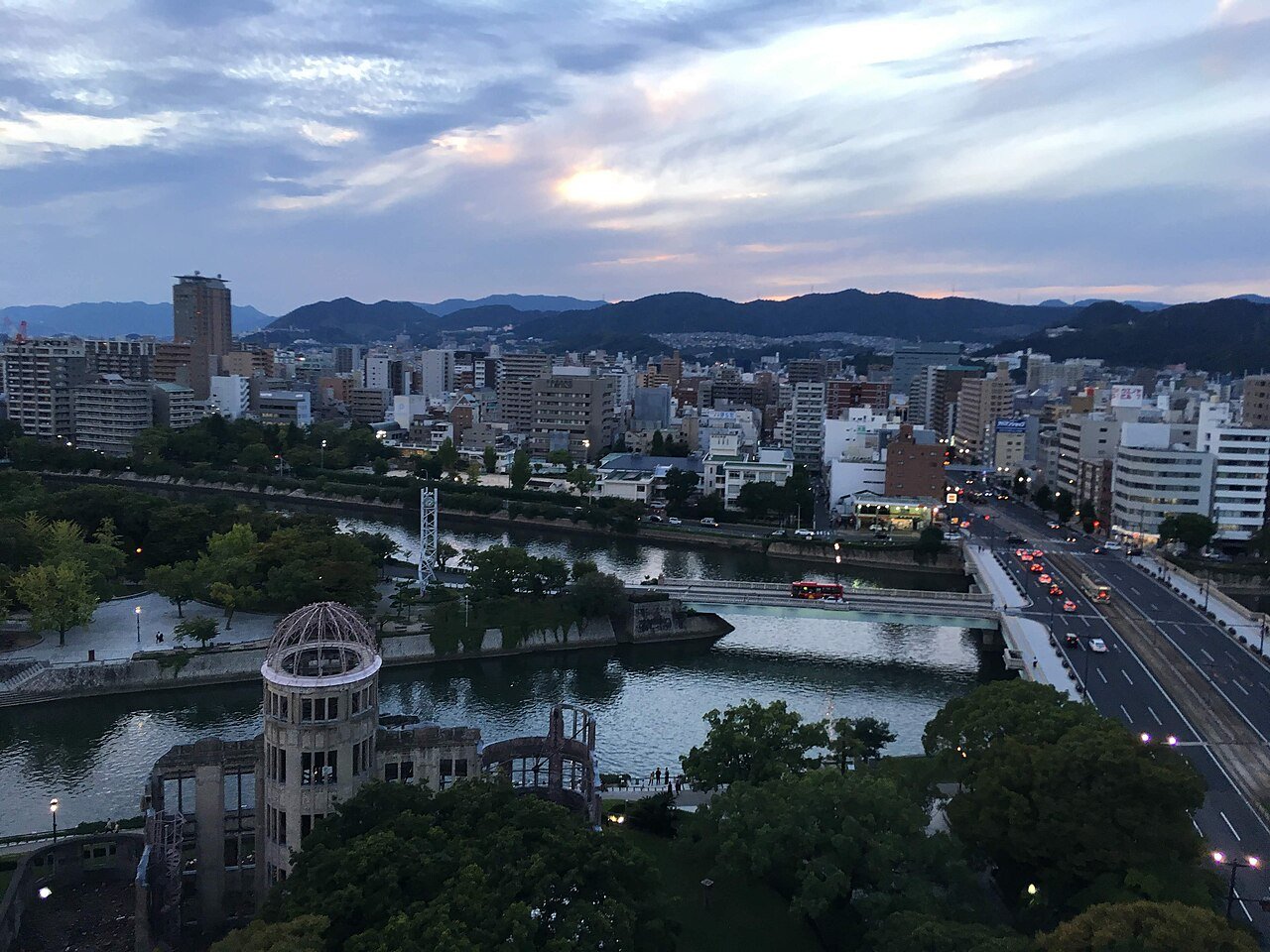
Hiroshima cityscape at dusk, the Ota River reflecting city lights
Hiroshima today — a city that rebuilt itself with extraordinary determination and became one of Japan's most liveable urban centres
Getting Around

The Hiroden Tram — Japan's Longest Streetcar Network

Hiroshima's electric tram system (Hiroden) connects the main station to Peace Memorial Park, the shopping arcades, the port for Miyajima, and beyond — all for a flat ¥220.

Here is something that quietly astonishes first-time visitors: several of Hiroshima's trams survived the atomic bomb and kept running. Some of the older rolling stock in service today dates to around 1945. Taking the tram is not just transport — it is a small, tangible link to the city's remarkable history. Lines 2 and 6 from Hiroshima Station pass directly in front of the Peace Memorial Park (stop: Genbaku Dome-mae) in about 15 minutes.

Hiroden 1-Day Pass

Unlimited rides on all Hiroden tram lines within the city for one day. The right choice if you plan multiple stops — Peace Memorial Park, Hondori shopping arcade, Hijiyama Park, and back to the station.

Price: ¥700 (adult) / ¥350 (child) · Buy: On board or at Hiroshima Station
Streetcar + Ferry 1-Day Pass

Covers all tram lines plus the JR ferry round-trip to Miyajima. If Itsukushima Shrine is on your itinerary — and it should be — this pass pays for itself immediately.

Price: ¥1,000 (adult) / ¥550 (child) · Covers: All trams + JR Miyajima Ferry
Single Tram Fare

A flat ¥220 per ride within Hiroshima city limits. Pay in coins (or IC card) into the box at the front as you exit — no ticket machine or advance purchase needed. Simple and intuitive.

Fare: ¥220 / ride (adult) · IC Cards: Suica and Pasmo accepted
Taxis and Buses

City buses (Hiroshima Bus) cover areas beyond the tram network for ¥200–400. Taxis start at about ¥720 — useful for groups, those with heavy luggage, or after the last tram. The GO app and DiDi work well in Hiroshima.

Taxi starting fare: ~¥720 · Apps: GO (Japan taxi app) / DiDi
Quick tram guide: Lines 2 and 6 run directly from Hiroshima Station → Genbaku Dome-mae (Peace Memorial Park stop) in about 15 minutes. For Miyajima, take Line 2 all the way to Hiroshima-ko then board the JR Ferry (~25 minutes, ¥180 or free with JR Pass). Google Maps handles the Hiroden tram schedule reliably. See the full Hiroshima city guide for detailed route maps.
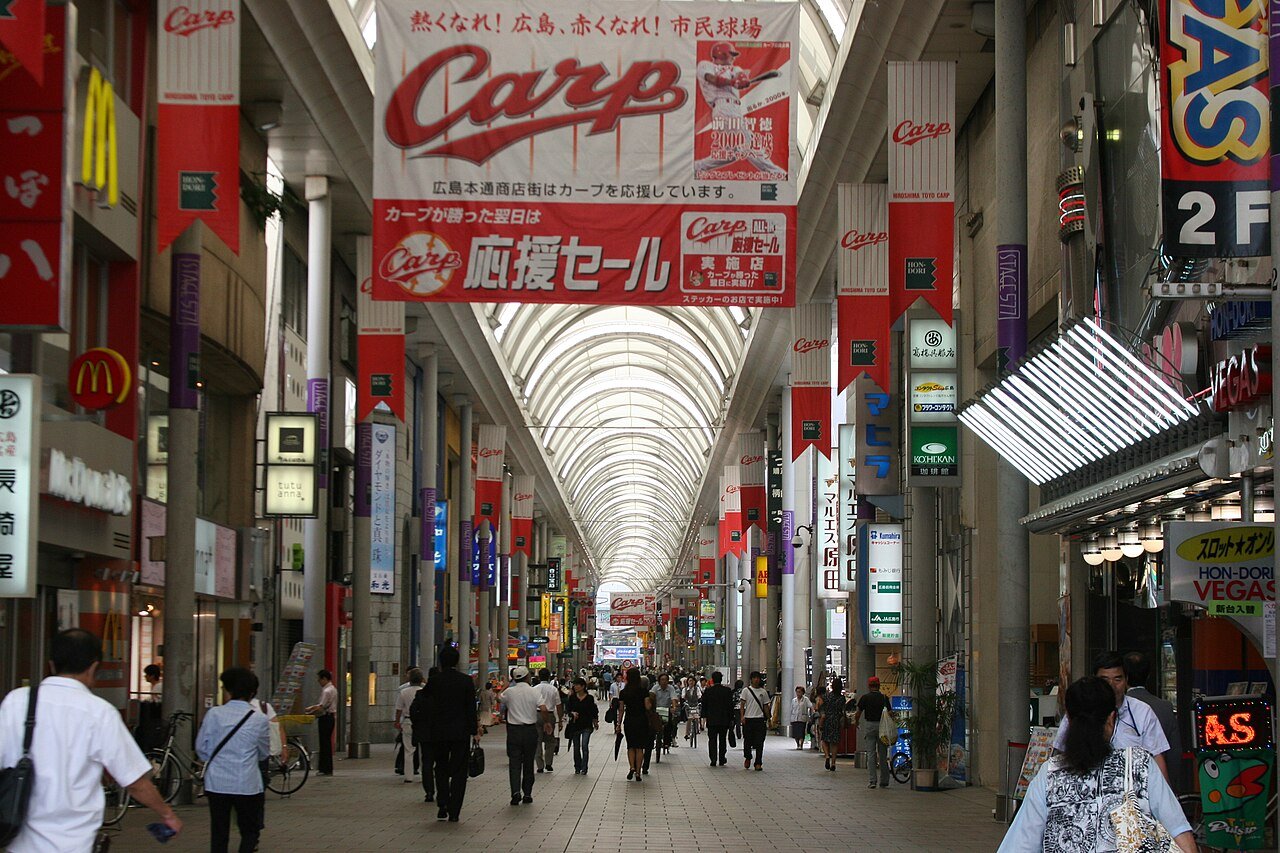
Hondori covered shopping arcade in Hiroshima, busy with shoppers under an arched glass roof
Hondori — Hiroshima's main covered shopping arcade, a 10-minute walk from Peace Memorial Park, with a tram stop right at the entrance
Visiting the Memorial

Peace Memorial Park — How to Visit Respectfully

The Peace Memorial Park and Atomic Bomb Dome are among the most significant historical sites in the world. Coming with the right spirit matters more than following any checklist.

Before you enter: This is an active memorial, not a theme park attraction. Survivors' families still come here regularly. The museum holds personal belongings, photographs, and testimony from people who lived through August 6, 1945. Arriving with genuine openness — not just to photograph and move on — will make your time here profoundly different.
August 6 — Peace Memorial Ceremony: Every year at 8:15 a.m. on August 6th, an official ceremony is held in Peace Memorial Park — marking the exact moment the bomb detonated in 1945. The ceremony is free and open to the public. Arrive before 6:00 a.m. to secure general seating; bag checks and metal detectors are in place. That same evening, the Toro Nagashi Lantern Floating ceremony sends approximately 10,000 paper lanterns down the river near the Dome — peaceful, beautiful, and deeply moving to witness from the banks.
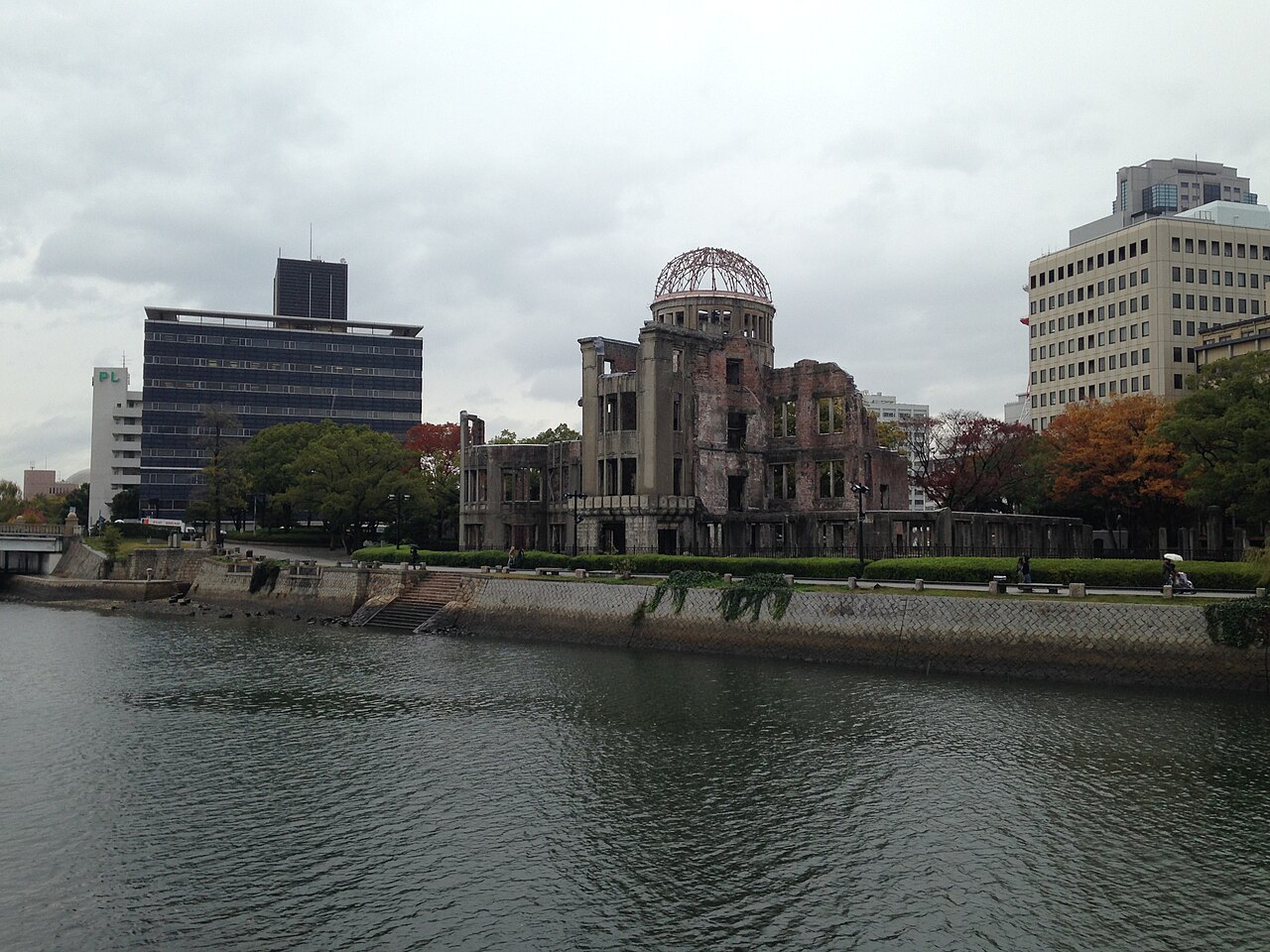
The Atomic Bomb Dome (Genbaku Dome) in Hiroshima, UNESCO World Heritage Site, against a clear sky
Genbaku Dome (Atomic Bomb Dome) — one of the few structures near the hypocenter left partially standing; designated a UNESCO World Heritage Site in 1996
Best Time to Visit

Hiroshima is Different Every Season

You can visit year-round, but spring cherry blossoms, autumn foliage on Miyajima, and the peak oyster months in winter each offer something you cannot get at other times.

Spring (March–May) — Most Popular

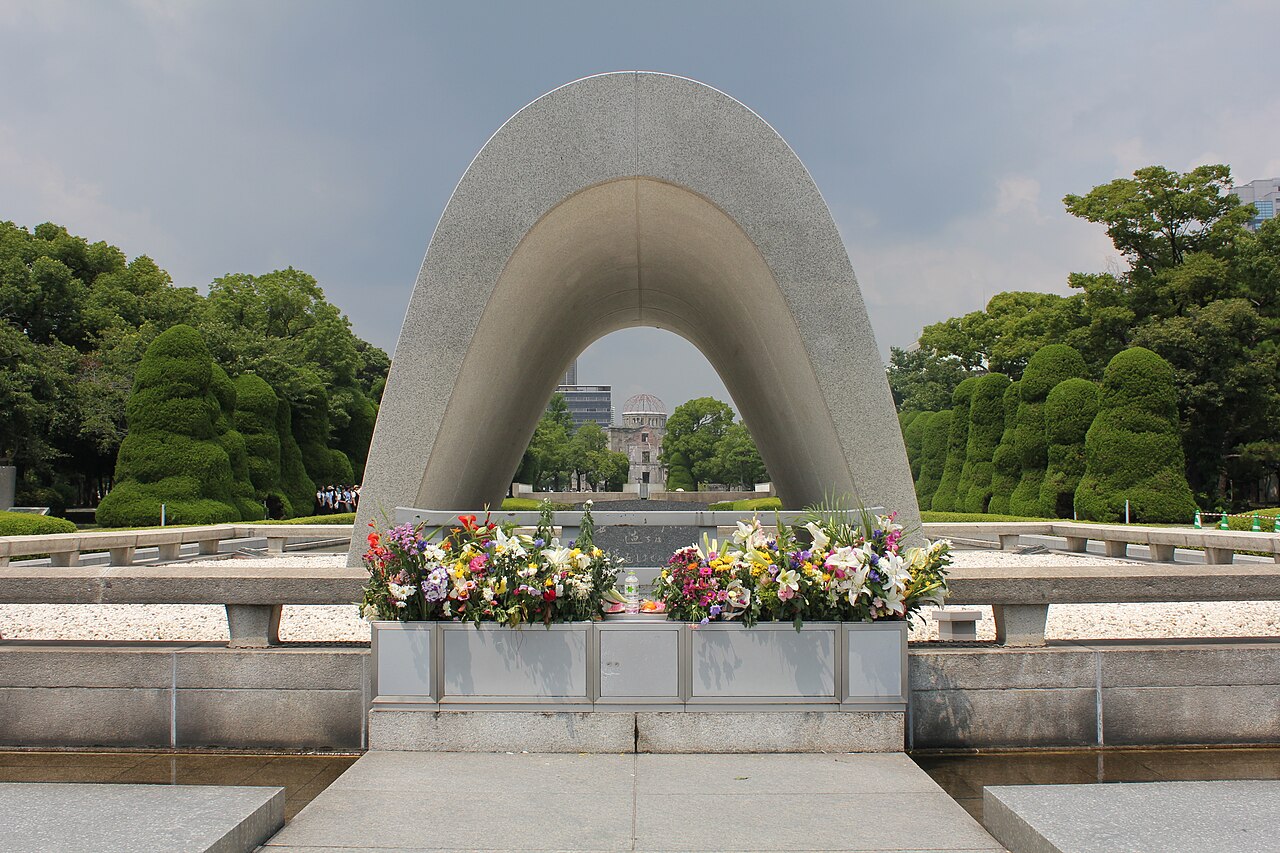
Cherry blossoms in Peace Memorial Park typically open around March 25th, reaching full bloom in early April (usually April 7–10). The view of sakura framing the Cenotaph is one of the most photographed scenes in Japan. Temperatures 14–24°C are comfortable. Hotels book up 2–3 months ahead during peak bloom — reserve early.

Summer (June–August) — Hot but Meaningful

Genuinely hot and humid, with highs of 31–33°C. Rain is frequent in June. The August 6 Peace Ceremony is the defining reason to come in summer — an experience with no equivalent anywhere. Carry water constantly, dress in light breathable fabrics, and arrive early for the ceremony if you plan to attend.

Autumn (October–November) — Best All-Around

Maple foliage on Miyajima peaks in mid-to-late November, with vivid reds and golds surrounding Itsukushima Shrine. Temperatures 15–22°C are ideal for walking. Oyster season opens in October. The park is significantly less crowded than during sakura. This is arguably the most balanced time to visit.

Winter (December–February) — Oyster Season Peak

Temperatures drop to 5–10°C; occasional light snow. Hiroshima oysters are at their absolute best from November through February — plump, briny, and rich. The Miyajima Oyster Festival typically runs in early February. Fewest tourists of any season, better hotel rates, and the Peace Memorial Park feels especially contemplative in the cold quiet.

Periods to plan around: Golden Week (late April–early May) and Obon (mid-August) are peak domestic travel periods in Japan. Trains, buses, and hotels fill up across the country; prices rise. If your dates are flexible, the week before or after these windows offers nearly identical weather with far fewer crowds.
Food Highlight

Hiroshima Oysters — When to Eat Them

Hiroshima produces roughly 60% of all oysters grown in Japan. Knowing when to come makes the difference between a revelatory plate and a mediocre one.

If you have heard that Hiroshima oysters are extraordinary and then found them underwhelming — the issue may well have been timing rather than the restaurant. Peak season runs October through March, with November through February producing the plumpest, most intensely flavoured oysters. After April, most of the harvest is processed and frozen; fresh oysters become genuinely scarce through summer and into September.

Fresh Oyster Season (Kaki)

October–March, peaking November–February. Eat them raw with a squeeze of ponzu, grilled over charcoal at roadside stalls, or as kaki-furai (deep-fried in breadcrumbs). The Miyajima Oyster Festival usually runs in early February — fresh oysters grilled on site on the island, crowds permissible.

Best months: November–February · Summer: Mostly frozen or processed stock
Hiroshima Okonomiyaki — Year-Round

Hiroshima-style okonomiyaki is layered rather than mixed — noodles, cabbage, egg, and toppings stacked in distinct tiers, unlike the blended Osaka version. The most famous spot is Okonomi-mura, a three-storey building near Hondori with over 20 small stalls, each with their own recipe. Count on ¥900–1,200 per serving.

Must try: Add mochi or fresh oyster · Price: ¥900–1,200 per serving
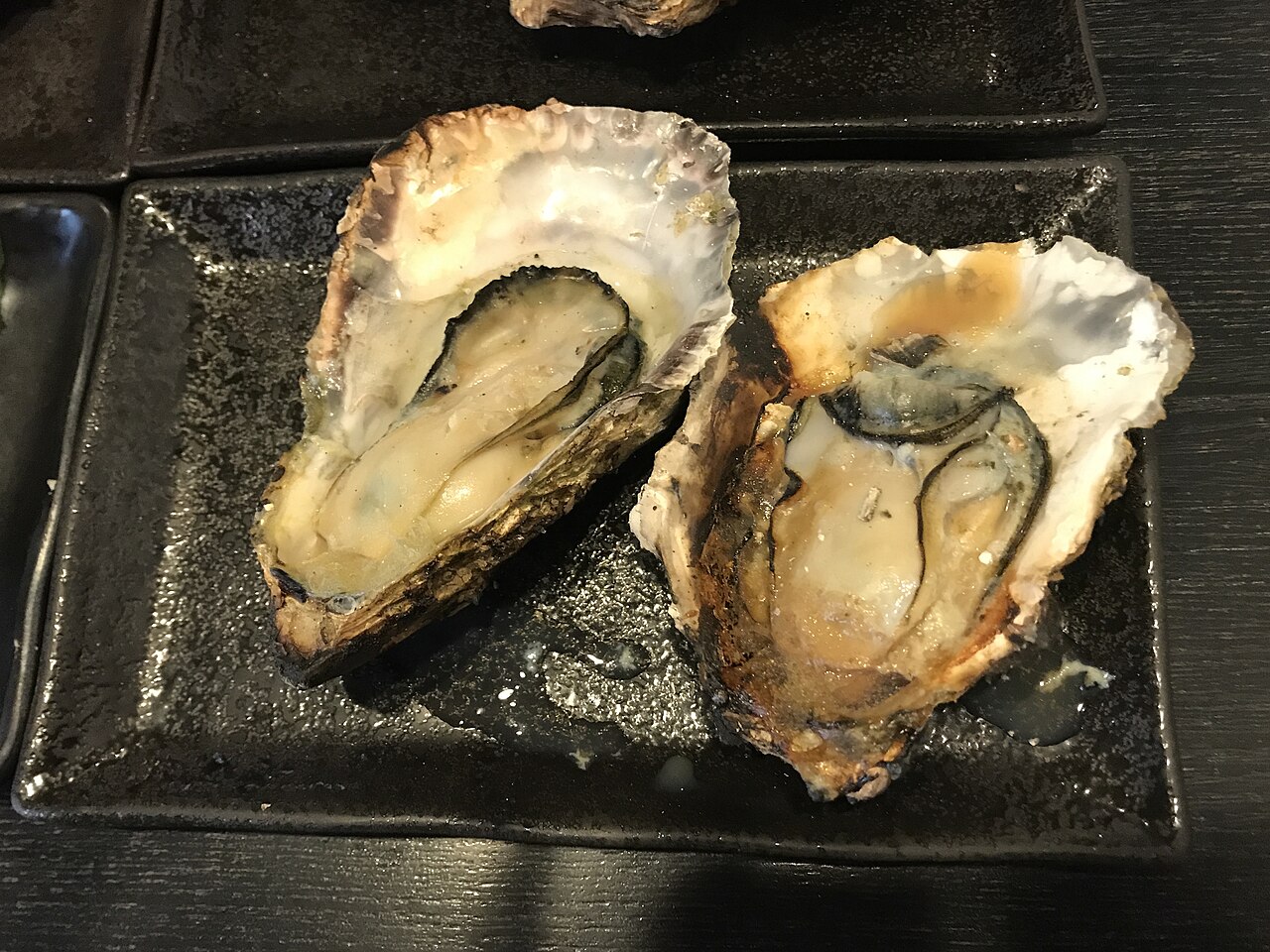
Fresh Hiroshima oysters on the half shell, served at a seafood market with lemon wedges
Hiroshima kaki (oysters) — the city grows roughly 60% of Japan's oyster supply. At their best November through February.
Daily Budget

How Much Does Hiroshima Cost Per Day?

Hiroshima is noticeably more affordable than Tokyo or Kyoto — good accommodation and excellent food cost less here. These figures are per person excluding inter-city transport.

Category Budget Mid-Range Comfortable
Accommodation (per person/night) ¥3,000–5,000 (hostel / guesthouse) ¥7,000–12,000 (business hotel) ¥18,000+ (upper-mid / design hotel)
Food (3 meals) ¥1,500–2,500 (okonomiyaki + konbini) ¥3,000–5,000 (sit-down restaurants) ¥7,000+ (oyster restaurant / kaiseki)
Peace Memorial Museum ¥200 (adult) / ¥100 (student) / Free (child) — exceptional value for a museum of this calibre
Miyajima Island (Itsukushima) Ferry ¥180 (or free with JR Pass) + ¥300 shrine entry + ¥1,000–2,000 food on island
City Transport ¥220/ride or ¥700 (tram day pass) ¥700–1,000 (Streetcar + Ferry Pass) ¥1,500–2,500 (taxi for the day)
Total per day (excl. accommodation) ~¥5,000–8,000 ~¥10,000–18,000 ¥25,000+
Money-saving notes: Peace Memorial Park and the Genbaku Dome are free to visit at any time — one of the most significant sites in the world, open without charge. The Miyajima shrine is only ¥300 entry. Oyster stalls along the Miyajima waterfront during season offer some of the best value eating in western Japan. A 7-Eleven or Family Mart on the island stocks decent onigiri and snacks if your budget is tight.
Practical Info

What to Pack and What to Know

What to Pack

Comfortable walking shoes (Peace Park + Miyajima add up to significant walking) · A light jacket for spring and autumn evenings · A compact umbrella for summer rain · Cash ¥10,000–20,000 (small market stalls and some restaurants are cash-only) · A refillable water bottle — vending machines are everywhere for top-ups.

SIM/eSIM: Buy at the airport or in advance via Klook · Recommended: eSIM is far simpler than a pocket Wi-Fi device
Money and Payments

7-Eleven ATMs and Japan Post (JP Bank) ATMs reliably accept foreign debit and credit cards. Mid-size and larger restaurants and shops in Hiroshima now generally accept Visa/Mastercard. Small stalls on Miyajima, local okonomiyaki shops, and market vendors tend to be cash only. An IC card (Suica or Pasmo) loaded with yen works on trams too.

Currency: Japanese Yen (¥) · IC Card: Works on Hiroden trams, JR trains, and most konbini
Language and Apps

Hiroshima is well-signed in English, especially around Peace Memorial Park and the main shopping streets. Museum staff at the Peace Memorial speak English, and audio guides are available in English, Chinese, and Korean. Google Maps handles Hiroden tram schedules accurately.

Recommended apps: Google Maps (tram + ferry times) · Google Translate camera mode · GO app for taxis
Visiting with Children

Miyajima is fantastic for all ages — free-roaming deer, a short ferry ride, and a ropeway up Mount Misen to spot the view. The Peace Memorial Museum is powerful but heavy content; most experts suggest 10 and older as a rough guide. The Children's Peace Monument in the park (dedicated to Sadako Sasaki) is a gentler introduction for younger kids. The Science Museum and Children's Museum sit near the main station.

Kids love: Miyajima deer + ferry + ropeway · Younger children: Consider skipping the museum exhibits
Colourful folded paper cranes (orizuru) displayed in Hiroshima, symbol of peace and hope
Orizuru (paper cranes) — inspired by Sadako Sasaki's wish to fold 1,000 cranes, thousands arrive from around the world every year and are displayed throughout the Peace Memorial Park
A note before you visit the museum: The Hiroshima Peace Memorial Museum is the only place in the world that tells the story of nuclear warfare through the eyes of people who were actually there — through their possessions, their words, and their photographs. Many visitors find it genuinely overwhelming. That is not a warning to stay away — it is exactly why it matters. Give yourself time afterwards to sit quietly in the park. You will want it.
FAQ

Common Questions Before You Go

How long does it take to get to Hiroshima from Tokyo?
The Nozomi shinkansen from Tokyo Station takes approximately 4 hours, with fares around ¥18,380–19,500 (unreserved to reserved seat). If you are travelling with a JR Pass, take the Hikari or Sakura instead — about 5 hours with a change at Shin-Osaka, but no supplement required. Nozomi costs an extra ¥6,500 on top of the pass price. Trains depart roughly every 10–20 minutes, so timing is flexible.
How do I use the Hiroden tram? What does a day pass cost?
A single Hiroden tram ride within Hiroshima city costs ¥220 — pay into the coin box at the front as you exit (IC cards also accepted). If you plan multiple stops in a day, the Hiroden 1-Day Pass (¥700) covers unlimited rides. Heading to Miyajima too? The Streetcar and Ferry 1-Day Pass (¥1,000) includes the JR ferry crossing. Both can be bought on the tram itself or at Hiroshima Station.
How should I behave at the Peace Memorial Park and Museum?
The Peace Memorial Park is visited daily by people who lost family members in 1945, as well as by survivors themselves. Treat it as you would any major memorial — speak quietly, remove your hat at the Cenotaph, take a moment of silence. Outdoor photography is fine, but playful poses near the memorials are inappropriate. Inside the museum, check signs before photographing — some exhibits restrict it. Allow at least 2–3 hours in the museum; rushing misses the point entirely.
When is the best season to eat Hiroshima oysters?
Hiroshima oyster season runs October through March, peaking in November and February when the meat is at its plumpest. Hiroshima produces roughly 60% of Japan's oyster harvest. During summer (June–September) fresh oysters are scarce — most of the harvest is processed and frozen from April onwards. The Miyajima Oyster Festival typically takes place in early February on the island itself.
When is the best time of year to visit Hiroshima?
Two periods stand out: Spring (late March–May) for cherry blossoms in Peace Memorial Park and comfortable 14–24°C temperatures, and Autumn (October–November) for maple foliage on Miyajima and the start of oyster season. Winter (December–February) offers the best oysters, fewest crowds, and reflective quiet at the memorial. August 6 brings the Peace Ceremony and evening Lantern Floating — a deeply moving experience that cannot be replicated at any other time of year.