Hiroshima's favourite day trip is barely an hour away by train and ferry — a vermilion torii gate standing out in the sea, wild deer greeting you on the streets, an old temple on the mountainside, and a sweeping view of the Seto Inland Sea from the Misen summit. Here's everything in one place: the highlights, the tide times, the food, and how to get there.
Picture a small island in the Seto Inland Sea that has been considered the home of the gods since ancient times — so much so that people built Itsukushima Shrine out over the water, so as not to tread directly on the sacred ground. That's the origin of the image you know: a vermilion torii gate standing in the sea, one of the views the whole world recognises. Today Miyajima (its official name is Itsukushima island) is a registered World Heritage Site.
The best part is how close it sits to Hiroshima — just about an hour away by train and ferry — which makes it the classic day trip to pair perfectly with the city. On this page we'll cover the whole island: the floating torii (with the tide timing you need to know before you go), the Mt Misen ropeway, the old mountainside temple, the wild deer that greet you along the way, and the best things to eat on Omotesando Street.
A quick rundown of the island's main spots so you can plan a full day. Admission and opening hours are based on the latest official information, but they can change by season — double-check each spot's official site before you go.
| Spot | Type | Admission (adult) | Opening hours | Known for |
|---|---|---|---|---|
| Itsukushima ShrineItsukushima Shrine | Shrine | ~¥300 | ~6:30–18:00 (seasonal) | Floating torii · World Heritage |
| Mt MisenMt Misen Ropeway | Ropeway | ~¥2,000 round trip | ~9:00–16:00 (seasonal) | Seto Inland Sea view |
| Daisho-in TempleDaisho-in | Temple | Free | ~8:00–17:00 | Hillside Buddhist temple, cute statues |
| Omotesando StreetOmotesando Street | Street food | Free (pay as you go) | Daytime (shops close by evening) | Momiji manju, grilled oysters |
| Miyajima DeerWild deer | Nature | Free | All day | ~500 deer · no feeding |
The island is small enough to cover the main sights comfortably in a day. Travellers who've been agree these six are the heart of it — and they're ordered so you can walk from one to the next.
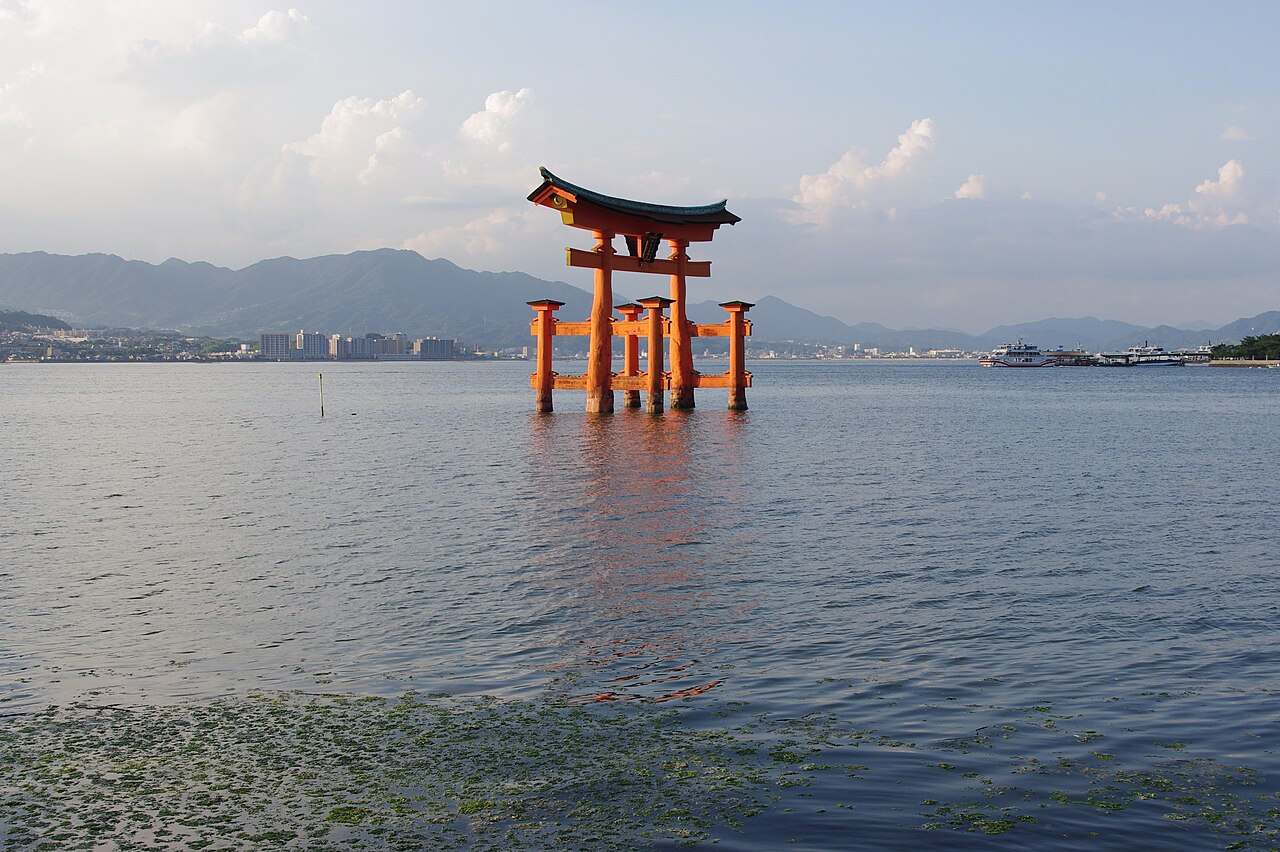
⛩️ World Heritage1
The image of the whole island — a vermilion wooden torii gate about 16 metres tall, standing out in the sea. At high tide it looks like it's floating; at low tide you can walk right out and stand beneath the pillars. Both are beautiful in their own way, and in the late-afternoon light the red deepens and looks even better. The photographers never stop.
Hiroshima Attractions →
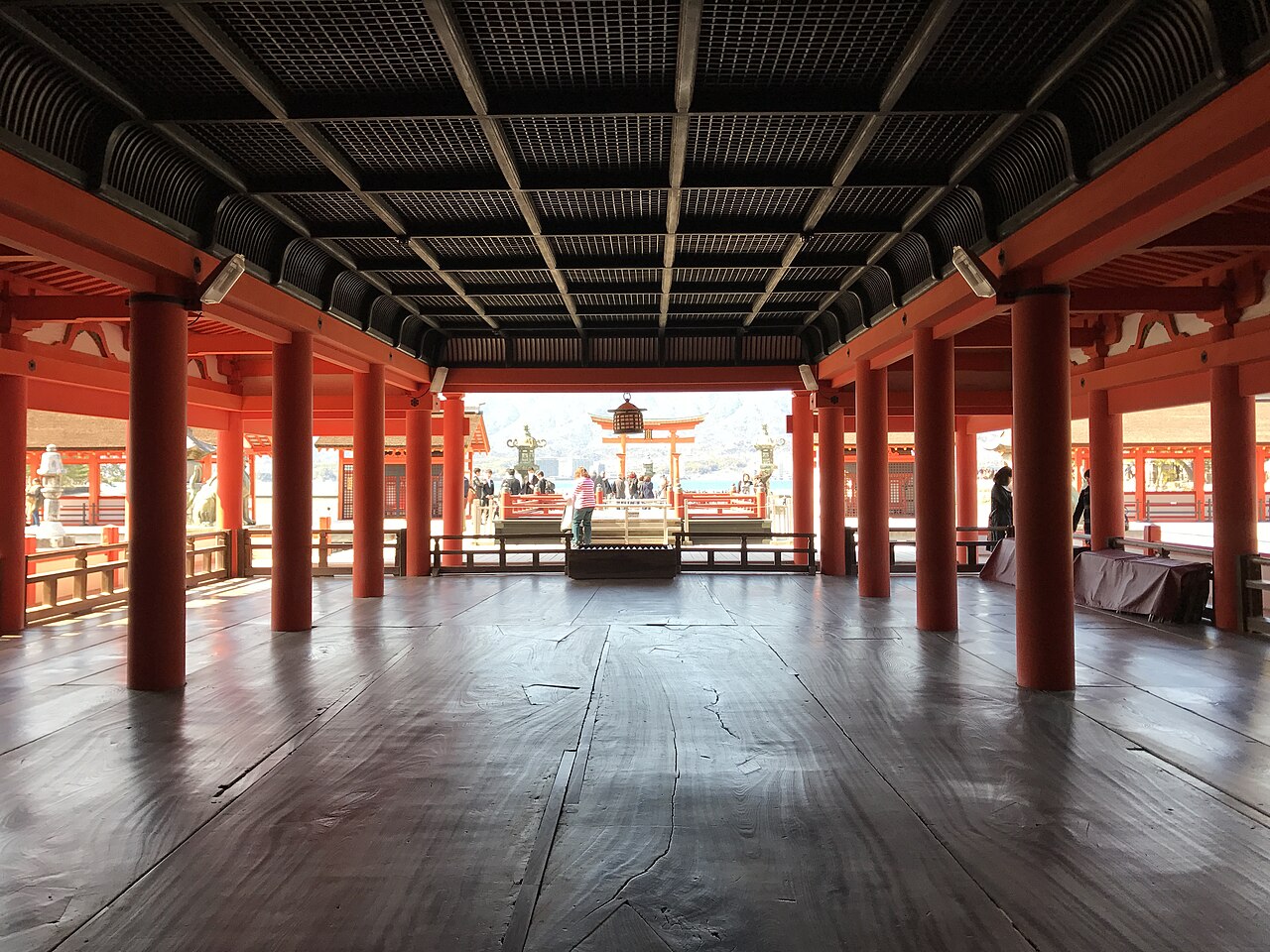
⛩️ World Heritage2
The shrine itself is built out over the sea on wooden pillars, so at high tide the whole complex appears to float along with the torii. Follow the long vermilion wooden corridors to see the various halls; inside there's a dance stage and an over-water Noh stage. The atmosphere is ancient — it has stood here for more than a thousand years.
Hiroshima Attractions →The island's highest peak (about 535 metres), reached easily by the Miyajima Ropeway. From the upper station it's another roughly 30-minute walk to the true summit, where the view spreads across the little islands of the Seto Inland Sea as far as you can see. Along the way you'll often spot wild monkeys and old temple halls.
Hiroshima Attractions →The island's oldest Buddhist temple, sitting at the foot of Mt Misen. Its calling card is the row of spinning sutra cylinders along the entrance staircase handrail — give them a turn and you're said to earn merit — plus the rows of tiny Jizo statues in knitted hats, which are seriously charming. People usually stop here on the way toward Misen; it's peaceful and far less crowded than the main shrine.
Hiroshima Attractions →Step off the ferry and onto the island and you'll meet free-roaming wild deer right away — about 500 of them, tame and very used to people. Unlike Nara, though, feeding the deer here has been banned since 2008 (no senbei crackers on sale). The Miyajima deer love to grab paper, maps, tickets and plastic bags, so keep all of that firmly tucked away.
Hiroshima Guide →The island's main shopping street, about 350 metres long, running from the pier toward the shrine and lined on both sides with souvenir and food stalls. The star is momiji manju, maple-leaf-shaped cakes made fresh and hot, alongside big grilled oysters (Hiroshima is a major oyster region). At the far end stands the giant rice scoop (Otamaya), an island landmark worth a photo.
Hiroshima Food Guide →The classic route — easiest and cheapest — is the JR train plus the JR ferry. With a JR Pass both legs are free. Allow about an hour from central Hiroshima to the island.
Take the JR Sanyo Line from Hiroshima Station to Miyajimaguchi Station — about 25–30 minutes, roughly ¥410 (covered by the JR Pass). From the station it's under a 5-minute walk to the pier opposite.
Catch the JR ferry across to the island, about 10 minutes (boats run roughly every 15 minutes). It's around ¥200 each way, or free with a JR Pass. Some daytime sailings pass close to the torii so you can photograph it from the boat.
From the ferry it's about 10 minutes on foot to Itsukushima Shrine, with deer waiting right from the pier. The main sights are all within walking distance; Mt Misen adds the ropeway on top. Plan for a full day and you can take it slow.
Most people stay in Hiroshima and visit Miyajima as a day trip — it's convenient and there's far more choice of accommodation. But if you want to see the island in the evening once the day-trippers have left, spending a night at a ryokan on the island is a completely different experience.
The easiest base for hopping on the train to Miyajima and getting around the city — top hotels with prices and booking links.
Hotels Near the Station →Spend a night on the island and catch the torii with the crowds gone — many have an onsen and an oyster dinner.
Miyajima Ryokan →Areas, sights and where to stay across the city — plan the rest of your trip after Miyajima, all on one page.
Hiroshima Guide →The island is small and the main spots are all walkable — about 10 minutes from the pier to the shrine and torii, with Daisho-in temple and the Misen ropeway station a little further in at the foot of the mountain. Tap the pins to see where things are before you plan your route.
Where to stay, what to see, and how to get around Hiroshima — the best base for a day trip to Miyajima.
Hiroshima Guide →The Peace Memorial Park, the A-Bomb Dome, Hiroshima Castle, Shukkeien Garden, and the city's top sights.
Hiroshima Attractions →Hiroshima-style okonomiyaki, oysters, anago-meshi, momiji manju, and the best places to try them.
Hiroshima Food →The easiest base for hopping on the train to Miyajima — top hotels with prices and booking links.
Hotels →Every region and city, with links into city guides, hotels, and attractions across Japan.
Japan Guide →Visa · eSIM · IC cards · JR Pass · yen · power plugs · Japanese etiquette — everything before you fly.
Travel Prep →Base yourself in Hiroshima and take the train and ferry over at your own pace. Open the city guide for the sights, hotels and transport — or start looking early for a well-placed hotel in Hiroshima.