10 places that define Hiroshima
Ordered by impact — from the places that will stay with you for years to the ones that will make you smile
 1
1
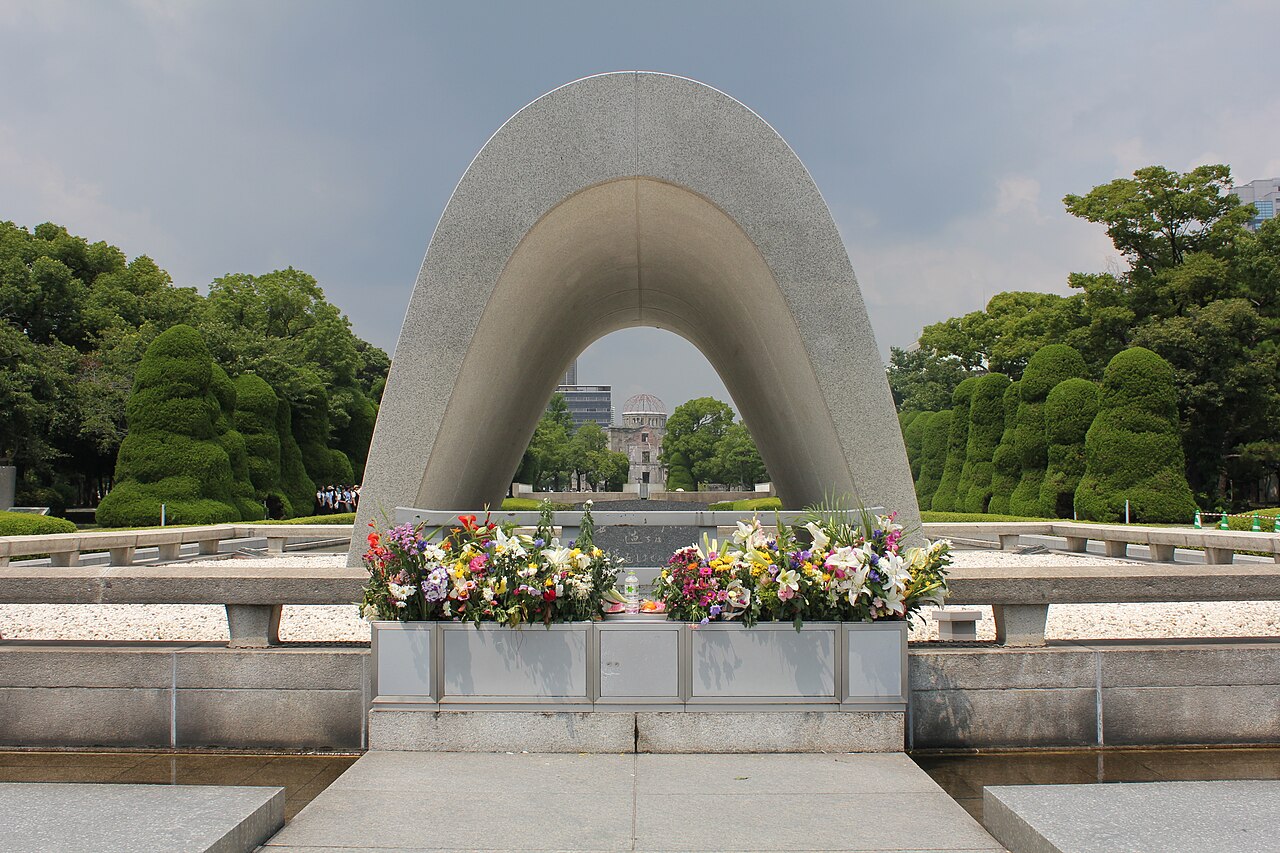
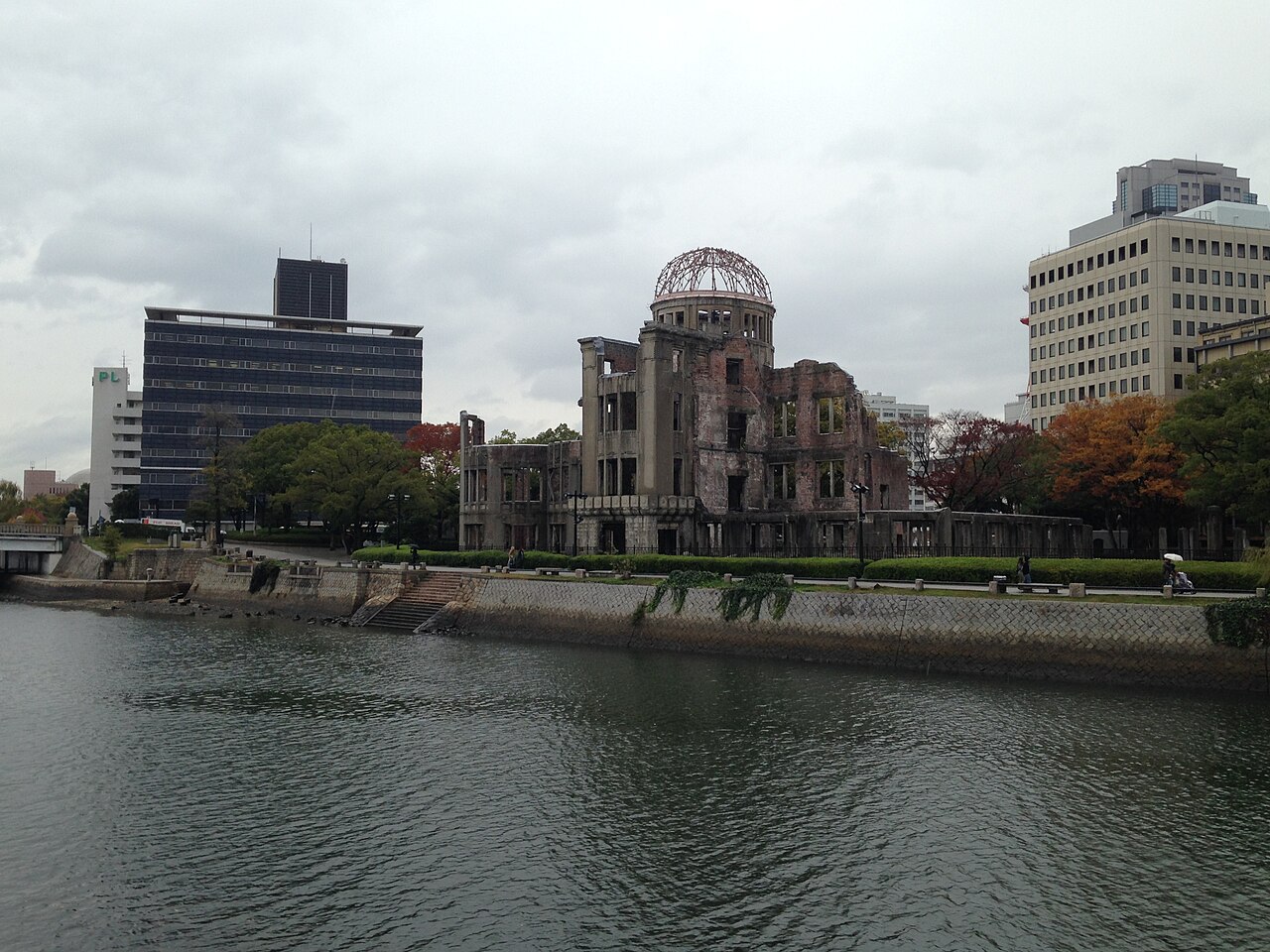
Stand at the Cenotaph and look through it: the Flame of Peace burns in the middle distance, and behind it stands the A-Bomb Dome — the skeletal industrial building directly beneath the hypocentre, kept deliberately ruined as the city's most important witness. Architect Kenzō Tange designed the entire park so that these three elements align in a single sightline. The Dome and the park are open at all hours, free of charge. Coming early in the morning, before tour groups arrive, turns the experience into something genuinely quiet and private. The park also holds the Children's Peace Monument (dedicated to Sadako Sasaki and all child victims), the Peace Bell, and the Memorial Cenotaph listing every known name.
 2
2
Over 80 million people have walked through this museum since it opened in 1955, and most come out without words. The main building, substantially renovated in 2019, presents personal belongings left by victims, handwritten diaries, a scale model of the city at the moment of detonation, and a final room showing Hiroshima as it is today placed alongside photographs from 8 August 1945. The admission fee of ¥200 is one of the lowest of any major memorial museum on earth. The audio guide (¥400 extra) is worth it for the survivor testimonies.
 3
3
If there is one thing you do from Hiroshima, take the ferry to Miyajima. The 16-metre vermilion torii of Itsukushima Shrine, standing in the water of Hiroshima Bay, has been drawing visitors for over a thousand years and is listed as one of Japan's officially designated Three Views (Nihon Sankei). At high tide the gate appears to float; at low tide you can walk to its base and look up. The island also holds tame Sika deer that wander freely, the lively Omotesando market lane, the spectacular Daisho-in temple complex, and the Mt Misen ropeway reaching 535 metres. The Great Torii's multi-year renovation is now fully complete — no scaffolding, full view.
 4
4
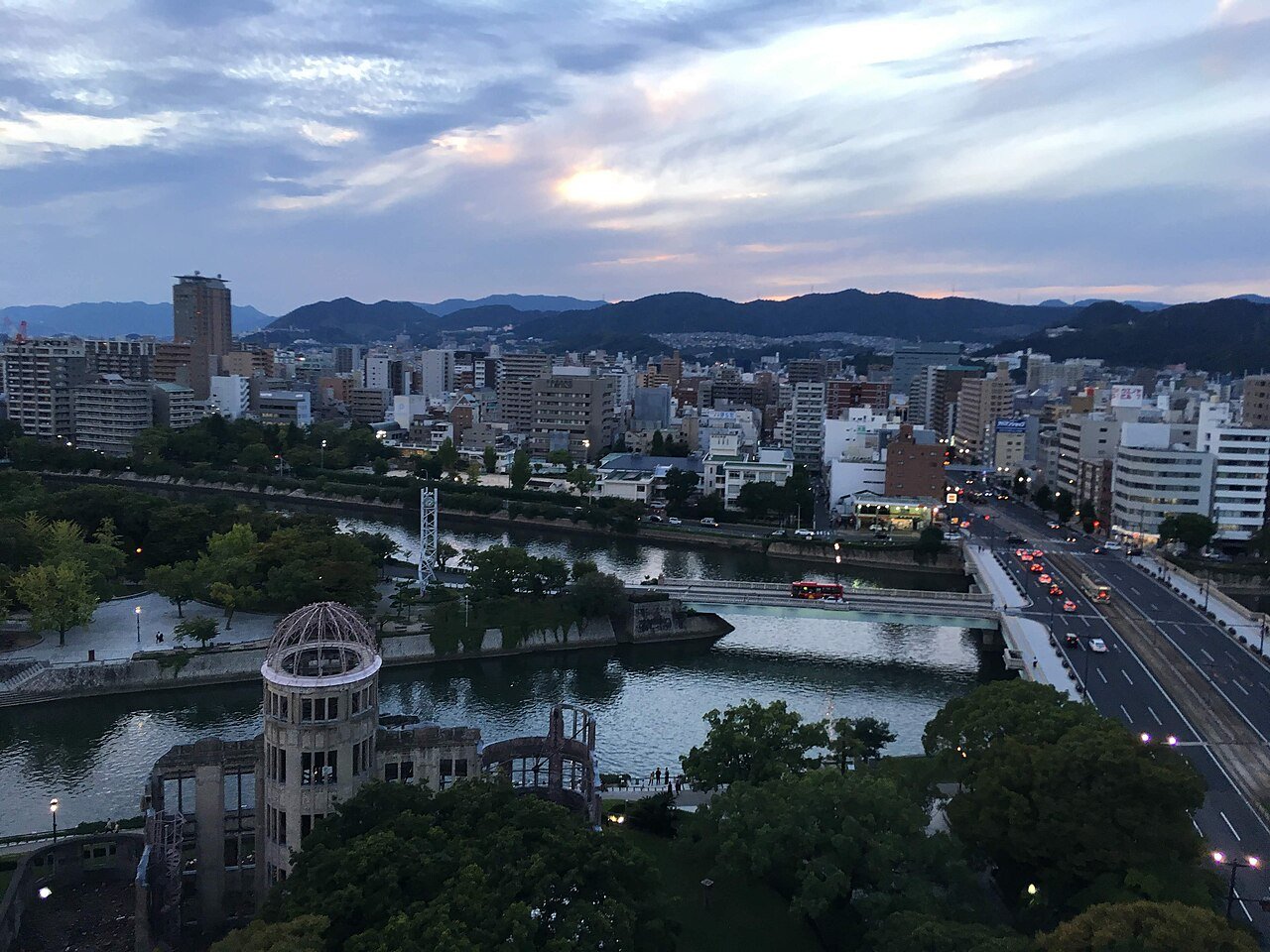
Built in 2016 and positioned directly adjacent to the A-Bomb Dome, Orizuru Tower gives you an unobstructed bird's-eye view of the entire Peace Park, the river bends and — on a clear day — a smudge of green that is Miyajima in the distance. What makes it different from a standard observation deck is the "Orizuru Wall": visitors fold a paper crane (origami sheets provided), then release it down a central glass shaft where cranes from thousands of previous visitors accumulate in layers of colour at the base. It is a quietly moving ritual. The building also has a café, restaurant and a souvenir shop curating Hiroshima-made goods.
 5
5
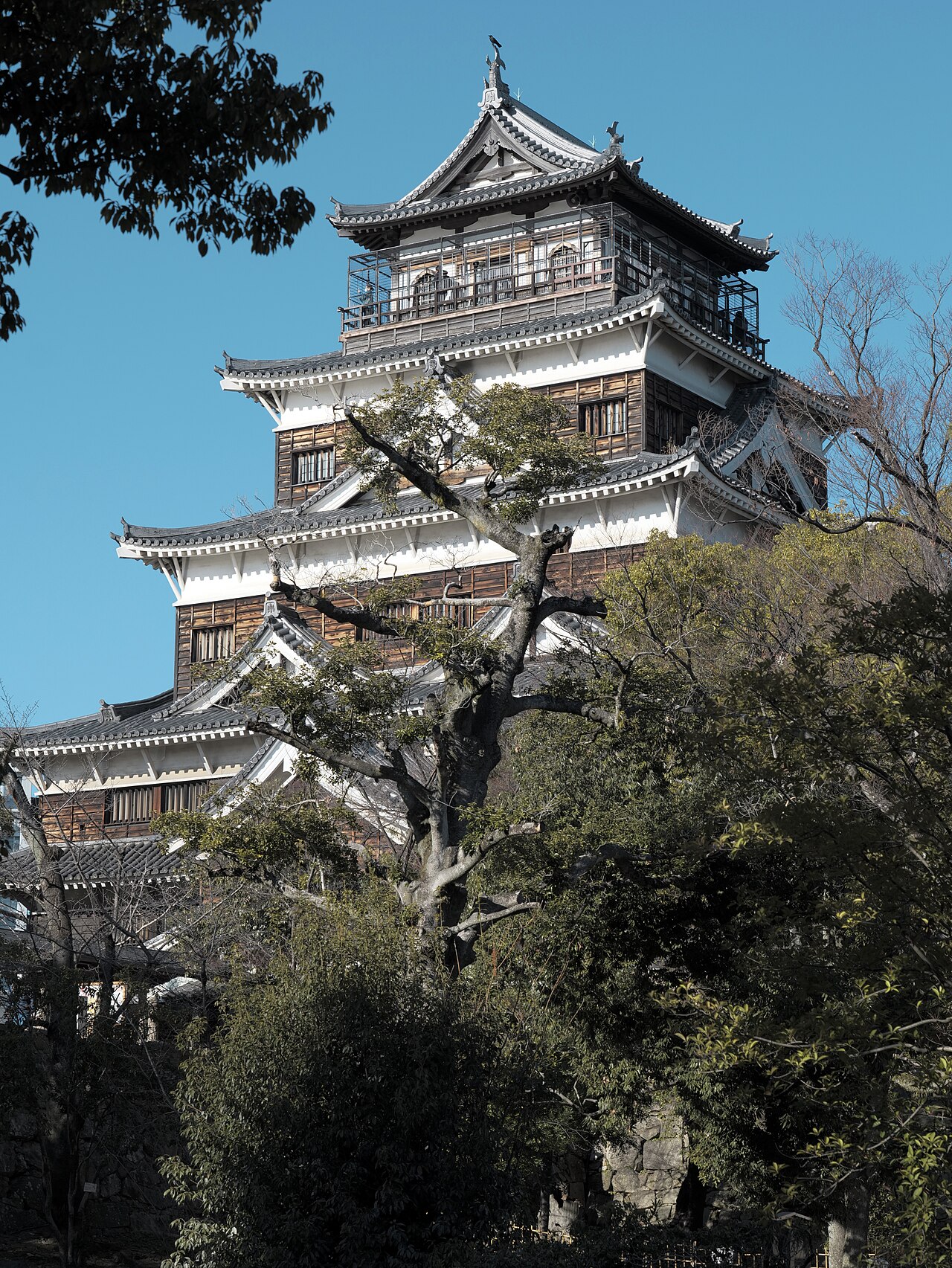
Hiroshima Castle was built in 1589 by warlord Mōri Terumoto and stood just one kilometre from the hypocentre of the atomic bomb. The keep collapsed in the same instant as everything else that morning in August 1945. What stands today was rebuilt by the city in 1958 — less than thirteen years after the bomb — as a deliberate statement of civic recovery. The current keep closed on 22 March 2026 for structural earthquake-safety upgrades and will remain closed while the city weighs a full reconstruction in traditional wood. The Ninomaru garden (open 09:00–18:00), the moat walks and the new Sannomaru precinct — restaurants, café, souvenir shops, archery — remain fully accessible.
Shukkei-en is probably Hiroshima's best-kept secret among international visitors. Designed in 1620 by the celebrated tea master Ueda Soko for feudal lord Asano Nagaakira, the name translates as "landscape drawn together" — the garden compresses hills, inlets, bridges and tea pavilions into a single refined composition. Its pond, maple groves and restored tea house survived the bombing physically close to the hypocentre, and the garden reopened just six years after 1945. In autumn (October–November) the red Japanese maples are as spectacular as anywhere in western Japan, and it is almost never crowded.
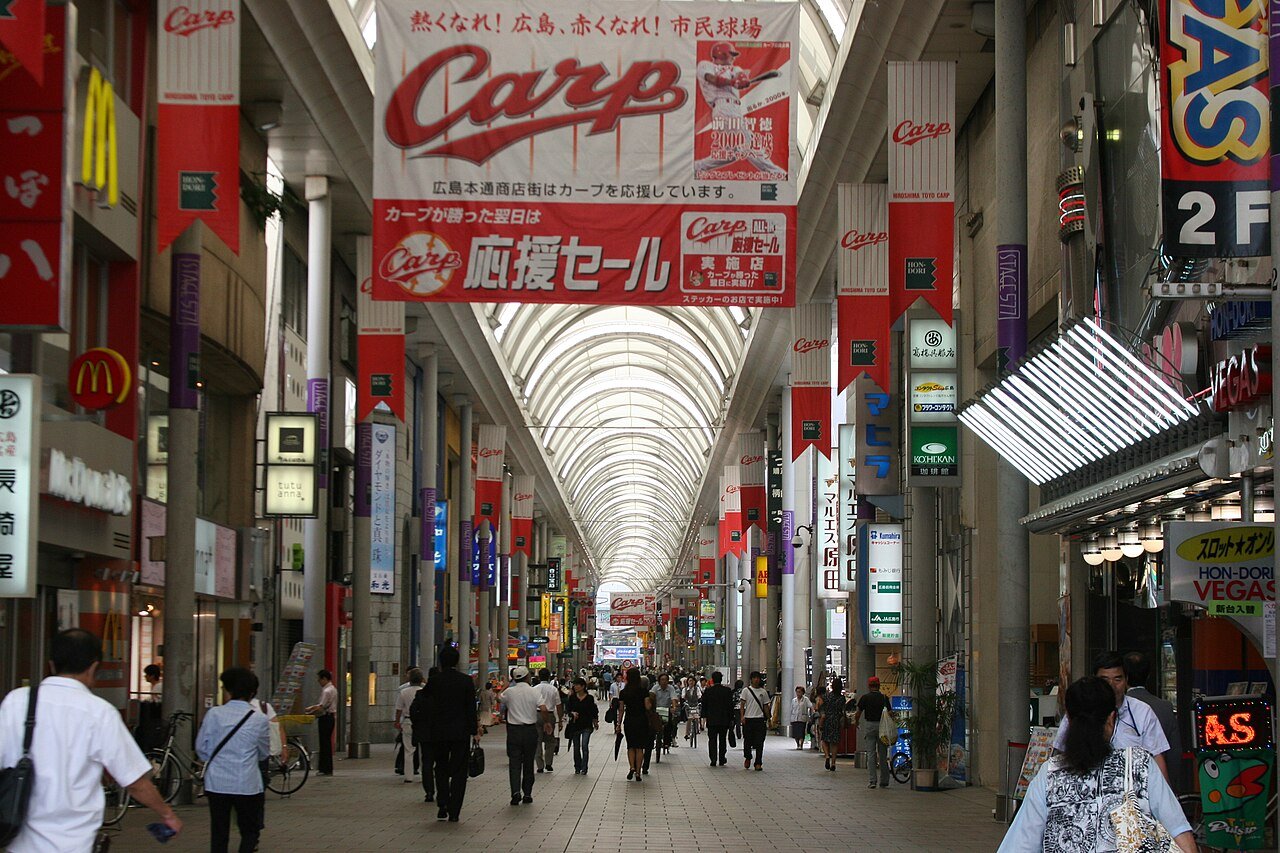
Hondori is where locals actually shop — not a tourist market but a working covered arcade, 577 metres long, running between Kamiyacho and Hatchobori without ever losing its glass roof to the rain. The mix is wide: international fashion, electronics, the large Junkudo bookstore, independent food stalls, and the Pokemon Center Hiroshima for younger visitors. Walk through into the connecting Pacela, Aqua and Sun Mall complexes and you have an entire afternoon of department stores without needing to step outside. The arcade's food alley in the evenings is worth a separate mention — grilled oysters and fresh okonomiyaki are available from multiple counters.
Miyajima is not just a torii gate and a shoreline walk. Above the trees rises Mt Misen, the island's sacred peak at 535 metres, and the two-stage ropeway makes the ascent in about 15 minutes. From the summit platform on a clear day you see the Seto Inland Sea spread in every direction — dozens of islands, ferries threading between them, the Hiroshima coast in the distance. At the top stands Reikado Hall, which has burned an "eternal flame" continuously for 1,200 years since the monk Kukai (Kobo Daishi) lit it. The walking trail down the north slope passes the beautiful Daisho-in temple complex — allow 30–40 minutes on foot.
Mazda was founded in Hiroshima in 1920 and still builds cars here. The museum and factory tour — offered twice daily and free of charge — takes visitors through the brand's history from its first three-wheeled cargo truck to current BEV models, with some tour options including a walk through the actual assembly line where you can watch vehicles being built in real time. It is a well-run operation that appeals well beyond dedicated car enthusiasts: the production line sequences are genuinely fascinating to watch. Advance reservation through the Mazda website is essential as daily group numbers are capped.
Mitaki-dera is the quiet reward for anyone who makes the short trip west of central Hiroshima. The temple dates from the Heian period and sits on a forested hillside reached by stone steps that climb past small waterfalls, moss-covered lanterns and dragon-mouthed water basins. It is peaceful in a way that feels earned — the combination of water sound, deep shade and old red lacquer is hard to find so close to a city centre. The temple grounds include a memorial garden for unidentified war victims, maintained with quiet dignity. In autumn it is one of Hiroshima's finest spots for maple colours and genuinely uncrowded.