9 experiences worth your time
Ordered by what visitors talk about long after they leave
 1
1
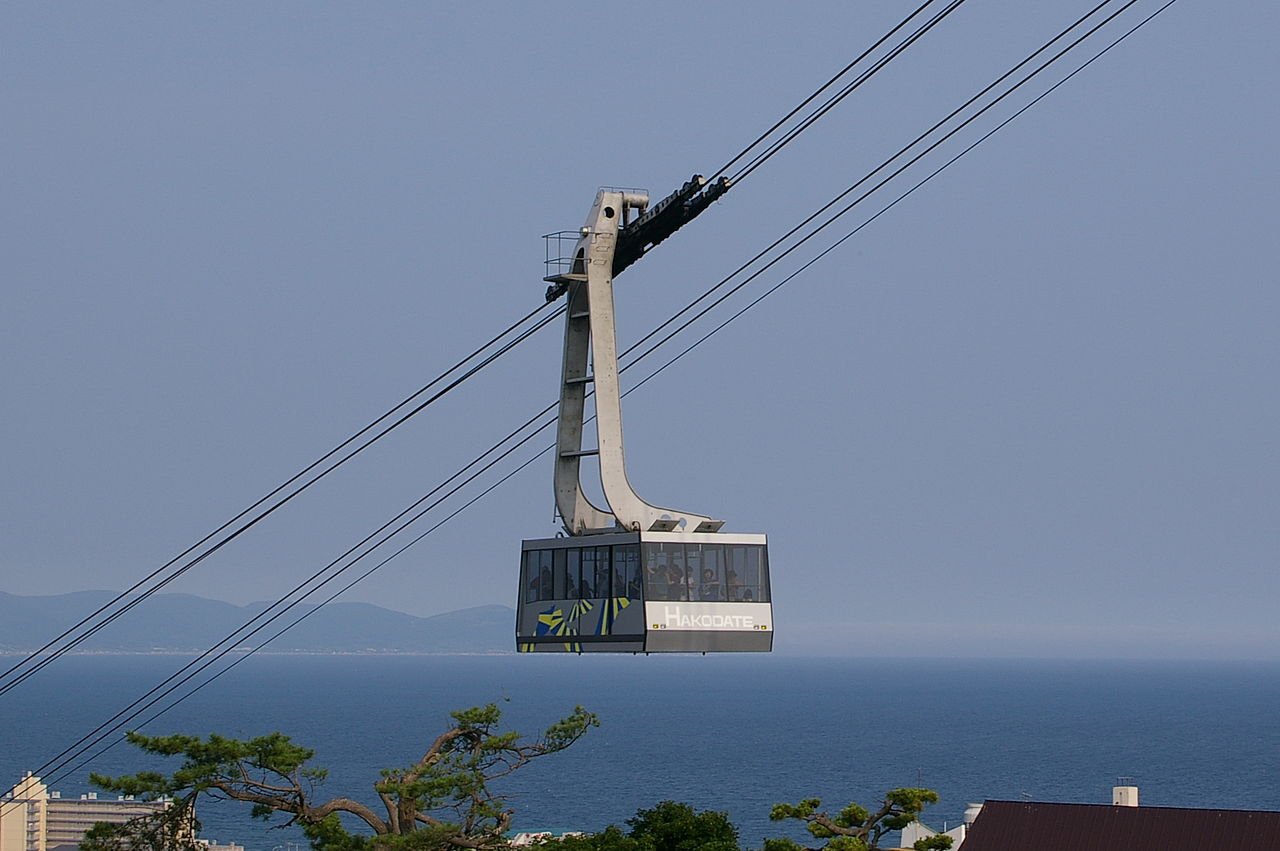
Picture this: you step off the gondola at 334 metres and the city spreads beneath you in a narrow luminous crescent — Hakodate Bay on one side, the Tsugaru Strait on the other, pinched at the waist like an hourglass of light. On a clear winter night you can see the glow of Aomori faintly across the water. This view has held a spot in the "world's three greatest night views" list for decades, alongside Nagoya and Kobe, and the ropeway gondola makes the ascent in three minutes every ten. The open rooftop deck on the summit is cold in winter — bring a layer — but it is the right way to see it.
 2
2
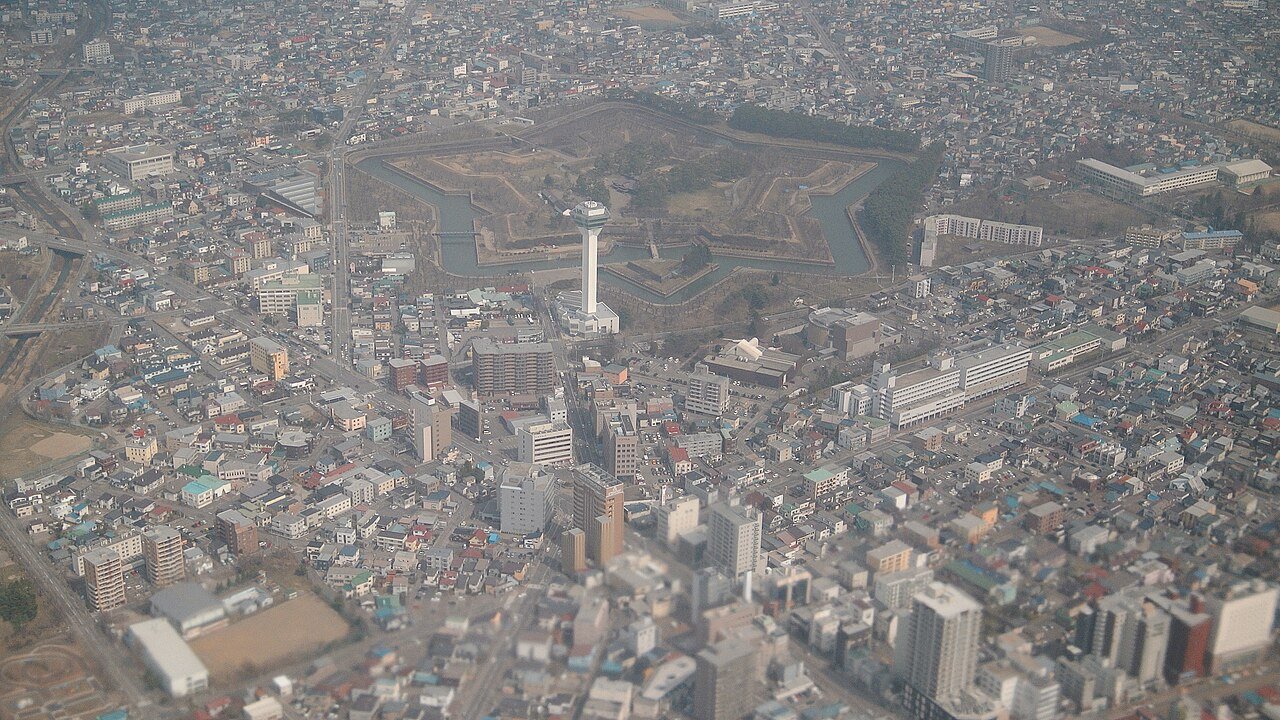
Built in 1864 after the Dutch treatise on European-style fortifications, Goryokaku was the last redoubt of the Tokugawa forces during the 1869 Boshin War — the conflict that ended feudal Japan and cleared the path for the Meiji Restoration. Seen from above, the five-pointed star design and the outer moat are unmistakable. Goryokaku Tower (107 m) gives you that bird's-eye directly; it is genuinely the best vantage. During late April and early May, 1,600 cherry trees inside the fort walls bloom simultaneously — one of Hokkaido's most photographed scenes. The park inside is free and open all day.
 3
3
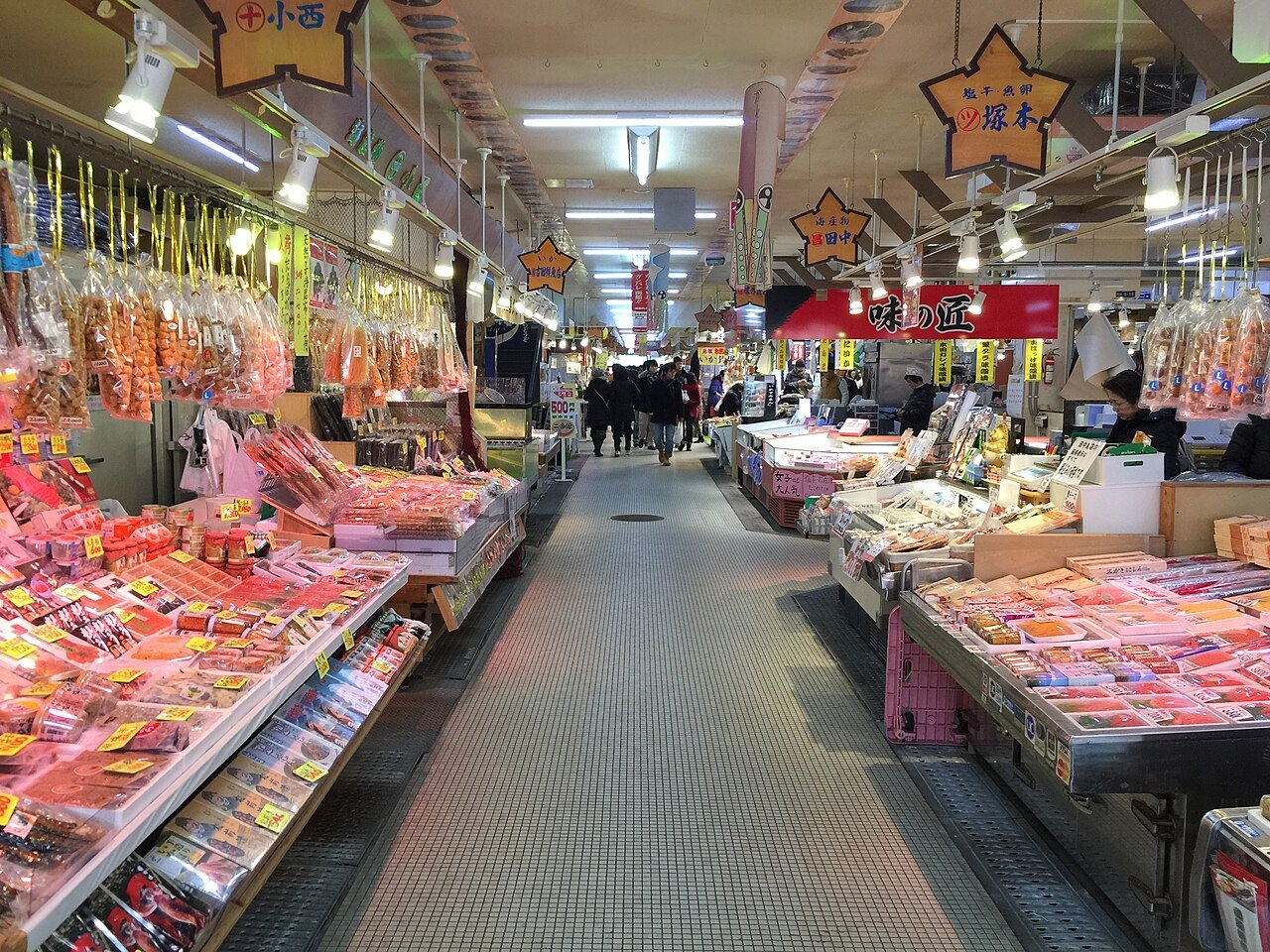
Set an alarm for 05:30 and go — no elaborate plan needed. Hakodate Morning Market is a covered complex of around 250 stalls that comes alive before most of the city has opened its eyes. The specialties are unmistakably Hokkaido: ikura-don (salmon roe over warm rice, the beads fat and bursting), kani-don (snow crab, served cold with ponzu), and fresh squid that was in the sea this morning. Some vendors run a live squid-fishing tank where you pull one out yourself and watch it become sashimi in under five minutes — the activity costs around ¥600 and is exactly as memorable as it sounds.
 4
4
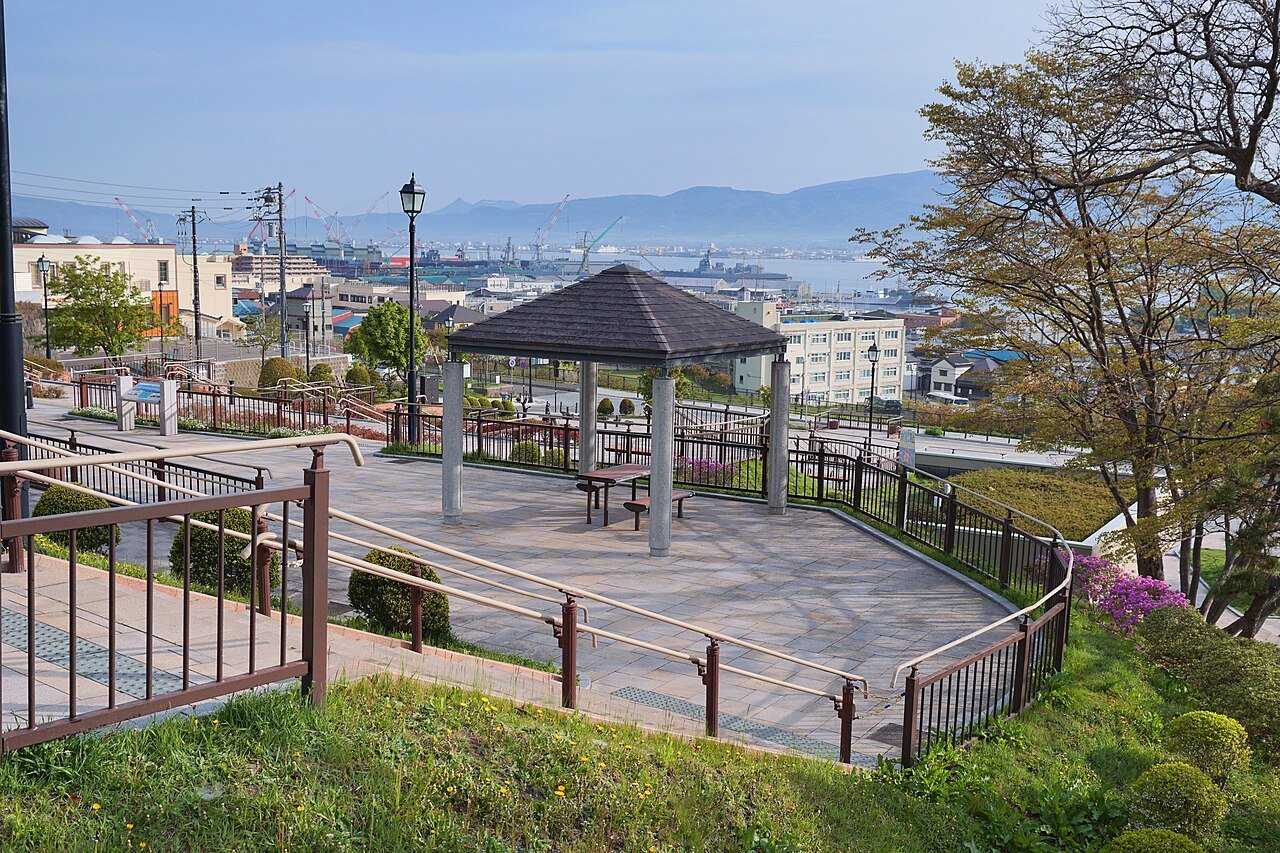
After the 1854 Kanagawa Convention opened Hakodate to foreign ships, the hillside above the harbour became home to diplomats, merchants and missionaries from Russia, Britain, France and China. Their footprint survives remarkably well. Haristosu Church (the Russian Orthodox church, 1916) has a pale green copper dome visible from the bay. The Old British Consulate (1913) now operates as a museum-café with period rooms. The Chinese Memorial Hall tells the story of the Qing-era community. The appeal is not any single building but the layered whole — narrow lanes, morning light through plane trees, the occasional scent of old wood from an open window.
 5
5
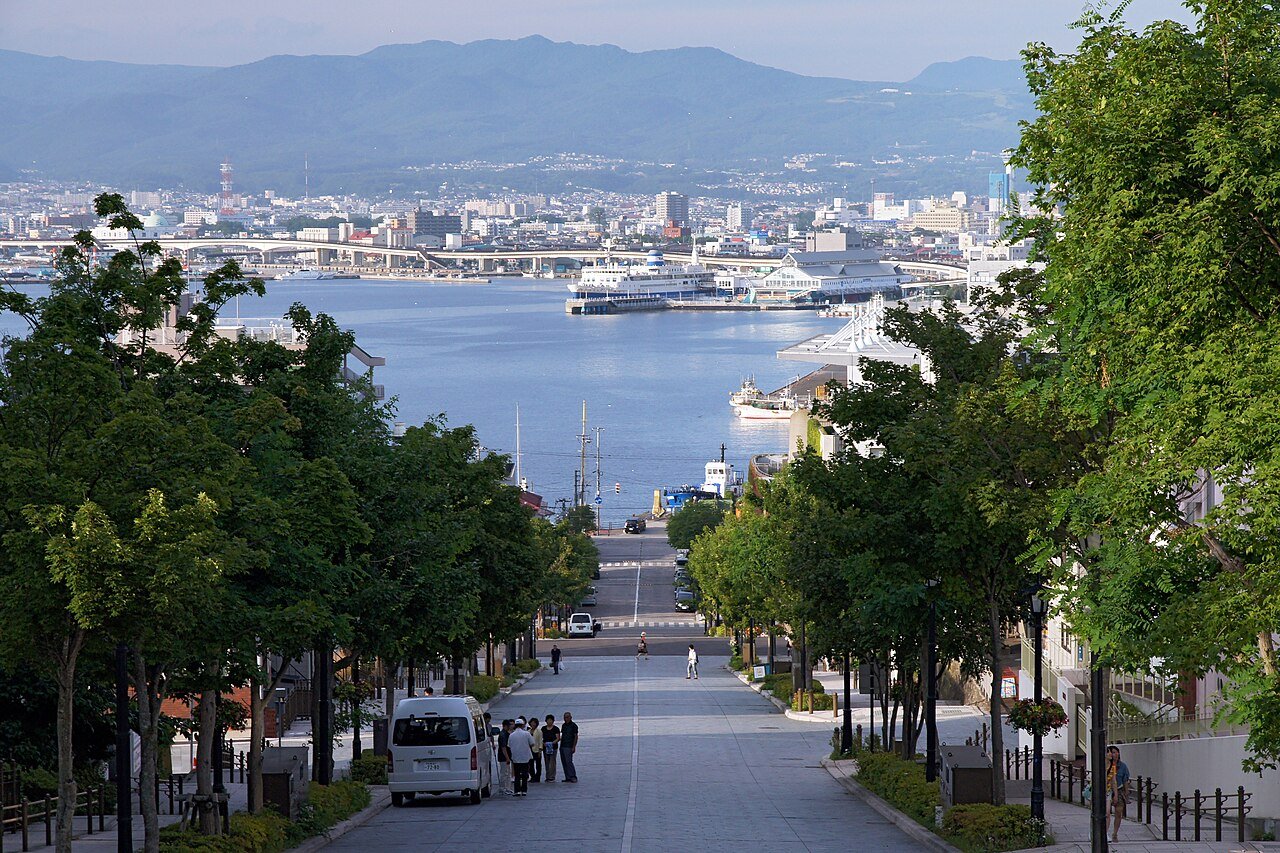
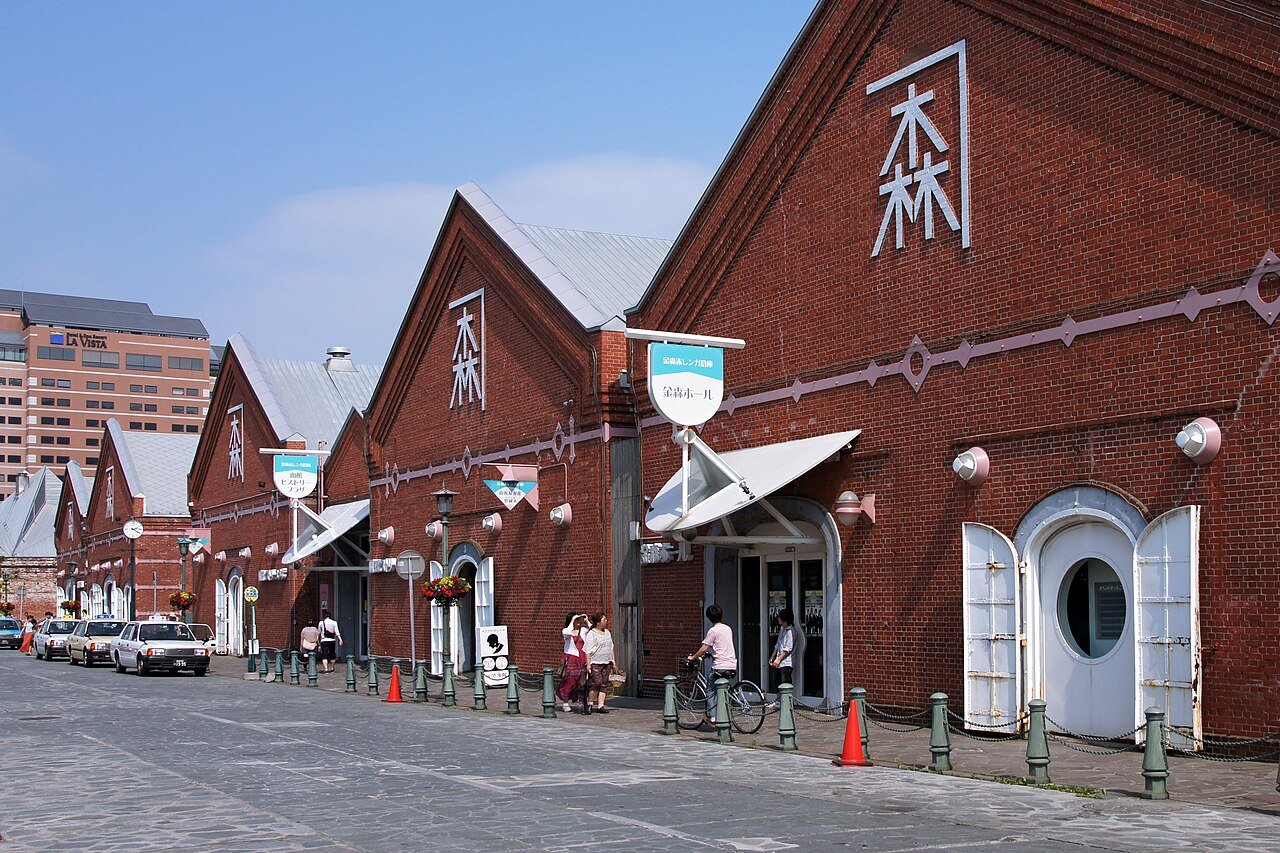
If you have seen a Hakodate photograph — in a travel magazine, a film title card, a cosmetics advertisement — there is a good chance it was shot here. Hachimanzaka runs in a clean straight line from the Motomachi ridge down to the harbour, flanked by tall plane trees whose canopy closes overhead in summer. At the bottom, the red brick of the Kanemori warehouses sits against the bay. The view is exactly as good as the photos suggest. Autumn (October–November) turns the trees amber-gold; winter coats the street in snow and the composition becomes almost theatrical.
 6
6
Built in 1909 as functioning port warehouses, the four linked Kanemori buildings — BAY Hakodate, Kanemori Yobutsukan, Hakodate History Plaza and Kanemori Hall — have been home to shops, restaurants and a microbrewery for several decades now. The interior is worth a slow walk: local craft goods, Hokkaido food products, a music-box shop and a glassworks. The real draw after dark is the Hakodate Beer Hall, where you can sit at a wide harbour-view window and work through four original lager and ale styles brewed on-site. The brick reflects orange in the water outside. It is a good place to end a full day of walking before the ropeway.
 7
7
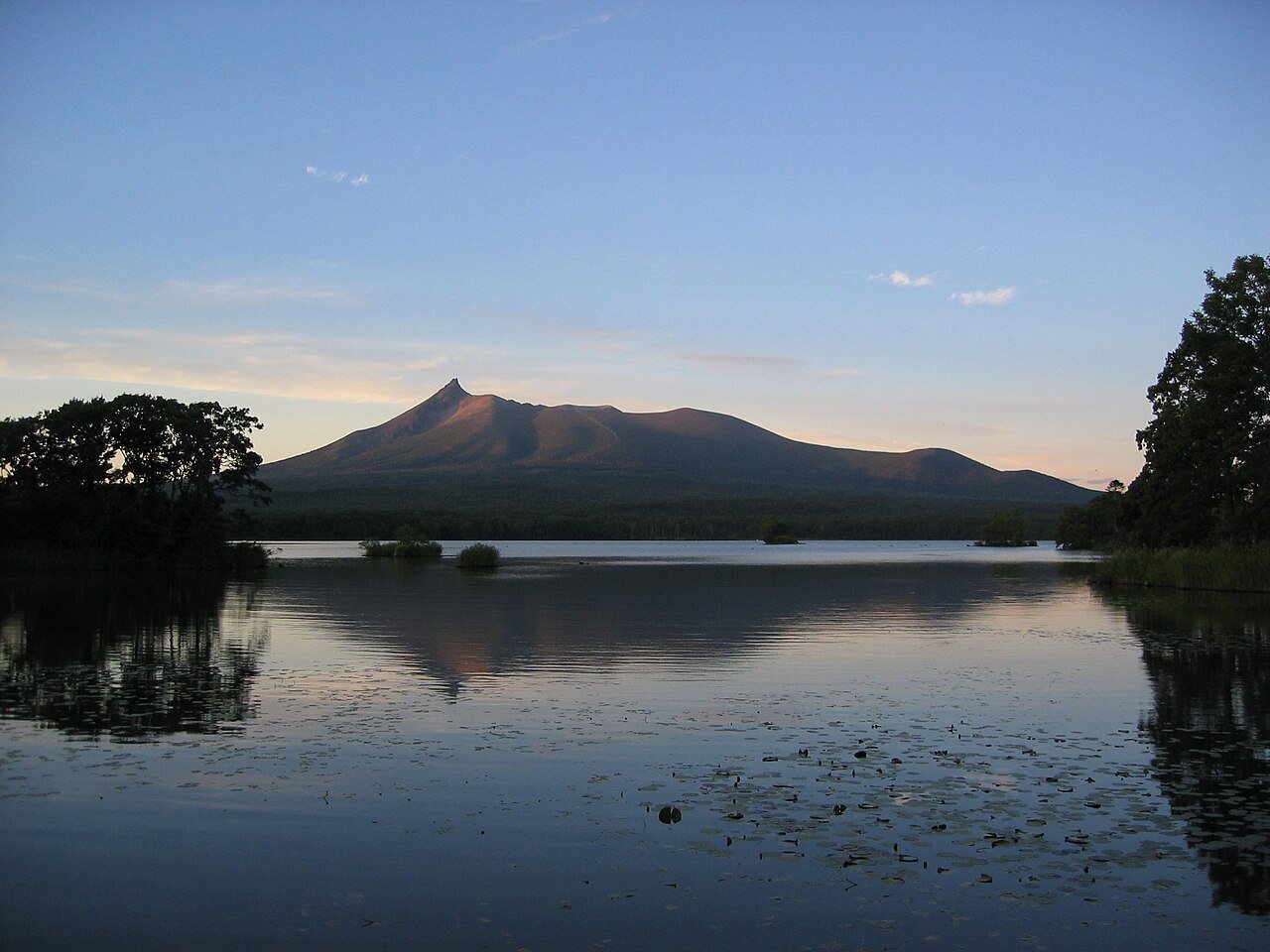
Thirty minutes from Hakodate by express train, Onuma feels like a different world. Two large lakes — Onuma and Konuma — are dotted with more than 100 small wooded islands connected by wooden bridges, all set against the backdrop of Mt Komagatake, an active stratovolcano that last erupted in 2000. On a calm morning the volcano reflects perfectly in the surface. In summer, 30-minute sightseeing boat tours circle the island channels every 40 minutes (¥1,460 per person). Bicycles rent for around ¥600 per hour for the lakeside circuit. In winter, ice fishing and snowmobiling are the draws — though the ice-boat activity only runs when the lake freezes thick enough.
 8
8
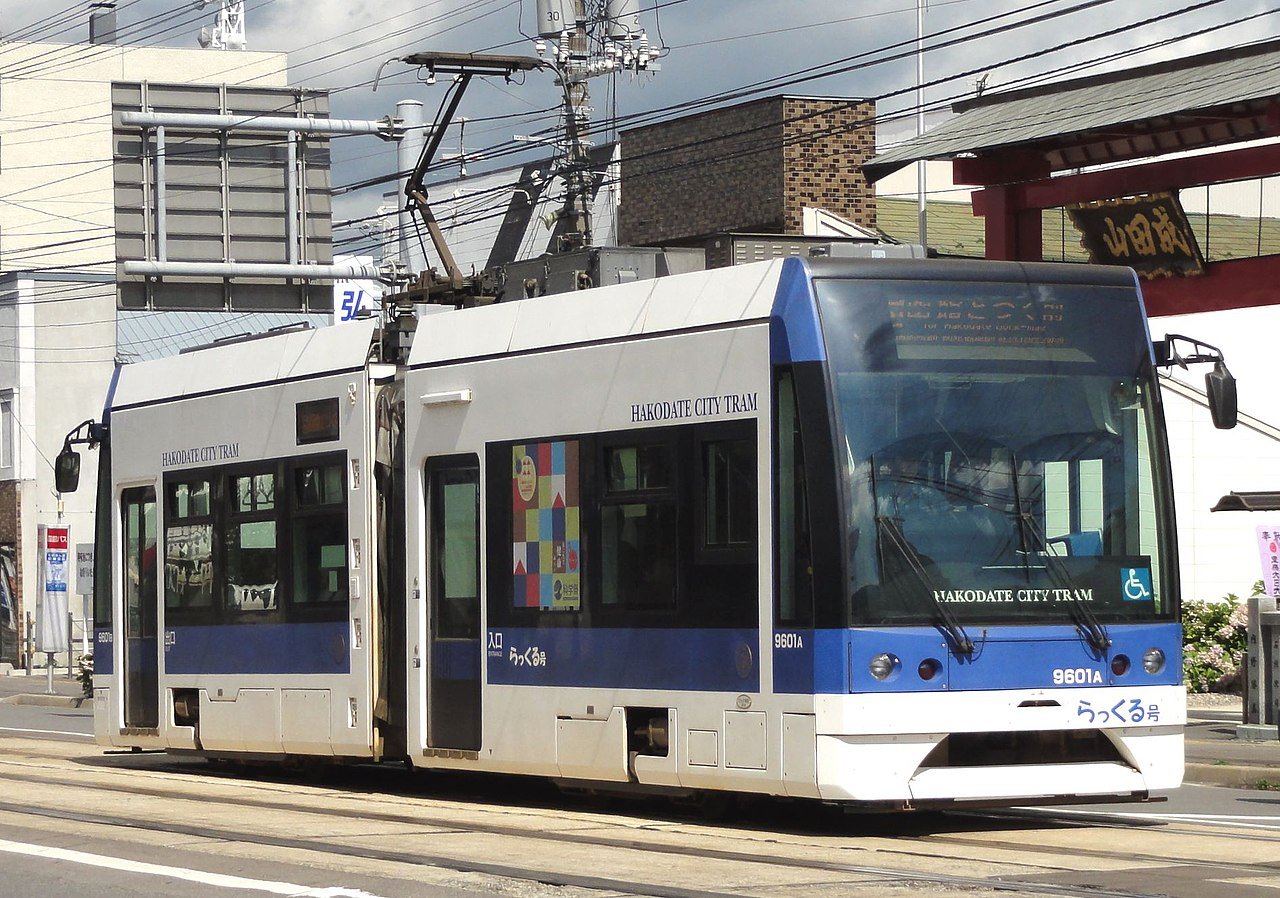
The tram network has been running since 1913, and in a city of Hakodate's scale it remains genuinely the most practical way to move between sights. Lines 2 (red) and 5 (blue) share the same track for most of the route, stopping at JR Hakodate Station, the morning market, Motomachi and the ropeway base, the Kanemori waterfront, Goryokaku Park, and the Yunokawa Onsen resort at the far end. The one-day pass (¥600 adults, ¥300 children) pays off after three rides — most visitors easily double that. The older rolling stock rattles pleasantly. Sitting by the window on a quiet mid-morning tram between Motomachi and Goryokaku is one of those minor travel pleasures worth seeking out.
Yunokawa is where people who live in Hakodate actually come to unwind — not a purpose-built tourist resort but a neighbourhood of ryokan and hotels around a spring with over 350 years of recorded history. The source water is sodium chloride, mildly alkaline and well-suited to the skin. Hotels along the seafront have outdoor baths (rotemburo) where you can soak with the Tsugaru Strait in front of you. If you are not staying overnight, most properties offer a day-use rate (¥600–1,200 per person). A short walk away, the Hakodate City Tropical Botanical Garden houses a small monkey population that uses the outdoor hot spring pools in winter — one of the more surreal and endearing scenes in Hokkaido.