Home Yokohama Japan Kanagawa About
Home  ›  Asia  ›  Japan  ›  Yokohama  ›  Food Guide
Yokohama Food Guide · 2026

What to eat in Yokohama
6 dishes a port city gave the world

Yokohama opened its harbour in 1859 and its food has never been the same since. A thick tonkotsu-shoyu ramen born in a converted truck depot. A shumai dumpling engineered to taste better cold. A beef hotpot that broke 1,200 years of Buddhist dietary law. Here is where to start eating.

Why eat here

A kitchen shaped by the harbour

Picture a quiet fishing village that in 1859 had to absorb an entire fleet of foreign ships — that is the origin story of Yokohama, and it explains why eating here feels unlike anywhere else in Japan. Chinese cooks arrived and planted what is now Japan's oldest and largest Chinatown. Hotel chefs adapted American rations into Spaghetti Napolitan, which then spread across the entire country. A ramen shop owner in a converted truck garage invented iekei ramen — a style so intensely satisfying that it has spawned over 1,000 imitators nationwide.

Meanwhile, Yokohama invented things that belong to no other city. Kiyoken shumai, made with dried scallop powder mixed into the pork filling, was specifically engineered to taste good cold — because workers wanted to carry it home on the train. Gyunabe, beef simmered in miso in a cast-iron pan, was the first mainstream beef dish served to Japanese people who had not eaten meat for over a thousand years. We chose six dishes that tell the full story of this port city on a plate.

Essential dishes

6 dishes to eat before you leave Yokohama

Ranked by distinctiveness — dishes that exist because of Yokohama, not merely in it.
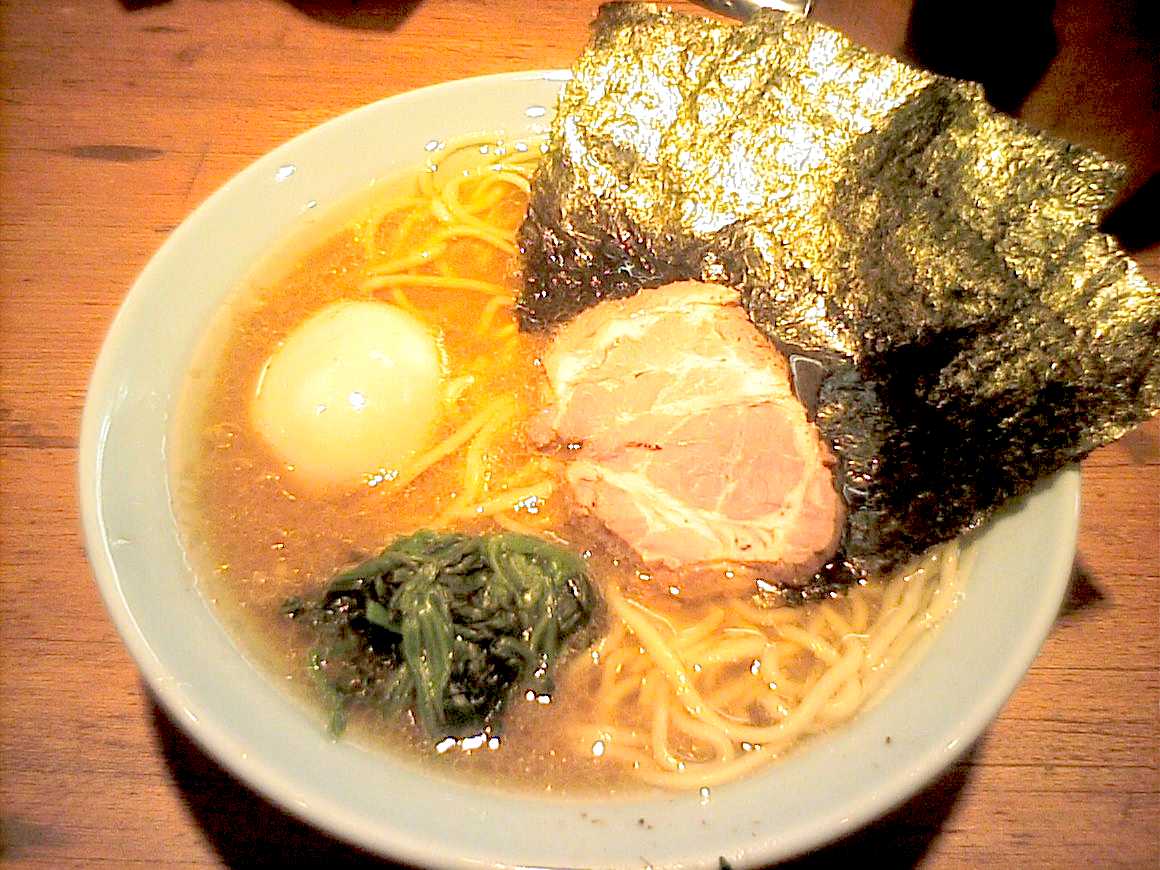
Yokohama iekei ramen in a wide bowl — rich orange tonkotsu-shoyu broth, two thick slices of chashu pork, sheets of nori, a soy-marinated egg and a mound of blanched spinach 1
Yokohama Iekei Ramen (家系ラーメン)
TONKOTSU-SHOYU · BORN IN YOKOHAMA 1974

There is a reason people queue 45 minutes outside Yoshimuraya on a Tuesday lunchtime. Iekei ramen is not simply pork-bone broth — it is pork-bone broth reduced to a thick, opaque richness and then seasoned with soy sauce until the flavour sits somewhere between the fat sweetness of Fukuoka tonkotsu and the savoury depth of Tokyo shoyu. The noodles are thick, straight and springy, not the thin wavy type. Chashu pork comes sliced generously, not stingily. Nori sheets are planted upright so you can drag them through the broth. And the quantity of spinach, firmness of noodles and richness of broth can all be adjusted to order — at Yoshimuraya, the staff will ask you three times before they cook your bowl.
Where: Yoshimuraya (吉村家) · 10-min walk south of Yokohama Station, Exit 5 Joinus side · originator since 1974
Price: ¥900–1,200 per bowl (rice ¥100–200 extra)
Tip: Arrive before 11 am opening or between 1–4 pm to avoid a 45–90 min wait at peak hours
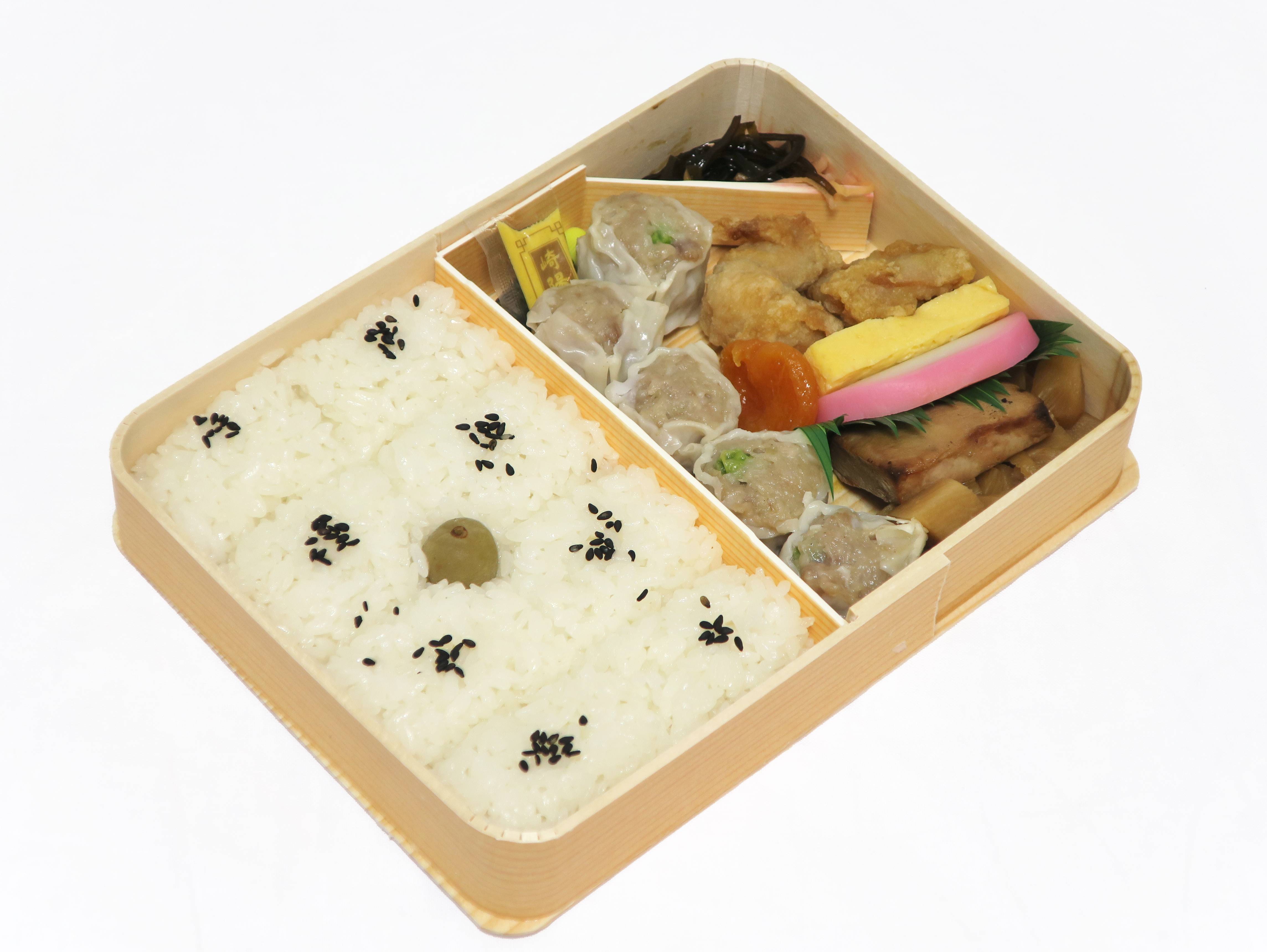
Kiyoken Shumai Bento in a pale wooden masu box — rice with black sesame on the left, shumai dumplings, fried chicken, tamagoyaki and side dishes on the right 2
Kiyoken Shumai Bento (崎陽軒シウマイ弁当)
PORK AND DRIED SCALLOP SHUMAI · SINCE 1928

Most foods are designed to be eaten hot. Kiyoken shumai was specifically designed to be eaten cold — and it is a revelation. Since 1928, Kiyoken has mixed dried scallop powder (hotate) into coarsely ground pork, which gives each dumpling a faint, clean ocean sweetness that is impossible to replicate without it. The skin firms up rather than turning rubbery as it cools, and the filling tightens into a satisfying, dense chew that carries the soy-based sauce in every bite. The bento box itself is made from fragrant sugi cedar that wicks away excess moisture so the rice stays perfect for hours. If you see someone on a Shinkansen carrying a pale wooden box south from Yokohama, they almost certainly bought it from Kiyoken.

Where to buy: Kiyoken at Yokohama Station (Sogo, Porta), Shin-Yokohama Station, platform kiosks
Price: Bento box ¥950–1,100 · fresh hot shumai 6 pcs ¥380–550
Tip: The bento is best cold, eaten within 4–6 hours. Do not microwave it — the texture is the whole point.
🍲 3
Gyunabe (牛鍋)
BEEF AND MISO HOTPOT · OTA NAWANOREN SINCE 1868

In 1868 — just nine years after Yokohama's port opened — Otokichi Takahashi opened a restaurant near what is now Hinodecho and began serving beef simmered in miso paste in a cast-iron pan. This was a genuinely radical act: Buddhist dietary law had banned meat-eating in Japan for over 1,200 years, and ordinary Japanese people were deeply wary of eating beef. Yokohama's port workers, who had watched foreign sailors eat it daily, were the first to adopt gyunabe with enthusiasm. Today Ota Nawanoren still operates from the same neighbourhood, still using the same essential recipe — thick Wagyu beef, miso or soy sauce, sugar, and the iron pan that conducted the heat so differently from a ceramic pot. It remains one of the most historically significant meals you can eat in Japan.

Where: Ota Nawanoren (太田なわのれん · near Hinodecho Station) · Janomeya (Isezakicho) · Araiya (Bankokubashi)
Price: Lunch ¥4,000–6,000 / person · Dinner ¥8,000–15,000 / person (A5 Wagyu)
Tip: Reserve for dinner; lunch walk-ins are more feasible. Ota Nawanoren holds the most original recipe.
🍝 4
Spaghetti Napolitan (ナポリタン)
HOTEL NEW GRAND ORIGINAL · INVENTED 1945

In 1945, American occupation forces commandeered Hotel New Grand as General MacArthur's headquarters. A staff officer asked Chef Irie Shigetada to prepare pasta. Irie had no cream sauce, but he had tomatoes, ham, onions, bell peppers and mushrooms. He sautéed them together, tossed in spaghetti, and topped the plate with grated cheese. The American officers loved it. The dish spread across Japan in a ketchup-based adaptation that became so ubiquitous that many Japanese people assume Napolitan is Italian. It is not — it was invented in this building, in this city, in these particular post-war circumstances. Hotel New Grand still serves Chef Irie's original tomato-sauce version at The Cafe on the ground floor of the historic Main Building. It is not fancy. It is honest, rich and improbably moving to eat in the room where history happened.

Where: The Cafe, ground floor, Hotel New Grand Main Building · Yamashita Park waterfront
Price: ¥2,200–2,600 (lunch set)
Tip: No reservation needed for lunch. Arrive before noon on weekends to avoid a short wait.
🍜 5
Sanmamen (三馬麺)
CLEAR BROTH RAMEN WITH STIR-FRIED VEGETABLES · GYOKUSENTEI SINCE 1918

If iekei is the heavy end of Yokohama ramen, sanmamen is its counterpoint — a bowl of clean soy-broth noodles buried under a mountain of just-wok'd vegetables and pork that arrives still crackling with heat and steam. The idea came directly from Chinatown: take the Japanese habit of clear noodle soup, place a Chinese-style stir-fry on top, and let the hot vegetables slowly season the broth as you eat down through the pile. Gyokusentei, founded in 1918, did this first and most consistently. The Isezakicho main store is three generations old and looks it — exactly as it should.
Where: Gyokusentei (玉泉亭) Isezakicho main store or Yokohama Porta branch
Price: ¥850–1,100 per bowl
Tip: Eat immediately — the stir-fried vegetables on top soften fast, and the crunch is everything
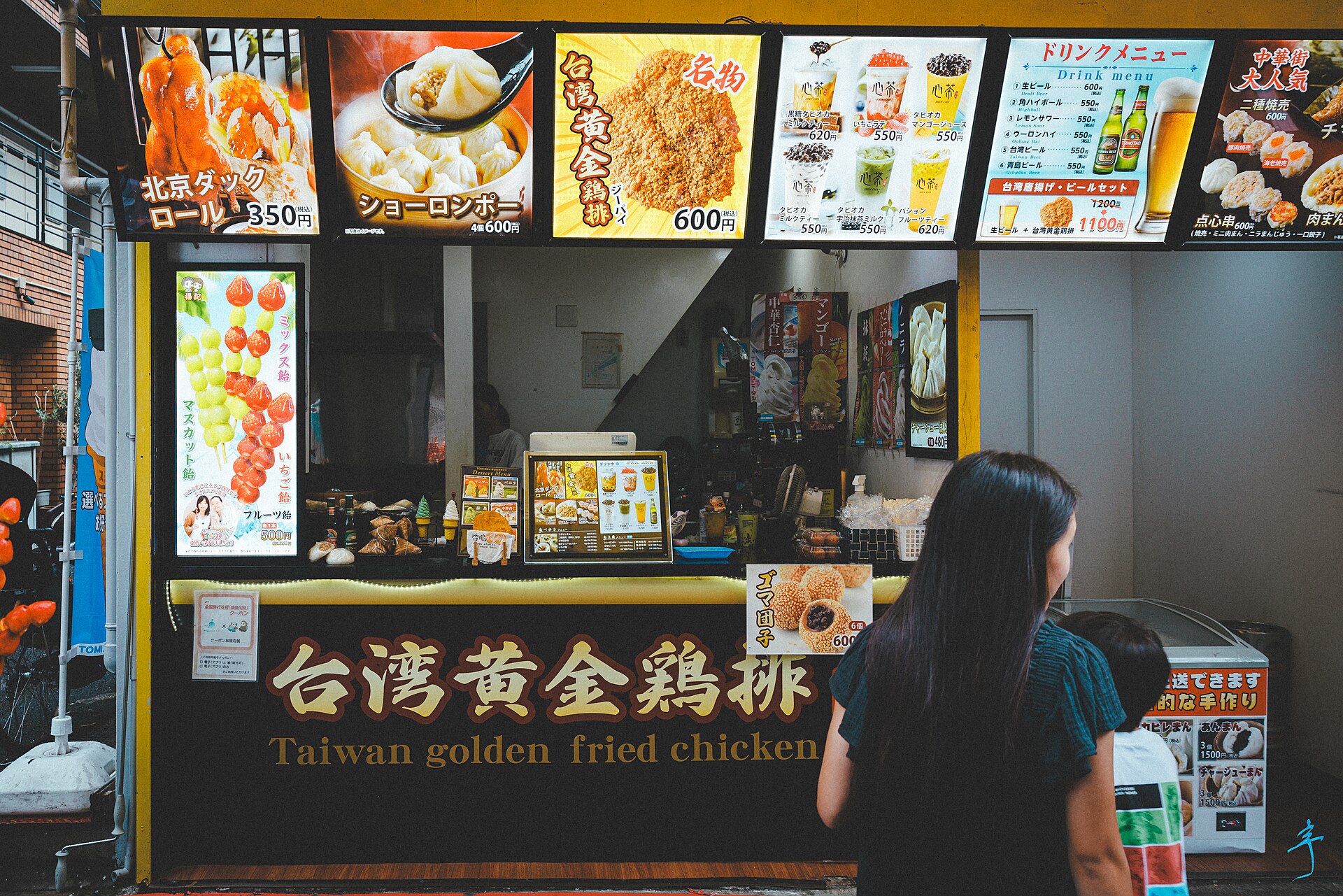
A street-food stall in Yokohama Chinatown — red and gold Chinese signage, menu board showing steamed buns, Taiwan golden fried chicken and drinks at 350–600 yen 6
Chinatown Street Food (中華街)
JAPAN'S LARGEST CHINATOWN · 600+ RESTAURANTS SINCE 1863

Yokohama Chinatown is not a theme park — it is a neighbourhood that has been continuously inhabited and worked since 1863, and the food reflects real Cantonese, Shanghainese and Fujianese cooking adapted and sharpened over 160 years. The best way in is not to sit down at a restaurant but to walk and buy from the stalls. Nikuman (steamed pork buns) from Roshukai are the standard against which all others in the city are measured — the skin is thin and slightly sweet, the filling is dense with pork and mushroom. Fried shumai arrive in paper boats, crackling hot, with a pot of chilli oil on the side. Sesame balls (age goma dango) are best bought from a vendor midway through the main street when your appetite is still keen. The whole walk takes about 45 minutes if you stop to eat at every stall that looks right.

Getting there: Minatomirai Line to Motomachi-Chukagai Station, Gate 2, 2-min walk
Best nikuman: Roshukai (老祥記 · Yamashita-cho) · open 10 am–7 pm, expect a short queue
Best time: 3–6 pm weekdays — stalls fully open, crowds smaller than weekend lunch
How to eat it all

A one-day eating itinerary for Yokohama

Six dishes, one day, a route that moves from the waterfront to Chinatown and back

08:00
Breakfast — Kiyoken Shumai Bento at the waterfront Buy a Kiyoken bento box at Yokohama Station (¥950–1,100) and eat it on a bench in Yamashita Park watching the harbour wake up. Cold shumai, cedar-scented rice and container ships — this is Yokohama at its most itself.
10:00
Late morning — Hotel New Grand, The Cafe Walk along the waterfront to Hotel New Grand. Order Spaghetti Napolitan (¥2,200–2,600) in the ground-floor cafe before the lunch crowd arrives. The building is beautiful and the story behind the dish is worth knowing.
13:00
Early afternoon — Chinatown street walk A 10-minute walk from Hotel New Grand brings you to the Chinatown gates. Buy nikuman from Roshukai (¥350–400), sesame balls (¥200), and one portion of Taiwan fried chicken (¥500). Eat on the move — this stretch is designed to be grazed.
15:30
Mid-afternoon — Sanmamen at Gyokusentei Head to Isezakicho for a bowl of sanmamen at Gyokusentei (¥850–1,100). Order early afternoon to beat the dinner queue. Eat it immediately — the vegetables lose their crunch quickly.
18:30
Dinner — Iekei Ramen at Yoshimuraya Walk to Yoshimuraya (10 min from Yokohama Station). Arrive before 6:30 pm to avoid the worst of the dinner queue. Order your noodle firmness (futsuu is standard), broth richness and spinach volume. One bowl (¥900–1,200) plus a rice set finishes the day properly.
Where to stay

Hotels in Yokohama for food-focused visitors

Close to the eating districts — from the historic waterfront to Minato Mirai

1
InterContinental Yokohama Grand
Five-star · Minato Mirai waterfront · within walking distance of Chinatown

Positioned along the Rinko Park waterfront, the InterContinental gives direct access to Yamashita Park on foot (10 minutes) and Chinatown (15 minutes). The hotel's Japanese restaurant serves teppanyaki and sushi, and the harbour views from upper floors at night are one of Yokohama's best free spectacles.

Access: Near Minatomirai Station (Minatomirai Line)
2
Hotel New Grand
Historic landmark · open since 1927 · birthplace of Napolitan spaghetti

Staying here means walking downstairs for breakfast and eating in the room where MacArthur's staff once ate Napolitan. The Main Building (1927) has been designated a cultural property and the rooms retain period character without being uncomfortable. Yamashita Park is on the doorstep and Chinatown is 10 minutes on foot.

Access: Adjacent to Yamashita Park · 10-min walk from Motomachi-Chukagai Station
3
Yokohama Royal Park Hotel
Floors 52–67 of Landmark Tower · 270-degree city and harbour views

For the view alone, Yokohama Royal Park Hotel is hard to argue against. On a clear day Mt Fuji appears above the city to the west. The rooftop restaurant on the 68th floor serves French-Japanese cuisine alongside the same panorama. Location inside Landmark Tower means everything in Minato Mirai is accessible without crossing a road.

Access: Inside Landmark Tower · Minatomirai Station (Minatomirai Line) connected underground
Frequently asked questions

FAQ · Questions we hear before every food walk

How long is the queue at Yoshimuraya for iekei ramen?
On weekdays expect 30–45 minutes at the lunch and dinner peak. Weekends can stretch to 60–90 minutes. The easiest solution is to arrive just before opening (11 am) or between 1 and 4 pm, when the midday crowd clears. Yoshimuraya is roughly a 10-minute walk south of Yokohama Station, Exit 5 on the Joinus side. If the wait is too long, there are over 130 iekei-style shops across Yokohama and Kanagawa that serve a comparable bowl.
Where can I buy Kiyoken shumai in Yokohama?
Kiyoken has counters inside Yokohama Station (Sogo department store, Porta underground mall) and at Shin-Yokohama Station. For fresh hot shumai, buy from a station counter. For the ekiben bento box, pick one up at a Kiyoken platform kiosk before boarding your train. The bento costs ¥950–1,100; six fresh shumai cost ¥380–550. The wooden masu cedar box wicks away moisture and is part of the experience — do not microwave it.
How is gyunabe different from sukiyaki?
Gyunabe is the older dish. Beef is simmered directly in miso paste or soy sauce and sugar in a cast-iron pan without any dry-caramelising of sugar — the technique that defines modern sukiyaki. The resulting broth is denser and more intensely savoury. Ota Nawanoren (est. 1868, near Hinodecho Station) holds the most faithful original recipe and uses A5-ranked wagyu. Budget ¥4,000–6,000 per person for lunch and ¥8,000–15,000 for dinner; reservations are recommended for dinner.
Is the original Napolitan spaghetti still served at Hotel New Grand, and do I need a reservation?
Yes — Hotel New Grand still serves Chef Irie's 1945 recipe at The Cafe on the ground floor of the historic Main Building. No reservation is needed for lunch. The Napolitan costs ¥2,200–2,600 and comes with beef, ham, bell pepper, mushrooms, a rich tomato sauce and grated cheese. The hotel sits directly on Yamashita Park, making it easy to combine with a walk to Chinatown or Osanbashi Pier.
What are the best street foods in Yokohama Chinatown, and when should I go?
Top picks from the stalls: nikuman (steamed pork buns) from Roshukai — ¥300–400 each, the neighbourhood benchmark; fried shumai ¥500–600 per plate; sesame balls age goma dango ¥200–300; crispy Taiwan golden fried chicken ¥400–600. Most stalls open from 10 am. The best time is 3–6 pm on weekdays — all stalls open, crowds manageable. Take the Minatomirai Line to Motomachi-Chukagai Station, Gate 2, and walk two minutes.