Home Sapporo Japan Sapporo Hotels About
Home  ›  Japan  ›  Sapporo  ›  3-Day Itinerary
🗓️ Sapporo Itinerary · 3 Days, 2 Nights · 2026

3 Days in Sapporo
The City, the Food, and a Night View You Won't Forget

From a park that runs straight through the heart of the city on morning one, to the Otaru canal where gas lamps reflect on the water on afternoon two, to a Genghis Khan grill steaming on evening three — this plan is built to give you the city, the coast and one of Japan's top night views in a single trip.

Why 3 Days

A City with Layers Worth Peeling Back

Plenty of travellers rush through Hokkaido and leave feeling they only walked past Sapporo rather than meeting it. The truth is, Sapporo doesn't reveal itself in half a day. The downtown is laid out on an American-style grid that makes it remarkably walkable, anchored by Odori Park cutting straight across the centre, the neo-baroque Red Brick Office from 1888, and a night view from Mt. Moiwa that ranks among the three finest in all of Japan.

This 3-day plan is designed for first-time visitors who have never been. Day 1 covers the downtown and ends on the night view; Day 2 takes you out to Otaru, the canal-and-glassworks town just 30–45 minutes away by JR; Day 3 lets you choose between the Beer Museum, chocolate or a shrine by season, finishing with souvenir shopping before the airport. Every day moves by subway and JR — no rental car, no worrying about snowy roads.

Want a longer trip? See our day trips from Sapporo, which add Furano, Biei and the Noboribetsu hot springs.

Day One

Downtown and the Mt. Moiwa Night View

A park through the city centre · red brick and a clock tower · miso ramen in an alley · a day that closes with the whole city lit up from a mountaintop
01
Day 1
Odori · Red Brick · Susukino · Mt. Moiwa
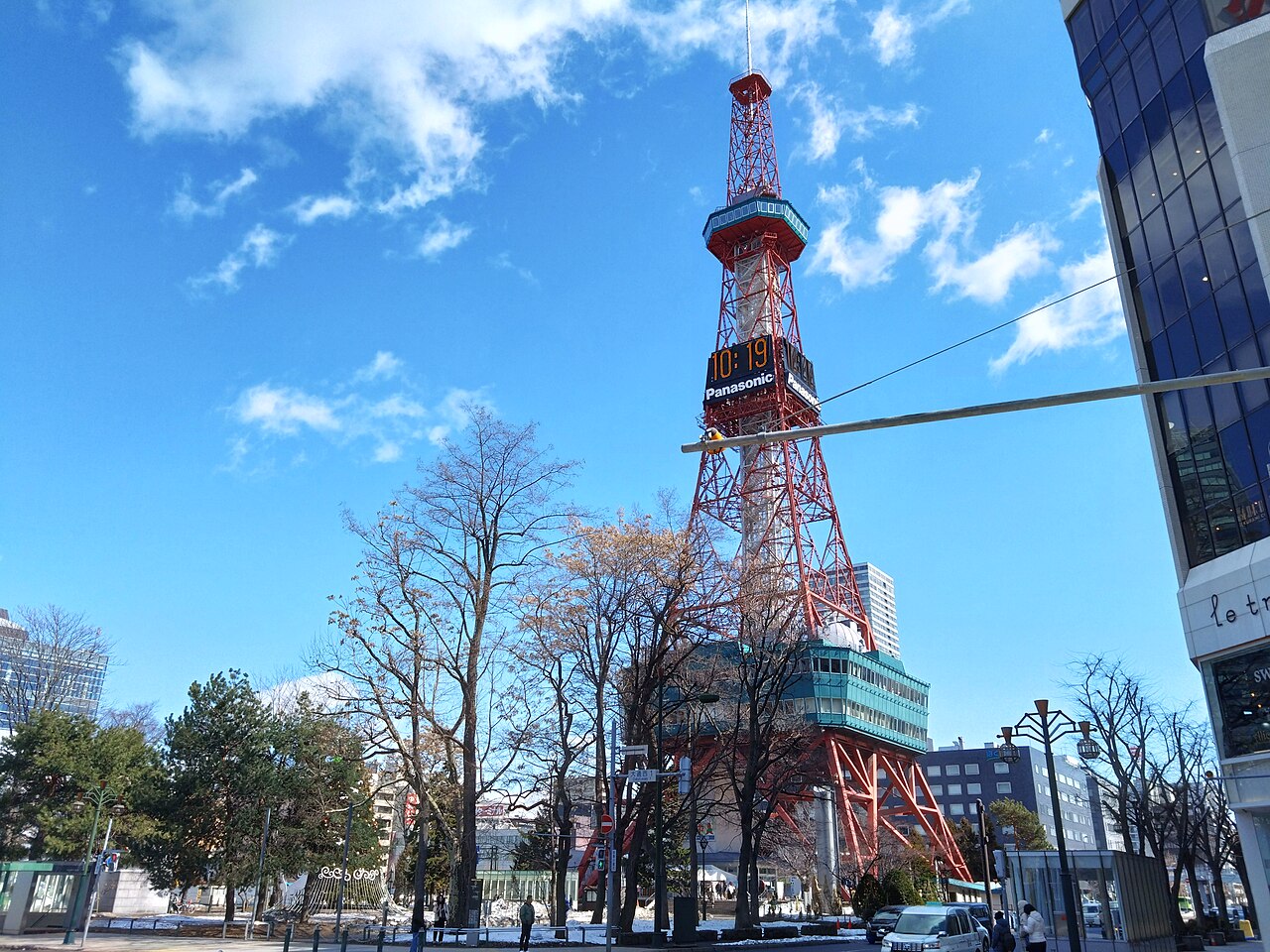
The red Sapporo TV Tower standing at the eastern end of Odori Park in central Sapporo
Morning · ~3 hours
Odori Park + Sapporo TV Tower + Red Brick Office + Clock Tower

Start day one at Odori Park (大通公園), a green ribbon roughly 1.5 km long that splits the city into north and south. At its eastern end stands the Sapporo TV Tower, a 147.2-metre red tower with an observation deck at 90 metres — the view straight down the park as one long line is the classic Sapporo photo. In summer the park is green with fountains; in winter it becomes the main stage for the Snow Festival.

A few minutes north of the park is the Red Brick Office (赤れんが庁舎), the former Hokkaido Government Building. This American neo-baroque landmark from 1888 reopened in July 2025 after a major restoration, and you can now climb its octagonal tower for a city view. Nearby stands the Sapporo Clock Tower (時計台), a white American-style wooden building from 1878 and one of the city's enduring symbols — a quick, photogenic stop.

Subway: Namboku/Tozai/Toho lines to Odori Station — the park is right above the exit
TV Tower deck: ~¥1,000 (~US$6.50)/adult · open 09:00–22:00
Red Brick Office: octagonal tower ¥300 (~US$2) · open 08:45–21:00 · grounds and ground floor free
Clock Tower: ¥200 (~US$1.30) to go inside · free to photograph outside
Afternoon · ~3 hours
Soup curry lunch + Tanukikoji shopping

Lunch has to be soup curry (スープカレー), because Sapporo is the city where this dish was born — a thin, intensely spiced curry broth with a whole fried chicken leg and big chunks of Hokkaido vegetables floating in it, eaten with a bowl of hot rice. Popular shops are scattered around the centre and a bowl runs ¥1,200–1,800.

Afterwards, browse Tanukikoji Shopping Street (狸小路), a covered arcade seven blocks long with more than 200 shops — drugstores, souvenirs, restaurants and secondhand stores. The roof means you can stroll comfortably whatever the weather, and it links straight into the Susukino district.

Subway: Namboku line to Susukino, or a ~7-minute walk from Odori
Soup curry: ¥1,200–1,800/bowl · you choose your spice level
Tanukikoji: most shops open 10:00–21:00 · covered the whole way
Tip: Soup curry spice runs from 0 to 10 and beyond. For a first time, level 2–3 is the sweet spot — hot and warming, but you can still taste the full spice blend.
Evening–Night · ~3 hours
Susukino ramen alley + Mt. Moiwa night view

This evening head into Susukino (すすきの), the largest nightlife district north of Tokyo. Stop at the Ramen Yokocho (ラーメン横丁), a tiny alley lined with dozens of ramen counters, and order miso ramen (味噌ラーメン) — Sapporo is the birthplace of miso ramen in Japan. A rich miso broth, curly yellow noodles, sweetcorn with butter and minced pork: a steaming bowl in a snow city is bliss.

Close the day with the highlight — take the tram or a taxi to the Mt. Moiwa (藻岩山) ropeway station, ride the cable car and then the Morisu Car up to the 531-metre summit. The night view from here is rated one of the three best in Japan, alongside Nagasaki and Kobe, with the lights of the entire city spread out toward Ishikari Bay. Go just after sunset to catch both the last light of day and the city lights at once.
Mt. Moiwa: take the City Tram to Ropeway Iriguchi, then the free shuttle bus to the ropeway station
Ropeway + Morisu Car: round trip ¥2,100 (~US$14)/adult
Hours: generally 10:30/11:00–22:00 (last ascent ~21:30) · check the site if snowing
Tip: Check the forecast before going up Mt. Moiwa — if it's overcast or snowing hard you won't see the view, and it's easy to swap to the next night instead. The summit is windier and much colder than the base, so bring a warm layer.
Day Two

Day Trip to Otaru

A brick canal lit by gas lamps · hand-blown glass · wind-up music boxes · sushi straight from the Hokkaido sea — a romantic port town just half an hour away by train

02
Day 2
Otaru Canal · Sakaimachi · Glassworks · Sushi
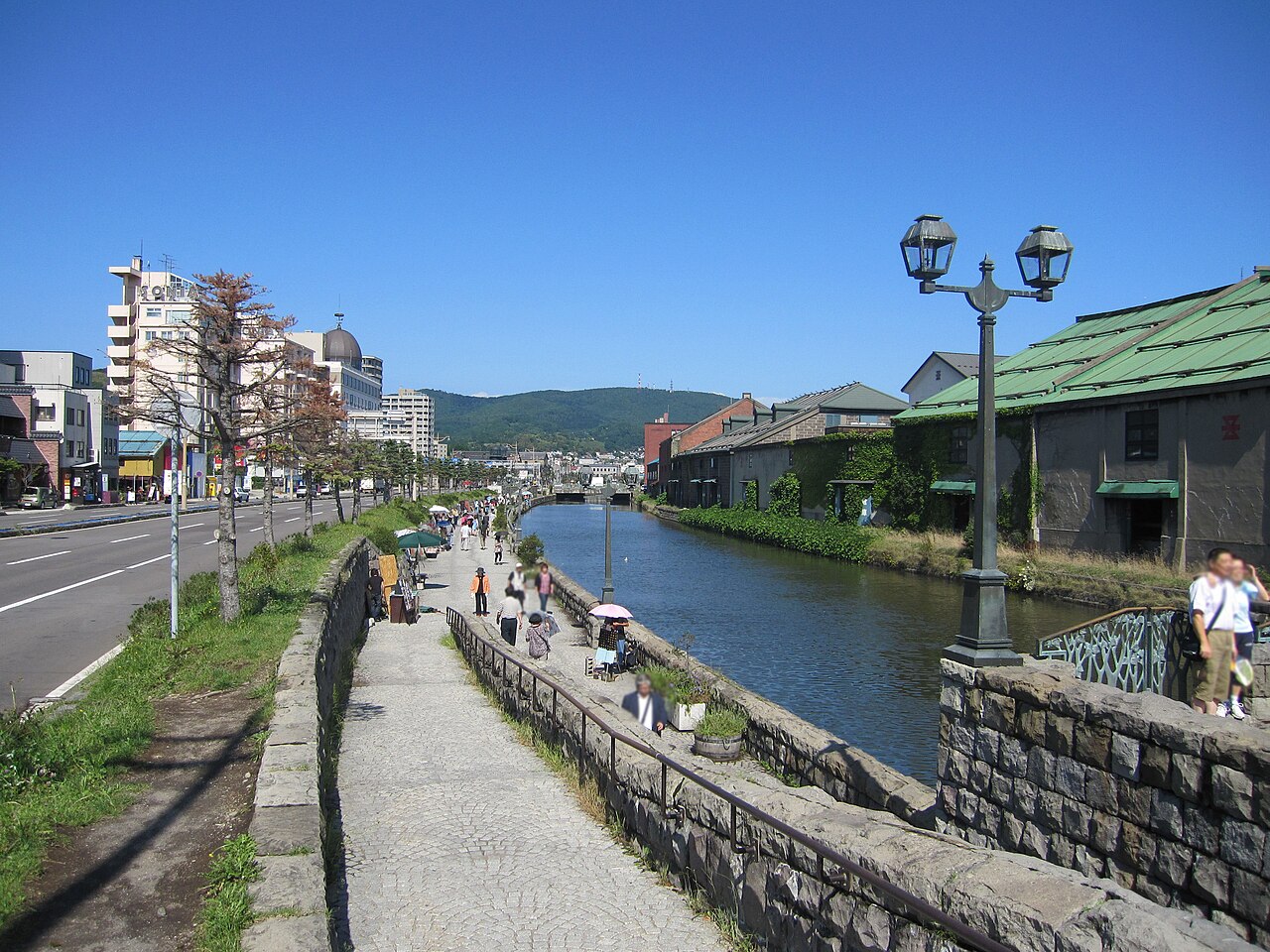
Otaru Canal — old brick warehouses along the water with gas lamps reflecting on the surface, a romantic port-town scene
Morning · travel + canal
JR to Otaru + Otaru Canal

Begin the morning with a ride on the JR Hakodate Line from Sapporo Station to Otaru Station — choose the Rapid Airport train (~32 minutes) or a local train (~46 minutes), with a standard seat costing ¥800 (sit on the right-hand side for views of Ishikari Bay the whole way). On arrival, it's about a 10-minute downhill walk to the Otaru Canal (小樽運河), the town's signature sight.

Built in 1923, the canal was once the lifeline of this trading port, and old brick warehouses still line its banks, now converted into restaurants and galleries. The walkway along the water is dotted with antique gas lamps. If you come in winter during the Snow Light Path festival (mid-February), small snow lanterns with candles line the whole canal — so pretty you'll stop to photograph every few steps.

JR Sapporo → Otaru: Rapid Airport ~32 min / local ~46 min · ¥800 one way
Frequency: several trains per hour (roughly every 15 minutes by day)
Otaru Canal: free to walk · loveliest at dusk when the lamps come on
Afternoon · ~3 hours
Sakaimachi street + Kitaichi glassworks + music boxes

From the canal, walk into Sakaimachi Street (堺町通り), an old commercial lane where Meiji- and Taisho-era buildings survive intact. Both sides are lined with glassware (ガラス) shops — Otaru built its reputation on glass back when it made lamps and floats for fishing boats. Kitaichi Glass (北一硝子) is the largest, with shops, an oil-lamp café and glass-blowing workshops.

At the end of the street sits the Otaru Music Box Museum (小樽オルゴール堂), a three-storey brick hall holding tens of thousands of wind-up music boxes, with a steam clock out front that whistles every 15 minutes — pick one out as a souvenir. Along the way, don't miss the sweets shop LeTAO, home of Otaru's famous Double Fromage cheesecake.

Sakaimachi: ~5-minute walk from the canal · most shops open 09:00/10:00–18:00
Kitaichi Glass: free to browse · glass-blowing workshops cost extra
Music Box Museum: free entry · open ~09:00–18:00
Evening · before heading back
Sushi Street + the canal at dusk

Otaru is a fishing port, so the sushi here is exceptionally fresh. Sushi Street (寿司屋通り Sushiyadori) gathers dozens of sushi restaurants in one district — Hokkaido crab, scallops, salmon roe and uni (sea urchin) straight from the surrounding sea. A sushi set runs ¥2,000–4,000 per person, well worth it for freshness that's hard to find elsewhere.

If you have time, walk back to the canal once more at dusk when all the gas lamps are lit — the mood is worlds apart from daytime. Then head back to the station for the JR train to Sapporo, leaving buffer time during heavy snow as trains can be delayed.

Sushi Street: sushi set ¥2,000–4,000/person · popular shops fill up — go early or reserve
Back to Sapporo: JR Otaru → Sapporo ~32–46 min · ¥800 · late trains available
Tip: Want to explore Otaru in more depth — Mt. Tengu, the glassworks and the herring mansion museum? See our full Otaru travel guide.
Day Three

Beer, Chocolate and Souvenirs for Home

Pick one theme by season and taste · close the trip with a steaming Genghis Khan grill or a shrine under the trees · before you sweep up the souvenirs

03
Day 3
Beer Museum · Genghis Khan · Souvenirs
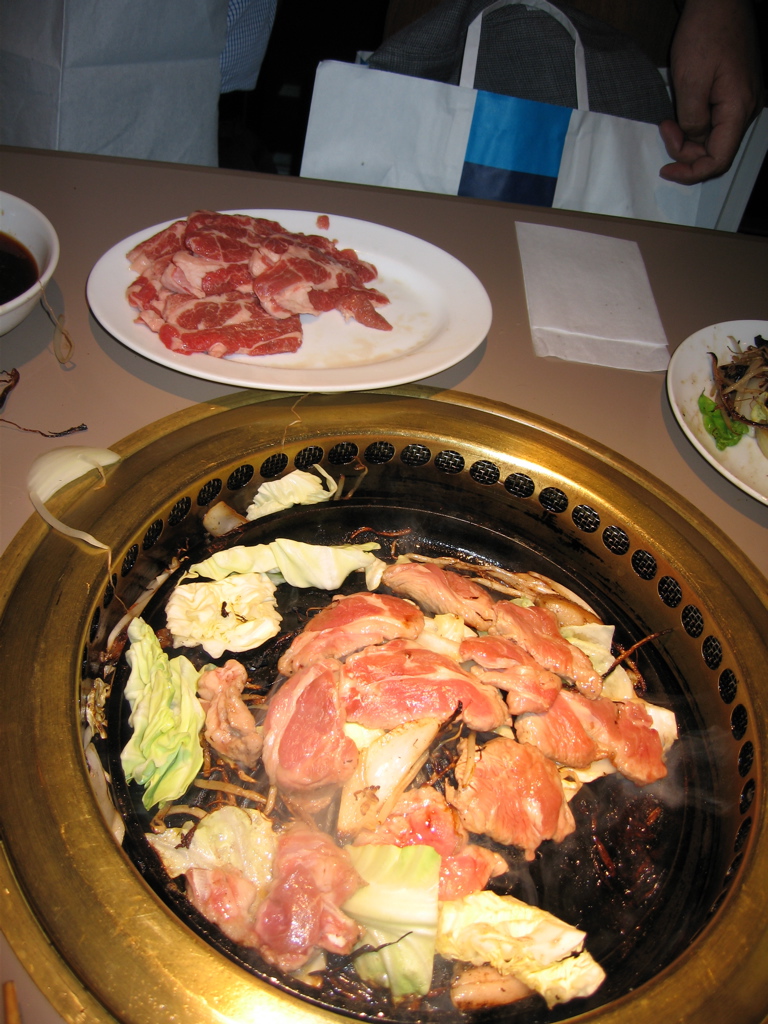
Genghis Khan (jingisukan) — grilled lamb on a domed iron griddle with vegetables and bean sprouts, steam rising, Hokkaido style
Morning · choose by season
Pick one: Beer Museum · Shiroi Koibito · Hokkaido Shrine

On the last day, pick a morning theme by taste and season. Beer and food lovers head to the Sapporo Beer Museum (サッポロビール博物館), an old red-brick building telling the story of Sapporo Beer since 1876. Entry is free (a paid tasting area is separate) — note that the museum has announced it will start charging admission from 1 July 2026, so check before you go.

Families and sweet tooths should go to Shiroi Koibito Park, the chocolate theme park of the Shiroi Koibito cookie brand, with a cookie production line to watch, European-style gardens and a clock tower (¥800/adult; the gardens and shops are free). For nature and culture, visit Hokkaido Shrine (北海道神宮) in Maruyama Park — free, with lovely autumn leaves and spring cherry blossoms — or Moerenuma Park, an art park designed by Isamu Noguchi (a bit further out, best in summer).

Beer Museum: free entry (admission charge starts 1 Jul 2026) · Toho subway to Higashi-Kuyakusho-mae, then a short bus
Shiroi Koibito Park: ¥800 (~US$5)/adult · Tozai subway to Miyanosawa, ~7-min walk
Hokkaido Shrine: free · Tozai subway to Maruyama-Koen, ~15-min walk
Afternoon · ~2.5 hours
Genghis Khan lunch at the Beer Garden + souvenirs

Lunch should close the trip with Genghis Khan (ジンギスカン), grilled lamb on a dome-shaped iron griddle and Hokkaido's signature dish. At the Sapporo Beer Garden beside the museum, old beer halls let you grill Genghis Khan with fresh Sapporo draught — an all-you-can-eat course of 100–120 minutes runs about ¥4,000 per person, or you can order à la carte. Fragrant smoke and a cold beer is the lasting image of Sapporo.

Before the airport, stock up on souvenirs — Shiroi Koibito, the white-chocolate cookie that symbolises Hokkaido; Royce' Nama Chocolate, a soft chocolate you'll need to keep chilled; LeTAO butter sweets; and processed Hokkaido corn and potato snacks. Find them all at Sapporo Station, New Chitose Airport or the underground malls.

Genghis Khan Beer Garden: buffet ~¥4,000/person (all-you-can-eat 100–120 min) · à la carte cheaper
Popular souvenirs: Shiroi Koibito · Royce' Nama Chocolate (keep chilled) · LeTAO · roasted corn snacks
Want more? If you stretch the trip over more days, you can add Furano-Biei (summer flower fields) or Noboribetsu (hot springs) — see our day trips from Sapporo.
Evening · end of the trip
A last meal and the airport

If your flight is late, finish with a meal of Hokkaido seafood — king crab, hairy crab or a mixed seafood rice bowl (kaisendon) at the Nijo Market or a city restaurant. Hokkaido is the land of crab and the freshest seafood in Japan, and this is one meal worth treating yourself to, at ¥3,000–6,000 per person for a crab set. See our Sapporo food guide for recommended spots.

Mid-range seafood: ¥3,000–6,000/person for a crab set · Nijo Market / city restaurants
To the airport: JR Rapid Airport from Sapporo Station → New Chitose (CTS) ~37 min · ¥1,150 · every ~15 min
✈️
Want a longer trip?
See day trips from Sapporo — Furano, Biei, Noboribetsu and more
See Day Trips →
Practical Info

Where to Stay · Getting Around · Budget

🏨
Where to stay

For this trip, stay around Sapporo Station or Odori — central, with subway access everywhere, and Sapporo Station is where JR trains to Otaru and the airport depart. If you like nightlife, Susukino is handy. A 3-star hotel runs ¥7,000–12,000 per night. See your options in our 10 best hotels in Sapporo.

🚇
Getting around

The three subway lines (Namboku, Tozai, Toho) cover nearly every sight, at ¥210–380 per ride. The weekend day pass (Donichika Ticket, ¥520) pays off if you ride several times, and you can tap in with Suica, ICOCA or Kitaca. The Otaru day trip uses the JR Hakodate Line from Sapporo Station.

❄️
Winter prep

In winter (Dec–Feb), snow is heavy and pavements get icy. Wear grippy rubber soles or buy slip-on ice grips (¥500–1,000). A windproof coat, ear-covering hat and gloves are essential. JR trains to Otaru can be delayed in heavy snow, so leave buffer time, and check the weather before going up Mt. Moiwa.

Budget

Approximate Cost per Day, per Person

Item Budget Mid-range Comfort
Hotel (per night) ¥3,500–6,000
(~US$23–40)
¥7,000–12,000
(~US$46–80)
¥15,000–30,000+
(~US$100–200+)
3 meals ¥2,000–3,000
(~US$13–20)
¥3,500–5,500
(~US$23–36)
¥7,000–12,000
(~US$46–80)
Subway + JR ¥600–1,000
(~US$4–6.50)
¥1,000–1,800
(~US$6.50–12)
¥2,000–3,500
(incl. taxis)
Entry tickets ¥1,000–2,100
(Mt. Moiwa ¥2,100)
¥2,500–3,500
(+ TV Tower + Shiroi Koibito)
¥3,000–4,500
(add workshops/tours)
Daily total (approx.) ¥7,100–12,100
(~US$47–80)
¥14,000–22,800
(~US$93–151)
¥27,000–50,000+
(~US$180–330+)

Reference rate ¥1 ≈ US$0.0066 · prices are approximate and vary by season (winter and the Snow Festival raise hotel rates).

Frequently Asked Questions

FAQ · 3-Day Sapporo Itinerary

Is 3 days enough for Sapporo?
It is enough for the city's main highlights plus a full day trip to Otaru — Odori Park, the Red Brick Office, the Mt. Moiwa night view, Otaru Canal and the Beer Museum all fit comfortably into 3 days using the subway and JR trains. What you have to skip are the longer day trips like Furano-Biei (lavender fields) or Noboribetsu (hot springs), each of which needs a full day. If you want those, stretching to 5 days works better — see day trips from Sapporo.
When is the best time to visit Sapporo?
Each season is a different city. Summer (June–August) is cool and pleasant at 20–26°C, perfect for walking Odori Park and eating Genghis Khan outdoors at the Beer Garden. Winter (December–February) brings heavy snow, a white city and the Sapporo Snow Festival in early February, but it is bitterly cold at -5 to -10°C. Autumn leaves in late October are lovely at Odori Park and Hokkaido Shrine. Choose the Sapporo you want to meet.
Is the Mt. Moiwa night view worth it, and how much does it cost?
Very much so on a clear night — the view from the Mt. Moiwa summit is rated one of Japan's three best night views, alongside Nagasaki and Kobe. You see the whole city of Sapporo glittering all the way out to Ishikari Bay. A round-trip ticket combining the ropeway and the Morisu Car (the mini cable car to the summit) costs ¥2,100 for adults. Go just after sunset to catch both the last light of day and the city lights. Check the weather first — if it's overcast or snowing hard, visibility is poor.
What's a realistic budget for 3 days in Sapporo?
A mid-range day runs roughly ¥9,000–14,000 (~US$60–90), covering a 3-star hotel at ¥7,000–12,000 per night, three meals at ¥2,500–4,500, subway and JR travel at ¥800–1,500 and entry tickets at ¥2,100–3,000 (the Mt. Moiwa ropeway at ¥2,100 is the priciest single item). You can spend less by staying in a hostel and eating ramen and soup curry at local shops for ¥900–1,300 a bowl.
Where should first-timers stay in Sapporo?
Around Sapporo Station or Odori is best for a first trip. Sapporo Station is where JR trains to Otaru and the airport leave from, while Odori sits in the centre, within walking distance of Odori Park, the TV Tower and restaurants. Both areas connect to all three subway lines (Namboku, Tozai, Toho). If you like nightlife and ramen alleys, Susukino is also handy. See your options in our 10 best hotels in Sapporo.
What should I prepare for snow when visiting Sapporo in winter?
Wear shoes with grippy rubber soles or buy slip-on ice grips (convenience stores and city shops sell them for ¥500–1,000), because pavements often turn to ice. A windproof coat, an ear-covering hat and gloves are essential — temperatures stay below freezing all day. JR trains to Otaru can be delayed during heavy snow, so leave buffer time, and check the forecast before heading up Mt. Moiwa, since an overcast sky means no view.