Home Monterrey Attractions Mexico About
Home  ›  Mexico  ›  Monterrey  ›  Food Guide
🇲🇽 Monterrey Eater's Guide · Updated 2026

Mexico's
Grilled-Meat Capital

Monterrey is the industrial city of the north where the food is completely different from Mexico City — a norteño culture tied to meat, charcoal, and flour tortillas. Cabrito roast goat, carne asada grilled beef, and machacado breakfast. Seven dishes to try before you leave.

Why Eat Here

A City Where Food Is About Meat and Charcoal

Monterrey is a major city in northern Mexico, near the Texas border, and its food is a different world from Mexico City — this is "norteño" country, a big cattle-ranching region with a culture tied to beef, goat, and charcoal grilling. Here they use flour tortillas (not corn like central/southern Mexico) because wheat grows well, and carne asada (grilled meat) isn't just food but a weekend social ritual every family gathers around.

Honestly, Monterrey has a higher cost of living than the Mexican average (it's a wealthy industrial city) — cabrito runs 250–400 pesos a plate because young goat is expensive, but other meals stay accessible. Tip 10–15% at sit-down restaurants with service. Always drink bottled water. Most menus are in Spanish. We picked 7 dishes that answer what Monterrey eats — ordered from the most local, try those first.

🥩 Tips for meat lovers: for real cabrito, go to a dedicated cabritería · for breakfast, try machacado con huevo before heading out · drink bottled water (never tap) because Monterrey is hot and dry · keep peso cash for street stalls.
The Dishes

7 Dishes to Try Before You Leave Monterrey

Ordered by how uniquely they belong to the city — the dishes that tell the story of norteño meat culture.
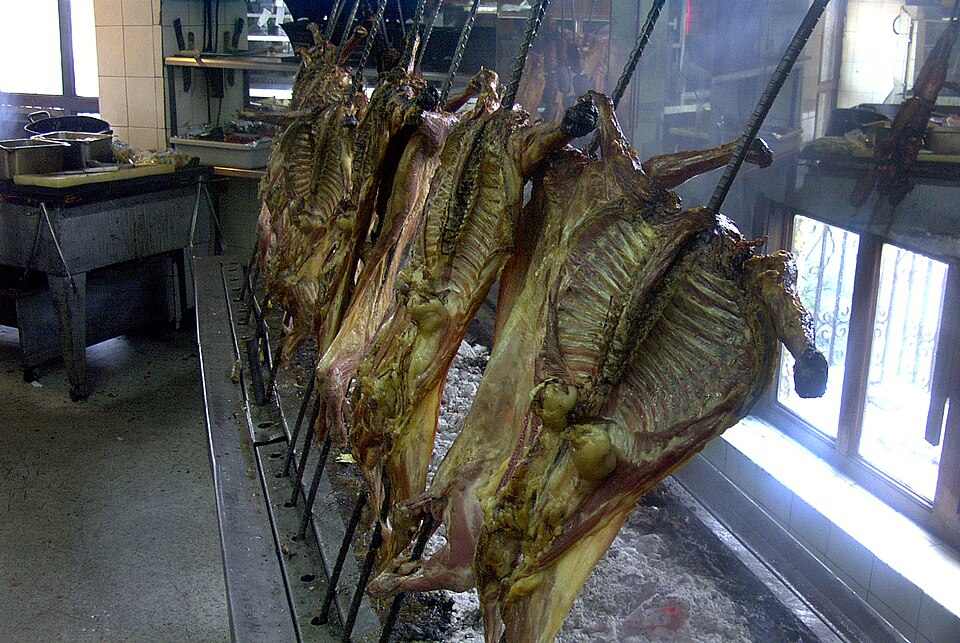
Cabrito, young kid goat spit-roasted over charcoal with crisp skin 1
Cabrito
Charcoal-roast goat · the city's signature

This is the one to try first in Monterrey — young, milk-fed kid goat skewered and slow-roasted over charcoal until the skin turns crisp and golden and the meat is tender and juicy, with a mild flavor and none of the strong gamey taste you might expect. It comes from the north's goat-herding culture. Served with flour tortillas, frijoles beans, and salsa. A dedicated cabritería roasts the whole animal so you can choose your cut, from leg (pierna) to ribs (costilla). Pricier than other dishes since young goat is costly, but it's a once-in-a-lifetime meal.
Where: El Rey del Cabrito · dedicated cabriterías · Centro
Price: 250–400 pesos / plate
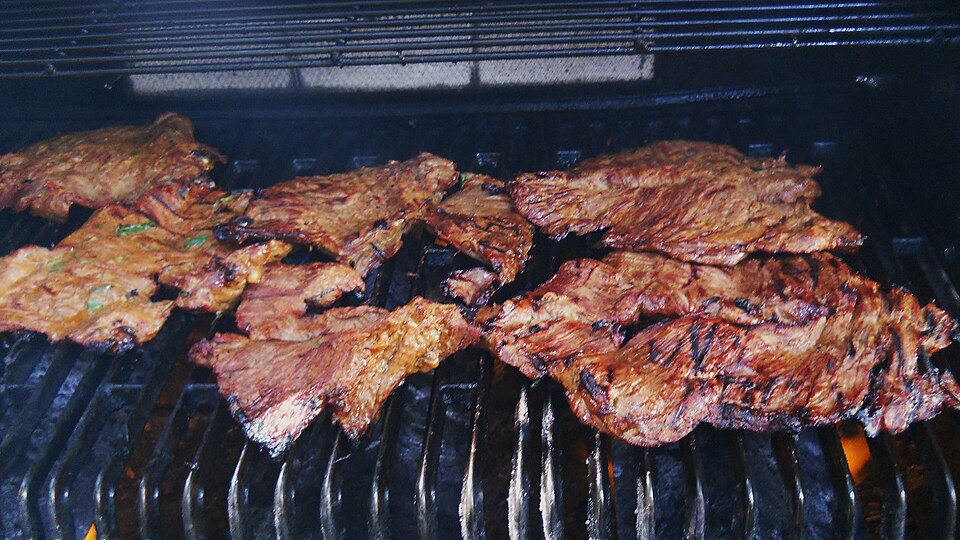
Carne asada, sliced charcoal-grilled beef with tortillas and salsa 2
Carne Asada
Grilled beef · the norteño social ritual

In Monterrey, carne asada isn't just food but a weekend social ritual where every family gathers to grill — good-quality beef (arrachera thin skirt steak, or other cuts) charcoal-grilled until fragrant, sliced into warm flour tortillas, topped with grilled onions, guacamole, salsa, and beans. The north has better beef and grills better than other parts of Mexico. Restaurants and taquerías serve carne asada as both tacos and plates. It's the flavor that best captures the norteño identity — tender meat, smoky char, simple but deeply good.
Where: taquerías · grill houses · Barrio Antiguo
Price: plate 150–280 pesos · taco 25–45 pesos each
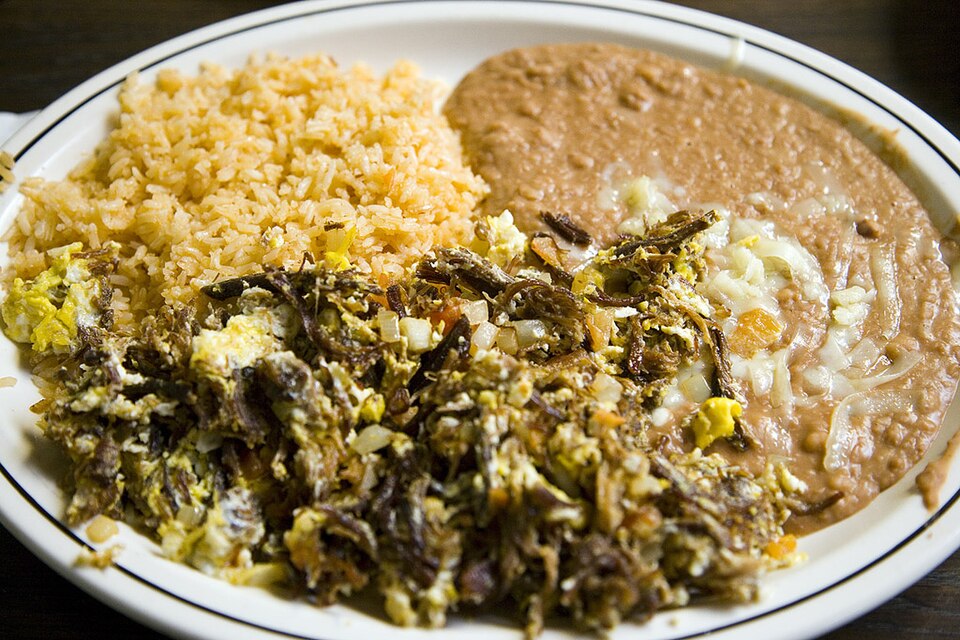
Machacado, shredded dried beef scrambled with eggs and flour tortillas 3
Machacado con Huevo
Shredded dried beef with eggs · the city's breakfast

This is Monterrey's signature breakfast everyone eats before work — machacado is beef dried then pounded into shreds (a preservation technique from the pre-refrigeration north), scrambled with eggs, tomato, onion, and chile. Served hot with flour tortillas to wrap yourself. The salty depth of the dried beef pairs with the soft eggs beautifully. It's a hearty breakfast that powers your whole day. Monterrey locals eat it with coffee and beans. Try it for breakfast to start your day the genuine norteño way — a flavor hard to find outside the north.
Where: breakfast spots · fondas · indoor markets
Price: 90–150 pesos / plate
Soft flour tortillas stacked 4
Flour Tortillas
The north's signature

While central and southern Mexico use corn tortillas, the north like Monterrey uses flour tortillas (tortillas de harina) — because the region grows wheat better than corn. Flour dough kneaded with lard, rolled thin and griddled on a comal, makes a soft, slightly buttery wrap that's more pliable than corn. Used to wrap carne asada, machacado, and everything else. Some places make large flour wraps for "burritos" (actually a northern dish, not pan-Mexican). Try a fresh hot flour tortilla off the griddle and you'll understand the north's pride — it's a clear difference from Mexico City.
Where: every restaurant · tortillería · served with every meal
Price: included in meals · by the dozen 15–30 pesos
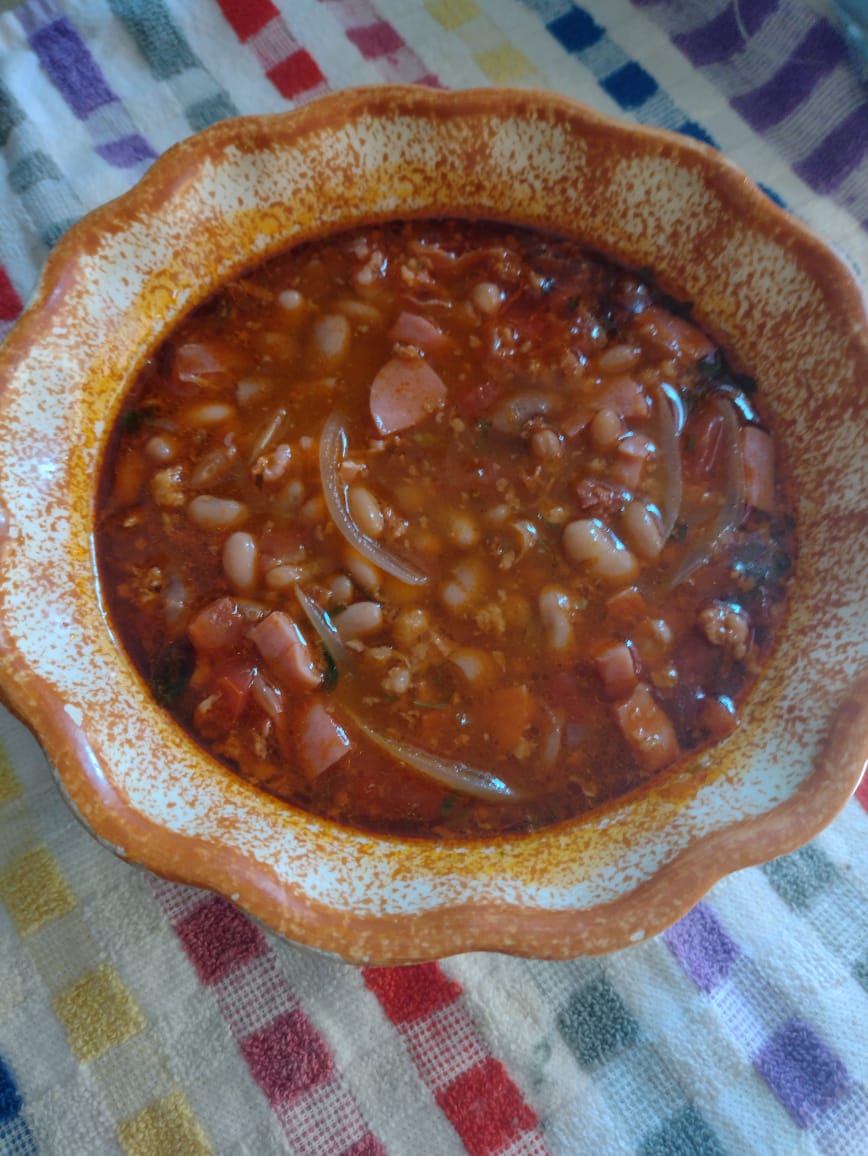
Frijoles charros, beans simmered with bacon and sausage in a bowl 5
Frijoles Charros
Cowboy-style beans · the carne asada side

Frijoles charros means "cowboy beans" — pinto beans simmered in a broth with bacon, chorizo sausage, tomato, onion, chile, and cilantro. It's a brothy, rich bean dish, different from the refried beans (mashed) of central Mexico. The name comes from "charro" (the Mexican cowboy) since it was a dish ranch hands ate out on the range. Served hot as a side to carne asada, or as a standalone bowl with tortillas. Salty with smoky bacon, filling and warming. It's an essential part of the norteño grilled-meat culture.
Where: grill houses · taquerías · served with carne asada
Price: 50–90 pesos / bowl
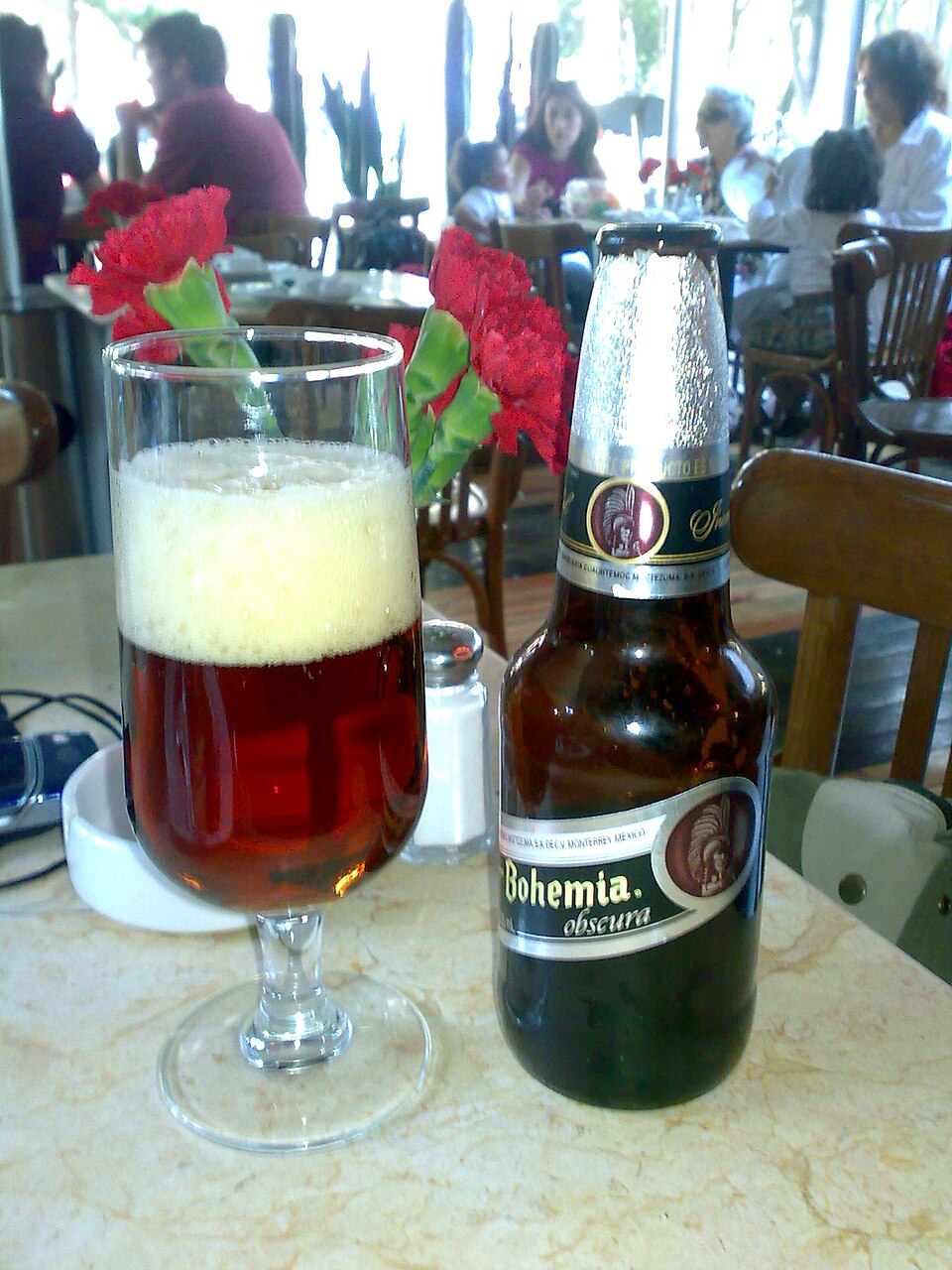
Bohemia beer in a cold glass with the bottle 6
Bohemia
The beer born in Monterrey

Monterrey is the birthplace of Mexican beer — the Cuauhtémoc brewery was founded here in 1890, and Bohemia is their premium beer that beer fans rate among Mexico's best. Smoother and richer than the average Mexican lager, it comes as clásica (light) and obscura (dark). Drink it cold with carne asada or cabrito — they pair perfectly. The city's Barrio Antiguo is full of bars and pubs to sit and drink. Having a Bohemia in its hometown is a treat for beer lovers — a cold beer in a hot, dry city is a perfect match.

Where: Barrio Antiguo bars/pubs · grill houses · citywide
Price: bottle/glass 40–80 pesos
🍬7
Glorias
Goat-milk caramel candy · a northern sweet

Glorias are the signature candy of the north, from the town of Linares near Monterrey — made from goat milk (cajeta) cooked with sugar and pecans into a chewy golden-brown caramel, wrapped in red cellophane. Sweet and rich with goat-milk and nut flavor, they're a popular souvenir found at candy shops and markets. The north raises a lot of goats, so goat milk goes into sweets (the same animal used for cabrito). Try one with coffee, or buy a box to take home — it's a sweet that captures northern Mexico.

Where: candy shops · markets · souvenirs from Linares
Price: 10–20 pesos each · box 80–150 pesos
Food Neighborhoods

Which Neighborhood for What You Crave

Districts and markets where the food sits within walking distance.

Barrio Antiguo
Old district · bars · nightlife

The historic district in the city center — cobblestone streets, colonial houses, full of bars, pubs, restaurants, and cafés. In the evening it becomes Monterrey's nightlife hub. Drink Bohemia, eat carne asada, and catch live music. Great for dinner and drinks after sightseeing, especially lively on weekends.

Getting there: near Macroplaza / walk · Best: evening–late, weekends
Centro & Macroplaza
City center · cabriterías · traditional spots

The city center around the huge Macroplaza — legendary cabriterías roasting whole goats, traditional restaurants, and indoor markets. Great for a lunch of the city's signature dish. Close to the main sights and museums, easy to explore on foot.

Getting there: Metro Zaragoza / walk · Best: daytime, daily
San Pedro Garza García
Upscale district · fine dining · chef restaurants

The wealthiest district in Mexico — high-end fine dining, chef restaurants, upscale cafés, and cocktail bars. International and modern Mexican cuisine. Pricey but with quality and atmosphere, great for a special dinner. Near the foot of Chipinque mountain with nice views.

Getting there: Uber ~15 min from Centro · Best: special dinner
Mercado Juárez
Indoor market · authentic, cheap food

An old indoor market — breakfast stalls for machacado, frijoles charros, tacos, and fresh ingredients. Real, cheap food locals eat. Great for breakfast-to-lunch and for buying glorias and northern souvenirs. Crowded in the morning, watch your valuables and bring peso cash.

Getting there: near Centro / walk · Best: morning–midday
Santa Catarina & suburbs
Serious grill houses · family carne asada

The suburbs and outer communities are where real carne asada happens — large grill houses where families gather on weekends, big charcoal-grilled cuts, frijoles charros, and fresh flour tortillas. A relaxed northern atmosphere, friendly prices. Great for a genuinely local weekend lunch.

Getting there: Uber / car · Best: weekend lunch
Chipinque & the foothills
Mountain-view spots · brunch · nature

The foothills of the Sierra Madre that surround Monterrey — restaurants and cafés with mountain views in San Pedro and on the way up to Chipinque. Great for a weekend brunch combined with a nature outing, cooler than the city, nice atmosphere. An option for mixing food and mountain sightseeing in one day.

Getting there: Uber / drive up the mountain · Best: weekend brunch
Legendary Spots

Spots You Shouldn't Miss

Places that have lasted and that locals keep coming back to — put them on your map before you go.

1
El Rey del Cabrito
"The King of Cabrito," a legendary goat house

One of Monterrey's most famous cabriterías, in the heart of Centro — they roast whole young goats over charcoal right in front of you, with crisp golden skin and tender juicy meat. Choose your cut, from leg (pierna) to ribs, served with flour tortillas, frijoles charros, and salsa. A traditional dining room decorated in norteño style. Pricey, but it's the authentic cabrito meal to try at least once in Monterrey.

Address: Centro (near Macroplaza)
Hours: midday–evening · Famous for: Cabrito al Pastor ~300 pesos
2
Barrio Antiguo (the bar district)
Nightlife hub · Bohemia + carne asada

Not one spot but an old district full of bars, pubs, and restaurants — cobblestone streets, colonial houses, and in the evening Monterrey's nightlife hub. Drink a cold Bohemia, eat carne asada, catch live music, and feel the young energy of the city. Great for dinner and drinks after sightseeing, busiest on weekends.

Address: Barrio Antiguo (near Macroplaza)
Hours: evening–late · Famous for: Bohemia + carne asada + live music
3
Mercado Juárez
Authentic, cheap-food indoor market

An old indoor market that gathers the north's real food in one place — breakfast stalls for machacado con huevo, frijoles charros, tacos, and northern souvenirs like glorias. Real, cheap food locals eat. Great for a budget breakfast-to-lunch. Crowded in the morning, watch your valuables and bring peso cash. A good way to start your day in Monterrey.

Address: near Centro Histórico
Hours: morning–midday · Famous for: machacado · frijoles charros · glorias

Want to really know norteño meat culture?

A food tour samples cabrito, carne asada, and northern fare at real local spots while explaining the norteño grilling culture — and Monterrey is also a base for nature trips to Chipinque and the Cola de Caballo waterfall. Book ahead to combine eating and sightseeing in one trip.

Book a Monterrey food/tour on Klook →
Affiliate link — we may earn a commission when you book through this link, at no extra cost to you.
Frequently Asked

FAQ · What People Ask Before Heading Out to Eat

What's the must-try dish in Monterrey?
Cabrito is Monterrey's signature dish you shouldn't miss — young milk-fed kid goat spit-roasted slowly over charcoal until the skin is crisp and the meat tender, with a mild flavor and none of the strong gamey taste you might expect. Served with flour tortillas, beans, and salsa. Dedicated cabritería restaurants do it best. It's pricier than other dishes since it uses a whole young goat, but it's a meal to try at least once in Monterrey.
Why is Monterrey famous for meat?
Monterrey is in northern Mexico, a major cattle-ranching region — the norteño culture has long been tied to beef, goat, and charcoal grilling. Carne asada (grilled meat) isn't just food but a weekend social ritual where families gather to grill. The north also uses flour tortillas (not corn like central/southern Mexico) because wheat grows well here — a clear culinary identity distinct from Mexico City.
How much does a meal in Monterrey cost?
Monterrey has a higher cost of living than the Mexican average — cabrito runs 250–400 pesos a plate (goat is expensive), carne asada 150–280 pesos, a machacado breakfast 90–150 pesos, and a comida corrida 100–160 pesos. Tip 10–15% at sit-down restaurants with service. Always drink bottled water. Most menus are in Spanish.
Do I need to drink bottled water in Monterrey?
Yes, always drink bottled water (agua embotellada), not tap, like everywhere in Mexico. Most restaurants use filtered water for ice and washing produce, but avoid ice from stalls you're unsure about. Bottled water is easy to buy at OXXO stores on every corner — carry one, since Monterrey's hot dry climate means you'll drink a lot.
How much should I tip at Monterrey restaurants?
Tip 10–15% (propina) at sit-down restaurants with service. Some bills include it already, so check before double-tipping. Street stalls, stand-up taquerías, and comida corrida generally need no tip or just a small one. Keep small peso cash on hand since street stalls take cash only.
Is a food tour in Monterrey worth it?
Worth it if you want to understand the norteño meat culture — a tour samples cabrito, carne asada, and northern fare at real local spots while explaining the food history of this industrial city. Around USD 50–100 per person. Book ahead via Klook or Viator since small groups fill quickly. Monterrey is also a base for nature trips to Chipinque and the Cola de Caballo waterfall.