Kobe is not only famous for its wagyu steak — sobameshi stir-fried noodle-rice born in a factory kitchen, akashiyaki dipped in warm dashi broth, a ¥90 wagyu korokke off a butcher's counter, and Western pastries from a century of port-city culture all tell a richer story.
Kobe opened its port before any other city in modern Japan, welcoming British, German, American and Chinese merchants who brought not just capital and architecture, but flavour. The result is a food scene that is layered and quietly surprising: a German bakery in a century-old stone church, Japan's second-largest Chinatown with its own miso gyoza sauce, a sake district producing 30 per cent of all Japanese sake, and the wagyu beef the rest of the world calls Kobe Beef.
Locals, though, are just as passionate about sobameshi — that factory-district invention of stir-fried yakisoba and rice in dark sauce — and the quietly elegant akashiyaki, egg-rich octopus dumplings eaten dipped in clear broth rather than drenched in sauce. Those two dishes, more than the famous steak, tell you who Kobe really is as a food city.
Ranked by originality — from the world-famous to the genuinely local
1
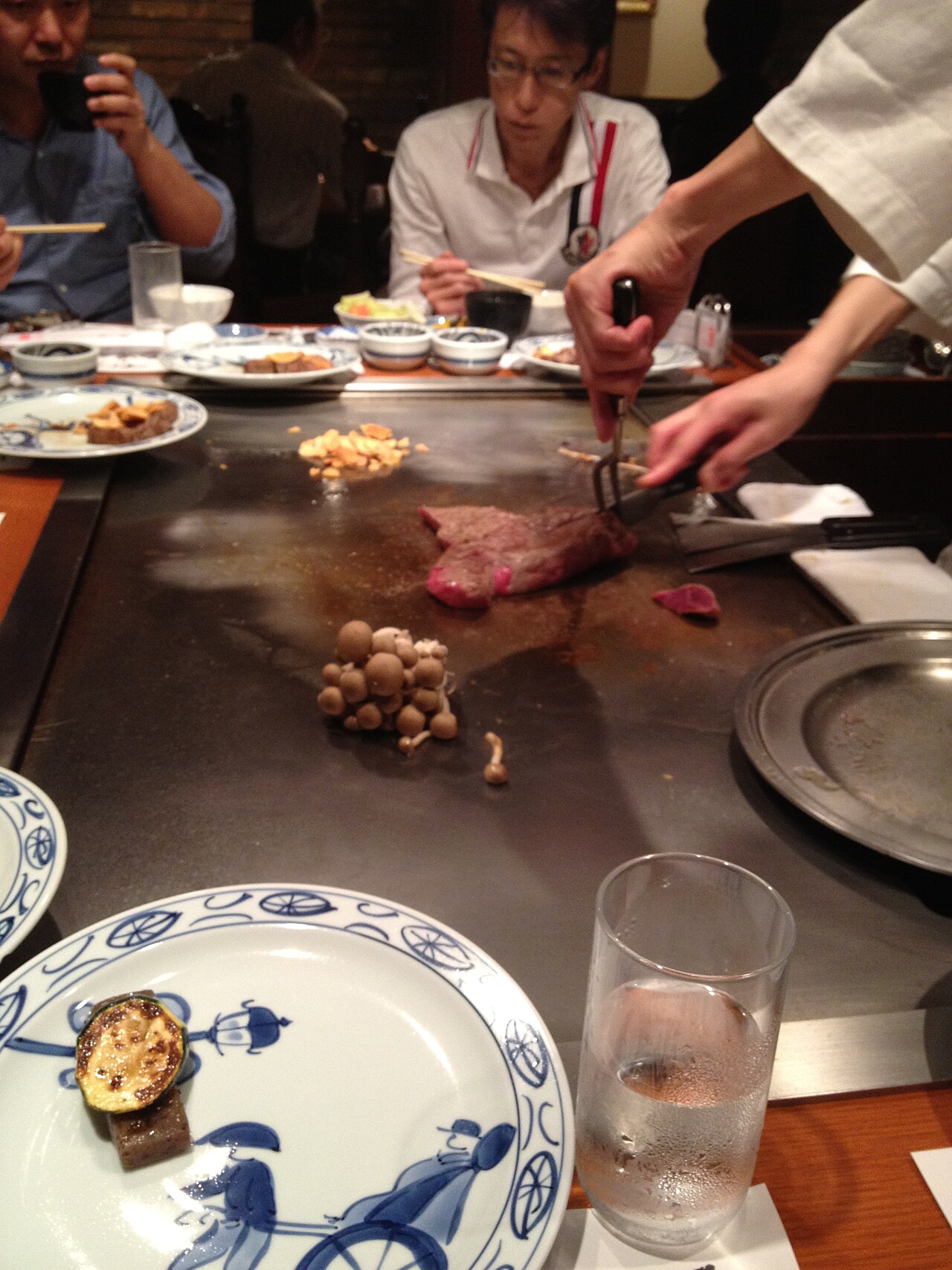
This is not simply A5 wagyu — certified Kobe beef is a legally protected designation: Tajima-breed cattle raised in Hyogo Prefecture, slaughtered at a licensed facility, BMS score of 6 or higher, and dressed weight of 470 kg or less. The strict criteria mean annual supply is genuinely limited. The best way to eat it is teppanyaki: watch a chef grill thin slices on a scorching iron plate in front of you. The fat is so finely marbled it dissolves at body temperature before you need to chew, leaving a deep, sweet richness unlike anything you have tasted.
2
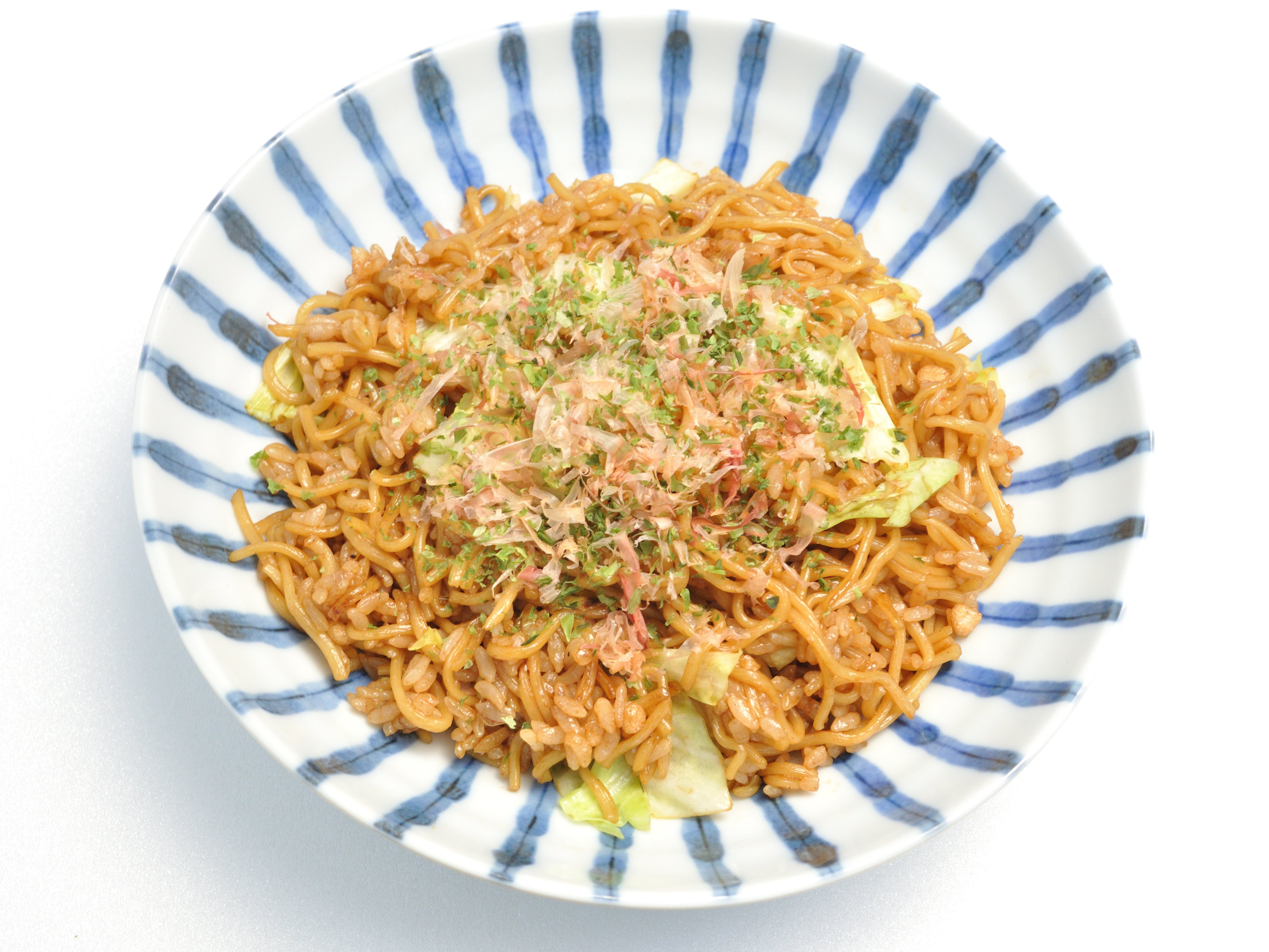
Have you ever noticed that the most memorable dishes tend to come from necessity? Sobameshi was invented in the Nagata district after World War II, when a shoemaker asked a street cook to fry his leftover rice together with the yakisoba already on the griddle. The cook chopped the cold rice into the pan and mixed it through — creating a savoury, smoky stir-fry of noodles and rice coated in dark sauce that Kobe locals have eaten for over 70 years. Cheap, filling and deeply satisfying: this is comfort food that grew out of scarcity and refused to disappear.
3
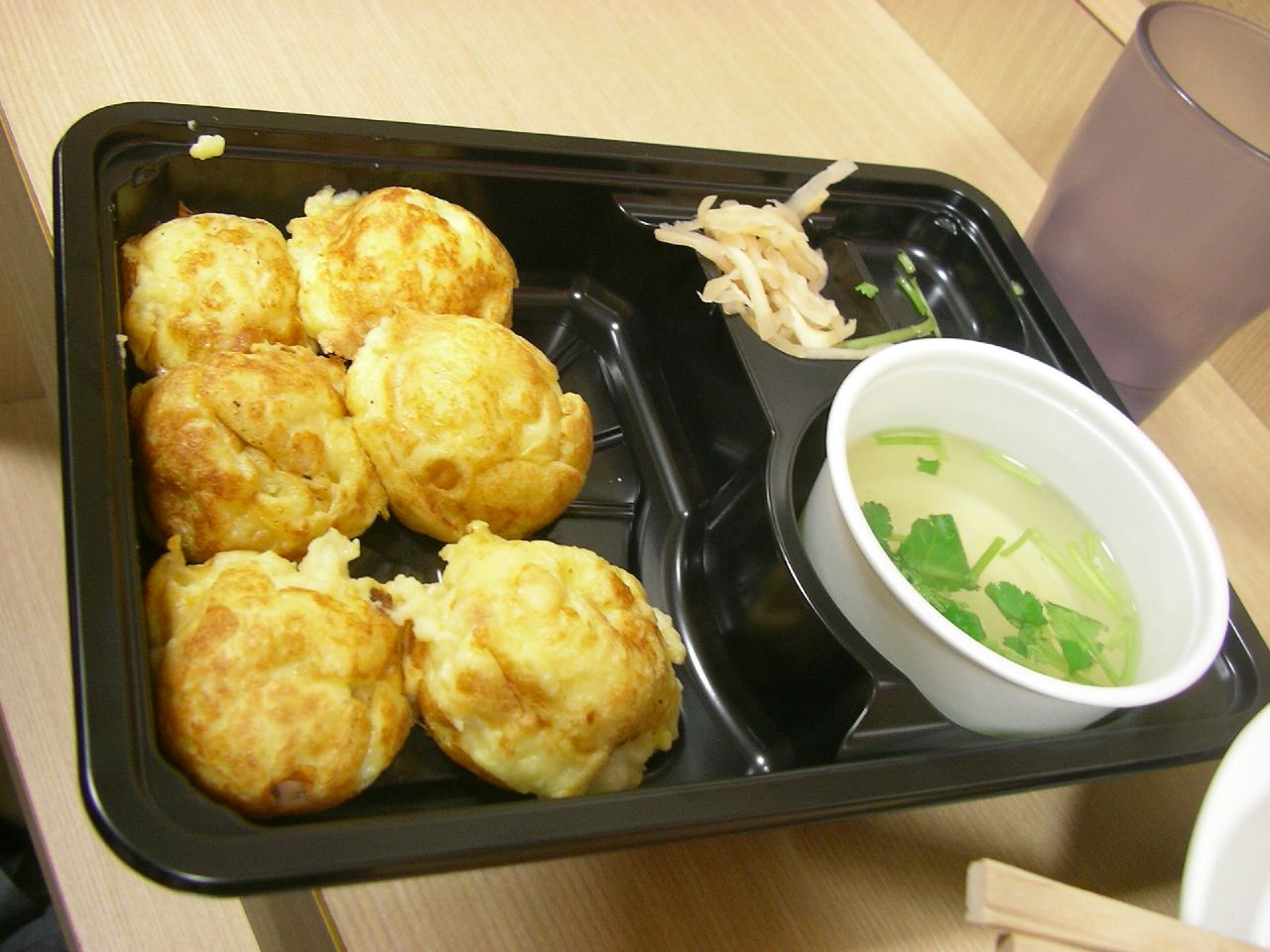
Picture takoyaki's quieter, more contemplative cousin. Akashiyaki uses a much higher ratio of egg to flour, creating a batter that cooks up soft, pillowy and faintly omelette-like — just a whisper of crust on the surface. Inside each ball sits a small piece of octopus. But the most important difference is how you eat it: no sauce, no mayonnaise. Instead, you dip each piece into a cup of warm dashi broth made from bonito and kombu, which infuses a delicate, savoury sweetness. It is a deeply calming afternoon snack. Fourteen pieces with dashi costs around ¥700.
4
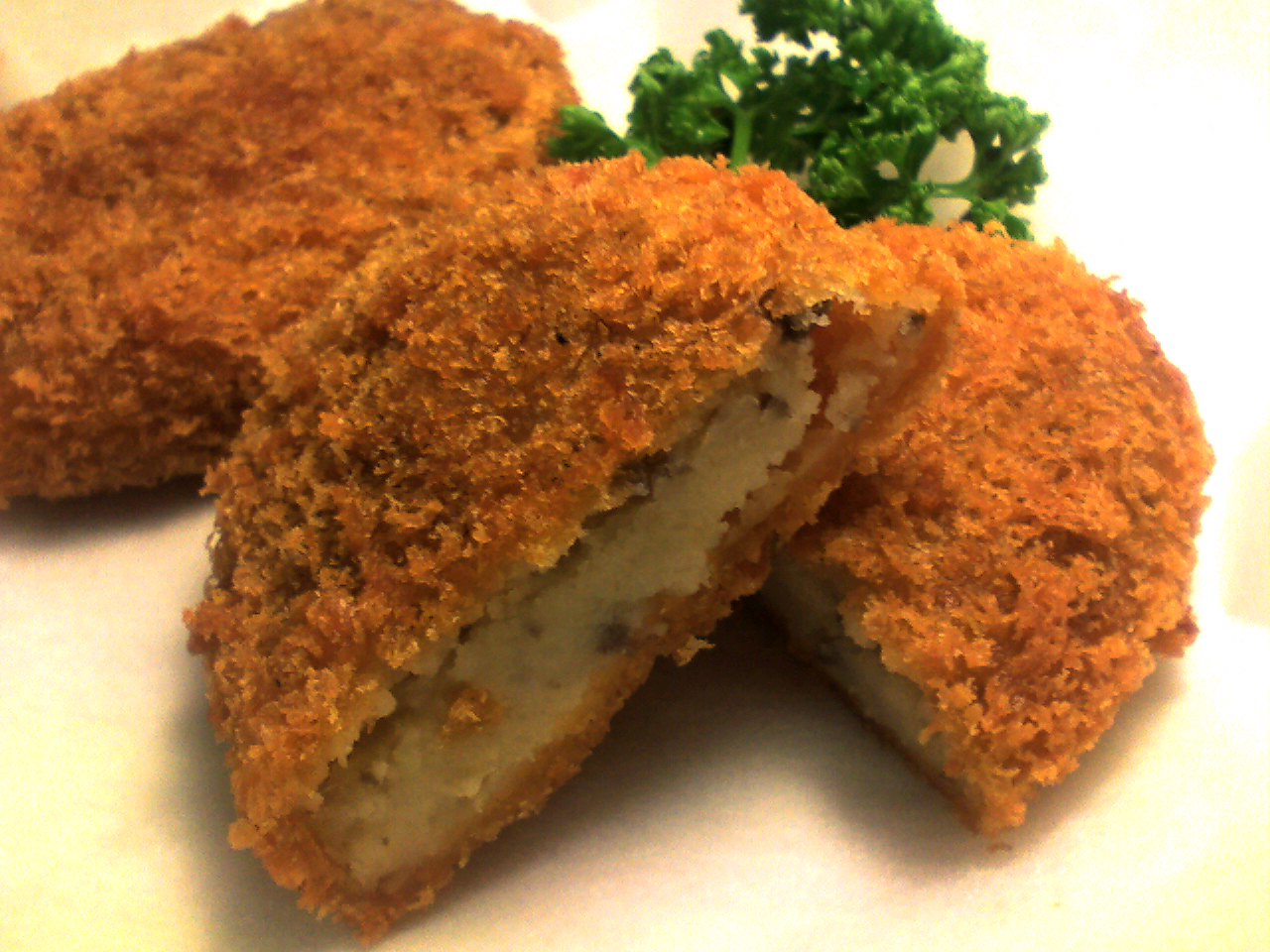
This might be the cheapest way to eat Kobe beef in the world. Butchers near Motomachi — especially Moriya Shoten — sell korokke filled with minced Kobe beef and mashed potato for just ¥90 per piece, reportedly moving over 2,000 pieces a day. The panko crust shatters at the first bite, revealing creamy, buttery potato shot through with the unmistakable richness of wagyu. Eat standing on the pavement outside the shop while it is still hot. No table, no reservation, no fuss.
Across Japan, gyoza arrive with a small dish of soy sauce and rice vinegar. In Kobe, the standard dipping sauce is red miso mixed with ground meat and spices — earthy, savoury and more deeply flavoured than the usual condiment. The difference sounds small but transforms every bite: the miso coats the wrapper and leans into the pork filling rather than cutting across it. The best place to taste this Kobe signature is Gyoza Gansoen inside Nankinmachi, where seven pan-fried dumplings arrive with a cup of house miso sauce. Queue times are short on weekdays.
6
When Kobe opened to foreign settlement in 1868, German, British and American residents set up bakeries and brought their pastry techniques with them. That tradition never left. Freundlieb, operating inside a hundred-year-old stone church in the Kitano district, bakes German-recipe sourdough and butter rolls daily to an original formula that arrived with a German master baker. Kobe Frantz near Harborland has turned the city's confectionery heritage into a modern classic — its magic strawberry pudding and butter sand cookies are among the most-gifted souvenirs in Kansai. Eating sweets in Kobe is a small act of culinary archaeology.
Kobe's best eating is concentrated in a compact corridor — almost everything is within walking distance of Sannomiya Station.
Japan's second-largest Chinatown, founded in 1868 alongside the port opening. Miso-dipping gyoza, sobameshi at Nagata Tank Suji (opened here 2024), barbecue duck and steamed bao all sit within one short stretch. Weekday mornings are quiet; weekends and Lunar New Year bring large crowds.
The 1.2 km Motomachi Shopping Street holds old butcher shops selling wagyu korokke fresh off the griddle. Heading uphill into Kitano brings Victorian-era merchant houses and Freundlieb's bakery in its stone church. A relaxed afternoon wander with snacks along the way.
The hub of Kobe — cheap lunch spots in Ichiba Dori market and Mouriya's teppanyaki restaurant co-exist in the same few blocks. Akashiyaki shops line streets around the station. Sannomiya Center-gai, the long covered arcade, handles both shopping and a midday meal under one roof.
Nada produces around 30 per cent of all Japanese sake, with 40 active breweries. Several now house on-site restaurants pairing kaiseki meals with their own sake. Sakabayashi at Kobe Shushinkan (producers of award-winning Fukuju sake, served at Nobel Prize ceremonies) offers a full kaiseki lunch from ¥2,000 in a timber brewery setting over a century old.
Establishments Kobe locals have been recommending for decades
Mouriya is one of the world's most established restaurants for genuine certified Kobe beef, with five locations in Kobe. The flagship Honten spans several floors of teppanyaki counters where chefs use their signature six-sided grilling method. The stone-and-timber interior is quietly elegant without feeling precious. The sirloin and fillet courses are benchmarks against which every other wagyu experience tends to be measured.
A compact Chinatown gyoza shop that makes the case for miso sauce over soy. Seven pan-fried dumplings per plate, skin slightly charred on the underside, pork filling juicy inside. The house red miso sauce arrives in a small cup beside the plate. Short queues most days except weekends and public holidays.
An unassuming butcher's shop at the east end of Motomachi that reportedly sells over 2,000 wagyu korokke a day. No seating, no menu — just a paper bag and the street. Pieces are fried fresh throughout the day so timing your arrival well means a hot, crackling crust from the first bite. The price (¥90 per piece) has barely changed for years.
The most evocative cafe in Kobe, set inside a century-old stone church with high ceilings and stained glass. The baking tradition here is genuinely German — sourdough loaves, butter rolls, cinnamon rolls and seasonal pastries made to original recipes. Sit in the church nave with a coffee while the smell of fresh bread drifts over from the bakery counter. A small act of time travel.
Kobe Shushinkan produces Fukuju sake — poured at the Nobel Prize ceremonies in Stockholm — in a timber brewery building in the Nada district. Their on-site restaurant Sakabayashi serves kaiseki lunch courses using Hyogo Prefecture ingredients: sea bream from the Seto Inland Sea, Tamba vegetables, and seasonal fish, each paired with a sake selected from the brewery's own range. A lunch here at around ¥2,000 is among the best-value fine-dining experiences in Kansai.